


Blog
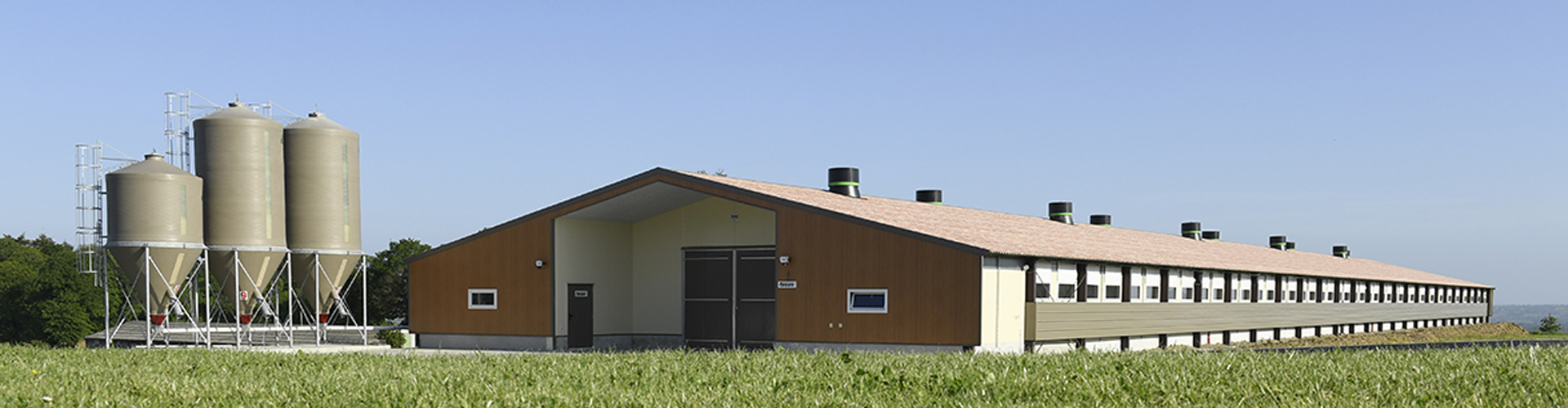
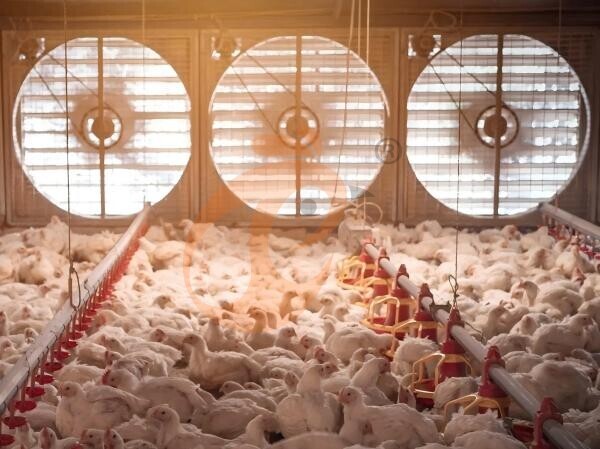
Optimizing a poultry house ventilation design requires detailed thermodynamic airflow calculations, age-matched static pressure metrics, and synchronized waste management. In 2026, premium farm operators reject piecemeal equipment sourcing. Designing the building frame before establishing the cage layout leads to severe micro-climate dead zones. Proper system balancing restricts internal ammonia concentrations below 20 ppm, limits relative humidity to a stable 50% to 70%, and prevents multi-tier layer or broiler uniform weight distribution drops.
Establishing cage layout configuration before house construction eliminates dead airflow corners.
Integrating static pressure resistances into volumetric calculations ensures real-world fan outputs.
Strict inlet angle management prevents sub-zero winter drafts from chilling ground-tier chicks.
Continuous manure belt dewatering controls ammonia volatilization directly at the source.
Get professional poultry farm construction guidance, equipment selection solutions, and the latest price lists, whatsApp to +8618830120193, click to learn more:
Critical Environmental Boundaries And Pathogen Vector Risks
Failing to maintain continuous fresh air distribution allows carbon dioxide, fine dander dust, and toxic moisture to accumulate. This directly weakens bird immunity and can cause sudden production drops of 3% to 8% or drive feed conversion ratio (FCR) variances up by 0.15 points.
Ventilation Configurations And Failure Profiles By Housing Category
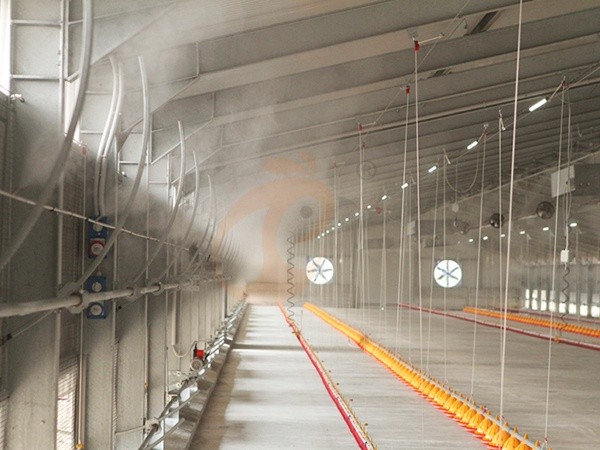
Different production tiers require specialized ventilation strategies. A high-density layer cage setup demands vertical airflow penetration across multiple tiers, whereas a broiler house relies on tunnel-ventilation air speeds to maximize convection cooling.
Systematic In-Shed Inspection And Quality Control Schedules
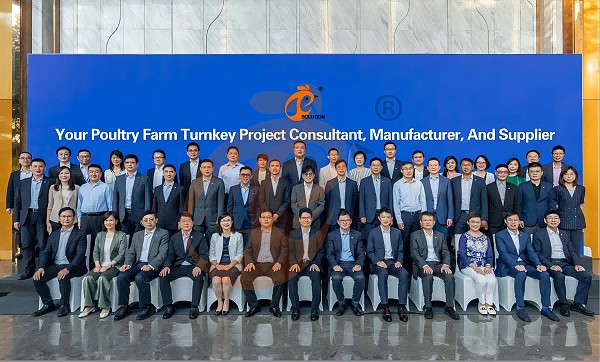
Short-circuit airflow occurs when incoming fresh air enters and exits rapidly via structural leaks or open service doors without circulating through the bird zone. Testing with smoke machines and anemometers prevents these efficiency losses.
Integrating Manure Dewatering With Structural Airflow
Ventilation and manure management are structurally linked. Fermenting wet manure (70 to75%moisture) releases heavy ammonia loads that compromise air quality. Integrating an automated manure drying line protects flock respiratory health.
System Engineering Note: Vanke multi-tier configurations are optimized using premium hot-dip galvanized and stainless steel components. Remodeling older ventilation systems can range from USD 1,000 to over USD 20,000, while new construction modifications save USD 3,000 to USD 15,000 per barn building blockFrequently Asked Questions Regarding Ventilation Design
How Does Cage Layout Planning Prevent Short-Circuit Airflow?
Sizing service aisles to at least 1.0–1.2 meters and matching sidewall clearances ensures incoming fresh air mixes fully with warm room air before dropping into the bird zone, eliminating cold-stress dead zones.
What is the Main Factor in Choosing Fan Capacities for Cage Barns?
Farms must calculate total airflow requirements based on maximum bird biomass weight and target air-exchange speeds, factoring in static pressure resistances caused by cooling pads and dirty shutters.
What Parameters Are Needed for a Custom Ventilation Proposal?
Please provide your barn's internal dimensions , target bird count, regional maximum/minimum seasonal temperatures, and preferred electricity availability.
Why Commercial Farm Networks Partner With Vanke
Direct factory manufacturer delivering automated hot-dip galvanized cages and computerized climate packages.
Complimentary custom CAD site layouts, static pressure math modeling, and thermodynamic ventilation charts.
Turnkey project planning spanning starter pullet sheds, large automated layer houses, and high-efficiency manure dewatering plants.
Responsive installation supervisors and global logistical support to minimize project commissioning risks.
Contact Us To Received Your Customized Poultry Farm Plan
Headquarters And Branchs

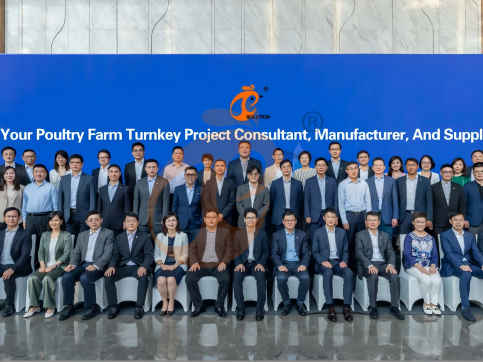
Hong Kong Headquarter Management Team
Hong Kong Headquarter Taiyu Industrial Group CO., LTD
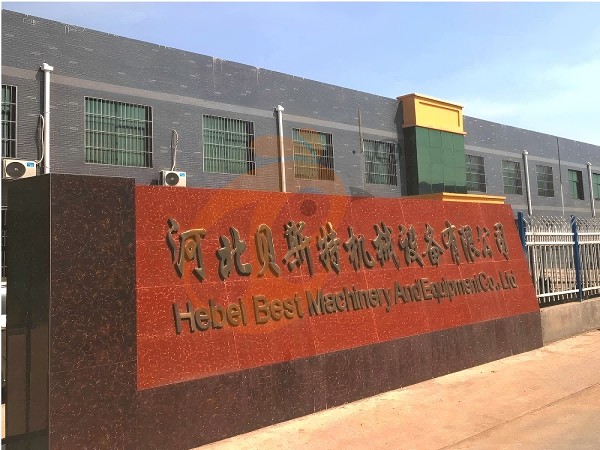
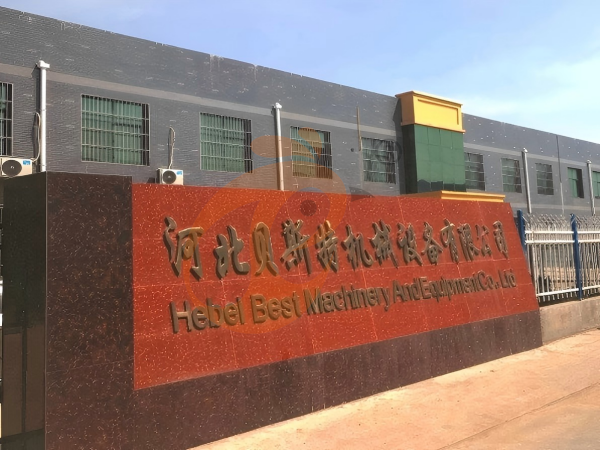
China Hebei Best Machinery And Equipment CO., LTD
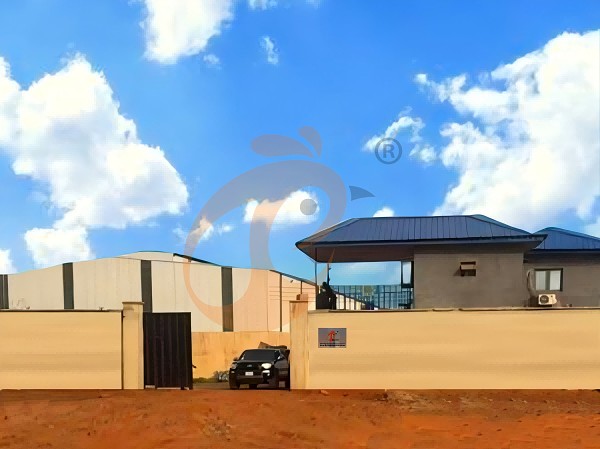
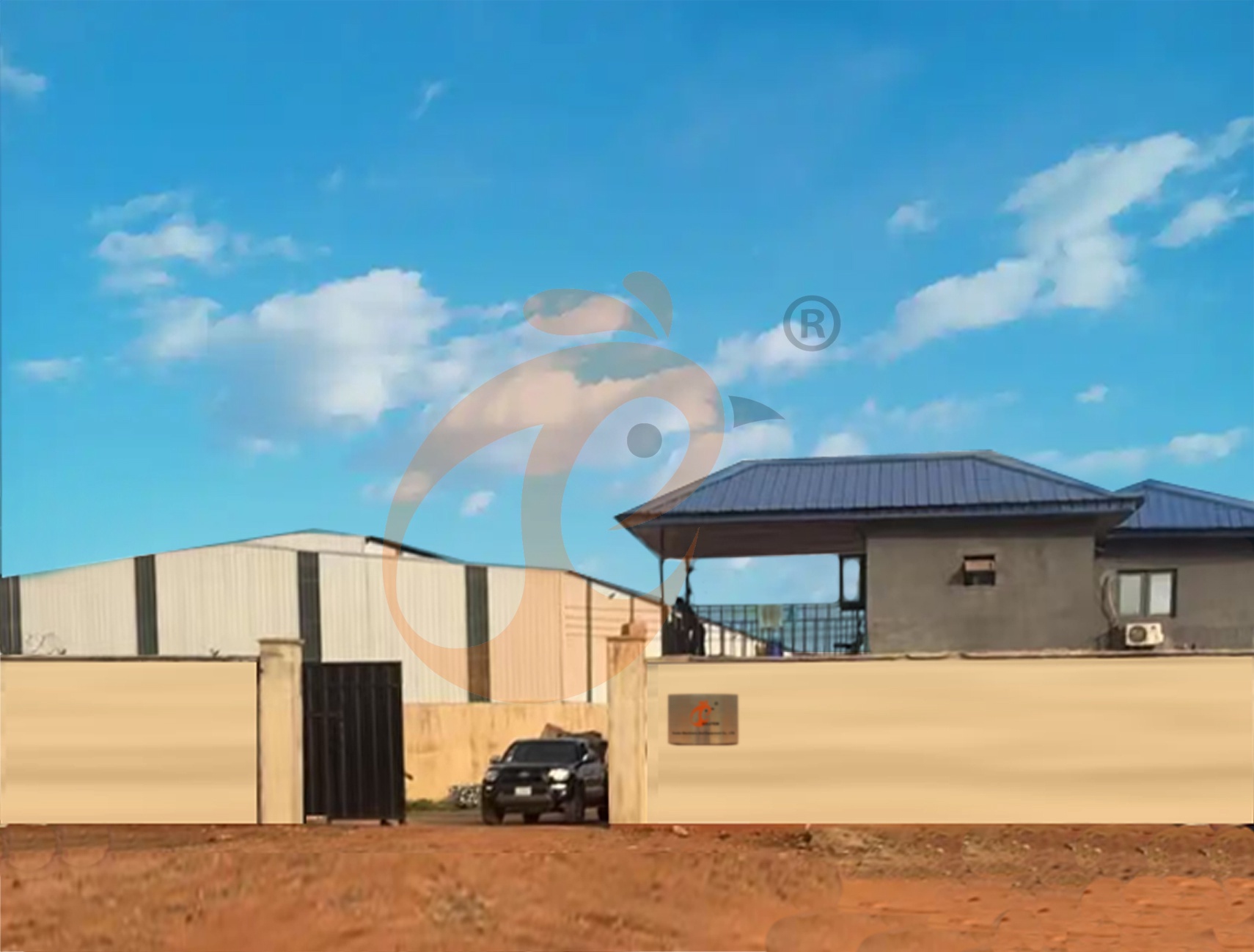
Nigeria Vanke Machinery And Equipment CO., LTD
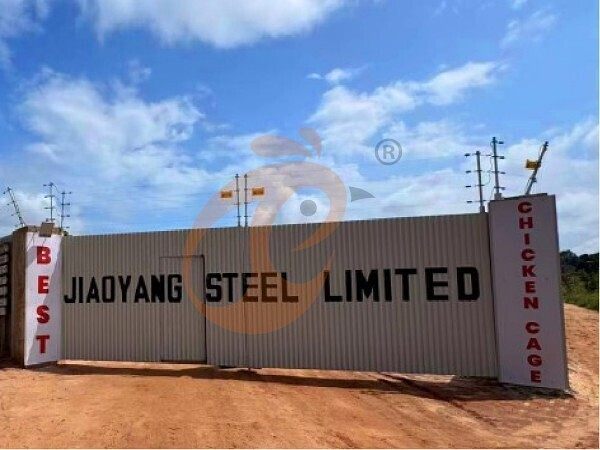
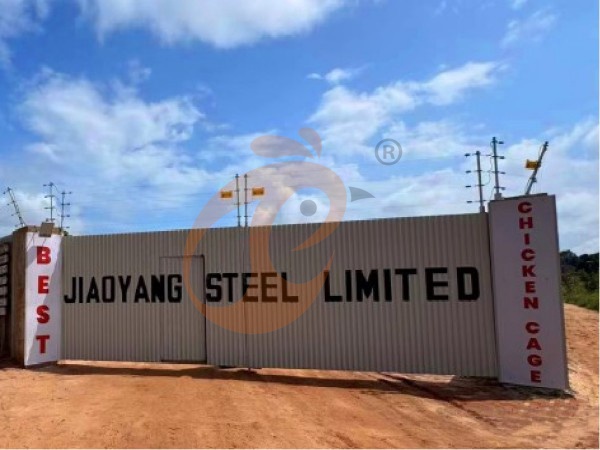
Tanzania Best Machinery And Equipment CO., LTD
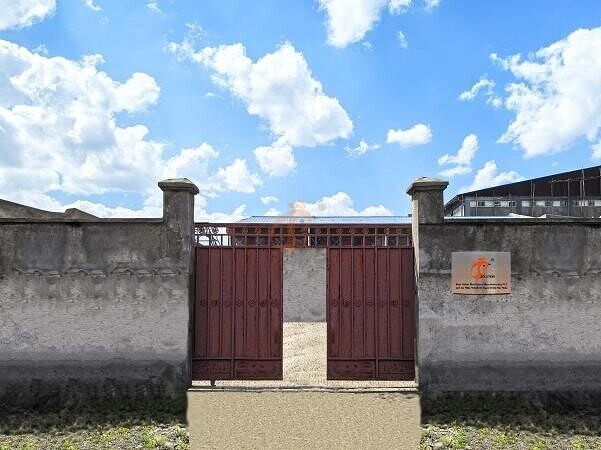
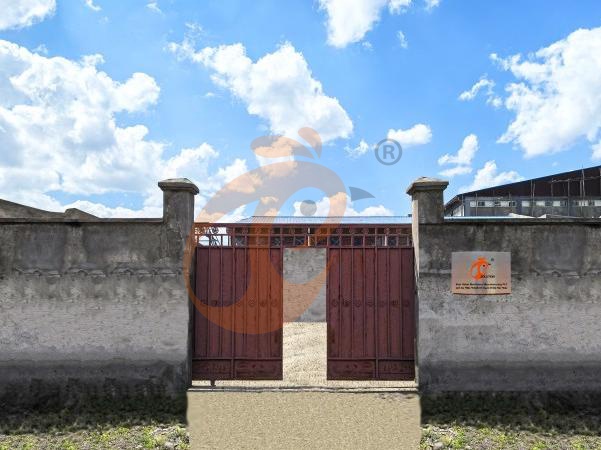
Ethiopia Best Hebei Machinery Manufacturing PLC
Reception /24 WhatsApp NO. : +8618830120193
FAQ
Message
Products recommended
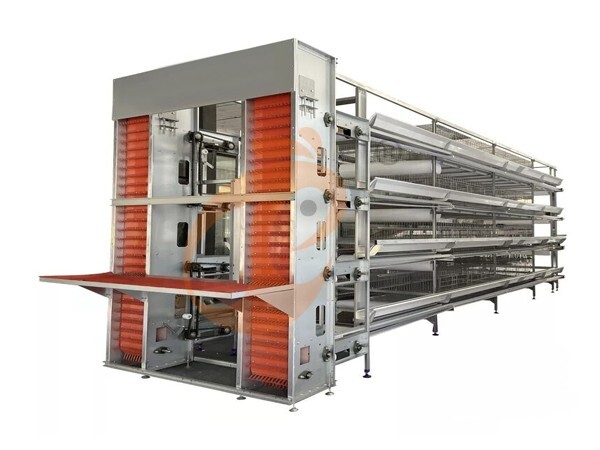
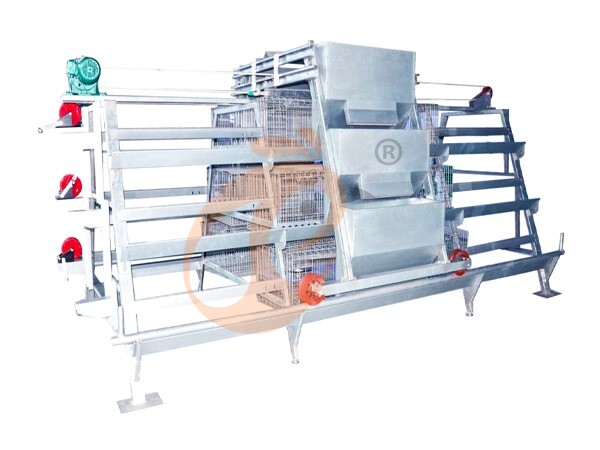
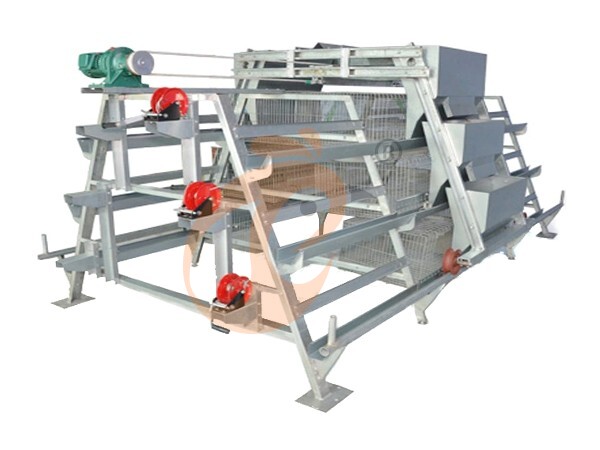
 >30,000 Pullets Automatic H Type Battery Cage1. More than 30,000 pullets a house, choose it.
2. It is designed to rearing older than 1 day old pullets to 12 to 16 weeks old chicken starting laying eggs.
3. Its lifespan is more than 25 years.
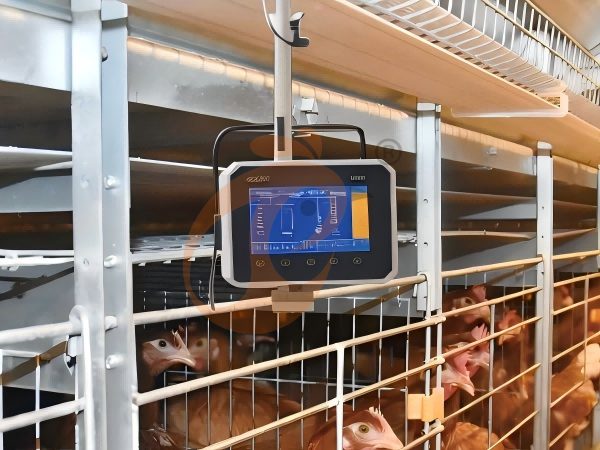
4. Its structure are Vcloud artificial intelligent fusion, electric control cabinet, automatic equipment of drinking, feeding, manure clean, manual harvesting.
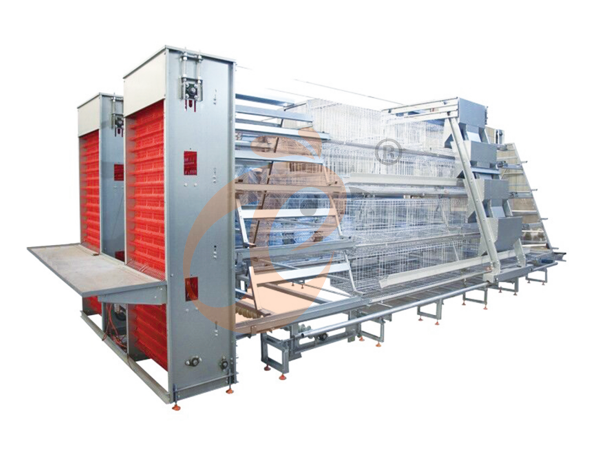
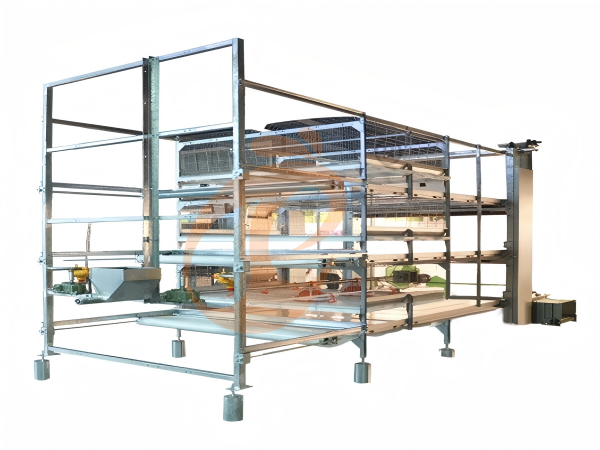
5. Our 24 hour online reception What’sApp NO. is +8618830120193 <30,000 Pullets Automatic A Type Battery Cage1. 10,000 to 30,000 pullets a house, choose it.
2. It is designed to rearing older than 1 day old pullets to 12 to 16 weeks old chicken starting laying eggs.
3. Its lifespan is more than 25 years.
4. Its structure are Vcloud artificial intelligent fusion, electric control cabinet, automatic equipment of drinking, feeding, manure clean, manual harvesting.
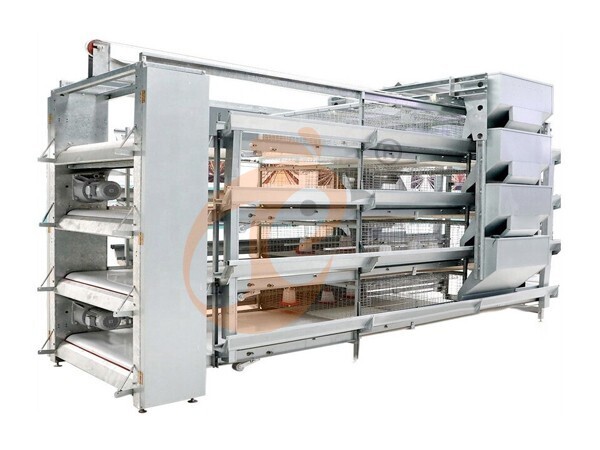
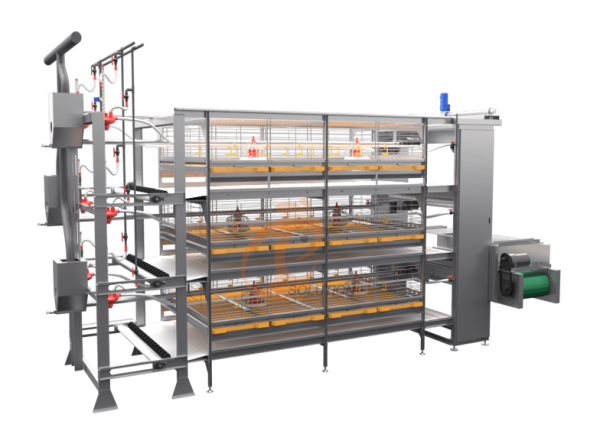
5. Our 24 hour online reception What’sApp NO. is +86 18830120193. >30,000 Broilers Semi-Automatic Harvest H Type Battery Cage1. More than 30,000 broilers a house, choose it.
2. It is designed to rearing 1 to 45 day old adult broiler ready for market.
3. Its lifespan is more than 20 years.
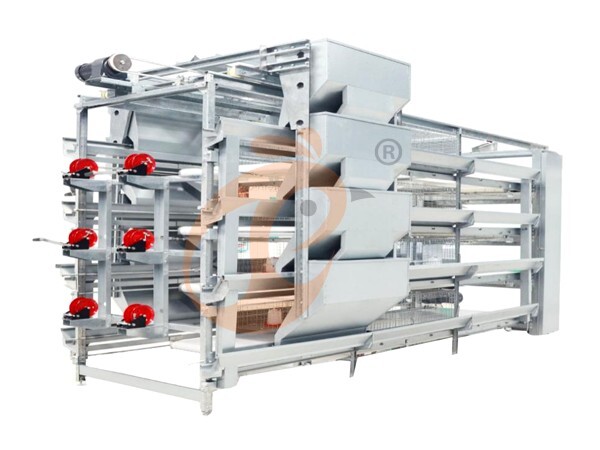
4. Our 24 hour online reception What’sApp NO. is +8618830120193, +234 8111199996. >30,000 Broilers Manual Harvest H Type Battery Cage1. More than 30,000 broilers a house, choose it.
2. It is designed to rearing 1 to 45 day old adult broiler ready for market.
3. Its lifespan is more than 20 years.
4. Its structure are Vcloud artificial intelligent fusion, electric control cabinet, automatic equipment of drinking, feeding and manure clean, manual harvesting.
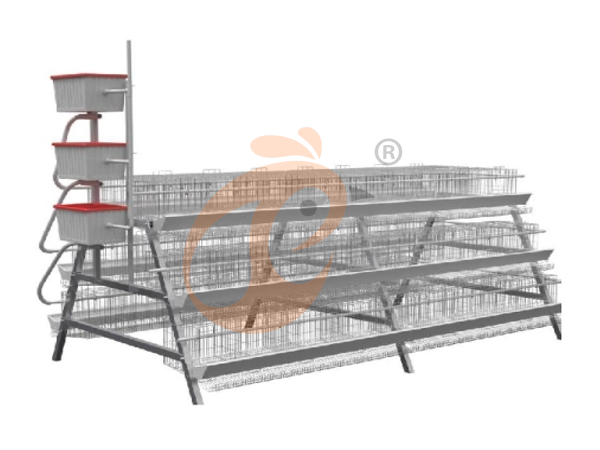
5. Our 24 hour online reception What’sApp NO. is +8618830120193, +234 8111199996. <30,000 Broilers Manual Harvest A Type Battery Cage1. Less 30,000 broilers a house, choose it.
2. It is designed to rearing 1 to 45 day old adult broiler ready for market.
3. Its lifespan is more than 20 years.
4. Its structure are Vcloud artificial intelligent fusion, electric control cabinet, automatic equipment of drinking, feeding and manure clean, manual harvesting.
5. Our 24 hour online reception What’sApp NO. is +8618830120193, +234 8111199996. HK Headquarter Offers EU-standard Poultry Farm Solutions, Manufacture Poultry Farm Equipment1. Continuous communication with the EU and the US
2. China, Nigeria, Ethiopia, Tanzania branch companies and factories
3. The products’ quality is customized for local poultry farms
4. Poultry cage and poultry farm equipment stock for sale
5. 24 online reception Whatsapp NO. : +8618830120193,contact us to get full information China Branch Offer Poultry Farm Business Plan, Manufacture Poultry Farm Equipment1. Address: Flat/RM 2416, 24/F, Runxing Building, Youyi Nan Street, Shijiazhuang City, Hebei Province, China
2. Poultry cage and poultry farm equipment factory and stock for sale
3. Customized for local poultry farms
4. Quality and design are based on Euro
5. 24 online reception Whatsapp NO. : +8618830120193 Nigeria Branch Offer Poultry Farm Business Plan, Manufacture Poultry Farm Equipment1. Address: After Sinoma Office, 200 Meters Near Danco Filling Station, Lagos/Ibadan Expressway, Lagos State, Nigeria
2. Poultry cage and poultry farm equipment factory and stock for sale
3. Customized for Nigerian poultry farms
4. Quality and design are based on Euro
5. 24 online reception Whatsapp NO. : +8618830120193 Ethiopia Branch Offer Poultry Farm Business Plan, Manufacture Poultry Farm Equipment1. Address: WR93+FQ2, Addis Ababa, Ethiopia
2. Poultry cage and poultry farm equipment stock for sale
3. Customized for Ethiopian poultry farms
4. Quality and design are based on Euro
5. 24 online reception Whatsapp NO. : +8618830120193, contact us to get price list Tanzania Branch Offer Poultry Farm Business Plan, Manufacture Poultry Farm Equipment1. Address: No.8, Sova Road, Msufini, Mlandizi, Kibaha, Pwani, Tanzania
2. Poultry cage and poultry farm equipment factory and stock for sale
3. Customized for Tanzanian poultry farms
4. Quality and design are based on Euro
5. 24 online reception Whatsapp NO. : +8618830120193



Contact
By clicking 'Allow All', you agree to the storage of cookies on your device to enhance site navigation, analyze site usage and assist with our marketing efforts.