


Blog
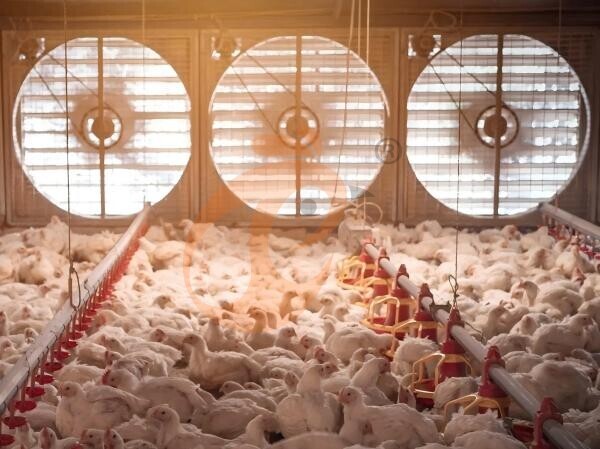
Aligning the feeder trough lip directly with the bird's chest level eliminates feed scratching losses.
Automated mechanical feeding carts prevent overfilling and ensure uniform particle delivery.
Isolating clean feed delivery paths from dirty waste exits prevents pathogen contamination.
Maintaining indoor relative humidity at 50% to 70% protects feed storage silos from toxic mold growth.
Get professional poultry farm construction guidance, equipment selection solutions, and the latest price lists, whatsApp to +8618830120193, click to learn more:
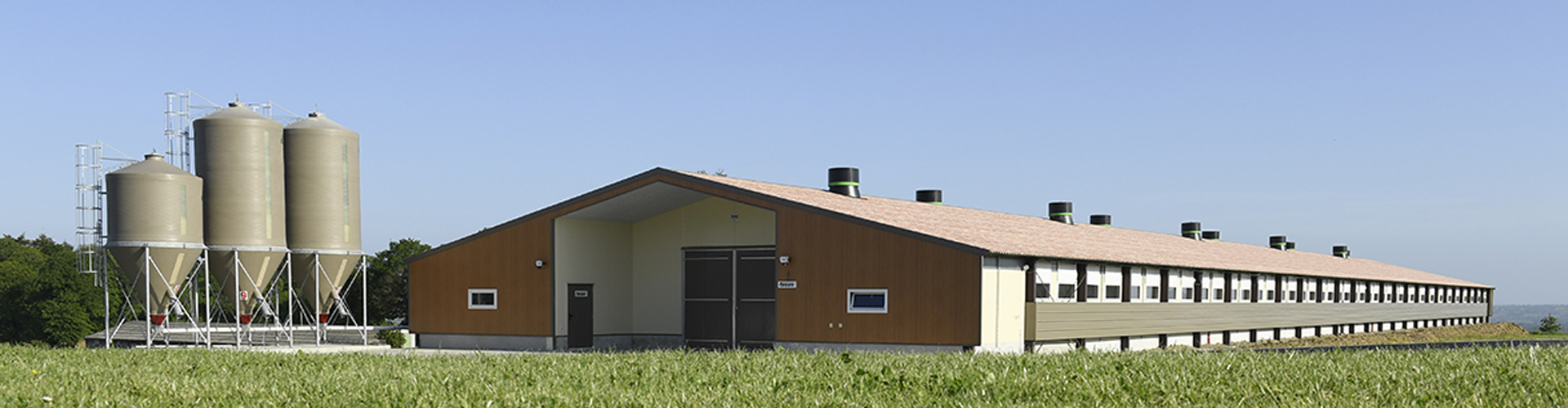
Core Sources Of Feed Waste And Engineering Mitigations
Most operational feed waste stems from minor, compounding design discrepancies. Wide-open manual feed troughs lead to wild feed scattering, while poorly planned barn service aisles hinder staff from quickly identifying jammed or leaking equipment components.
Spatial House Layout And Structural Feeding Efficiency
A high-performance layout must prioritize easy inspection access, uniform nutrient delivery, and strict biosecurity paths. For starter facilities and integrated recycling operations, the physical separation of clean and dirty traffic flows preserves long-term feed biosecurity.
Technical Specifications For Manure Removal and Environmental Feed Protection
High ambient ammonia levels (20 to 25ppm) cause severe respiratory distress and eye irritation in birds, leading to reduced appetite, selective feed sorting, and poor nutrient conversion. Integrating automatic longitudinal manure belt conveyor systems stabilizes house air quality and keeps bird intake consistent.
Daily Quality Control Protocols For Feed Loss Mitigation
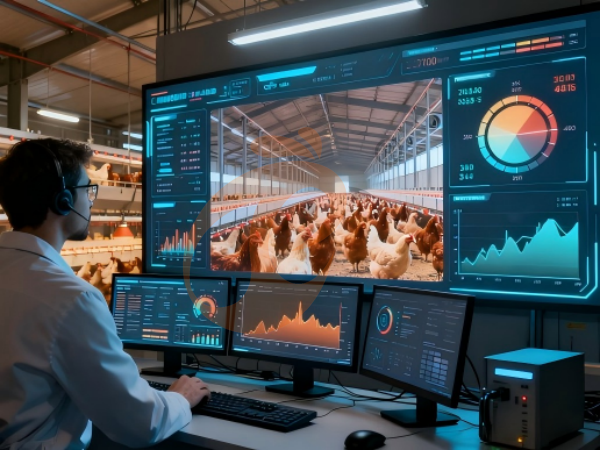
Without regular monitoring, feed loss remains an invisible strain on cash flow. Farm managers must track daily intake logs alongside production outputs to identify feed-conversion anomalies before monthly profits decline.
Capital Payback Projections: Feed-Saving ROI Analysis
Reducing daily feed spillage has a massive compounding impact on profit margins. A facility that cuts feed loss by 50% can recoup its investment in automated equipment within the first few production cycles.
Frequently Asked Questions Regarding Sourcing Efficiency
How Does Automated Cage Layout Control Feed Conversion Efficiency?
Proper design keeps service aisle widths at 1.0–1.2 meters, giving workers clear visibility to check feed lines. It also ensures even ventilation across all levels, preventing birds from developing uneven appetites.
What is a Target Feed Conversion Ratio (FCR) for Modern Operations?
Under optimal conditions, commercial broiler houses aim for an FCR of 1.5–1.8, while layer operations measure feed efficiency against egg output per dozen. Spikes in these ratios indicate hidden feed waste or climate stress.
What Data Points Are Required to Receive a Free Feed-Saving Layout Design?
Please send your exact land dimensions , target flock capacity, breed specification, and regional winter/summer climate extremes.
Why Commercial Farm Networks Partner With Vanke
Direct factory manufacturer delivering advanced hot-dip galvanized battery cages with anti-spill feed troughs.
Complimentary custom CAD layout design, house dimensioning, and structural zoning for new facilities.
Full manufacturing capacity for automatic feeding lines, automated manure belts, and circular recycle farm setups.
Experienced field installation managers and global logistical coordination to eliminate commissioning risks.
Contact Us To Received Your Customized Poultry Farm Plan
Headquarters And Branchs

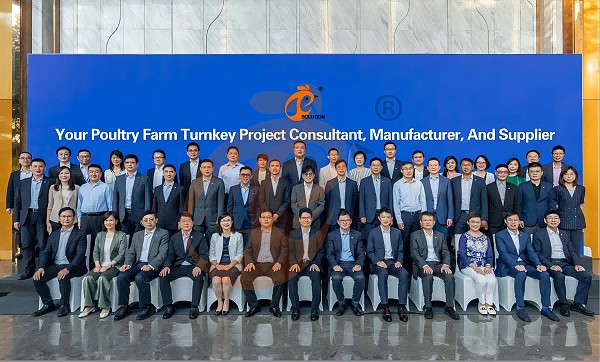
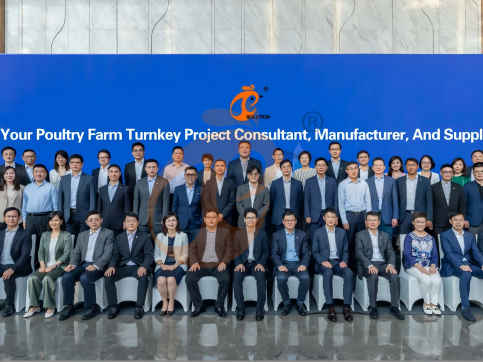
Hong Kong Headquarter Management Team
Hong Kong Headquarter Taiyu Industrial Group CO., LTD
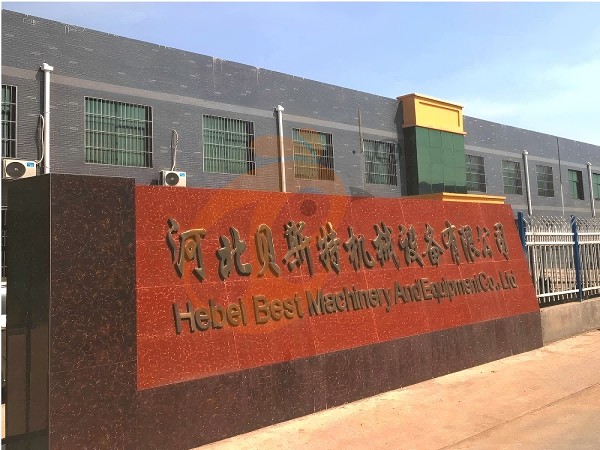
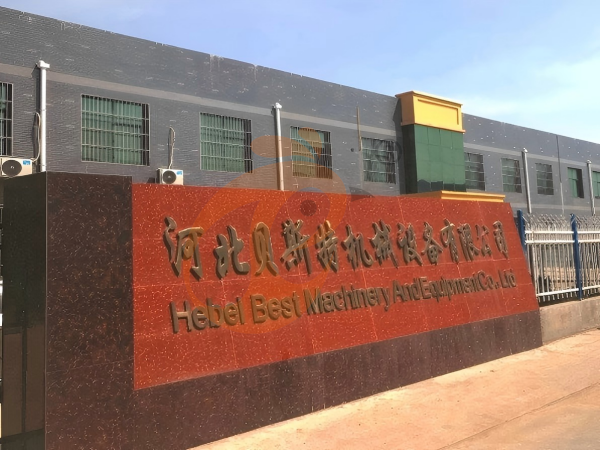
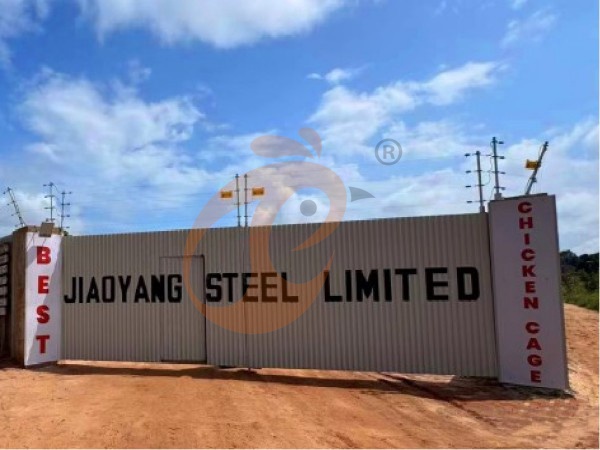
China Hebei Best Machinery And Equipment CO., LTD
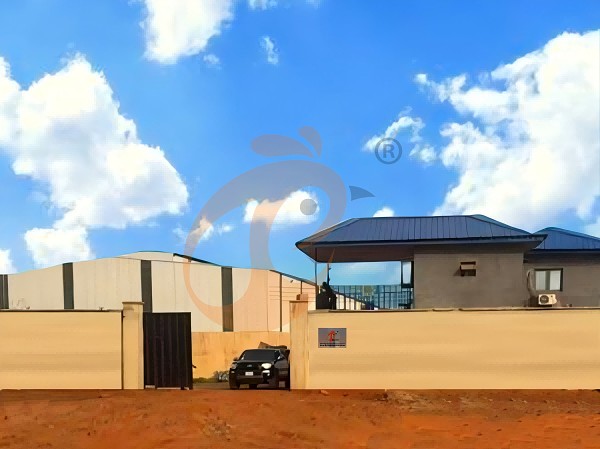
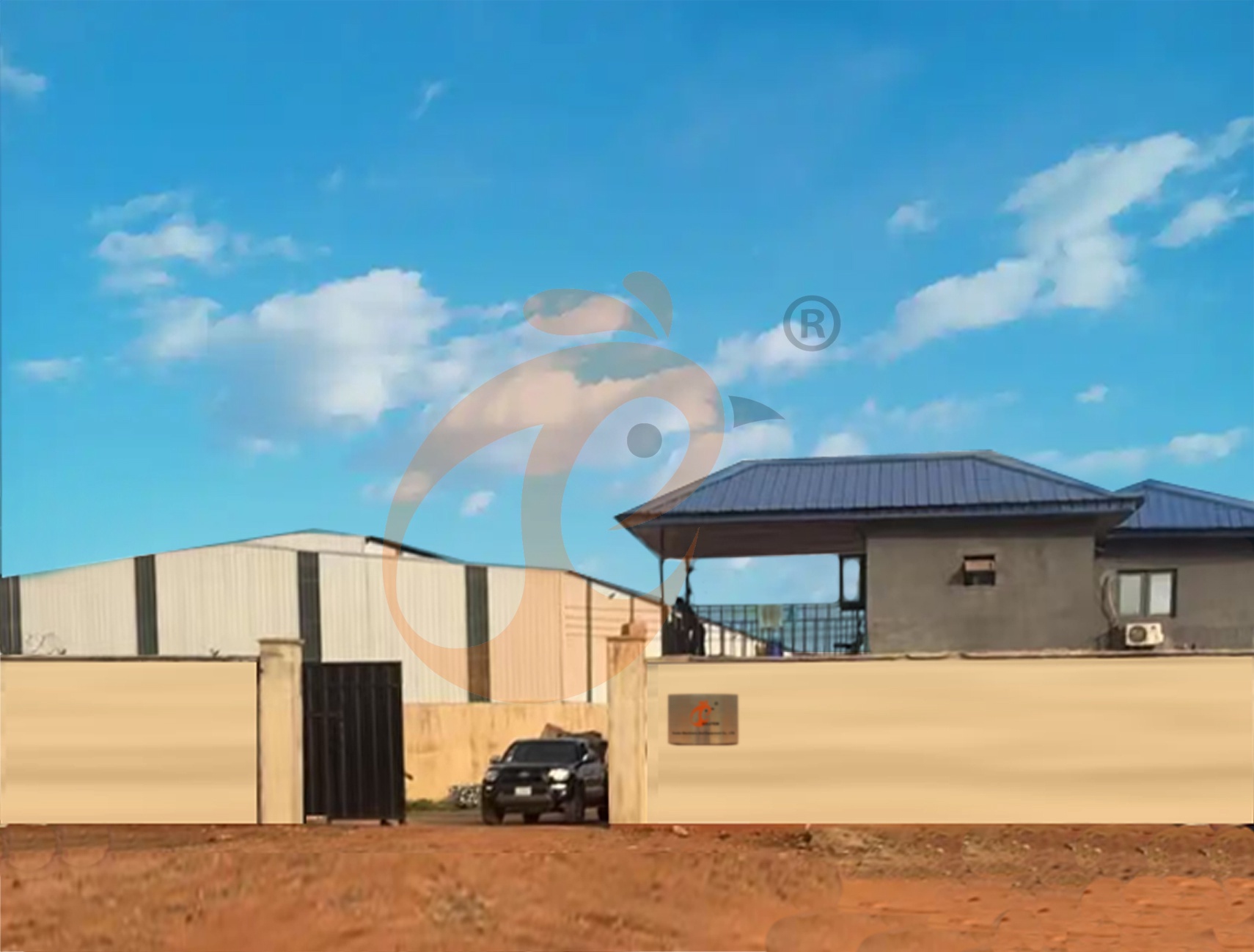
Nigeria Vanke Machinery And Equipment CO., LTD
Tanzania Best Machinery And Equipment CO., LTD
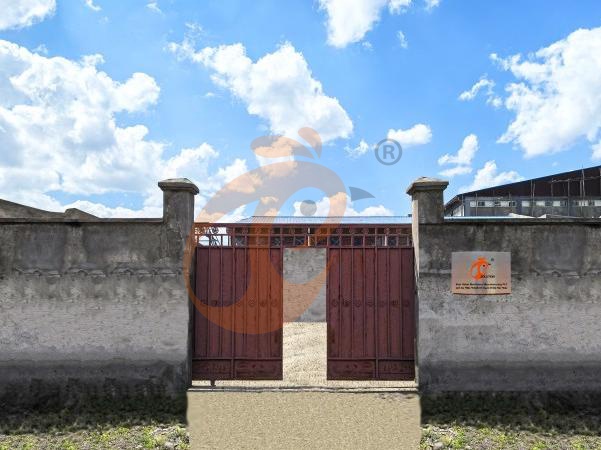
Ethiopia Best Hebei Machinery Manufacturing PLC
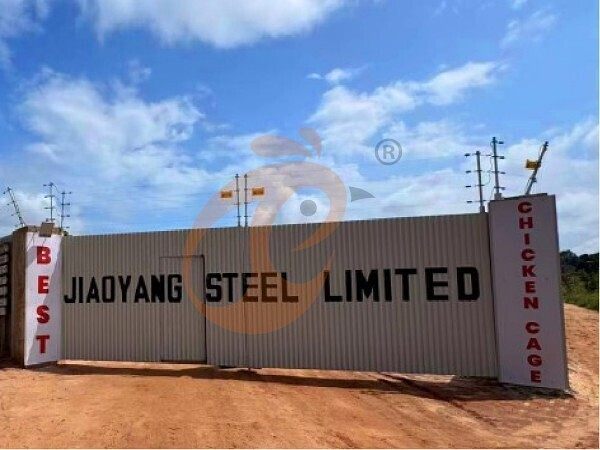
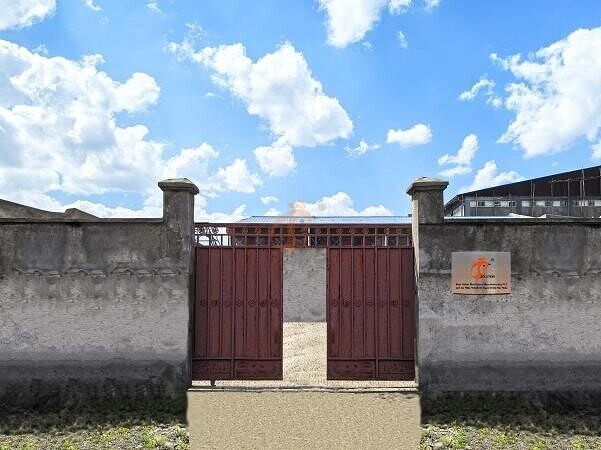
Reception /24 WhatsApp NO. : +8618830120193
Message
Products recommended
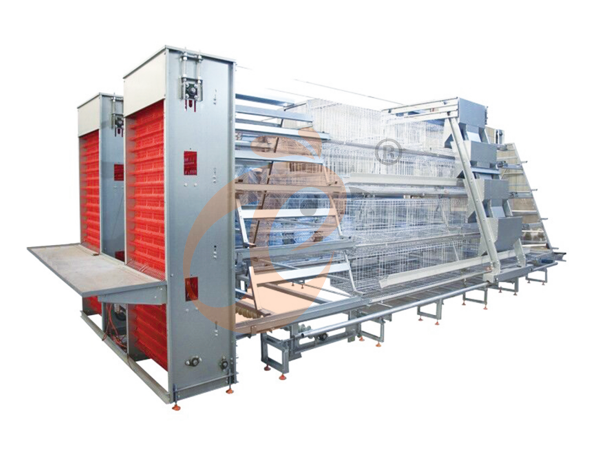
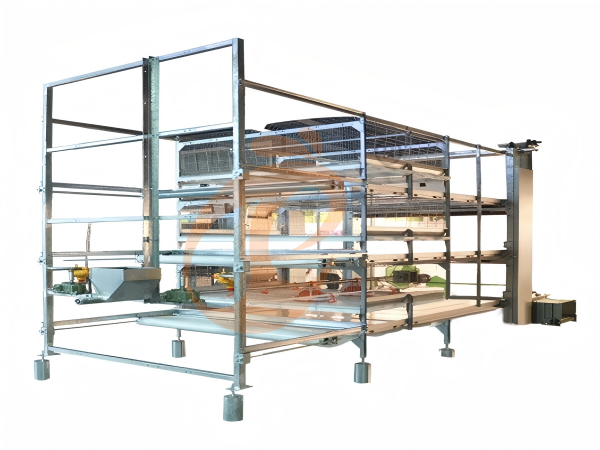
 >30,000 Pullets Automatic H Type Battery Cage1. More than 30,000 pullets a house, choose it.
2. It is designed to rearing older than 1 day old pullets to 12 to 16 weeks old chicken starting laying eggs.
3. Its lifespan is more than 25 years.
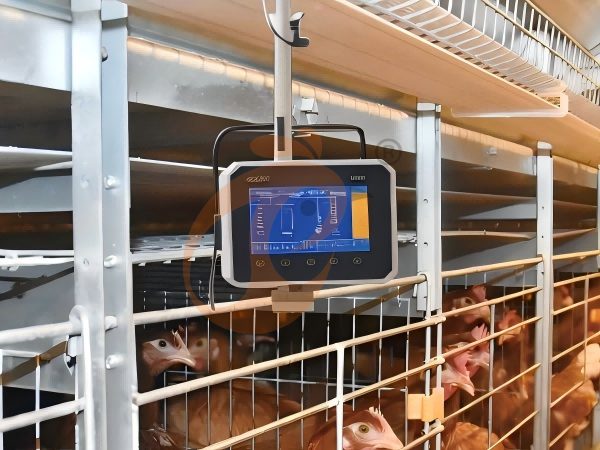
4. Its structure are Vcloud artificial intelligent fusion, electric control cabinet, automatic equipment of drinking, feeding, manure clean, manual harvesting.
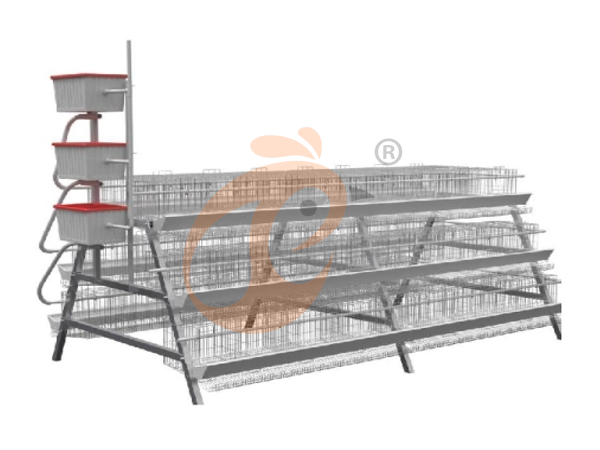
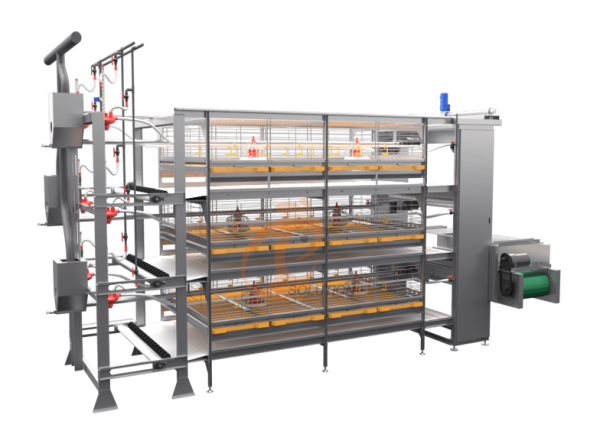
5. Our 24 hour online reception What’sApp NO. is +8618830120193 <30,000 Pullets Automatic A Type Battery Cage1. 10,000 to 30,000 pullets a house, choose it.
2. It is designed to rearing older than 1 day old pullets to 12 to 16 weeks old chicken starting laying eggs.
3. Its lifespan is more than 25 years.
4. Its structure are Vcloud artificial intelligent fusion, electric control cabinet, automatic equipment of drinking, feeding, manure clean, manual harvesting.
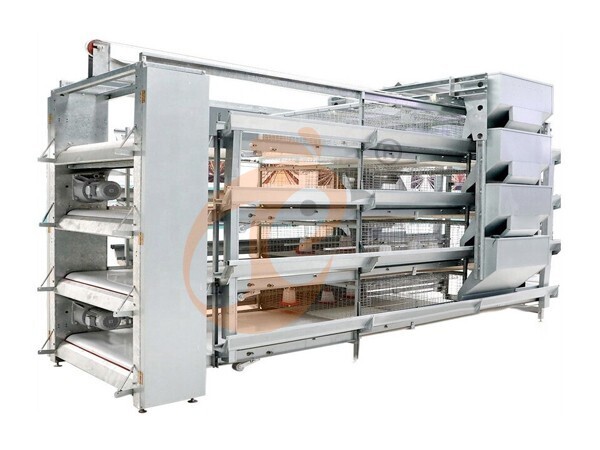
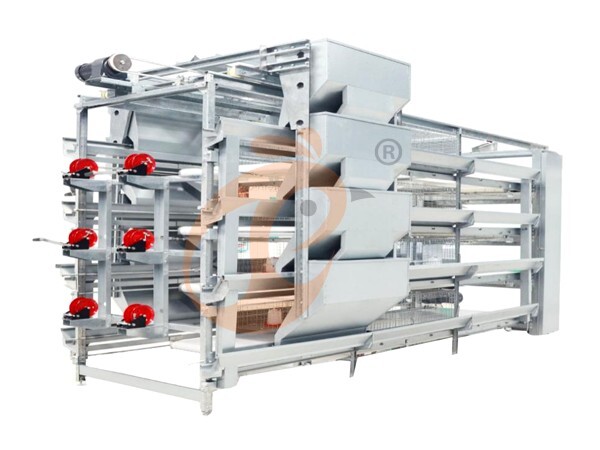
5. Our 24 hour online reception What’sApp NO. is +86 18830120193. >30,000 Broilers Semi-Automatic Harvest H Type Battery Cage1. More than 30,000 broilers a house, choose it.
2. It is designed to rearing 1 to 45 day old adult broiler ready for market.
3. Its lifespan is more than 20 years.
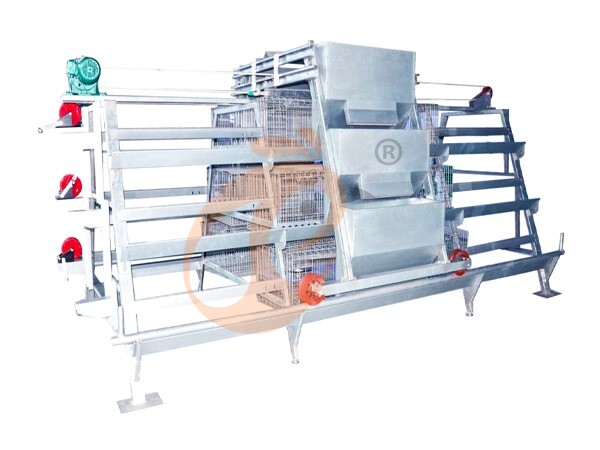
4. Our 24 hour online reception What’sApp NO. is +8618830120193, +234 8111199996. >30,000 Broilers Manual Harvest H Type Battery Cage1. More than 30,000 broilers a house, choose it.
2. It is designed to rearing 1 to 45 day old adult broiler ready for market.
3. Its lifespan is more than 20 years.
4. Its structure are Vcloud artificial intelligent fusion, electric control cabinet, automatic equipment of drinking, feeding and manure clean, manual harvesting.
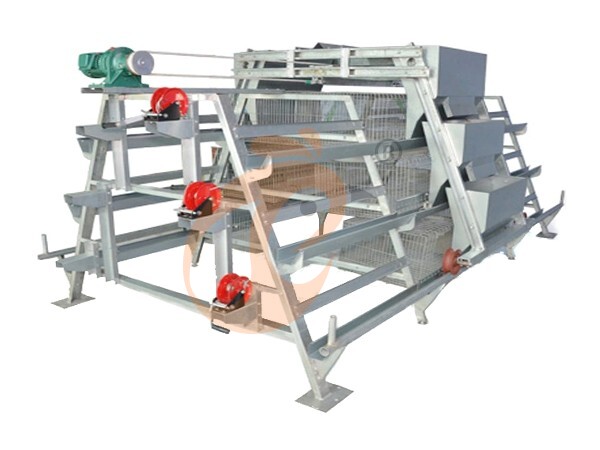
5. Our 24 hour online reception What’sApp NO. is +8618830120193, +234 8111199996. <30,000 Broilers Manual Harvest A Type Battery Cage1. Less 30,000 broilers a house, choose it.
2. It is designed to rearing 1 to 45 day old adult broiler ready for market.
3. Its lifespan is more than 20 years.
4. Its structure are Vcloud artificial intelligent fusion, electric control cabinet, automatic equipment of drinking, feeding and manure clean, manual harvesting.
5. Our 24 hour online reception What’sApp NO. is +8618830120193, +234 8111199996. HK Headquarter Offers EU-standard Poultry Farm Solutions, Manufacture Poultry Farm Equipment1. Continuous communication with the EU and the US
2. China, Nigeria, Ethiopia, Tanzania branch companies and factories
3. The products’ quality is customized for local poultry farms
4. Poultry cage and poultry farm equipment stock for sale
5. 24 online reception Whatsapp NO. : +8618830120193,contact us to get full information China Branch Offer Poultry Farm Business Plan, Manufacture Poultry Farm Equipment1. Address: Flat/RM 2416, 24/F, Runxing Building, Youyi Nan Street, Shijiazhuang City, Hebei Province, China
2. Poultry cage and poultry farm equipment factory and stock for sale
3. Customized for local poultry farms
4. Quality and design are based on Euro
5. 24 online reception Whatsapp NO. : +8618830120193 Nigeria Branch Offer Poultry Farm Business Plan, Manufacture Poultry Farm Equipment1. Address: After Sinoma Office, 200 Meters Near Danco Filling Station, Lagos/Ibadan Expressway, Lagos State, Nigeria
2. Poultry cage and poultry farm equipment factory and stock for sale
3. Customized for Nigerian poultry farms
4. Quality and design are based on Euro
5. 24 online reception Whatsapp NO. : +8618830120193 Ethiopia Branch Offer Poultry Farm Business Plan, Manufacture Poultry Farm Equipment1. Address: WR93+FQ2, Addis Ababa, Ethiopia
2. Poultry cage and poultry farm equipment stock for sale
3. Customized for Ethiopian poultry farms
4. Quality and design are based on Euro
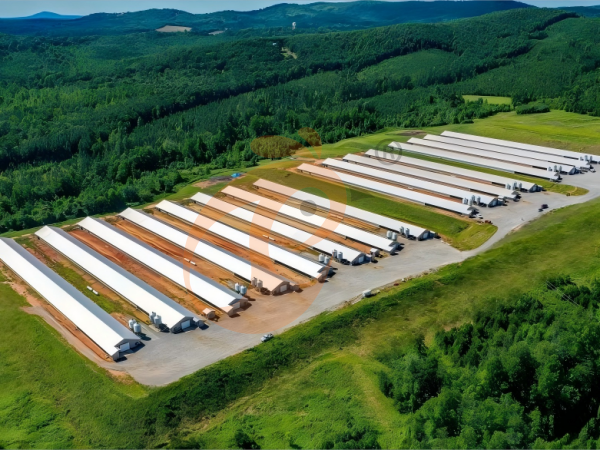
5. 24 online reception Whatsapp NO. : +8618830120193, contact us to get price list Tanzania Branch Offer Poultry Farm Business Plan, Manufacture Poultry Farm Equipment1. Address: No.8, Sova Road, Msufini, Mlandizi, Kibaha, Pwani, Tanzania
2. Poultry cage and poultry farm equipment factory and stock for sale
3. Customized for Tanzanian poultry farms
4. Quality and design are based on Euro
5. 24 online reception Whatsapp NO. : +8618830120193
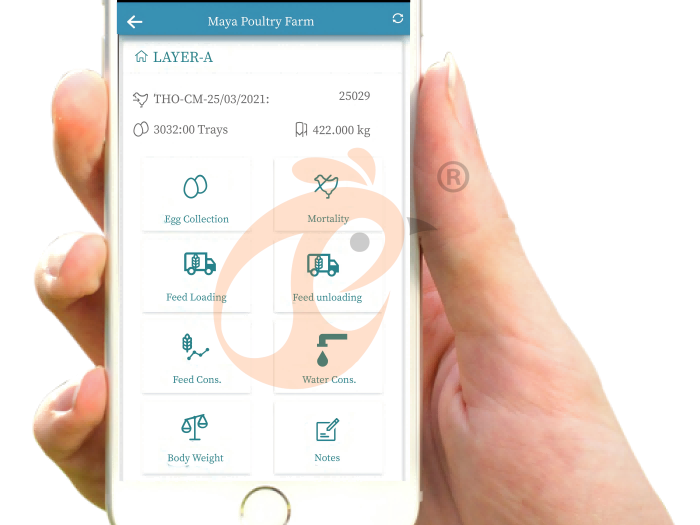

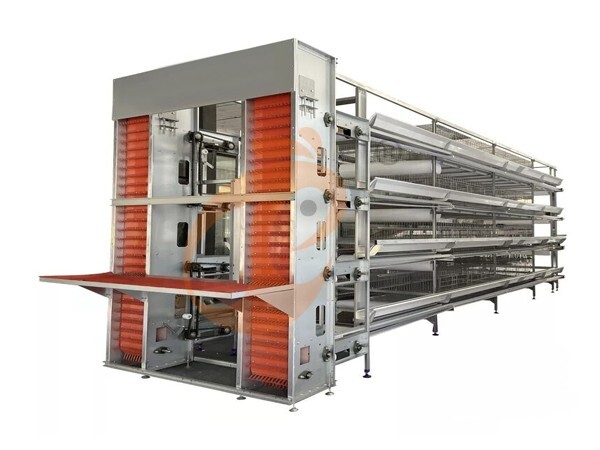

Contact
By clicking 'Allow All', you agree to the storage of cookies on your device to enhance site navigation, analyze site usage and assist with our marketing efforts.