


Blog
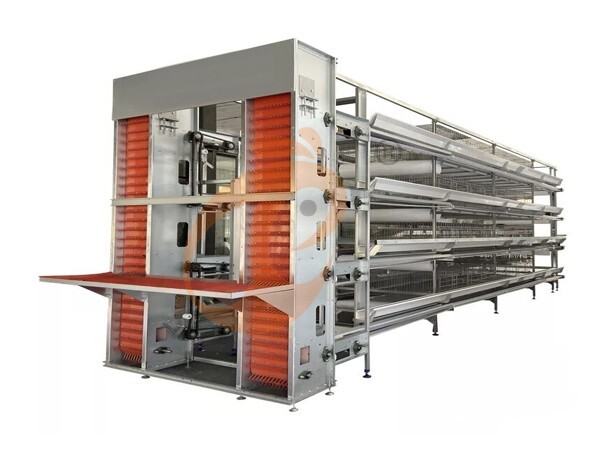
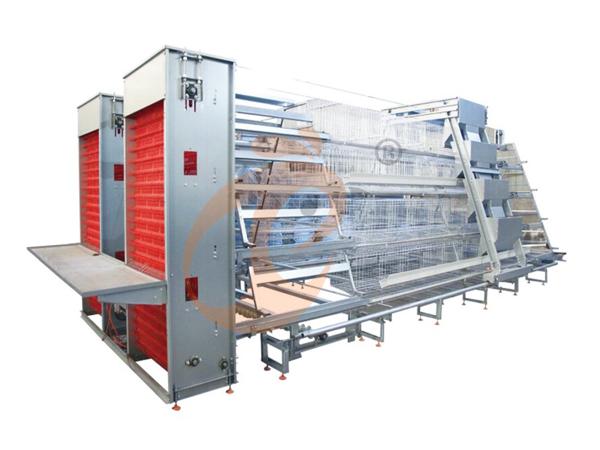
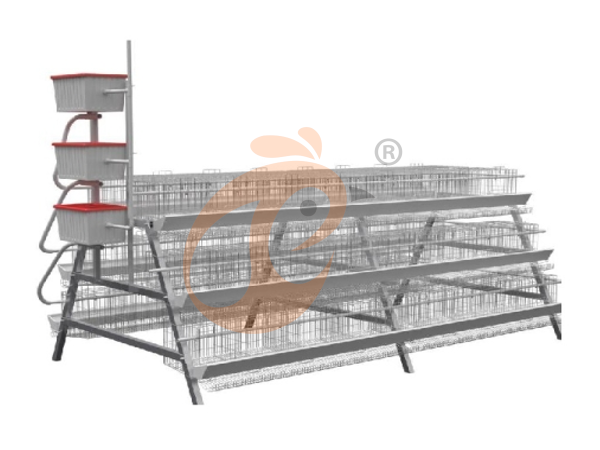
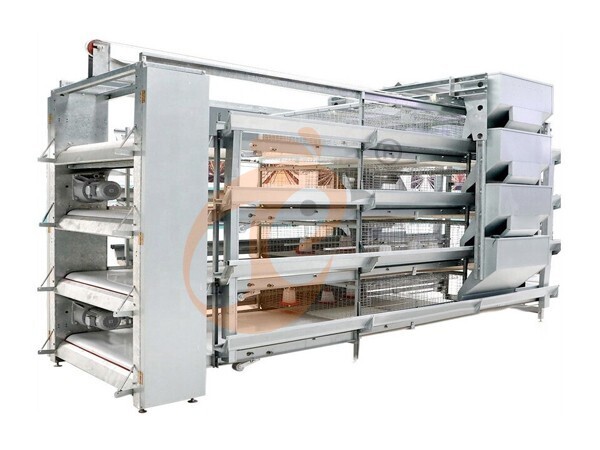
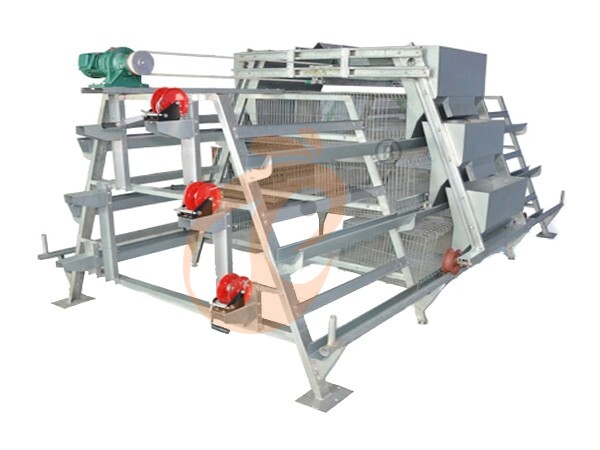
- Battery cage for layers supports scalable housing, feeding, watering, manure, and egg handling for commercial layer farms with 20,000 birds.
Automatic layer cage system planning connects cage selection with house dimensions, automation levels, ventilation zones, and installation requirements.
Layer chicken cage specifications reveal structural details such as 1,950 mm modules and 2.0–3.5 mm galvanized wire.
Supplier evaluation covers manufacturing capability, customization, technical documentation, spare parts, warranty, and project communication.
- Five practical selection tips help buyers compare complete poultry equipment solutions while reducing specification gaps before ordering, while projects benefit from coordinated engineering and technical support.
Get professional poultry farm construction guidance, equipment selection solutions, and the latest price lists, whatsApp to +8618830120193, click to learn more:
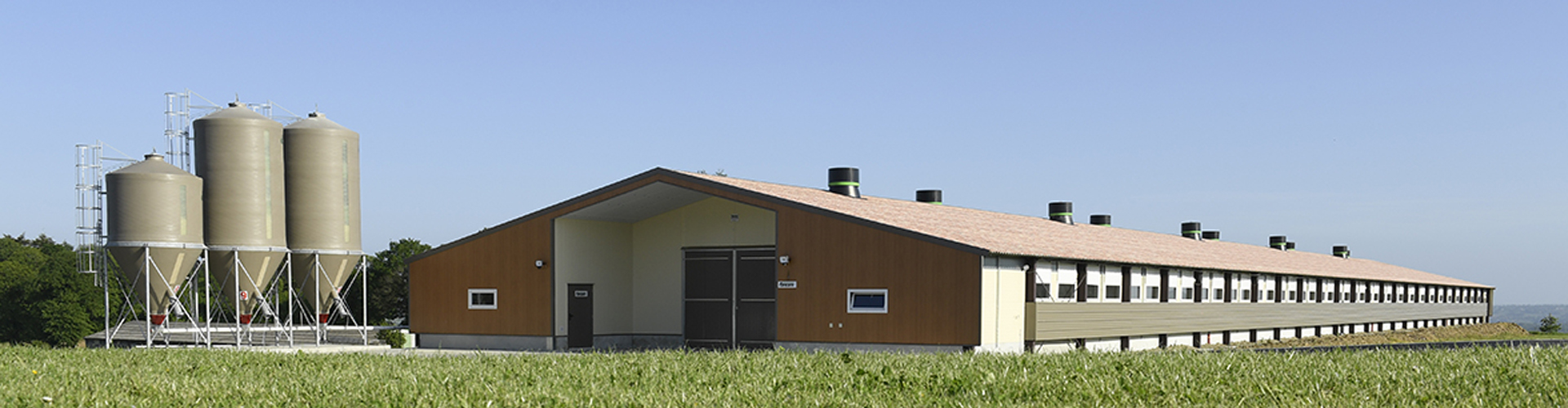
Complete Layer System
A professional battery cage for layers manufacturer should provide more than galvanized cages.
For a commercial farm targeting 20,000 laying hens, equipment should coordinate housing, feeding, drinking, manure removal, egg collection, ventilation, and electrical control as one integrated project.
Data is for reference only.Swipe horizontally to view full table.
The advantage of an automatic layer cage system is coordinated equipment selection.
A farm designed around 4 equipment functions can simplify engineering between cage, feeding, watering, and manure systems.
Technical Specification Comparison
A battery cage for layers quotation becomes meaningful only when specifications are comparable.
Two suppliers may quote similar prices while using different structural materials, coating processes, and cage configurations.
Data is for reference only.Swipe horizontally to view full table.
A professional layer chicken cage manufacturer should explain every specification instead of providing only one total price.
A difference of 15 minutes in technical response time can also indicate how efficiently project questions are handled.
Farm Capacity Matching
The correct battery cage for layers configuration depends on building dimensions, flock planning, automation, and operating conditions.
A manufacturer should calculate equipment from actual project requirements instead of automatically recommending one model.
Data is for reference only.Swipe horizontally to view full table.
When requesting an automatic layer cage system quotation, provide house dimensions and target flock size.
A difference of 3 m in house width can affect aisle arrangement, equipment positioning, and final cage layout.
Customization Capability
Customization for a battery cage for layers project should mean engineering changes supported by drawings and calculations.
For a farm using 8 ventilation zones, the supplier should coordinate cage placement with building plans and automation layouts.
Data is for reference only.Swipe horizontally to view full table.
A capable layer chicken cage supplier can convert a farm drawing into a coordinated equipment proposal.
A complete engineering package can reduce installation conflicts across 3 major mechanical systems.
Five-Minute Supplier Test
STEP 1 — REQUEST
Ask for a technical drawing after supplying farm dimensions.
STEP 2 — VERIFY
Request material specifications covering steel, wire, coating, and component construction.
STEP 3 — CONNECT
Check whether the Battery Cage For Layers integrates with feeding, drinking, manure, and egg systems.
STEP 4 — INSPECT
Request factory photographs, production videos, inspection records, and completed-project references.
STEP 5 — COMPARE
Require separate equipment quantities, installation support, spare parts, and delivery information.
A serious automatic layer cage system supplier should answer these questions with documented technical information.
A quotation containing 5 or more equipment categories is easier to audit before purchasing.
Automatic Equipment Parameters
Automation determines how a battery cage for layers system operates during daily production.
Feeding, egg collection, and manure removal should therefore be evaluated as complete mechanical systems rather than optional accessories.
Data is for reference only.Swipe horizontally to view full table.
An automatic layer cage system is easier to manage when feeding, watering, egg collection, and manure handling follow one engineering plan.
Integrated equipment can also simplify maintenance coordination across 4 operating systems.
Bird Contact Components
Small components operate continuously inside a battery cage for layers system.
Nipple drinkers, cage floors, feed troughs, and egg-roll mechanisms therefore deserve detailed technical review.
Daily-Contact Checklist:
Water → Feed → Floor → Egg → Manure
A cage floor designed with a 7–9° egg-roll slope can guide eggs toward the collection side while maintaining the required cage structure.
A supplier should also provide replacement-part information covering approximately 10–20 common components.
Factory Capability
For export projects, a battery cage for layers manufacturer needs controlled production, assembly, inspection, packaging, and technical documentation.
Customized systems can contain hundreds of individual components, making manufacturing consistency important.
Data is for reference only.Swipe horizontally to view full table.
Factory information for an automatic layer cage system should be supported by photographs, videos, drawings, inspection documents, or project records.
Certification documents should be checked against the exact product model and production facility.
Quotation Structure
A professional battery cage for layers quotation should function almost like a project blueprint.
For a project containing 6 separate poultry houses, equipment should be traceable to each building and installation area.
WHAT? — Exact equipment model.
HOW MANY? — Quantity of each component.
HOW? — Installation configuration.
WHEN? — Production and delivery schedule.
WHO? — Installation and technical responsibilities.
A structured layer chicken cage quotation reduces specification gaps before production.
Clear documentation also helps coordinate 2 or more purchasing or engineering teams.
After-Sales Service
A battery cage for layers project continues after equipment delivery.
Installation drawings, operating instructions, spare parts, troubleshooting support, and technical communication all influence commissioning.
BEFORE SHIPMENT → DURING INSTALLATION → AFTER COMMISSIONING
Before shipment, confirm drawings and component quantities.
During installation, follow supplier assembly documentation.
After commissioning, maintain a technical contact for operating questions.
A manufacturer offering 12 months of warranty coverage should clearly define covered components and service conditions.
Manufacturer Or Trader
For a battery cage for layers project, direct technical communication can simplify specification confirmation.
Projects involving 3 separate automation systems require clear interfaces between equipment suppliers and engineering teams.
Data is for reference only.Swipe horizontally to view full table.
A direct automatic layer cage system manufacturer can provide technical communication closer to production.
For distributors and contractors, one engineering contact can simplify coordination across 3 project interfaces.
Five-Step Selection Formula
① DEFINE
Record flock size, house dimensions, automation requirements, and investment target.
② SPECIFY
Require complete technical parameters for the battery cage for layers, feeding, drinking, egg collection, manure removal, and controls.
③ COMPARE
Place supplier information into the same technical comparison sheet.
④ VERIFY
Check factory capability, production evidence, drawings, certifications, spare parts, warranty, and project records.
⑤ ORDER
Confirm the final layout, equipment list, quantities, payment terms, delivery schedule, installation responsibility, and after-sales service.
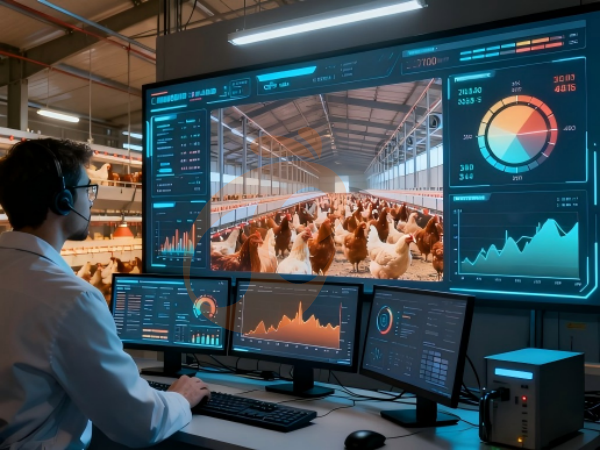
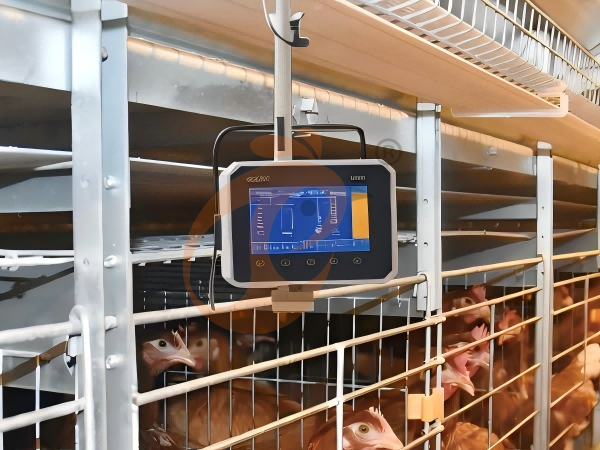
A complete layer chicken cage solution should connect housing with automatic feeding, nipple drinking, manure removal, egg collection, ventilation, and environmental control.
Commercial projects can therefore be evaluated through 5 core purchasing stages before final contract confirmation.
Frequently Asked Questions
Q1: What should buyers check first when choosing a battery cage for layers manufacturer?
Start with technical specifications, factory capability, project design, automation compatibility, and after-sales responsibilities.
A quotation should identify the cage model and supporting equipment before commercial comparison.
Q2: Can a battery cage for layers manufacturer customize equipment for different poultry houses?
Yes, customization can cover cage arrangement, tiers, equipment interfaces, and layout drawings.
House width, flock quantity, and ventilation arrangement should be confirmed before production.
Q3: Why should buyers compare complete systems instead of cage prices alone?
Feeding, drinking, manure, egg collection, and control systems directly affect installation coordination and daily operation.
A project involving 3 major automation interfaces should therefore be evaluated as an integrated equipment package.
Taiyu (HK) Group - One Of China Largest Battery Cage For Layers Manufacturer
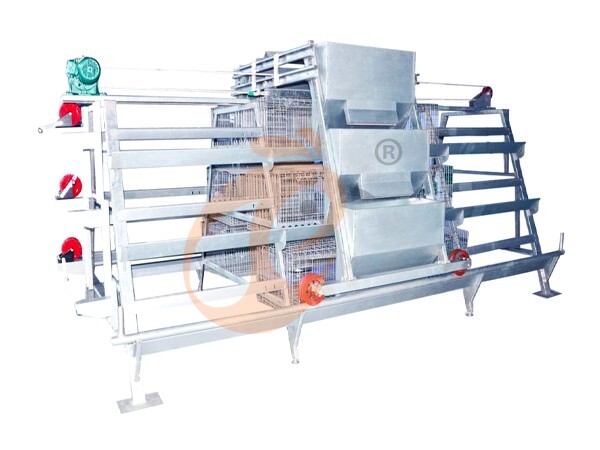
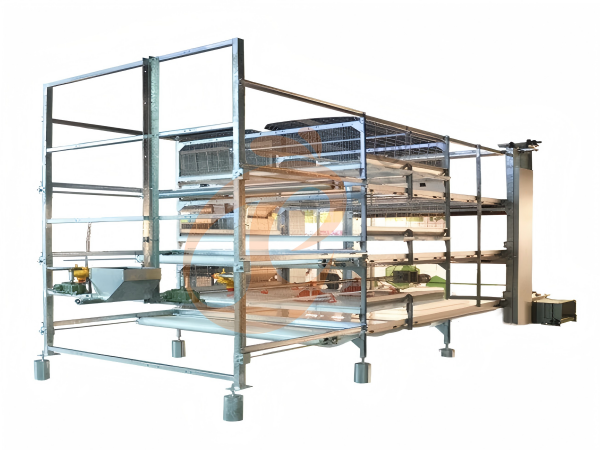
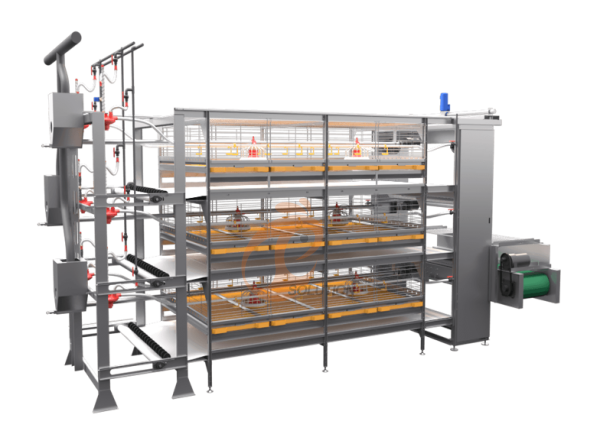
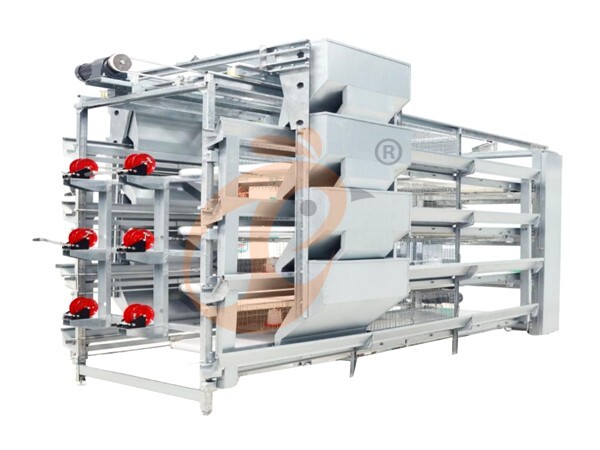
Battery cage for layers uses modular galvanized steel construction, with configurations supporting 3–5 tiers and integrated commercial poultry-house planning.
Global factory direct sales coordinates cage production, feeding systems, drinking systems, manure equipment, egg collection, and related poultry equipment through direct manufacturing channels.
Turn-Key engineering covers project layout, equipment configuration, technical drawings, installation documentation, commissioning coordination, and system integration.
Poultry equipment projects support farmers, distributors, contractors, and international agricultural businesses requiring coordinated layer-house equipment procurement.
Factory project support connects technical quotation, production scheduling, packaging, spare-parts planning, and after-sales communication within one commercial engineering workflow.
Contact Us To Received Your Customized Poultry Farm Plan
Headquarters And Branchs
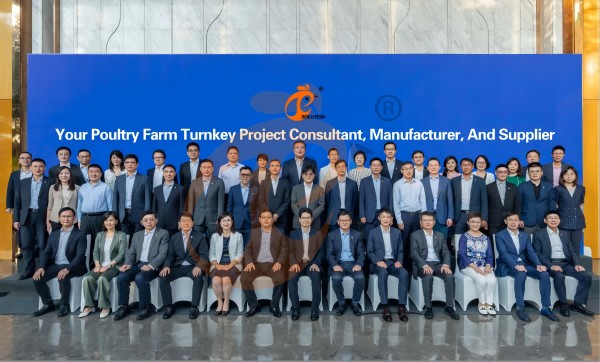
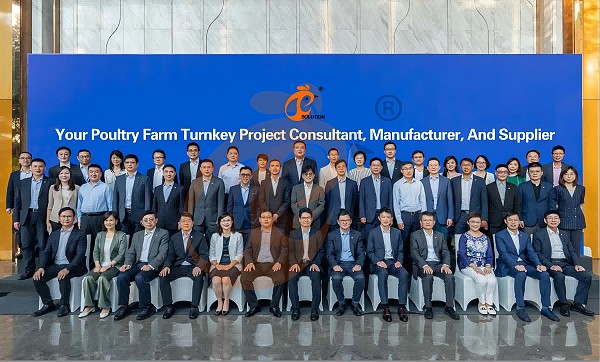
Hong Kong Headquarter Management Team
Hong Kong Headquarter Taiyu Industrial Group CO., LTD
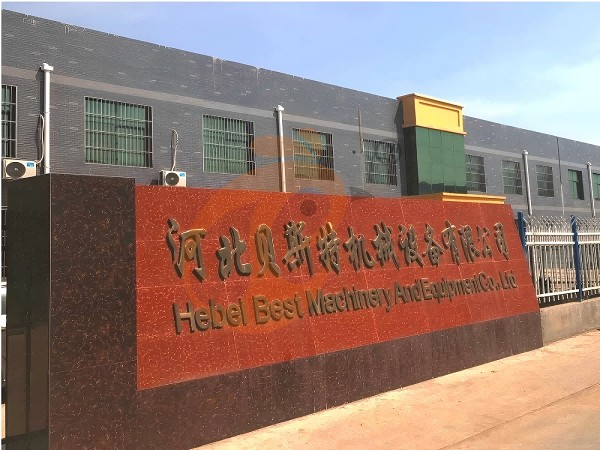
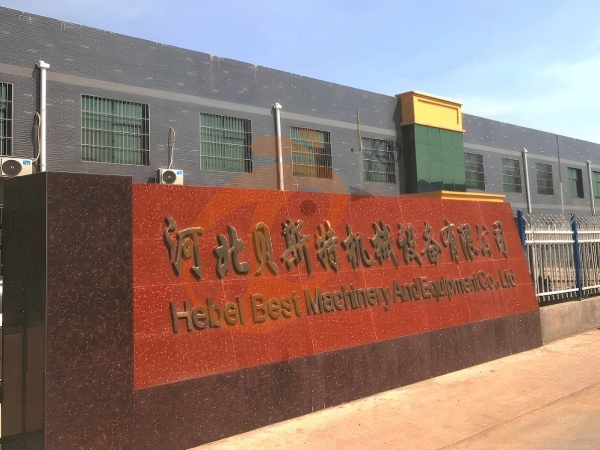
China Hebei Best Machinery And Equipment CO., LTD
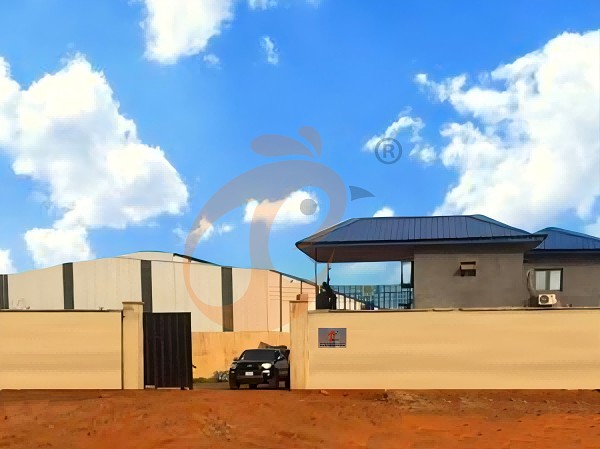
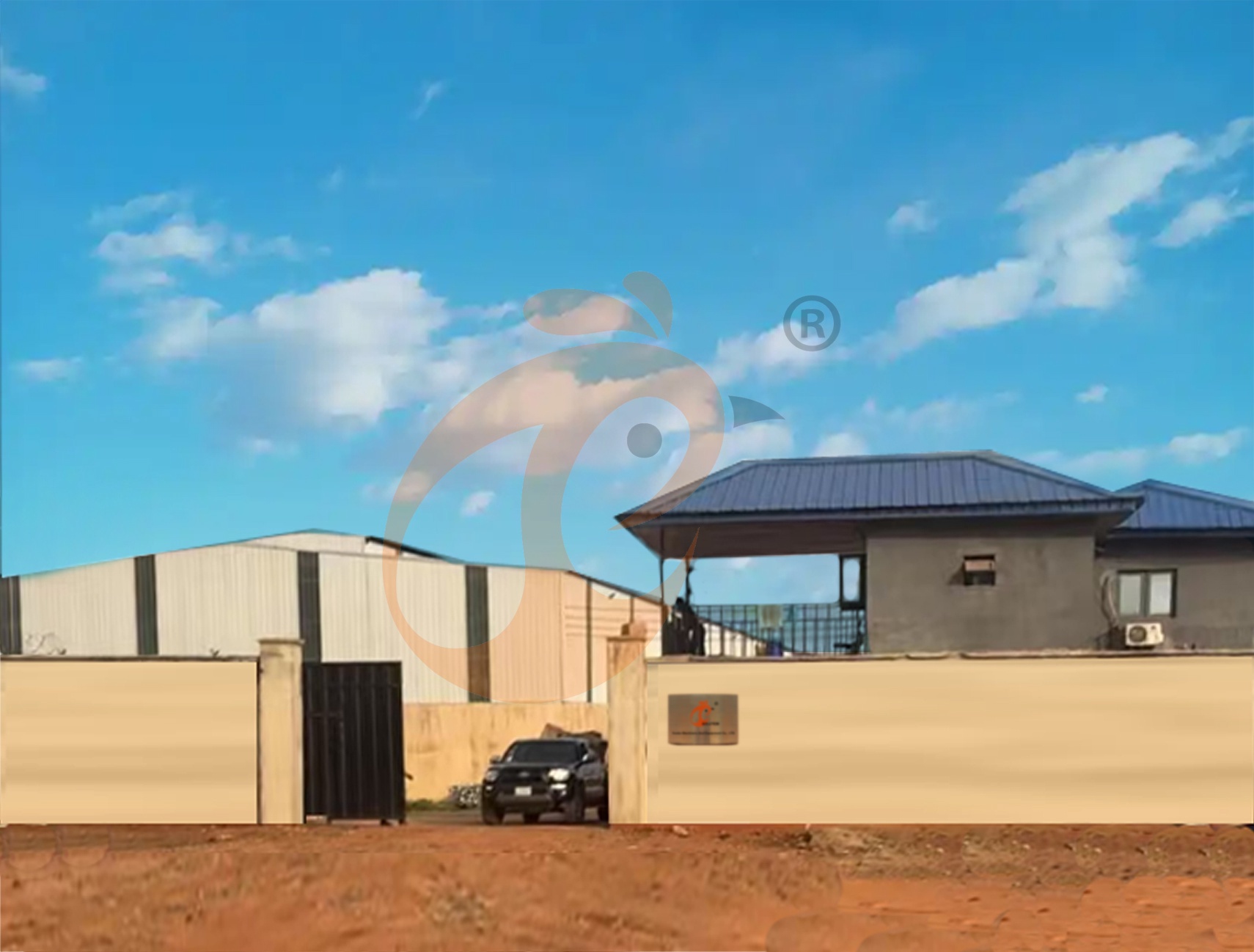
Nigeria Vanke Machinery And Equipment CO., LTD
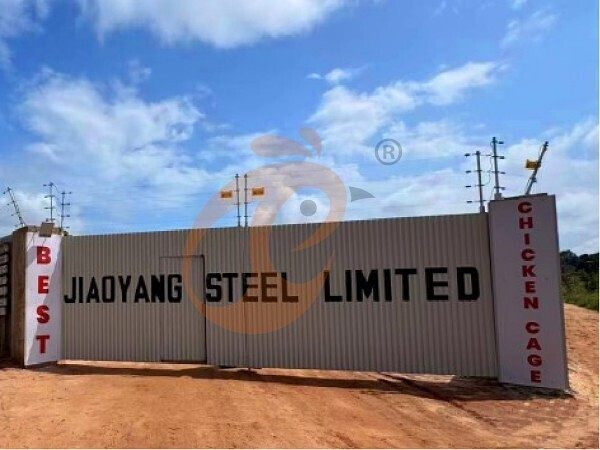
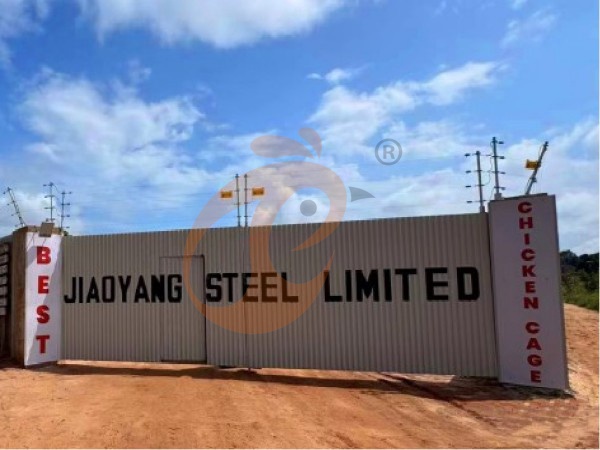
Tanzania Best Machinery And Equipment CO., LTD
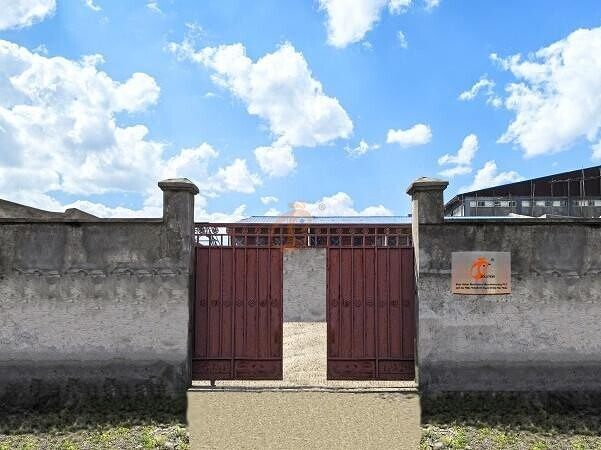
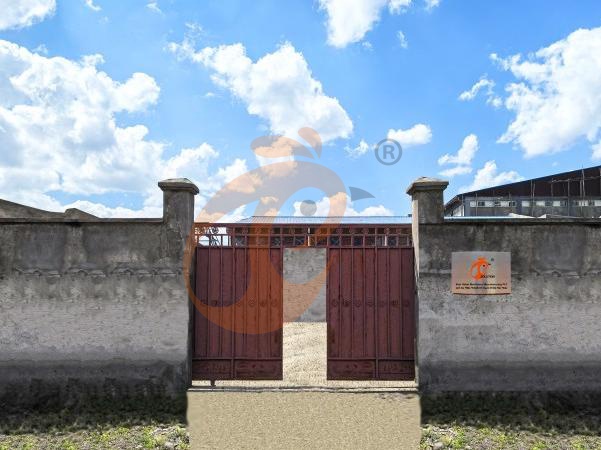
Ethiopia Best Hebei Machinery Manufacturing PLC
Reception /24 WhatsApp NO. : +8618830120193
FAQ
What Are The Top Recommendations For Egg Quality Management In Battery Cage Systems?
Keep conveyor belts clean to avoid breakage and contamination.
Egg production: 90–98%, breakage rate: 2–3%.
How To Optimize Lighting And Ventilation For Maximum Egg Production In Poultry Cages?
Combine roof exhaust and side-wall intake for ventilation, temperature 18–25℃, humidity 50–70%.
Egg production can reach 90–98%, breakage rate <3%.
How To Implement Advanced Manure Removal Systems In Layer Cage Farms?
Reduces manual labor by 50–70%, maintains house hygiene, and lowers disease risk.
- battery cage
- battery cage for layers
- poultry farm
- chicken cage
- layer cage
- automatic layer cage
- poultry house
- cage
- galvanized cage
- poultry farm construction
- layer cage system
- chicken cage manufacturer
- chicken cage supplier
- battery cage for layers manufacturer
- chicken cage quotation
- chicken cage specifications
- layer cage system supplier
- layer cage system manufacturer
- poultry equipment
- cage for layers
- automatic layer cage system
- chickencage
- bestchickencage
- cage system
- galvanized cages
- h type
- layer chicken cage supplier
- layer chicken cage
- Nigeria
- layer farm
- chicken cage specification
- layer chicken cage manufacturer
- cage design
- cage manufacturer
- cage supplier
- layer chicken cage quotation
- chicken cage solution
- poultry farm plan
- layer cage system quotation
- Ethiopia
Message
Products recommended
 >30,000 Pullets Automatic H Type Battery Cage1. More than 30,000 pullets a house, choose it.
2. It is designed to rearing older than 1 day old pullets to 12 to 16 weeks old chicken starting laying eggs.
3. Its lifespan is more than 25 years.
4. Its structure are Vcloud artificial intelligent fusion, electric control cabinet, automatic equipment of drinking, feeding, manure clean, manual harvesting.
5. Our 24 hour online reception What’sApp NO. is +8618830120193 <30,000 Pullets Automatic A Type Battery Cage1. 10,000 to 30,000 pullets a house, choose it.
2. It is designed to rearing older than 1 day old pullets to 12 to 16 weeks old chicken starting laying eggs.
3. Its lifespan is more than 25 years.
4. Its structure are Vcloud artificial intelligent fusion, electric control cabinet, automatic equipment of drinking, feeding, manure clean, manual harvesting.
5. Our 24 hour online reception What’sApp NO. is +86 18830120193. >30,000 Broilers Semi-Automatic Harvest H Type Battery Cage1. More than 30,000 broilers a house, choose it.
2. It is designed to rearing 1 to 45 day old adult broiler ready for market.
3. Its lifespan is more than 20 years.
4. Our 24 hour online reception What’sApp NO. is +8618830120193, +234 8111199996. >30,000 Broilers Manual Harvest H Type Battery Cage1. More than 30,000 broilers a house, choose it.
2. It is designed to rearing 1 to 45 day old adult broiler ready for market.
3. Its lifespan is more than 20 years.
4. Its structure are Vcloud artificial intelligent fusion, electric control cabinet, automatic equipment of drinking, feeding and manure clean, manual harvesting.
5. Our 24 hour online reception What’sApp NO. is +8618830120193, +234 8111199996. <30,000 Broilers Manual Harvest A Type Battery Cage1. Less 30,000 broilers a house, choose it.
2. It is designed to rearing 1 to 45 day old adult broiler ready for market.
3. Its lifespan is more than 20 years.
4. Its structure are Vcloud artificial intelligent fusion, electric control cabinet, automatic equipment of drinking, feeding and manure clean, manual harvesting.
5. Our 24 hour online reception What’sApp NO. is +8618830120193, +234 8111199996. HK Headquarter Offers EU-standard Poultry Farm Solutions, Manufacture Poultry Farm Equipment1. Continuous communication with the EU and the US
2. China, Nigeria, Ethiopia, Tanzania branch companies and factories
3. The products’ quality is customized for local poultry farms
4. Poultry cage and poultry farm equipment stock for sale
5. 24 online reception Whatsapp NO. : +8618830120193,contact us to get full information China Branch Offer Poultry Farm Business Plan, Manufacture Poultry Farm Equipment1. Address: Flat/RM 2416, 24/F, Runxing Building, Youyi Nan Street, Shijiazhuang City, Hebei Province, China
2. Poultry cage and poultry farm equipment factory and stock for sale
3. Customized for local poultry farms
4. Quality and design are based on Euro
5. 24 online reception Whatsapp NO. : +8618830120193 Nigeria Branch Offer Poultry Farm Business Plan, Manufacture Poultry Farm Equipment1. Address: After Sinoma Office, 200 Meters Near Danco Filling Station, Lagos/Ibadan Expressway, Lagos State, Nigeria
2. Poultry cage and poultry farm equipment factory and stock for sale
3. Customized for Nigerian poultry farms
4. Quality and design are based on Euro
5. 24 online reception Whatsapp NO. : +8618830120193 Ethiopia Branch Offer Poultry Farm Business Plan, Manufacture Poultry Farm Equipment1. Address: Gelan Gura, Akaki-kaliti Sub City, Addis Ababa, Ethiopia
2. Poultry cage and poultry farm equipment stock for sale
3. Customized for Ethiopian poultry farms
4. Quality and design are based on Euro
5. 24 online reception Whatsapp NO. : +8618830120193, contact us to get price list Tanzania Branch Offer Poultry Farm Business Plan, Manufacture Poultry Farm Equipment1. Address: No.8, Sova Road, Msufini, Mlandizi, Kibaha, Pwani, Tanzania
2. Poultry cage and poultry farm equipment factory and stock for sale
3. Customized for Tanzanian poultry farms
4. Quality and design are based on Euro
5. 24 online reception Whatsapp NO. : +8618830120193


Contact