


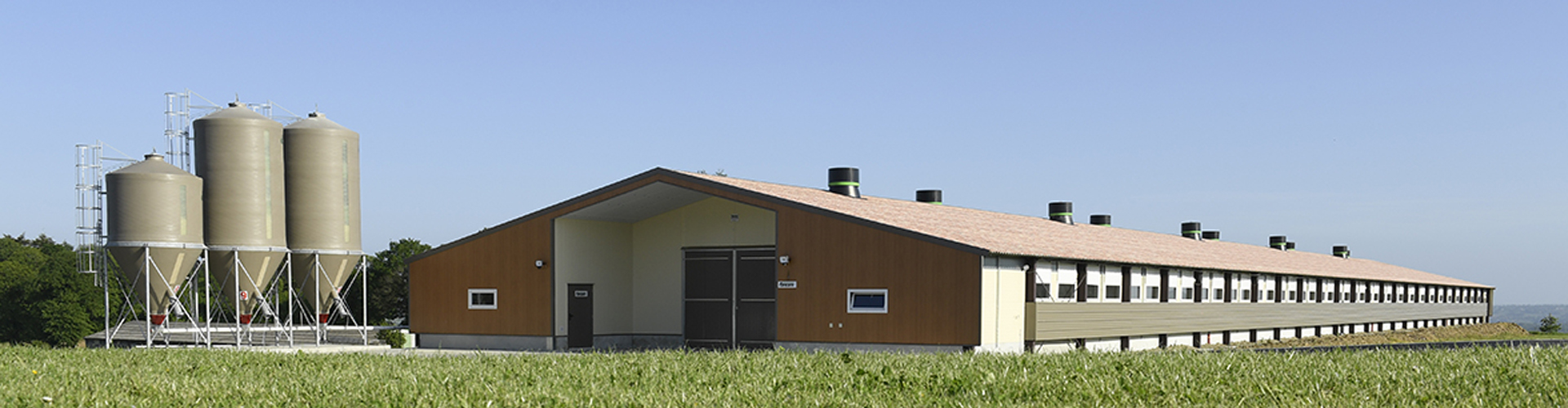
Blog
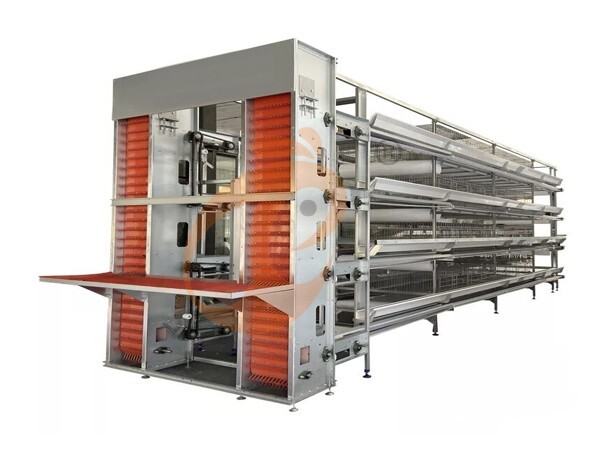
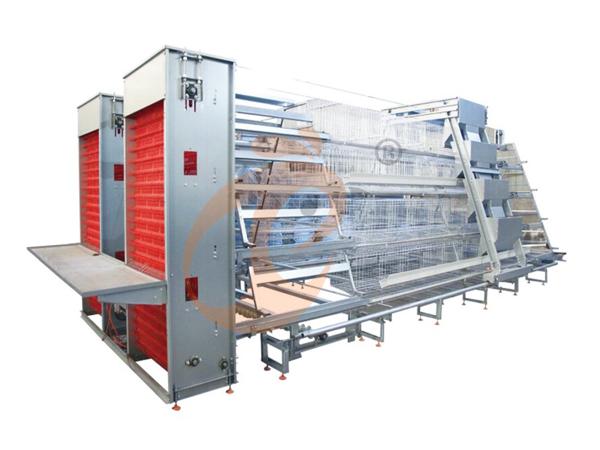
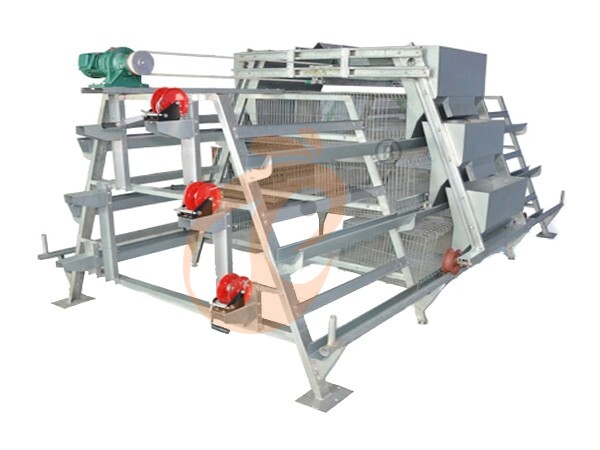
- Broiler chicken cage system integrates housing, feeding, drinking, manure removal, and environmental control into one production platform for measurable farm efficiency.
Automatic broiler cage system reduces repetitive handling through programmable equipment operation, supporting production schedules with 24-hour control and coordinated workflows.
Broiler cage equipment improves resource management across feed, water, labor, space, and manure handling while supporting scalable commercial poultry projects.
Integrated equipment planning connects cage dimensions, ventilation routes, electrical capacity, and service access, creating practical layouts for farms from 1,000 birds upward.
- Six cost-control strategies focus on space utilization, feed delivery, water management, automation, manure handling, and climate control for sustainable commercial production.
Get professional poultry farm construction guidance, equipment selection solutions, and the latest price lists, whatsApp to +8618830120193, click to learn more:
Cost Control Starts With The Right Equipment Configuration
Before calculating feed or labor savings, producers should evaluate the entire broiler chicken cage system structure.
A complete automatic broiler cage system can connect feeding, watering, manure removal, and environmental management through one production workflow.
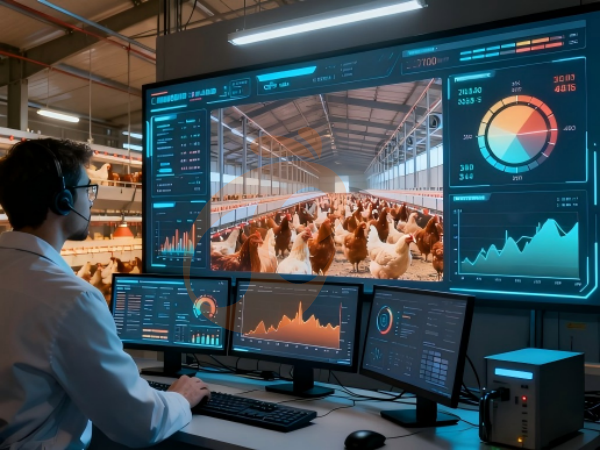
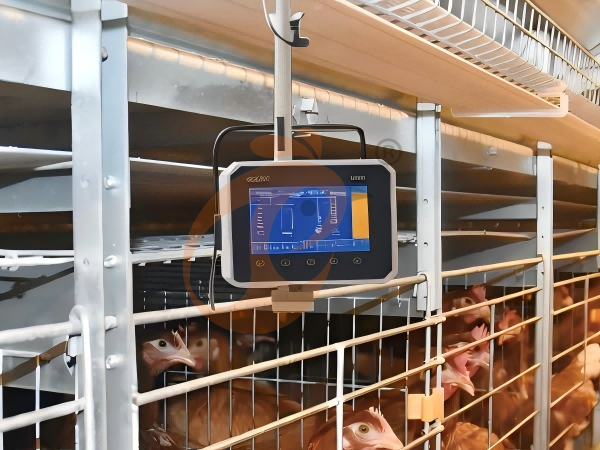
A control architecture using 24-hour programmable operation can coordinate several equipment functions according to flock age and house conditions.
Data is for reference only.Swipe horizontally to view full table.
A complete broiler cage equipment package also reduces the risk of purchasing incompatible components from multiple suppliers.
When feeding, watering, manure removal, and climate equipment are designed together, installation coordination can be completed before birds enter the house.
Tip #1 — Turn Vertical Space Into Production Capacity
The Space Multiplier
Floor housing limits production to one usable production level.
A multi-tier broiler chicken cage system creates additional production layers inside the same poultry building, allowing producers to make better use of building volume.
A typical commercial installation can utilize a house height of around 3.5 meters, depending on cage configuration and service clearance.
Data is for reference only.Swipe horizontally to view full table.
The key is not simply installing more cages.
A professional supplier should calculate row spacing, service aisles, ventilation paths, and equipment positions before manufacturing.
Maintaining an equipment service aisle of approximately 0.8–1.0 meter can make routine inspection and maintenance more practical.
Tip #2 — Reduce Feed Waste With Precision Delivery
Feed is one of the most important controllable expenses in broiler production.
Manual feeding can create inconsistent distribution and unnecessary feed movement, particularly as flock size increases.
An automatic broiler cage system can synchronize feed delivery with programmed production schedules, with operation intervals adjusted as frequently as
every 4–6 hours when required by the management program.
Data is for reference only.Swipe horizontally to view full table.
The broiler cage equipment should deliver feed evenly across every cage section rather than concentrating feed near the drive unit.
Adjustable feed gates allow operators to modify delivery according to bird age, while programmable control can synchronize feeding with the farm's daily management routine.
Tip #3 — Control Water Consumption At The Nipple
Every Drop Has A Cost
Open water systems can expose drinking water to feed particles, manure, and other contaminants.
A broiler chicken cage system with nipple drinking equipment delivers water directly to birds and can integrate pressure regulators and filtration components.
For broilers, water-line pressure can be adjusted within approximately 0.15–0.30 MPa according to installation design and bird age.
Data is for reference only.Swipe horizontally to view full table.
A properly balanced broiler cage equipment water system also makes leakage easier to detect.
Installing a filter upstream of drinking lines can protect nipple components from suspended particles, while pressure regulation helps maintain consistent water delivery throughout cage rows.
Tip #4 — Replace Repetitive Labor With Automation
One Operator. Several Automated Processes.
Labor expenses are not limited to wages.
Repetitive feeding, watering inspection, manure handling, and environmental adjustment also consume valuable working hours.
An automatic broiler cage system can combine these tasks through a central controller, while a typical PLC response cycle can be configured within 100–500
milliseconds for equipment control applications.
Data is for reference only.Swipe horizontally to view full table.
Automation creates a more repeatable workflow for the broiler chicken cage system.
Instead of depending on operators to remember every production task, the control system can execute programmed sequences and provide alarms when a motor, sensor, or water system operates outside its configured range.
Tip #5 — Mechanize Manure Removal
Move Waste — Don't Move Workers
Manure removal is another area where broiler cage equipment can replace physically intensive manual work.
A conveyor belt positioned beneath cages transports manure toward the end of the house, reducing the need for workers to repeatedly enter production areas for manual removal.
For long poultry houses, belt sections can be configured in multiple zones to simplify installation.
Data is for reference only.Swipe horizontally to view full table.
Mechanical manure removal also supports cleaner production areas and simplifies waste transportation.
When manure is removed on a programmed schedule, workers can avoid repeatedly entering cage rows for manual cleaning.
Tip #6 — Optimize Ventilation Before Energy Costs Grow
Environmental control is closely connected to broiler performance and electricity consumption.
Fans, air inlets, cooling equipment, sensors, and controllers must be sized according to house volume and climate.
A commercial poultry house may require approximately 8–12 air changes per hour during specific ventilation stages, depending on local conditions and flock requirements.
Data is for reference only.Swipe horizontally to view full table.
An automatic broiler cage system allows ventilation output to respond to sensor readings rather than running every machine continuously.
This approach gives operators greater control over the relationship between air exchange, temperature, humidity, and electrical consumption.
The Return On Investment Checklist — Don't Judge Equipment By Purchase Price
Purchase Price Is Only The First Number
A professional equipment comparison should examine steel construction, drive components, automation, spare parts, installation requirements, and expected service period.
A broiler chicken cage system designed for a 15–20 year service cycle can distribute initial investment across many production cycles when properly maintained.
Data is for reference only.Swipe horizontally to view full table.
European union standard reference only.
The purchasing decision should therefore include both initial equipment cost and expected operating expenditure.
A supplier capable of providing complete broiler cage equipment can also simplify procurement and technical coordination.
The Complete-System Advantage — One Design, One Workflow
Don't Buy Seven Machines. Build One Production System.
A broiler chicken cage system performs best when every component is engineered around the same farm layout.
Feed lines should align with cage rows, water lines should follow cage tiers, manure belts should connect to waste-transfer routes, and ventilation equipment should correspond with building airflow patterns.
A centralized electrical cabinet can use IP65 protection for installations requiring additional dust and water resistance.
Data is for reference only.Swipe horizontally to view full table.
Integrated design also simplifies future expansion.
When the original electrical, water, and ventilation capacity has been calculated correctly, additional broiler cage equipment can be added without completely redesigning production infrastructure.
Maintenance Strategy — Protect Every Equipment Investment
Preventive Maintenance Costs Less Than Emergency Downtime
A modern automatic broiler cage system contains motors, belts, bearings, nipples, sensors, and electrical components.
Each part needs a maintenance schedule rather than waiting for failure.
For example, drive bearings can be inspected after approximately 1,000 operating hours, while belt alignment should be checked regularly during production.
Maintenance priorities should include:
- Inspect feed motors for abnormal vibration.
- Check nipple drinkers for leakage.
- Examine manure belts for tracking deviation.
- Clean ventilation fan blades.
- Test temperature and humidity sensors.
- Tighten cage-frame connections.
- Inspect electrical terminals.
- Record replacement-part consumption.
A digital maintenance record can help farm managers identify recurring equipment problems.
When maintenance data is linked to operating hours, replacement parts can be prepared before components reach the end of their expected operating cycle.
Six Tips, One Cost-Control Formula
The six strategies work together rather than independently: maximize building utilization, control feed distribution, manage water delivery, automate labor-intensive tasks, mechanize manure removal, and optimize ventilation.
A commercial broiler chicken cage system can therefore move from individual equipment purchases toward a complete production-engineering solution.
When equipment operation is synchronized, even small process improvements can accumulate across an entire flock cycle.
The objective is simple: fewer unnecessary inputs, more controlled production, and a more predictable operating process.
Choose A Broiler Cage Supplier That Builds Around Your Farm
Your House Dimensions Come First. Your Equipment Comes Second.
A professional broiler cage equipment manufacturer should begin with the poultry house drawing, target bird capacity, local climate, electricity supply, water source, and manure-disposal method.
For example, a project with a 12 × 60 m poultry house requires a different equipment layout from a 15 × 120 m commercial building.
Our broiler chicken cage system solutions can integrate cage structures, automatic feeding, nipple drinking, manure removal, ventilation, cooling, lighting, and environmental control into one complete project.
We can also provide customized layouts based on farm dimensions and production objectives.
Data is for reference only.Swipe horizontally to view full table.
The right broiler chicken cage system is not simply a housing product—it is an operating-cost control platform.
From cage structure and automatic feeding to nipple drinking, manure removal, ventilation, and environmental control, every component should be selected according to actual farm requirements.
Contact us with your poultry house dimensions, target capacity, preferred automation level, and local power specification, and our engineering team can develop a complete automatic broiler cage system solution for your project.
Frequently Asked Questions
Q1: What equipment should be integrated with a broiler chicken cage system?
A complete broiler chicken cage system normally integrates feeding, nipple drinking, manure removal, ventilation, cooling, lighting, and environmental control.
A centralized control system can coordinate multiple equipment functions through a single operating interface.
Q2: How does an automatic broiler cage system help control operating costs?
An automatic broiler cage system reduces repetitive manual operations through programmable feeding, manure removal, and environmental management.
A properly configured system can operate according to flock-stage schedules while reducing unnecessary equipment operation.
Q3: How should broiler cage equipment be selected for a new poultry house?
Selection should begin with building dimensions, flock capacity, climate, electrical supply, water infrastructure, and manure-disposal arrangements.
For example, a 15 × 120 m building requires a different equipment layout from a smaller commercial house.
Taiyu (HK) Group - One Of China Toppest Broiler Chicken Cage Manufacturer
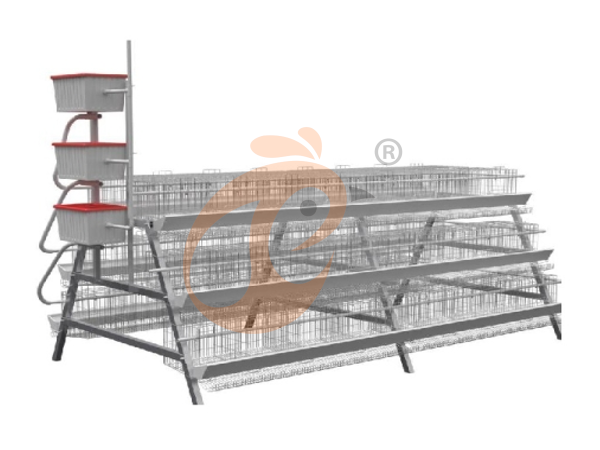
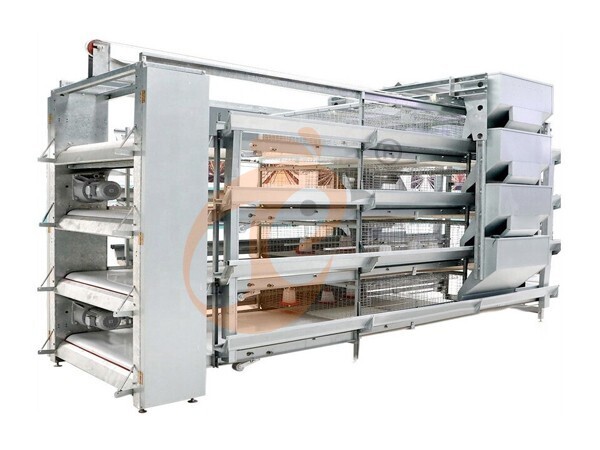
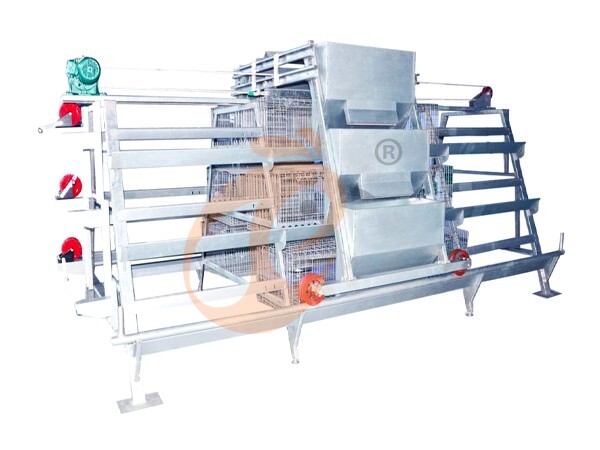
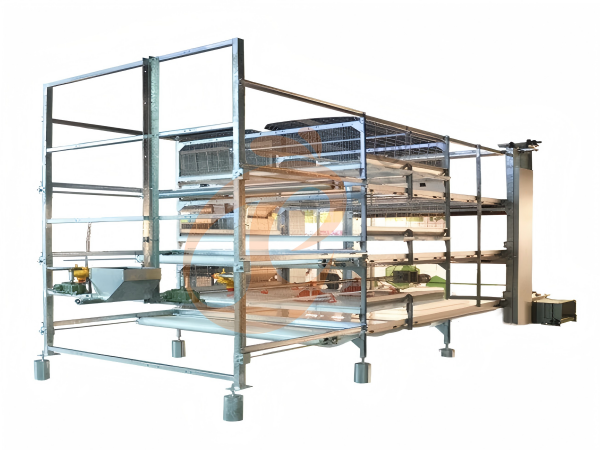
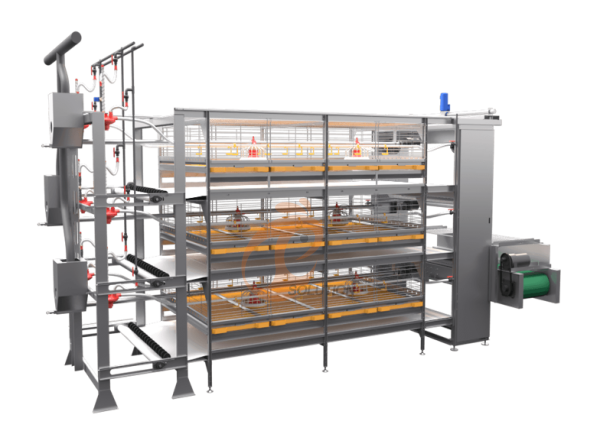
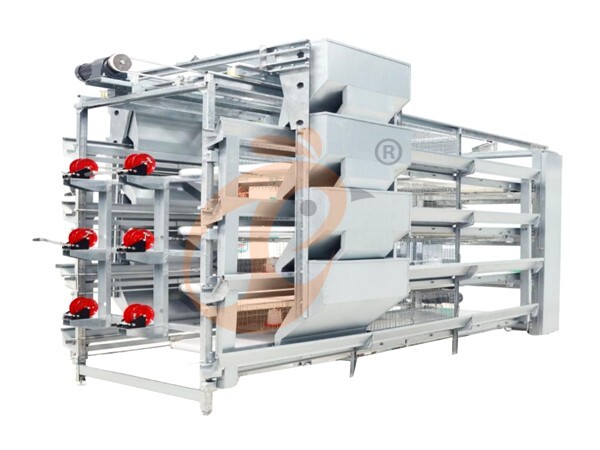
Broiler chicken cage system integrates H-type cage structures with automated feeding, nipple drinking, manure removal, ventilation, and PLC control for commercial broiler production.
Global factory direct sales provide integrated poultry equipment manufacturing, component coordination, technical drawings, production inspection, and international project support.
Poultry equipment packages cover cage housing, feeding systems, drinking systems, manure handling, ventilation, cooling, lighting, and environmental control for complete farm configurations.
Turn-key engineering connects project design, equipment production, shipment, installation guidance, commissioning support, and customized system configuration according to poultry-house dimensions.
Global project supply supports distributors, farm owners, contractors, and integrators requiring coordinated equipment specifications, production capacity planning, and engineering documentation.
Contact Us To Received Your Customized Poultry Farm Plan
Headquarters And Branchs
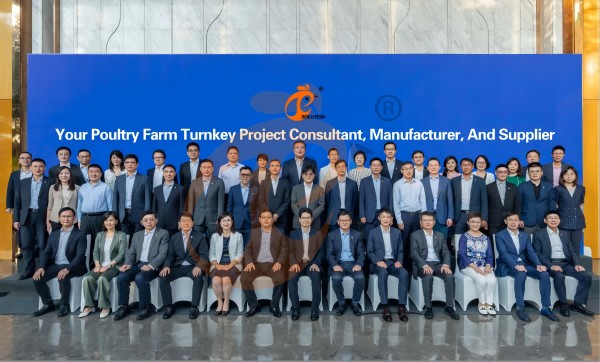
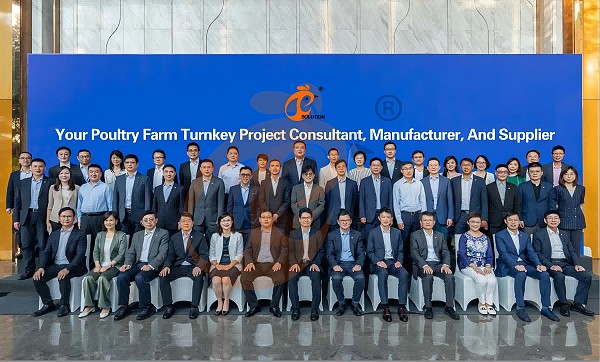
Hong Kong Headquarter Management Team
Hong Kong Headquarter Taiyu Industrial Group CO., LTD
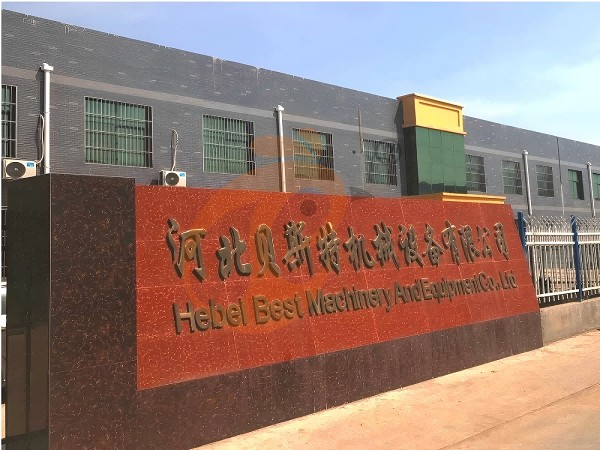
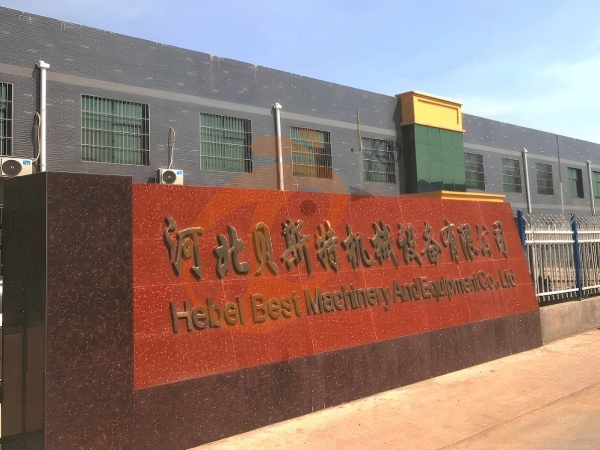
China Hebei Best Machinery And Equipment CO., LTD
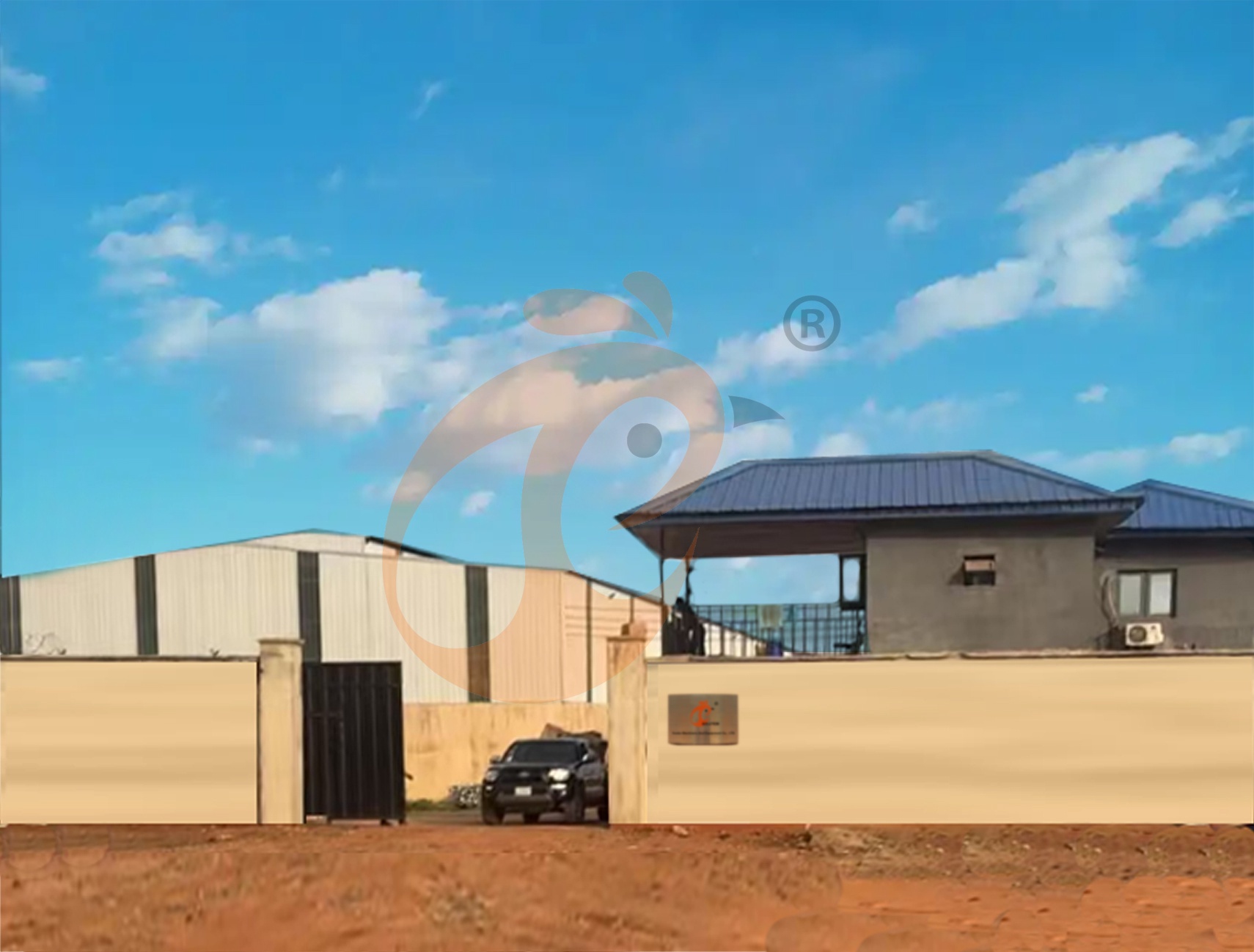
Nigeria Vanke Machinery And Equipment CO., LTD
Tanzania Best Machinery And Equipment CO., LTD
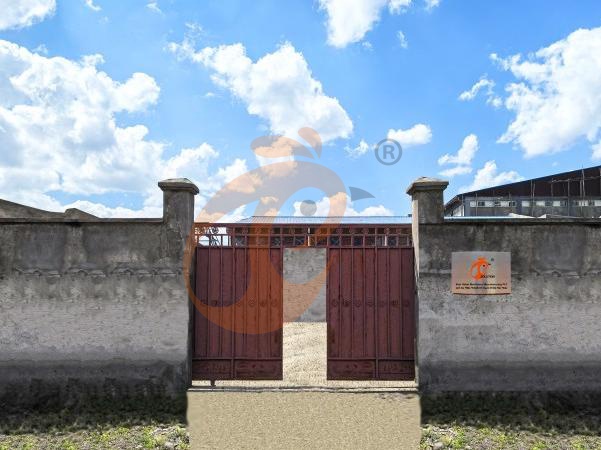
Ethiopia Best Hebei Machinery Manufacturing PLC
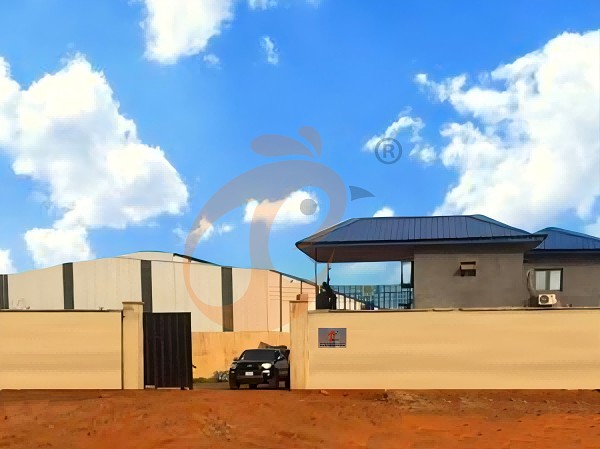
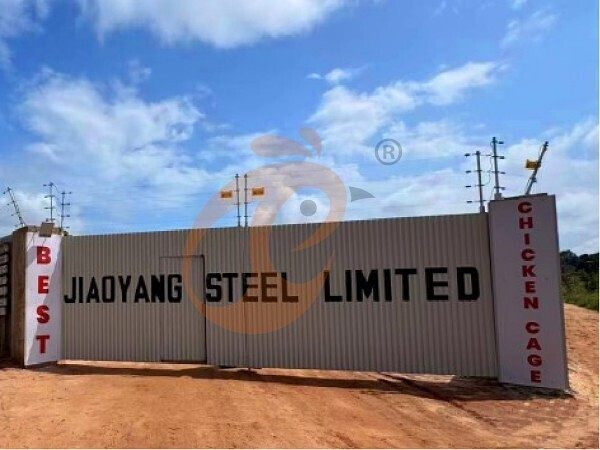
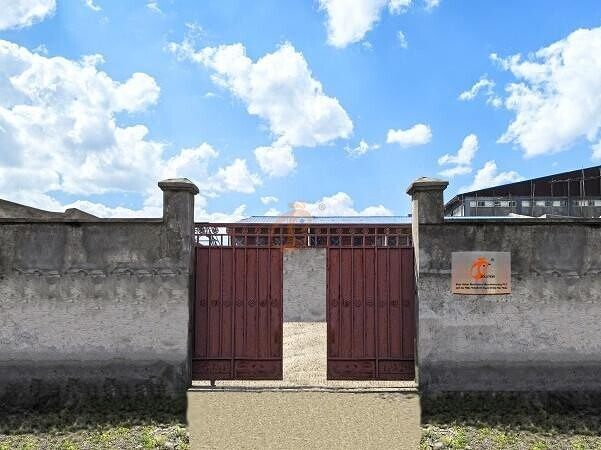
Reception /24 WhatsApp NO. : +8618830120193
FAQ
How To Choose The Ultimate Layer Cage System For Multi-Tier Farms?
Install automatic feeding, drinking, egg collection, and manure cleaning systems to boost egg production to 90–98%.
Optimized ventilation and temperature/humidity control reduce mortality to 2–3%.
What Are The Professional Guidelines For Optimizing Feed Storage And Usage In Chicken Cage Farms?
Use automatic feeders to allocate feed as needed, reducing waste by 5–10%.
Regularly monitor feed consumption per tier; FCR 1.9–2.1, egg production 90–98%.
What Are The Professional Guidelines For Reducing Labor Costs Using Automation In Chicken Cage Farms?
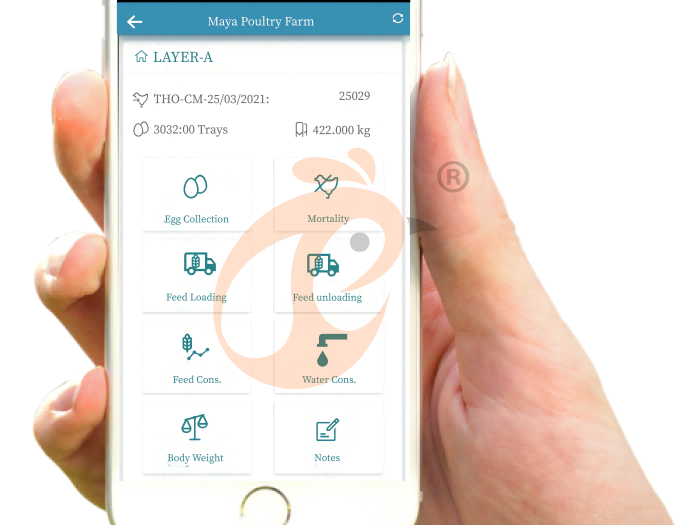
Use real-time monitoring systems to manage flock health and egg production.
ROI can be shortened to 24–36 months, improving overall profitability.
- poultry farm
- chicken cage
- broiler cage
- poultry house
- cage
- poultry farm construction
- broiler cage system
- chicken cage manufacturer
- chicken cage system
- broiler cage supplier
- chicken cage system design
- broiler cage equipment
- poultry equipment
- broiler chicken cage
- chickencage
- automatic broiler cage
- bestchickencage
- cage system
- broiler chicken cage system
- h cage
- automatic broiler cage system
- Nigeria
- cage manufacturer
- cage supplier
- broiler cage equipment manufacturer
- poultry farm plan
- Ethiopia
Message
Products recommended
 >30,000 Pullets Automatic H Type Battery Cage1. More than 30,000 pullets a house, choose it.
2. It is designed to rearing older than 1 day old pullets to 12 to 16 weeks old chicken starting laying eggs.
3. Its lifespan is more than 25 years.
4. Its structure are Vcloud artificial intelligent fusion, electric control cabinet, automatic equipment of drinking, feeding, manure clean, manual harvesting.
5. Our 24 hour online reception What’sApp NO. is +8618830120193 <30,000 Pullets Automatic A Type Battery Cage1. 10,000 to 30,000 pullets a house, choose it.
2. It is designed to rearing older than 1 day old pullets to 12 to 16 weeks old chicken starting laying eggs.
3. Its lifespan is more than 25 years.
4. Its structure are Vcloud artificial intelligent fusion, electric control cabinet, automatic equipment of drinking, feeding, manure clean, manual harvesting.
5. Our 24 hour online reception What’sApp NO. is +86 18830120193. >30,000 Broilers Semi-Automatic Harvest H Type Battery Cage1. More than 30,000 broilers a house, choose it.
2. It is designed to rearing 1 to 45 day old adult broiler ready for market.
3. Its lifespan is more than 20 years.
4. Our 24 hour online reception What’sApp NO. is +8618830120193, +234 8111199996. >30,000 Broilers Manual Harvest H Type Battery Cage1. More than 30,000 broilers a house, choose it.
2. It is designed to rearing 1 to 45 day old adult broiler ready for market.
3. Its lifespan is more than 20 years.
4. Its structure are Vcloud artificial intelligent fusion, electric control cabinet, automatic equipment of drinking, feeding and manure clean, manual harvesting.
5. Our 24 hour online reception What’sApp NO. is +8618830120193, +234 8111199996. <30,000 Broilers Manual Harvest A Type Battery Cage1. Less 30,000 broilers a house, choose it.
2. It is designed to rearing 1 to 45 day old adult broiler ready for market.
3. Its lifespan is more than 20 years.
4. Its structure are Vcloud artificial intelligent fusion, electric control cabinet, automatic equipment of drinking, feeding and manure clean, manual harvesting.
5. Our 24 hour online reception What’sApp NO. is +8618830120193, +234 8111199996. HK Headquarter Offers EU-standard Poultry Farm Solutions, Manufacture Poultry Farm Equipment1. Continuous communication with the EU and the US
2. China, Nigeria, Ethiopia, Tanzania branch companies and factories
3. The products’ quality is customized for local poultry farms
4. Poultry cage and poultry farm equipment stock for sale
5. 24 online reception Whatsapp NO. : +8618830120193,contact us to get full information China Branch Offer Poultry Farm Business Plan, Manufacture Poultry Farm Equipment1. Address: Flat/RM 2416, 24/F, Runxing Building, Youyi Nan Street, Shijiazhuang City, Hebei Province, China
2. Poultry cage and poultry farm equipment factory and stock for sale
3. Customized for local poultry farms
4. Quality and design are based on Euro
5. 24 online reception Whatsapp NO. : +8618830120193 Nigeria Branch Offer Poultry Farm Business Plan, Manufacture Poultry Farm Equipment1. Address: After Sinoma Office, 200 Meters Near Danco Filling Station, Lagos/Ibadan Expressway, Lagos State, Nigeria
2. Poultry cage and poultry farm equipment factory and stock for sale
3. Customized for Nigerian poultry farms
4. Quality and design are based on Euro
5. 24 online reception Whatsapp NO. : +8618830120193 Ethiopia Branch Offer Poultry Farm Business Plan, Manufacture Poultry Farm Equipment1. Address: Gelan Gura, Akaki-kaliti Sub City, Addis Ababa, Ethiopia
2. Poultry cage and poultry farm equipment stock for sale
3. Customized for Ethiopian poultry farms
4. Quality and design are based on Euro
5. 24 online reception Whatsapp NO. : +8618830120193, contact us to get price list Tanzania Branch Offer Poultry Farm Business Plan, Manufacture Poultry Farm Equipment1. Address: No.8, Sova Road, Msufini, Mlandizi, Kibaha, Pwani, Tanzania
2. Poultry cage and poultry farm equipment factory and stock for sale
3. Customized for Tanzanian poultry farms
4. Quality and design are based on Euro
5. 24 online reception Whatsapp NO. : +8618830120193


Contact