


Blog
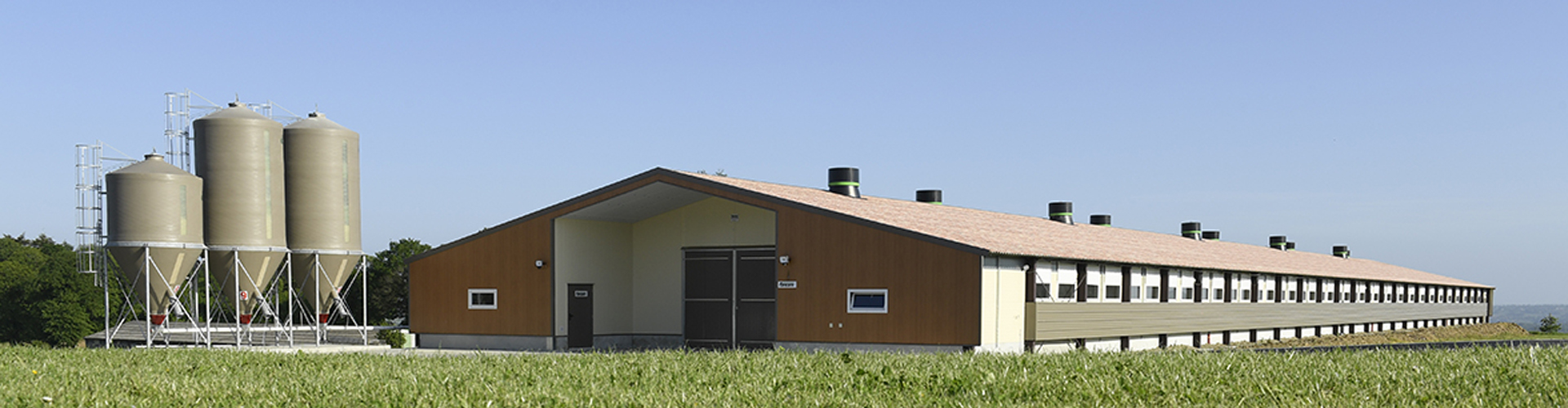
Poultry equipment planning combines feeding systems, drinking lines, ventilation equipment, environmental controls, and manure handling for commercial farm projects with practical engineering requirements such as 415 V three-phase power and a 12-year equipment planning horizon.
Feeding and drinking equipment influence daily labor, material flow, water delivery, and operational consistency, while poultry feeding equipment creates a structured foundation for automated house management.
Poultry ventilation equipment connects airflow, cooling, sensors, and climate controllers, making environmental engineering an important part of commercial poultry equipment investment.
Cost evaluation extends beyond purchase price into installation, electrical integration, freight, commissioning, maintenance, spare parts, and project-specific engineering requirements.
- Complete poultry equipment packages transform separate machines into coordinated production systems, giving farms clearer specifications, scalable configurations, technical support, and a practical route toward turnkey project procurement.
Get professional poultry farm construction guidance, equipment selection solutions, and the latest price lists, whatsApp to +8618830120193, click to learn more:
Start With The Real Cost Equation
A commercial poultry equipment budget should be calculated as a complete production system, not as a list of individual machines.
A practical purchasing model is:
Project Cost = Equipment + Installation + Electrical Integration + Freight + Commissioning + After-Sales Support
For a new poultry house, technical planning should begin with target flock size and house configuration.
A commercial project can then be engineered around parameters such as a 415 V three-phase power supply and a 12-year equipment planning horizon, depending on local electrical standards and project requirements.
The key is to compare poultry equipment by its contribution to production efficiency.
Feeding, drinking, ventilation, climate control, and manure management need to operate as one coordinated system rather than five independent purchases.
Feeding System: Cost Drivers And Technical Specifications
Data is for reference only.Swipe horizontally to view full table.
The poultry equipment feeding system is one of the strongest areas for equipment-based labor reduction.
Modern poultry feeding equipment can coordinate feed storage, conveying, distribution, and sensing, while commercial installations can be configured for multiple
feed groups and computerized management.
Why Complete Feeding Packages Sell Better Than Individual Components
Instead of selling one feeder, sell the complete poultry equipment workflow:
Silo → Auger → Drive Unit → Feed Line → Feed Pan → Feed Sensor → Controller
This approach gives customers one engineering responsibility instead of multiple equipment interfaces.
It also creates a stronger commercial proposition because the supplier can provide matching components, installation drawings, spare parts, and commissioning support.
For international projects, poultry equipment specifications should be confirmed before quotation.
A project using 50 Hz electrical frequency and requiring IP55 motor protection needs equipment configured accordingly; such details can prevent expensive modifications after shipment.
Drinking System: Professional Specification Reference
Data is for reference only.Swipe horizontally to view full table.
A professionally designed poultry equipment drinking system can be engineered around consistent water delivery and controlled pressure.
Automated water monitoring is also increasingly integrated into poultry management systems, with commercial controllers capable of recording drinking behavior
and generating alarms when consumption deviates from programmed conditions.
Ventilation Equipment: Match The House, Not Just The Fan
Data is for reference only.Swipe horizontally to view full table.
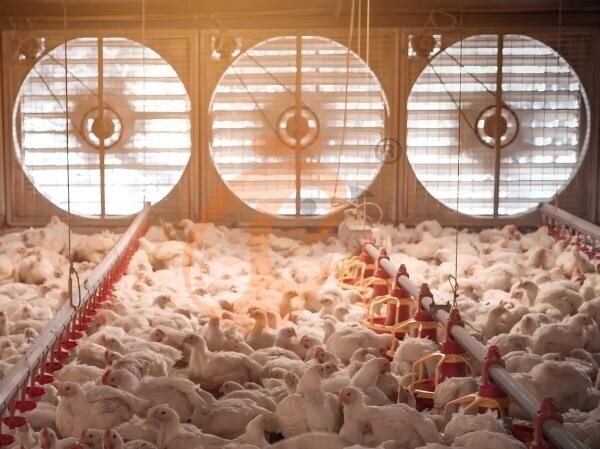
Poultry ventilation equipment should be selected according to the building's calculated air-exchange requirement rather than simply counting fans.
Commercial climate-control systems can integrate negative-pressure ventilation, tunnel ventilation, cooling, heating, and gas sensors within one poultry equipment control architecture.
For hot-climate projects, indirect or evaporative cooling technologies can also be considered.
Some commercial heat-exchange systems report cooling potential of up to 16°C under specified conditions, demonstrating why climate engineering can materially affect poultry equipment configuration.
Environmental Control: The Automation Investment
Data is for reference only.Swipe horizontally to view full table.
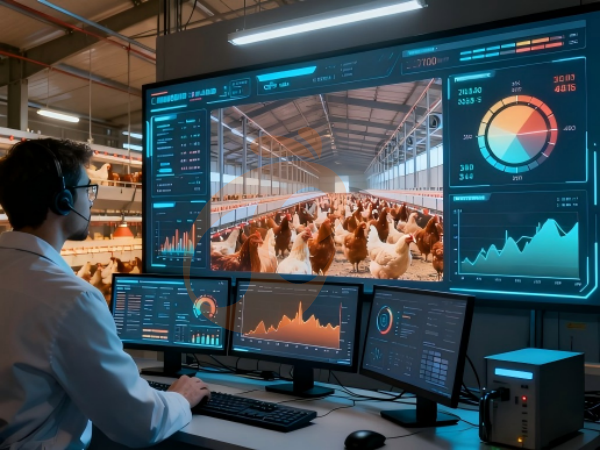
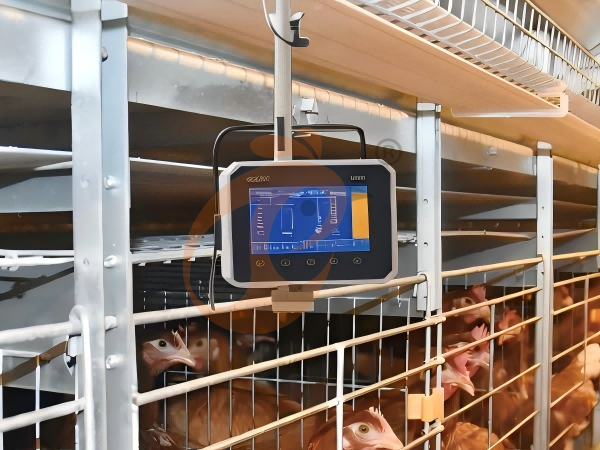
Environmental control is where poultry equipment becomes a management platform.
Commercial poultry controllers can combine temperature, humidity, CO₂, NH₃, static-pressure, ventilation, heating, cooling, feeding, and alarm functions.
The commercial advantage is straightforward: instead of selling a controller as a standalone product, position poultry equipment control as the central operating system of the poultry house.
A well-integrated controller can make multiple mechanical systems work from one management strategy.
Manure And Litter Management: Budget By Handling Capacity
Data is for reference only.Swipe horizontally to view full table.
Poultry equipment waste-management systems should be selected together with the housing system.
Commercial layer projects, for example, can combine manure belts with drying systems; documented installations have achieved manure dry-matter levels of up to 90% under specified operating conditions.
The Buyer's Cost Checklist
Before issuing a quotation, ask the customer to confirm these six commercial inputs:
- Bird capacity: required number of birds per house
- Building size: length × width × usable height
- Production type: broiler, layer, breeder, or pullet
- Climate: seasonal temperature and humidity conditions
- Automation target: manual, semi-automatic, or centralized control
- Project scope: equipment only or complete turnkey installation
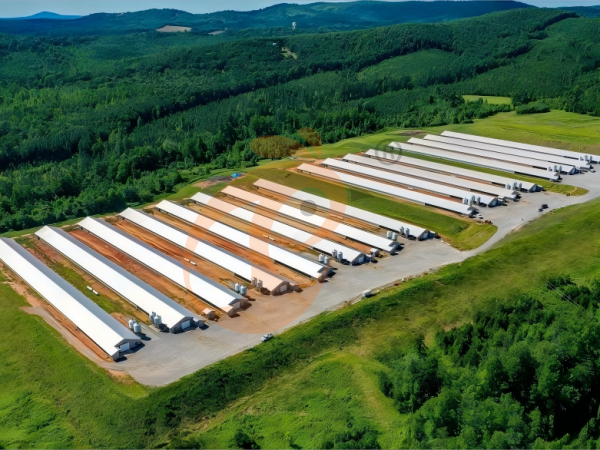
For example, a documented commercial broiler project used houses measuring 20 × 95 m, demonstrating why poultry equipment should be engineered around actual building dimensions rather than sold from a generic price list.
How To Structure A Professional Poultry Equipment Quotation
Data is for reference only.Swipe horizontally to view full table.
A professional poultry equipment quotation should make technical and commercial information easy to compare.
This is especially important for export sales, where freight, installation, commissioning, and spare parts can significantly affect the customer's final investment.
European union standard reference only.
A complete quotation can therefore become a sales tool rather than merely a price sheet.
Three Purchasing Scenarios
Scenario A — New Broiler Farm
Prioritize integrated poultry equipment for feeding, nipple drinking, tunnel ventilation, cooling, and centralized environmental control.
A typical automation architecture may use 24-hour environmental monitoring and remote alarm notification to reduce response time.
Scenario B — Existing Farm Upgrade
Replace the equipment that creates the largest operational bottleneck first.
A phased project can begin with automatic feeding and drinking before expanding into ventilation and environmental automation.
Scenario C — Large Commercial Project
Use a complete engineering package.
A large-scale documented layer project operated houses with approximately 167,000 birds per house, illustrating the level of poultry equipment integration possible for industrial production.
Turn Technical Specifications Into Marketing Advantages
Feature → Customer Concern → Sales Message
Automatic feeding
→ Too much manual labor
→ Automate daily feed distribution and simplify routine operation.
Integrated climate control
→ Unstable house conditions
→ Connect ventilation, heating, cooling, and sensors through one poultry equipment control platform.
Complete drinking system
→ Water leakage and inconsistent supply
→ Use matched water-line components for controlled delivery.
Modular equipment
→ Future expansion difficulties
→ Design poultry equipment so additional lines and systems can be incorporated as the farm grows.
Complete project support
→ Multiple suppliers and unclear responsibilities
→ One supplier coordinates poultry equipment selection, system integration, installation, and after-sales support.
This positioning is particularly effective because major poultry-equipment manufacturers already demonstrate the market value of integrated feeding, drinking, climate, egg collection, and management systems rather than isolated products.
Final Equipment Investment Framework
Data is for reference only.Swipe horizontally to view full table.
The most competitive poultry equipment supplier is not necessarily the company offering the lowest individual component price.
The stronger proposition is a supplier that can convert flock size, house dimensions, climate, production method, and automation requirements into a complete technical solution.
That is where poultry equipment sales become project sales.
For poultry producers, the final question should be: “What equipment package gives this house the required production capability with controllable operating costs?”
For equipment manufacturers and exporters, the sales answer should be equally clear: provide the engineering, poultry equipment, integration, and technical support required to make that production system work.
Frequently Asked Questions
Q1: What determines poultry equipment cost?
Poultry equipment cost depends on flock capacity, house dimensions, automation scope, equipment configuration, installation, freight, and commissioning.
A project using 2–8 drinking lines per house can have a substantially different configuration from a small manual installation.
Q2: Which poultry equipment should be integrated first?
Feeding, drinking, ventilation, and environmental control should be engineered together because operating signals and mechanical layouts interact.
A controller supporting six monitored environmental factors can provide a structured basis for integrated management.
Q3: How should buyers compare poultry equipment suppliers?
Compare technical specifications, system compatibility, spare-parts support, commissioning capability, project engineering, and quotation transparency rather than comparing equipment prices alone.
For export projects, confirming 50 Hz compatibility before production can help avoid unnecessary electrical modifications.
Taiyu (HK) Group - One Of China Biggest Poultry Equipment Manufacturer
Poultry equipment integrates automatic feeding, drinking, ventilation, environmental control, and manure systems, with configurations engineered around project capacity and operating requirements.
Global factory-direct supply provides coordinated manufacturing, technical documentation, quality inspection, spare-parts planning, and export packaging for international poultry equipment projects.
Turn-key engineering connects equipment selection, house layout, electrical integration, installation, commissioning, operator training, and project-specific technical support.
Commercial project delivery supports broiler, layer, breeder, and pullet facilities through scalable poultry equipment configurations matched to building dimensions and production objectives.
Engineering-led manufacturing provides equipment packages with defined technical parameters, component matching, system integration, and after-sales coordination for overseas farm development.
Contact Us To Received Your Customized Poultry Farm Plan
Headquarters And Branchs
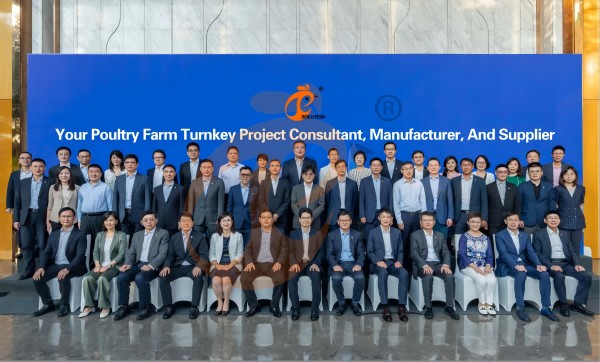
Hong Kong Headquarter Management Team
Hong Kong Headquarter Taiyu Industrial Group CO., LTD
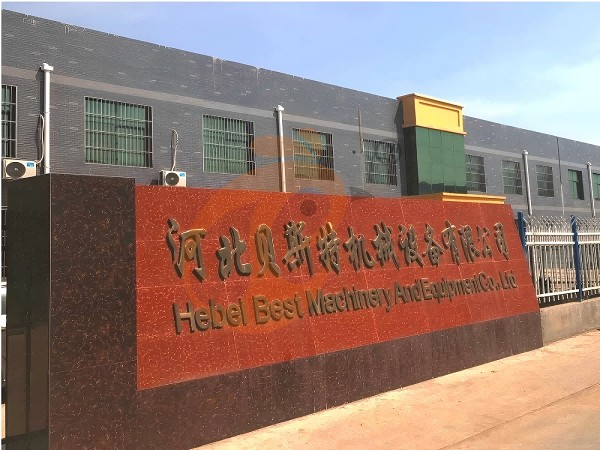
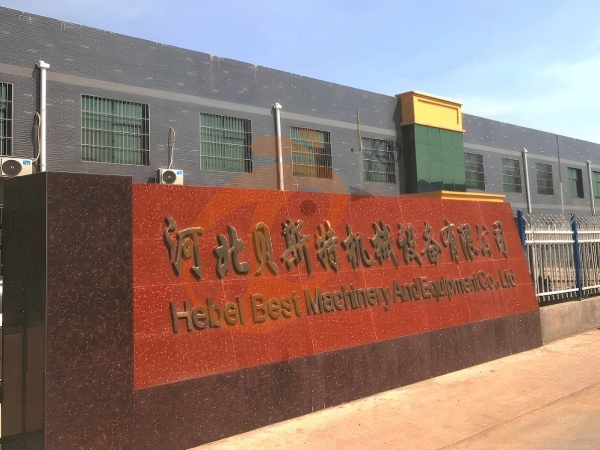
China Hebei Best Machinery And Equipment CO., LTD
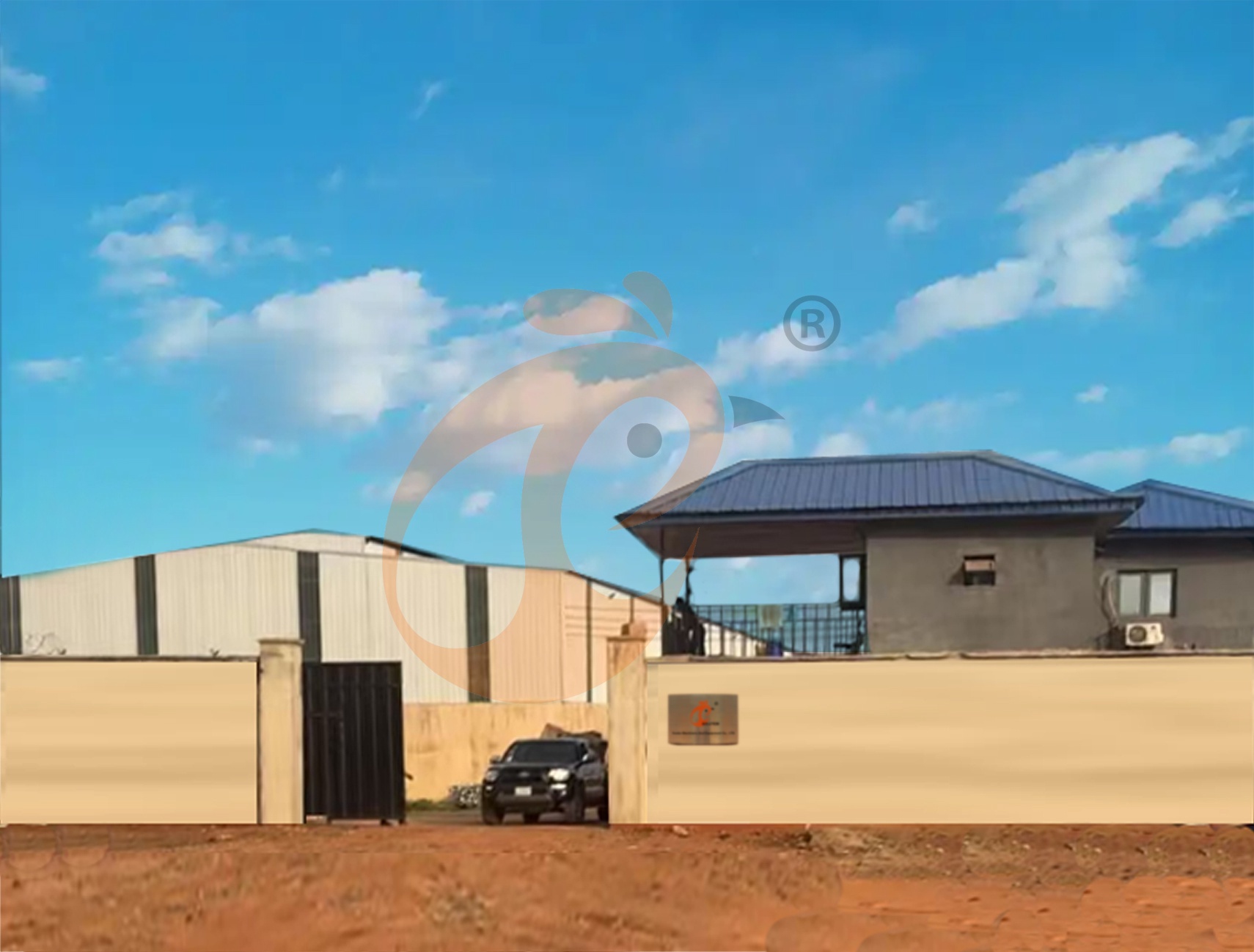
Nigeria Vanke Machinery And Equipment CO., LTD
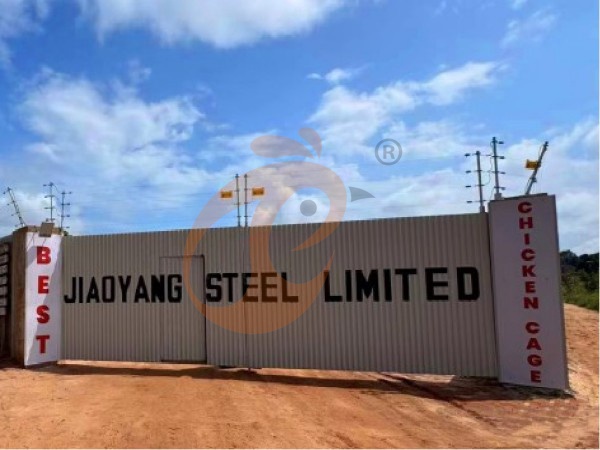
Tanzania Best Machinery And Equipment CO., LTD
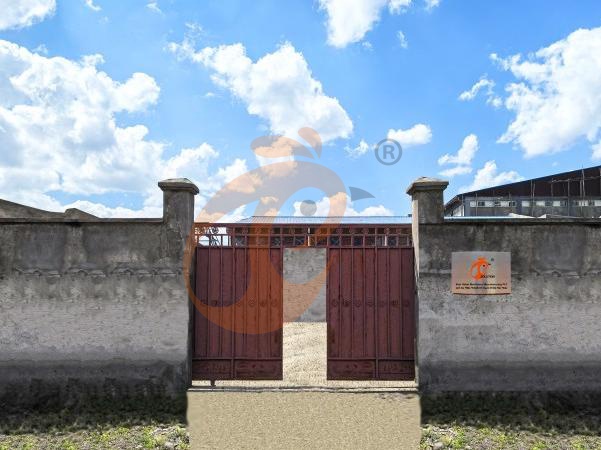
Ethiopia Best Hebei Machinery Manufacturing PLC
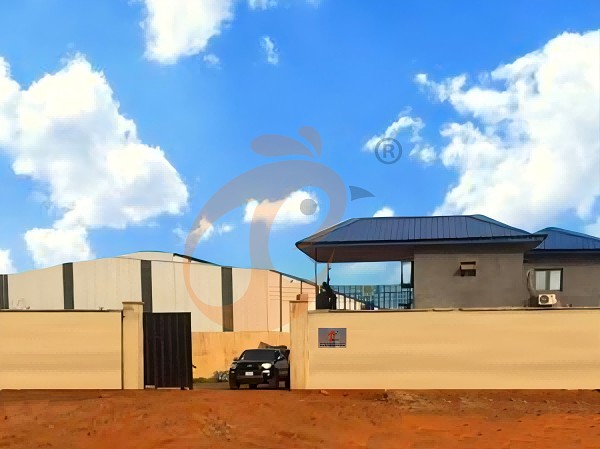
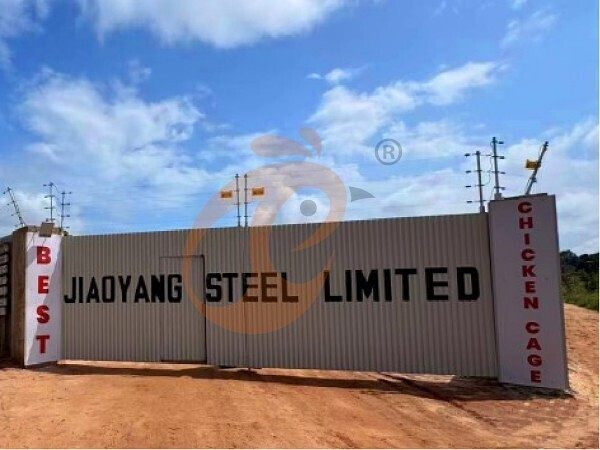
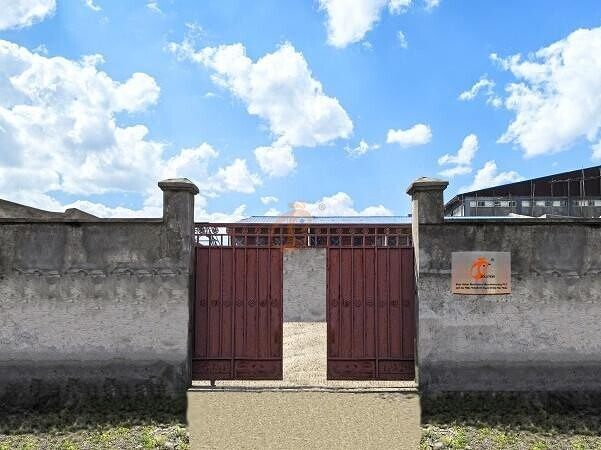
Reception /24 WhatsApp NO. : +8618830120193
FAQ
How Is Data Transmission Managed In Smart Chicken House Equipment For Poultry Chicken Monitoring Systems?
Data refresh intervals operate every 5–15 seconds for real-time monitoring accuracy.
Cloud synchronization latency remains within 1–3 seconds for remote access control.
What Alarm Functions Are Included In Smart Chicken House Equipment?
Gas concentration alerts trigger at 25–50 ppm ammonia levels protecting flock health.
System failure alarms respond within 3–5 seconds ensuring immediate fault notification.
How Does Smart Chicken House Equipment Improve Management Efficiency?
Data analytics improve feed conversion efficiency by 4%–7% through environmental optimization.
Predictive alerts reduce mortality risk by 3%–6% through early anomaly detection.
- poultry farm
- poultry house
- cage
- poultry farm construction
- poultry feeding equipment
- poultry equipment
- manure scraper
- chickencage
- bestchickencage
- Nigeria
- broiler farm
- poultry equipment supplier
- poultry equipment quotation
- poultry ventilation equipment
- poultry equipment manufacturer
- poultry farm plan
- poultry equipment suppliers
- poultry feed
- feed silo
- Ethiopia
Message
Products recommended
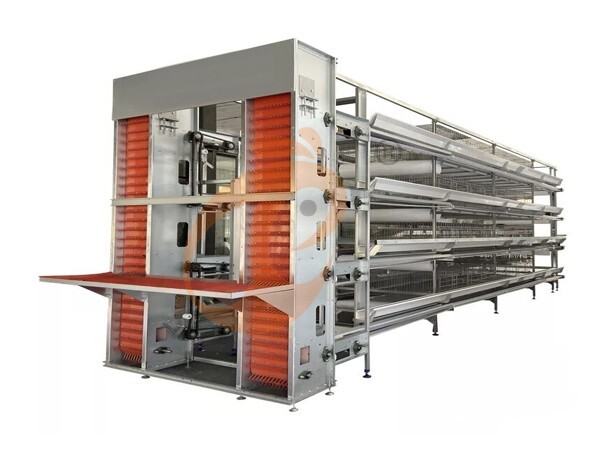
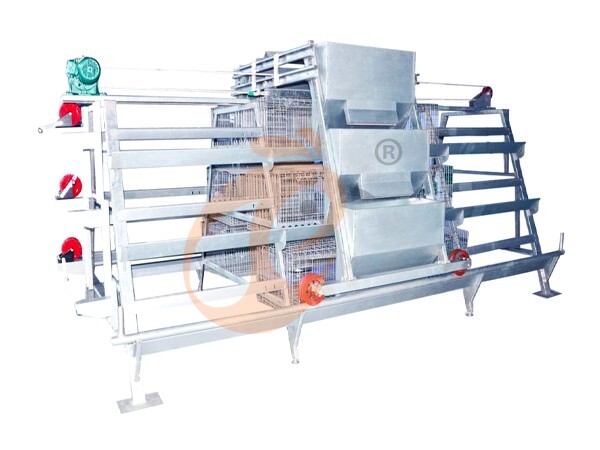
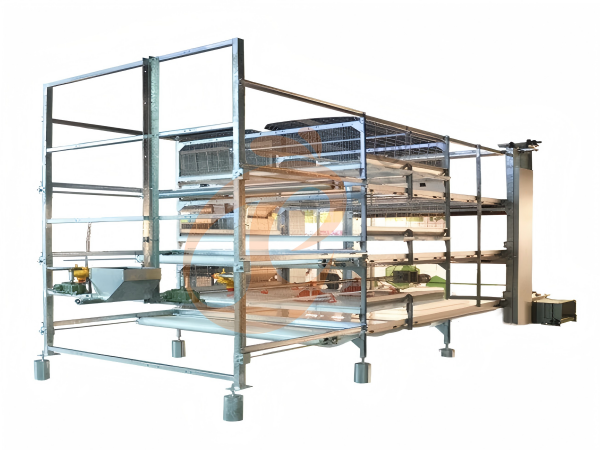
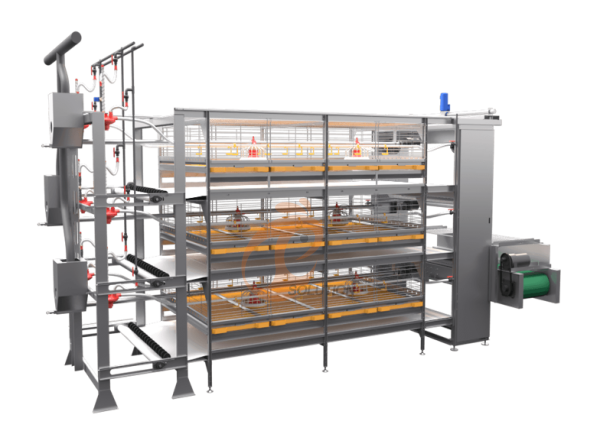
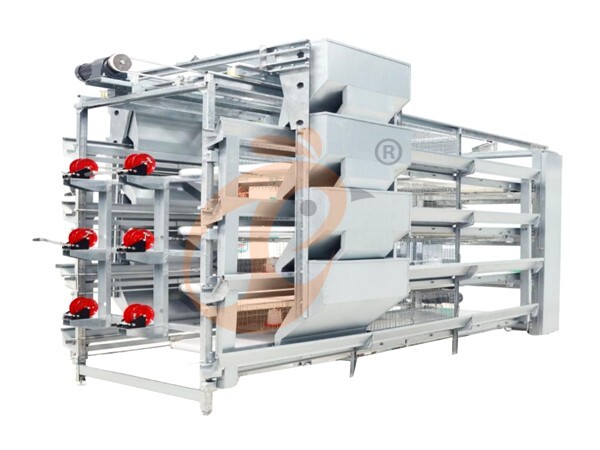
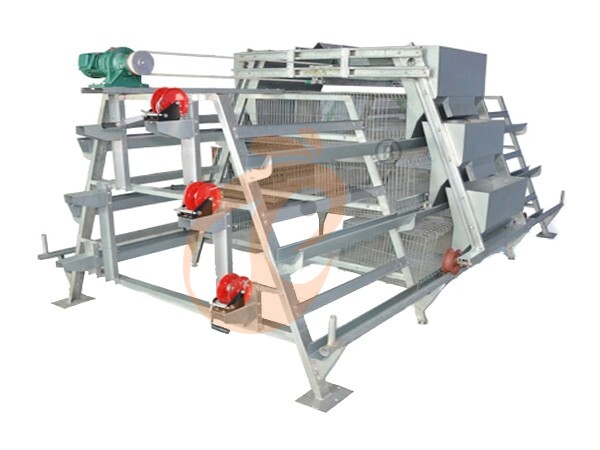
 >30,000 Pullets Automatic H Type Battery Cage1. More than 30,000 pullets a house, choose it.
2. It is designed to rearing older than 1 day old pullets to 12 to 16 weeks old chicken starting laying eggs.
3. Its lifespan is more than 25 years.
4. Its structure are Vcloud artificial intelligent fusion, electric control cabinet, automatic equipment of drinking, feeding, manure clean, manual harvesting.
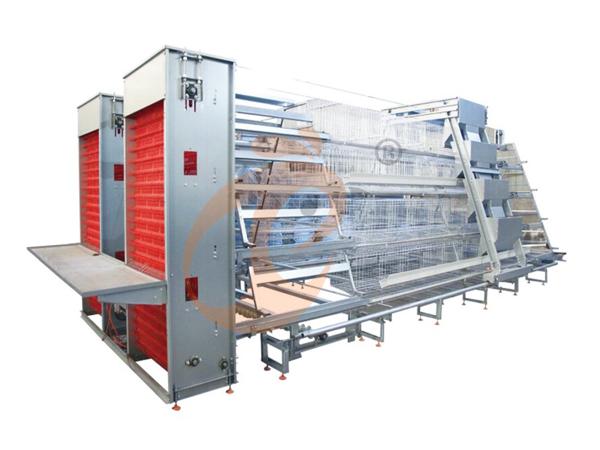
5. Our 24 hour online reception What’sApp NO. is +8618830120193 <30,000 Pullets Automatic A Type Battery Cage1. 10,000 to 30,000 pullets a house, choose it.
2. It is designed to rearing older than 1 day old pullets to 12 to 16 weeks old chicken starting laying eggs.
3. Its lifespan is more than 25 years.
4. Its structure are Vcloud artificial intelligent fusion, electric control cabinet, automatic equipment of drinking, feeding, manure clean, manual harvesting.
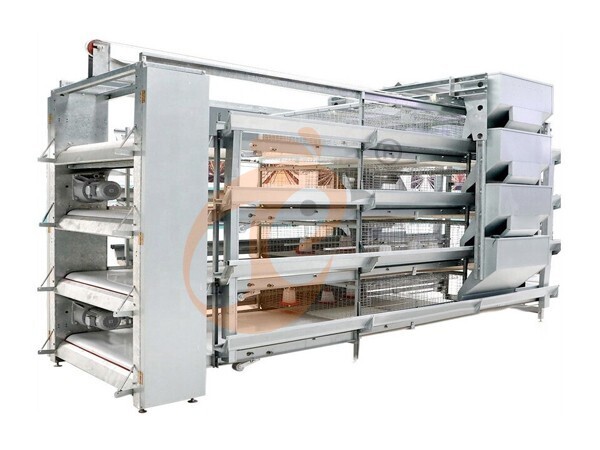
5. Our 24 hour online reception What’sApp NO. is +86 18830120193. >30,000 Broilers Semi-Automatic Harvest H Type Battery Cage1. More than 30,000 broilers a house, choose it.
2. It is designed to rearing 1 to 45 day old adult broiler ready for market.
3. Its lifespan is more than 20 years.
4. Our 24 hour online reception What’sApp NO. is +8618830120193, +234 8111199996. >30,000 Broilers Manual Harvest H Type Battery Cage1. More than 30,000 broilers a house, choose it.
2. It is designed to rearing 1 to 45 day old adult broiler ready for market.
3. Its lifespan is more than 20 years.
4. Its structure are Vcloud artificial intelligent fusion, electric control cabinet, automatic equipment of drinking, feeding and manure clean, manual harvesting.
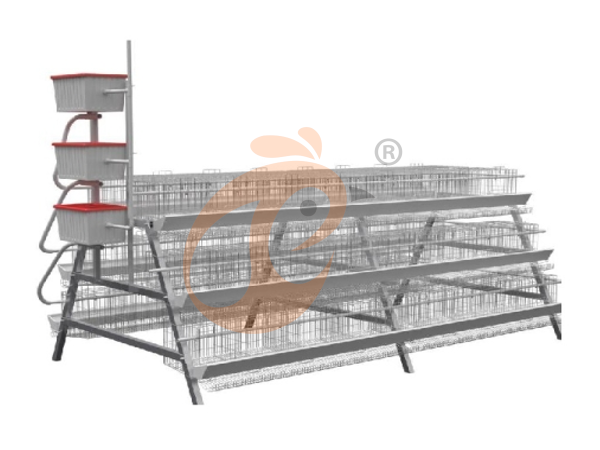
5. Our 24 hour online reception What’sApp NO. is +8618830120193, +234 8111199996. <30,000 Broilers Manual Harvest A Type Battery Cage1. Less 30,000 broilers a house, choose it.
2. It is designed to rearing 1 to 45 day old adult broiler ready for market.
3. Its lifespan is more than 20 years.
4. Its structure are Vcloud artificial intelligent fusion, electric control cabinet, automatic equipment of drinking, feeding and manure clean, manual harvesting.
5. Our 24 hour online reception What’sApp NO. is +8618830120193, +234 8111199996. HK Headquarter Offers EU-standard Poultry Farm Solutions, Manufacture Poultry Farm Equipment1. Continuous communication with the EU and the US
2. China, Nigeria, Ethiopia, Tanzania branch companies and factories
3. The products’ quality is customized for local poultry farms
4. Poultry cage and poultry farm equipment stock for sale
5. 24 online reception Whatsapp NO. : +8618830120193,contact us to get full information China Branch Offer Poultry Farm Business Plan, Manufacture Poultry Farm Equipment1. Address: Flat/RM 2416, 24/F, Runxing Building, Youyi Nan Street, Shijiazhuang City, Hebei Province, China
2. Poultry cage and poultry farm equipment factory and stock for sale
3. Customized for local poultry farms
4. Quality and design are based on Euro
5. 24 online reception Whatsapp NO. : +8618830120193 Nigeria Branch Offer Poultry Farm Business Plan, Manufacture Poultry Farm Equipment1. Address: After Sinoma Office, 200 Meters Near Danco Filling Station, Lagos/Ibadan Expressway, Lagos State, Nigeria
2. Poultry cage and poultry farm equipment factory and stock for sale
3. Customized for Nigerian poultry farms
4. Quality and design are based on Euro
5. 24 online reception Whatsapp NO. : +8618830120193 Ethiopia Branch Offer Poultry Farm Business Plan, Manufacture Poultry Farm Equipment1. Address: Gelan Gura, Akaki-kaliti Sub City, Addis Ababa, Ethiopia
2. Poultry cage and poultry farm equipment stock for sale
3. Customized for Ethiopian poultry farms
4. Quality and design are based on Euro
5. 24 online reception Whatsapp NO. : +8618830120193, contact us to get price list Tanzania Branch Offer Poultry Farm Business Plan, Manufacture Poultry Farm Equipment1. Address: No.8, Sova Road, Msufini, Mlandizi, Kibaha, Pwani, Tanzania
2. Poultry cage and poultry farm equipment factory and stock for sale
3. Customized for Tanzanian poultry farms
4. Quality and design are based on Euro
5. 24 online reception Whatsapp NO. : +8618830120193
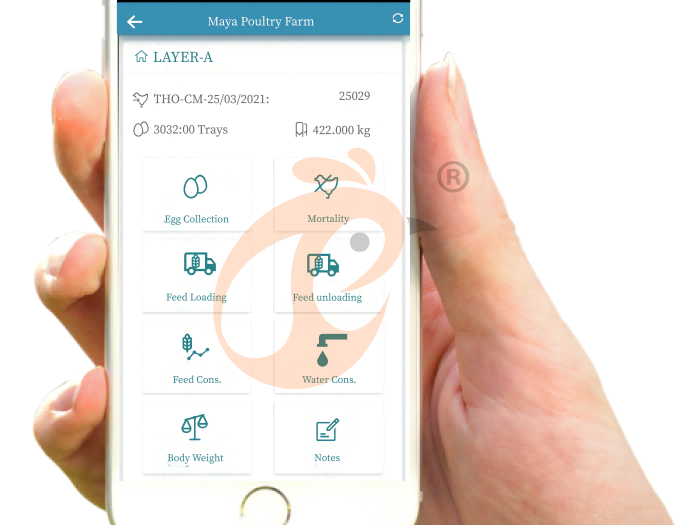


Contact