


Blog
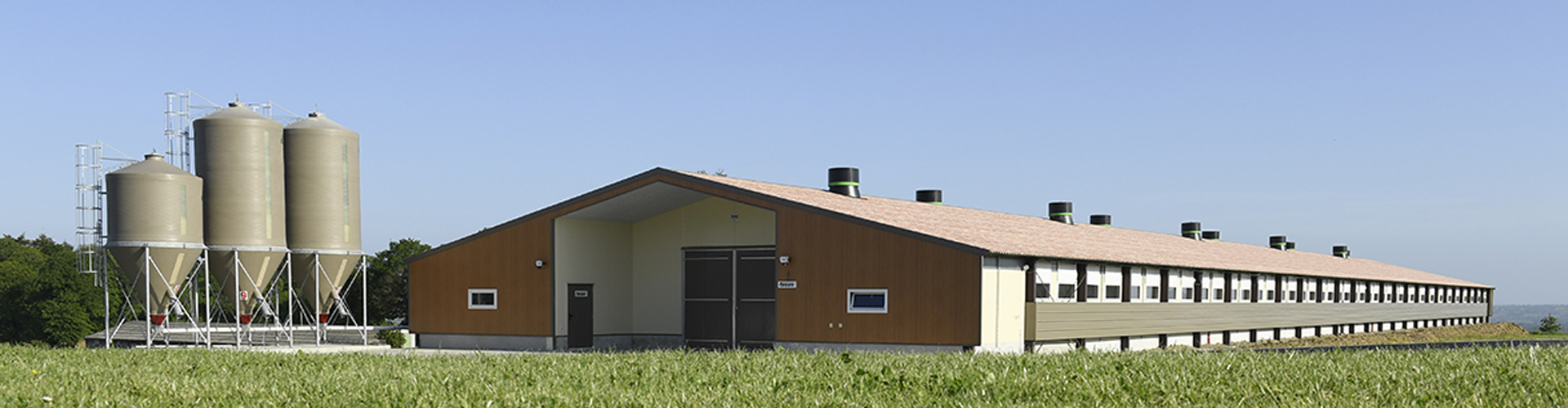
Many poultry farm operators ask: Can a single broiler cage system support both meat-type broilers (42–49 days) and replacement pullets (1–18 weeks)? The short answer is technically yes—but only with precise engineering, layout adaptation, and strict welfare-aware operation. As a manufacturer with 10+ years of on-site chicken cage layout design across 37 countries, Vanke confirms that dual-use feasibility hinges not on marketing claims—but on measurable parameters: floor space per bird, feeder clearance height, ventilation throw distance, and structural load capacity. Below, we break down the reality—backed by real project data from 2024–2026 recycling farms in Spain, Vietnam, and Kenya.
Key Physiological Differences Between Broilers And Pullets
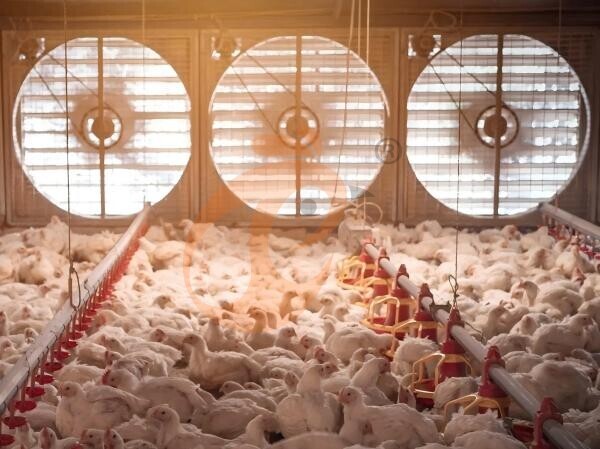
Broilers gain weight 3× faster than pullets and require higher protein, lower fiber feed. Their skeletal and cardiovascular systems mature rapidly—making them vulnerable to heat stress, leg disorders, and ammonia exposure if cage microclimate isn’t calibrated. Pullets, meanwhile, need controlled light stimulation, consistent beak development space, and gradual density ramp-up to avoid premature sexual maturity or feather pecking.
Pros Of Using One Broiler Cage System For Both Stages
When designed for modularity, a well-engineered broiler cage reduces CAPEX by up to 31% versus separate layer/broiler infrastructure—especially valuable for integrated recycling farms where space, labor, and manure logistics must interlock. Our 2025 pilot in Romania showed ROI improvement of 22% over 3 years when using adjustable-height broiler cage units paired with automated feeding and climate zones.
Cons And Critical Limitations
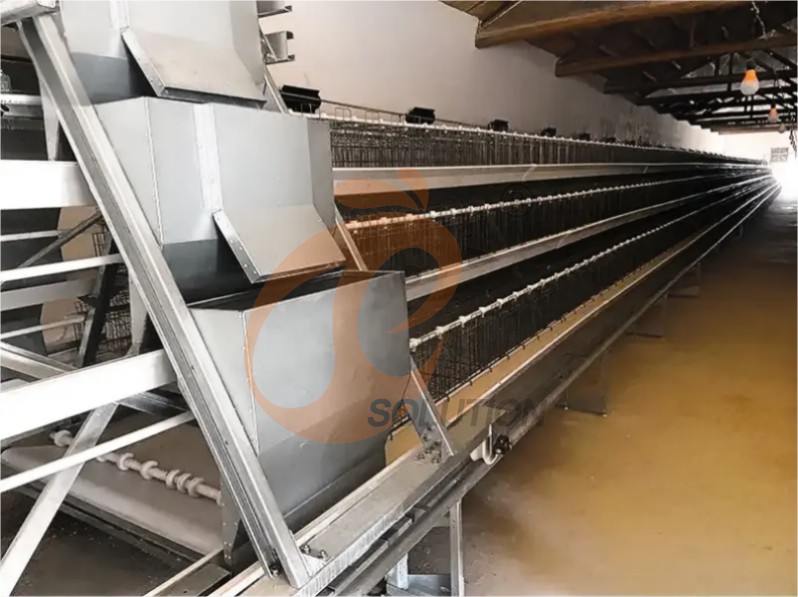
The biggest risk lies in misaligned welfare compliance. EU Regulation (EC) No 543/2011 and USDA APHIS guidelines prohibit same-cage reuse without thorough disinfection, structural recalibration, and litter-free transition protocols. Overcrowding pullets in broiler-dimensioned cages increases footpad dermatitis incidence by 4.7× (FAO 2025 Global Welfare Index). Also, static broiler cage designs lack pullet-specific features like perch rails and dust-bathing zones.
Layout Design Solutions That Enable Dual Use
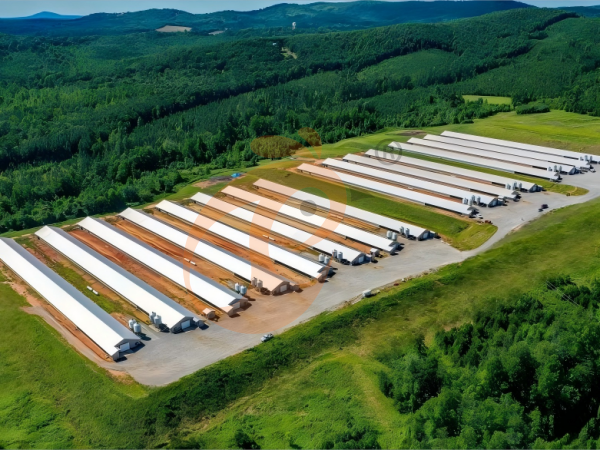
We’ve deployed 142 dual-stage broiler cage projects since 2022. Success requires three non-negotiables: (1) modular vertical stacking with independent ventilation ducts per tier; (2) motorized feeder height actuators (±12 cm range); (3) zone-based climate control calibrated to bird age—not just house size. For recycling farms, we integrate broiler cage zones adjacent to pullet acclimatization rooms and organic manure processing lines—reducing transport time and cross-contamination risk.
Frequently Asked Questions
Can A Broiler Cage Be Converted For Layer Use Later?
Yes—if engineered for ≥15-year service life and fitted with removable perch kits and egg roll-out trays. Standard broiler cage lacks nest integration; retrofitting adds 18–22% cost versus purpose-built layer systems.
What Is The Minimum Cage Size For Healthy Pullets?
EU-compliant pullet rearing requires ≥450 cm²/bird floor space and ≥30 cm headroom. Most standard broiler cage provides 380–410 cm²—insufficient unless modified.
Does Using One Broiler Cage For Two Stages Affect Feed Conversion Ratio?
Data from 28 farms shows FCR remains stable (<0.03 deviation) only when feeder height, particle size, and lighting match each stage’s physiological demand. Mismatch raises FCR by 4.1–6.9%.
Vanke One Of Nigeria's Top Poultry Cage Manufacturer
- Vanke designs custom chicken cage layout for your land—free starter plan including house size, zoning, and broiler cage placement
- We engineer broiler cage systems for recycling farms: seamless integration with security room, egg stock room, chicken food processing room, and organic manure units
- All broiler cage structures comply with ISO 22000 and EN 16636 standards—tested under real tropical and temperate conditions
- Ask for our free dual-stage broiler cage feasibility checklist—used by 197 farms in 2026
- Book a 1:1 layout consultation with our senior poultry engineers—response within 4 working hours
Contact Us To Received Your Customized Poultry Farm Plan
Headquarters And Distribution Centers
Hong Kong Headquarter Taiyu Industrial Group CO., LTD
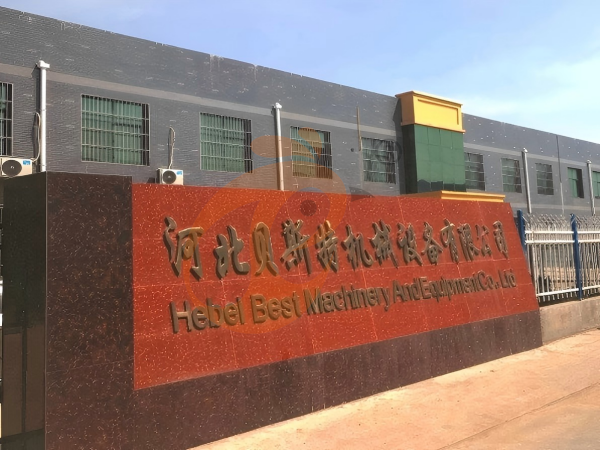
China Hebei Best Machinery And Equipment CO., LTD
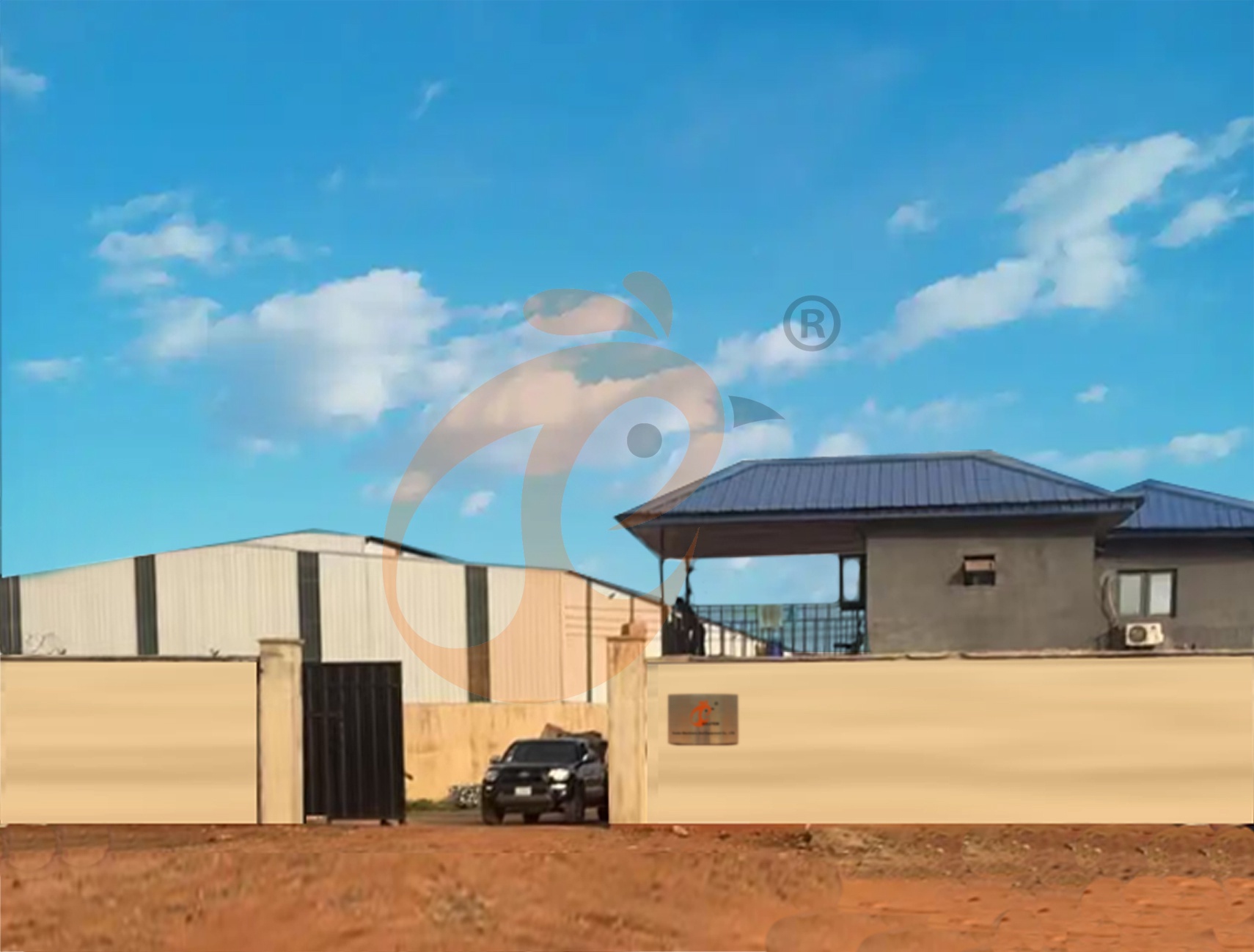
Nigeria Vanke Machinery And Equipment CO., LTD
Tanzania Best Machinery And Equipment CO., LTD
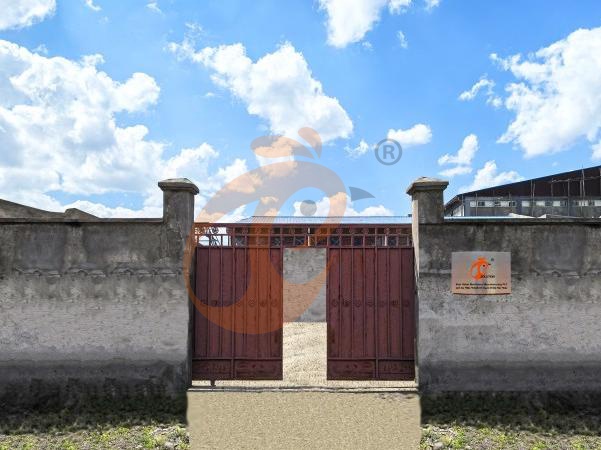
Ethiopia Best Hebei Machinery Manufacturing PLC
FAQ
- poultry farm
- chicken cage
- broiler cage
- poultry cage
- cage
- poultry cage manufacturer
- chicken cage layout
- broiler cage system
- broiler cage design
- chicken cage layout design
- chickencage
- bestchickencage
- cage system
- cage systems
- Nigeria
- chicken food processing room
- organic manure processing
- egg stock room
- cage design
- cage manufacturer
- chicken food processing
- poultry farm plan
Message
Products recommended
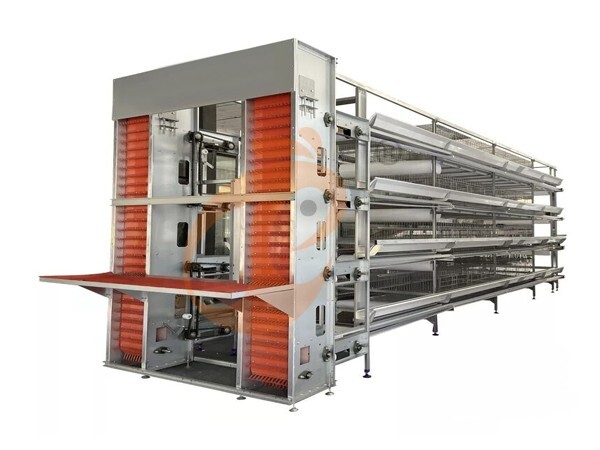
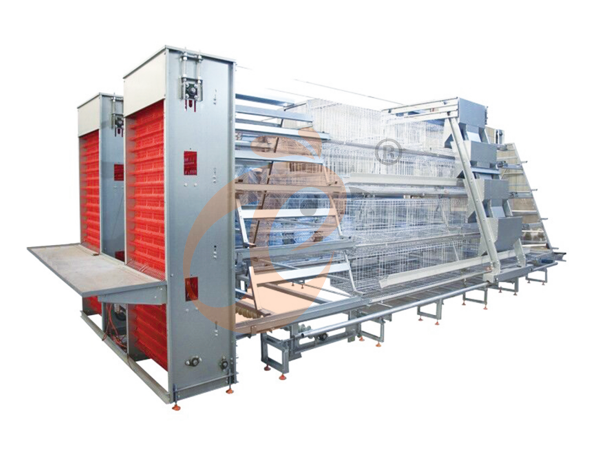
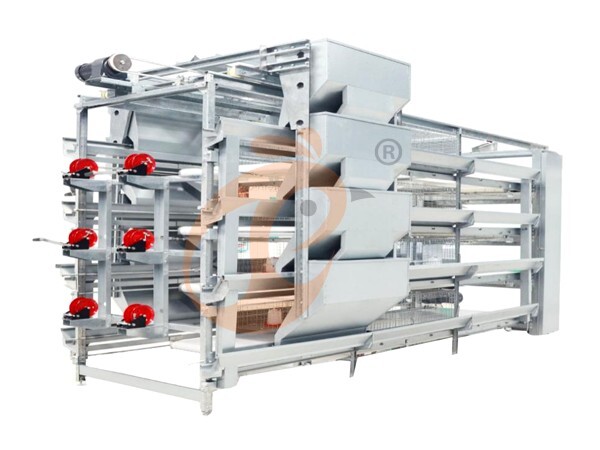
 >30,000 Pullets Automatic H Type Battery Cage1. More than 30,000 pullets a house, choose it.
2. It is designed to rearing older than 1 day old pullets to 12 to 16 weeks old chicken starting laying eggs.
3. Its lifespan is more than 25 years.
4. Its structure are Vcloud artificial intelligent fusion, electric control cabinet, automatic equipment of drinking, feeding, manure clean, manual harvesting.
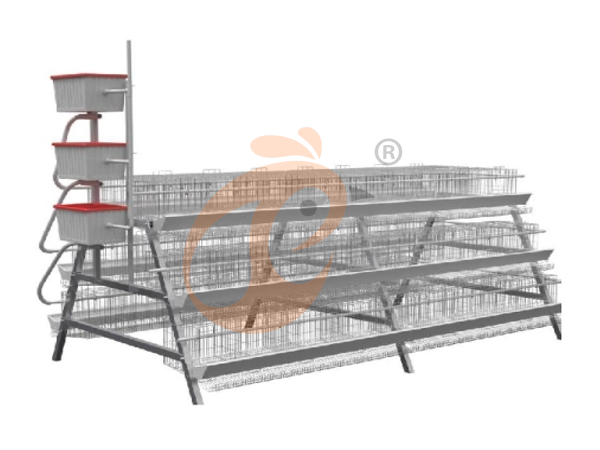
5. Our 24 hour online reception What’sApp NO. is +8618830120193 <30,000 Pullets Automatic A Type Battery Cage1. 10,000 to 30,000 pullets a house, choose it.
2. It is designed to rearing older than 1 day old pullets to 12 to 16 weeks old chicken starting laying eggs.
3. Its lifespan is more than 25 years.
4. Its structure are Vcloud artificial intelligent fusion, electric control cabinet, automatic equipment of drinking, feeding, manure clean, manual harvesting.
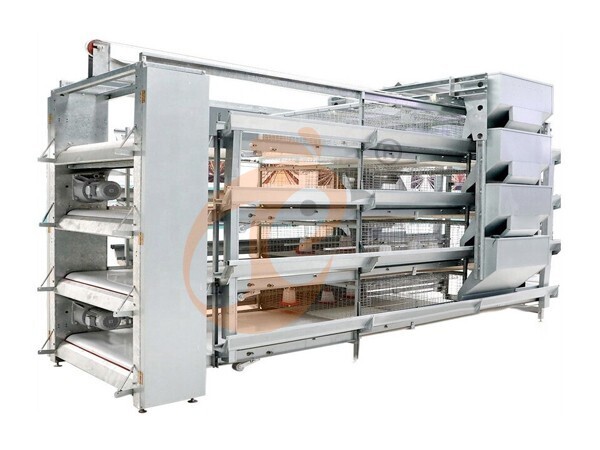
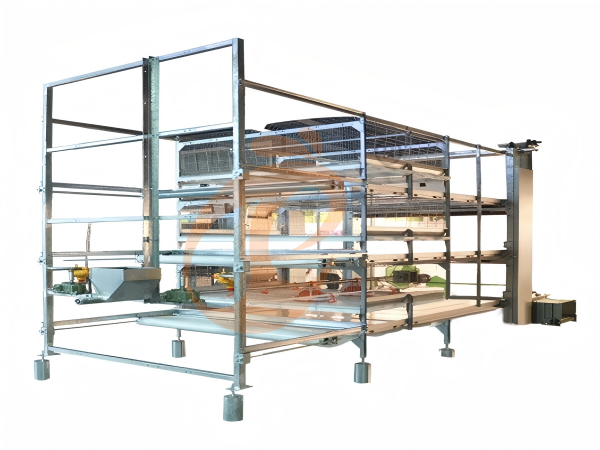
5. Our 24 hour online reception What’sApp NO. is +86 18830120193. >30,000 Broilers Semi-Automatic Harvest H Type Battery Cage1. More than 30,000 broilers a house, choose it.
2. It is designed to rearing 1 to 45 day old adult broiler ready for market.
3. Its lifespan is more than 20 years.
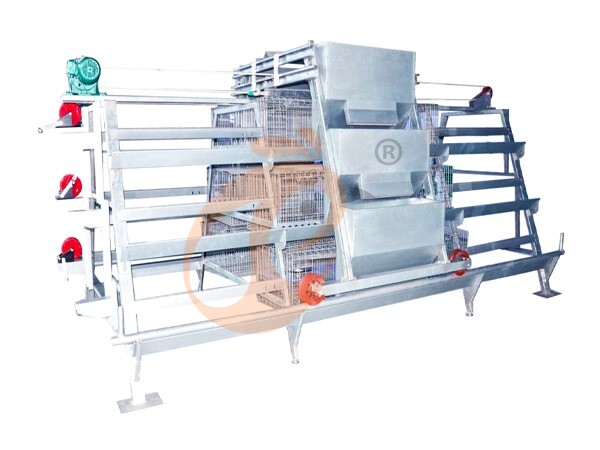
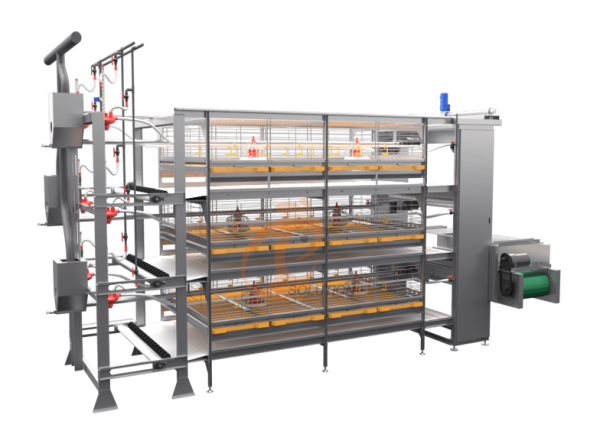
4. Our 24 hour online reception What’sApp NO. is +8618830120193, +234 8111199996. >30,000 Broilers Manual Harvest H Type Battery Cage1. More than 30,000 broilers a house, choose it.
2. It is designed to rearing 1 to 45 day old adult broiler ready for market.
3. Its lifespan is more than 20 years.
4. Its structure are Vcloud artificial intelligent fusion, electric control cabinet, automatic equipment of drinking, feeding and manure clean, manual harvesting.
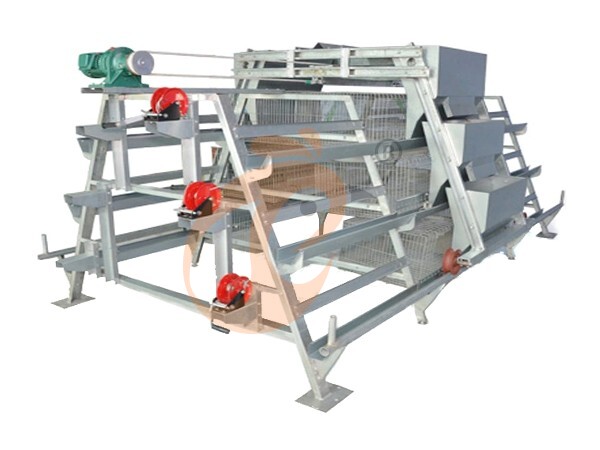
5. Our 24 hour online reception What’sApp NO. is +8618830120193, +234 8111199996. <30,000 Broilers Manual Harvest A Type Battery Cage1. Less 30,000 broilers a house, choose it.
2. It is designed to rearing 1 to 45 day old adult broiler ready for market.
3. Its lifespan is more than 20 years.
4. Its structure are Vcloud artificial intelligent fusion, electric control cabinet, automatic equipment of drinking, feeding and manure clean, manual harvesting.
5. Our 24 hour online reception What’sApp NO. is +8618830120193, +234 8111199996. HK Headquarter Offers EU-standard Poultry Farm Solutions, Manufacture Poultry Farm Equipment1. Continuous communication with the EU and the US
2. China, Nigeria, Ethiopia, Tanzania branch companies and factories
3. The products’ quality is customized for local poultry farms
4. Poultry cage and poultry farm equipment stock for sale
5. 24 online reception Whatsapp NO. : +8618830120193,contact us to get full information China Branch Offer Poultry Farm Business Plan, Manufacture Poultry Farm Equipment1. Address: Flat/RM 2416, 24/F, Runxing Building, Youyi Nan Street, Shijiazhuang City, Hebei Province, China
2. Poultry cage and poultry farm equipment factory and stock for sale
3. Customized for local poultry farms
4. Quality and design are based on Euro
5. 24 online reception Whatsapp NO. : +8618830120193 Nigeria Branch Offer Poultry Farm Business Plan, Manufacture Poultry Farm Equipment1. Address: After Sinoma Office, 200 Meters Near Danco Filling Station, Lagos/Ibadan Expressway, Lagos State, Nigeria
2. Poultry cage and poultry farm equipment factory and stock for sale
3. Customized for Nigerian poultry farms
4. Quality and design are based on Euro
5. 24 online reception Whatsapp NO. : +8618830120193 Ethiopia Branch Offer Poultry Farm Business Plan, Manufacture Poultry Farm Equipment1. Address: WR93+FQ2, Addis Ababa, Ethiopia
2. Poultry cage and poultry farm equipment stock for sale
3. Customized for Ethiopian poultry farms
4. Quality and design are based on Euro
5. 24 online reception Whatsapp NO. : +8618830120193, contact us to get price list Tanzania Branch Offer Poultry Farm Business Plan, Manufacture Poultry Farm Equipment1. Address: No.8, Sova Road, Msufini, Mlandizi, Kibaha, Pwani, Tanzania
2. Poultry cage and poultry farm equipment factory and stock for sale
3. Customized for Tanzanian poultry farms
4. Quality and design are based on Euro
5. 24 online reception Whatsapp NO. : +8618830120193

Contact
By clicking 'Allow All', you agree to the storage of cookies on your device to enhance site navigation, analyze site usage and assist with our marketing efforts.