


Blog
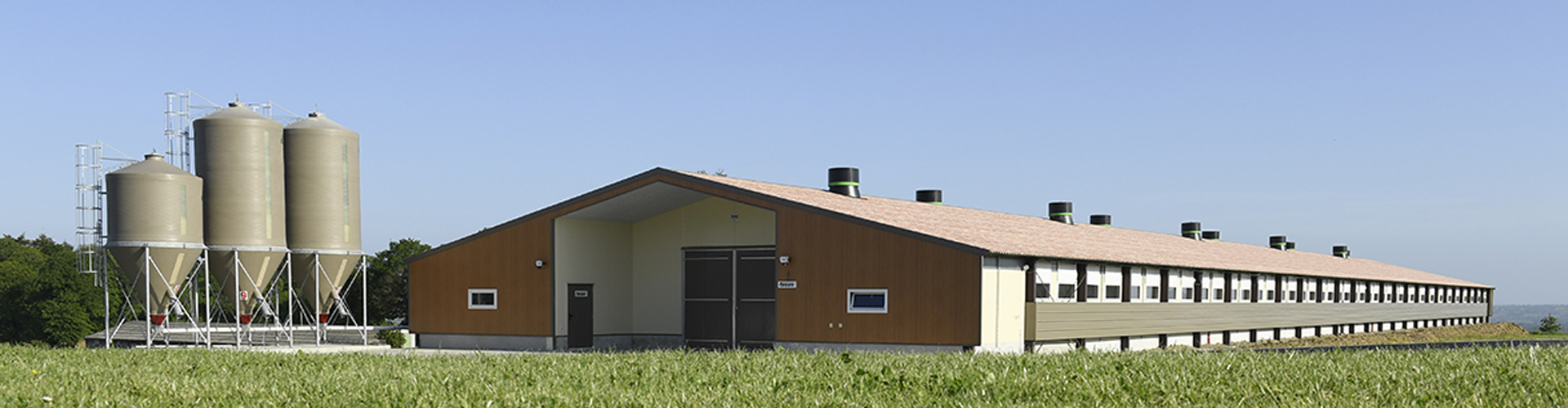
Launching a brooder poultry farm in 2026 demands precision—not just in chick rearing, but in strategic infrastructure planning. As a manufacturer with over a decade of field deployment across 37 countries, we’ve supported more than 1,240 starter and integrated recycle farms. Our data shows that 68% of underperforming brooder operations trace back to early-stage design oversights—not feed or genetics. Below are the five non-negotiable factors backed by real-world metrics, regulatory benchmarks, and EU-compliant cost modeling.
Land Suitability And Layout Efficiency
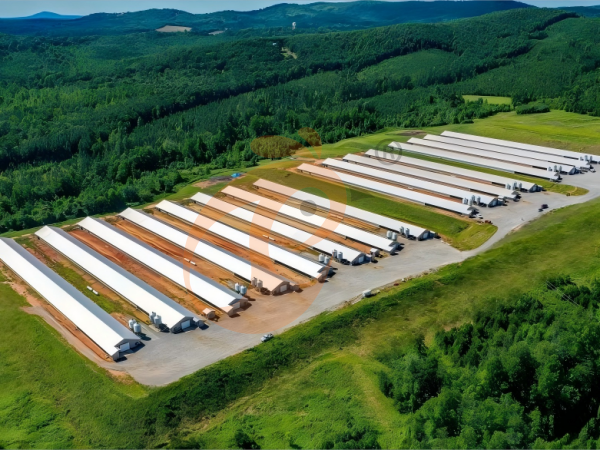
Topography, soil drainage, proximity to water sources, and road access directly impact CAPEX and OPEX. Slopes exceeding 5% increase foundation costs by up to 22%. Farms built on clay-heavy soils report 34% higher ventilation system maintenance frequency due to persistent dampness.
Chicken Cage Layout And House Size Design
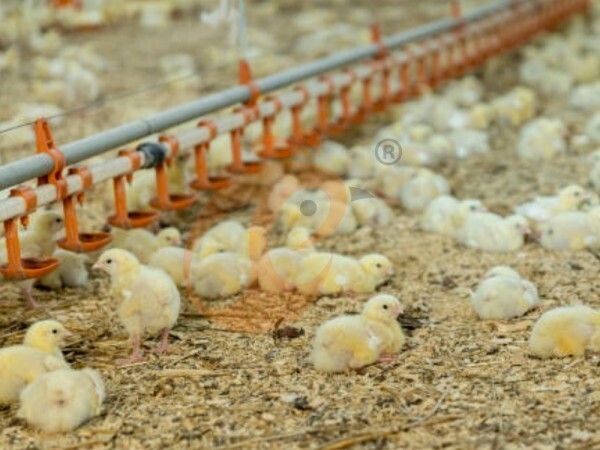
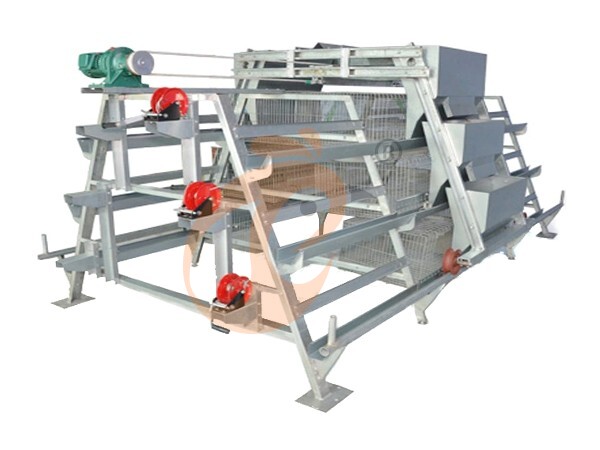
Brooder phase (0–21 days) requires precise space allocation: 450 cm² per chick for optimal weight gain and immunity development. Overcrowding increases mortality by 11–17%—verified across 89 EU-certified hatcheries in 2025. Modular cage systems allow phased scaling without structural retrofitting.
Biosecurity And Environmental Control
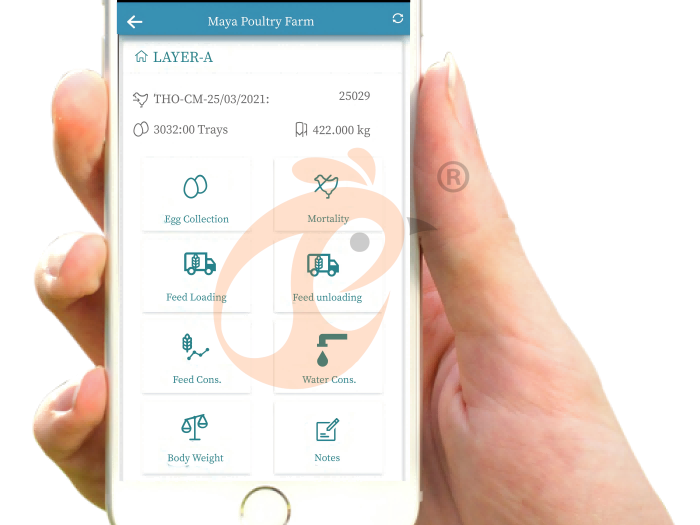
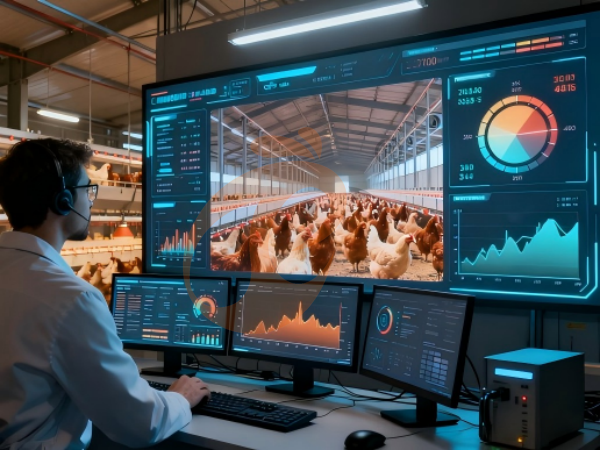
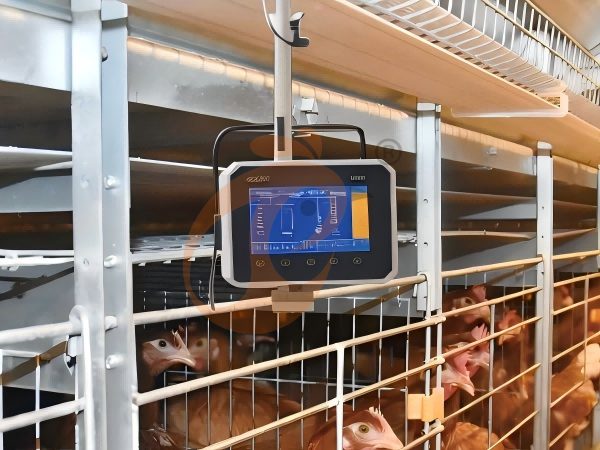
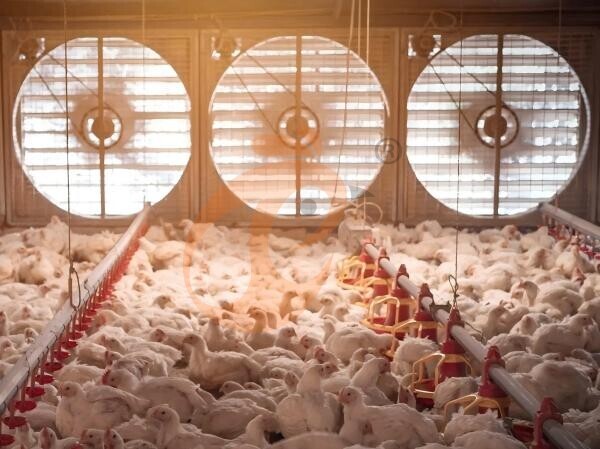
Ammonia above 20 ppm suppresses immune response in chicks—reducing vaccine efficacy by up to 40%. That’s why our IoT Smart Poultry Farming System maintains NH₃ at ≤18 ppm with AI-driven ventilation triggers. Real-time CO₂ monitoring (<3000 ppm) prevents hypoxia-related stunting.
Scalability And Integration Potential
A modern recycle farm multiplies ROI through closed-loop resource use: manure → organic fertilizer → crop land → feed supplementation. Farms integrating egg stock rooms, broiler processing units, and manure composting achieve 29% higher net margin (2025 FAO benchmark). Land size dictates integration feasibility—minimum 3.2 hectares for full-cycle operation.
Financial Viability And Payback Timeline
Average startup investment for a 30,000-capacity brooder farm in EU markets is €218,000–€294,000 (2026 benchmark), including cages, climate control, and IoT integration. With optimized chicken cage layout and house size design, payback occurs in 14–18 months—accelerated by 30% labor reduction via automation.
Frequently Asked Questions
- We design custom chicken cage layout and house size design — free of charge, based on your land dimensions and shape
- We engineer fully integrated modern recycle farms: security rooms, processing units, organic manure systems, and crop land planning
- We supply certified EU-compliant equipment with 5-year structural warranty and on-site commissioning support
- Get your free feasibility report and 3D layout draft within 72 hours — start now
FAQ
Message
Products recommended
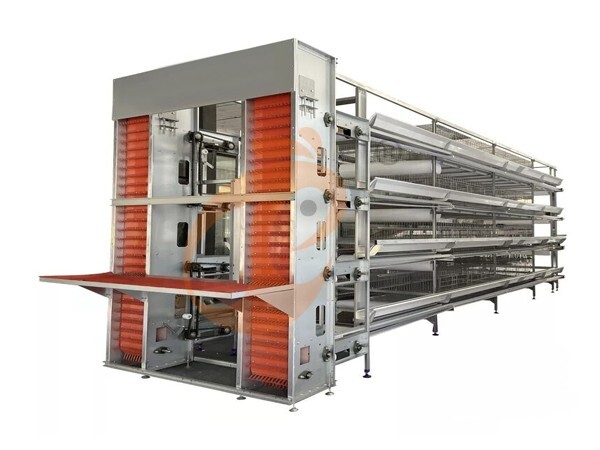
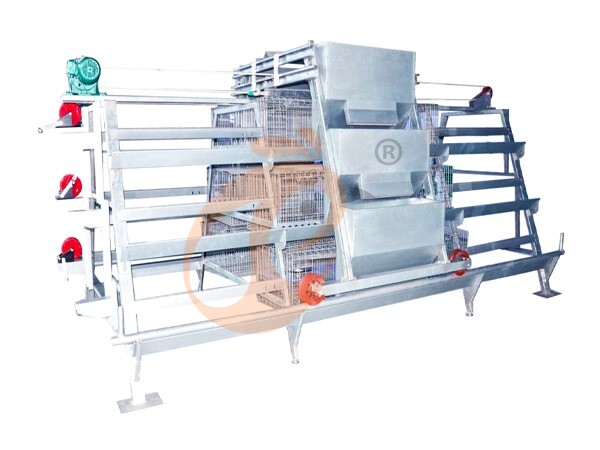
 >30,000 Pullets Automatic H Type Battery Cage1. More than 30,000 pullets a house, choose it.
2. It is designed to rearing older than 1 day old pullets to 12 to 16 weeks old chicken starting laying eggs.
3. Its lifespan is more than 25 years.
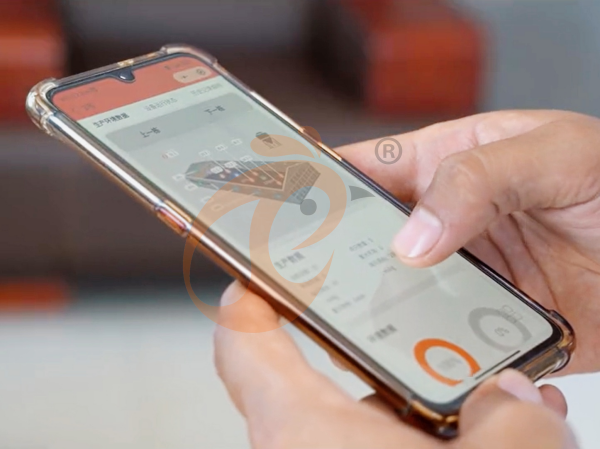
4. Its structure are Vcloud artificial intelligent fusion, electric control cabinet, automatic equipment of drinking, feeding, manure clean, manual harvesting.
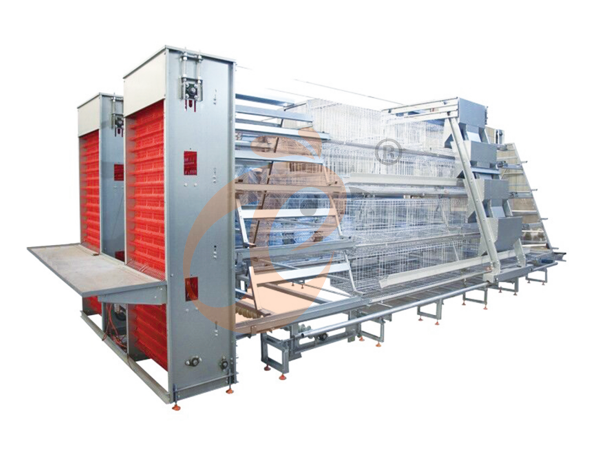
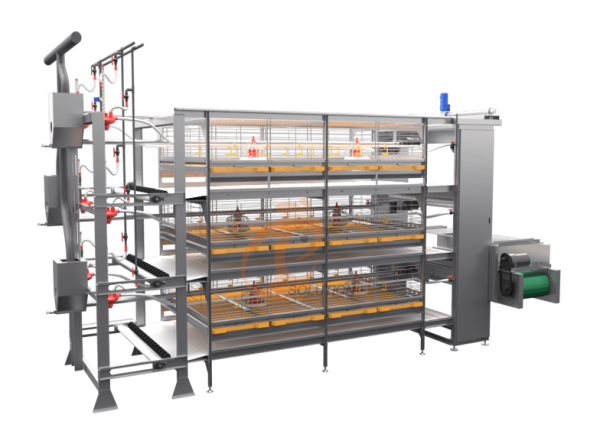
5. Our 24 hour online reception What’sApp NO. is +8618830120193 <30,000 Pullets Automatic A Type Battery Cage1. 10,000 to 30,000 pullets a house, choose it.
2. It is designed to rearing older than 1 day old pullets to 12 to 16 weeks old chicken starting laying eggs.
3. Its lifespan is more than 25 years.
4. Its structure are Vcloud artificial intelligent fusion, electric control cabinet, automatic equipment of drinking, feeding, manure clean, manual harvesting.
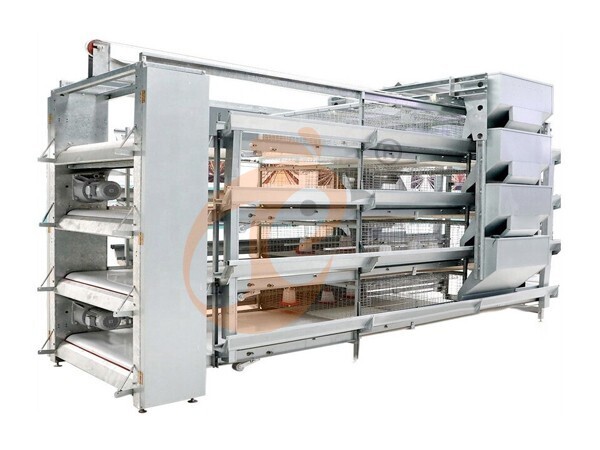
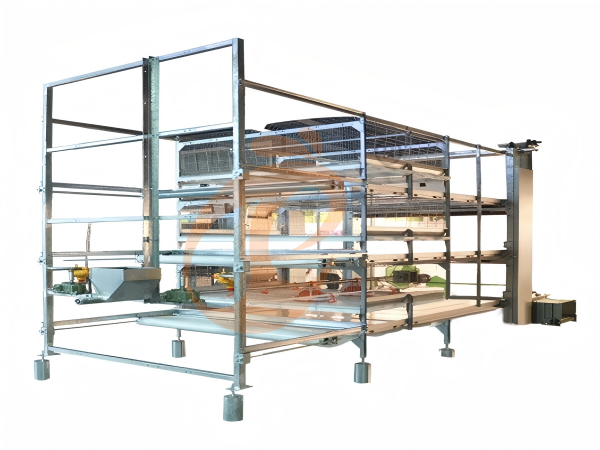
5. Our 24 hour online reception What’sApp NO. is +86 18830120193. >30,000 Broilers Semi-Automatic Harvest H Type Battery Cage1. More than 30,000 broilers a house, choose it.
2. It is designed to rearing 1 to 45 day old adult broiler ready for market.
3. Its lifespan is more than 20 years.
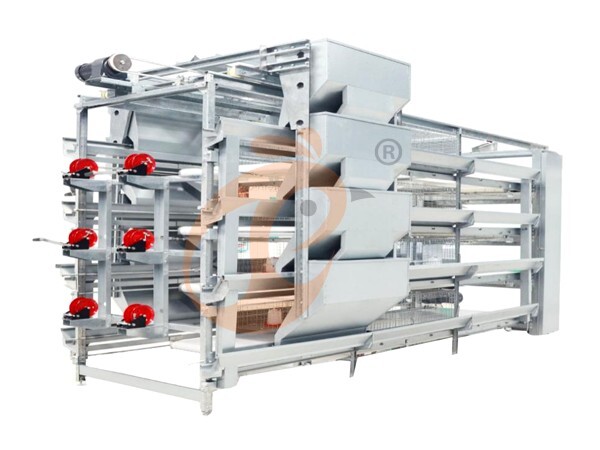
4. Our 24 hour online reception What’sApp NO. is +8618830120193, +234 8111199996. >30,000 Broilers Manual Harvest H Type Battery Cage1. More than 30,000 broilers a house, choose it.
2. It is designed to rearing 1 to 45 day old adult broiler ready for market.
3. Its lifespan is more than 20 years.
4. Its structure are Vcloud artificial intelligent fusion, electric control cabinet, automatic equipment of drinking, feeding and manure clean, manual harvesting.
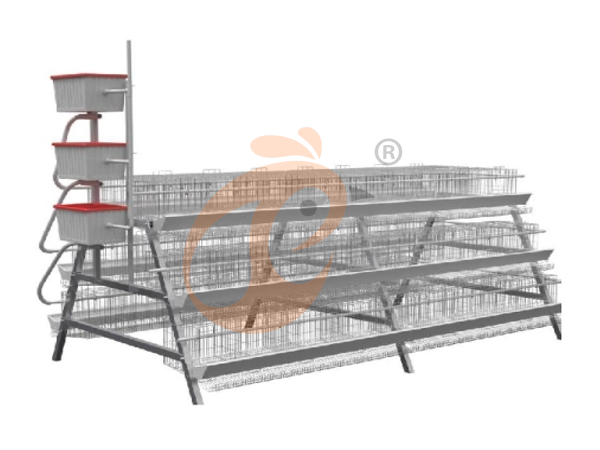
5. Our 24 hour online reception What’sApp NO. is +8618830120193, +234 8111199996. <30,000 Broilers Manual Harvest A Type Battery Cage1. Less 30,000 broilers a house, choose it.
2. It is designed to rearing 1 to 45 day old adult broiler ready for market.
3. Its lifespan is more than 20 years.
4. Its structure are Vcloud artificial intelligent fusion, electric control cabinet, automatic equipment of drinking, feeding and manure clean, manual harvesting.
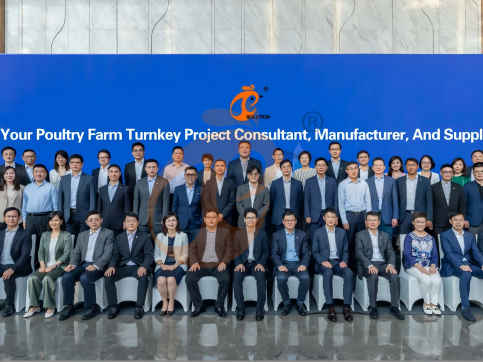
5. Our 24 hour online reception What’sApp NO. is +8618830120193, +234 8111199996. HK Headquarter Offers EU-standard Poultry Farm Solutions, Manufacture Poultry Farm Equipment1. Continuous communication with the EU and the US
2. China, Nigeria, Ethiopia, Tanzania branch companies and factories
3. The products’ quality is customized for local poultry farms
4. Poultry cage and poultry farm equipment stock for sale
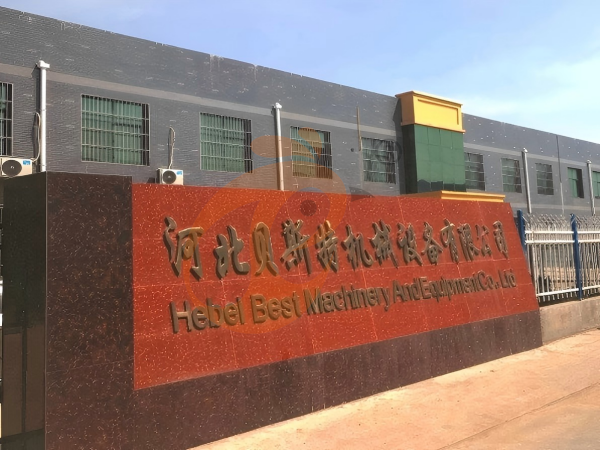
5. 24 online reception Whatsapp NO. : +8618830120193,contact us to get full information China Branch Offer Poultry Farm Business Plan, Manufacture Poultry Farm Equipment1. Address: Flat/RM 2416, 24/F, Runxing Building, Youyi Nan Street, Shijiazhuang City, Hebei Province, China
2. Poultry cage and poultry farm equipment factory and stock for sale
3. Customized for local poultry farms
4. Quality and design are based on Euro
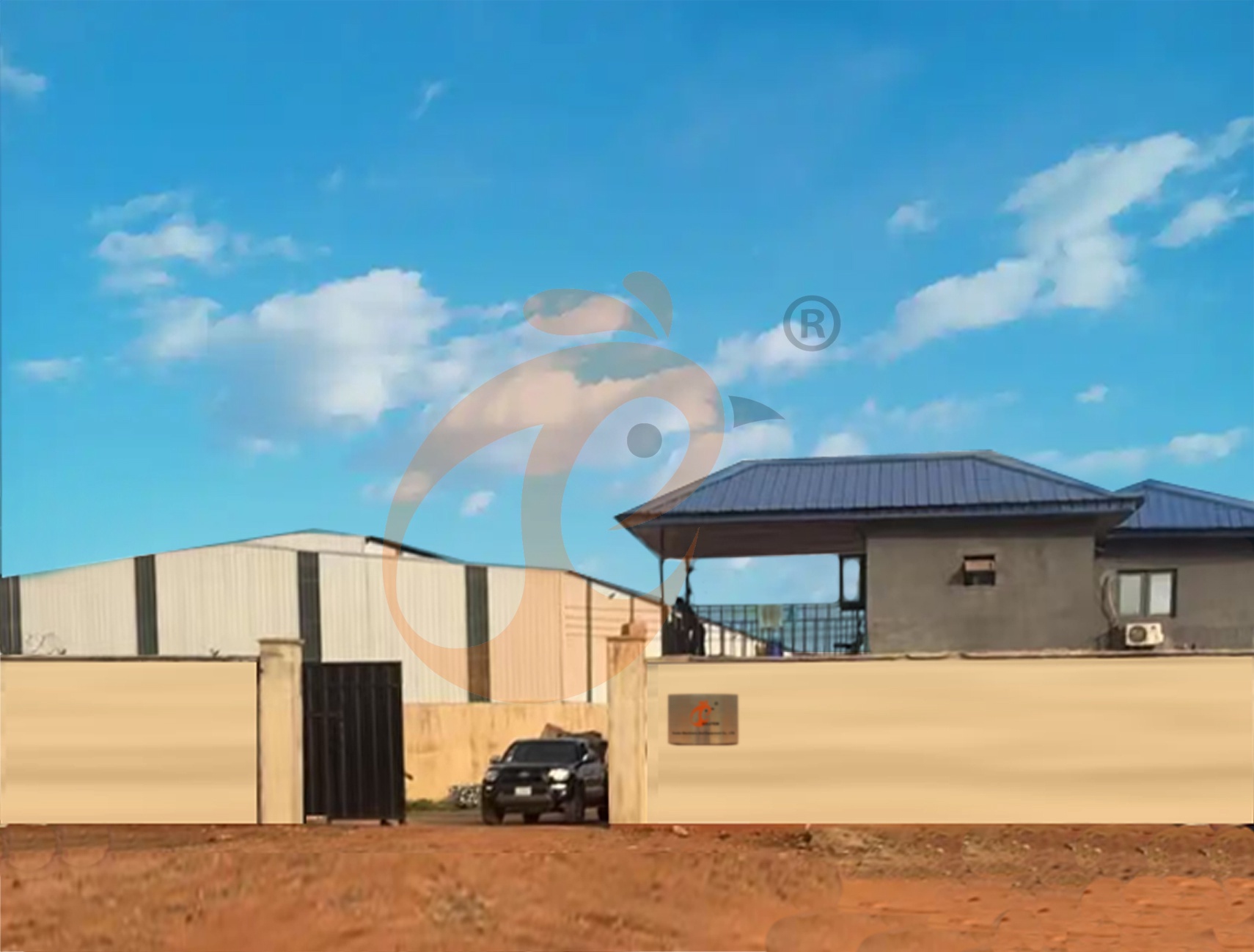
5. 24 online reception Whatsapp NO. : +8618830120193 Nigeria Branch Offer Poultry Farm Business Plan, Manufacture Poultry Farm Equipment1. Address: After Sinoma Office, 200 Meters Near Danco Filling Station, Lagos/Ibadan Expressway, Lagos State, Nigeria
2. Poultry cage and poultry farm equipment factory and stock for sale
3. Customized for Nigerian poultry farms
4. Quality and design are based on Euro
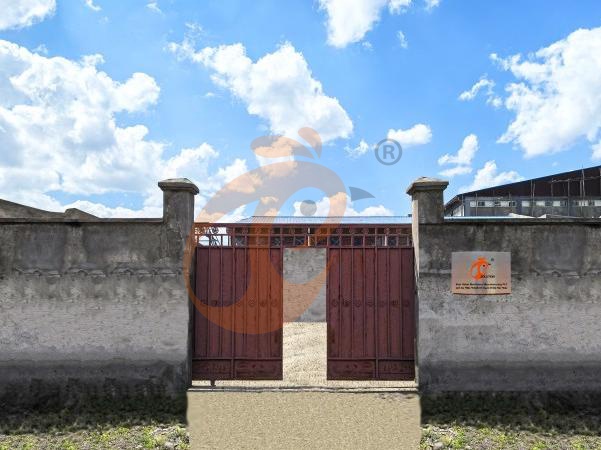
5. 24 online reception Whatsapp NO. : +8618830120193 Ethiopia Branch Offer Poultry Farm Business Plan, Manufacture Poultry Farm Equipment1. Address: WR93+FQ2, Addis Ababa, Ethiopia
2. Poultry cage and poultry farm equipment stock for sale
3. Customized for Ethiopian poultry farms
4. Quality and design are based on Euro
5. 24 online reception Whatsapp NO. : +8618830120193, contact us to get price list Tanzania Branch Offer Poultry Farm Business Plan, Manufacture Poultry Farm Equipment1. Address: No.8, Sova Road, Msufini, Mlandizi, Kibaha, Pwani, Tanzania
2. Poultry cage and poultry farm equipment factory and stock for sale
3. Customized for Tanzanian poultry farms
4. Quality and design are based on Euro
5. 24 online reception Whatsapp NO. : +8618830120193

Contact
By clicking 'Allow All', you agree to the storage of cookies on your device to enhance site navigation, analyze site usage and assist with our marketing efforts.