


Blog
Broiler chicken cage cost depends on equipment selection, automation, installation, and operating requirements across commercial poultry projects.
Compare six major cost components before investing in a farm housing 20,000–100,000 birds.
Evaluate feeding equipment, drinking systems, manure removal, ventilation, electrical controls, and cage structures.
Explore how 3–12-tier configurations influence equipment quantities, installation planning, and project budgets.
Discover practical purchasing strategies for balancing initial investment, operating efficiency, maintenance, and future expansion.
Get professional poultry farm construction guidance, equipment selection solutions, and the latest price lists, whatsApp to +8618830120193, click to learn more:
Six Key Components At A Glance
Data is for reference only. Swipe horizontally to view full table.
Broiler chicken cage cost should be calculated as a complete equipment investment rather than the price of the cage structure alone.
The final budget depends on farm capacity, automation level, local installation conditions, and the equipment included in the supplier's quotation.
Cost Component One: Cage Structure And Installation
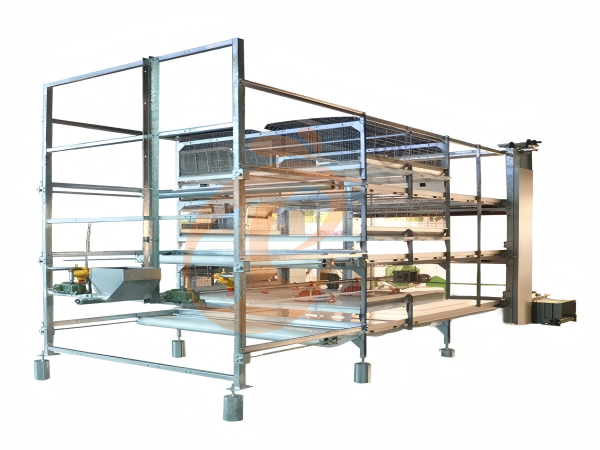
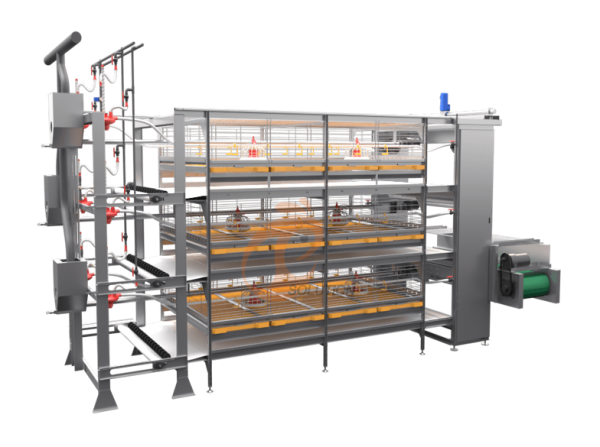
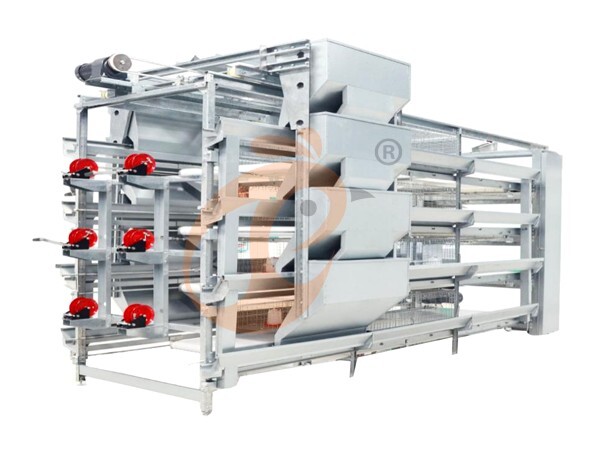
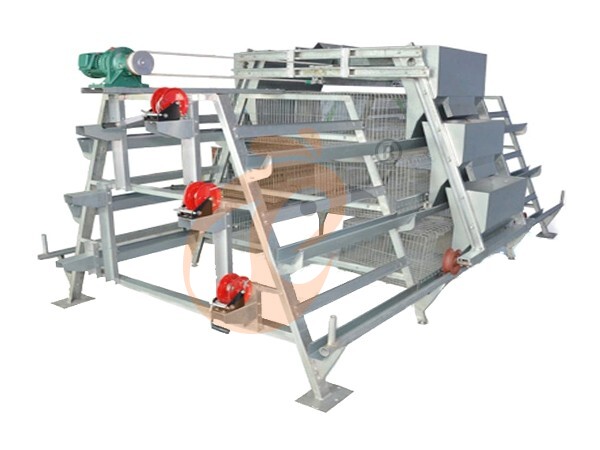
The cage structure is the foundation of a broiler chicken cage project, but its cost also includes fabrication, corrosion protection, supporting accessories, and assembly.
Configuration A accommodates 96, 128, or 160 birds per set, while configuration B accommodates 360, 480, 960, or 1,440 birds per set.
Higher-capacity configurations may change material quantities, installation requirements, and the supporting infrastructure needed for the poultry house.
Engineering Cost Factors
Materials: Compare steel specifications, corrosion protection, and fabrication quality.
Structural engineering: Verify loading requirements, anchoring, and building compatibility.
Installation: Confirm labor, assembly accessories, and equipment positioning requirements.
Maintenance access: Allow space for inspection, cleaning, and replacement of components.
When comparing suppliers, review a proposed 10-year structural design target, a 24-month workmanship warranty, and documented 100% outgoing inspection where these commitments are available.
Warranty coverage, expected service life, and inspection scope should be confirmed separately in the purchase contract.
Cage Configuration And Cost Planning
Data is for reference only. Swipe horizontally to view full table.
These two broiler chicken cage configurations provide different capacity options for project planning.
Actual investment depends on the number of sets required, the building layout, and the additional equipment included in the complete system.
Data is for reference only. Swipe horizontally to view full table.
Material specifications influence manufacturing costs, corrosion resistance, and maintenance requirements.
Request an itemized quotation in USD that separates cage fabrication, accessories, transportation, installation, and commissioning.
European union standard reference only applies when the quotation explicitly identifies the relevant standard and compliance scope.
Cost Component Two: Automatic Feeding Equipment
Automatic feeding equipment is a major part of broiler chicken cage investment because it includes feed storage, conveying lines, drive motors, distribution pans, and control accessories.
A suitable automatic feeding system can reduce repetitive manual work and improve feed distribution throughout the poultry house.
Feeding Cost Optimization Tips
Match feed conveying capacity to the farm's daily consumption.
Compare motor specifications, feed pan quantities, and line configurations.
Check whether installation accessories and control components are included.
Evaluate spare-parts availability and maintenance support before purchasing.
Under suitable operating conditions, an integrated automatic feeding system may reduce routine manual feeding labor by 30–50%.
Actual savings depend on staffing arrangements, farm capacity, equipment utilization, and maintenance practices.
Feeding Equipment Cost Breakdown
Data is for reference only. Swipe horizontally to view full table.
The percentages are illustrative budgeting assumptions rather than verified market prices or a guaranteed project allocation.
Broiler chicken cage buyers should request actual equipment quantities, unit prices, installation charges, and exclusions before comparing quotations.
Where prices are quoted in USD, European union standard reference only should be identified separately when applicable.
Cost Component Three: Automatic Drinking Equipment
Automatic drinking equipment contributes to the initial cost of a broiler chicken cage project through nipple drinkers, pipelines, filters, pressure regulators, and flushing accessories.
Reliable water delivery can help reduce leakage, prevent unnecessary water waste, and support daily hygiene management.
Water System Purchasing Checklist
Test source-water quality before choosing filtration equipment.
Confirm pressure regulation and pipeline compatibility.
Include accessible flushing and cleaning connections.
Check drinker availability and replacement-part costs.
Follow manufacturer guidance for drinker height and water delivery.
For operational planning, farms may inspect drinking equipment every 7 days and conduct detailed sanitation reviews every 30 days.
Critical spare-parts inventory can be planned around 2–3 months of expected consumption, subject to supplier lead times and actual failure rates.
Drinking And Manure Equipment Cost Breakdown
Data is for reference only. Swipe horizontally to view full table.
Drinking equipment costs depend on the required number of drinkers, pipeline length, filtration arrangements, and control accessories.
Manure equipment costs depend on belt configuration, drive arrangements, discharge points, and installation complexity.
Request separate prices for water supply components and manure handling equipment to identify the largest opportunities for budget optimization.
Cost Component Four: Manure Removal Equipment
Manure removal is an important part of broiler chicken cage cost because a complete installation may require belts, drive motors, discharge equipment, supporting structures, and electrical connections.
Automatic removal can reduce repetitive manual handling and help establish a more consistent waste-management routine.
Manure Removal Process
Bird housing → Manure collection → Belt transportation → Discharge point → Storage or approved treatment.
For commercial planning, engineers may evaluate a transport distance of up to 80 m, belt tracking deviation below 10 mm, and preliminary maintenance requirements of 2–4 hours per month.
These are planning examples rather than guaranteed performance specifications.
Final equipment selection must account for belt loading, alignment, material properties, operating frequency, and the farm's waste-disposal arrangements.
Cost Component Five: Ventilation And Cooling Equipment
Ventilation and cooling can represent a substantial part of the total broiler chicken cage project budget, particularly in regions with high temperatures or demanding environmental conditions.
A complete package may include exhaust fans, cooling pads, air inlets, environmental sensors, controllers, and backup-power provisions.
Recommended Equipment Combinations
Basic package: Cage structure, automatic feeding, and drinking equipment.
Labor-saving package: Basic package plus manure belts and automated feed conveying.
Climate-control package: Labor-saving package plus exhaust fans, cooling pads, and environmental controllers.
For preliminary planning, engineers may evaluate air speeds of 1.5–3.0 m/s during suitable hot-weather conditions, relative humidity of 50–70%, and a backup-power response target below 60 seconds.
Actual ventilation and cooling costs must be calculated using building dimensions, local climate, bird age, stocking conditions, and the required environmental control strategy.
Cost Component Six: Electrical Controls And Installation
Electrical controls affect both the purchase price and the installation cost of a broiler chicken cage system.
The package may include control cabinets, sensors, wiring, motor protection, environmental controllers, commissioning, and operator training.
Data is for reference only. Swipe horizontally to view full table.
These specifications are indicative benchmarks rather than mandatory requirements for every poultry house.
Before purchasing, confirm whether installation, electrical testing, commissioning, and training are included in the quoted price.
Where available, a 12-month service-support arrangement can help define responsibilities for technical assistance and troubleshooting.
Qualified electrical personnel must ensure compliance with applicable local codes and safety requirements.
How To Calculate Your Total Investment
A complete broiler chicken cage cost breakdown should include all equipment and project expenses rather than focusing exclusively on the cage purchase price.
Total Project Cost = Cage Structure + Feeding Equipment + Drinking Equipment + Manure Removal + Ventilation And Cooling + Electrical Controls + Installation + Transportation.
For an accurate quotation, provide bird capacity, poultry house dimensions, farm location, preferred automation level, and expected delivery date.
Suppliers can use these details to calculate equipment quantities, identify installation requirements, and prepare a transparent cost proposal.
For financial planning, evaluate a 5-year operating budget, a 10–15% contingency allowance where appropriate, and the potential impact of labor, electricity, and maintenance expenses.
Currency conversion, tax treatment, shipping charges, and European union standard reference only should be identified clearly where applicable.
Build A More Cost-Effective Broiler Farm
The best broiler chicken cage investment balances purchase price, equipment compatibility, installation requirements, and long-term operating expenses.
Comparing itemized quotations helps poultry farmers identify unnecessary costs while ensuring essential equipment is not omitted.
Frequently Asked Questions
Q1: What determines the total cost of a broiler chicken cage system?
Total cost depends on cage configuration, feeding and drinking equipment, manure removal, ventilation, electrical controls, transportation, and installation.
Available cage configurations accommodate 96–160 birds per set or 360–1,440 birds per set, depending on the selected model.
Q2: How can poultry farmers reduce broiler chicken cage investment?
Farmers can compare itemized quotations, select suitable automation levels, and coordinate compatible equipment before installation.
Evaluating a 5-year operating budget alongside initial purchasing costs helps reveal whether lower-priced equipment offers genuine long-term savings.
Q3: Does a complete broiler chicken cage quotation include installation and automation?
Not necessarily, because supplier quotations may cover equipment only or include additional engineering services.
Confirm whether transportation, installation, commissioning, electrical controls, operator training, and after-sales support are included before signing a contract.
Taiyu (HK) Group - One Of China Toppest Broiler Chicken Cage Manufacturer
Broiler chicken cage systems integrate structural equipment and production components, with configurations accommodating 96–1,440 birds per set across 2 designs.
Factory-direct poultry equipment supply coordinates cage structures, feeding lines, drinking systems, manure belts, and environmental controls.
Turn-key engineering services cover project assessment, equipment configuration, installation planning, and commissioning for international poultry farms.
Technical proposals evaluate building dimensions, ventilation requirements, electrical specifications, and maintenance access before production.
Global project coordination supports customized equipment packages, export logistics, and after-sales service for commercial poultry operations.
Contact Us To Received Your Customized Poultry Farm Plan
Headquarters And Branchs

Hong Kong Headquarter Management Team
Hong Kong Headquarter Taiyu Industrial Group CO., LTD
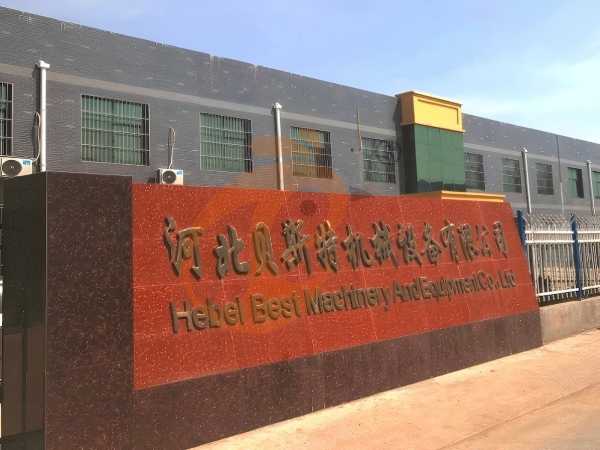
China Hebei Best Machinery And Equipment CO., LTD
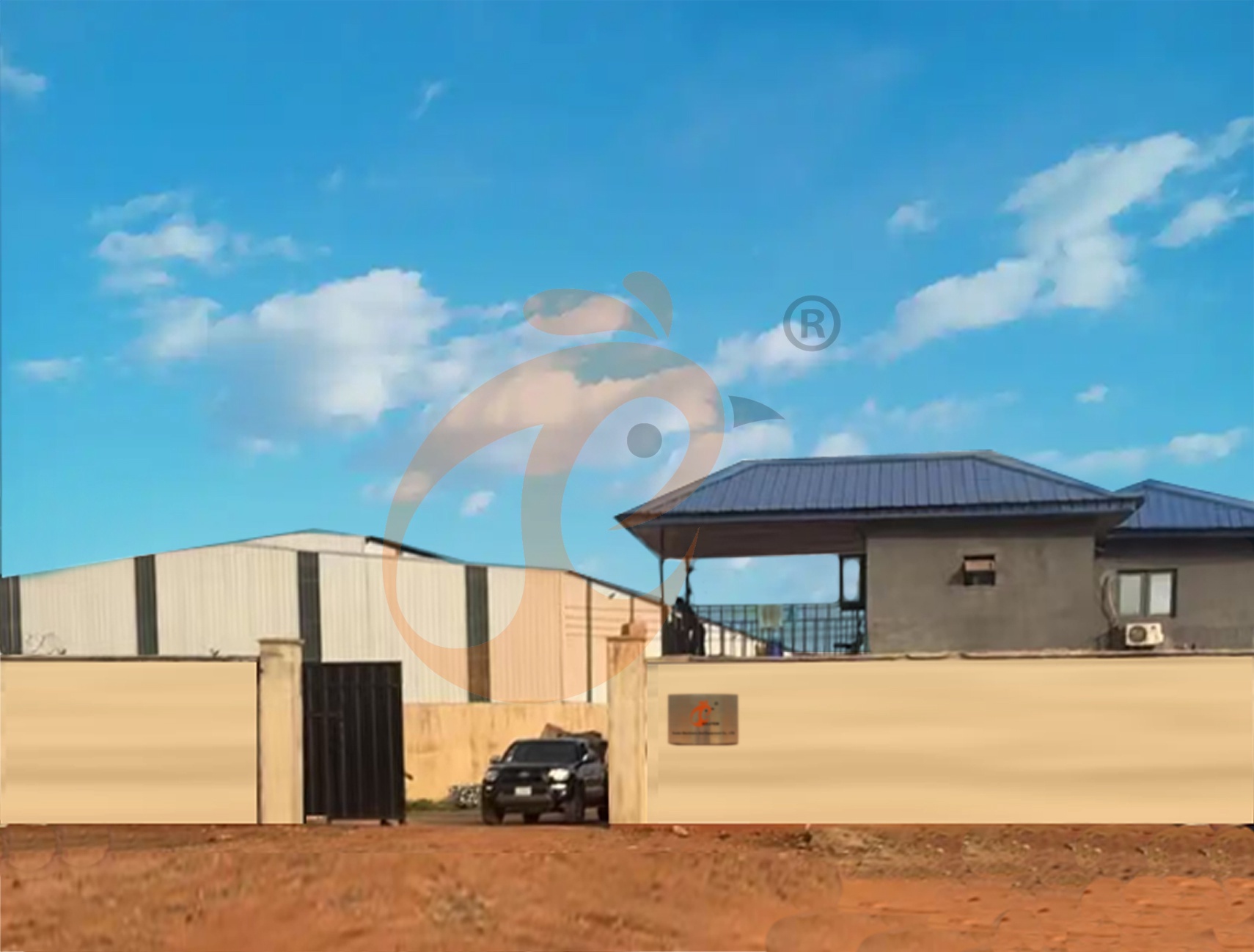
Nigeria Vanke Machinery And Equipment CO., LTD
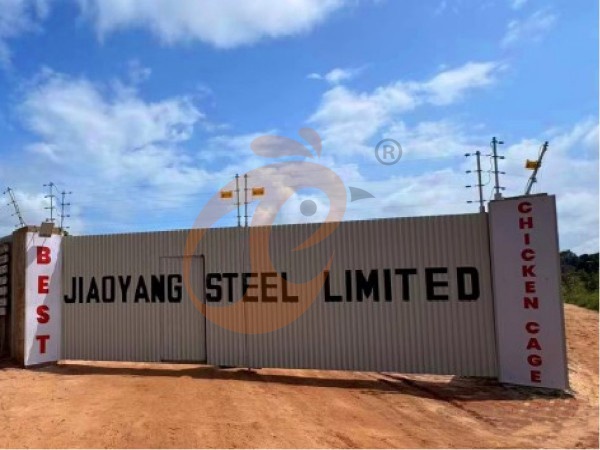
Tanzania Best Machinery And Equipment CO., LTD
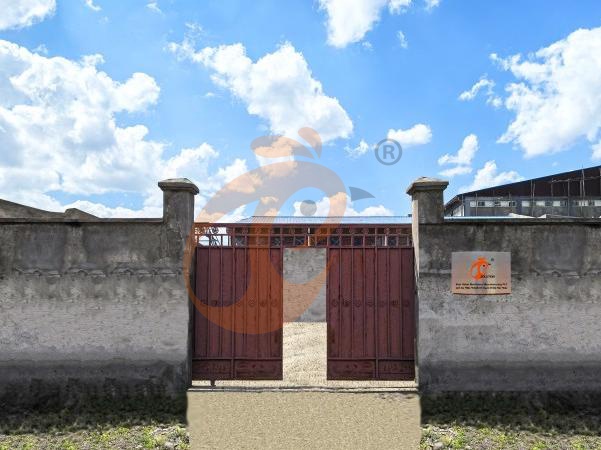
Ethiopia Best Hebei Machinery Manufacturing PLC




Reception /24 WhatsApp NO. : +8618830120193
FAQ
- poultry farmers
- poultry farm
- chicken cage
- poultry farms
- poultry farmer
- poultry house
- cage
- poultry farm construction
- chicken cage manufacturer
- chicken cage system
- chicken cage cost
- chicken cage quotation
- automatic feeding system
- poultry equipment
- manure removal equipment
- broiler chicken cage
- chickencage
- bestchickencage
- cage system
- cage systems
- broiler chicken cage system
- Nigeria
- broiler farm
- cage manufacturer
- poultry farm plan
- Ethiopia
Message
Products recommended
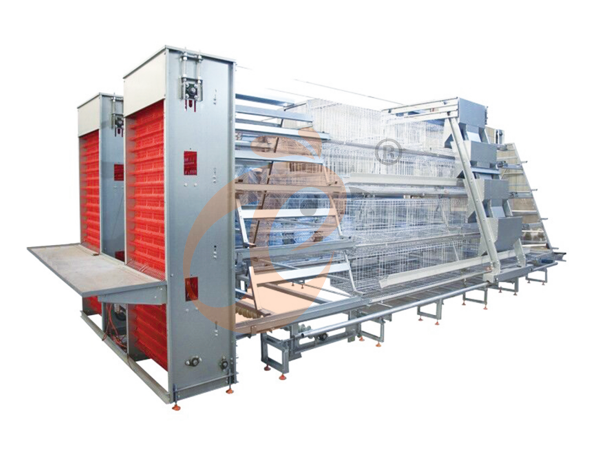
 >30,000 Pullets Automatic H Type Battery Cage1. More than 30,000 pullets a house, choose it.
2. It is designed to rearing older than 1 day old pullets to 12 to 16 weeks old chicken starting laying eggs.
3. Its lifespan is more than 25 years.
4. Its structure are Vcloud artificial intelligent fusion, electric control cabinet, automatic equipment of drinking, feeding, manure clean, manual harvesting.
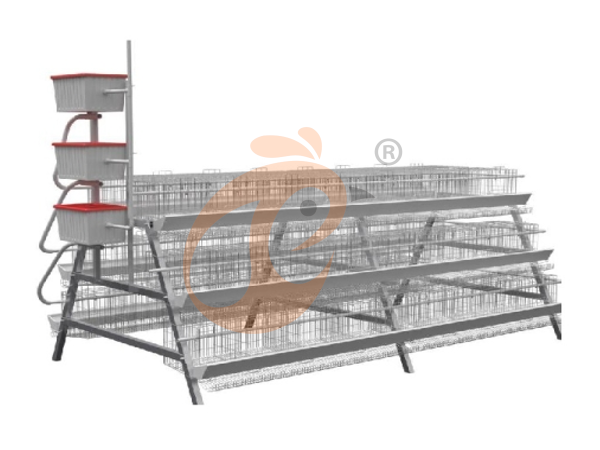
5. Our 24 hour online reception What’sApp NO. is +8618830120193 <30,000 Pullets Automatic A Type Battery Cage1. 10,000 to 30,000 pullets a house, choose it.
2. It is designed to rearing older than 1 day old pullets to 12 to 16 weeks old chicken starting laying eggs.
3. Its lifespan is more than 25 years.
4. Its structure are Vcloud artificial intelligent fusion, electric control cabinet, automatic equipment of drinking, feeding, manure clean, manual harvesting.
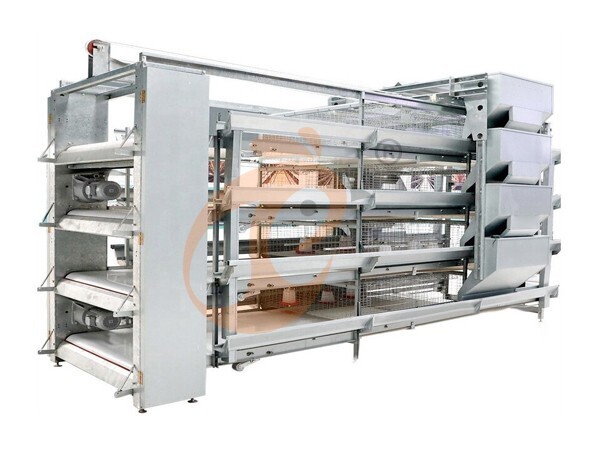
5. Our 24 hour online reception What’sApp NO. is +86 18830120193. >30,000 Broilers Semi-Automatic Harvest H Type Battery Cage1. More than 30,000 broilers a house, choose it.
2. It is designed to rearing 1 to 45 day old adult broiler ready for market.
3. Its lifespan is more than 20 years.
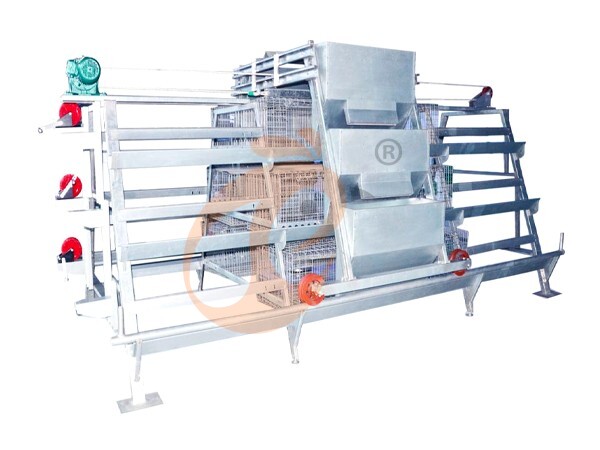
4. Our 24 hour online reception What’sApp NO. is +8618830120193, +234 8111199996. >30,000 Broilers Manual Harvest H Type Battery Cage1. More than 30,000 broilers a house, choose it.
2. It is designed to rearing 1 to 45 day old adult broiler ready for market.
3. Its lifespan is more than 20 years.
4. Its structure are Vcloud artificial intelligent fusion, electric control cabinet, automatic equipment of drinking, feeding and manure clean, manual harvesting.
5. Our 24 hour online reception What’sApp NO. is +8618830120193, +234 8111199996. <30,000 Broilers Manual Harvest A Type Battery Cage1. Less 30,000 broilers a house, choose it.
2. It is designed to rearing 1 to 45 day old adult broiler ready for market.
3. Its lifespan is more than 20 years.
4. Its structure are Vcloud artificial intelligent fusion, electric control cabinet, automatic equipment of drinking, feeding and manure clean, manual harvesting.
5. Our 24 hour online reception What’sApp NO. is +8618830120193, +234 8111199996. HK Headquarter Offers EU-standard Poultry Farm Solutions, Manufacture Poultry Farm Equipment1. Continuous communication with the EU and the US
2. China, Nigeria, Ethiopia, Tanzania branch companies and factories
3. The products’ quality is customized for local poultry farms
4. Poultry cage and poultry farm equipment stock for sale
5. 24 online reception Whatsapp NO. : +8618830120193,contact us to get full information China Branch Offer Poultry Farm Business Plan, Manufacture Poultry Farm Equipment1. Address: Flat/RM 2416, 24/F, Runxing Building, Youyi Nan Street, Shijiazhuang City, Hebei Province, China
2. Poultry cage and poultry farm equipment factory and stock for sale
3. Customized for local poultry farms
4. Quality and design are based on Euro
5. 24 online reception Whatsapp NO. : +8618830120193 Nigeria Branch Offer Poultry Farm Business Plan, Manufacture Poultry Farm Equipment1. Address: After Sinoma Office, 200 Meters Near Danco Filling Station, Lagos/Ibadan Expressway, Lagos State, Nigeria
2. Poultry cage and poultry farm equipment factory and stock for sale
3. Customized for Nigerian poultry farms
4. Quality and design are based on Euro
5. 24 online reception Whatsapp NO. : +8618830120193 Ethiopia Branch Offer Poultry Farm Business Plan, Manufacture Poultry Farm Equipment1. Address: Gelan Gura, Akaki-kaliti Sub City, Addis Ababa, Ethiopia
2. Poultry cage and poultry farm equipment stock for sale
3. Customized for Ethiopian poultry farms
4. Quality and design are based on Euro
5. 24 online reception Whatsapp NO. : +8618830120193, contact us to get price list Tanzania Branch Offer Poultry Farm Business Plan, Manufacture Poultry Farm Equipment1. Address: No.8, Sova Road, Msufini, Mlandizi, Kibaha, Pwani, Tanzania
2. Poultry cage and poultry farm equipment factory and stock for sale
3. Customized for Tanzanian poultry farms
4. Quality and design are based on Euro
5. 24 online reception Whatsapp NO. : +8618830120193

Contact