


Blog
Pellet machine feed output transforms poultry farming, delivering 600 kg/h during controlled testing for commercial farms operating 8-hour production shifts.
Optimize grinding, mixing, and conditioning to produce consistent 3 mm pellets while processing 500 kg batches for daily poultry feeding.
Reduce downtime through preventive maintenance, inspecting rollers every 40 operating hours and monitoring production throughout 6-day working weeks.
Compare energy consumption, finished-feed quality, and daily capacity to improve production planning across facilities targeting 2,000 kg of feed daily.
Discover 6 proven efficiency strategies, explore poultry equipment solutions covering 0.6–100 tons, and select suitable machinery for scalable farming operations.
Get professional poultry farm construction guidance, equipment selection solutions, and the latest price lists, whatsApp to +8618830120193, click to learn more:
Why Pellet Machine Output Matters
Efficient poultry feed production helps farms control costs, maintain consistent feed quality, and simplify daily operations.
A poultry feed pellet machine converts prepared ingredients into uniform pellets for different growth stages, while a complete feed production line coordinates processing across multiple stages.
For example, a farm producing 800 kg of feed daily, operating 6 days weekly, and planning 48 production weeks annually needs equipment matched to its feeding schedule.
By evaluating feed demand, operating conditions, and future expansion, poultry businesses can build efficient systems that support sustainable growth.
Improve Raw Material Preparation
Consistent ingredients provide the foundation for stable pellet production.
A suitable feed hammer mill, poultry feed mixer, and cleaning system help farms prepare corn, soybean meal, and wheat bran before pelletizing.
Poor preparation may cause inconsistent mixing, material blockages, and unnecessary equipment wear.
Data is for reference only. Swipe horizontally to view full table.
Selecting compatible preparation equipment improves material consistency and reduces avoidable interruptions before pellet production begins.
Optimize Conditioning
Conditioning prepares feed ingredients for pellet formation by applying controlled moisture and heat.
Appropriate settings depend on formulation, starch content, equipment design, and nutritional requirements.
Steam conditioning may improve binding, while poorly controlled processing can increase fines or create blockages.
Engineering Checkpoints
Temperature Control: An illustrative conditioning target is 75–85°C, subject to formulation and feed safety requirements.
Moisture Management: Establish a suitable target for each recipe instead of applying one setting to every feed.
Steam Stability: Inspect supply conditions before increasing production.
Process Validation: Compare pellet integrity and energy consumption after each adjustment.
Our poultry feed pellet machine solutions support repeatable processing conditions.
Final settings should be validated against the manufacturer's instructions and the nutritional needs of poultry.
Select The Appropriate Die And Rollers
Die and roller selection affects pellet formation, machine loading, and component service life.
The correct configuration depends on poultry age, ingredient characteristics, desired pellet dimensions, and machine design.
Choosing components solely by purchase price can lead to unnecessary replacement costs.
Data is for reference only. Swipe horizontally to view full table.
These specifications are illustrative rather than universal.
Our poultry feed pellet machine team can help customers match dies, rollers, and drive components to their intended production requirements.
Stabilize The Feeding Rate
An unstable feed supply can reduce practical output even when a poultry feed pellet machine has sufficient installed power.
Overfeeding may overload the drive, whereas underfeeding leaves production capacity unused.
An adjustable feeder helps operators establish consistent material flow.
Operator Tip Card
Startup: Allow approximately 3 minutes for initial operating checks, following the manufacturer's procedure.
Observation: Inspect motor current every 15 minutes during commissioning.
Adjustment: Change feeder settings in increments of 5% when testing a stable operating point.
Documentation: Keep a production log for each 8-hour shift.
These intervals are suggested operating practices, not mandatory settings for every machine.
Operators should prioritize safety instructions, alarm limits, and actual material behavior.
Apply Preventive Maintenance
Regular maintenance protects equipment availability and helps prevent unexpected shutdowns.
Worn rollers, damaged dies, loose fasteners, and inadequate lubrication can gradually affect pellet quality and operating stability.
A documented maintenance program also makes spare-parts planning easier.
Data is for reference only. Swipe horizontally to view full table.
All values must be checked against the specific equipment manual and component requirements.
Isolate power before servicing, follow lockout procedures, and use qualified personnel for mechanical adjustments.
Balance The Complete Production Line
A poultry feed pellet machine cannot achieve efficient continuous production if upstream grinding or mixing equipment is undersized.
Insufficient cooling or screening capacity can also create downstream congestion.
A balanced feed production line coordinates every stage from ingredient reception to finished-feed storage.
Process Flow Structure
Raw Material Reception
↓
Cleaning And Separation
↓
Grinding And Formulation
↓
Batching And Mixing
↓
Conditioning And Pelletizing
↓
Cooling And Screening
↓
Conveying And Packaging
During equipment planning, consider a 10–15% capacity margin for selected supporting machinery where justified by process variability.
Allow approximately 20 m² for a compact installation area as an initial layout example, and evaluate a 3-phase, 380 V electrical supply where applicable.
Actual space, power, and capacity requirements must be confirmed for the selected equipment and local installation conditions.
Measure Production Performance
Reliable performance evaluation helps farm owners distinguish advertised capacity from actual operating results.
Record production output, downtime, energy use, and finished-feed quality under repeatable conditions.
Use these measurements to identify bottlenecks and determine whether an equipment upgrade is justified.
Data is for reference only. Swipe horizontally to view full table.
These figures are illustrative test results, not guaranteed specifications.
Use calibrated instruments and consistent sampling procedures to compare different production runs fairly.
Choose An Equipment Combination For Your Farm
Different poultry operations need different equipment configurations.
Our poultry feed pellet machine solutions cover requirements ranging from 0.6 to 100 tons, supporting projects from compact farm installations to large-scale
commercial feed production facilities.
Smaller farms may prioritize affordability and straightforward operation, while larger businesses may require automated dosing, continuous conveying, and
centralized control.
Data is for reference only. Swipe horizontally to view full table.
These daily capacities are planning examples, not verified ratings for a particular machine model.
Our poultry equipment team can recommend a combination based on feed demand, operating hours, available labor, and expected business growth.
Purchase The Right Pellet Machine
A successful equipment purchase starts with clear technical requirements.
Buyers should compare complete production solutions rather than choosing a machine based only on advertised output or initial price.
Procurement Checklist
Confirm the required feed formulations and production schedule.
Specify the intended pellet dimensions and finished-feed quality.
Request motor specifications and installation drawings.
Verify compatibility between the grinder, mixer, pelletizer, and cooler.
Review warranty conditions and after-sales service availability.
Confirm spare-parts supply and operator training arrangements.
For international projects, consider a 12-month warranty if offered in the supplier's written terms, a 30-day spare-parts dispatch target where contractually available, and a 24-hour technical response commitment only when explicitly supported by the supplier.
Written confirmation prevents misunderstandings and helps buyers compare offers objectively.
Avoid Common Efficiency Mistakes
Many production problems originate in equipment mismatch rather than machine design alone.
Purchasing oversized equipment, neglecting material preparation, or ignoring maintenance can increase operating costs without improving useful output.
Data is for reference only. Swipe horizontally to view full table.
These thresholds are suggested management triggers, not universal industry standards.
Establish site-specific limits using baseline measurements, equipment manuals, and production requirements.
Improve Feed Output With The Right Equipment Partner
Maximizing pellet machine feed output requires coordinated raw material preparation, conditioning, suitable die selection, stable feeding, preventive maintenance, and balanced line design.
A systematic approach helps poultry producers improve production consistency while managing operating costs.
Our poultry equipment portfolio can include hammer mills, feed mixers, pellet machines, coolers, screeners, conveyors, and automated batching systems.
With production requirements ranging from 0.6 to 100 tons, customers can explore equipment configurations for small poultry farms, commercial operations, and large industrial feed production projects.
Global factory-direct supply and turn-key engineering support can help coordinate equipment selection, production line integration, installation planning, and commissioning.
For a practical equipment proposal, prepare estimated daily feed demand, required pellet dimensions, ingredient lists, and automation preferences.
Our team can then help evaluate suitable machine configurations, supporting equipment, and installation requirements.
Frequently Asked Questions
Q1: What factors determine pellet machine feed output?
Pellet machine feed output depends on raw material preparation, moisture control, die configuration, feeding stability, and motor load.
For example, a machine producing 600 kg/h during a controlled 60-minute test should be evaluated alongside pellet durability, energy consumption, and downtime before its rated capacity is accepted for commercial production.
Consistent monitoring helps poultry farms identify bottlenecks and optimize operating efficiency.
Q2: How can poultry farms increase pellet production efficiency?
Poultry farms can improve efficiency by coordinating grinding, mixing, conditioning, pelletizing, cooling, and screening equipment.
Maintaining a stable feeding rate, inspecting rollers every 40 operating hours where appropriate, and recording production data during each 8-hour shift can help reduce interruptions.
Actual maintenance intervals must follow the equipment manufacturer's specifications and operating conditions.
Q3: How do you choose the right poultry feed pellet machine?
Select a poultry feed pellet machine according to daily feed demand, pellet diameter, ingredient formulation, available installation space, and automation requirements.
For example, a farm targeting 2,000 kg/day over an 8-hour production shift needs an average finished-feed output of 250 kg/h, before allowing for startup, cleaning, and downtime.
Matching the pellet machine with suitable grinding, mixing, cooling, and conveying equipment helps create a reliable and scalable feed production line.
Taiyu (HK) Group - One Of China's Toppest Pellet Machine Manufacturer
Pellet machine feed output solutions cover project requirements from 0.6 to 100 tons, with equipment selection matched to production objectives and operating conditions.
Global factory-direct supply covers poultry equipment, including grinding, mixing, pelletizing, cooling, and conveying systems for integrated production facilities.
Turn-key engineering projects coordinate equipment layout, electrical integration, commissioning, and operator training across installations serving multiple production requirements.
Technical planning considers 380 V power configurations, 20 m² example installation areas, and supporting equipment capacity margins where project conditions justify them.
International project coordination can include equipment documentation, spare-parts planning, and commissioning support, with commercial commitments confirmed individually for each order.
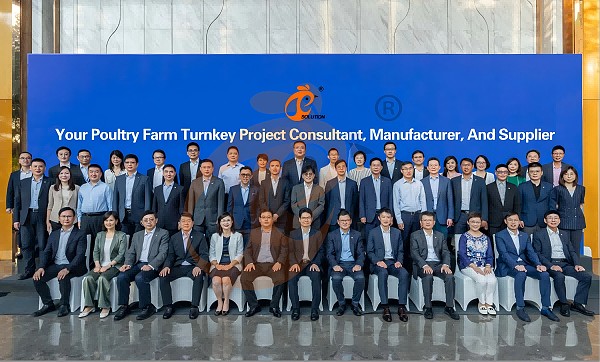
Contact Us To Received Your Customized Poultry Farm Plan
Headquarters And Branchs

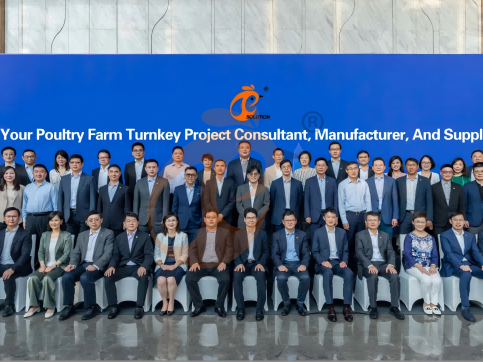
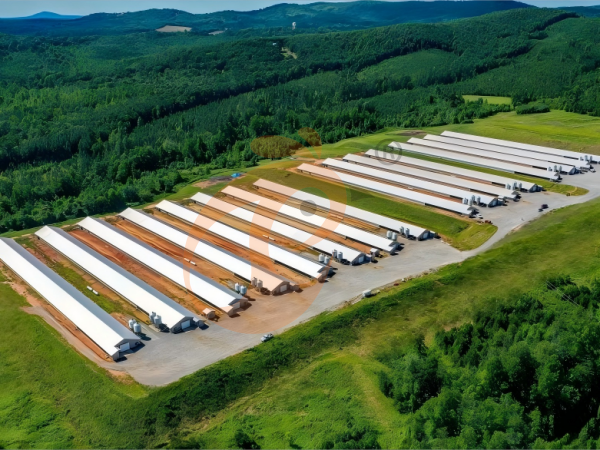
Hong Kong Headquarter Management Team
Hong Kong Headquarter Taiyu Industrial Group CO., LTD
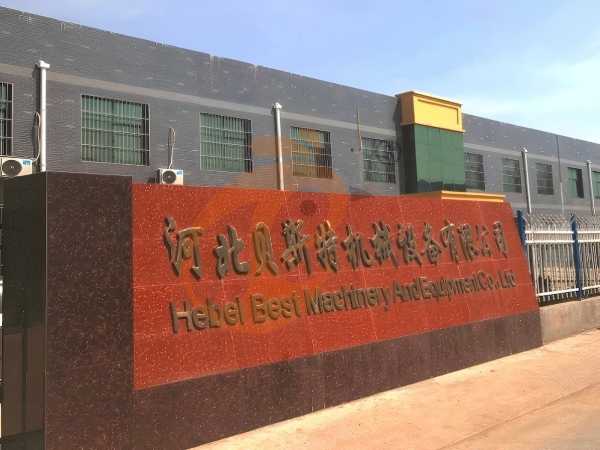
China Hebei Best Machinery And Equipment CO., LTD
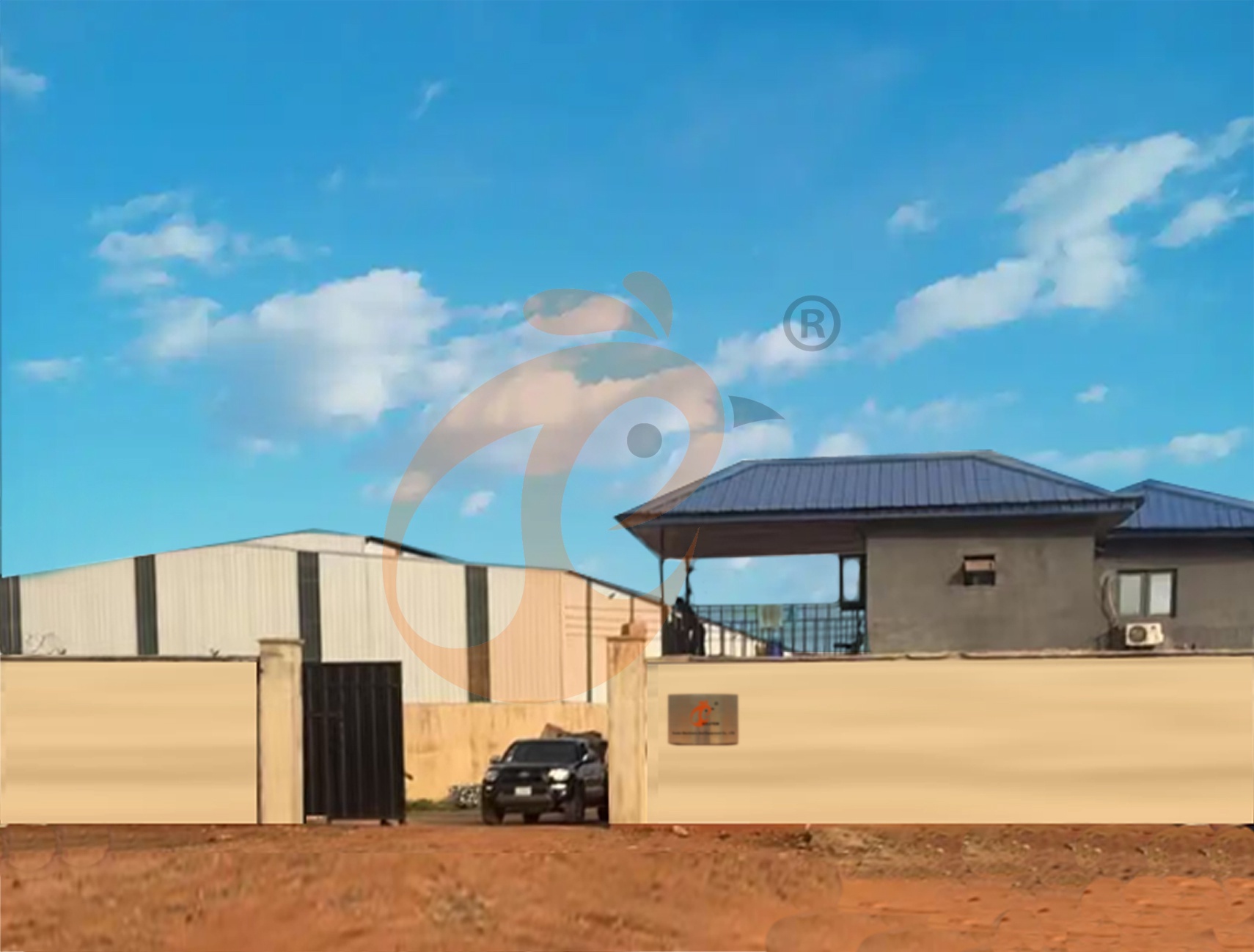
Nigeria Vanke Machinery And Equipment CO., LTD
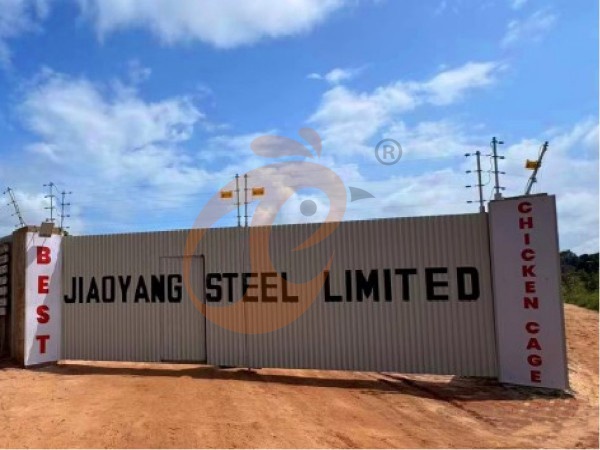
Tanzania Best Machinery And Equipment CO., LTD
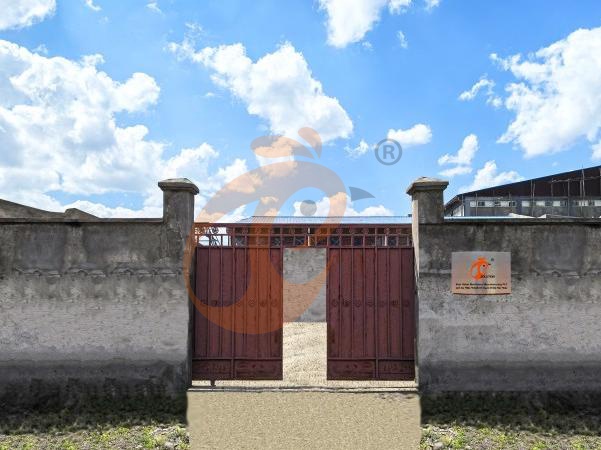
Ethiopia Best Hebei Machinery Manufacturing PLC




Reception /24 WhatsApp NO. : +8618830120193
FAQ
Message
Products recommended
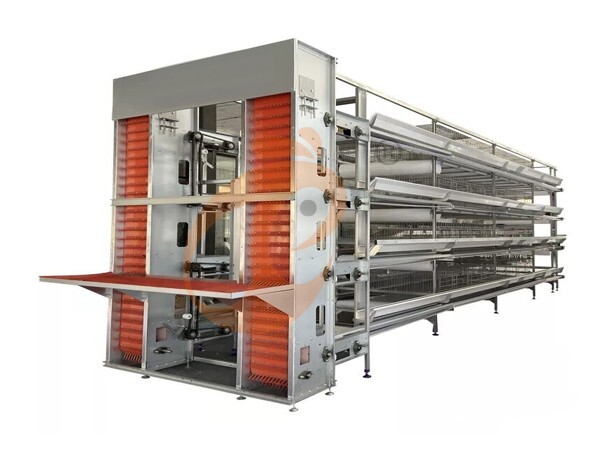
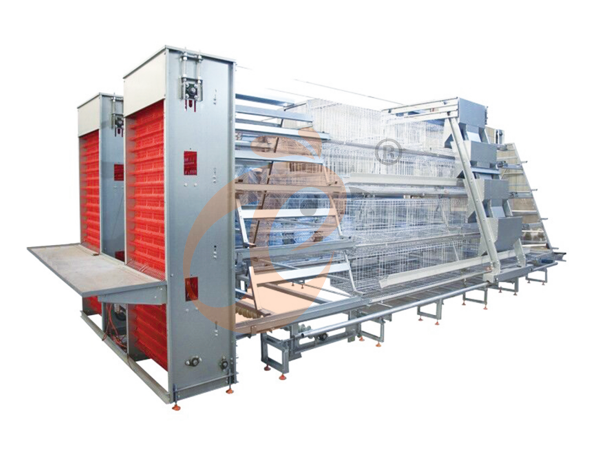
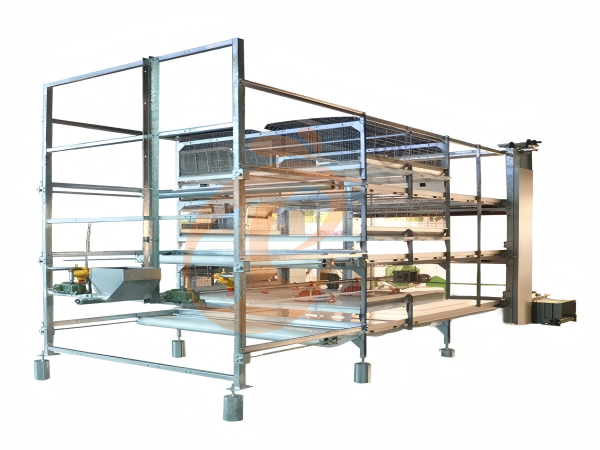
 >30,000 Pullets Automatic H Type Battery Cage1. More than 30,000 pullets a house, choose it.
2. It is designed to rearing older than 1 day old pullets to 12 to 16 weeks old chicken starting laying eggs.
3. Its lifespan is more than 25 years.
4. Its structure are Vcloud artificial intelligent fusion, electric control cabinet, automatic equipment of drinking, feeding, manure clean, manual harvesting.
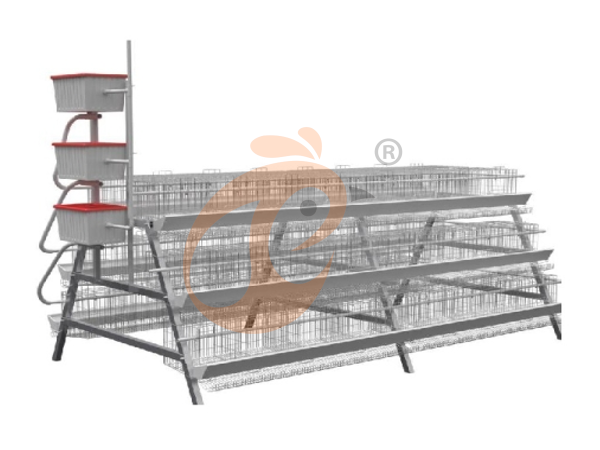
5. Our 24 hour online reception What’sApp NO. is +8618830120193 <30,000 Pullets Automatic A Type Battery Cage1. 10,000 to 30,000 pullets a house, choose it.
2. It is designed to rearing older than 1 day old pullets to 12 to 16 weeks old chicken starting laying eggs.
3. Its lifespan is more than 25 years.
4. Its structure are Vcloud artificial intelligent fusion, electric control cabinet, automatic equipment of drinking, feeding, manure clean, manual harvesting.
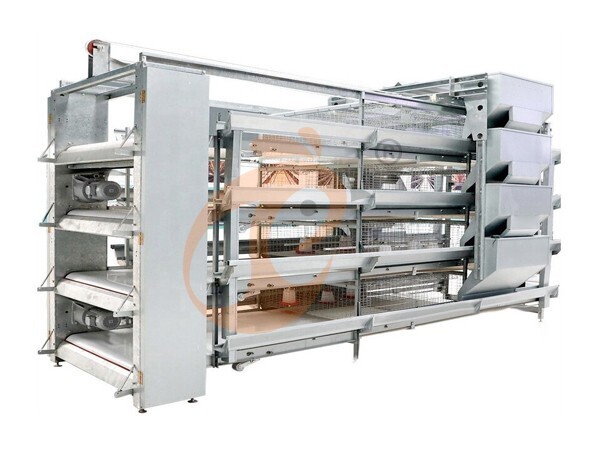
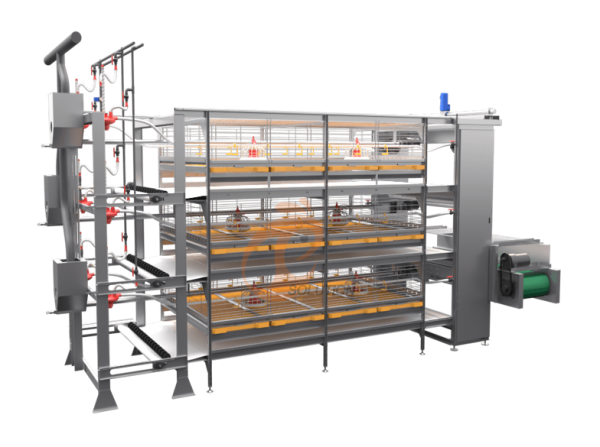
5. Our 24 hour online reception What’sApp NO. is +86 18830120193. >30,000 Broilers Semi-Automatic Harvest H Type Battery Cage1. More than 30,000 broilers a house, choose it.
2. It is designed to rearing 1 to 45 day old adult broiler ready for market.
3. Its lifespan is more than 20 years.
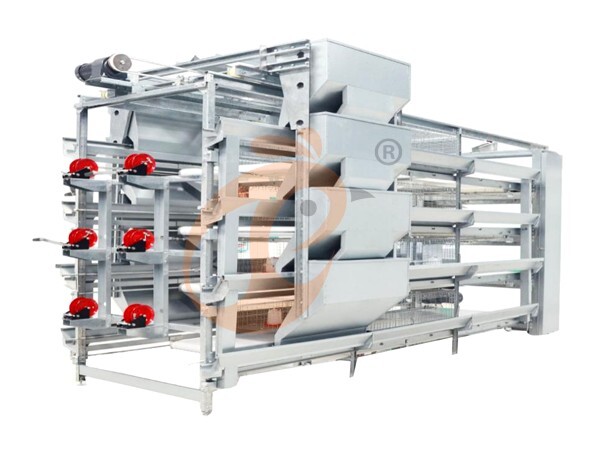
4. Our 24 hour online reception What’sApp NO. is +8618830120193, +234 8111199996. >30,000 Broilers Manual Harvest H Type Battery Cage1. More than 30,000 broilers a house, choose it.
2. It is designed to rearing 1 to 45 day old adult broiler ready for market.
3. Its lifespan is more than 20 years.
4. Its structure are Vcloud artificial intelligent fusion, electric control cabinet, automatic equipment of drinking, feeding and manure clean, manual harvesting.
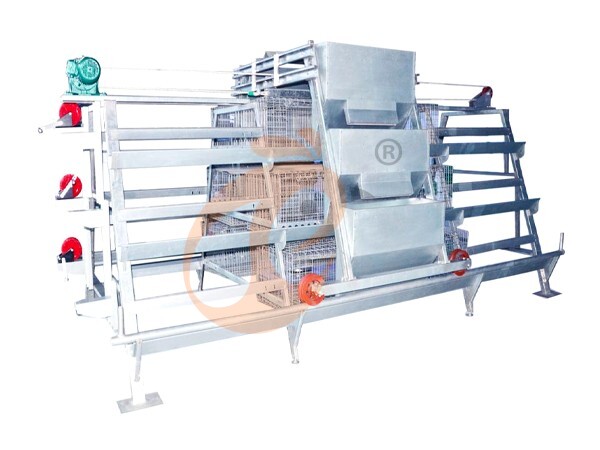
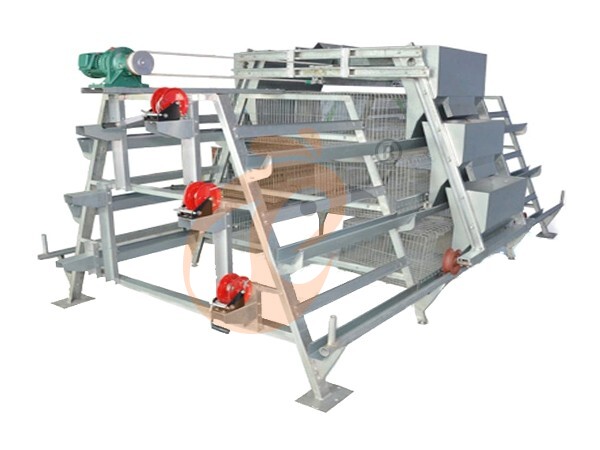
5. Our 24 hour online reception What’sApp NO. is +8618830120193, +234 8111199996. <30,000 Broilers Manual Harvest A Type Battery Cage1. Less 30,000 broilers a house, choose it.
2. It is designed to rearing 1 to 45 day old adult broiler ready for market.
3. Its lifespan is more than 20 years.
4. Its structure are Vcloud artificial intelligent fusion, electric control cabinet, automatic equipment of drinking, feeding and manure clean, manual harvesting.
5. Our 24 hour online reception What’sApp NO. is +8618830120193, +234 8111199996. HK Headquarter Offers EU-standard Poultry Farm Solutions, Manufacture Poultry Farm Equipment1. Continuous communication with the EU and the US
2. China, Nigeria, Ethiopia, Tanzania branch companies and factories
3. The products’ quality is customized for local poultry farms
4. Poultry cage and poultry farm equipment stock for sale
5. 24 online reception Whatsapp NO. : +8618830120193,contact us to get full information China Branch Offer Poultry Farm Business Plan, Manufacture Poultry Farm Equipment1. Address: Flat/RM 2416, 24/F, Runxing Building, Youyi Nan Street, Shijiazhuang City, Hebei Province, China
2. Poultry cage and poultry farm equipment factory and stock for sale
3. Customized for local poultry farms
4. Quality and design are based on Euro
5. 24 online reception Whatsapp NO. : +8618830120193 Nigeria Branch Offer Poultry Farm Business Plan, Manufacture Poultry Farm Equipment1. Address: After Sinoma Office, 200 Meters Near Danco Filling Station, Lagos/Ibadan Expressway, Lagos State, Nigeria
2. Poultry cage and poultry farm equipment factory and stock for sale
3. Customized for Nigerian poultry farms
4. Quality and design are based on Euro
5. 24 online reception Whatsapp NO. : +8618830120193 Ethiopia Branch Offer Poultry Farm Business Plan, Manufacture Poultry Farm Equipment1. Address: Gelan Gura, Akaki-kaliti Sub City, Addis Ababa, Ethiopia
2. Poultry cage and poultry farm equipment stock for sale
3. Customized for Ethiopian poultry farms
4. Quality and design are based on Euro
5. 24 online reception Whatsapp NO. : +8618830120193, contact us to get price list Tanzania Branch Offer Poultry Farm Business Plan, Manufacture Poultry Farm Equipment1. Address: No.8, Sova Road, Msufini, Mlandizi, Kibaha, Pwani, Tanzania
2. Poultry cage and poultry farm equipment factory and stock for sale
3. Customized for Tanzanian poultry farms
4. Quality and design are based on Euro
5. 24 online reception Whatsapp NO. : +8618830120193


Contact