


Blog
Layer chicken cage systems help commercial farms raise 20,000 hens across 4,000 m² facilities through efficient layouts, practical automation, and capacity-focused equipment planning.
Compare A-type and H-type designs, 3–16 tiers, cage dimensions, bird capacity, and installation requirements before choosing suitable configurations.
Explore 6 essential equipment components covering feeding, drinking, manure removal, egg collection, ventilation, and environmental control for daily poultry operations.
Evaluate 25-year layer chicken cage service life, maintenance schedules, and equipment combinations to assess long-term investment value and operational requirements.
Follow engineering checklists, 5 purchasing steps, and practical selection tips to build reliable poultry facilities and achieve scalable production goals.
Get professional poultry farm construction guidance, equipment selection solutions, and the latest price lists, whatsApp to +8618830120193, click to learn more:
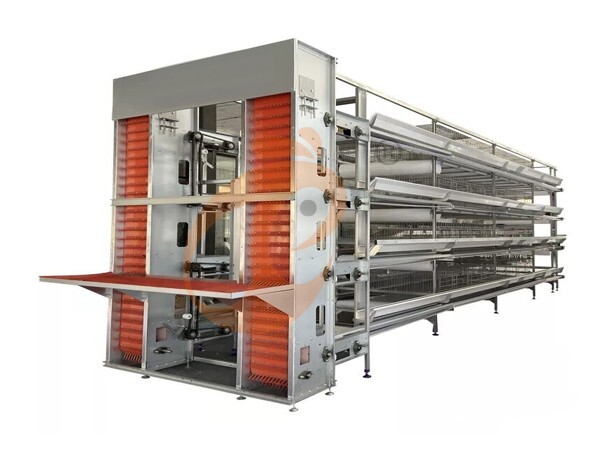
A-Type Vs. H-Type Layer Chicken Cage Systems
Choosing the right layer chicken cage depends on poultry house dimensions, target flock capacity, and automation requirements.
For preliminary planning, a 2.8 m service aisle, a 25-year layer chicken cage service-life target, and a 5% expansion allowance can help guide building coordination.
H-type systems can be evaluated for multi-tier layouts and integrated machinery, while A-type systems offer an alternative arrangement for different building designs.
Final selection should consider installation access, applicable animal-welfare regulations, and the actual usable floor area available to birds.
Automatic Feeding System
Automatic chicken feeding systems reduce repetitive labor and support consistent feed distribution throughout the poultry house.
Two daily feeding cycles, a 30-minute distribution target, and a 98% equipment-availability objective can serve as preliminary operational planning references.
Our automatic poultry feeders can be matched with compatible A-type or H-type layer chicken cage layouts.
Integrated silos, conveyors, troughs, and drive units help streamline feeding operations while allowing customers to select equipment according to farm capacity.
Automatic Drinking System
Reliable poultry drinking systems support daily flock management and help control unnecessary water wastage.
A 24-hour reserve assessment, a 15-minute flushing procedure, and a 7-day water-quality inspection schedule provide practical maintenance references.
Our automatic poultry watering systems include nipple lines, pressure regulators, filters, and optional medication equipment.
Correct integration with layer chicken cages helps simplify installation and provides convenient access for routine cleaning and maintenance.
Manure Removal System
Automatic manure removal systems reduce manual handling and support poultry house hygiene.
A 24-hour removal schedule, a 45-minute inspection allowance, and a 6-month preventive-maintenance interval provide preliminary management guidelines.
Our layer cage manure belts and poultry manure conveyors can be configured for compatible multi-tier installations.
Coordinated collection and discharge equipment helps simplify manure handling and routine servicing.
Automatic Egg Collection System
Automatic egg collection equipment reduces handling and improves workflow between poultry houses and packing areas.
A production target of 18,000 eggs per hour, a 2-hour collection window, and a 0.5% breakage-control threshold require coordinated equipment selection.
Our poultry egg collection systems include collection belts, transfer conveyors, elevators, and optional grading and packing equipment.
Matching line capacity with the actual production schedule helps avoid bottlenecks between collection and downstream processing.
Ventilation And Environmental Control
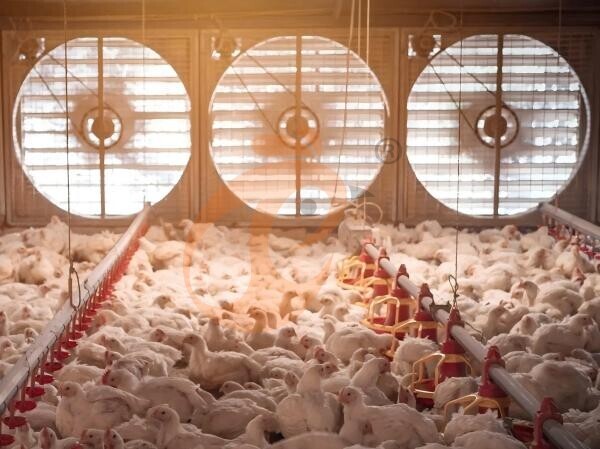
Poultry house ventilation systems help manage environmental conditions and support appropriate flock management.
A 28°C temperature reference, 60% relative humidity, and a 10-minute alarm-response target can guide preliminary planning, subject to bird age, climate, and veterinary recommendations.
Our exhaust fans, cooling pads, sensors, and controllers complement A-type and H-type layer chicken cage installations.
Coordinated environmental equipment helps customers plan airflow, cooling, and control functions around the building design.
Engineering Checklist
Verify the following before ordering
Confirm building dimensions, structural requirements, and equipment access.
Check electrical supply, water quality, drainage, and ventilation.
Verify compatibility between cage rows, conveyors, and control systems.
Define installation, commissioning, and spare-parts responsibilities.
Review local animal-welfare regulations and applicable housing standards.
A 10-working-day technical review, a 3-stage drawing approval process, and a 48-hour response target can structure project coordination.
Proper layer chicken cage engineering and poultry equipment integration help reduce avoidable installation modifications.
Our technical team can review equipment interfaces before production and shipment.
Cost Optimization Tips
Compare ownership costs: Evaluate a 5-year maintenance and replacement budget.
Plan inspections: Establish a 30-minute daily equipment inspection.
Monitor energy: Compare consumption in kWh per operating hour.
Manage faults: Set a 24-hour internal reporting target.
Review support: Schedule a 12-month after-sales performance review.
A detailed layer chicken cage quotation should separate equipment costs, installation requirements, and maintenance provisions.
Comparing three supplier proposals, a 25-year cage service-life target, and documented warranty conditions helps buyers assess poultry equipment more objectively.
Our itemized quotations support informed decisions about automation, specifications, and long-term operating requirements.
Recommended Equipment Combinations
The right layer chicken cage configuration depends on flock capacity, building layout, staffing, and automation objectives.
A 6-day working week, a 3-person operating team, and a 2-phase expansion plan can influence equipment selection.
Small farms may prioritize essential equipment, while larger projects can evaluate centralized conveying and automated egg handling.
Our customized poultry equipment packages help customers coordinate cages, feeding, drinking, manure removal, egg collection, and environmental control.
Purchasing Process
Step 1: Submit house dimensions, farm location, and target bird capacity.
Step 2: Confirm cage specifications, automation, and utility requirements.
Step 3: Review the itemized quotation, exclusions, and shipping terms.
Step 4: Approve equipment drawings and the bill of materials.
Step 5: Coordinate delivery, installation, and commissioning.
A 5-day quotation-review window, a 2-round drawing-revision allowance, and a 7-day pre-shipment coordination window provide preliminary scheduling references.
A complete layer chicken cage procurement plan should identify technical specifications, delivery scope, and installation responsibilities before production.
Our team can help convert preliminary requirements into an equipment configuration and quotation tailored to the project.
Conclusion: Request Your Layer Chicken Cage Quotation
Layer chicken cage costs involve six connected systems: cages, feeding, drinking, manure removal, egg collection, and environmental control.
A 25-year layer chicken cage service-life target, a 3-scenario budget comparison, and a 30-day purchasing decision window can help buyers assess investment priorities.
Our A-type and H-type layer chicken cage solutions can be coordinated with compatible poultry equipment according to project requirements.
Send us your target bird capacity, poultry house dimensions, and project location to receive a recommended configuration and itemized quotation.
Frequently Asked Questions
Q1: What determines layer chicken cage cost?
Cage configuration, material specifications, automation, and installation requirements influence the final quotation.
Compare equipment costs, installation expenses, and ongoing maintenance before choosing a supplier.
Q2: What is the difference between A-type and H-type layer chicken cages?
A-type and H-type cages use different structural arrangements and cell dimensions.
The appropriate option depends on building height, usable floor area, equipment integration, and applicable housing regulations.
Q3: Can layer chicken cages last 25 years?
A layer chicken cage system may be designed for a 25-year service life, depending on material quality, corrosion protection, installation conditions, and maintenance practices.
Confirm the manufacturer's warranty, material specifications, and applicable service-life conditions before purchasing.
Taiyu (HK) Group - One Of China's Toppest Layer Chicken Cage Manufacturer
Layer chicken cage systems accommodate commercial farms raising 20,000–50,000 hens, integrating 3–16-tier configurations with automatic feeding, egg collection, and manure removal for coordinated daily production.
Global factory-direct supply delivers 6 poultry equipment categories, supporting farm projects requiring 10,000–100,000 birds with coordinated manufacturing, quality inspection, and export logistics.
Turn-key poultry engineering connects 3 project phases—layout design, equipment installation, and commissioning—for farms targeting operational readiness within a project-specific construction schedule.
Customized poultry equipment packages integrate cage dimensions, ventilation, drinking lines, and conveying systems for poultry houses measuring 60–120 meters long, subject to engineering verification.
International technical support coordinates pre-shipment inspection, installation guidance, and operator training for projects involving 2–5 poultry houses, helping customers prepare equipment for long-term commercial operation.
Contact Us To Received Your Customized Poultry Farm Plan
Headquarters And Branchs

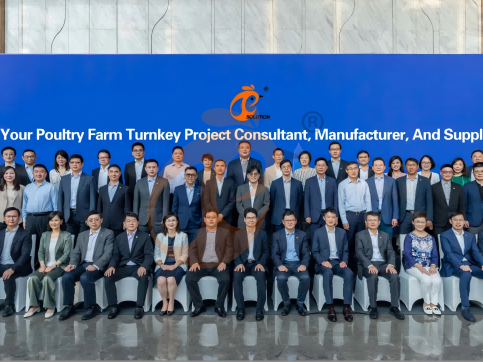
Hong Kong Headquarter Management Team
Hong Kong Headquarter Taiyu Industrial Group CO., LTD
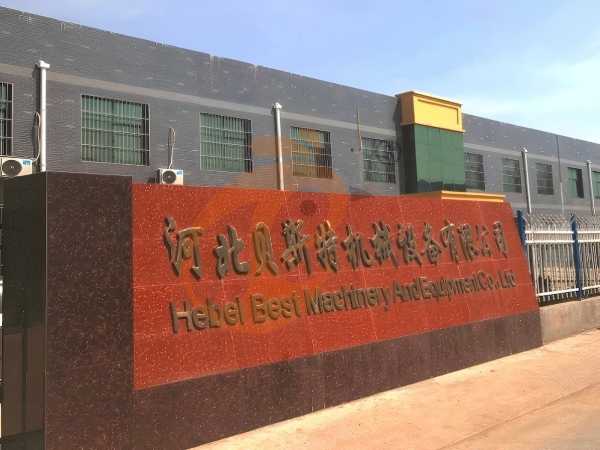
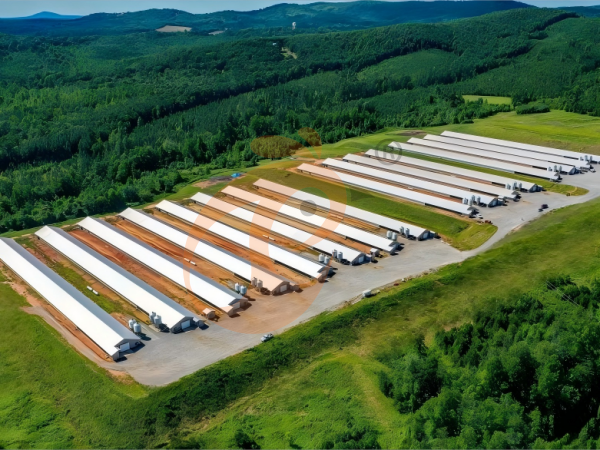
China Hebei Best Machinery And Equipment CO., LTD
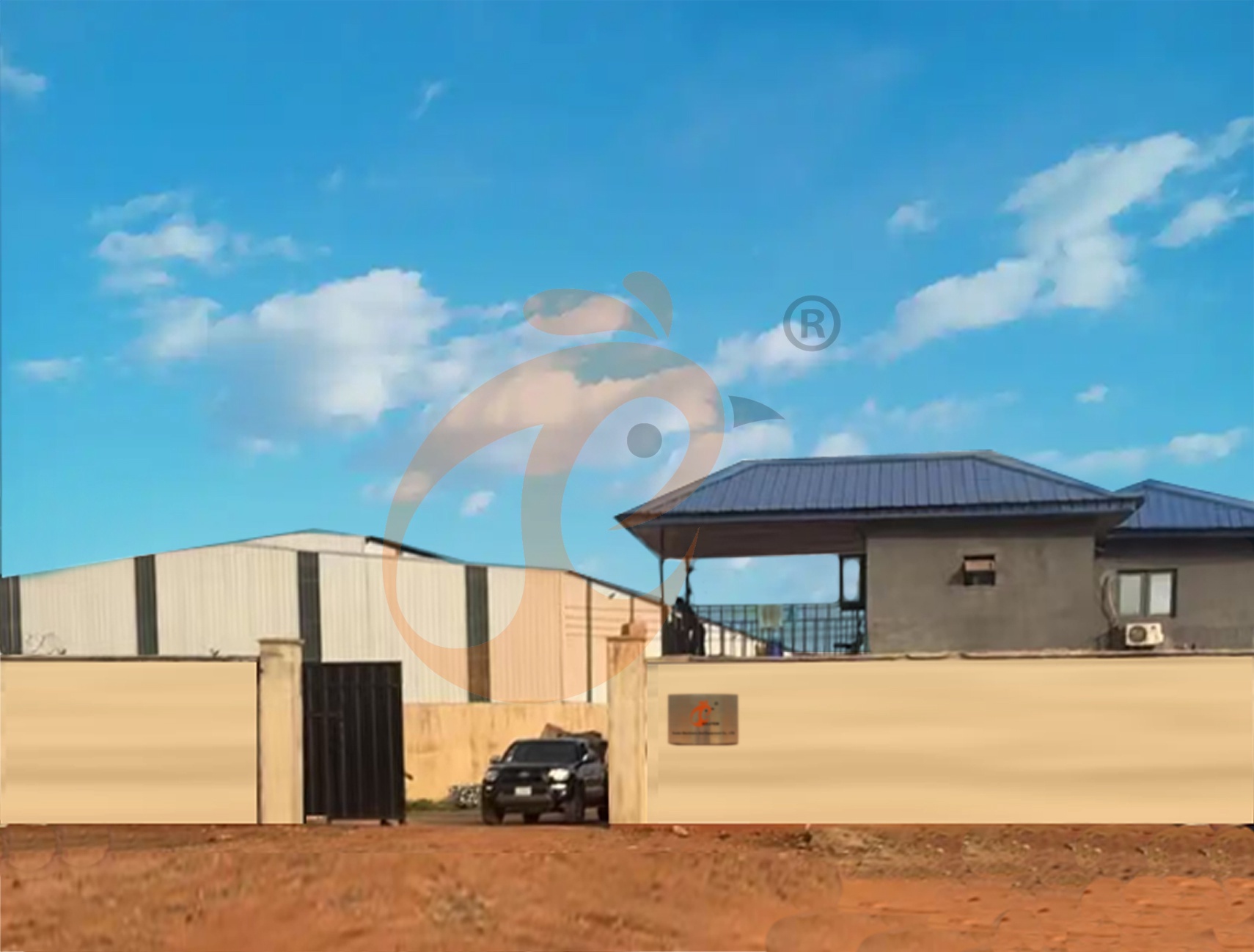
Nigeria Vanke Machinery And Equipment CO., LTD
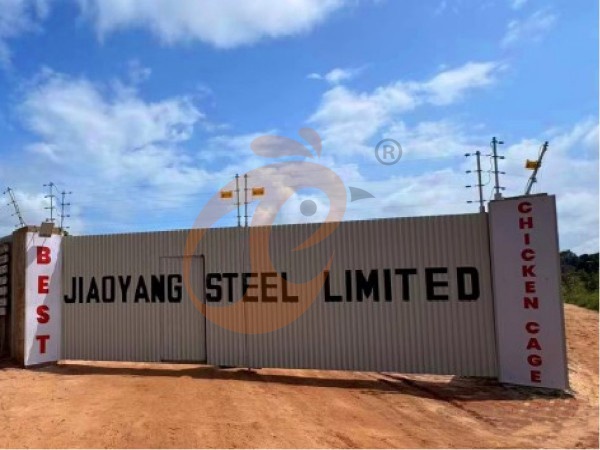
Tanzania Best Machinery And Equipment CO., LTD
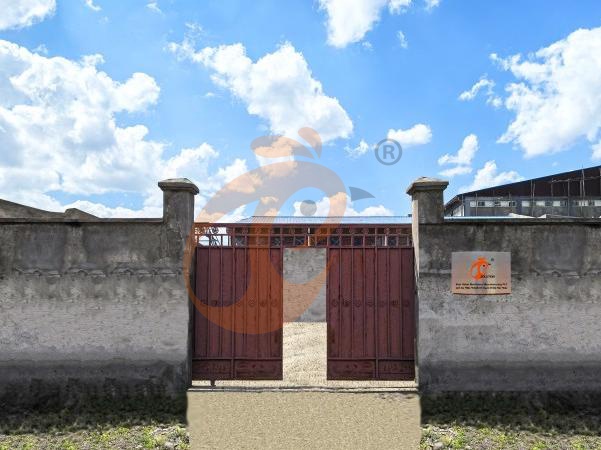
Ethiopia Best Hebei Machinery Manufacturing PLC




Reception /24 WhatsApp NO. : +8618830120193
FAQ
- poultry farm
- chicken cage
- layer cage
- poultry house
- cage
- poultry farm construction
- chicken cage layout
- chicken cage manufacturer
- chicken cage system
- chicken cage cost
- chicken cage quotation
- poultry house ventilation
- poultry drinking system
- poultry house ventilation system
- automatic drinking system
- automatic feeding system
- poultry equipment
- manure removal system
- automatic manure removal system
- egg collection system
- egg collection equipment
- automatic egg collection system
- automatic egg collection equipment
- chicken cages
- chickencage
- bestchickencage
- cage system
- cage systems
- layer chicken cage
- Nigeria
- layer chicken cages
- chicken cage installation
- layer chicken cage system
- layer chicken cage layout
- poultry egg collection system
- layer chicken cage manufacturer
- automatic chicken feeding system
- chicken feeding system
- automatic poultry feeder
- cage manufacturer
- layer chicken cage quotation
- layer chicken cage cost
- automatic egg collection
- chicken cage solution
- poultry farm plan
- poultry house hygiene
- poultry feed
- chicken feed
- feed silo
- Ethiopia
Message
Products recommended
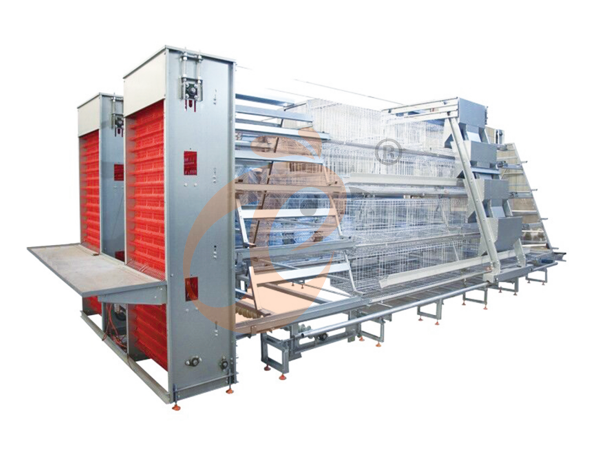
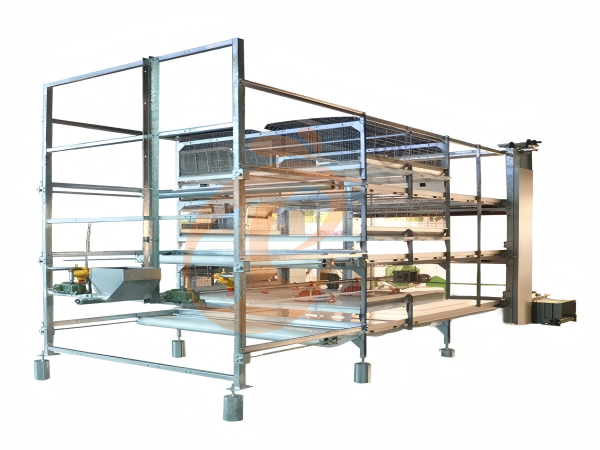
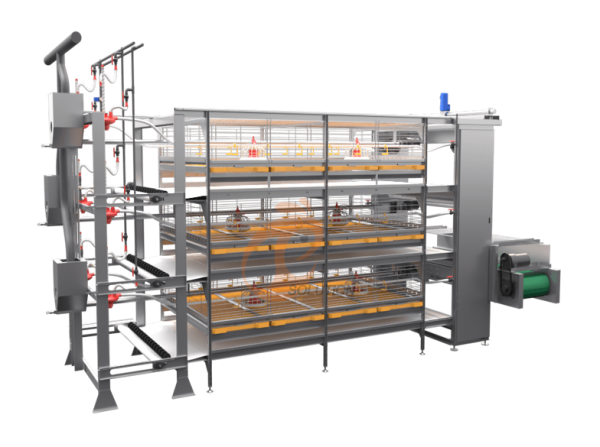
 >30,000 Pullets Automatic H Type Battery Cage1. More than 30,000 pullets a house, choose it.
2. It is designed to rearing older than 1 day old pullets to 12 to 16 weeks old chicken starting laying eggs.
3. Its lifespan is more than 25 years.
4. Its structure are Vcloud artificial intelligent fusion, electric control cabinet, automatic equipment of drinking, feeding, manure clean, manual harvesting.
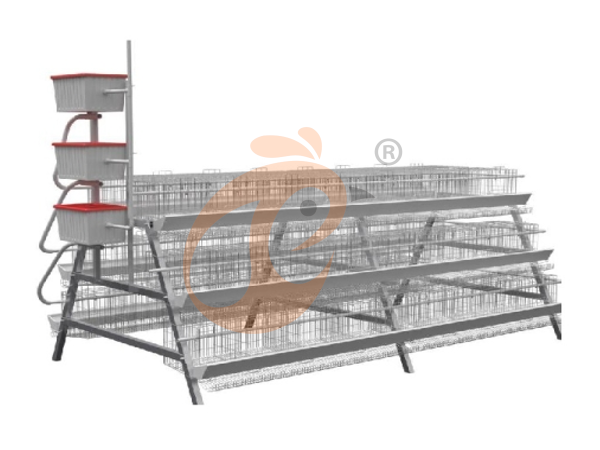
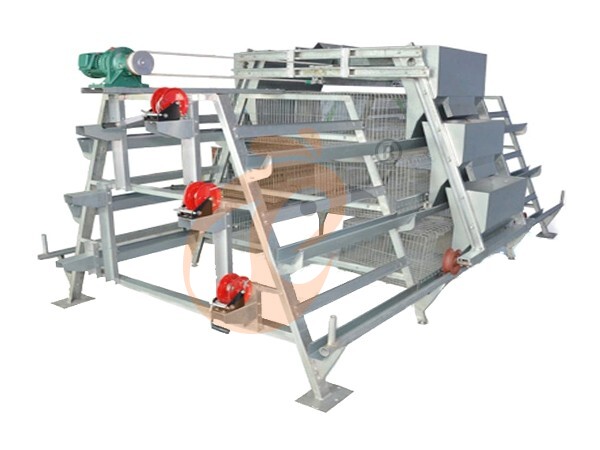
5. Our 24 hour online reception What’sApp NO. is +8618830120193 <30,000 Pullets Automatic A Type Battery Cage1. 10,000 to 30,000 pullets a house, choose it.
2. It is designed to rearing older than 1 day old pullets to 12 to 16 weeks old chicken starting laying eggs.
3. Its lifespan is more than 25 years.
4. Its structure are Vcloud artificial intelligent fusion, electric control cabinet, automatic equipment of drinking, feeding, manure clean, manual harvesting.
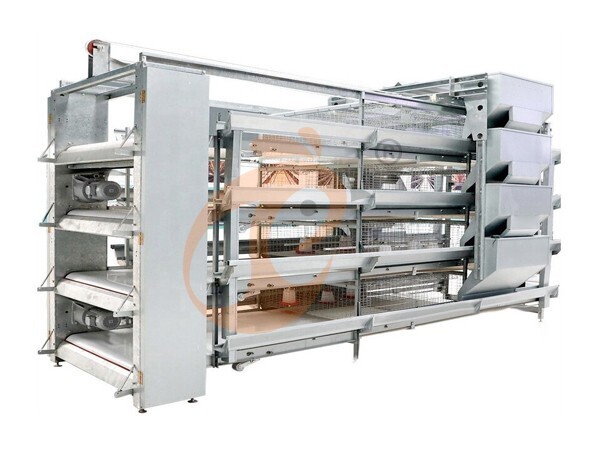
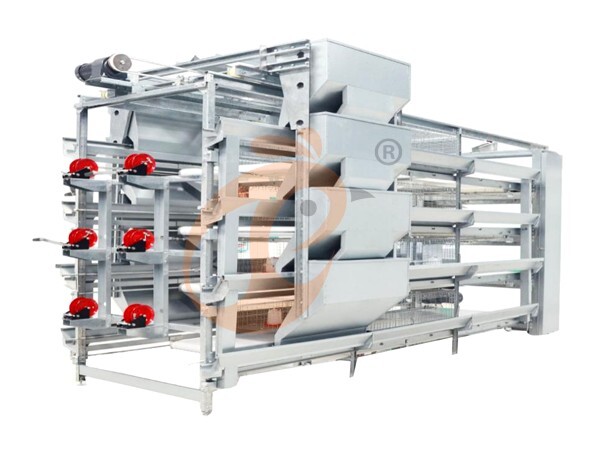
5. Our 24 hour online reception What’sApp NO. is +86 18830120193. >30,000 Broilers Semi-Automatic Harvest H Type Battery Cage1. More than 30,000 broilers a house, choose it.
2. It is designed to rearing 1 to 45 day old adult broiler ready for market.
3. Its lifespan is more than 20 years.
4. Our 24 hour online reception What’sApp NO. is +8618830120193, +234 8111199996. >30,000 Broilers Manual Harvest H Type Battery Cage1. More than 30,000 broilers a house, choose it.
2. It is designed to rearing 1 to 45 day old adult broiler ready for market.
3. Its lifespan is more than 20 years.
4. Its structure are Vcloud artificial intelligent fusion, electric control cabinet, automatic equipment of drinking, feeding and manure clean, manual harvesting.
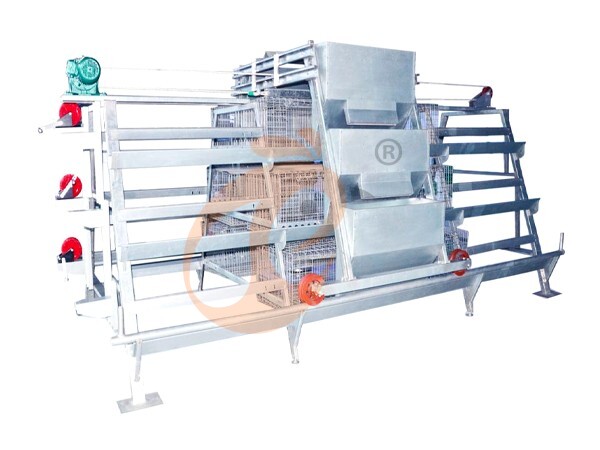
5. Our 24 hour online reception What’sApp NO. is +8618830120193, +234 8111199996. <30,000 Broilers Manual Harvest A Type Battery Cage1. Less 30,000 broilers a house, choose it.
2. It is designed to rearing 1 to 45 day old adult broiler ready for market.
3. Its lifespan is more than 20 years.
4. Its structure are Vcloud artificial intelligent fusion, electric control cabinet, automatic equipment of drinking, feeding and manure clean, manual harvesting.
5. Our 24 hour online reception What’sApp NO. is +8618830120193, +234 8111199996. HK Headquarter Offers EU-standard Poultry Farm Solutions, Manufacture Poultry Farm Equipment1. Continuous communication with the EU and the US
2. China, Nigeria, Ethiopia, Tanzania branch companies and factories
3. The products’ quality is customized for local poultry farms
4. Poultry cage and poultry farm equipment stock for sale
5. 24 online reception Whatsapp NO. : +8618830120193,contact us to get full information China Branch Offer Poultry Farm Business Plan, Manufacture Poultry Farm Equipment1. Address: Flat/RM 2416, 24/F, Runxing Building, Youyi Nan Street, Shijiazhuang City, Hebei Province, China
2. Poultry cage and poultry farm equipment factory and stock for sale
3. Customized for local poultry farms
4. Quality and design are based on Euro
5. 24 online reception Whatsapp NO. : +8618830120193 Nigeria Branch Offer Poultry Farm Business Plan, Manufacture Poultry Farm Equipment1. Address: After Sinoma Office, 200 Meters Near Danco Filling Station, Lagos/Ibadan Expressway, Lagos State, Nigeria
2. Poultry cage and poultry farm equipment factory and stock for sale
3. Customized for Nigerian poultry farms
4. Quality and design are based on Euro
5. 24 online reception Whatsapp NO. : +8618830120193 Ethiopia Branch Offer Poultry Farm Business Plan, Manufacture Poultry Farm Equipment1. Address: Gelan Gura, Akaki-kaliti Sub City, Addis Ababa, Ethiopia
2. Poultry cage and poultry farm equipment stock for sale
3. Customized for Ethiopian poultry farms
4. Quality and design are based on Euro
5. 24 online reception Whatsapp NO. : +8618830120193, contact us to get price list Tanzania Branch Offer Poultry Farm Business Plan, Manufacture Poultry Farm Equipment1. Address: No.8, Sova Road, Msufini, Mlandizi, Kibaha, Pwani, Tanzania
2. Poultry cage and poultry farm equipment factory and stock for sale
3. Customized for Tanzanian poultry farms
4. Quality and design are based on Euro
5. 24 online reception Whatsapp NO. : +8618830120193


Contact