


Blog
Broiler chicken cage systems support efficient poultry production through practical engineering, automation, and measurable farm management.
Explore cage configurations with 3, 4, 5, 8, or 12 tiers for different project requirements.
Improve feeding efficiency with automatic poultry feeding systems and feed delivery capacities of 300–600 kg/h.
Maintain consistent water access using nipple drinkers planned around 10–14 birds per nipple.
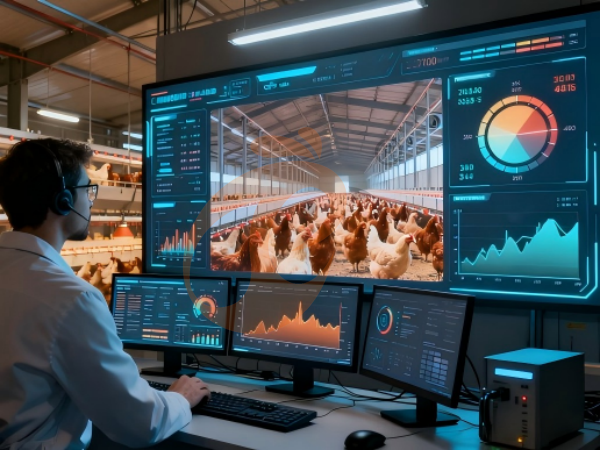
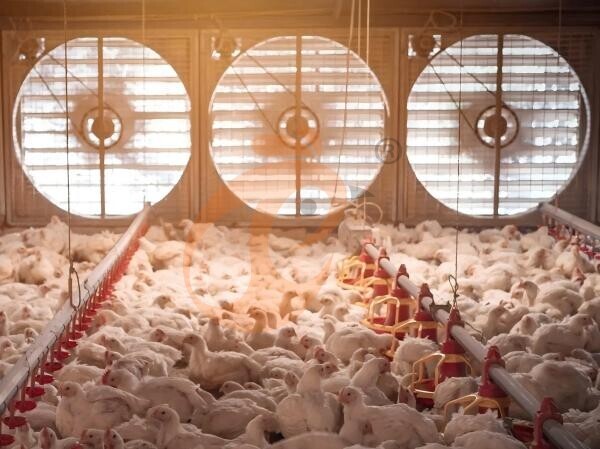
Optimize climate management with ventilation fans rated at 20,000–45,000 m³/h under specified test conditions.
Compare integrated poultry equipment packages covering cage structures, feeding, drinking, ventilation, and manure removal.
Get professional poultry farm construction guidance, equipment selection solutions, and the latest price lists, whatsApp to +8618830120193, click to learn more:
Practice One: Optimize Cage Layout And Farm Space
Data is for reference only.Swipe horizontally to view full table.
Broiler chicken cage systems require accurate building measurements, compliant stocking density, and suitable access routes.
Three-tier, four-tier, and five-tier models accommodate 96–160 birds per set, while the second model accommodates 360–1,440 birds per set.
Customized poultry cage equipment helps buyers align installation dimensions with building layouts and production objectives.
Engineering Essentials: Improve Equipment Reliability
Engineering checklist
Frame alignment: target deviation ≤3 mm per 2 m, subject to design.
Electrical protection: select suitable IP-rated enclosures for dust and moisture.
Motor protection: use overload protection and emergency isolation.
Spare parts: prepare 1 inventory list covering at least 5 critical component categories.
Commissioning: inspect 100% of critical drives, sensors, and electrical connections.
Documentation: supply 1 equipment schedule, 1 installation drawing set, and 1 maintenance manual.
Reliable broiler chicken cage engineering depends on structural integrity, installation accuracy, and compatible poultry equipment.
Documented commissioning and preventive maintenance help reduce avoidable equipment interruptions across multiple production cycles.
Practice Two: Automate Feeding Operations
Data is for reference only.Swipe horizontally to view full table.
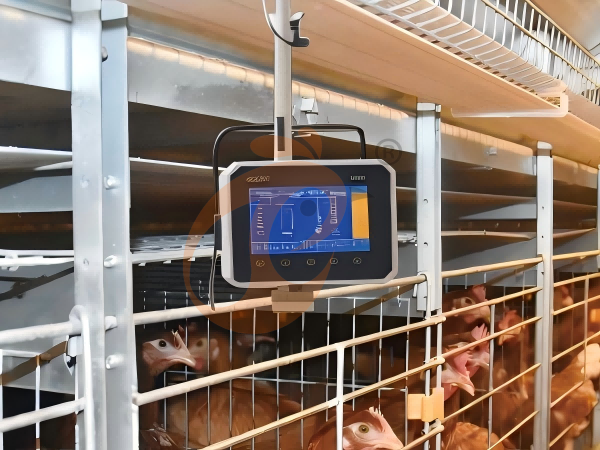
Automatic poultry feeding systems connect bulk storage, auger conveying, feed distribution, and level monitoring.
A conveying capacity of 300–600 kg/h can support different project requirements, subject to actual equipment performance and operating conditions.
Technique Card: Reduce Feeding System Interruptions
Distribution Inspection
Check 5 representative feeding points per inspection round; record empty pans, blockages, and uneven feed distribution.
Drive Monitoring
Record motor current, operating noise, and temperature against manufacturer limits; inspect 3 key areas: motor, gearbox, and auger.
Performance Tracking
Compare 4 indicators: feed consumption, wastage, average body weight, and equipment downtime.
Maintenance Scheduling
Establish daily visual checks, weekly mechanical inspections, and manufacturer-specified lubrication intervals.
Automatic poultry feeding equipment improves workflow consistency when operators follow documented inspection procedures.
Practice Three: Maintain Reliable Drinking Water
Data is for reference only.Swipe horizontally to view full table.
Automatic poultry drinking systems combine nipple drinkers, filtration, pressure regulation, and water metering.
Monitor consumption in L/day and L/bird/day, investigating sudden changes in pressure, water quality, or delivery consistency.
Workflow Structure: Automate Environmental Control
Measure: Collect temperature, relative humidity, and airflow data.
Compare: Evaluate readings against bird-age-specific targets.
Adjust: Control fans, inlets, cooling equipment, and heating.
Verify: Check airflow distribution and temperature consistency.
Record: Document alarms, adjustments, and equipment status.
A reference monitoring plan may include 6–12 measurement locations, 2 operating modes, 3 alarm priorities, and 1 daily data review.
Poultry environmental control systems coordinate compatible fans, sensors, cooling equipment, and alarms to support stable operating conditions.
Practice Four: Upgrade Ventilation And Climate Control
Data is for reference only.Swipe horizontally to view full table.
Poultry ventilation equipment should be selected according to measured airflow at the required static pressure.
Exhaust fans, air inlets, cooling pads, and environmental controllers form an integrated climate management package.
Equipment Combination Recommendation: Build Integrated Packages
Data is for reference only.Swipe horizontally to view full table.
Broiler chicken cage packages can be combined with automatic feeding, drinking, ventilation, and manure removal equipment.
The first cage model accommodates 96, 128, or 160 birds per set, while the second accommodates 360, 480, 960, or 1,440 birds per set.
Customized poultry equipment proposals help buyers compare system configurations, installation scope, and after-sales support.
Practice Five: Improve Hygiene And Manure Management
Data is for reference only.Swipe horizontally to view full table.
Automatic manure removal equipment supports organized waste handling and reduces repetitive manual work.
Belt speed, discharge height, waste volume, and drive capacity must match the installed cage configuration and manure collection requirements.
Operational Checklist: Measure Farm Performance
Data is for reference only.Swipe horizontally to view full table.
Broiler chicken cage farm performance should be evaluated through feed conversion, mortality, body weight, and resource consumption.
Compare 3 periods: previous flock, current flock, and planned benchmark; evaluate 4 cost categories: feed, labor, energy, and maintenance.
Actual outcomes depend on genetics, nutrition, disease control, stocking conditions, climate, and operating practices.
Frequently Asked Questions
Q1: How many birds can each broiler chicken cage set accommodate?
The first model accommodates 96, 128, or 160 birds per set, while the second accommodates 360, 480, 960, or 1,440 birds per set, subject to the specified configuration and applicable stocking requirements.
Q2: Which equipment should accompany a broiler chicken cage system?
A practical package includes automatic feeders, nipple drinkers, ventilation fans, environmental controllers, and manure removal equipment; a complete project should also include compatible installation and maintenance plans.
Q3: How should buyers select ventilation and feeding equipment?
Compare fan airflow at the required static pressure and calculate conveying capacity against feed demand; example feeding capacities of 300–600 kg/h require confirmation against the actual system specification.
Taiyu (HK) Group - One Of China's Toppest Broiler Chicken Cage Manufacturer
Broiler chicken cage systems offer 3-, 4-, and 5-tier configurations in the first model, with capacities of 96–160 birds per set.
Global factory-direct poultry equipment supply integrates cage structures, feeding lines, drinking systems, ventilation, and manure removal for coordinated project delivery.
Turn-key engineering covers project assessment, equipment configuration, installation coordination, and commissioning, with technical specifications confirmed before production.
International project support includes equipment schedules, installation drawings, spare-parts planning, and technical documentation tailored to local requirements.
Commercial proposals can define equipment scope, delivery responsibilities, commissioning milestones, and after-sales service before order confirmation.
Contact Us To Received Your Customized Poultry Farm Plan
Headquarters And Branchs

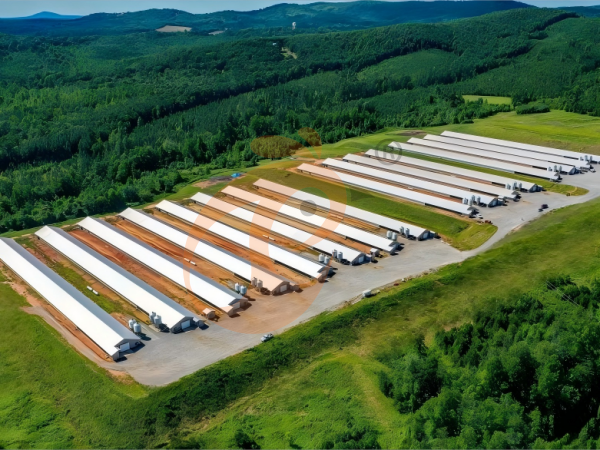
Hong Kong Headquarter Management Team
Hong Kong Headquarter Taiyu Industrial Group CO., LTD
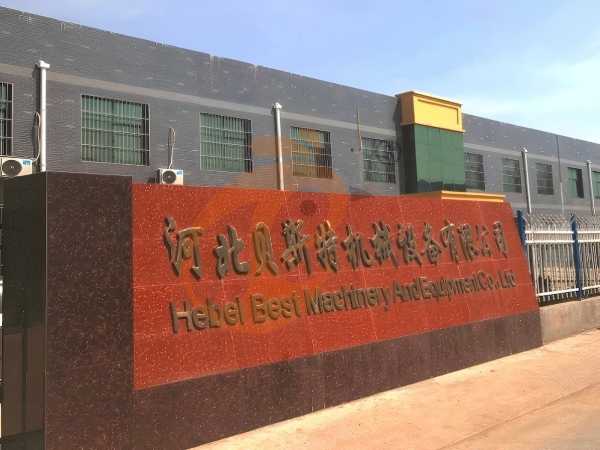
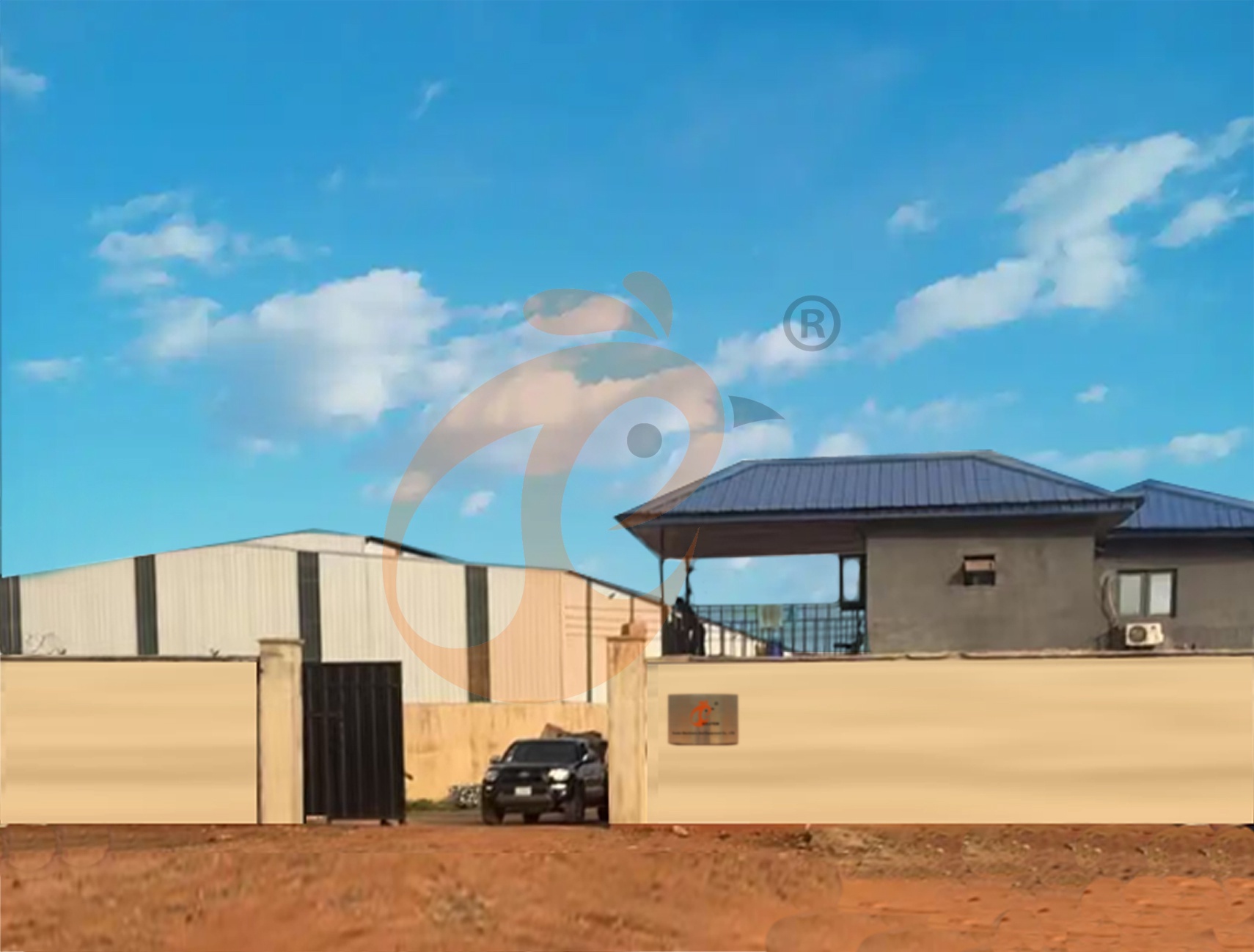
China Hebei Best Machinery And Equipment CO., LTD
Nigeria Vanke Machinery And Equipment CO., LTD
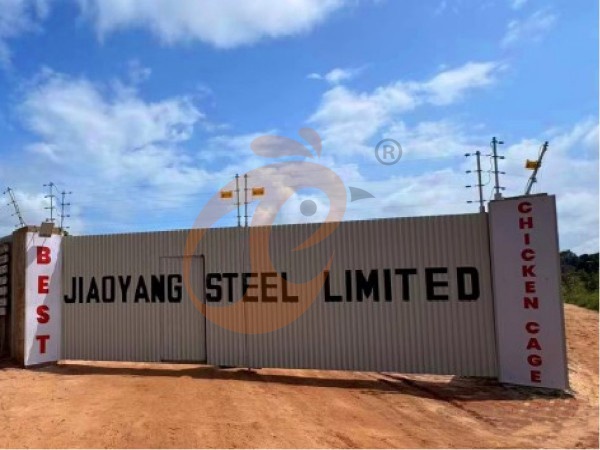
Tanzania Best Machinery And Equipment CO., LTD
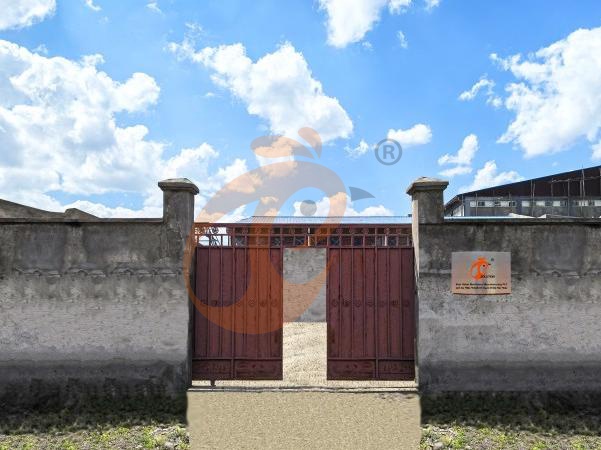
Ethiopia Best Hebei Machinery Manufacturing PLC




Reception /24 WhatsApp NO. : +8618830120193
FAQ
- poultry farm
- chicken cage
- poultry cage
- cage
- poultry farm construction
- poultry cage equipment
- chicken cage manufacturer
- chicken cage system
- poultry drinking system
- poultry feeding system
- poultry feeding equipment
- automatic poultry drinking system
- automatic poultry feeding system
- automatic poultry feeding equipment
- poultry equipment
- manure removal equipment
- automatic manure removal equipment
- broiler chicken cage
- chickencage
- bestchickencage
- cage system
- cage systems
- broiler chicken cage system
- Nigeria
- poultry ventilation equipment
- cage manufacturer
- poultry farm plan
- poultry feed
- feed silo
- Ethiopia
Message
Products recommended
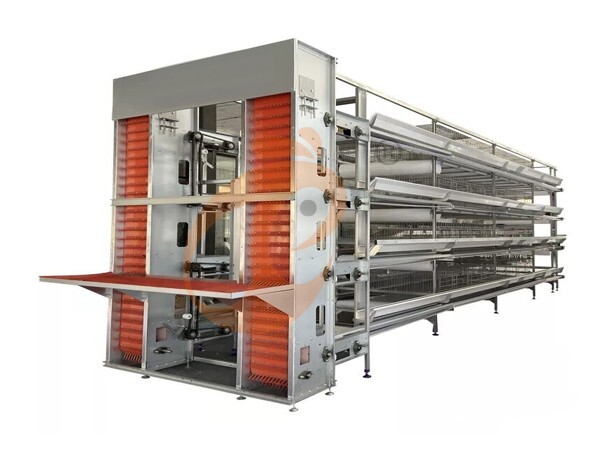
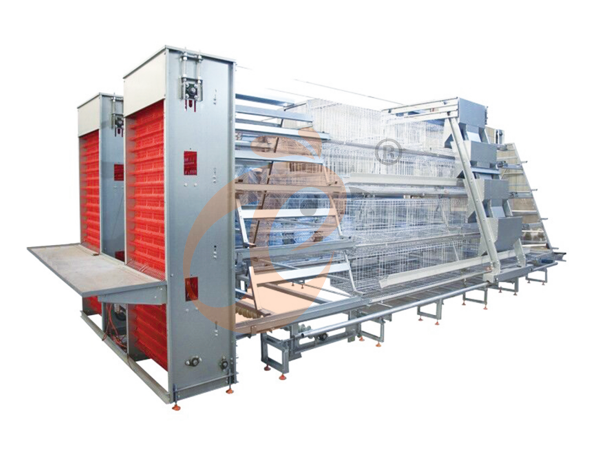
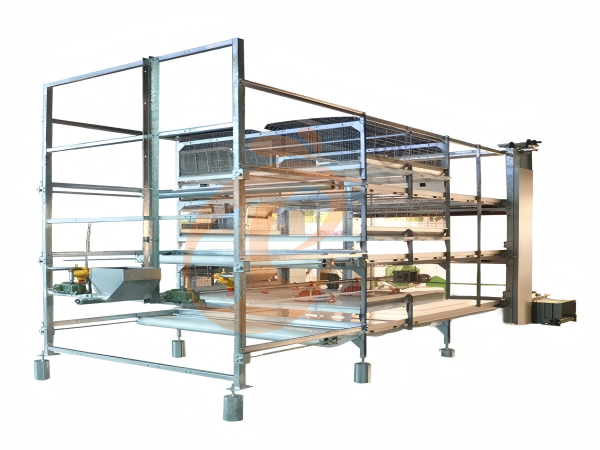
 >30,000 Pullets Automatic H Type Battery Cage1. More than 30,000 pullets a house, choose it.
2. It is designed to rearing older than 1 day old pullets to 12 to 16 weeks old chicken starting laying eggs.
3. Its lifespan is more than 25 years.
4. Its structure are Vcloud artificial intelligent fusion, electric control cabinet, automatic equipment of drinking, feeding, manure clean, manual harvesting.
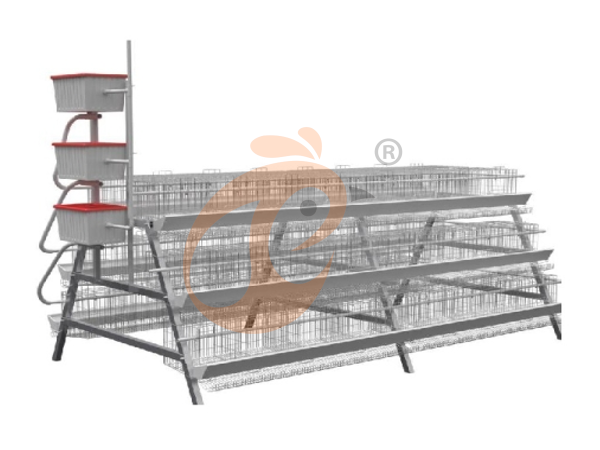
5. Our 24 hour online reception What’sApp NO. is +8618830120193 <30,000 Pullets Automatic A Type Battery Cage1. 10,000 to 30,000 pullets a house, choose it.
2. It is designed to rearing older than 1 day old pullets to 12 to 16 weeks old chicken starting laying eggs.
3. Its lifespan is more than 25 years.
4. Its structure are Vcloud artificial intelligent fusion, electric control cabinet, automatic equipment of drinking, feeding, manure clean, manual harvesting.
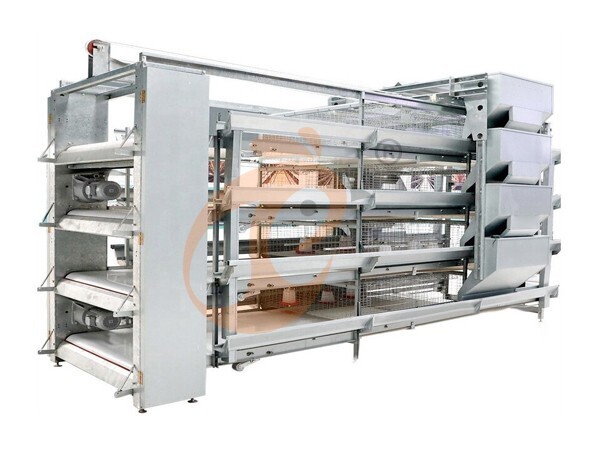
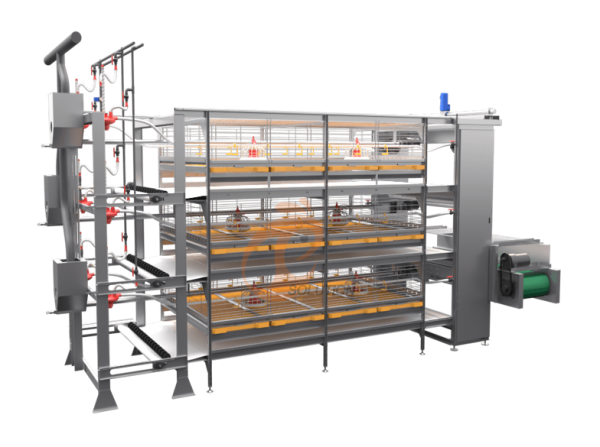
5. Our 24 hour online reception What’sApp NO. is +86 18830120193. >30,000 Broilers Semi-Automatic Harvest H Type Battery Cage1. More than 30,000 broilers a house, choose it.
2. It is designed to rearing 1 to 45 day old adult broiler ready for market.
3. Its lifespan is more than 20 years.
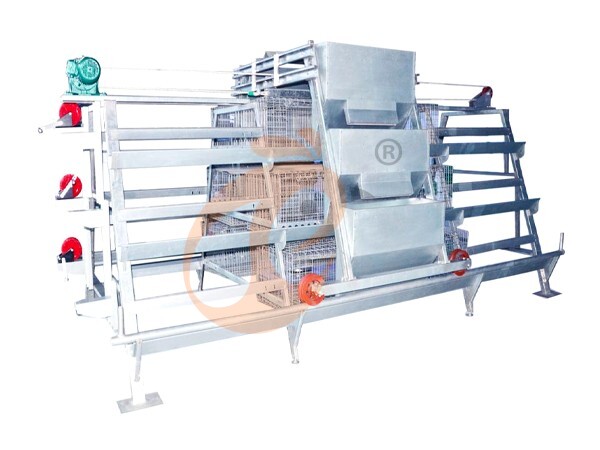
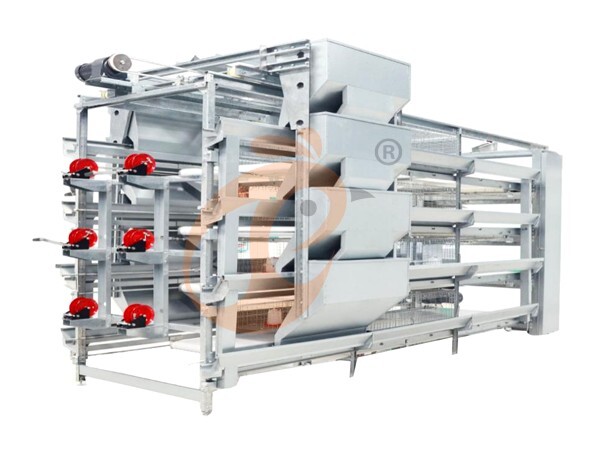
4. Our 24 hour online reception What’sApp NO. is +8618830120193, +234 8111199996. >30,000 Broilers Manual Harvest H Type Battery Cage1. More than 30,000 broilers a house, choose it.
2. It is designed to rearing 1 to 45 day old adult broiler ready for market.
3. Its lifespan is more than 20 years.
4. Its structure are Vcloud artificial intelligent fusion, electric control cabinet, automatic equipment of drinking, feeding and manure clean, manual harvesting.
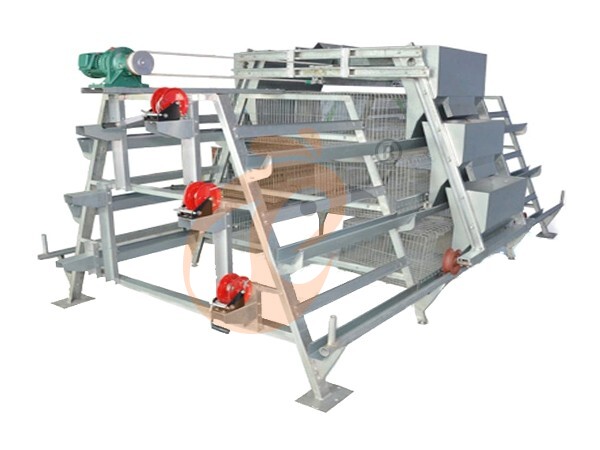
5. Our 24 hour online reception What’sApp NO. is +8618830120193, +234 8111199996. <30,000 Broilers Manual Harvest A Type Battery Cage1. Less 30,000 broilers a house, choose it.
2. It is designed to rearing 1 to 45 day old adult broiler ready for market.
3. Its lifespan is more than 20 years.
4. Its structure are Vcloud artificial intelligent fusion, electric control cabinet, automatic equipment of drinking, feeding and manure clean, manual harvesting.
5. Our 24 hour online reception What’sApp NO. is +8618830120193, +234 8111199996. HK Headquarter Offers EU-standard Poultry Farm Solutions, Manufacture Poultry Farm Equipment1. Continuous communication with the EU and the US
2. China, Nigeria, Ethiopia, Tanzania branch companies and factories
3. The products’ quality is customized for local poultry farms
4. Poultry cage and poultry farm equipment stock for sale
5. 24 online reception Whatsapp NO. : +8618830120193,contact us to get full information China Branch Offer Poultry Farm Business Plan, Manufacture Poultry Farm Equipment1. Address: Flat/RM 2416, 24/F, Runxing Building, Youyi Nan Street, Shijiazhuang City, Hebei Province, China
2. Poultry cage and poultry farm equipment factory and stock for sale
3. Customized for local poultry farms
4. Quality and design are based on Euro
5. 24 online reception Whatsapp NO. : +8618830120193 Nigeria Branch Offer Poultry Farm Business Plan, Manufacture Poultry Farm Equipment1. Address: After Sinoma Office, 200 Meters Near Danco Filling Station, Lagos/Ibadan Expressway, Lagos State, Nigeria
2. Poultry cage and poultry farm equipment factory and stock for sale
3. Customized for Nigerian poultry farms
4. Quality and design are based on Euro
5. 24 online reception Whatsapp NO. : +8618830120193 Ethiopia Branch Offer Poultry Farm Business Plan, Manufacture Poultry Farm Equipment1. Address: Gelan Gura, Akaki-kaliti Sub City, Addis Ababa, Ethiopia
2. Poultry cage and poultry farm equipment stock for sale
3. Customized for Ethiopian poultry farms
4. Quality and design are based on Euro
5. 24 online reception Whatsapp NO. : +8618830120193, contact us to get price list Tanzania Branch Offer Poultry Farm Business Plan, Manufacture Poultry Farm Equipment1. Address: No.8, Sova Road, Msufini, Mlandizi, Kibaha, Pwani, Tanzania
2. Poultry cage and poultry farm equipment factory and stock for sale
3. Customized for Tanzanian poultry farms
4. Quality and design are based on Euro
5. 24 online reception Whatsapp NO. : +8618830120193


Contact