


Blog
Pellet machine stability keeps poultry feed production moving smoothly, even when a busy farm processes feed for 500 hens and 150 broilers daily.
Discover practical installation strategies, preventive maintenance routines, and operating checks that help reduce unexpected downtime.
Explore feed preparation techniques using 2.0 mm grinding screens and controlled moisture management for consistent pellet quality.
Compare equipment combinations, monitor energy consumption, and improve production efficiency through measurable operating indicators.
Strengthen operator training, streamline troubleshooting, and select suitable machinery for reliable, scalable poultry feed manufacturing.
Get professional poultry farm construction guidance, equipment selection solutions, and the latest price lists, whatsApp to +8618830120193, click to learn more:
Select The Right Pellet Machine
Choosing a suitable pellet machine helps maintain consistent production and control operating costs.
Compare motor specifications, die configuration, and rated output before selecting an animal feed pellet machine for your poultry feed production line.
Data is for reference only.Swipe horizontally to view full table.
These specifications are illustrative, not guaranteed performance figures.
Actual output depends on material properties, formulation, moisture, and die configuration.
Our poultry feed pellet machine selection service helps customers identify equipment suited to their production requirements.
Engineering Essentials: Prepare The Installation Site
Correct installation helps a pellet machine operate reliably while reducing unnecessary vibration, mechanical stress, and maintenance.
Foundation: Provide a level, load-bearing base.
Electrical Supply: Verify wiring, grounding, and motor protection.
Transmission: Inspect alignment, belts, and fasteners.
Safety: Install guards, emergency stops, and appropriate dust-control equipment.
For preliminary layout planning, consider a 2.0 m service aisle, 1.5 m material-handling zone, 1.2 m inspection clearance, and 3.0 m equipment access route.
These illustrative dimensions require verification against equipment drawings and applicable safety requirements.
Our poultry feed equipment planning service helps customers coordinate installation layouts and maintenance access before commissioning.
Prepare Raw Materials And Control Moisture
Consistent raw material preparation supports pellet machine performance and finished-feed quality.
Grinding, mixing, and moisture control should match the formulation and the requirements of the animal feed pellet machine.
Data is for reference only.Swipe horizontally to view full table.
These are trial-planning values, not universal standards.
Appropriate settings depend on ingredients, feed formulation, and equipment design.
Integrated poultry feed equipment helps coordinate grinding, mixing, and pelletizing for consistent production.
Operator Tip Card: Start The Machine Correctly
A standardized startup routine helps protect pellet machine components and reduce avoidable operating faults.
Before Startup
Check lubrication, guards, the feed inlet, the discharge route, and emergency-stop functions.
During Startup
Follow the operating manual and introduce material gradually when required.
During Operation
Monitor noise, vibration, discharge consistency, and motor loading without removing safety guards.
A proposed training schedule includes a 5-minute pre-start inspection, 10-minute initial observation, 15-minute production review, and 30-minute early-run monitoring window, subject to manufacturer guidance.
Never clear blockages or touch rotating components while the pellet machine remains energized.
Monitor Operating Parameters
Monitoring operating conditions helps identify pellet machine faults before they cause extended downtime.
Data is for reference only.Swipe horizontally to view full table.
These figures are illustrative references, not universal acceptance limits.
Use manufacturer specifications and applicable standards to establish actual limits for each poultry feed pellet machine.
Investigate abnormal trends instead of making uncontrolled adjustments.
Build A Preventive Maintenance Routine
Scheduled maintenance reduces unexpected downtime and supports longer pellet machine service life.
Keep inspection records and replace worn components according to actual condition and manufacturer recommendations.
Data is for reference only.Swipe horizontally to view full table.
All mechanical values must be verified against the relevant manual.
Lubrication quantities, tightening torque, and belt settings vary by model.
Our poultry feed equipment support helps customers plan inspections and spare-parts purchases around actual production needs.
Troubleshooting Workflow: Identify The Root Cause
A structured troubleshooting process helps restore pellet machine performance without unnecessary component replacement.
Diagnostic Flow
Identify The Symptom → Stop Safely When Necessary → Inspect Material Supply → Check Machine Components → Correct The Cause → Restart Under Controlled Conditions → Verify Results
For each incident, record 1 fault description, 2 supporting observations, 3 inspection findings, and 1 verified corrective action.
For electrical faults, severe vibration, or damaged rotating parts, isolate the animal feed pellet machine and contact qualified technicians.
Never bypass protective devices or repeatedly restart equipment before identifying the cause.
Recommended Equipment Combination For Poultry Feed Production
An integrated production line connects material preparation, pelletizing, cooling, screening, and packaging.
Compatible poultry feed equipment improves material flow and simplifies production management.
Data is for reference only.Swipe horizontally to view full table.
These values are illustrative engineering inputs, not verified production-line specifications.
Actual requirements depend on material properties, throughput, and equipment design.
Our portfolio includes grinders, mixers, pellet machines, conveyors, coolers, screeners, and packing machines for customized production lines.
Train Operators And Standardize Production
Consistent operator training reduces errors and improves pellet machine handling across production shifts.
Data is for reference only.Swipe horizontally to view full table.
These values are suggested planning benchmarks, not universal legal requirements.
Training should cover safe operation, fault recognition, cleaning, and approved maintenance procedures.
Clear responsibilities and consistent records help operators maintain dependable poultry feed production.
Measure Performance And Improve Efficiency
Performance data helps identify production losses and improve pellet machine operating efficiency.
Data is for reference only.Swipe horizontally to view full table.
These figures are illustrative targets, not guaranteed results.
Establish actual baselines using production records and operating conditions before setting performance goals.
Regular reviews help identify downtime, energy losses, and maintenance issues across poultry feed equipment systems.
Choose A Reliable Equipment Partner
Reliable pellet machine operation requires suitable machinery, correct installation, trained operators, and accessible technical support.
Before purchasing, prepare 4 key procurement documents: a process-flow diagram, a technical specification sheet, an installation layout, and a spare-parts list.
Our poultry feed equipment solutions support customers seeking standalone machines or complete processing systems.
Contact our team with your feed type, target capacity, preferred pellet specifications, and installation requirements to evaluate a suitable equipment configuration.
Frequently Asked Questions
Q1: How can operators improve pellet machine stability?
Follow manufacturer-approved startup procedures, maintain lubrication, and monitor operating conditions.
A 15-minute production review can help operators identify early deviations when incorporated into a suitable inspection plan.
Q2: What equipment is needed for a poultry feed production line?
A typical configuration includes a grinder, mixer, pellet machine, conveyor, cooler, screener, and packing machine.
The final arrangement depends on required output, material characteristics, and available installation space.
Q3: How often should a pellet machine receive maintenance?
Maintenance frequency depends on operating hours, component condition, and manufacturer recommendations.
Daily inspections and documented monthly reviews provide a useful starting framework, subject to the actual equipment manual.
Taiyu (HK) Group - One Of China's Toppest Pellet Machine Manufacturer
Pellet Machine: Engineered for poultry feed production, with a reference configuration of 22 kW motor power, 300 kg/h rated capacity, and 3 mm die aperture, subject to model specifications and feed formulation.
Global Factory Direct Sales: Supplies poultry equipment directly to international buyers, offering equipment specifications, USD quotations, and spare-parts planning for projects involving 2 or more processing units.
Integrated Poultry Equipment: Connects grinding, mixing, pelletizing, cooling, screening, and packing equipment into coordinated production lines, with conveyor layouts planned around available factory space and required throughput.
Turn-Key Engineering Projects: Supports process design, equipment configuration, installation coordination, and commissioning for facilities requiring multiple processing stages, with project scope defined through technical drawings and equipment lists.
Technical Service And Quality Control: Provides operating documentation, maintenance guidance, and commissioning support, with inspection schedules organized around daily operating checks, monthly performance reviews, and manufacturer-approved service intervals.
Contact Us To Received Your Customized Poultry Farm Plan
Headquarters And Branchs

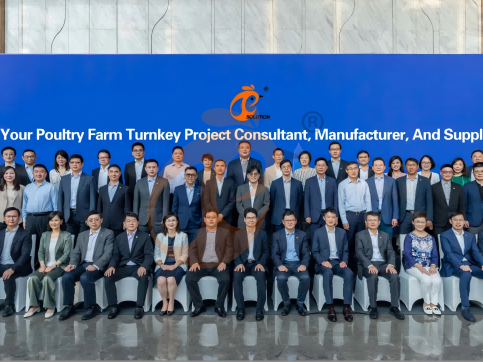
Hong Kong Headquarter Management Team
Hong Kong Headquarter Taiyu Industrial Group CO., LTD
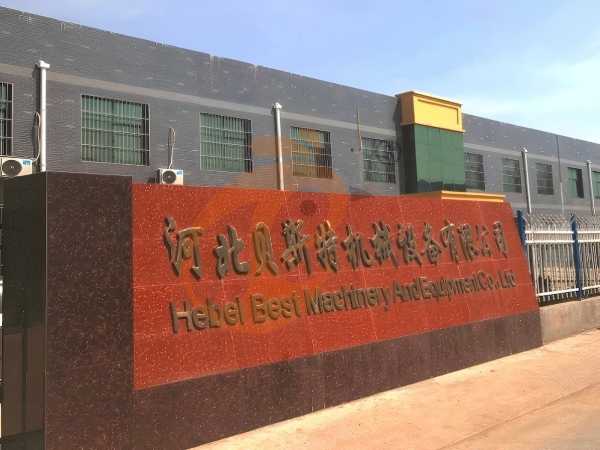
China Hebei Best Machinery And Equipment CO., LTD
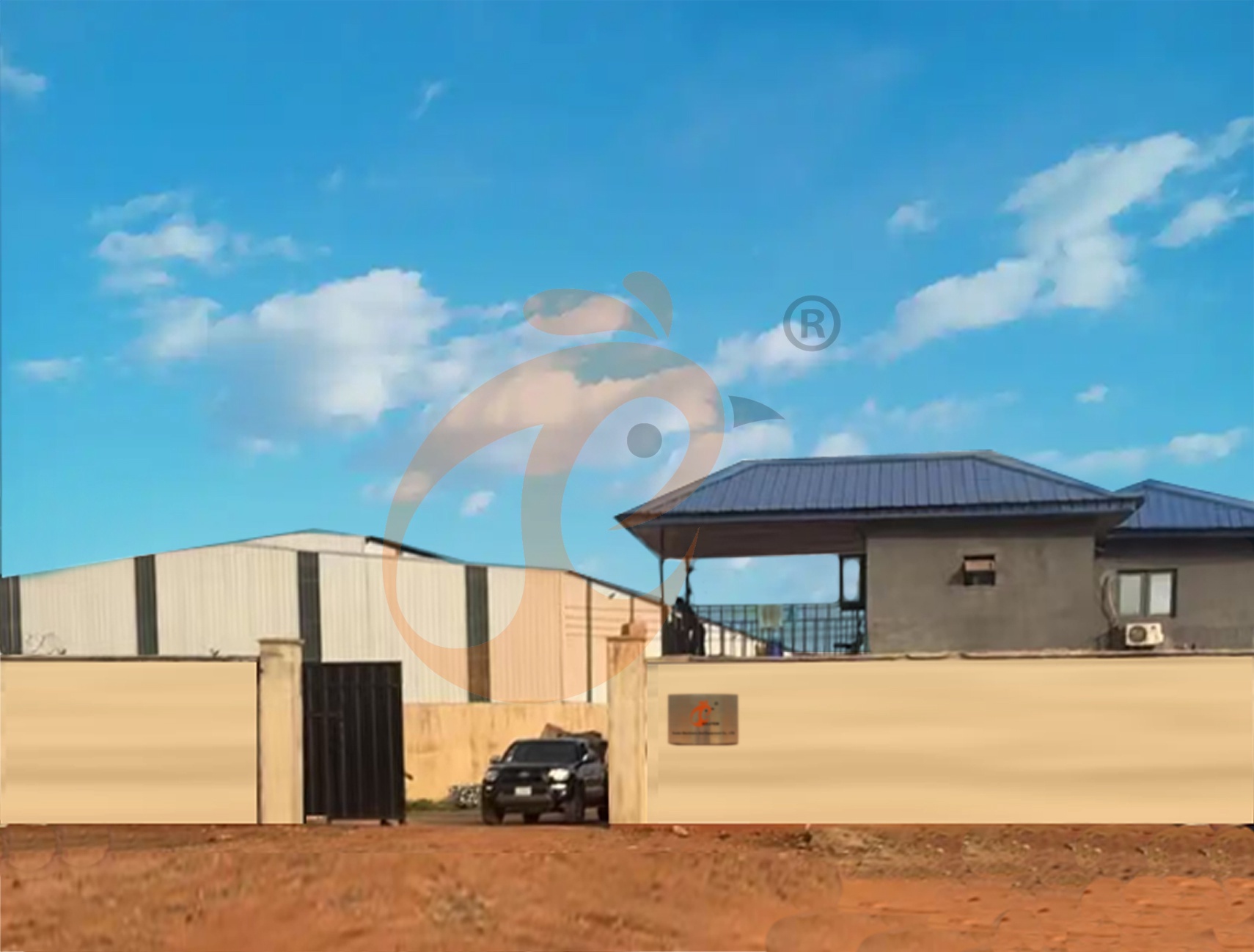
Nigeria Vanke Machinery And Equipment CO., LTD
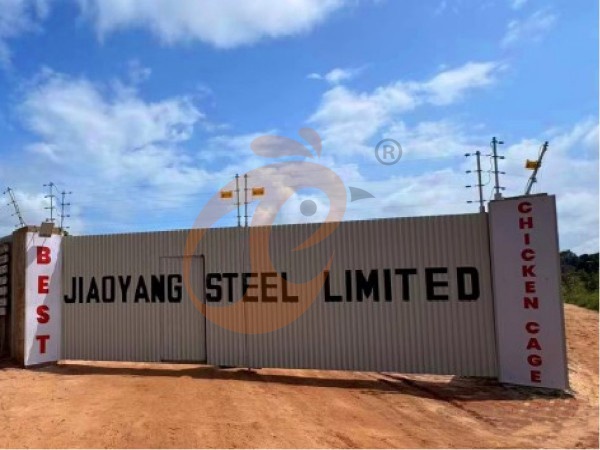
Tanzania Best Machinery And Equipment CO., LTD
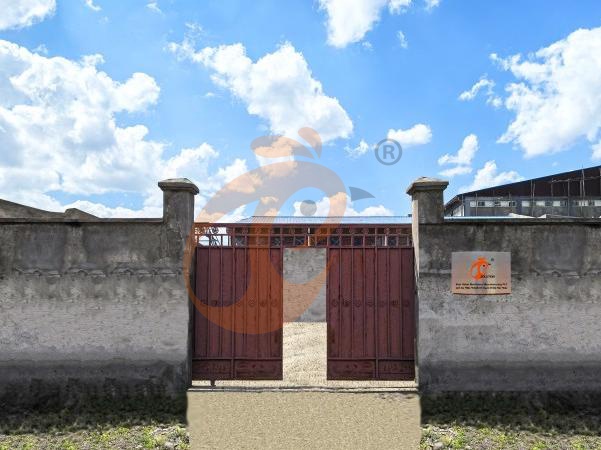
Ethiopia Best Hebei Machinery Manufacturing PLC




Reception /24 WhatsApp NO. : +8618830120193
FAQ
Message
Products recommended
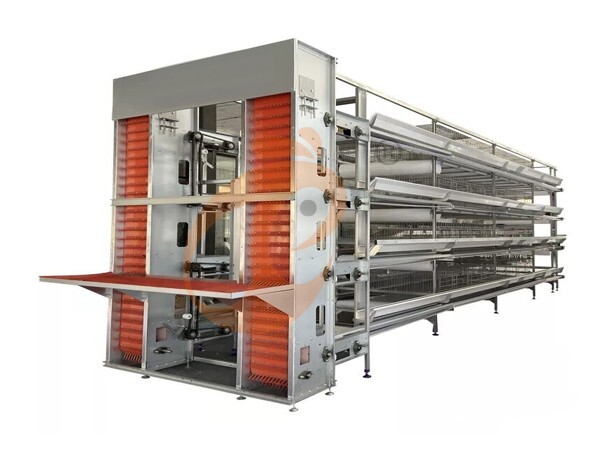
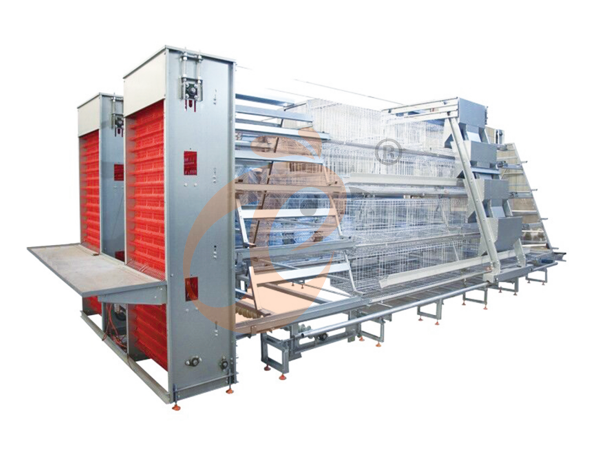
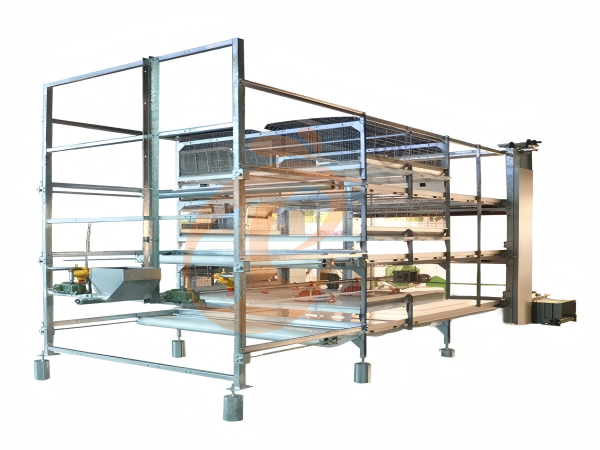
 >30,000 Pullets Automatic H Type Battery Cage1. More than 30,000 pullets a house, choose it.
2. It is designed to rearing older than 1 day old pullets to 12 to 16 weeks old chicken starting laying eggs.
3. Its lifespan is more than 25 years.
4. Its structure are Vcloud artificial intelligent fusion, electric control cabinet, automatic equipment of drinking, feeding, manure clean, manual harvesting.
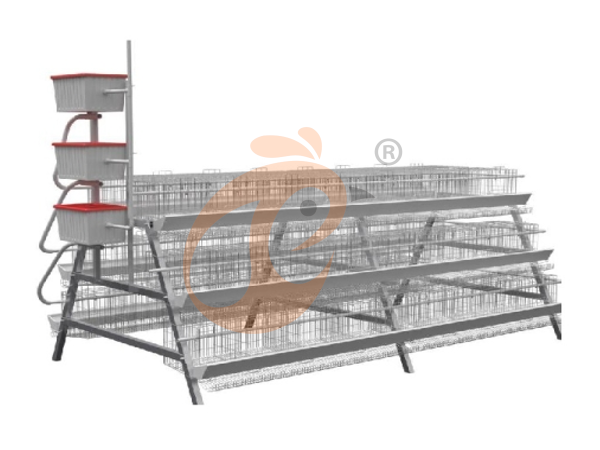
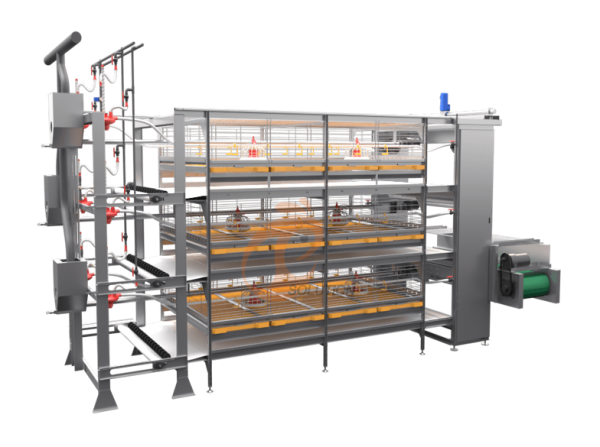
5. Our 24 hour online reception What’sApp NO. is +8618830120193 <30,000 Pullets Automatic A Type Battery Cage1. 10,000 to 30,000 pullets a house, choose it.
2. It is designed to rearing older than 1 day old pullets to 12 to 16 weeks old chicken starting laying eggs.
3. Its lifespan is more than 25 years.
4. Its structure are Vcloud artificial intelligent fusion, electric control cabinet, automatic equipment of drinking, feeding, manure clean, manual harvesting.
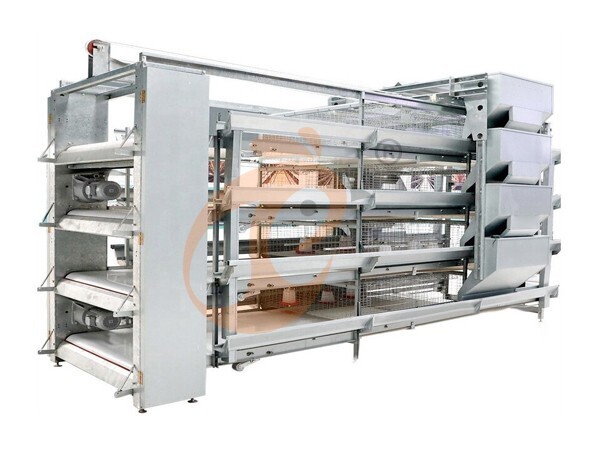
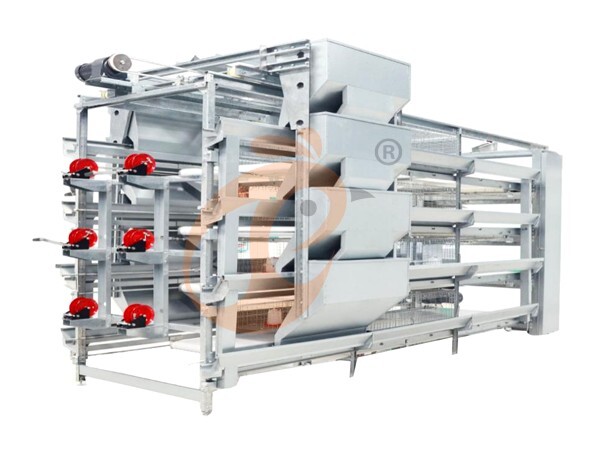
5. Our 24 hour online reception What’sApp NO. is +86 18830120193. >30,000 Broilers Semi-Automatic Harvest H Type Battery Cage1. More than 30,000 broilers a house, choose it.
2. It is designed to rearing 1 to 45 day old adult broiler ready for market.
3. Its lifespan is more than 20 years.
4. Our 24 hour online reception What’sApp NO. is +8618830120193, +234 8111199996. >30,000 Broilers Manual Harvest H Type Battery Cage1. More than 30,000 broilers a house, choose it.
2. It is designed to rearing 1 to 45 day old adult broiler ready for market.
3. Its lifespan is more than 20 years.
4. Its structure are Vcloud artificial intelligent fusion, electric control cabinet, automatic equipment of drinking, feeding and manure clean, manual harvesting.
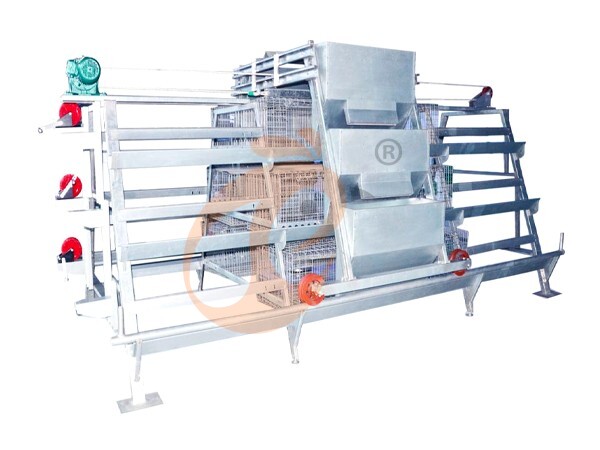
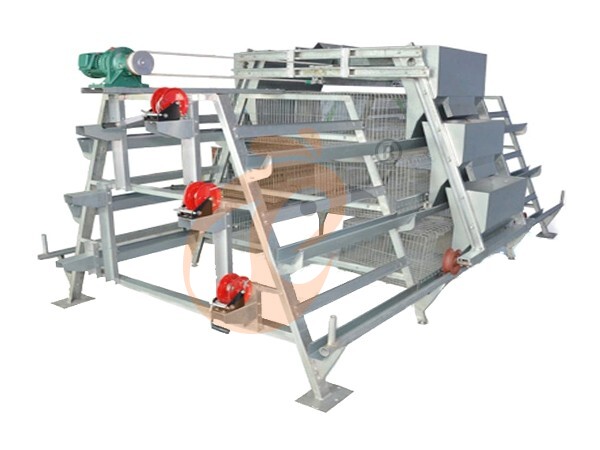
5. Our 24 hour online reception What’sApp NO. is +8618830120193, +234 8111199996. <30,000 Broilers Manual Harvest A Type Battery Cage1. Less 30,000 broilers a house, choose it.
2. It is designed to rearing 1 to 45 day old adult broiler ready for market.
3. Its lifespan is more than 20 years.
4. Its structure are Vcloud artificial intelligent fusion, electric control cabinet, automatic equipment of drinking, feeding and manure clean, manual harvesting.
5. Our 24 hour online reception What’sApp NO. is +8618830120193, +234 8111199996. HK Headquarter Offers EU-standard Poultry Farm Solutions, Manufacture Poultry Farm Equipment1. Continuous communication with the EU and the US
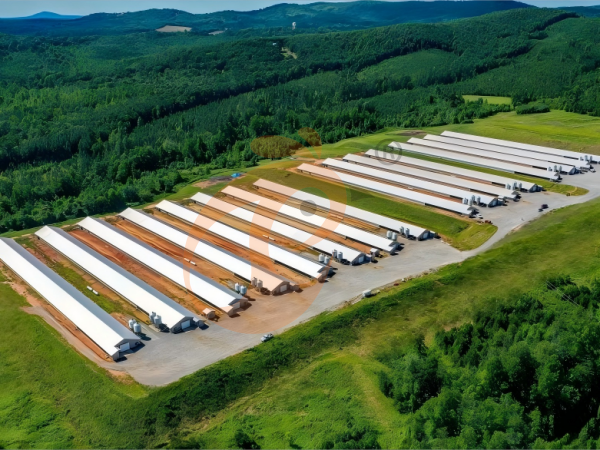
2. China, Nigeria, Ethiopia, Tanzania branch companies and factories
3. The products’ quality is customized for local poultry farms
4. Poultry cage and poultry farm equipment stock for sale
5. 24 online reception Whatsapp NO. : +8618830120193,contact us to get full information China Branch Offer Poultry Farm Business Plan, Manufacture Poultry Farm Equipment1. Address: Flat/RM 2416, 24/F, Runxing Building, Youyi Nan Street, Shijiazhuang City, Hebei Province, China
2. Poultry cage and poultry farm equipment factory and stock for sale
3. Customized for local poultry farms
4. Quality and design are based on Euro
5. 24 online reception Whatsapp NO. : +8618830120193 Nigeria Branch Offer Poultry Farm Business Plan, Manufacture Poultry Farm Equipment1. Address: After Sinoma Office, 200 Meters Near Danco Filling Station, Lagos/Ibadan Expressway, Lagos State, Nigeria
2. Poultry cage and poultry farm equipment factory and stock for sale
3. Customized for Nigerian poultry farms
4. Quality and design are based on Euro
5. 24 online reception Whatsapp NO. : +8618830120193 Ethiopia Branch Offer Poultry Farm Business Plan, Manufacture Poultry Farm Equipment1. Address: Gelan Gura, Akaki-kaliti Sub City, Addis Ababa, Ethiopia
2. Poultry cage and poultry farm equipment stock for sale
3. Customized for Ethiopian poultry farms
4. Quality and design are based on Euro
5. 24 online reception Whatsapp NO. : +8618830120193, contact us to get price list Tanzania Branch Offer Poultry Farm Business Plan, Manufacture Poultry Farm Equipment1. Address: No.8, Sova Road, Msufini, Mlandizi, Kibaha, Pwani, Tanzania
2. Poultry cage and poultry farm equipment factory and stock for sale
3. Customized for Tanzanian poultry farms
4. Quality and design are based on Euro
5. 24 online reception Whatsapp NO. : +8618830120193


Contact