


Blog
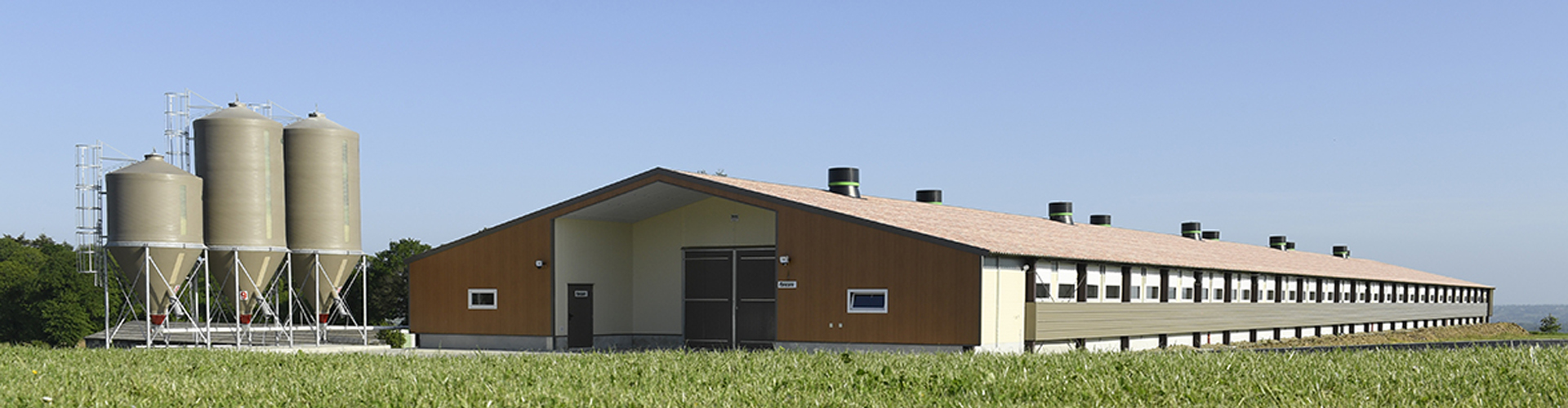
Layer chicken cage systems help commercial farms manage 20,000 hens through organized housing and production planning
Automatic chicken feeding systems and nipple drinkers maintain consistent access to feed and water across cage rows
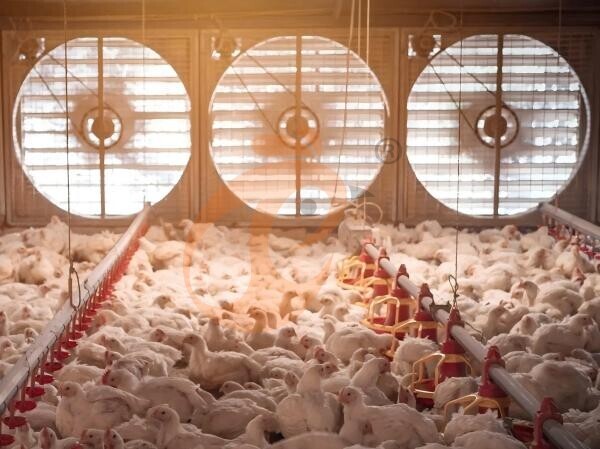
Poultry ventilation systems use fans and sensors to regulate temperature, humidity, and air quality
Manure removal belts and egg collection conveyors reduce repetitive handling and improve workflow efficiency
Integrated poultry equipment combines 5 management practices to support production monitoring, maintenance, and farm expansion
Get professional poultry farm construction guidance, equipment selection solutions, and the latest price lists, whatsApp to +8618830120193, click to learn more:
Best Practice One: Choose The Right Layer Chicken Cage System
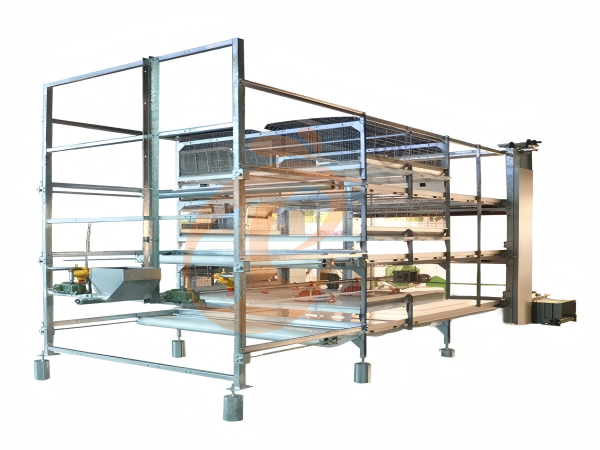
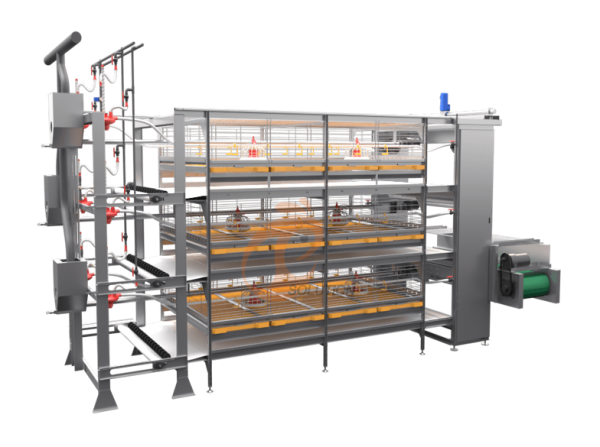
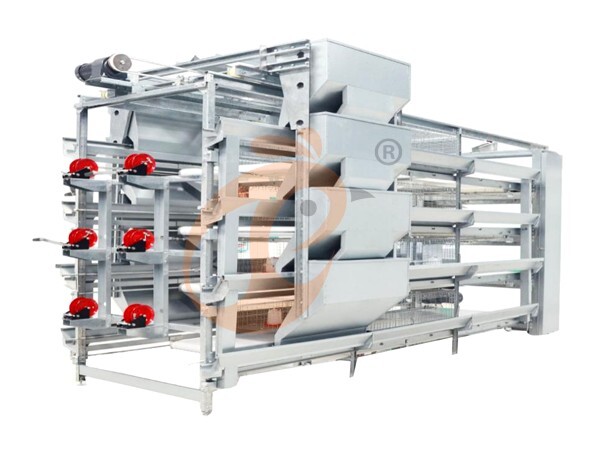
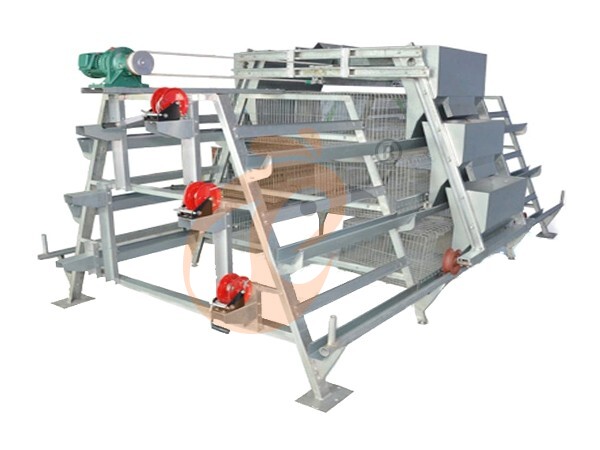
A suitable layer chicken cage system supports efficient housing, feeding, inspection, and egg collection.
Before installation, assess 4 factors: building dimensions, flock size, applicable welfare requirements, and automation level.
Engineering Highlights
Structural Design: Select galvanized steel components suitable for the operating environment.
Space Planning: Coordinate cage rows, service passages, and egg collection routes.
Egg Protection: Align transfer points to minimize unnecessary egg handling.
Future Expansion: Consider modular poultry equipment for phased investment.
For example, a project with 1,200 m² of usable floor area should allocate space for equipment, service access, and future expansion.
Cage dimensions and stocking density must comply with applicable animal welfare requirements.
Layer Cage System Selection: Compare Your Options
Data is for reference only.Swipe horizontally to view full table.
Specifications are based on the supplied equipment data.
The cell floor area is 60 × 62.5 = 3,750 cm²; divided among 8 birds, the calculated area is 468.75 cm² per bird.
Confirm usable floor area and local welfare requirements before determining commercial stocking density.
Compare layer chicken cage systems by capacity, maintenance access, building compatibility, and total project cost.
Best Practice Two: Automate Feeding And Drinking
Automatic chicken feeding systems and nipple drinking lines support consistent feed and water delivery.
Establish a daily inspection schedule, such as 2 feed-system checks and 3 drinker checks, adjusting frequency to flock conditions and equipment requirements.
Daily Feeding Checklist
Automate Distribution: Use automatic feeders to reduce repetitive manual handling.
Inspect Feed Delivery: Check outlets, drives, and troughs for blockages.
Maintain Drinking Lines: Inspect nipple drinkers, connections, and water pressure.
Record Consumption: Compare daily feed and water use against farm baselines.
For example, water consumption can be recorded at 08:00, 14:00, and 20:00 to help identify unusual changes.
Adjust feeding and drinking systems according to bird age, nutrition plans, water quality, and manufacturer instructions.
Feeding And Drinking Equipment Performance Checklist
Data is for reference only.Swipe horizontally to view full table.
Specifications are illustrative; confirm actual ratings with the selected equipment manufacturer.
Select poultry equipment according to flock size, power supply, feed characteristics, water pressure, and installation layout.
Best Practice Three: Maintain A Healthy House Environment
Poultry ventilation systems manage airflow, temperature, humidity, and air quality.
During hot weather, farms may review environmental readings every 30 minutes and set a 5-minute target for responding to critical alarms.
Environmental Control Process
Measure Conditions: Position sensors to identify temperature and humidity variations.
Supply Fresh Air: Size fans and inlets according to building design and flock requirements.
Coordinate Controls: Link fan stages, inlets, and alarms to control settings.
Manage Seasonal Risks: Check cooling and heating systems before seasonal changes.
Verify Performance: Record readings and investigate persistent deviations.
Fan capacity should be calculated using building dimensions, heat load, air resistance, and local climate rather than generic equipment quantities.
Environmental Control Equipment Comparison
Data is for reference only.Swipe horizontally to view full table.
Values are illustrative examples, not universal design recommendations.
Confirm fan performance at operating static pressure and verify sensor specifications before purchase.
Best Practice Four: Remove Manure Efficiently
Manure removal belts transport accumulated waste from beneath cage tiers to designated collection points.
A farm may schedule 2 removal cycles daily, depending on manure accumulation, belt capacity, and waste-handling arrangements.
Key Engineering Considerations
Belt Durability: Select materials suited to moisture and operating loads.
Drive Reliability: Match motor and transmission capacity to system requirements.
Discharge Planning: Provide sufficient clearance for waste collection.
Service Access: Keep inspection points accessible for safe maintenance.
Regular inspections help identify belt misalignment, drive problems, and discharge blockages before they interrupt operations.
Manure Removal System: Operational Checklist
Data is for reference only.Swipe horizontally to view full table.
Specifications and maintenance intervals must be verified against the selected model and site conditions.
Check belt alignment, drive compatibility, safe access, and downstream collection capacity when selecting manure removal equipment.
Best Practice Five: Improve Egg Collection And Farm Monitoring
Automatic egg collection conveyors transfer eggs from cage rows to central collection points, reducing repetitive handling.
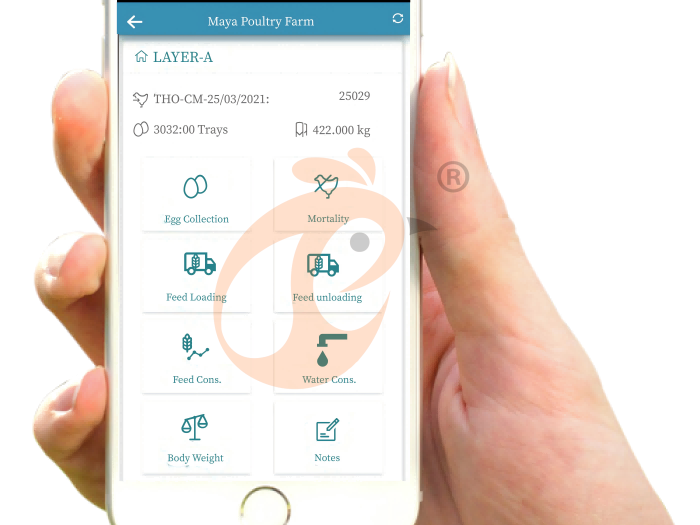
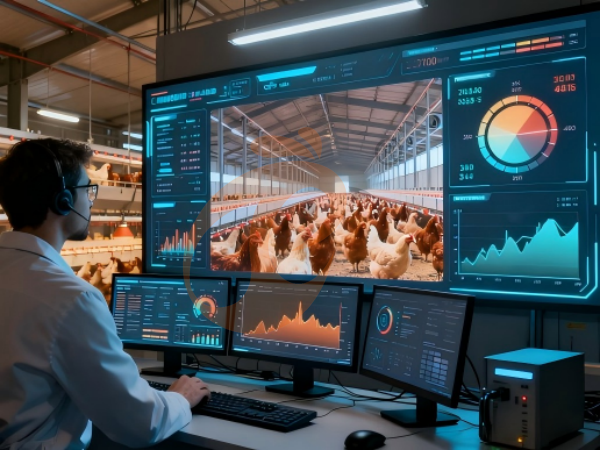
Use a daily dashboard to track production, cracked eggs, feed consumption, water consumption, mortality, and equipment downtime.
Daily Management Indicators
Egg Production Rate: Compare output with flock size and age.
Cracked Egg Percentage: Inspect conveyor transfers and handling.
Feed Consumption: Compare daily usage with established baselines.
Water Consumption: Investigate unexpected changes.
Mortality Rate: Record losses and review unusual increases.
Equipment Downtime: Document faults and repair actions.
A 7-day production record can provide an initial baseline for identifying operational trends.
Measure changes in egg quality and labor productivity against actual farm records rather than assuming specific improvements.
Recommended Equipment Combinations For Different Farms
Data is for reference only.Swipe horizontally to view full table.
Throughput and commissioning figures are illustrative planning examples.
Choose poultry equipment by matching capacity, system compatibility, installation requirements, spare parts, and technical support.
A coordinated package can include layer chicken cages, automatic feeders, nipple drinking lines, poultry ventilation systems, manure belts, and egg collection conveyors.
Conclusion: Build A More Productive Layer Chicken Farm
Efficient layer chicken cage farm management combines suitable housing, automatic feeding and drinking, environmental control, manure removal, and egg collection.
Preventive maintenance, production monitoring, and operator training help maintain consistent operations.
Equipment selection should reflect flock size, building layout, local regulations, installation quality, and long-term maintenance needs.
Ready To Upgrade Your Poultry Farm?
Share your flock size, building dimensions, and preferred automation level with our poultry equipment team.
We can help evaluate suitable layer chicken cage systems and prepare a project-specific equipment configuration.
Frequently Asked Questions
Q1: What equipment is essential for a commercial layer chicken cage farm?
A commercial farm typically requires layer chicken cages, automatic feeders, nipple drinking lines, ventilation equipment, manure removal belts, and egg collection conveyors.
A project with 20,000 hens should match equipment capacity to the building layout and planned production volume.
Q2: How can automatic poultry equipment improve farm management?
Automatic poultry equipment coordinates feeding, drinking, ventilation, manure handling, and egg collection.
Monitoring 6 indicators—feed consumption, water consumption, egg output, mortality, cracked eggs, and downtime—helps identify operational problems.
Q3: How should farmers select a suitable layer cage system?
Compare building dimensions, flock size, welfare requirements, automation needs, and maintenance access.
For a 1,200 m² facility, prepare a site-specific layout and verify usable cage area before confirming stocking density.
Taiyu (HK) Group - One Of China's Largest Layer Chicken Cage Manufacturers
Taiyu supplies 4–16-tier layer chicken cage systems for 20,000-hen commercial farms, integrating automatic feeding, nipple drinkers, manure belts, and egg collection conveyors to optimize housing and production efficiency.
Factory-direct poultry equipment supports 20,000–101,520-layer projects, 220/380 V power configurations, and 50/60 Hz electrical standards, with customized engineering specifications for international markets.
Turn-key engineering covers site assessment, layout design, equipment installation, and commissioning for 1–12 poultry houses, with integrated system planning to reduce project coordination costs.
Complete poultry equipment packages combine 1,200 kg/h illustrative feed conveyor capacity, 36,000 m³/h example fan airflow, and automated egg and manure handling, subject to site-specific engineering calculations.
International project services include spare parts, operator training, and after-sales support, with modular layouts and expansion planning to improve maintenance efficiency and long-term investment value.
Contact Us To Received Your Customized Poultry Farm Plan
Headquarters And Branchs

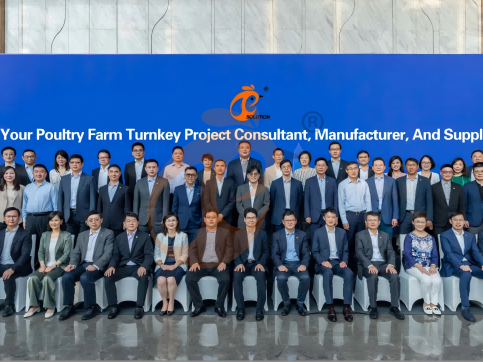
Hong Kong Headquarter Management Team
Hong Kong Headquarter Taiyu Industrial Group CO., LTD
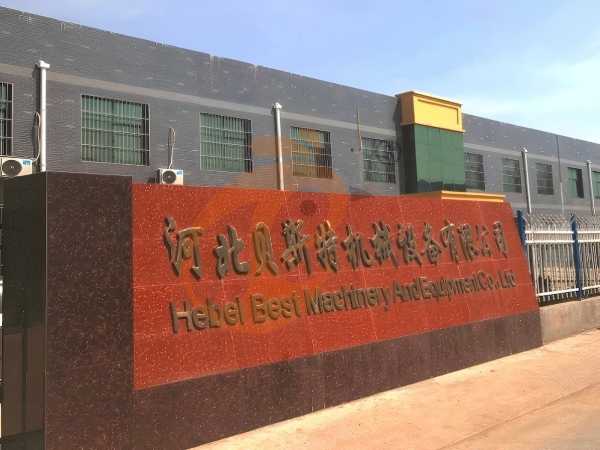
China Hebei Best Machinery And Equipment CO., LTD
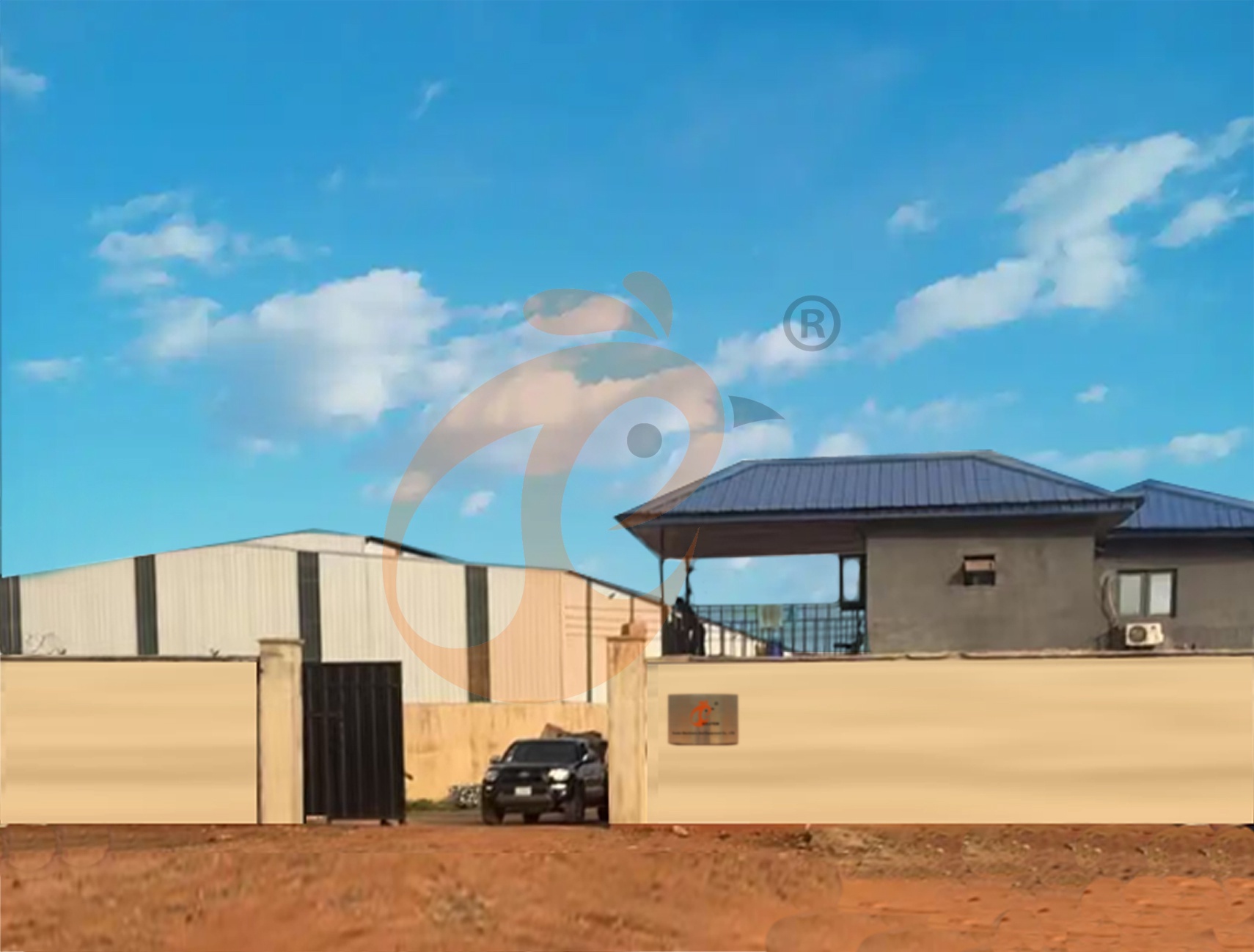
Nigeria Vanke Machinery And Equipment CO., LTD
Tanzania Best Machinery And Equipment CO., LTD
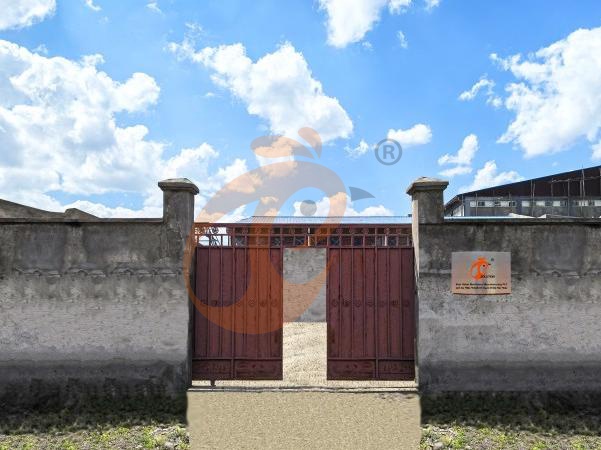
Ethiopia Best Hebei Machinery Manufacturing PLC




Reception /24 WhatsApp NO. : +8618830120193
FAQ
- poultry farm
- chicken cage
- layer cage
- chicken farm
- poultry house
- cage
- poultry farm construction
- layer cage system
- chicken cage manufacturer
- chicken cage system
- poultry equipment
- manure removal system
- manure removal equipment
- chicken cages
- chickencage
- bestchickencage
- cage system
- cage systems
- h cage
- layer chicken cage
- Nigeria
- layer chicken cages
- layer chicken farm
- layer chicken cage system
- layer chicken cage manufacturer
- poultry ventilation system
- automatic chicken feeding system
- chicken feeding system
- cage manufacturer
- automatic egg collection
- egg collection conveyor
- poultry farm plan
- chicken feed
- Ethiopia
Message
Products recommended
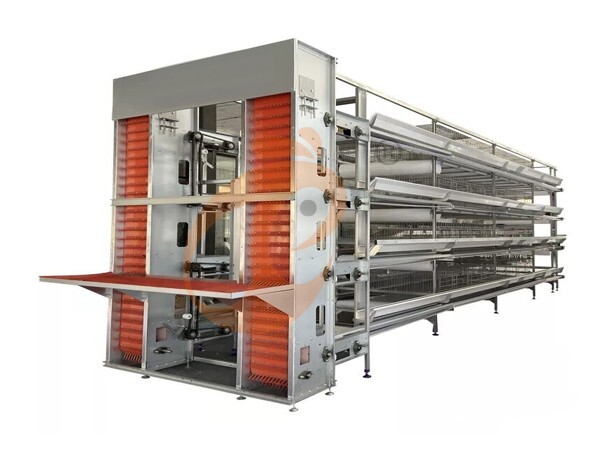
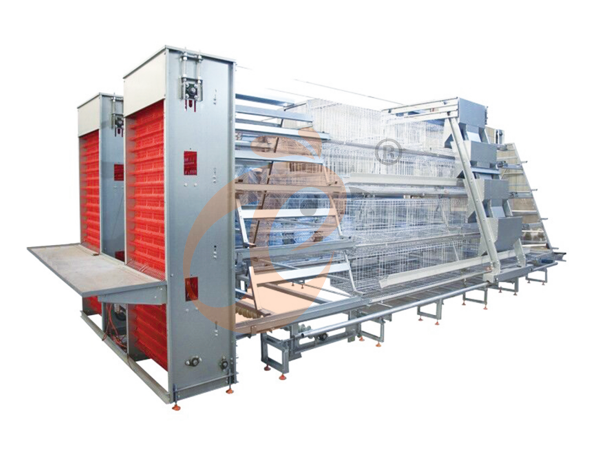
 >30,000 Pullets Automatic H Type Battery Cage1. More than 30,000 pullets a house, choose it.
2. It is designed to rearing older than 1 day old pullets to 12 to 16 weeks old chicken starting laying eggs.
3. Its lifespan is more than 25 years.
4. Its structure are Vcloud artificial intelligent fusion, electric control cabinet, automatic equipment of drinking, feeding, manure clean, manual harvesting.
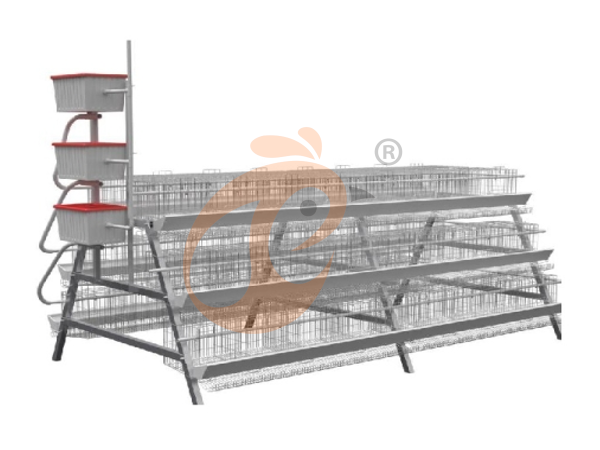
5. Our 24 hour online reception What’sApp NO. is +8618830120193 <30,000 Pullets Automatic A Type Battery Cage1. 10,000 to 30,000 pullets a house, choose it.
2. It is designed to rearing older than 1 day old pullets to 12 to 16 weeks old chicken starting laying eggs.
3. Its lifespan is more than 25 years.
4. Its structure are Vcloud artificial intelligent fusion, electric control cabinet, automatic equipment of drinking, feeding, manure clean, manual harvesting.
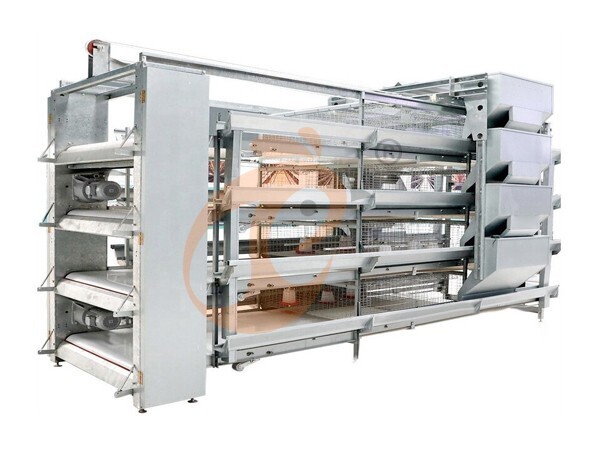
5. Our 24 hour online reception What’sApp NO. is +86 18830120193. >30,000 Broilers Semi-Automatic Harvest H Type Battery Cage1. More than 30,000 broilers a house, choose it.
2. It is designed to rearing 1 to 45 day old adult broiler ready for market.
3. Its lifespan is more than 20 years.
4. Our 24 hour online reception What’sApp NO. is +8618830120193, +234 8111199996. >30,000 Broilers Manual Harvest H Type Battery Cage1. More than 30,000 broilers a house, choose it.
2. It is designed to rearing 1 to 45 day old adult broiler ready for market.
3. Its lifespan is more than 20 years.
4. Its structure are Vcloud artificial intelligent fusion, electric control cabinet, automatic equipment of drinking, feeding and manure clean, manual harvesting.
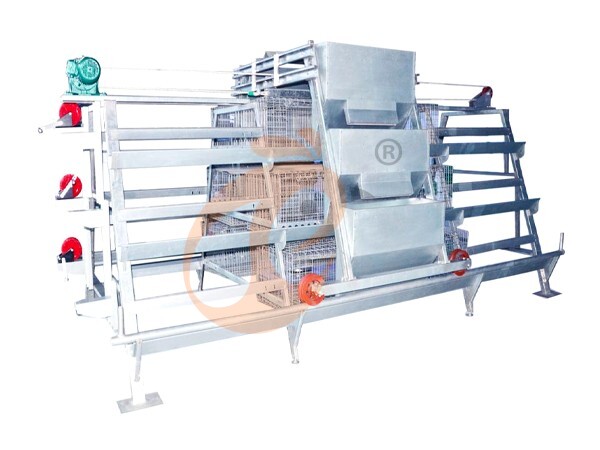
5. Our 24 hour online reception What’sApp NO. is +8618830120193, +234 8111199996. <30,000 Broilers Manual Harvest A Type Battery Cage1. Less 30,000 broilers a house, choose it.
2. It is designed to rearing 1 to 45 day old adult broiler ready for market.
3. Its lifespan is more than 20 years.
4. Its structure are Vcloud artificial intelligent fusion, electric control cabinet, automatic equipment of drinking, feeding and manure clean, manual harvesting.
5. Our 24 hour online reception What’sApp NO. is +8618830120193, +234 8111199996. HK Headquarter Offers EU-standard Poultry Farm Solutions, Manufacture Poultry Farm Equipment1. Continuous communication with the EU and the US
2. China, Nigeria, Ethiopia, Tanzania branch companies and factories
3. The products’ quality is customized for local poultry farms
4. Poultry cage and poultry farm equipment stock for sale
5. 24 online reception Whatsapp NO. : +8618830120193,contact us to get full information China Branch Offer Poultry Farm Business Plan, Manufacture Poultry Farm Equipment1. Address: Flat/RM 2416, 24/F, Runxing Building, Youyi Nan Street, Shijiazhuang City, Hebei Province, China
2. Poultry cage and poultry farm equipment factory and stock for sale
3. Customized for local poultry farms
4. Quality and design are based on Euro
5. 24 online reception Whatsapp NO. : +8618830120193 Nigeria Branch Offer Poultry Farm Business Plan, Manufacture Poultry Farm Equipment1. Address: After Sinoma Office, 200 Meters Near Danco Filling Station, Lagos/Ibadan Expressway, Lagos State, Nigeria
2. Poultry cage and poultry farm equipment factory and stock for sale
3. Customized for Nigerian poultry farms
4. Quality and design are based on Euro
5. 24 online reception Whatsapp NO. : +8618830120193 Ethiopia Branch Offer Poultry Farm Business Plan, Manufacture Poultry Farm Equipment1. Address: Gelan Gura, Akaki-kaliti Sub City, Addis Ababa, Ethiopia
2. Poultry cage and poultry farm equipment stock for sale
3. Customized for Ethiopian poultry farms
4. Quality and design are based on Euro
5. 24 online reception Whatsapp NO. : +8618830120193, contact us to get price list Tanzania Branch Offer Poultry Farm Business Plan, Manufacture Poultry Farm Equipment1. Address: No.8, Sova Road, Msufini, Mlandizi, Kibaha, Pwani, Tanzania
2. Poultry cage and poultry farm equipment factory and stock for sale
3. Customized for Tanzanian poultry farms
4. Quality and design are based on Euro
5. 24 online reception Whatsapp NO. : +8618830120193


Contact