


Blog
Broiler chicken cage biosecurity strengthens commercial poultry farms through 5 essential protection measures across daily production.
Smart entrance controls combine 3 hygiene checkpoints, footwear disinfection, and personnel access management to reduce contamination risks.
Automated feeding and drinking equipment supports consistent delivery, with 10–15 nipples per linear meter for reliable water access.
Integrated ventilation and manure removal systems improve environmental control, waste handling, and cleaning efficiency throughout 42-day broiler cycles.
Practical inspection checklists, structured sanitation workflows, and suitable cage configurations help farmers protect flock health, streamline operations, and build productive poultry houses.
Get professional poultry farm construction guidance, equipment selection solutions, and the latest price lists, whatsApp to +8618830120193, click to learn more:
Introduction: Build A Stronger Biosecurity Barrier
Biosecurity is essential for profitable broiler production, especially in commercial poultry houses operating across multiple production cycles.
A well-designed equipment solution integrates 5 essential protection measures, supports management across 3 critical control zones, and helps farmers
coordinate 4 major operational activities: feeding, drinking, ventilation, and manure removal.
With an appropriately configured broiler cage system, producers can improve workflow consistency, reduce unnecessary manual handling, and establish a more
controllable production environment.
Our equipment solutions are designed around farm capacity, building dimensions, labor availability, and practical sanitation requirements.
Measure One: Control Entry With Dedicated Equipment
Data is for reference only.Swipe horizontally to view full table.
Farm entrances represent an important boundary between external traffic and poultry housing.
A practical entrance package can organize 3 transition points, accommodate 2 footwear categories, provide 4 dedicated storage sections, and support a 5-step visitor procedure.
Positioning equipment according to personnel movement helps workers follow repeatable hygiene practices.
For larger farms, modular access equipment can also simplify expansion without requiring a complete redesign of the entrance area.
Measure Two: Optimize Cage Design For Easy Cleaning
Engineering Key Points
Material Selection: Specify corrosion-resistant galvanized steel with a proposed coating mass of 275 g/m², subject to the manufacturer's actual material documentation.
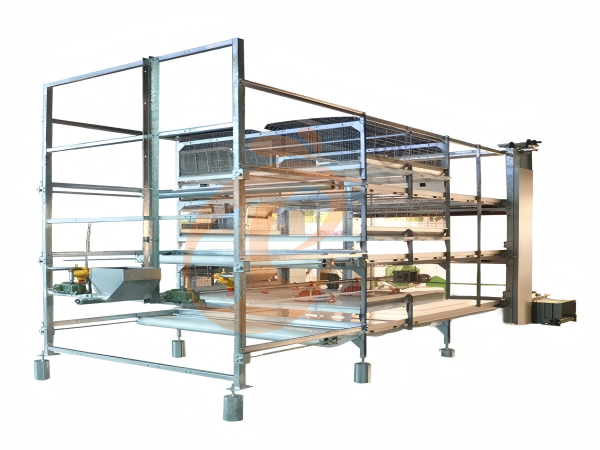
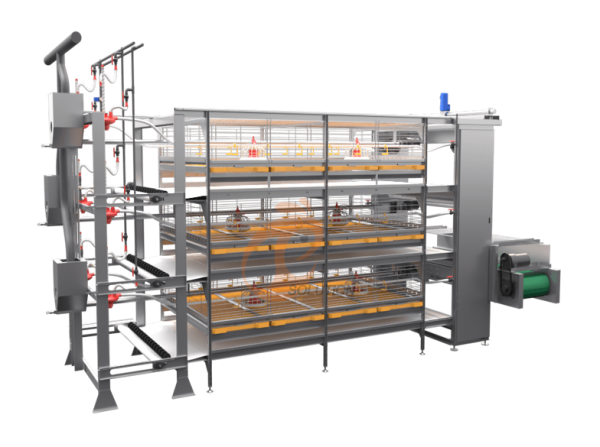
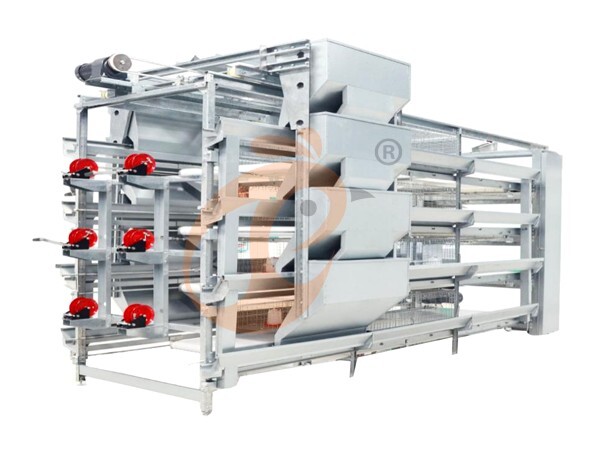
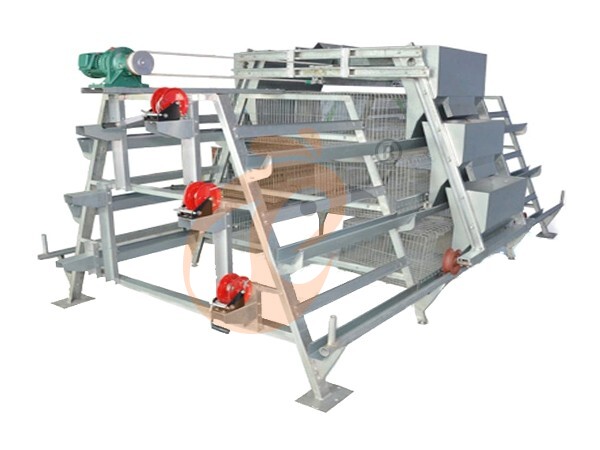
Structural Planning: A-type broiler cages feature a 1.5 × 2.2 m footprint, while H-type systems use a 3.3 × 1.82 m footprint, allowing layout planning according to available poultry-house space.
Maintenance Access: Plan service aisles approximately 0.8–1.0 m wide where appropriate for the equipment layout and applicable requirements.
Installation Accuracy: Use a proposed alignment tolerance of ±5 mm for selected structural installation checks, where permitted by the engineering design.
A cleanable cage system is more than a housing product; it is an important part of the farm's sanitation strategy.
Our modular broiler cage equipment can be configured around 4 design priorities, including structural stability, inspection access, cleaning convenience, and maintenance efficiency.
A properly planned layout helps reduce inaccessible spaces and simplifies routine inspection between flocks.
Final dimensions and material specifications should be confirmed against the farm's design drawings and local regulations.
Measure Three: Maintain Clean Water With Automated Drinking Systems
Data is for reference only.Swipe horizontally to view full table.
Clean drinking water is fundamental to flock management, and automated drinking equipment can simplify daily inspection.
A coordinated water package can incorporate 3 functional stages, including filtration, pressure regulation, and distribution, while allowing 2 monitoring approaches through visual inspection and consumption records.
Proper commissioning should include flushing, leak checks, and verification of line performance.
Farms should select equipment according to water quality, expected demand, and the manufacturer's approved operating limits.
Measure Four: Improve Ventilation And Environmental Control
Biosecurity Tip Card
Control Objective: Maintain suitable temperature, humidity, and air quality throughout the production cycle.
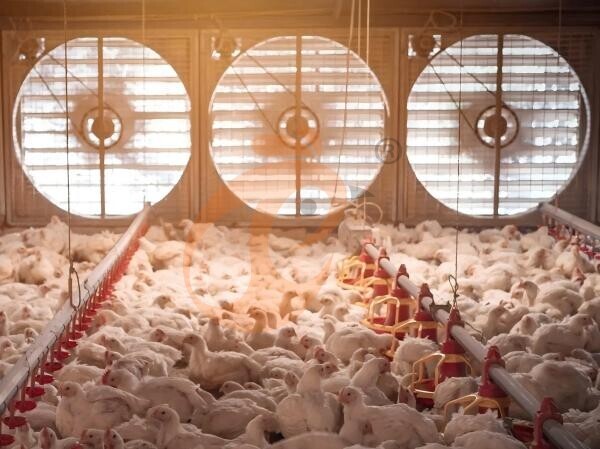
Equipment Selection: Consider 50-inch exhaust fans with manufacturer-verified airflow ratings and compatible variable-speed controls.
Monitoring Strategy: Install environmental sensors at 3 representative house locations to identify differences between zones.
Alarm Configuration: Set 2 alert levels for early warnings and urgent intervention, based on the farm's operating plan.
Maintenance Reminder: Inspect fan belts, shutters, electrical connections, and cooling-water distribution on a documented schedule.
Effective ventilation supports moisture management and helps prevent excessive heat accumulation.
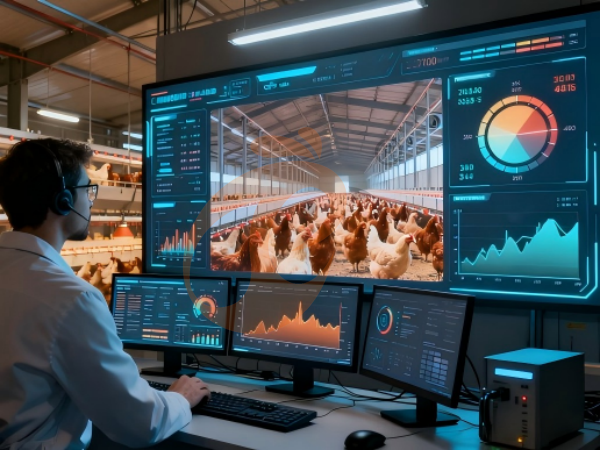
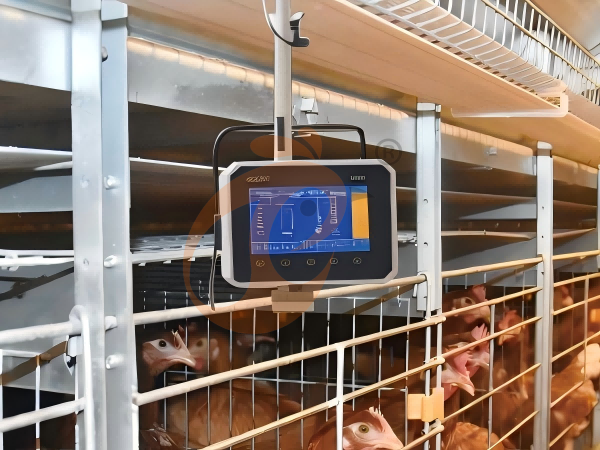
Automated controllers can coordinate 4 environmental functions, including fan staging, inlet operation, cooling activation, and alarm reporting.
Correct sensor placement is important because measurements from only one location may not represent the entire poultry house.
By integrating reliable ventilation equipment with routine inspection, farmers can improve environmental consistency and respond more quickly when operating conditions change.
Measure Five: Automate Manure Removal And Waste Handling
Data is for reference only.Swipe horizontally to view full table.
Manure accumulation can increase cleaning demands and complicate house preparation.
An automated removal package can coordinate 3 handling stages: collection beneath cages, transfer toward the designated outlet, and movement to a managed storage area.
A suitable configuration may support 2 scheduled removal periods per day, depending on flock conditions, system capacity, and farm policy.
Routine checks should cover belt tracking, drive components, transfer points, and waste-storage arrangements.
Automation improves workflow, but it does not replace thorough cleaning and disinfection between production cycles.
Build An Effective Cleaning Workflow
Recommended Process Structure
Stage 1 — Preparation: Complete 4 preliminary checks covering personnel safety, electrical isolation, equipment condition, and waste-removal readiness.
Stage 2 — Dry Cleaning: Remove visible organic matter from 5 principal surfaces, including cage components, floors, feeders, drinker supports, and accessible ledges.
Stage 3 — Washing: Use suitable cleaning equipment and follow a controlled sequence across 3 work zones, avoiding unnecessary cross-contamination.
Stage 4 — Disinfection: Apply an approved product for its specified contact period, with 100% coverage of designated target surfaces as the operational objective.
Stage 5 — Verification: Complete 6 inspection categories, including cleanliness, water lines, feed equipment, cage structures, ventilation components, and sanitation records.
Stage 6 — Restocking Preparation: Confirm equipment readiness and document 2 final approvals, covering sanitation completion and operational safety.
A standardized cleaning sequence helps prevent missed areas and makes staff responsibilities easier to verify.
Our equipment layouts can be planned to provide practical access to cleaning points and service components.
Farms should follow disinfectant labels, veterinary recommendations, and applicable worker-safety procedures.
Cleaning performance must be verified rather than assumed from equipment operation alone.
Equipment Combination Recommendation: Create An Integrated Solution
Data is for reference only.Swipe horizontally to view full table.
Note: Dimensions, tier configurations, and capacity depend on the selected model. Refer to the individual product specification for exact measurements.
Our integrated poultry equipment solutions combine cage systems, automatic feeding, nipple drinking, ventilation, manure removal, and environmental controls into a coordinated production setup.
Farmers can select A-type or H-type configurations according to building dimensions, available installation space, labor requirements, and production objectives.
Our technical team can prepare layout proposals, equipment schedules, and installation recommendations based on actual site conditions.
Staff Management: Turn Equipment Into Daily Protection
Data is for reference only.Swipe horizontally to view full table.
Equipment performance depends on consistent human supervision.
A practical staff program can assign 4 core responsibilities: operation, inspection, cleaning, and recordkeeping.
Managers should establish 2 escalation levels for routine maintenance issues and urgent equipment failures, supported by 3 communication channels such as written logs, control-panel alarms, and supervisor reports.
Clear procedures help employees identify faults early and maintain a reliable record of corrective actions.
Smart Investment: Choose Equipment For Long-Term Performance
Purchasing decisions should consider service life, maintenance requirements, and operating compatibility rather than initial price alone.
During supplier evaluation, compare 4 commercial factors: warranty conditions, spare-parts availability, installation support, and technical response arrangements.
Ask for 3 types of documentation, including product specifications, installation drawings, and maintenance instructions.
Before commissioning, verify 2 acceptance criteria: safe equipment operation and compliance with the approved project design.
These checks help buyers evaluate suppliers systematically and reduce avoidable uncertainty during installation.
Biosecurity Inspection Checklist
Data is for reference only.Swipe horizontally to view full table.
A structured inspection provides a consistent basis for evaluating readiness before a new flock arrives.
Managers can organize checks across 5 operational domains: personnel access, housing hygiene, water delivery, environmental control, and waste handling.
Assigning 1 responsible person per inspection area can clarify accountability, while 2 verification stages—initial inspection and supervisor review—help improve consistency.
These checks support biosecurity management but cannot independently confirm that every pathogen has been eliminated.
Conclusion: Protect Flocks With The Right Equipment
Successful broiler cage biosecurity combines suitable equipment, disciplined procedures, and continuous maintenance.
By integrating housing, feeding, drinking, ventilation, and manure removal, producers can create a more organized and manageable poultry production environment.
Our broiler cage solutions combine housing design with automatic feeding, nipple drinking, ventilation, and manure removal to support integrated poultry production.
Choosing the right cage structure requires careful consideration of building dimensions, operating conditions, maintenance access, and long-term production goals.
Every farm has different requirements, so the most effective solution begins with a technical assessment rather than a standard package selected without site information.
Planning a new poultry house or upgrading an existing farm? Contact our team with your house dimensions, target flock capacity, and local climate conditions.
We can recommend a suitable equipment configuration and prepare a project-specific proposal covering system selection, layout planning, installation, and after-sales support.
Frequently Asked Questions
Q1: How do A-type and H-type broiler cages differ?
A-type and H-type systems differ in structural layout, available configurations, and installation requirements.
The appropriate choice depends on poultry-house dimensions, production targets, and the preferred equipment arrangement.
Q2: Which equipment can be integrated with broiler cages?
Typical integrated equipment includes automatic feeders, nipple drinking lines, ventilation fans, environmental controllers, and manure removal belts.
Compatibility should be confirmed during project design to support coordinated operation and convenient maintenance.
Q3: How can farmers select the right broiler cage system?
Start by evaluating building dimensions, target flock capacity, ventilation requirements, cleaning access, and available labor.
Request a technical layout and model-specific specifications before confirming the final equipment configuration.
Taiyu (HK) Group - One Of China's Largest Broiler Chicken Cage Manufacturer
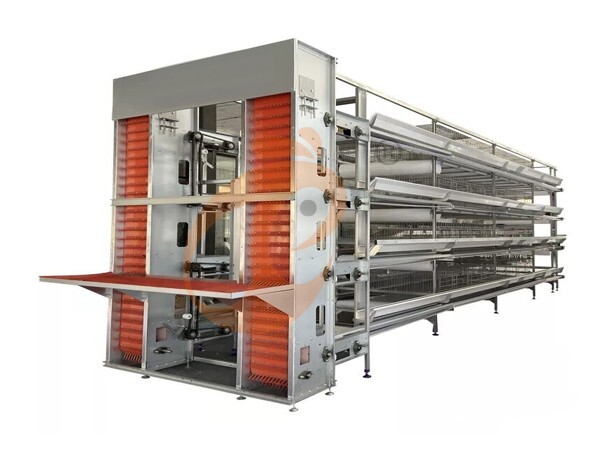
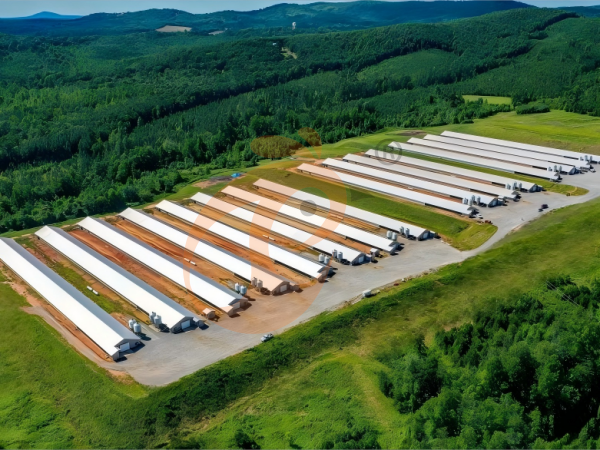
Broiler Chicken Cage Systems: Designed for commercial poultry houses, A-type 3–5-tier and H-type 3-, 4-, 8-, and 12-tier cages support biosecurity planning, with capacities of 96–1,440 birds per set for different farm layouts.
Global Factory-Direct Poultry Equipment: Direct supply covers 5 core categories: broiler cages, automatic feeding, nipple drinking, ventilation, and manure removal, with project quotations and equipment specifications for international poultry farms.
Turn-Key Poultry Engineering: Project services cover 4 stages: site assessment, layout design, equipment installation, and commissioning, based on house dimensions, target capacity, and maintenance access requirements.
Integrated Farm Equipment Configuration: Coordinated systems cover 3 operational areas: feed distribution, environmental control, and waste management, with ventilation, water supply, and manure handling matched to project requirements.
International Delivery And Technical Support: Export services coordinate 4 essentials: equipment documentation, packing schedules, spare-parts planning, and installation guidance for single-house and multi-house poultry projects.
Contact Us To Received Your Customized Poultry Farm Plan
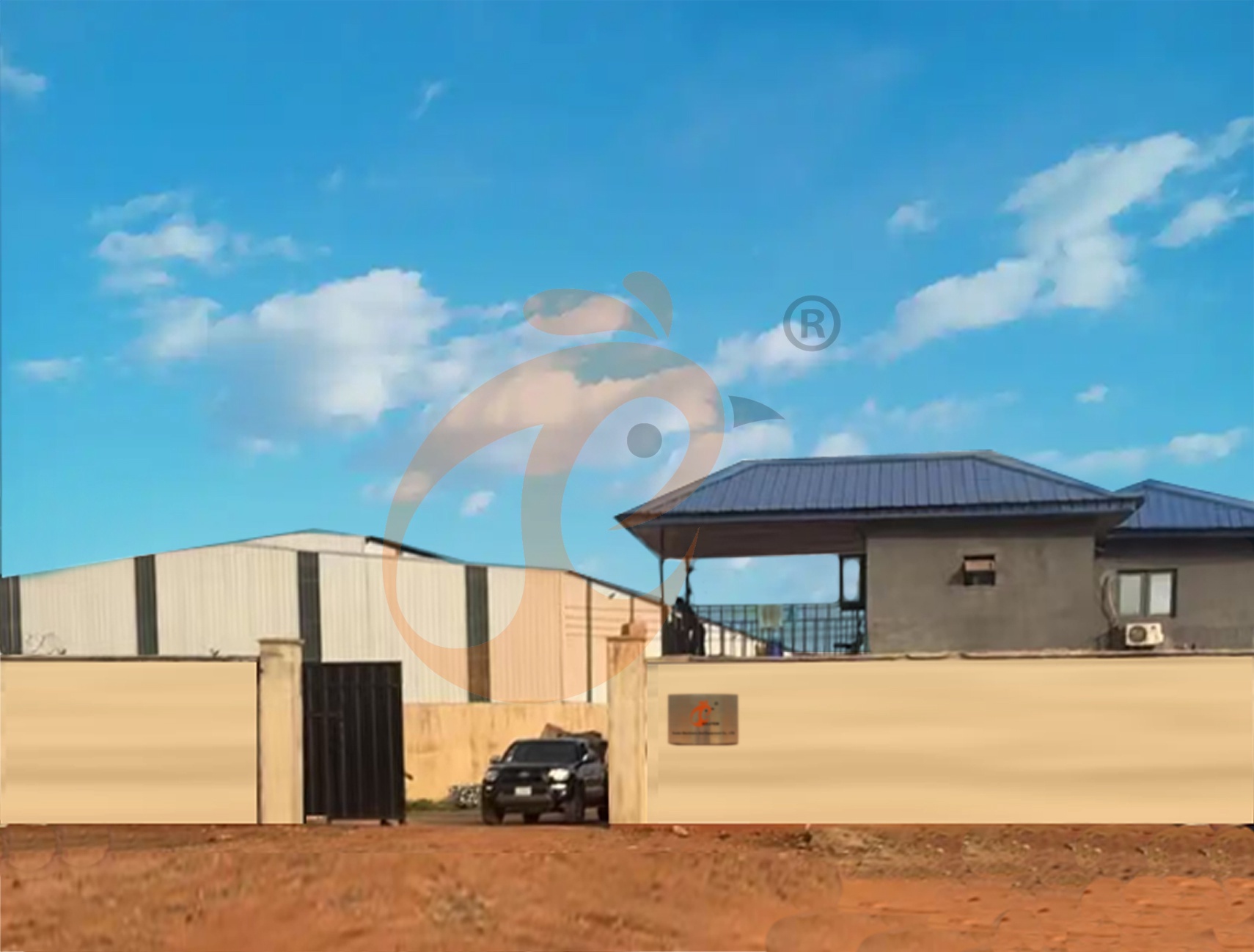
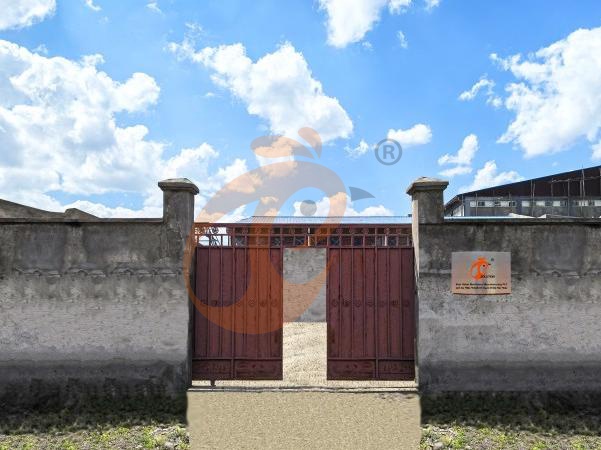
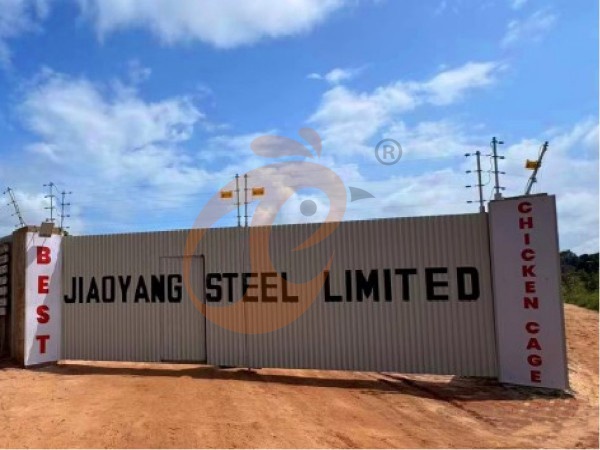
Headquarters And Branchs

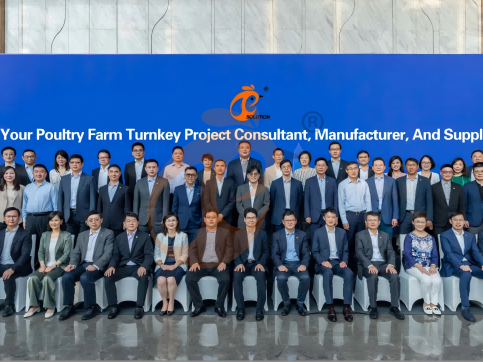
Hong Kong Headquarter Management Team
Hong Kong Headquarter Taiyu Industrial Group CO., LTD
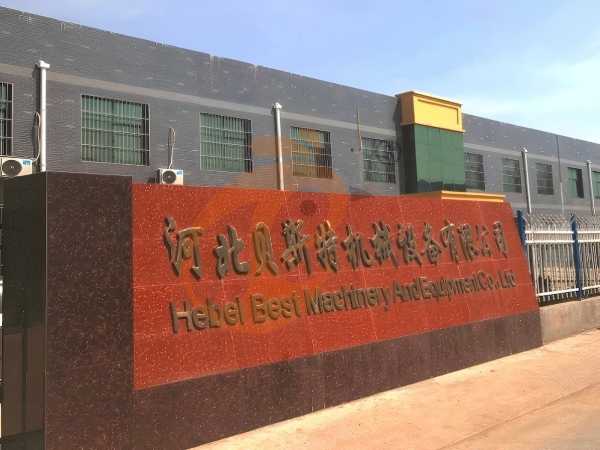
China Hebei Best Machinery And Equipment CO., LTD
Nigeria Vanke Machinery And Equipment CO., LTD
Tanzania Best Machinery And Equipment CO., LTD
Ethiopia Best Hebei Machinery Manufacturing PLC




Reception /24 WhatsApp NO. : +8618830120193
FAQ
- poultry farm
- chicken cage
- poultry farms
- broiler cage
- poultry house
- cage
- poultry farm construction
- broiler cage system
- chicken cage manufacturer
- chicken cage system
- broiler cage equipment
- poultry equipment
- manure removal system
- broiler chicken cage
- broiler cages
- chickencage
- bestchickencage
- cage system
- cage systems
- broiler chicken cage system
- h cage
- Nigeria
- commercial poultry farms
- cage design
- cage manufacturer
- poultry farm plan
- Ethiopia
Message
Products recommended
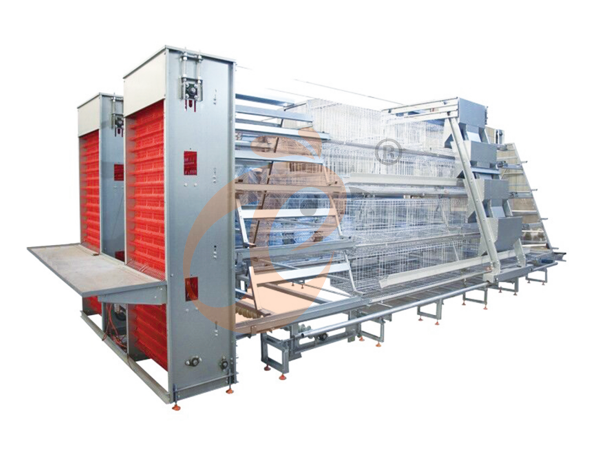
 >30,000 Pullets Automatic H Type Battery Cage1. More than 30,000 pullets a house, choose it.
2. It is designed to rearing older than 1 day old pullets to 12 to 16 weeks old chicken starting laying eggs.
3. Its lifespan is more than 25 years.
4. Its structure are Vcloud artificial intelligent fusion, electric control cabinet, automatic equipment of drinking, feeding, manure clean, manual harvesting.
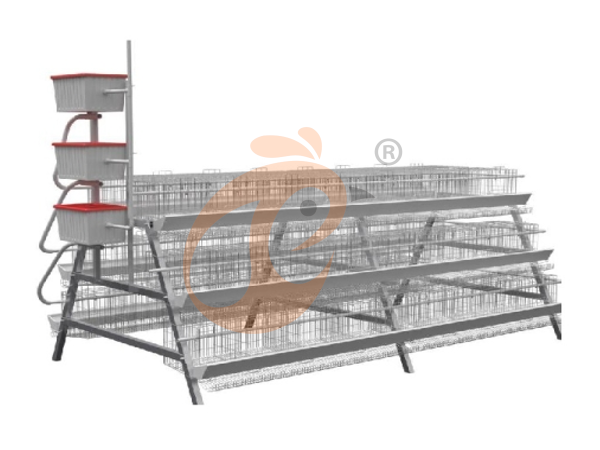
5. Our 24 hour online reception What’sApp NO. is +8618830120193 <30,000 Pullets Automatic A Type Battery Cage1. 10,000 to 30,000 pullets a house, choose it.
2. It is designed to rearing older than 1 day old pullets to 12 to 16 weeks old chicken starting laying eggs.
3. Its lifespan is more than 25 years.
4. Its structure are Vcloud artificial intelligent fusion, electric control cabinet, automatic equipment of drinking, feeding, manure clean, manual harvesting.
5. Our 24 hour online reception What’sApp NO. is +86 18830120193. >30,000 Broilers Semi-Automatic Harvest H Type Battery Cage1. More than 30,000 broilers a house, choose it.
2. It is designed to rearing 1 to 45 day old adult broiler ready for market.
3. Its lifespan is more than 20 years.
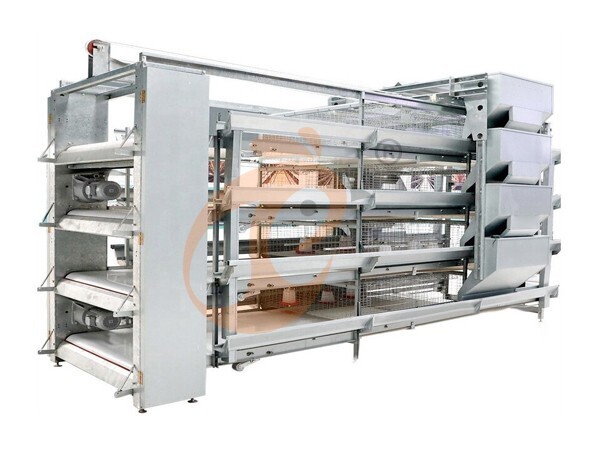
4. Our 24 hour online reception What’sApp NO. is +8618830120193, +234 8111199996. >30,000 Broilers Manual Harvest H Type Battery Cage1. More than 30,000 broilers a house, choose it.
2. It is designed to rearing 1 to 45 day old adult broiler ready for market.
3. Its lifespan is more than 20 years.
4. Its structure are Vcloud artificial intelligent fusion, electric control cabinet, automatic equipment of drinking, feeding and manure clean, manual harvesting.
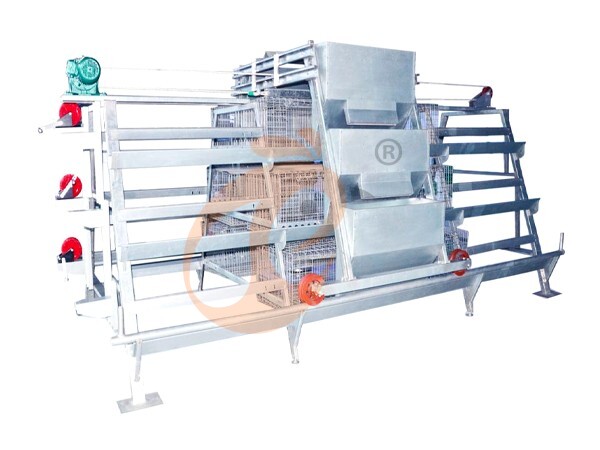
5. Our 24 hour online reception What’sApp NO. is +8618830120193, +234 8111199996. <30,000 Broilers Manual Harvest A Type Battery Cage1. Less 30,000 broilers a house, choose it.
2. It is designed to rearing 1 to 45 day old adult broiler ready for market.
3. Its lifespan is more than 20 years.
4. Its structure are Vcloud artificial intelligent fusion, electric control cabinet, automatic equipment of drinking, feeding and manure clean, manual harvesting.
5. Our 24 hour online reception What’sApp NO. is +8618830120193, +234 8111199996. HK Headquarter Offers EU-standard Poultry Farm Solutions, Manufacture Poultry Farm Equipment1. Continuous communication with the EU and the US
2. China, Nigeria, Ethiopia, Tanzania branch companies and factories
3. The products’ quality is customized for local poultry farms
4. Poultry cage and poultry farm equipment stock for sale
5. 24 online reception Whatsapp NO. : +8618830120193,contact us to get full information China Branch Offer Poultry Farm Business Plan, Manufacture Poultry Farm Equipment1. Address: Flat/RM 2416, 24/F, Runxing Building, Youyi Nan Street, Shijiazhuang City, Hebei Province, China
2. Poultry cage and poultry farm equipment factory and stock for sale
3. Customized for local poultry farms
4. Quality and design are based on Euro
5. 24 online reception Whatsapp NO. : +8618830120193 Nigeria Branch Offer Poultry Farm Business Plan, Manufacture Poultry Farm Equipment1. Address: After Sinoma Office, 200 Meters Near Danco Filling Station, Lagos/Ibadan Expressway, Lagos State, Nigeria
2. Poultry cage and poultry farm equipment factory and stock for sale
3. Customized for Nigerian poultry farms
4. Quality and design are based on Euro
5. 24 online reception Whatsapp NO. : +8618830120193 Ethiopia Branch Offer Poultry Farm Business Plan, Manufacture Poultry Farm Equipment1. Address: Gelan Gura, Akaki-kaliti Sub City, Addis Ababa, Ethiopia
2. Poultry cage and poultry farm equipment stock for sale
3. Customized for Ethiopian poultry farms
4. Quality and design are based on Euro
5. 24 online reception Whatsapp NO. : +8618830120193, contact us to get price list Tanzania Branch Offer Poultry Farm Business Plan, Manufacture Poultry Farm Equipment1. Address: No.8, Sova Road, Msufini, Mlandizi, Kibaha, Pwani, Tanzania
2. Poultry cage and poultry farm equipment factory and stock for sale
3. Customized for Tanzanian poultry farms
4. Quality and design are based on Euro
5. 24 online reception Whatsapp NO. : +8618830120193


Contact