


Blog
Pellet machine technology transforms poultry feed production, delivering consistent pellets for farms processing 500 kg/h during busy production shifts.
Hammer mill equipment reduces grain particle size, supporting balanced feed preparation and more consistent ingredient distribution.
Integrated poultry feed processing lines combine grinding, mixing, conditioning, and pelletizing for streamlined commercial production.
Proper equipment selection improves feed handling, reduces unnecessary waste, and supports efficient operations across 3 production stages.
Compare machine specifications, processing performance, maintenance requirements, and investment priorities before choosing suitable poultry feed equipment.
Get professional poultry farm construction guidance, equipment selection solutions, and the latest price lists, whatsApp to +8618830120193, click to learn more:
Pellet Machine Vs Hammer Mill Comparison
Data is for reference only.Swipe horizontally to view full table.
For poultry farms targeting 500 kg/h, a pellet machine and hammer mill perform complementary roles in feed production.
Hammer mill equipment prepares ingredients, while a poultry feed pellet machine produces finished pellets with controlled dimensions.
Engineering Highlights: How Each Machine Works
Hammer mill engineering relies on impact forces, rotor stability, and screen selection to achieve consistent particle reduction.
A representative system may operate at 2,900 rpm, use 24 hammers, and require manufacturer-approved vibration limits for safe operation.
Pellet machine engineering combines roller pressure, die geometry, and conditioned mash to produce uniform poultry feed pellets.
Correctly configured poultry feed processing equipment balances material flow, temperature, and compression for dependable production.
Performance Comparison: Which Improves Feed Quality Faster?
Data is for reference only.Swipe horizontally to view full table.
A hammer mill improves particle-size consistency, while a pellet machine improves feed shape and handling characteristics.
Poultry feed pellet machine performance depends on formulation, conditioning, cooling, and the selected die configuration.
Technique Card: Faster Feed Quality Improvement
Technique Card For Poultry Equipment Operators
Match grinding fineness to bird age and feeding requirements.
Monitor raw material moisture to reduce blockage and processing instability.
Inspect pellet machine rollers and dies to maintain consistent output.
Sample finished feed throughout production rather than relying on appearance.
Schedule 1 inspection per shift, 2 batch quality checks, and 1 monthly maintenance review.
Properly maintained hammer mill equipment and pelletizing machinery improve production consistency without unnecessary increases in motor speed or power.
Production Flow Structure: From Grain To Finished Feed
A coordinated poultry feed production line connects grinding, mixing, conditioning, pelletizing, cooling, and screening into one workflow.
Step 1 — Raw Material Receiving
Inspect incoming grains and protein ingredients for quality and contamination.
↓
Step 2 — Grinding
Use a hammer mill to achieve the required particle distribution.
↓
Step 3 — Batching And Mixing
Combine ingredients according to the formulated nutritional specification.
↓
Step 4 — Conditioning
Adjust moisture and temperature according to feed formulation requirements.
↓
Step 5 — Pelletizing
Compress prepared mash through the selected pellet machine die.
↓
Step 6 — Cooling And Screening
Remove excess heat and separate unwanted fines.
↓
Step 7 — Packaging And Delivery
Transfer finished poultry feed into suitable bags or bulk handling systems.
A preliminary layout may allocate 12 m for processing, 4 m for maintenance access, and 3 m for operator passage, subject to engineering drawings.
Cost And Efficiency Comparison
Data is for reference only.Swipe horizontally to view full table.
European union standard reference only: Prices are illustrative international budget estimates, not verified quotations or European union-compliant cost schedules.
A poultry feed pellet machine investment should be evaluated against installation expenses, energy consumption, maintenance requirements, and verified hourly output.
Equipment Combination Recommendation
Small poultry farms can combine a hammer mill and feed mixer to prepare mash feed efficiently.
Growing broiler farms benefit from integrating a hammer mill, mixer, pellet machine, and cooler for more complete processing.
Commercial poultry feed factories can integrate batching, conditioning, pelletizing, screening, and conveying equipment into automated production lines.
Before ordering poultry equipment, verify 380 V or 415 V compatibility, 50 Hz or 60 Hz frequency, and available transformer capacity.
Quality Control Comparison
Data is for reference only.Swipe horizontally to view full table.
Hammer mill equipment and pellet machines should be evaluated using representative samples, documented procedures, and measurable acceptance criteria.
Troubleshooting Common Feed Processing Problems
Data is for reference only.Swipe horizontally to view full table.
Poultry feed processing equipment requires systematic troubleshooting to distinguish material problems, mechanical wear, and incorrect operating settings.
Which Machine Should You Choose?
A hammer mill improves ingredient preparation, while a pellet machine transforms prepared mash into convenient, consistent pellets.
For commercial poultry operations, integrated poultry feed processing equipment supports better coordination across grinding, mixing, conditioning, pelletizing, and cooling.
Compare 3 production scenarios, 2 operating cost estimates, and 1 verified equipment specification sheet before selecting your final configuration.
Choose machinery based on actual feed quality requirements, production capacity, operating conditions, and documented performance rather than advertised speed alone.
Frequently Asked Questions
Q1: Does a pellet machine improve feed quality faster than a hammer mill?
A pellet machine improves physical feed form, while a hammer mill reduces particle size; the faster solution depends on the production bottleneck.
Q2: Can a hammer mill replace a poultry feed pellet machine?
No. A hammer mill grinds ingredients, whereas a pellet machine compresses prepared mash through a die with a typical diameter of 2–6 mm.
Q3: Which equipment combination suits a commercial poultry farm?
A coordinated line combining grinding, mixing, conditioning, pelletizing, and cooling can support continuous production, subject to verified capacity and feed formulation requirements.
Taiyu (HK) Group - One Of China's Largest Pellet Machine Manufacturer
Pellet machine systems support poultry feed production, with representative configurations processing 0.5–10 t/h under suitable operating conditions.
Global factory-direct supply provides poultry equipment solutions, with 3 major process stages coordinated through project-specific engineering.
Turn-key engineering projects integrate grinding, mixing, pelletizing, cooling, and conveying according to local installation requirements.
Technical customization covers 380 V or 415 V electrical systems, 50 Hz or 60 Hz power frequency, and compatible control configurations.
International project support coordinates equipment selection, commissioning documentation, spare parts, and production trials for commercial poultry operations.
Contact Us To Received Your Customized Poultry Farm Plan
Headquarters And Branchs

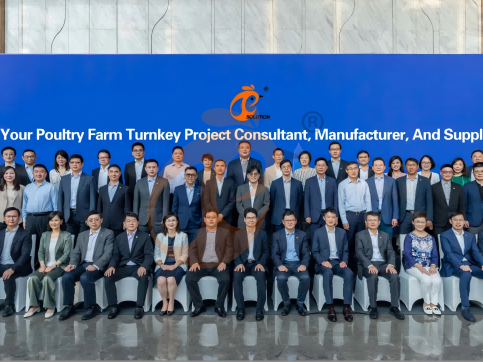
Hong Kong Headquarter Management Team
Hong Kong Headquarter Taiyu Industrial Group CO., LTD
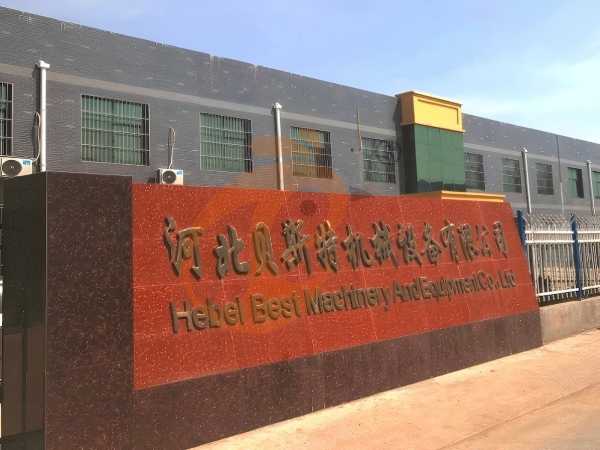
China Hebei Best Machinery And Equipment CO., LTD
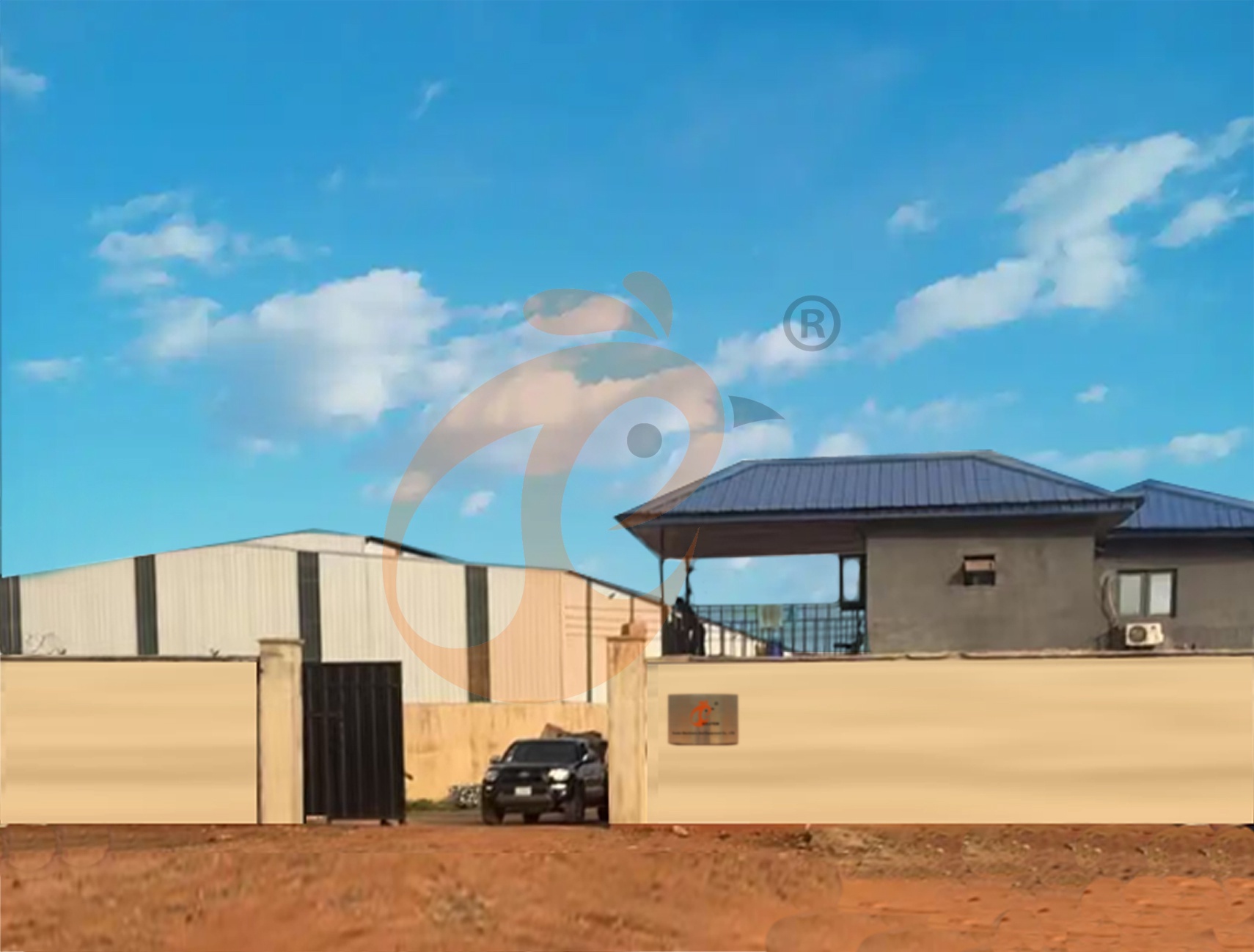
Nigeria Vanke Machinery And Equipment CO., LTD
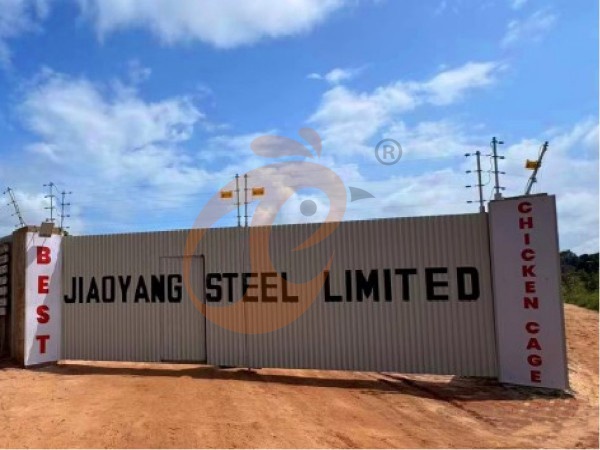
Tanzania Best Machinery And Equipment CO., LTD
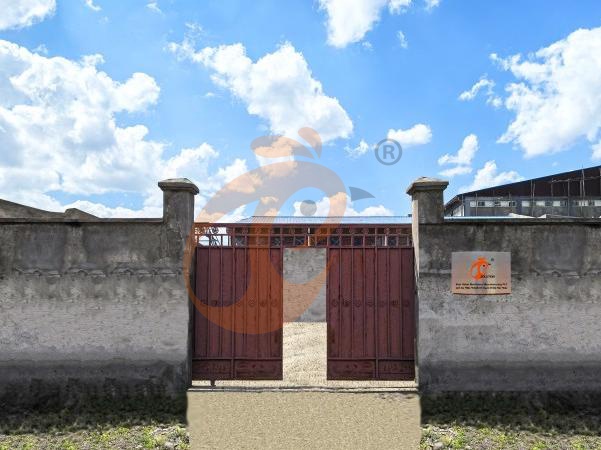
Ethiopia Best Hebei Machinery Manufacturing PLC




Reception /24 WhatsApp NO. : +8618830120193
FAQ
- poultry farm
- poultry farms
- pellet machine
- cage
- poultry farm construction
- poultry equipment
- chickencage
- bestchickencage
- Nigeria
- broiler farm
- small poultry farms
- poultry feed equipment
- pellet machine manufacturer
- poultry feed processing
- poultry feed processing equipment
- poultry farm plan
- small poultry farm
- poultry feed
- poultry feed production
- Ethiopia
Message
Products recommended
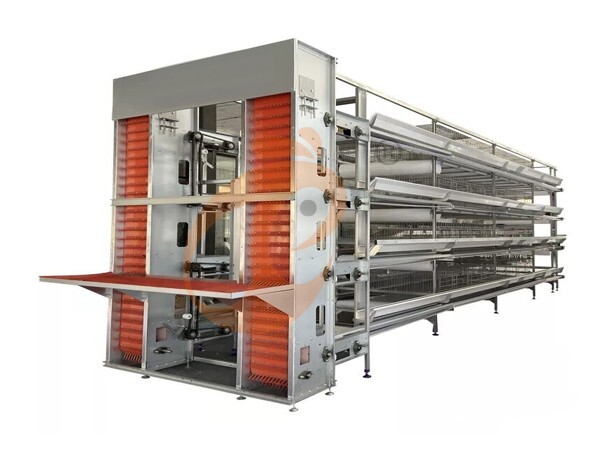
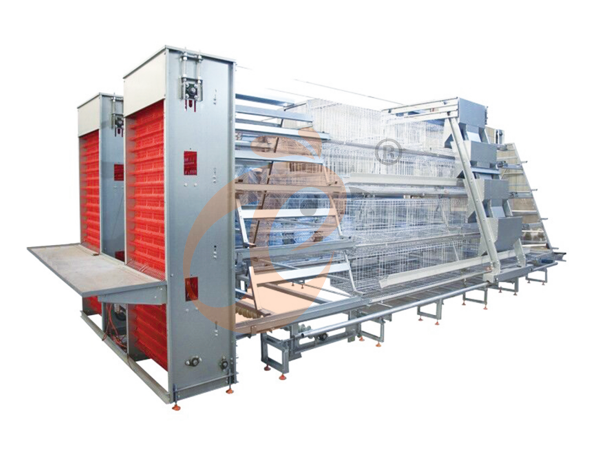
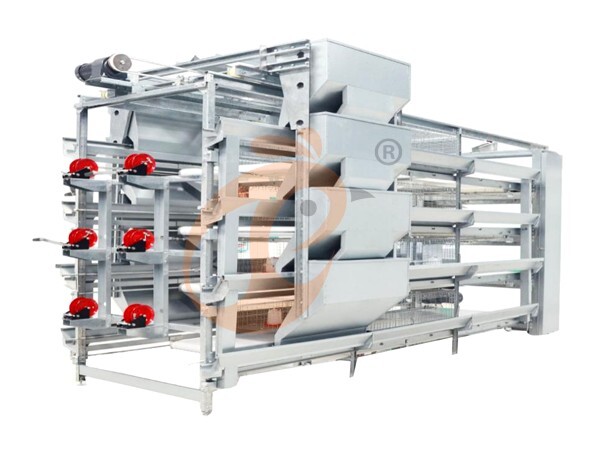
 >30,000 Pullets Automatic H Type Battery Cage1. More than 30,000 pullets a house, choose it.
2. It is designed to rearing older than 1 day old pullets to 12 to 16 weeks old chicken starting laying eggs.
3. Its lifespan is more than 25 years.
4. Its structure are Vcloud artificial intelligent fusion, electric control cabinet, automatic equipment of drinking, feeding, manure clean, manual harvesting.
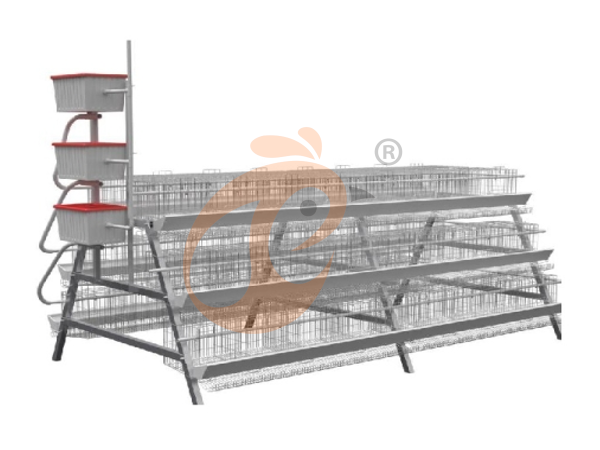
5. Our 24 hour online reception What’sApp NO. is +8618830120193 <30,000 Pullets Automatic A Type Battery Cage1. 10,000 to 30,000 pullets a house, choose it.
2. It is designed to rearing older than 1 day old pullets to 12 to 16 weeks old chicken starting laying eggs.
3. Its lifespan is more than 25 years.
4. Its structure are Vcloud artificial intelligent fusion, electric control cabinet, automatic equipment of drinking, feeding, manure clean, manual harvesting.
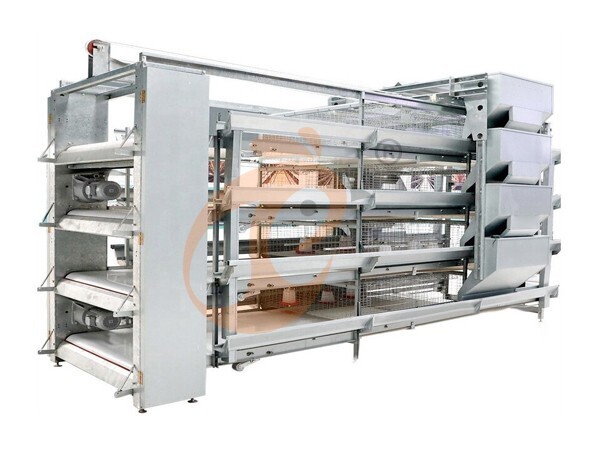
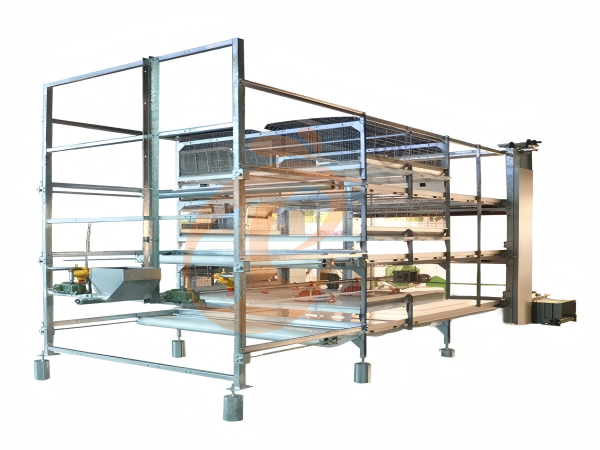
5. Our 24 hour online reception What’sApp NO. is +86 18830120193. >30,000 Broilers Semi-Automatic Harvest H Type Battery Cage1. More than 30,000 broilers a house, choose it.
2. It is designed to rearing 1 to 45 day old adult broiler ready for market.
3. Its lifespan is more than 20 years.
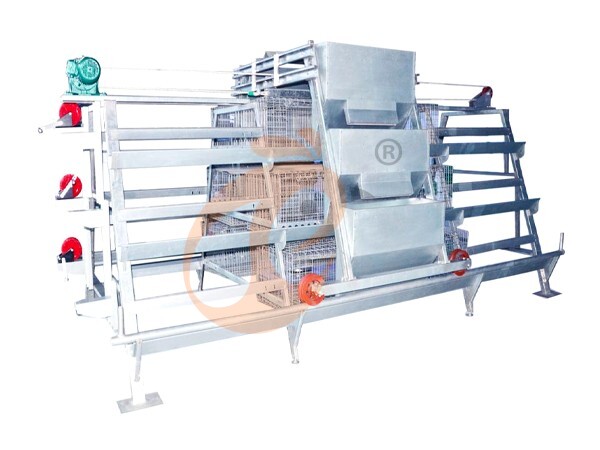
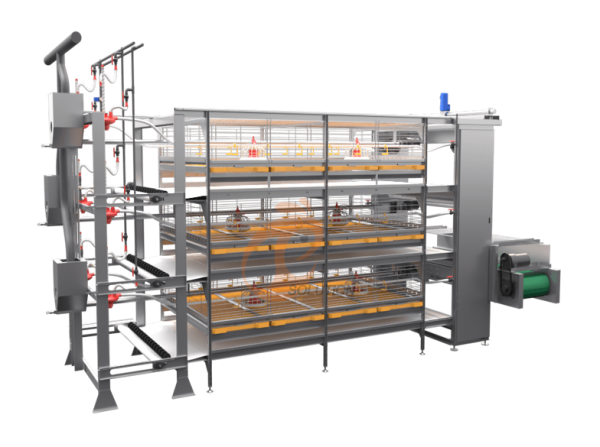
4. Our 24 hour online reception What’sApp NO. is +8618830120193, +234 8111199996. >30,000 Broilers Manual Harvest H Type Battery Cage1. More than 30,000 broilers a house, choose it.
2. It is designed to rearing 1 to 45 day old adult broiler ready for market.
3. Its lifespan is more than 20 years.
4. Its structure are Vcloud artificial intelligent fusion, electric control cabinet, automatic equipment of drinking, feeding and manure clean, manual harvesting.
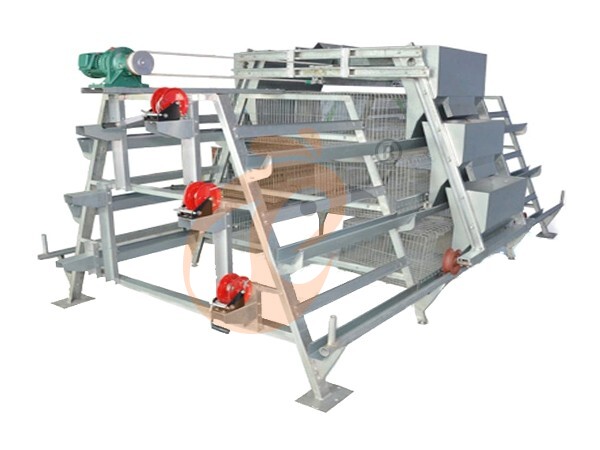
5. Our 24 hour online reception What’sApp NO. is +8618830120193, +234 8111199996. <30,000 Broilers Manual Harvest A Type Battery Cage1. Less 30,000 broilers a house, choose it.
2. It is designed to rearing 1 to 45 day old adult broiler ready for market.
3. Its lifespan is more than 20 years.
4. Its structure are Vcloud artificial intelligent fusion, electric control cabinet, automatic equipment of drinking, feeding and manure clean, manual harvesting.
5. Our 24 hour online reception What’sApp NO. is +8618830120193, +234 8111199996. HK Headquarter Offers EU-standard Poultry Farm Solutions, Manufacture Poultry Farm Equipment1. Continuous communication with the EU and the US
2. China, Nigeria, Ethiopia, Tanzania branch companies and factories
3. The products’ quality is customized for local poultry farms
4. Poultry cage and poultry farm equipment stock for sale
5. 24 online reception Whatsapp NO. : +8618830120193,contact us to get full information China Branch Offer Poultry Farm Business Plan, Manufacture Poultry Farm Equipment1. Address: Flat/RM 2416, 24/F, Runxing Building, Youyi Nan Street, Shijiazhuang City, Hebei Province, China
2. Poultry cage and poultry farm equipment factory and stock for sale
3. Customized for local poultry farms
4. Quality and design are based on Euro
5. 24 online reception Whatsapp NO. : +8618830120193 Nigeria Branch Offer Poultry Farm Business Plan, Manufacture Poultry Farm Equipment1. Address: After Sinoma Office, 200 Meters Near Danco Filling Station, Lagos/Ibadan Expressway, Lagos State, Nigeria
2. Poultry cage and poultry farm equipment factory and stock for sale
3. Customized for Nigerian poultry farms
4. Quality and design are based on Euro
5. 24 online reception Whatsapp NO. : +8618830120193 Ethiopia Branch Offer Poultry Farm Business Plan, Manufacture Poultry Farm Equipment1. Address: Gelan Gura, Akaki-kaliti Sub City, Addis Ababa, Ethiopia
2. Poultry cage and poultry farm equipment stock for sale
3. Customized for Ethiopian poultry farms
4. Quality and design are based on Euro
5. 24 online reception Whatsapp NO. : +8618830120193, contact us to get price list Tanzania Branch Offer Poultry Farm Business Plan, Manufacture Poultry Farm Equipment1. Address: No.8, Sova Road, Msufini, Mlandizi, Kibaha, Pwani, Tanzania
2. Poultry cage and poultry farm equipment factory and stock for sale
3. Customized for Tanzanian poultry farms
4. Quality and design are based on Euro
5. 24 online reception Whatsapp NO. : +8618830120193



Contact