


Blog
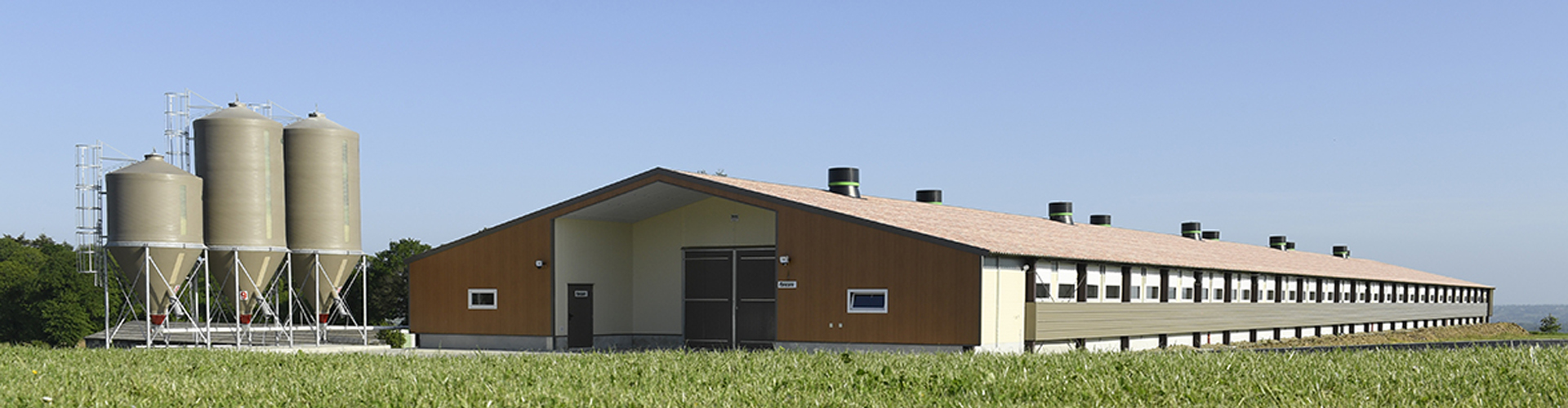
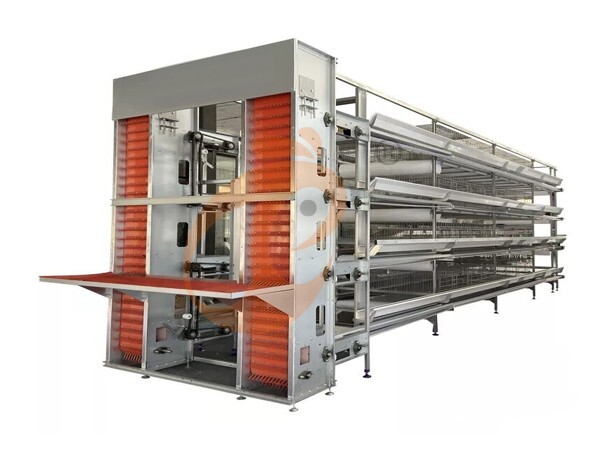
Advanced H type chicken battery cage systems transform a 20,000-bird poultry house into an organized, automated production environment with 4–16 cage tiers.
Automatic poultry feeding systems streamline daily feeding routines, improve feed distribution consistency, and reduce repetitive manual labor.
Automatic egg collection systems simplify egg handling, support quality control, and help minimize unnecessary breakage during collection.
Poultry manure removal systems maintain cleaner housing conditions through scheduled waste removal and coordinated equipment operation.
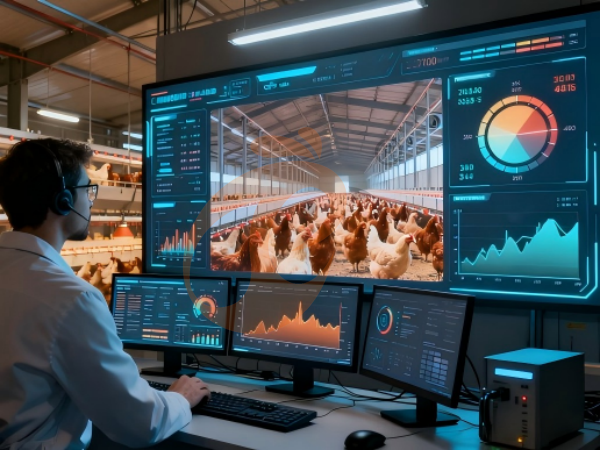
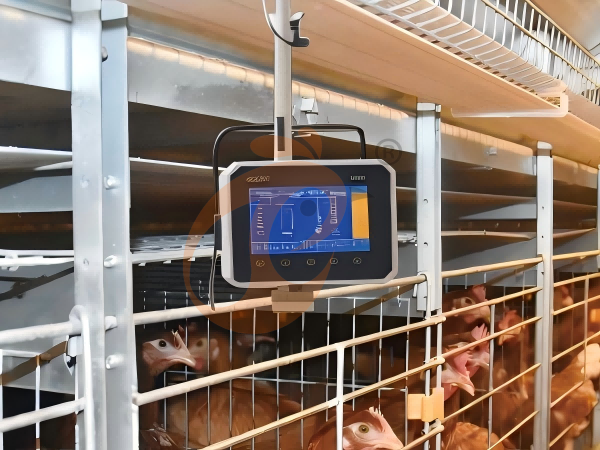
Integrated ventilation, drinking systems, and intelligent controls support flock management, operational efficiency, and scalable poultry production growth.
Get professional poultry farm construction guidance, equipment selection solutions, and the latest price lists, whatsApp to +8618830120193, click to learn more:
Production Challenges And Equipment Solutions
Data is for reference only.Swipe horizontally to view full table.
Advanced H type chicken battery cage systems address commercial poultry production challenges through coordinated equipment and practical engineering.
For farms planning 20,000-bird operations, automatic poultry feeding systems and egg collection conveyors can reduce repetitive handling when correctly configured.
Engineering Highlights: Designed For Large-Scale Operations
Advanced H type chicken battery cage systems combine structural engineering, galvanized steel components, and compatible automation for intensive poultry production.
Engineering Specification Highlights
Structural Materials: Galvanized steel components help resist corrosion under appropriate maintenance conditions.
Load Distribution: Engineering calculations should include bird loads, equipment weight, and dynamic forces.
Equipment Accessibility: Reserve approximately 0.6–1.0 m of service clearance where required by the layout.
Electrical Protection: Provide protection for 100% of identified critical electrical circuits.
Installation Accuracy: Establish alignment tolerances such as ±5 mm for designated installation sections.
Automatic poultry feeding systems and manure removal equipment should be coordinated with structural drawings before installation.
Capacity Planning: Match Equipment To Farm Size
Data is for reference only.Swipe horizontally to view full table.
Advanced H type chicken battery cage systems require capacity planning based on building dimensions, applicable stocking-density regulations, and ventilation performance.
Automatic egg collection systems and poultry manure removal systems should match the selected house layout before equipment orders are finalized.
Smart Automation: Reduce Repetitive Farm Work
Advanced H type chicken battery cage systems support integrated automation across feeding, egg handling, and manure management.
Tip Card: Three Ways To Improve Performance
Tip 1 — Optimize Feeding Schedules
Configure automatic poultry feeding systems around flock requirements, allowing approximately 15–30 minutes per feeding-line pass where supported by the machinery.
Tip 2 — Protect Egg Quality
Set an internal egg-damage target below 1.0%, then adjust conveyor transitions and belt alignment according to commissioning results.
Tip 3 — Standardize Inspections
Inspect critical operating components every 24 hours and increase inspection frequency during commissioning or abnormal operating conditions.
Coordinated poultry equipment can simplify daily supervision while helping operators maintain consistent production records.
Equipment Combination Recommendations
Data is for reference only.Swipe horizontally to view full table.
Advanced H type chicken battery cage systems work best when paired with compatible feeding, drinking, egg collection, and manure removal equipment.
Automatic poultry feeding systems, egg conveyors, and ventilation fans should be selected using verified manufacturer specifications rather than generic estimates.
Workflow Structure: From Installation To Production
Advanced H type chicken battery cage systems require systematic installation, commissioning, and operational training to support reliable farm performance.
Project Implementation Workflow
Stage 1 — Site Assessment: Collect building drawings, utility information, ventilation requirements, and production objectives.
Stage 2 — Engineering Design: Develop equipment layouts, electrical diagrams, material lists, and installation instructions.
Stage 3 — Manufacturing And Inspection: Verify component dimensions, protective finishes, motor specifications, and assembly quality before dispatch.
Stage 4 — Mechanical Installation: Assemble cage rows, install machinery, align conveyors, and verify maintenance access.
Stage 5 — Commissioning: Conduct no-load tests for at least 30 minutes per designated equipment group before approved loaded testing.
Stage 6 — Staff Training: Establish daily inspection records, emergency procedures, and preventive maintenance schedules.
Automatic egg collection systems and poultry manure removal systems should pass functional testing before commercial production begins.
Operational Performance: Monitor The Right Indicators
Data is for reference only.Swipe horizontally to view full table.
Advanced H type chicken battery cage systems provide the physical infrastructure for consistent flock monitoring and operational management.
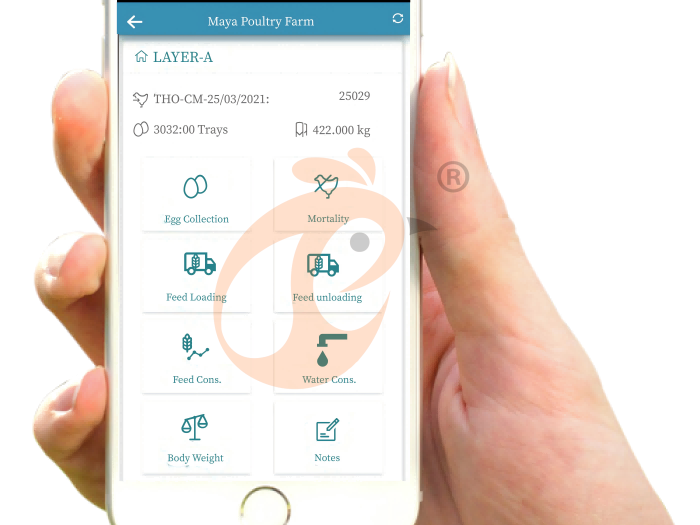
Automatic egg collection systems can help operators investigate damaged eggs, while poultry feeding equipment supports feed-consumption tracking.
Investment Value: Evaluate Total Operating Costs
Data is for reference only.Swipe horizontally to view full table.
Advanced H type chicken battery cage systems should be evaluated through total ownership costs, maintenance requirements, and expected production performance.
For preliminary budgeting, convert supplier quotations into USD and compare equivalent equipment specifications, installation scope, and after-sales coverage.
European union standard reference only: Applicable European requirements must be verified against the destination market and project specifications.
Maintenance Tips: Protect Equipment Reliability
Advanced H type chicken battery cage systems require preventive maintenance to support equipment durability and stable commercial operation.
Practical Maintenance Checklist
Inspect structural connections and corrosion-prone locations every 7 days during routine operation.
Check feeder drive components and lubrication points according to manufacturer recommendations.
Inspect water filters and pressure regulators at least every 7 days, adjusting frequency for local water quality.
Review conveyor tracking and tension during scheduled service inspections.
Check critical motor temperatures against manufacturer limits before continuing operation after abnormal readings.
Test emergency stops and electrical protection devices according to the approved safety schedule.
Maintain a spare-parts inventory with an initial reserve of 1–2 selected high-priority replacement units where appropriate.
Automatic poultry feeding systems and manure removal equipment should receive model-specific maintenance rather than universal service intervals.
Customization And Technical Support
Data is for reference only.Swipe horizontally to view full table.
Advanced H type chicken battery cage systems can be configured for new poultry houses, existing-farm upgrades, and phased capacity expansion.
Our technical team evaluates building drawings, auxiliary equipment compatibility, and installation requirements before preparing a project-specific proposal.
Frequently Asked Questions
Q1: How many tiers can an H type chicken battery cage system have?
Advanced H type chicken battery cage systems can be configured with 4–16 tiers, depending on the model, building height, ventilation design, and applicable welfare requirements.
Q2: Which equipment should be integrated with H type chicken battery cage systems?
Recommended equipment includes automatic feeding machines, nipple drinking systems, egg collection conveyors, manure removal belts, and ventilation systems.
Confirm motor ratings, water flow, and conveyor speeds against actual product specifications.
Q3: How can farmers evaluate the return on investment?
Compare equipment purchase costs, installation expenses, labor requirements, maintenance costs, and production results over a defined financial period.
A 5–10-year model can support planning, but actual payback depends on local costs and farm performance.
Taiyu (HK) Group - One Of China's Largest H Type Chicken Battery Cage Systems Manufacturers
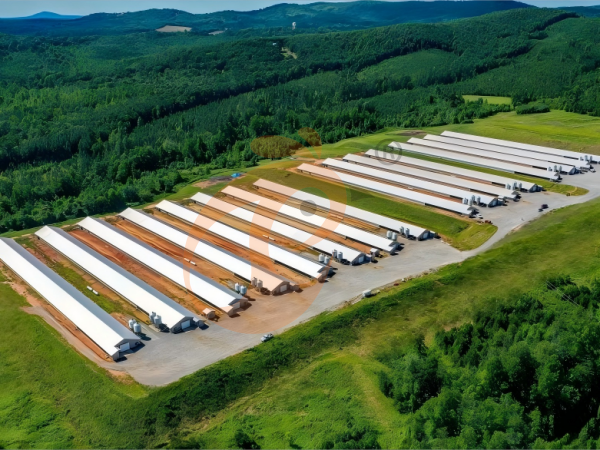
H Type Chicken Battery Cage Systems: Configure commercial housing solutions for projects targeting 10,000–80,000 birds, subject to verified building design and applicable stocking-density requirements.
Global Factory Direct Supply: Coordinate poultry equipment procurement, with project quotations itemizing cage structures, feeding machinery, conveyors, and control systems across 3–5 principal equipment categories.
Turn-Key Engineering: Integrate design, manufacturing, shipment, installation guidance, and commissioning planning through 6 defined project stages.
Poultry Equipment Customization: Assess building dimensions, utility requirements, and automation interfaces using project drawings, equipment schedules, and manufacturer-approved specifications.
Technical Commercial Support: Provide quotations in USD, confirm warranty terms, and coordinate spare-parts planning for international projects serving multiple poultry production markets.
Contact Us To Received Your Customized Poultry Farm Plan
Headquarters And Branchs

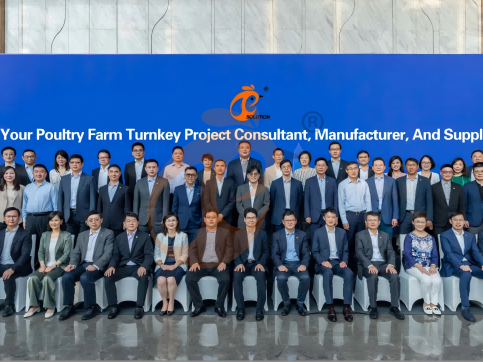
Hong Kong Headquarter Management Team
Hong Kong Headquarter Taiyu Industrial Group CO., LTD
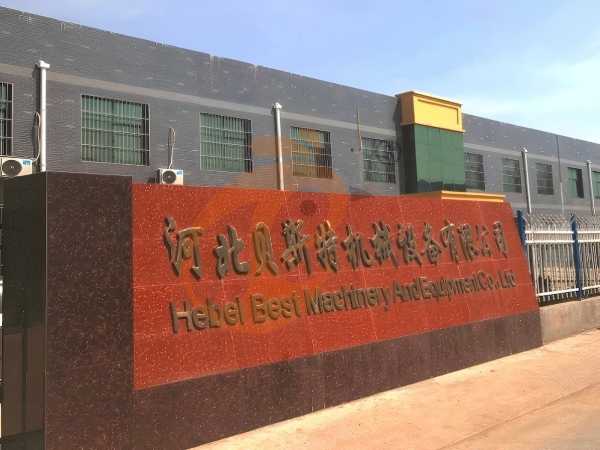
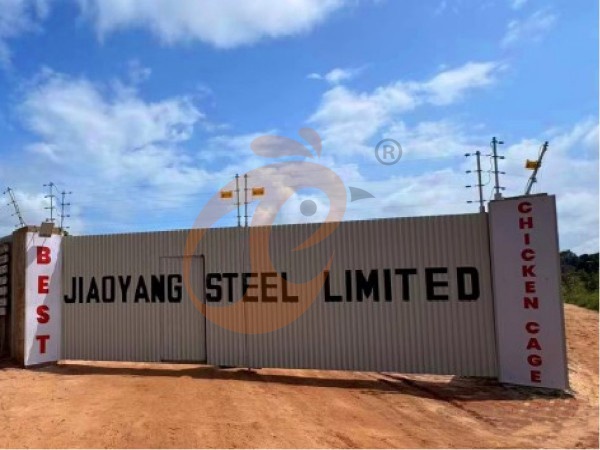
China Hebei Best Machinery And Equipment CO., LTD
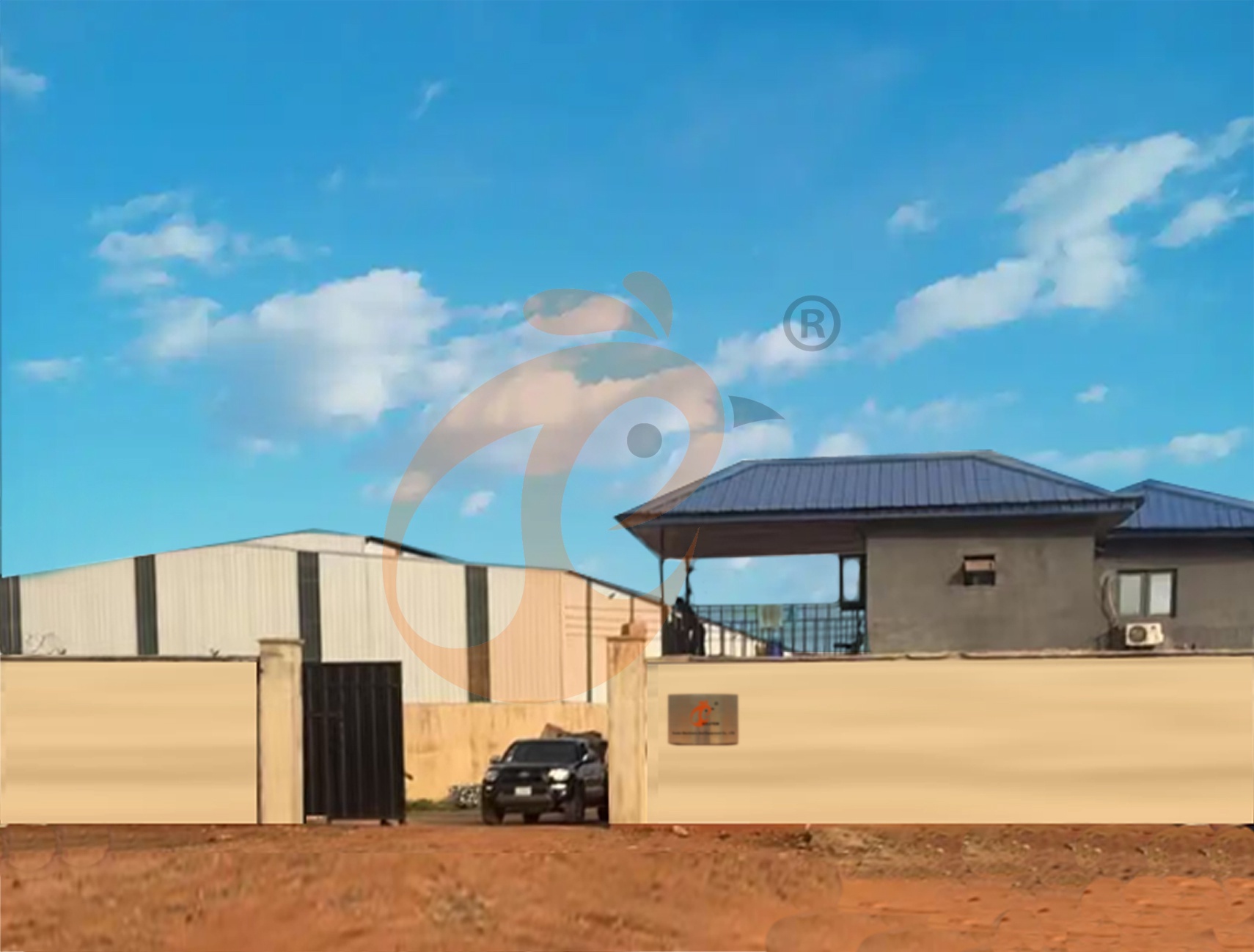
Nigeria Vanke Machinery And Equipment CO., LTD
Tanzania Best Machinery And Equipment CO., LTD
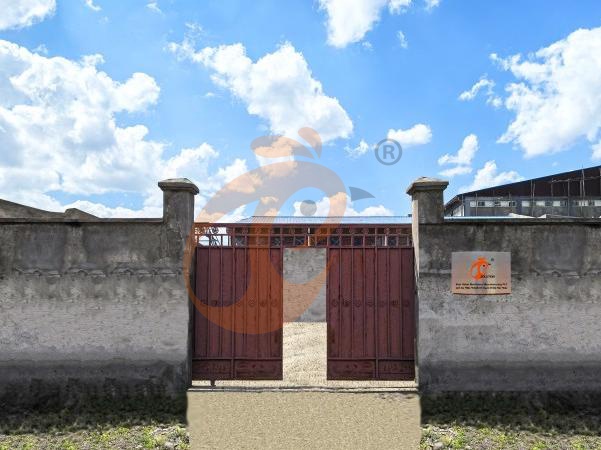
Ethiopia Best Hebei Machinery Manufacturing PLC




Reception /24 WhatsApp NO. : +8618830120193
FAQ
- battery cage
- battery cage system
- poultry farm
- chicken battery cage
- poultry house
- cage
- poultry farm construction
- chicken battery cage system
- poultry feeding system
- poultry feeding equipment
- automatic poultry feeding system
- poultry equipment
- manure removal system
- automatic manure removal system
- poultry manure removal system
- manure removal equipment
- egg collection system
- automatic egg collection system
- chickencage
- h type cage
- chicken battery
- bestchickencage
- cage system
- h type
- cage systems
- Nigeria
- poultry equipment custom
- poultry manure removal
- automatic egg collection
- egg collection conveyor
- poultry farm plan
- poultry feed
- Ethiopia
Message
Products recommended
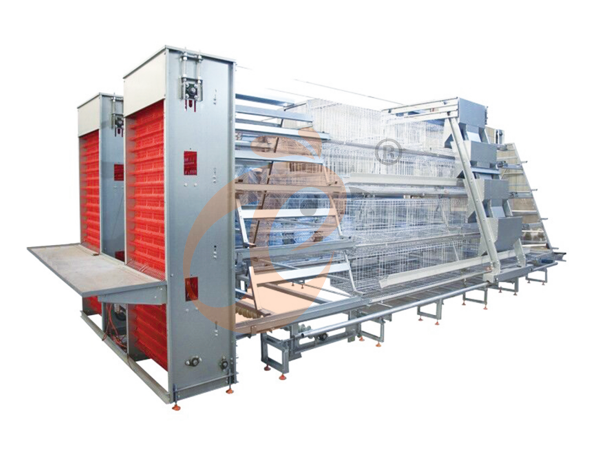
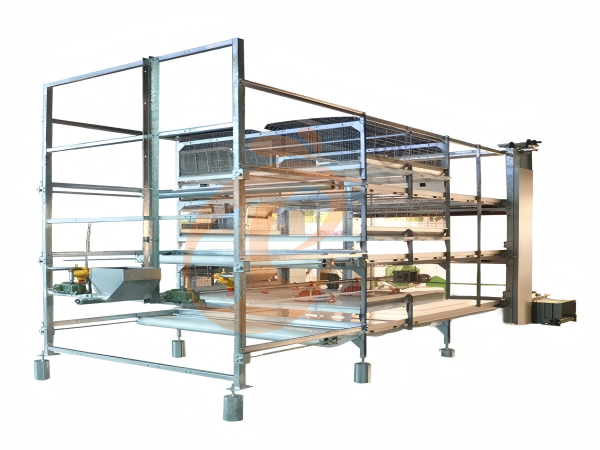
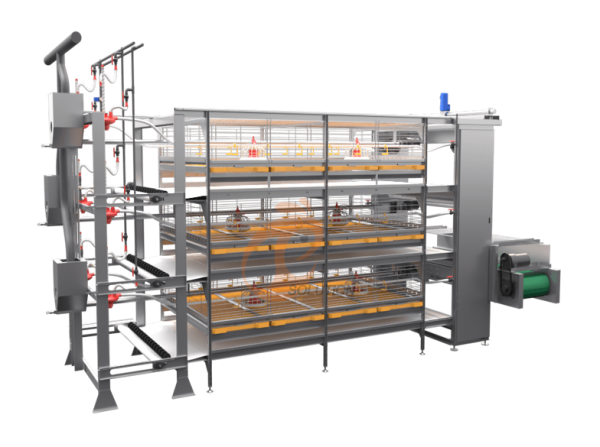
 >30,000 Pullets Automatic H Type Battery Cage1. More than 30,000 pullets a house, choose it.
2. It is designed to rearing older than 1 day old pullets to 12 to 16 weeks old chicken starting laying eggs.
3. Its lifespan is more than 25 years.
4. Its structure are Vcloud artificial intelligent fusion, electric control cabinet, automatic equipment of drinking, feeding, manure clean, manual harvesting.
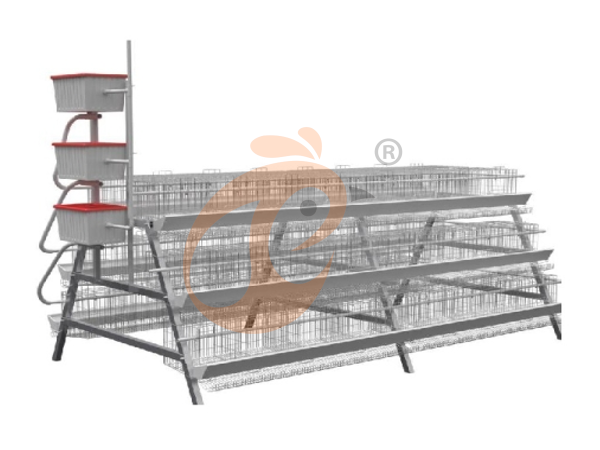
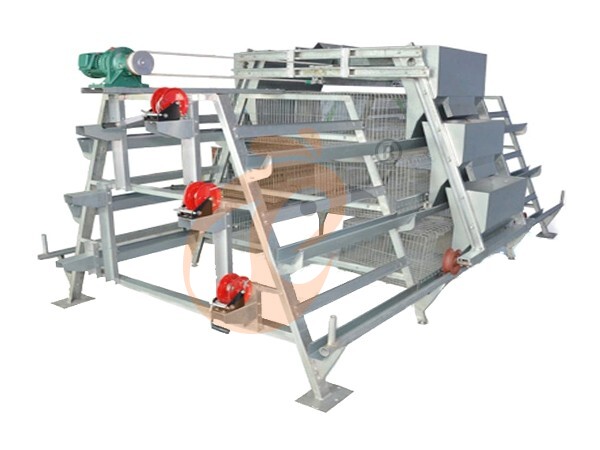
5. Our 24 hour online reception What’sApp NO. is +8618830120193 <30,000 Pullets Automatic A Type Battery Cage1. 10,000 to 30,000 pullets a house, choose it.
2. It is designed to rearing older than 1 day old pullets to 12 to 16 weeks old chicken starting laying eggs.
3. Its lifespan is more than 25 years.
4. Its structure are Vcloud artificial intelligent fusion, electric control cabinet, automatic equipment of drinking, feeding, manure clean, manual harvesting.
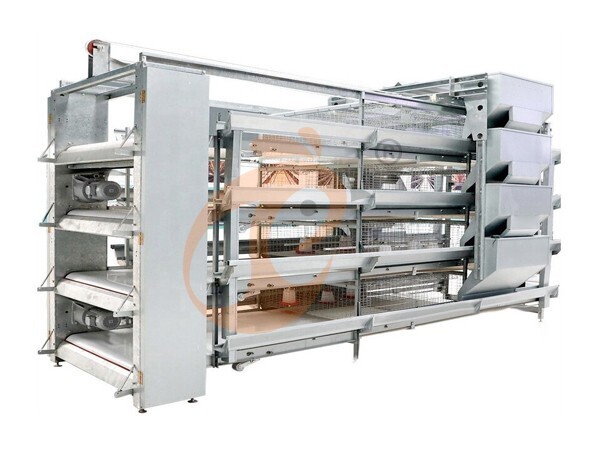
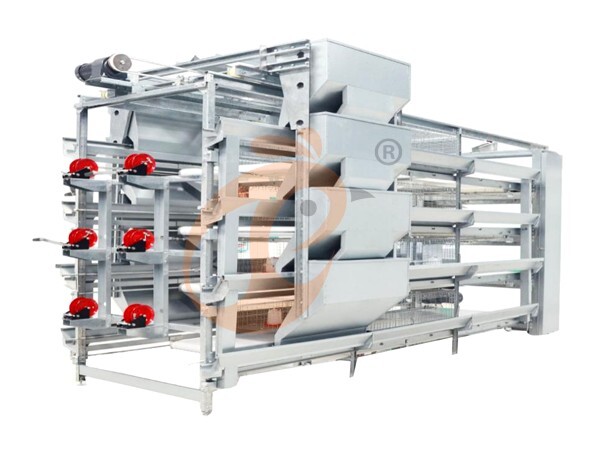
5. Our 24 hour online reception What’sApp NO. is +86 18830120193. >30,000 Broilers Semi-Automatic Harvest H Type Battery Cage1. More than 30,000 broilers a house, choose it.
2. It is designed to rearing 1 to 45 day old adult broiler ready for market.
3. Its lifespan is more than 20 years.
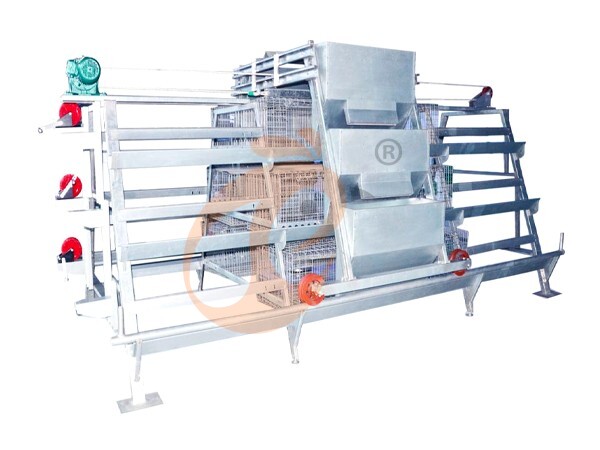
4. Our 24 hour online reception What’sApp NO. is +8618830120193, +234 8111199996. >30,000 Broilers Manual Harvest H Type Battery Cage1. More than 30,000 broilers a house, choose it.
2. It is designed to rearing 1 to 45 day old adult broiler ready for market.
3. Its lifespan is more than 20 years.
4. Its structure are Vcloud artificial intelligent fusion, electric control cabinet, automatic equipment of drinking, feeding and manure clean, manual harvesting.
5. Our 24 hour online reception What’sApp NO. is +8618830120193, +234 8111199996. <30,000 Broilers Manual Harvest A Type Battery Cage1. Less 30,000 broilers a house, choose it.
2. It is designed to rearing 1 to 45 day old adult broiler ready for market.
3. Its lifespan is more than 20 years.
4. Its structure are Vcloud artificial intelligent fusion, electric control cabinet, automatic equipment of drinking, feeding and manure clean, manual harvesting.
5. Our 24 hour online reception What’sApp NO. is +8618830120193, +234 8111199996. HK Headquarter Offers EU-standard Poultry Farm Solutions, Manufacture Poultry Farm Equipment1. Continuous communication with the EU and the US
2. China, Nigeria, Ethiopia, Tanzania branch companies and factories
3. The products’ quality is customized for local poultry farms
4. Poultry cage and poultry farm equipment stock for sale
5. 24 online reception Whatsapp NO. : +8618830120193,contact us to get full information China Branch Offer Poultry Farm Business Plan, Manufacture Poultry Farm Equipment1. Address: Flat/RM 2416, 24/F, Runxing Building, Youyi Nan Street, Shijiazhuang City, Hebei Province, China
2. Poultry cage and poultry farm equipment factory and stock for sale
3. Customized for local poultry farms
4. Quality and design are based on Euro
5. 24 online reception Whatsapp NO. : +8618830120193 Nigeria Branch Offer Poultry Farm Business Plan, Manufacture Poultry Farm Equipment1. Address: After Sinoma Office, 200 Meters Near Danco Filling Station, Lagos/Ibadan Expressway, Lagos State, Nigeria
2. Poultry cage and poultry farm equipment factory and stock for sale
3. Customized for Nigerian poultry farms
4. Quality and design are based on Euro
5. 24 online reception Whatsapp NO. : +8618830120193 Ethiopia Branch Offer Poultry Farm Business Plan, Manufacture Poultry Farm Equipment1. Address: Gelan Gura, Akaki-kaliti Sub City, Addis Ababa, Ethiopia
2. Poultry cage and poultry farm equipment stock for sale
3. Customized for Ethiopian poultry farms
4. Quality and design are based on Euro
5. 24 online reception Whatsapp NO. : +8618830120193, contact us to get price list Tanzania Branch Offer Poultry Farm Business Plan, Manufacture Poultry Farm Equipment1. Address: No.8, Sova Road, Msufini, Mlandizi, Kibaha, Pwani, Tanzania
2. Poultry cage and poultry farm equipment factory and stock for sale
3. Customized for Tanzanian poultry farms
4. Quality and design are based on Euro
5. 24 online reception Whatsapp NO. : +8618830120193


Contact