


Blog
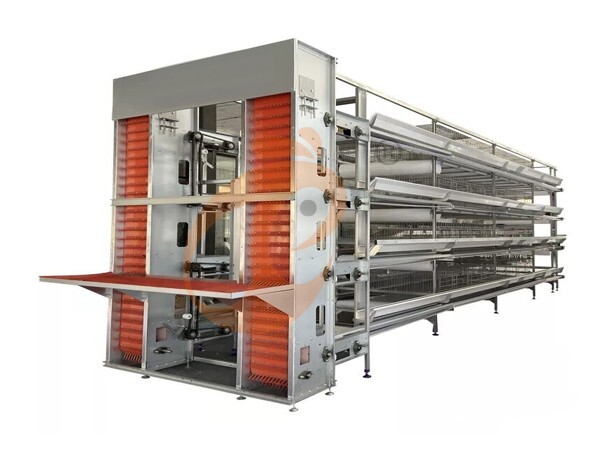
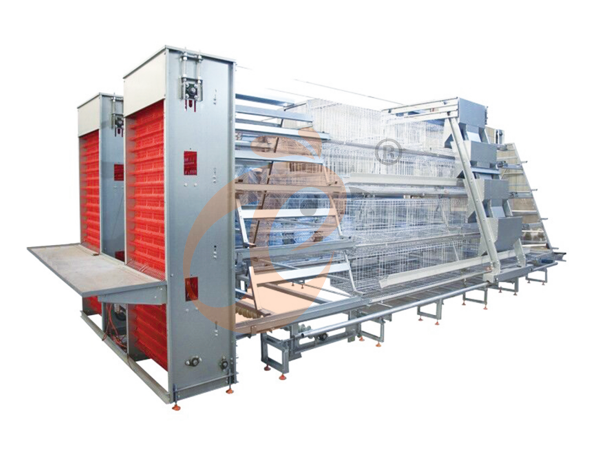
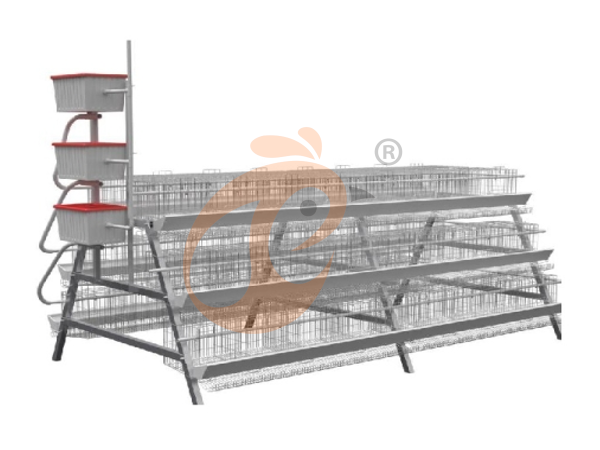
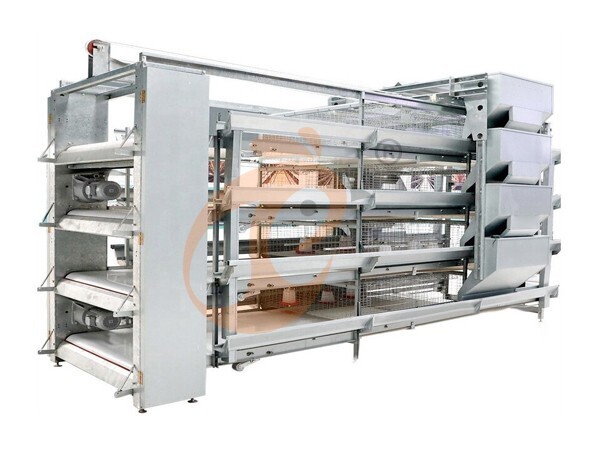
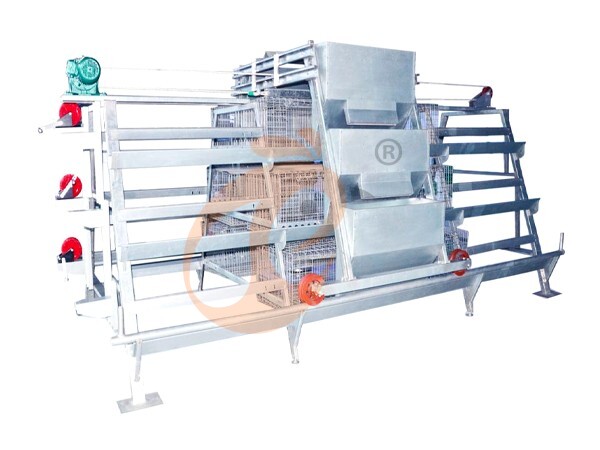
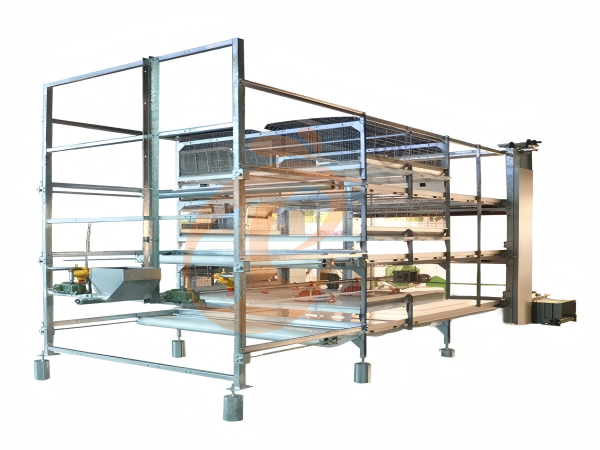
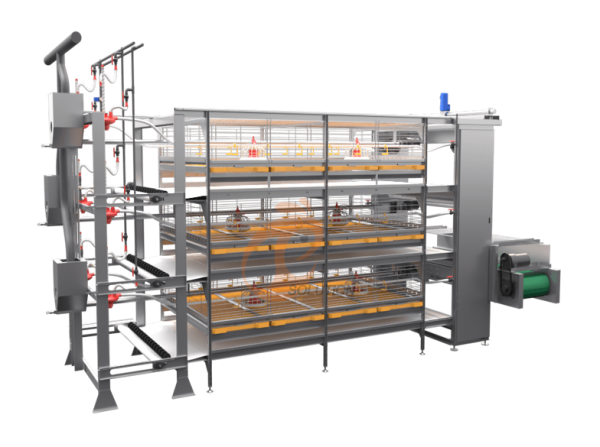
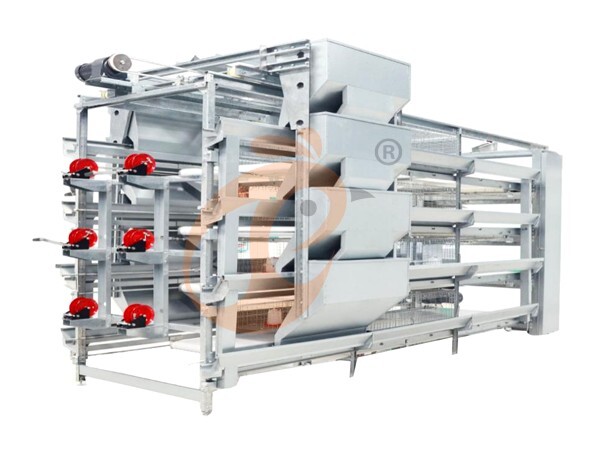
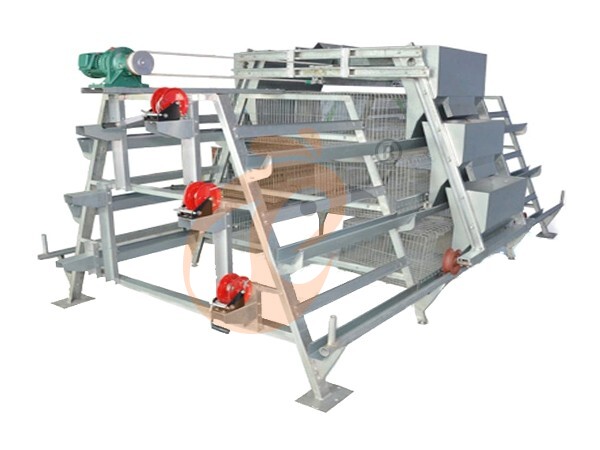
A type battery cage systems accommodate 120, 160, or 200 birds per set across 3-tier, 4-tier, and 5-tier configurations for commercial poultry farms.
Compare 3 cage configurations to balance equipment investment, durability, and installation requirements.
Automatic poultry feeding systems can reduce routine labor when properly configured.
Egg collection equipment and manure removal systems improve workflow coordination.
Evaluate 5-year ownership costs before selecting poultry farming equipment for sustainable operations.
Get professional poultry farm construction guidance, equipment selection solutions, and the latest price lists, whatsApp to +8618830120193, click to learn more:
Why Price Vs. Performance Matters
Choosing an A type battery cage system requires comparing initial investment, operational efficiency, installation requirements, and long-term reliability.
Evaluate 4 purchasing factors, compare 3 equipment configurations, assess 2 operating scenarios, and establish 1 investment objective before ordering.
A suitable poultry farming equipment configuration can improve workflow consistency and support predictable production management.
Comparison One: Initial Investment Vs. Long-Term Value
Data is for reference only.Swipe horizontally to view full table.
A lower purchase price may reduce initial capital requirements, but total investment should include materials, accessories, transport, installation, and maintenance.
Compare 3 supplier quotations, verify 100% of listed components, review 2 alternative configurations, and establish a documented 5-year cost forecast.
Our A type battery cage system configurations support different farm budgets and equipment requirements.
European union standard reference only; illustrative prices are not binding quotations.
Engineering Key Points: What Determines Cage Performance?
A well-engineered A type battery cage system should match building dimensions, production objectives, and operating conditions.
Evaluate 4 structural considerations, inspect 3 connection categories, verify 2 access requirements, and prepare 1 approved installation drawing.
Frame Stability: Check support placement, connection integrity, and resistance to operational loads.
Corrosion Protection: Confirm coating specifications and suitability for local humidity conditions.
Bird Management: Review cage dimensions, bird access, ventilation, and applicable animal-welfare regulations.
Installation Compatibility: Confirm floor conditions, aisle arrangements, and maintenance access.
Serviceability: Ensure workers can reach water lines, feed distribution components, and moving machinery.
A type battery cage systems offer 120, 160, or 200 birds per set, with 418 cm² of space per bird according to the supplied specifications.
Comparison Two: Manual Feeding Vs. Automatic Feeding
Data is for reference only.Swipe horizontally to view full table.
Manual feeding suits some smaller farms, while automatic poultry feeding systems can improve workflow consistency as operating scale increases.
Compare 3 operating shifts, review 2 labor scenarios, calculate 12-month energy expenses, and assess 1 complete maintenance plan.
An A type battery cage system can integrate automatic feeders, distribution lines, and drive assemblies according to farm requirements.
European union standard reference only; actual equipment pricing and performance depend on specifications.
Smart Buyer Tip Card: Calculate The Real Cost Per Bird
Evaluate 4 cost categories, compare 3 supplier quotations, forecast 24 months of operating expenses, and calculate 1 standardized ownership-cost indicator.
Equipment and accessories.
Freight, installation, and commissioning.
Electricity, labor, and preventive maintenance.
Replacement components and technical support.
Cost Per Bird = Total Installed Equipment Cost ÷ Installed Bird Capacity
For example, a poultry equipment project costing $120,000 with an installed capacity of 20,000 birds has an initial equipment cost of $6 per bird.
This calculation excludes recurring expenses unless explicitly included in the project budget.
European union standard reference only; illustrative financial figures are not binding quotations.
Comparison Three: Basic Equipment Vs. Integrated Automation
Data is for reference only.Swipe horizontally to view full table.
Integrated poultry farming equipment can coordinate feeding, drinking, egg handling, and manure removal.
Compare 3 automation levels, verify 4 system interfaces, check 2 backup arrangements, and confirm 1 commissioning procedure.
An A type battery cage system can accommodate additional automation when building dimensions, electrical requirements, and equipment interfaces are properly verified.
European union standard reference only; all figures are illustrative engineering examples.
Process Structure: From Farm Requirements To Equipment Delivery
A structured A type battery cage system purchasing process helps reduce specification errors and unexpected expenses.
Plan 5 procurement stages, collect 3 categories of technical information, approve 2 document sets, and complete 1 final acceptance procedure.
Stage 1 — Define Production Objectives. Establish bird capacity, egg-production targets, and operating priorities.
Stage 2 — Survey The Poultry House. Record building dimensions, access points, utility connections, and usable space.
Stage 3 — Configure The Equipment. Match cage arrangements with feeding, drinking, egg collection, and manure management options.
Stage 4 — Confirm Engineering Details. Review drawings, materials, component quantities, and installation responsibilities.
Stage 5 — Arrange Delivery And Commissioning. Coordinate packaging, shipping, installation support, testing, and operator training.
A complete poultry equipment proposal should identify 100% of agreed components before manufacturing and delivery arrangements are finalized.
Comparison Four: Supplier Price Vs. After-Sales Support
Data is for reference only.Swipe horizontally to view full table.
Supplier support matters because equipment downtime can interrupt farm operations and delay routine production activities.
Compare 3 service commitments, document 2 escalation contacts, confirm 1 written warranty, and prepare 4 essential maintenance records.
A reliable A type battery cage system supplier should clarify spare-part availability, technical documentation, warranty exclusions, and service responsibilities before ordering.
European union standard reference only; service periods are illustrative and must be confirmed contractually.
Equipment Combination Recommendation: Match The Package To Your Farm
Compare 3 farm-development scenarios, allocate 2 budget priorities, assess 4 operational needs, and prepare 1 expansion strategy before selecting poultry farming equipment.
Starter Package: A type battery cage system, nipple drinking lines, and suitable feeding equipment support essential daily operations.
Growth Package: Automatic feeding, centralized water regulation, and planned manure removal support more standardized workflows.
Commercial Package: Integrated egg collection, manure belts, environmental controls, and automated feeding suit appropriately engineered larger facilities.
For example, a 30,000-bird project requires 250 sets of 3-tier cages, 188 sets of 4-tier cages, or 150 sets of 5-tier cages, with final quantities adjusted to the approved layout.
The supplied configurations provide 120, 160, and 200 birds per set, respectively.
Actual installation quantities must account for house dimensions, access aisles, and applicable stocking requirements.
Installation And Operating Performance Checklist
Data is for reference only.Swipe horizontally to view full table.
Successful A type battery cage system installation depends on 5 inspection checkpoints, 3 functional tests, 2 safety reviews, and 1 signed commissioning record.
Qualified personnel should verify equipment against approved drawings and applicable machinery and electrical standards.
A documented poultry equipment commissioning procedure helps identify adjustment issues before routine production begins.
European union standard reference only; final acceptance criteria must follow approved manufacturer specifications.
Return On Investment: Measure What Matters
Data is for reference only.Swipe horizontally to view full table.
An A type battery cage system investment should be evaluated using 3 financial scenarios, 5-year cash-flow projections, and 1 appropriate contingency allowance.
Under the illustrative assumptions, simple payback is approximately 2.35 years, calculated by dividing the additional investment by net annual operating savings.
Actual results depend on local wages, electricity tariffs, equipment utilization, flock management, and maintenance requirements.
European union standard reference only; financial figures are illustrative and do not guarantee returns.
Choose The Right A Type Battery Cage System
A successful A type battery cage system investment balances purchase price, equipment quality, automation, maintenance, and supplier support.
Compare 4 performance factors, verify 3 commercial documents, approve 2 technical reviews, and establish 1 measurable investment target before ordering.
Available configurations include 3-tier, 4-tier, and 5-tier cages, with unit dimensions of 2.2 × 2.4 × 1.85 m, 2.2 × 2.4 × 2.2 m, and 2.2 × 2.4 × 2.8 m, respectively.
Each configuration uses cell dimensions of 43 × 38 × 38 cm, with 30, 40, or 50 cells per set and a capacity of 120, 160, or 200 birds.
Send your poultry house dimensions, target bird capacity, preferred automation level, and destination country to support an accurate equipment configuration and quotation.
Frequently Asked Questions
Q1: How do buyers compare A type battery cage system prices?
Compare 3 quotations using identical cage specifications, installation scope, accessories, and warranty terms.
Q2: Can automatic feeding improve poultry farm efficiency?
Automatic feeding can reduce repetitive labor, but actual savings depend on flock size, labor costs, and equipment utilization.
Q3: Which equipment should be included in a complete poultry project?
A typical project may include cages, nipple drinkers, feeding equipment, egg collection, manure removal, and environmental controls, depending on operational requirements.
The supplied 3-tier, 4-tier, and 5-tier models provide 120, 160, and 200 birds per set, respectively, with 30, 40, and 50 cells per set.
Taiyu (HK) Group - One Of China's Largest A Type Battery Cage System Manufacturers
A Type Battery Cage System: For a 30,000-bird project, 3-tier, 4-tier, and 5-tier configurations provide 120, 160, and 200 birds per set, respectively.
Global Factory Direct Supply: Factory-direct poultry equipment sourcing supports specification reviews, component coordination, and international project procurement.
Turn-Key Engineering: Project planning covers 5 key stages, from layout confirmation through equipment installation and commissioning.
Technical Configuration: Integrated poultry equipment proposals address building dimensions, electrical loads, water supply, and maintenance access.
International Project Coordination: Export documentation, equipment schedules, and installation requirements are coordinated for customers across multiple international markets.
Contact Us To Received Your Customized Poultry Farm Plan
Headquarters And Branchs

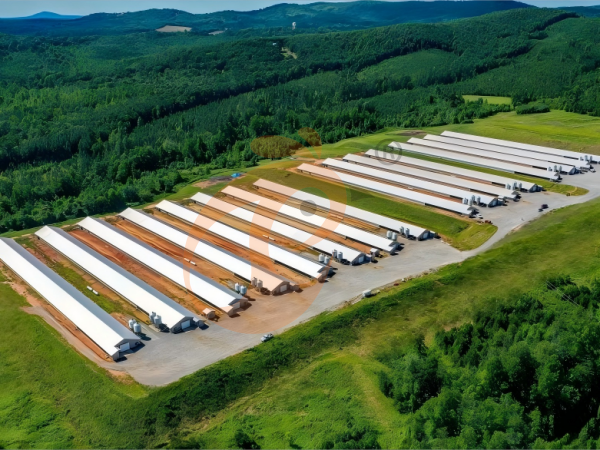
Hong Kong Headquarter Management Team
Hong Kong Headquarter Taiyu Industrial Group CO., LTD
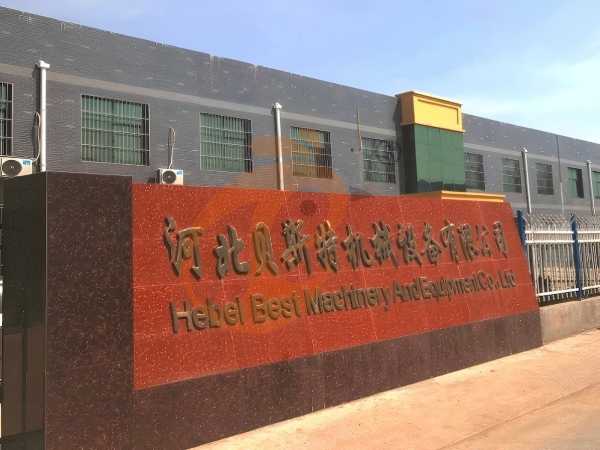
China Hebei Best Machinery And Equipment CO., LTD
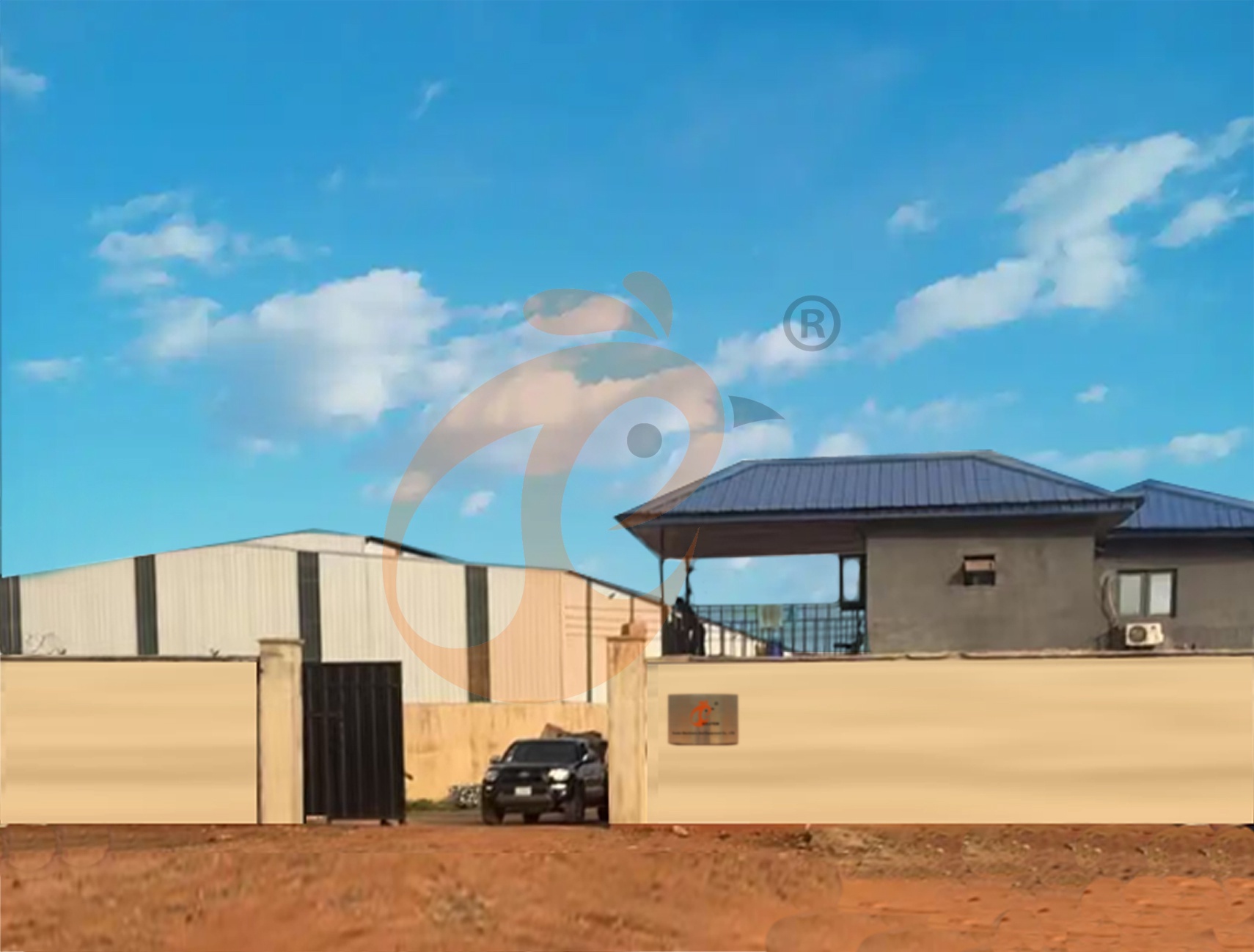
Nigeria Vanke Machinery And Equipment CO., LTD
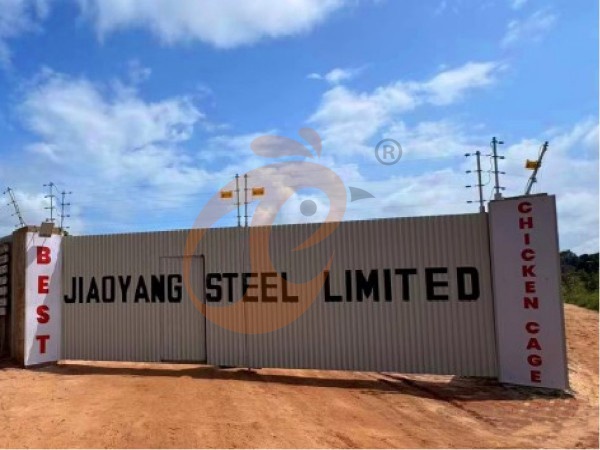
Tanzania Best Machinery And Equipment CO., LTD
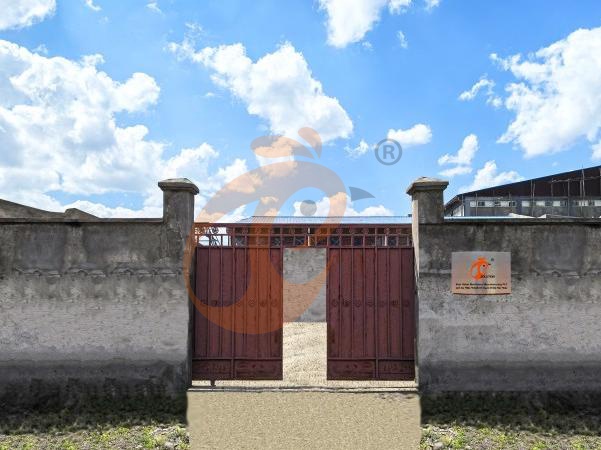
Ethiopia Best Hebei Machinery Manufacturing PLC




Reception /24 WhatsApp NO. : +8618830120193
FAQ
- battery cage
- battery cage system
- poultry farm
- poultry farms
- poultry house
- cage
- poultry farm construction
- poultry farming equipment
- battery cage system manufacturer
- battery cage system supplier
- battery cage system price
- battery cage system installation
- poultry feeding system
- automatic poultry feeding system
- poultry equipment
- manure removal system
- egg collection equipment
- a type battery cage
- chickencage
- bestchickencage
- cage system
- cage systems
- h cage
- Nigeria
- poultry farm efficiency
- commercial poultry farms
- poultry farming
- poultry equipment sourcing
- poultry farm plan
- poultry feed
- Ethiopia
Message
Products recommended
 >30,000 Pullets Automatic H Type Battery Cage1. More than 30,000 pullets a house, choose it.
2. It is designed to rearing older than 1 day old pullets to 12 to 16 weeks old chicken starting laying eggs.
3. Its lifespan is more than 25 years.
4. Its structure are Vcloud artificial intelligent fusion, electric control cabinet, automatic equipment of drinking, feeding, manure clean, manual harvesting.
5. Our 24 hour online reception What’sApp NO. is +8618830120193 <30,000 Pullets Automatic A Type Battery Cage1. 10,000 to 30,000 pullets a house, choose it.
2. It is designed to rearing older than 1 day old pullets to 12 to 16 weeks old chicken starting laying eggs.
3. Its lifespan is more than 25 years.
4. Its structure are Vcloud artificial intelligent fusion, electric control cabinet, automatic equipment of drinking, feeding, manure clean, manual harvesting.
5. Our 24 hour online reception What’sApp NO. is +86 18830120193. >30,000 Broilers Semi-Automatic Harvest H Type Battery Cage1. More than 30,000 broilers a house, choose it.
2. It is designed to rearing 1 to 45 day old adult broiler ready for market.
3. Its lifespan is more than 20 years.
4. Our 24 hour online reception What’sApp NO. is +8618830120193, +234 8111199996. >30,000 Broilers Manual Harvest H Type Battery Cage1. More than 30,000 broilers a house, choose it.
2. It is designed to rearing 1 to 45 day old adult broiler ready for market.
3. Its lifespan is more than 20 years.
4. Its structure are Vcloud artificial intelligent fusion, electric control cabinet, automatic equipment of drinking, feeding and manure clean, manual harvesting.
5. Our 24 hour online reception What’sApp NO. is +8618830120193, +234 8111199996. <30,000 Broilers Manual Harvest A Type Battery Cage1. Less 30,000 broilers a house, choose it.
2. It is designed to rearing 1 to 45 day old adult broiler ready for market.
3. Its lifespan is more than 20 years.
4. Its structure are Vcloud artificial intelligent fusion, electric control cabinet, automatic equipment of drinking, feeding and manure clean, manual harvesting.
5. Our 24 hour online reception What’sApp NO. is +8618830120193, +234 8111199996. HK Headquarter Offers EU-standard Poultry Farm Solutions, Manufacture Poultry Farm Equipment1. Continuous communication with the EU and the US
2. China, Nigeria, Ethiopia, Tanzania branch companies and factories
3. The products’ quality is customized for local poultry farms
4. Poultry cage and poultry farm equipment stock for sale
5. 24 online reception Whatsapp NO. : +8618830120193,contact us to get full information China Branch Offer Poultry Farm Business Plan, Manufacture Poultry Farm Equipment1. Address: Flat/RM 2416, 24/F, Runxing Building, Youyi Nan Street, Shijiazhuang City, Hebei Province, China
2. Poultry cage and poultry farm equipment factory and stock for sale
3. Customized for local poultry farms
4. Quality and design are based on Euro
5. 24 online reception Whatsapp NO. : +8618830120193 Nigeria Branch Offer Poultry Farm Business Plan, Manufacture Poultry Farm Equipment1. Address: After Sinoma Office, 200 Meters Near Danco Filling Station, Lagos/Ibadan Expressway, Lagos State, Nigeria
2. Poultry cage and poultry farm equipment factory and stock for sale
3. Customized for Nigerian poultry farms
4. Quality and design are based on Euro
5. 24 online reception Whatsapp NO. : +8618830120193 Ethiopia Branch Offer Poultry Farm Business Plan, Manufacture Poultry Farm Equipment1. Address: Gelan Gura, Akaki-kaliti Sub City, Addis Ababa, Ethiopia
2. Poultry cage and poultry farm equipment stock for sale
3. Customized for Ethiopian poultry farms
4. Quality and design are based on Euro
5. 24 online reception Whatsapp NO. : +8618830120193, contact us to get price list Tanzania Branch Offer Poultry Farm Business Plan, Manufacture Poultry Farm Equipment1. Address: No.8, Sova Road, Msufini, Mlandizi, Kibaha, Pwani, Tanzania
2. Poultry cage and poultry farm equipment factory and stock for sale
3. Customized for Tanzanian poultry farms
4. Quality and design are based on Euro
5. 24 online reception Whatsapp NO. : +8618830120193


Contact