


Blog
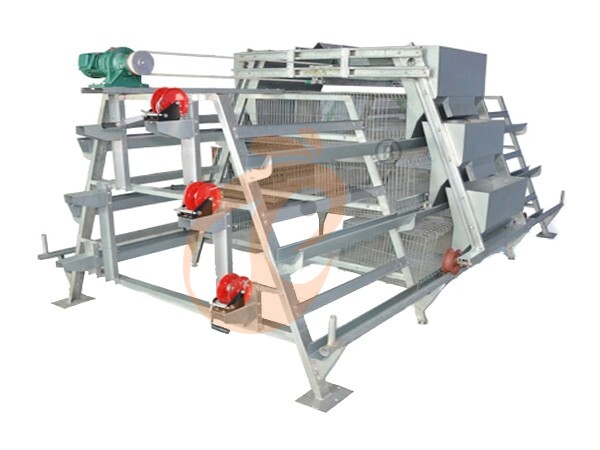
Broiler cage installation integrates structural engineering, poultry environmental control, automated feeding system integration, ventilation balancing technology, and biosecurity infrastructure design for commercial poultry production.
Installation process determines stocking density stability, growth uniformity, ammonia control efficiency, and operational lifecycle durability.
Precision assembly supports multi-tier cage load distribution across reinforced poultry house structures.
Proper calibration ensures feed delivery accuracy, water pressure consistency, and temperature equilibrium across production cycles.
Engineering standards align mechanical construction with biological performance requirements.
Get professional poultry farm construction guidance, equipment selection solutions, and the latest price lists, whatsApp to +8618830120193, click to learn more:
Engineering Overview of Broiler Chicken Cage Installation Workflow
Broiler chicken cage installation follows a sequential engineering logic.
Each stage influences structural stability and biological performance of the flock.
Data is for reference only.Swipe horizontally to view full table.
This engineering sequence ensures mechanical integrity before biological occupancy, reducing system failure probability below 2% when correctly executed.
Multi-tier synchronization improves production consistency across large-scale poultry farming units exceeding 10,000 birds per house.
Structural alignment accuracy remains within 1.5 mm tolerance across full installation length.
Environmental stabilization begins immediately after mechanical completion phase.
Site Selection Based On Environmental Load Capacity
Site selection determines long-term production stability and environmental stress resistance of broiler farming systems.
Data is for reference only.Swipe horizontally to view full table.
Proper site selection reduces ventilation energy consumption by 12%–20% annually due to improved natural airflow corridors.
Drainage efficiency prevents waterlogging depth exceeding 3 cm after heavy rainfall events.
Environmental positioning reduces airborne pathogen transmission radius below 500 m threshold in controlled farm zones.
Modern poultry farming systems increasingly prioritize directional wind mapping for optimized ammonia dispersion.
Structural Foundation And House Engineering
Poultry house structural engineering supports high-density cage systems with significant static and dynamic loading conditions.
Data is for reference only.Swipe horizontally to view full table.
Structural engineering ensures deflection remains below 0.5 mm/m under full operational load conditions.
Reinforced concrete flooring stabilizes vibration frequency under multi-tier cage movement.
Thermal insulation performance reduces internal temperature fluctuation range to within ±2°C during external climate variation cycles.
Steel framework corrosion resistance extends operational lifespan beyond 12 years under controlled maintenance cycles.
Cage System Assembly And Density Configuration
Cage configuration directly determines stocking density efficiency and production output per square meter.
Data is for reference only.Swipe horizontally to view full table.
Stocking density uniformity improves weight variation control within ±6% at harvest stage.
Mechanical leveling precision reduces structural load deviation below 3% across full cage tiers.
Broiler chicken cage installation improves poultry farming automation system integration during assembly phase.
Growth curve synchronization improves due to equalized feed accessibility across all tiers.
Feeding System Calibration And Consumption Control
Feed delivery precision determines feed conversion efficiency and production profitability across broiler cycles.
Data is for reference only.Swipe horizontally to view full table.
Feed system calibration reduces feed wastage volume by up to 8% per production cycle.
Broiler cage installation precision directly affects poultry farming equipment performance stability during peak feeding periods.
Uniform feed distribution stabilizes growth rate variance below 6% across large flock populations.
Mechanical feed transport efficiency maintains continuous supply without interruption exceeding 0.3% downtime per cycle.
Drinking System Pressure And Water Efficiency Control
Water system engineering ensures metabolic balance and digestive efficiency in high-density broiler production environments.
Data is for reference only.Swipe horizontally to view full table.
Water system instability increases early-stage mortality risk up to 7% in poorly calibrated installations.
Pressure balancing ensures equal hydration distribution across all cage levels.
Broiler farming system efficiency improves when water intake ratio stabilizes at 1.6–2.2 times feed intake volume.
Pipeline flushing cycles prevent bacterial biofilm accumulation exceeding 10⁶ CFU/mL contamination threshold.
Ventilation System Airflow Engineering
Ventilation engineering regulates thermal comfort, ammonia concentration, and oxygen exchange efficiency in enclosed poultry systems.
Data is for reference only.Swipe horizontally to view full table.
Ventilation imbalance increases heat stress mortality by up to 6% per production cycle.
Airflow stabilization maintains respiratory efficiency and reduces ammonia-induced tissue irritation.
Poultry cage system performance depends strongly on uniform air circulation across all cage tiers.
Negative pressure ventilation systems improve oxygen exchange rate efficiency by approximately 18%.
Biosecurity System Engineering And Disease Prevention
Biosecurity design integrates chemical disinfection, physical isolation, and operational control protocols.
Data is for reference only.Swipe horizontally to view full table.
Biosecurity system compliance reduces pathogen outbreak probability by up to 80% across production cycles.
Contamination barriers prevent cross-flock disease transmission in high-density poultry environments.
Biosecurity engineering remains essential for poultry cage manufacturer system validation in industrial farming applications.
Disinfection cycle optimization ensures microbial load reduction below 99.9% per sanitation process.
Broiler Growth Mechanism In Cage Systems
Broiler physiological growth depends on metabolic energy allocation between maintenance, movement, and muscle synthesis.
In controlled cage environments, reduced locomotion energy expenditure increases feed conversion efficiency by 12%–18%.
Thermal stability between 20°C and 24°C maintains enzymatic digestion efficiency and reduces cortisol secretion levels.
Oxygen exchange efficiency improves under controlled ventilation, supporting higher ATP production rates in muscle tissue formation.
Feed nutrient absorption efficiency increases when ammonia concentration remains below 20 ppm threshold.
These biological interactions directly influence final slaughter weight consistency and carcass yield ratio across commercial production cycles.
Common Installation Errors And Engineering Deviations
Installation accuracy directly determines system performance stability and long-term production efficiency.
Data is for reference only.Swipe horizontally to view full table.
System deviation reduces flock uniformity index from 0.85 to approximately 0.70 per production cycle.
Structural correction delays increase operational downtime by 3–5 days per installation error incident.
Mechanical precision directly correlates with poultry farming equipment performance stability.
Maintenance Cycle And Operational Stability
Maintenance engineering ensures long-term structural integrity and production efficiency across multiple cycles.
Data is for reference only.Swipe horizontally to view full table.
Preventive maintenance extends cage system lifespan to 10–15 years under industrial poultry farming conditions.
Operational consistency improves feed efficiency ratio stability across consecutive production cycles.
Equipment downtime probability decreases below 3% with structured maintenance scheduling.
Mechanical wear monitoring ensures early detection of structural fatigue points.
Frequently Asked Questions
Q1: What is the optimal stocking density after broiler cage installation?
Stocking density typically ranges from 18–22 birds per m² in fully automated systems.
Proper ventilation and feed calibration maintain mortality below 2% per cycle.
Q2: How does ventilation affect broiler cage system performance?
Ventilation maintains ammonia below 20 ppm and temperature between 20°C–32°C depending on growth stage.
Air exchange rates of 6–10 times per hour stabilize respiratory health and feed efficiency.
Q3: What is the expected lifespan of a properly installed broiler cage system?
Structural lifespan reaches 10–15 years under industrial poultry farming conditions.
Steel integrity remains stable under 500 kg/m² load design capacity.
Taiyu (HK) Group - One Of China Biggest Broiler Chicken Cage Manufacturer
Broiler chicken cage installation system engineered for industrial poultry farming high density production performance.
Factory direct poultry equipment supply supporting global poultry farming automation system deployment projects.
Turn-key poultry engineering solutions covering design installation commissioning and full operational training support systems.
Global manufacturing capability delivering standardized poultry cage structures with long-term durability performance stability.
Industrial poultry cage equipment production supporting commercial broiler farming efficiency optimization and system integration.
Contact Us To Received Your Customized Poultry Farm Plan
Headquarters And Branchs
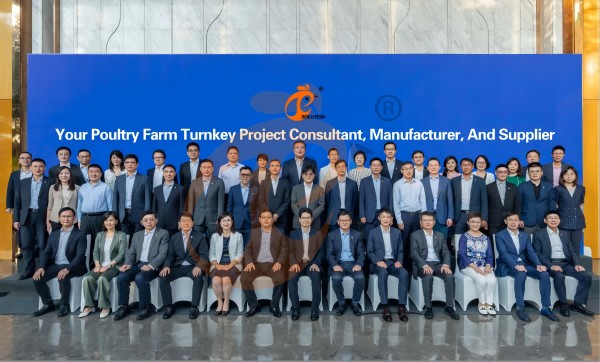
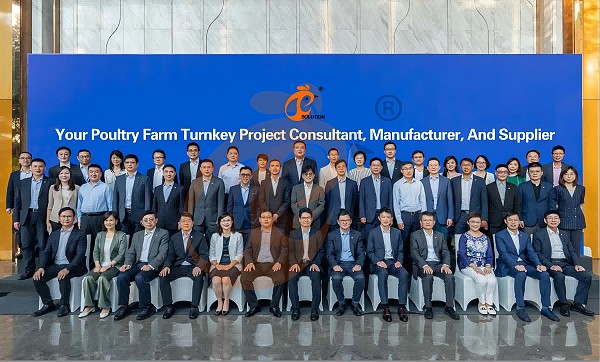
Hong Kong Headquarter Management Team
Hong Kong Headquarter Taiyu Industrial Group CO., LTD
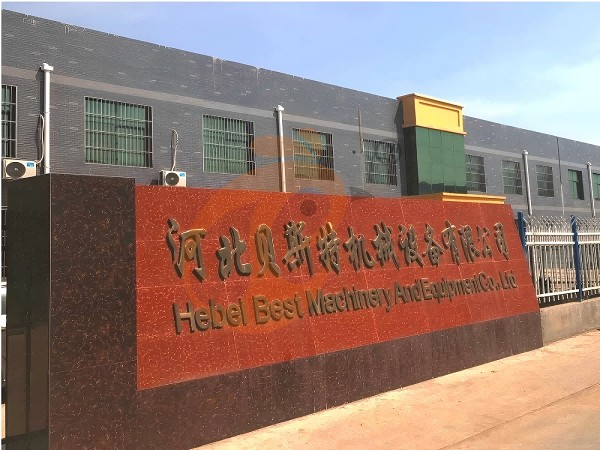
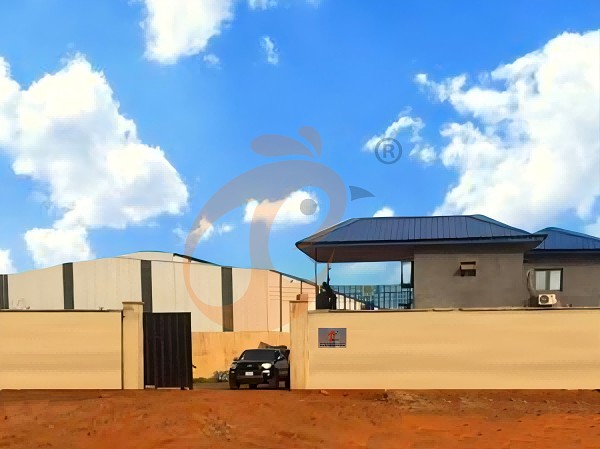
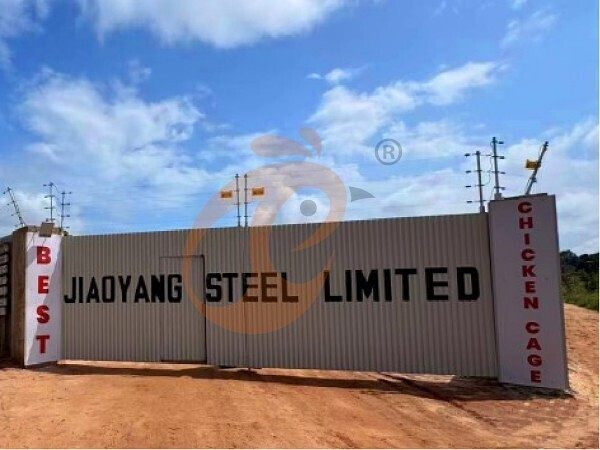
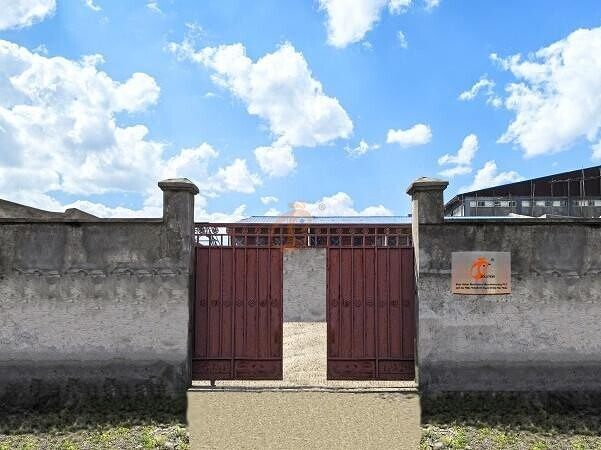
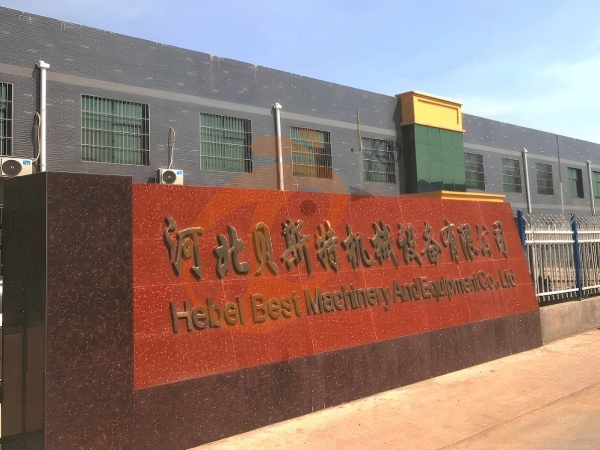
China Hebei Best Machinery And Equipment CO., LTD
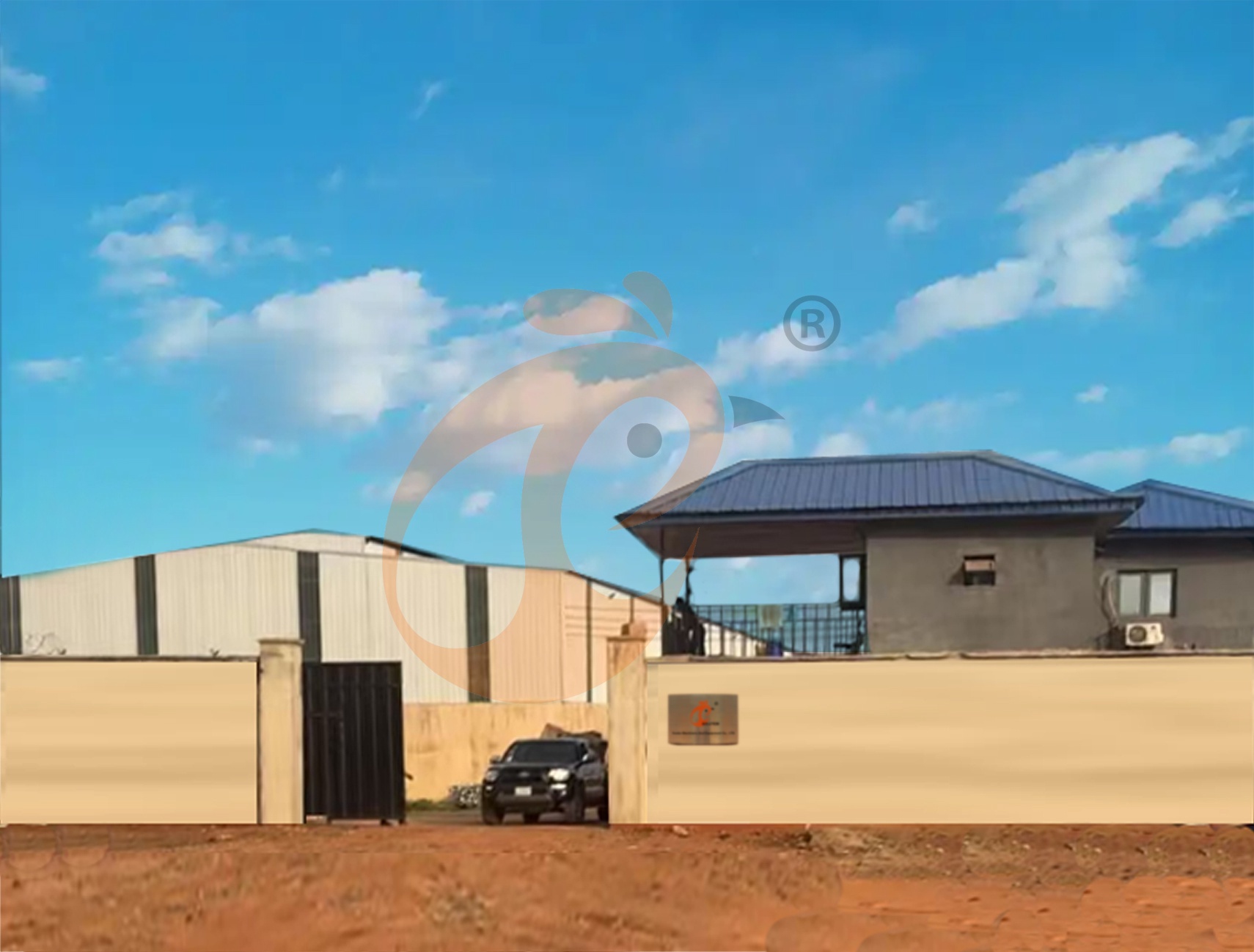
Nigeria Vanke Machinery And Equipment CO., LTD
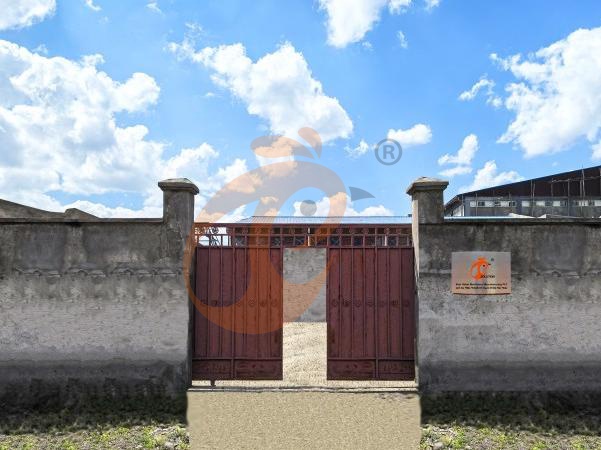
Tanzania Best Machinery And Equipment CO., LTD
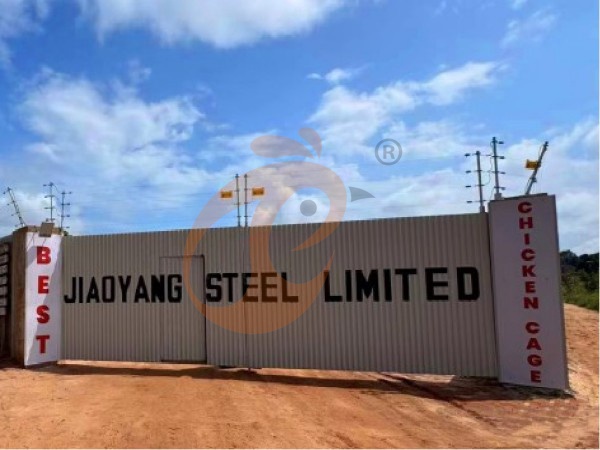
Ethiopia Best Hebei Machinery Manufacturing PLC
Reception /24 WhatsApp NO. : +8618830120193
FAQ
What Feeding System Integration Is Used In Broiler Chicken Cage Systems For Poultry Chicken Farms?
Automatic feeding lines operate at 3–6 kg per meter feed delivery capacity.
Feed distribution cycle time is controlled within 4–6 minutes per full house line.
What Environmental Control Standards Are Required For Broiler Chicken Cage Systems In Poultry Chicken Houses?
Relative humidity is maintained at 50–65% to prevent respiratory stress.
Ammonia concentration is kept below 10 ppm to ensure respiratory health stability.
What Are The Cage Layer Height And Structural Design Standards In Broiler Chicken Cage Systems For Poultry Chicken Production?
Structural load capacity per tier reaches 35–45 kg per square meter for live bird weight support.
Frame inclination angle is maintained at 6–8 degrees to facilitate manure removal efficiency.
- poultry farm
- chicken cage
- broiler cage
- poultry house
- poultry cage
- cage
- poultry farm construction
- poultry cage manufacturer
- poultry cage system
- poultry cage equipment
- broiler cage system
- poultry farming equipment
- poultry cage structure
- broiler cage installation
- poultry equipment
- broiler chicken cage
- chickencage
- bestchickencage
- cage system
- h type
- cage systems
- Nigeria
- broiler farm
- chicken cage installation
- poultry farming
- cage manufacturer
- modern poultry farm
- modern poultry farming
- poultry farm plan
- broiler farming system
- poultry farming system
- Ethiopia
Message
Products recommended
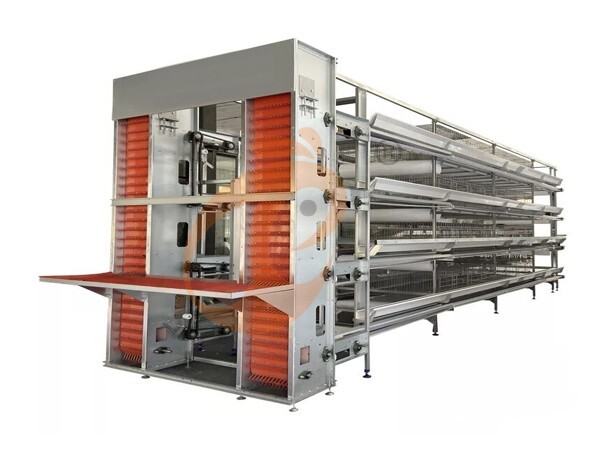
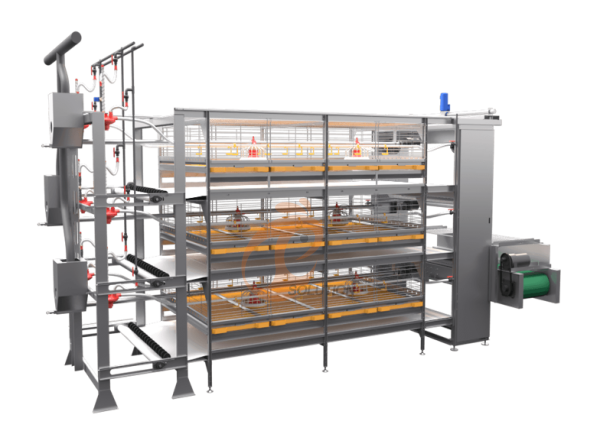
 >30,000 Pullets Automatic H Type Battery Cage1. More than 30,000 pullets a house, choose it.
2. It is designed to rearing older than 1 day old pullets to 12 to 16 weeks old chicken starting laying eggs.
3. Its lifespan is more than 25 years.
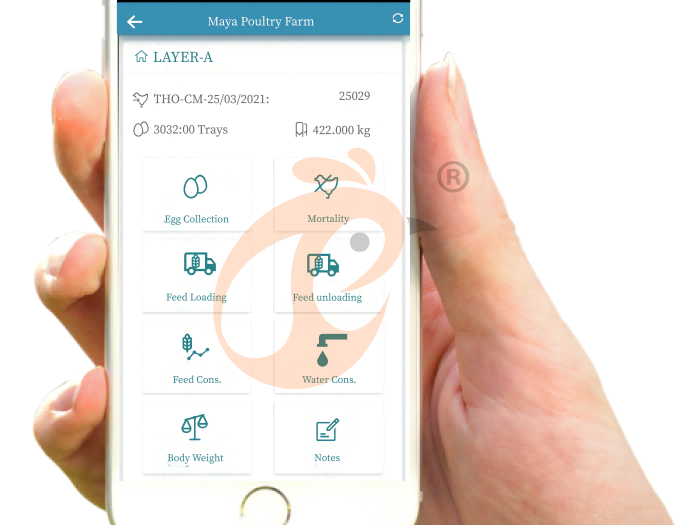
4. Its structure are Vcloud artificial intelligent fusion, electric control cabinet, automatic equipment of drinking, feeding, manure clean, manual harvesting.
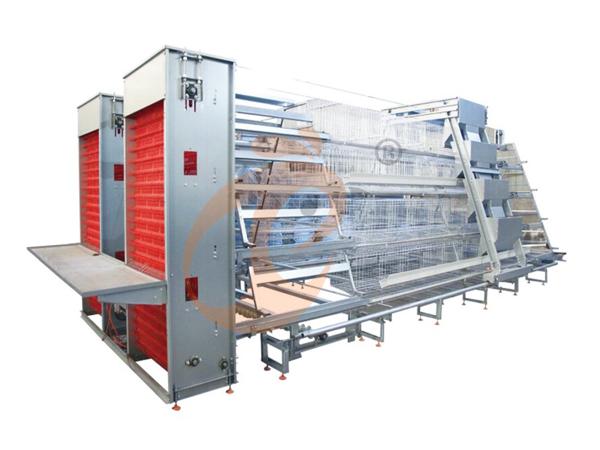
5. Our 24 hour online reception What’sApp NO. is +8618830120193 <30,000 Pullets Automatic A Type Battery Cage1. 10,000 to 30,000 pullets a house, choose it.
2. It is designed to rearing older than 1 day old pullets to 12 to 16 weeks old chicken starting laying eggs.
3. Its lifespan is more than 25 years.
4. Its structure are Vcloud artificial intelligent fusion, electric control cabinet, automatic equipment of drinking, feeding, manure clean, manual harvesting.
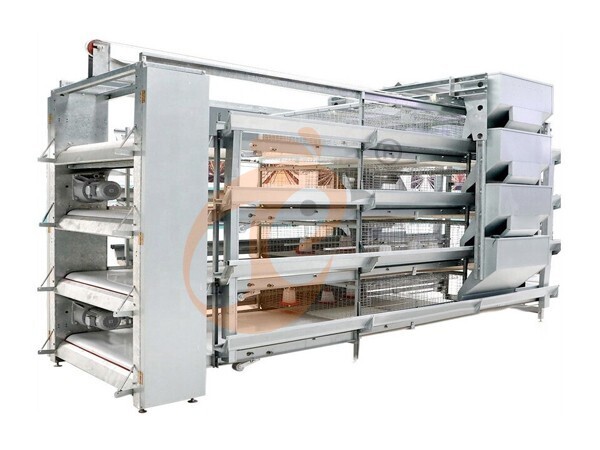
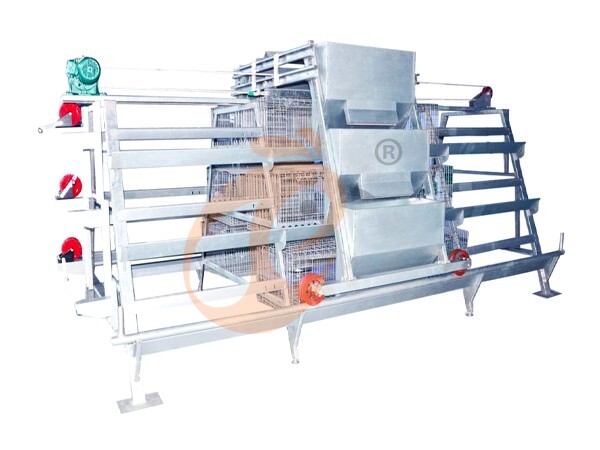
5. Our 24 hour online reception What’sApp NO. is +86 18830120193. >30,000 Broilers Semi-Automatic Harvest H Type Battery Cage1. More than 30,000 broilers a house, choose it.
2. It is designed to rearing 1 to 45 day old adult broiler ready for market.
3. Its lifespan is more than 20 years.
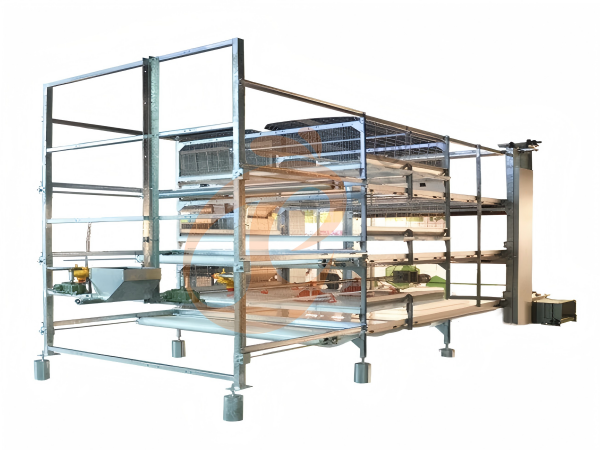
4. Our 24 hour online reception What’sApp NO. is +8618830120193, +234 8111199996. >30,000 Broilers Manual Harvest H Type Battery Cage1. More than 30,000 broilers a house, choose it.
2. It is designed to rearing 1 to 45 day old adult broiler ready for market.
3. Its lifespan is more than 20 years.
4. Its structure are Vcloud artificial intelligent fusion, electric control cabinet, automatic equipment of drinking, feeding and manure clean, manual harvesting.
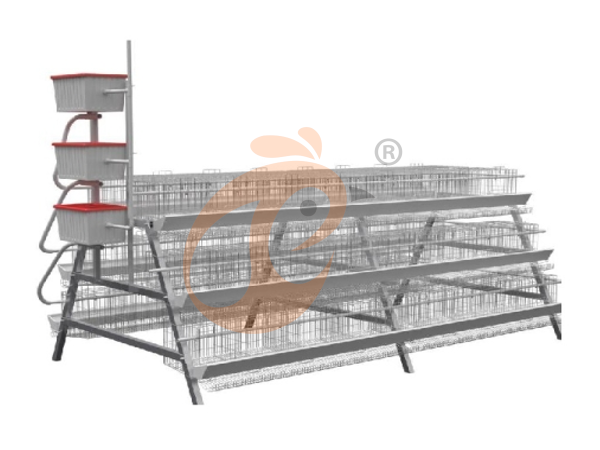
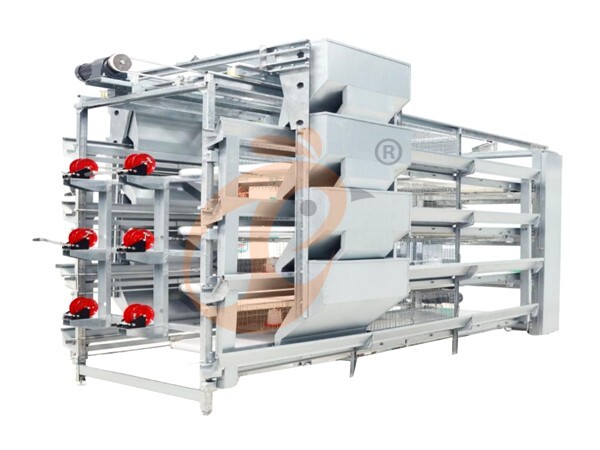
5. Our 24 hour online reception What’sApp NO. is +8618830120193, +234 8111199996. <30,000 Broilers Manual Harvest A Type Battery Cage1. Less 30,000 broilers a house, choose it.
2. It is designed to rearing 1 to 45 day old adult broiler ready for market.
3. Its lifespan is more than 20 years.
4. Its structure are Vcloud artificial intelligent fusion, electric control cabinet, automatic equipment of drinking, feeding and manure clean, manual harvesting.
5. Our 24 hour online reception What’sApp NO. is +8618830120193, +234 8111199996. HK Headquarter Offers EU-standard Poultry Farm Solutions, Manufacture Poultry Farm Equipment1. Continuous communication with the EU and the US
2. China, Nigeria, Ethiopia, Tanzania branch companies and factories
3. The products’ quality is customized for local poultry farms
4. Poultry cage and poultry farm equipment stock for sale
5. 24 online reception Whatsapp NO. : +8618830120193,contact us to get full information China Branch Offer Poultry Farm Business Plan, Manufacture Poultry Farm Equipment1. Address: Flat/RM 2416, 24/F, Runxing Building, Youyi Nan Street, Shijiazhuang City, Hebei Province, China
2. Poultry cage and poultry farm equipment factory and stock for sale
3. Customized for local poultry farms
4. Quality and design are based on Euro
5. 24 online reception Whatsapp NO. : +8618830120193 Nigeria Branch Offer Poultry Farm Business Plan, Manufacture Poultry Farm Equipment1. Address: After Sinoma Office, 200 Meters Near Danco Filling Station, Lagos/Ibadan Expressway, Lagos State, Nigeria
2. Poultry cage and poultry farm equipment factory and stock for sale
3. Customized for Nigerian poultry farms
4. Quality and design are based on Euro
5. 24 online reception Whatsapp NO. : +8618830120193 Ethiopia Branch Offer Poultry Farm Business Plan, Manufacture Poultry Farm Equipment1. Address: Gelan Gura, Akaki-kaliti Sub City, Addis Ababa, Ethiopia
2. Poultry cage and poultry farm equipment stock for sale
3. Customized for Ethiopian poultry farms
4. Quality and design are based on Euro
5. 24 online reception Whatsapp NO. : +8618830120193, contact us to get price list Tanzania Branch Offer Poultry Farm Business Plan, Manufacture Poultry Farm Equipment1. Address: No.8, Sova Road, Msufini, Mlandizi, Kibaha, Pwani, Tanzania
2. Poultry cage and poultry farm equipment factory and stock for sale
3. Customized for Tanzanian poultry farms
4. Quality and design are based on Euro
5. 24 online reception Whatsapp NO. : +8618830120193


Contact