


Blog
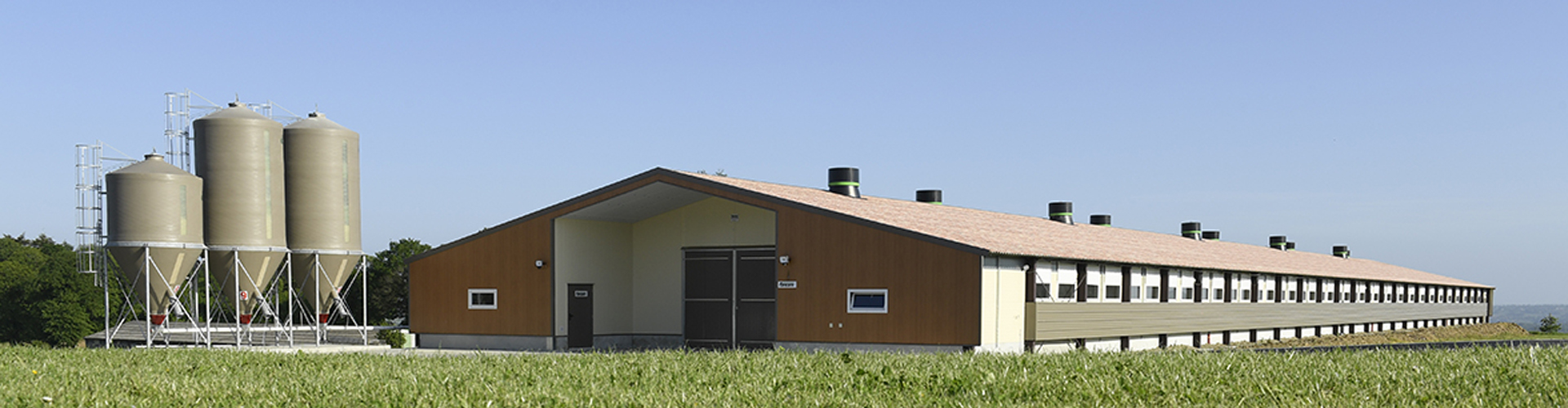
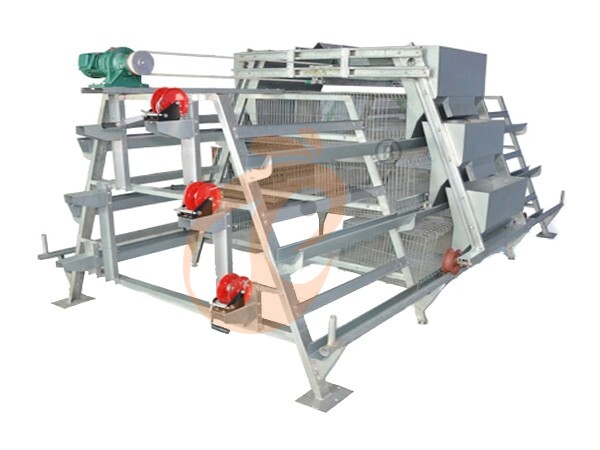
Layer chicken cage installation requires structural engineering accuracy, automated system integration, and controlled environmental design for commercial egg production efficiency.
Installation procedures include foundation construction, cage frame assembly, feeding system calibration, water line configuration, ventilation balancing, and electrical automation setup.
Mechanical tolerance control within millimeter-level deviation ensures stable load distribution across multi-tier cage structures in high-density poultry housing systems.
Environmental parameters such as temperature, humidity, ammonia concentration, and airflow rate directly influence laying performance and flock health stability.
Commissioning verification confirms synchronized operation of feeding, watering, and climate systems before livestock introduction into production facilities.
Get professional poultry farm construction guidance, equipment selection solutions, and the latest price lists, whatsApp to +8618830120193, click to learn more:
System Planning and Farm Capacity Design
Layer cage system planning defines spatial efficiency, structural load distribution, and production throughput before construction begins.
Poultry farm automation system layout is calculated using bird density thresholds, service corridor ratios, and equipment footprint allocation models.
Data is for reference only.Swipe horizontally to view full table.
Engineering benchmarks show that improper spatial allocation increases feed transport energy consumption by approximately 6–9%.
Layout optimization reduces internal service downtime by up to 14 hours per production cycle in automated systems.
Site Engineering And Foundation Load Distribution
Foundation engineering stabilizes vertical load transmission across multi-tier cage structures and reduces vibration amplitude during feed and egg collection cycles.
Poultry cage system load balance is calculated using cumulative static and dynamic load vectors.
Data is for reference only.Swipe horizontally to view full table.
Dynamic vibration amplitude exceeding 0.8 mm accelerates fastener fatigue cycles by approximately 22%.
Reinforcement grid stability directly influences long-term deformation resistance under cyclic loading conditions.
Cage Frame Installation And Structural Assembly
Steel frame installation establishes geometric precision for egg production modules and ensures mechanical synchronization across feeding and egg collection systems.
Automatic egg laying cage installation requires torque-controlled fastening and corrosion-resistant material selection.
Data is for reference only.Swipe horizontally to view full table.
Galvanized coating density of 275 g/m² extends corrosion resistance lifespan beyond 8–10 production cycles under humid poultry environments.
Structural misalignment greater than 2 mm increases egg roll deviation rate by approximately 3.5% per cycle.
Feeding System Installation And Calibration
Automatic feeding infrastructure regulates nutrient delivery consistency and stabilizes metabolic intake patterns across large flock populations.
Layer hen cage equipment performance depends on feed conveyance velocity stability and trough occupancy distribution uniformity.
Data is for reference only.Swipe horizontally to view full table.
Feed line pressure inconsistency above 12% deviation results in measurable egg production reduction of 4–7%.
Mechanical calibration cycles every 120 operating hours maintain stable nutrient throughput efficiency.
Water Supply System Configuration
Water distribution systems regulate hydration kinetics and electrolyte balance essential for calcium deposition during egg formation cycles.
Poultry nipple drinking system design minimizes spillage and maintains consistent intake rate per bird.
Data is for reference only.Swipe horizontally to view full table.
Biofilm formation probability increases significantly when flushing cycles exceed 96 hours.
Flow efficiency reduction reaches 11–15% depending on water hardness levels.
Ventilation And Environmental Control Engineering
Ventilation architecture governs thermodynamic balance, gas exchange rates, and particulate concentration dispersion across enclosed poultry housing systems.
Chicken cage ventilation system efficiency directly correlates with respiratory disease incidence rates.
Data is for reference only.Swipe horizontally to view full table.
Airflow stagnation zones exceeding 0.35 m/s reduction threshold increase localized ammonia accumulation by 18–24%.
Poor airflow design directly impacts respiratory disease incidence rates in dense housing systems.
Egg Collection And Manure Removal System Setup
Egg handling automation stabilizes product integrity and reduces manual handling contamination risk in high-density layer systems.
Layer cage egg collection system synchronizes belt motion with production cycle timing intervals.
Data is for reference only.Swipe horizontally to view full table.
Egg impact fracture probability increases by 1.2–1.8% when conveyor vibration amplitude exceeds 0.6 mm.
Transport synchronization improves output integrity consistency across long production cycles.
Electrical System Integration And Automation Control
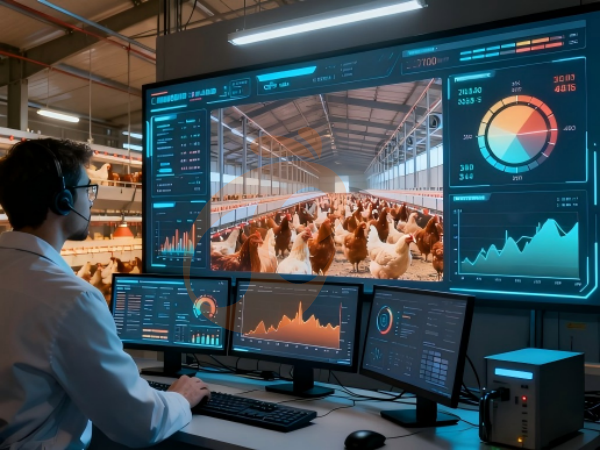
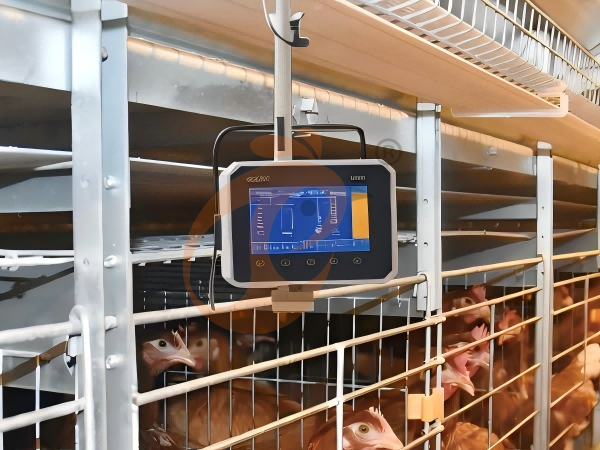
Electrical automation systems regulate photoperiodic stimulation, feeding cycles, and environmental feedback loops in commercial poultry environments.
Poultry lighting control system maintains endocrine synchronization for ovulation cycle stability.
Data is for reference only.Swipe horizontally to view full table.
Voltage fluctuation beyond ±5% reduces lighting control precision.
Hormonal regulation patterns become unstable under inconsistent photoperiod control systems.
System Testing Before Bird Placement
Pre-operational validation ensures synchronization of mechanical, electrical, and environmental subsystems before biological introduction.
Poultry cage system commissioning includes stress testing under continuous load conditions.
Data is for reference only.Swipe horizontally to view full table.
System synchronization failure increases early-cycle mortality risk by 2–4%.
Mechanical stress imbalance accumulates rapidly in densely stocked environments.
Operational Readiness Checklist
Final verification confirms mechanical tolerance compliance and environmental control stability before production initiation.
Layer chicken cage installation readiness depends on multi-system parameter convergence.
Data is for reference only.Swipe horizontally to view full table.
Cross-system deviation accumulation reduces production efficiency stability index by 6–10%.
System integration accuracy determines early-stage laying performance consistency.
Frequently Asked Questions
Q1: What is the correct installation sequence for a layer chicken cage system?
Site leveling, foundation curing, cage frame erection, feeding system installation, water line assembly, ventilation integration, electrical automation setup, and system commissioning form the correct sequence.
Reversal of sequence increases structural misalignment risk above 3 mm.
System instability propagates across multi-tier load distribution networks when sequence integrity is violated.
Q2: What technical parameters are critical during layer chicken cage installation?
Critical parameters include cage alignment tolerance within ±3 mm, water pressure stability at 0.12–0.25 MPa, ventilation cycles at 6–10 per hour, and feed variance below 5%.
Deviation beyond these thresholds directly impacts egg production consistency and metabolic efficiency.
Parameter drift creates cascading inefficiencies across feeding, watering, and climate control subsystems.
Q3: Why does installation accuracy impact egg production performance?
Installation accuracy ensures mechanical alignment, environmental stability, and uniform resource distribution across all cage tiers.
Misalignment above 3 mm increases egg breakage by 1.5–2.5% and reduces laying stability by 4–7%.
System precision determines long-term biological efficiency and operational continuity in high-density production environments.
Taiyu (HK) Group - One Of China Largest Layer Chicken Cage Manufacturer
Layer chicken cage installation system engineered for 10000–50000 bird commercial poultry farms with integrated automation architecture.
Factory direct poultry equipment supply with galvanized steel structure systems and automated feeding and manure removal mechanisms.
Turn-key poultry engineering projects covering design, installation, commissioning, and technical training for industrial farming operations.
Global export manufacturing of poultry cage systems supporting standardized high-density egg production infrastructure.
Industrial poultry equipment production enabling scalable farm construction and automated livestock management systems.
Contact Us To Received Your Customized Poultry Farm Plan
Headquarters And Branchs
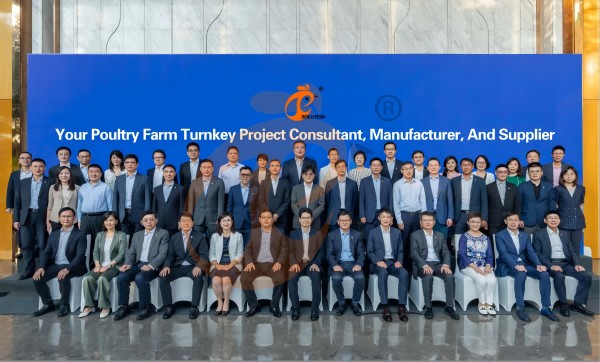
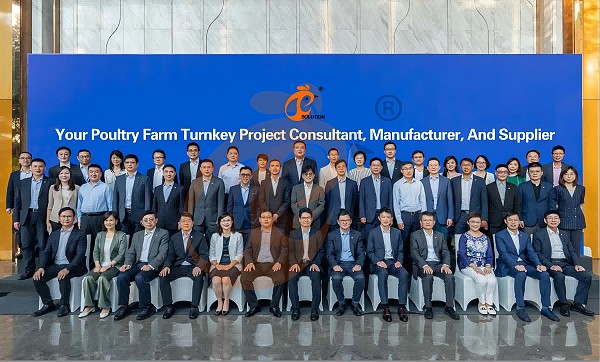
Hong Kong Headquarter Management Team
Hong Kong Headquarter Taiyu Industrial Group CO., LTD
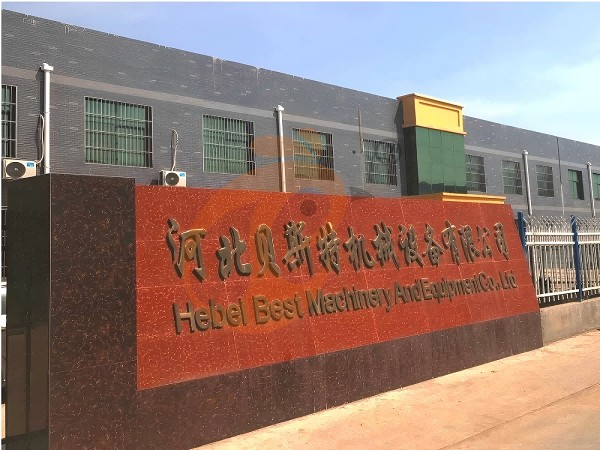
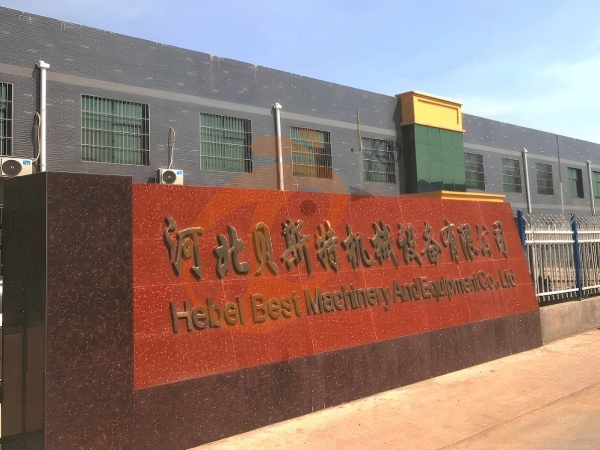
China Hebei Best Machinery And Equipment CO., LTD
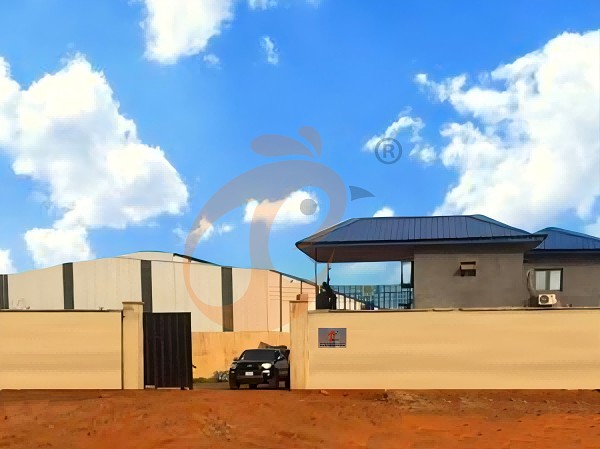
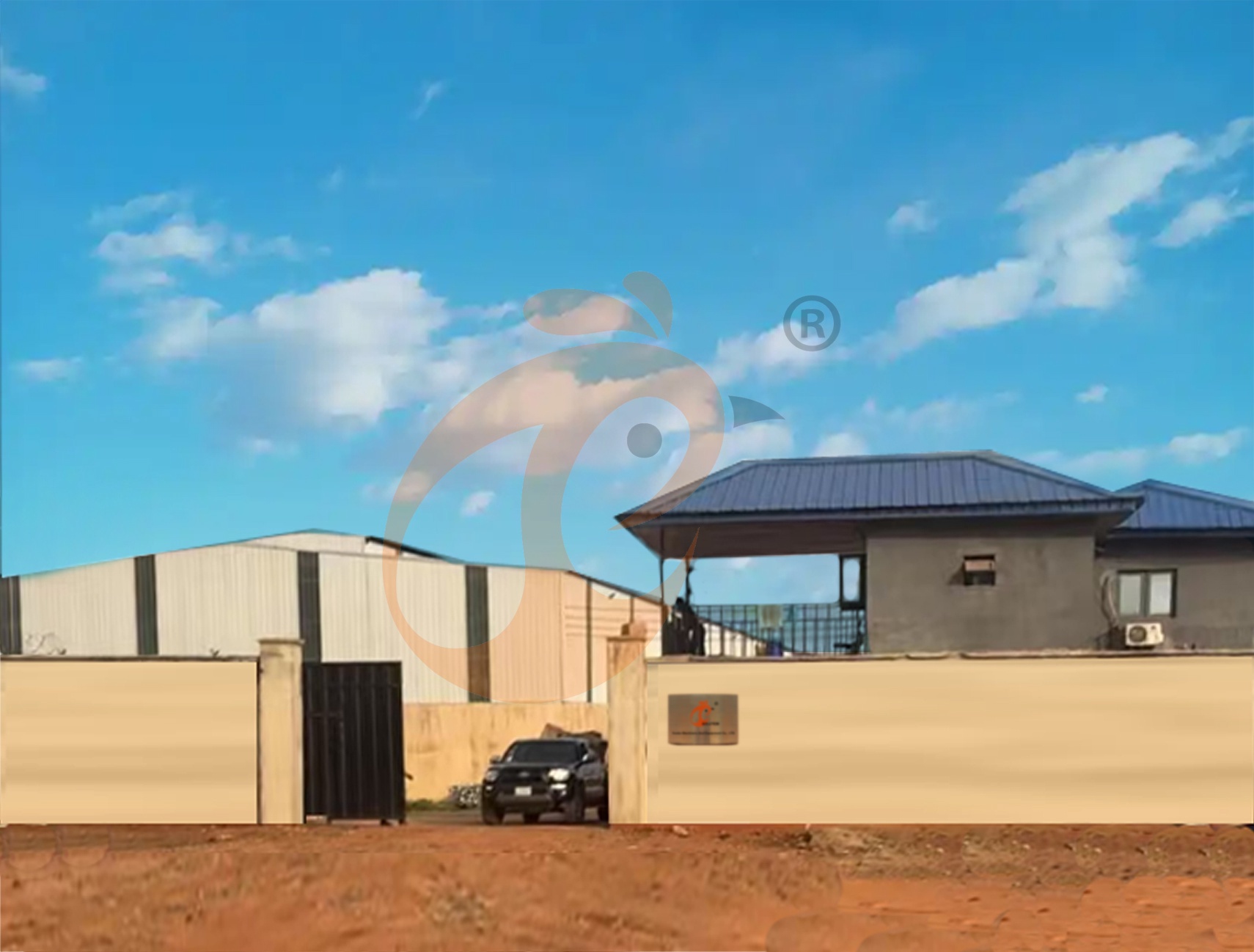
Nigeria Vanke Machinery And Equipment CO., LTD
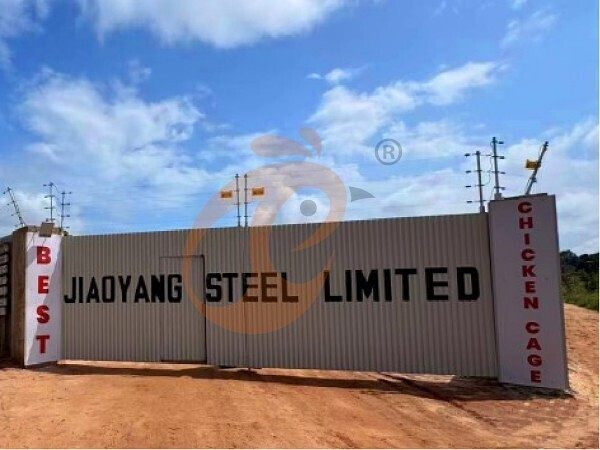
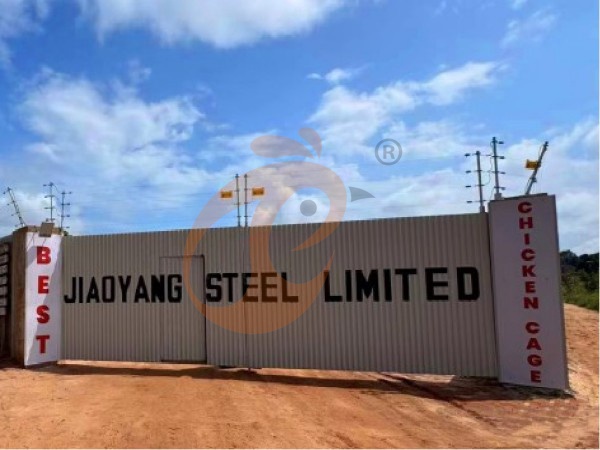
Tanzania Best Machinery And Equipment CO., LTD
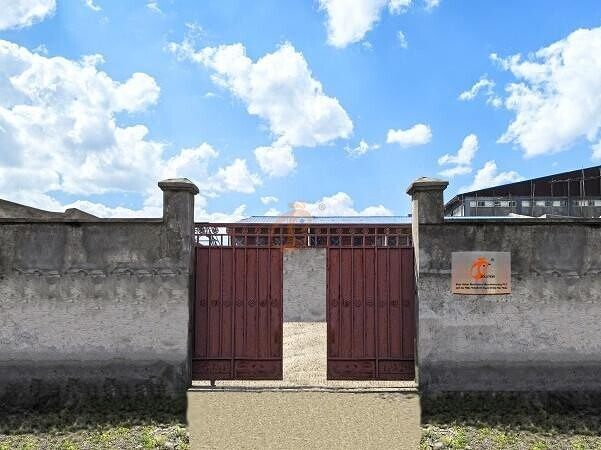
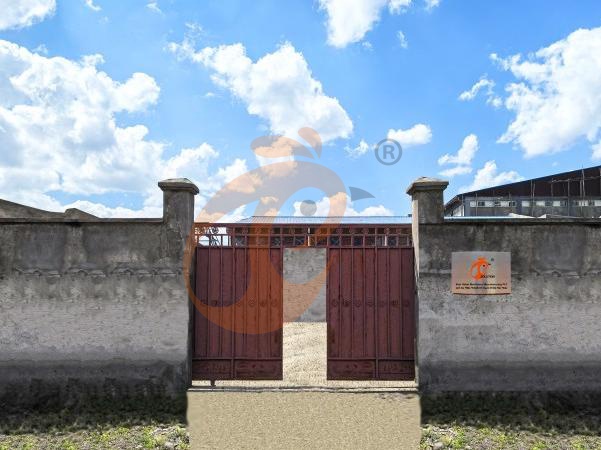
Ethiopia Best Hebei Machinery Manufacturing PLC
Reception /24 WhatsApp NO. : +8618830120193
FAQ
What Are The Top Recommendations For Egg Quality Management In Battery Cage Systems?
Keep conveyor belts clean to avoid breakage and contamination.
Egg production: 90–98%, breakage rate: 2–3%.
How To Optimize Lighting And Ventilation For Maximum Egg Production In Poultry Cages?
Combine roof exhaust and side-wall intake for ventilation, temperature 18–25℃, humidity 50–70%.
Egg production can reach 90–98%, breakage rate <3%.
How To Implement Advanced Manure Removal Systems In Layer Cage Farms?
Reduces manual labor by 50–70%, maintains house hygiene, and lowers disease risk.
- poultry farm
- chicken cage
- poultry farms
- layer cage
- poultry cage
- cage
- poultry farm construction
- poultry farm automation
- layer cage system
- poultry cage system
- chicken cage system
- poultry housing system
- poultry equipment
- manure removal system
- egg collection system
- hen cage
- chickencage
- layer hen cage
- bestchickencage
- cage system
- laying cage
- cage systems
- layer chicken cage
- Nigeria
- poultry farm automation system
- chicken cage installation
- layer chicken cage system
- commercial poultry farms
- poultry lighting control
- poultry cage systems
- poultry housing systems
- poultry farm plan
- chicken cage ventilation
- Ethiopia
Message
Products recommended
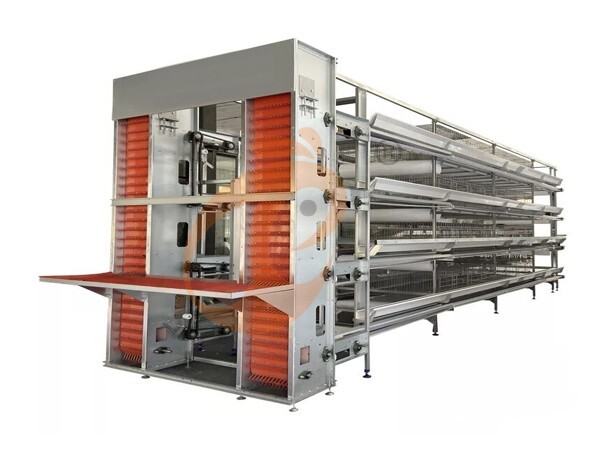
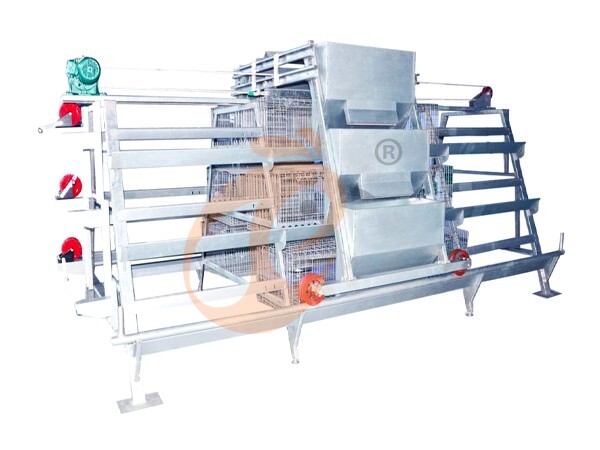
 >30,000 Pullets Automatic H Type Battery Cage1. More than 30,000 pullets a house, choose it.
2. It is designed to rearing older than 1 day old pullets to 12 to 16 weeks old chicken starting laying eggs.
3. Its lifespan is more than 25 years.
4. Its structure are Vcloud artificial intelligent fusion, electric control cabinet, automatic equipment of drinking, feeding, manure clean, manual harvesting.
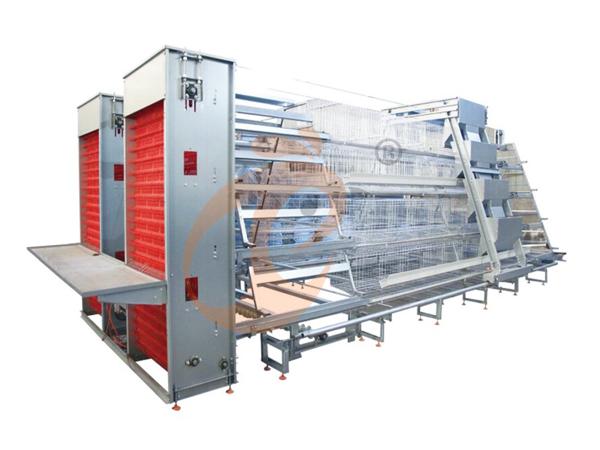
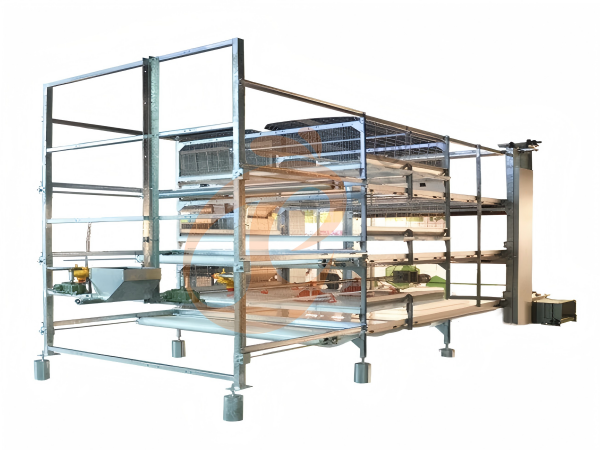
5. Our 24 hour online reception What’sApp NO. is +8618830120193 <30,000 Pullets Automatic A Type Battery Cage1. 10,000 to 30,000 pullets a house, choose it.
2. It is designed to rearing older than 1 day old pullets to 12 to 16 weeks old chicken starting laying eggs.
3. Its lifespan is more than 25 years.
4. Its structure are Vcloud artificial intelligent fusion, electric control cabinet, automatic equipment of drinking, feeding, manure clean, manual harvesting.
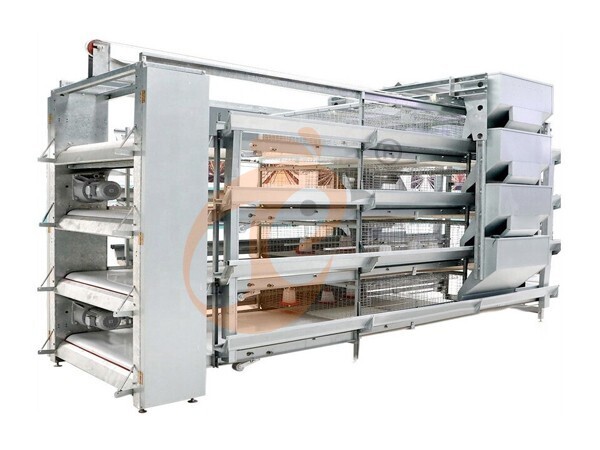
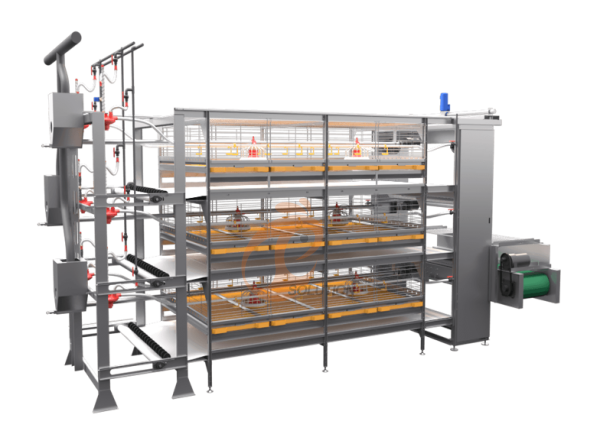
5. Our 24 hour online reception What’sApp NO. is +86 18830120193. >30,000 Broilers Semi-Automatic Harvest H Type Battery Cage1. More than 30,000 broilers a house, choose it.
2. It is designed to rearing 1 to 45 day old adult broiler ready for market.
3. Its lifespan is more than 20 years.
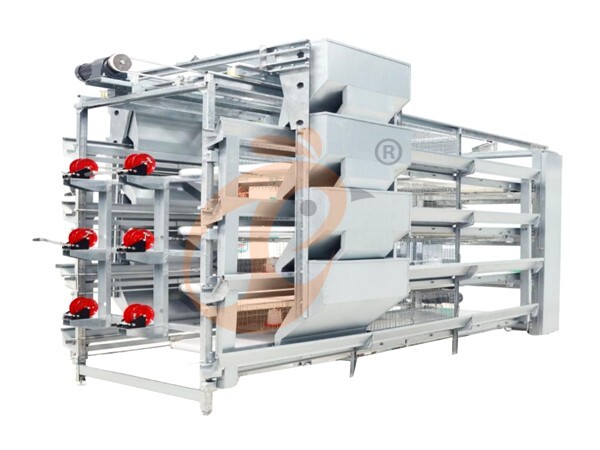
4. Our 24 hour online reception What’sApp NO. is +8618830120193, +234 8111199996. >30,000 Broilers Manual Harvest H Type Battery Cage1. More than 30,000 broilers a house, choose it.
2. It is designed to rearing 1 to 45 day old adult broiler ready for market.
3. Its lifespan is more than 20 years.
4. Its structure are Vcloud artificial intelligent fusion, electric control cabinet, automatic equipment of drinking, feeding and manure clean, manual harvesting.
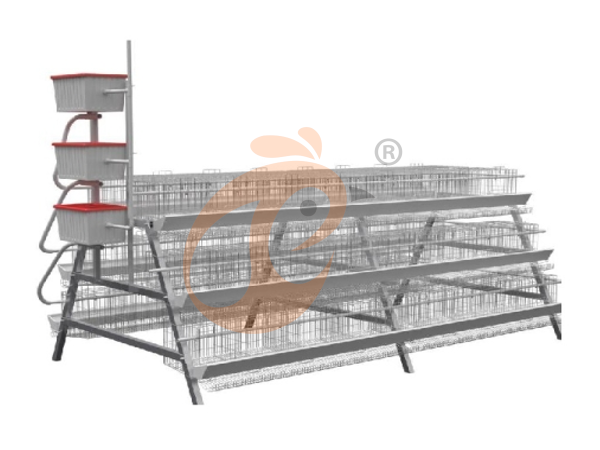
5. Our 24 hour online reception What’sApp NO. is +8618830120193, +234 8111199996. <30,000 Broilers Manual Harvest A Type Battery Cage1. Less 30,000 broilers a house, choose it.
2. It is designed to rearing 1 to 45 day old adult broiler ready for market.
3. Its lifespan is more than 20 years.
4. Its structure are Vcloud artificial intelligent fusion, electric control cabinet, automatic equipment of drinking, feeding and manure clean, manual harvesting.
5. Our 24 hour online reception What’sApp NO. is +8618830120193, +234 8111199996. HK Headquarter Offers EU-standard Poultry Farm Solutions, Manufacture Poultry Farm Equipment1. Continuous communication with the EU and the US
2. China, Nigeria, Ethiopia, Tanzania branch companies and factories
3. The products’ quality is customized for local poultry farms
4. Poultry cage and poultry farm equipment stock for sale
5. 24 online reception Whatsapp NO. : +8618830120193,contact us to get full information China Branch Offer Poultry Farm Business Plan, Manufacture Poultry Farm Equipment1. Address: Flat/RM 2416, 24/F, Runxing Building, Youyi Nan Street, Shijiazhuang City, Hebei Province, China
2. Poultry cage and poultry farm equipment factory and stock for sale
3. Customized for local poultry farms
4. Quality and design are based on Euro
5. 24 online reception Whatsapp NO. : +8618830120193 Nigeria Branch Offer Poultry Farm Business Plan, Manufacture Poultry Farm Equipment1. Address: After Sinoma Office, 200 Meters Near Danco Filling Station, Lagos/Ibadan Expressway, Lagos State, Nigeria
2. Poultry cage and poultry farm equipment factory and stock for sale
3. Customized for Nigerian poultry farms
4. Quality and design are based on Euro
5. 24 online reception Whatsapp NO. : +8618830120193 Ethiopia Branch Offer Poultry Farm Business Plan, Manufacture Poultry Farm Equipment1. Address: Gelan Gura, Akaki-kaliti Sub City, Addis Ababa, Ethiopia
2. Poultry cage and poultry farm equipment stock for sale
3. Customized for Ethiopian poultry farms
4. Quality and design are based on Euro
5. 24 online reception Whatsapp NO. : +8618830120193, contact us to get price list Tanzania Branch Offer Poultry Farm Business Plan, Manufacture Poultry Farm Equipment1. Address: No.8, Sova Road, Msufini, Mlandizi, Kibaha, Pwani, Tanzania
2. Poultry cage and poultry farm equipment factory and stock for sale
3. Customized for Tanzanian poultry farms
4. Quality and design are based on Euro
5. 24 online reception Whatsapp NO. : +8618830120193


Contact