


Blog
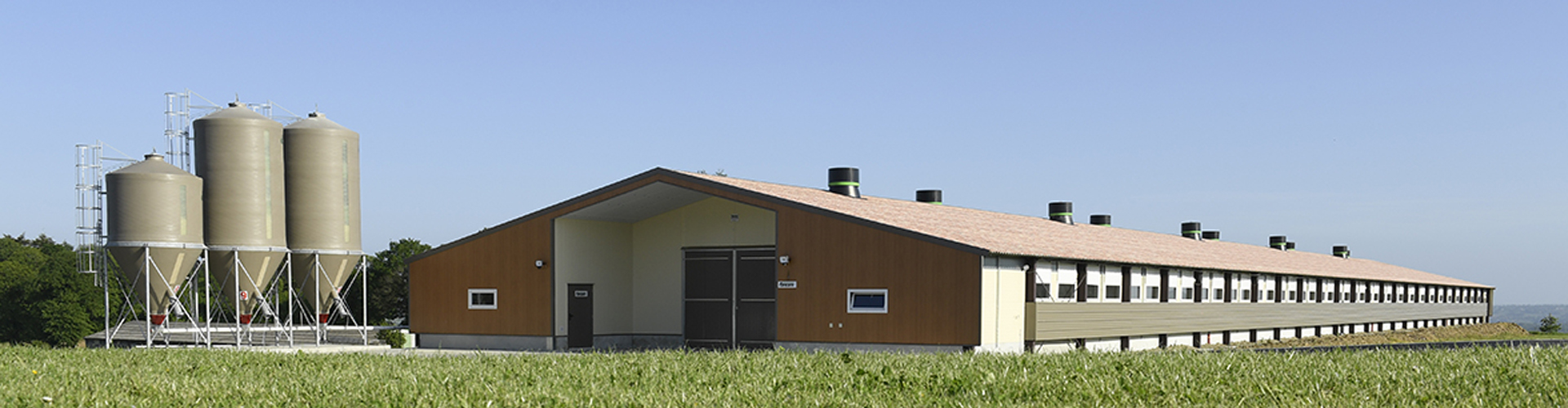
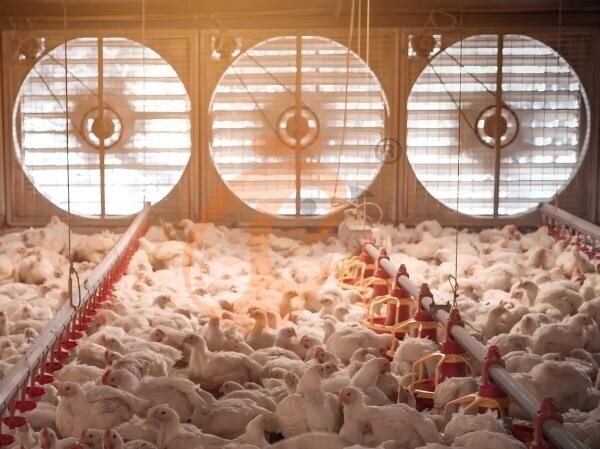
Poultry farming equipment integrates automated feeding systems, climate control units, cage structures, water supply networks, and hatchery incubation machinery for industrial poultry production efficiency optimization.
Global demand reached approximately 68 billion kilograms of poultry meat production in 2025 (FAO estimate range basis), driving mechanized equipment upgrades across large-scale farms.
Equipment pricing varies across steel grade (Q235–SUS304), automation architecture (manual–PLC–IoT), and system throughput design.
Feed conversion efficiency benchmarks range from 1.45 to 2.10 FCR in commercial broiler operations, directly influencing equipment ROI.
Capital allocation across feeding, ventilation, and housing systems determines long-term mortality control and production stability metrics.
Get professional poultry farm construction guidance, equipment selection solutions, and the latest price lists, whatsApp to +8618830120193, click to learn more:
Frequently Asked Questions
Q1: What is the most cost-intensive poultry farm equipment category in large-scale production systems?
Feeding systems and cage systems consistently dominate capital expenditure because both require high-density mechanical structure and continuous operational load resistance.
In industrial farms exceeding 20,000 birds, combined investment in these two systems often exceeds 55–60% of total facility construction budget, particularly when stainless steel feed lines and multi-tier cage frameworks are installed for long-cycle durability performance.
Q2: What is the typical lifecycle cost difference between automated and semi-automatic poultry equipment systems?
Automated systems generally reduce annual maintenance and labor dependency costs by 18–35% compared to semi-automatic setups.
However, initial capital requirement increases by approximately 40–120% depending on integration depth such as IoT monitoring, PLC control panels, and
centralized feeding distribution logic systems.
Over a 3–5 year operation cycle, automated systems often achieve lower total cost per bird due to reduced feed loss, improved mortality control, and stabilized production cycles.
Q3: How does ventilation system selection influence poultry production efficiency and mortality rate?
Ventilation systems directly control ammonia concentration, humidity balance, and thermal stress accumulation inside poultry housing structures.
Studies in controlled poultry environments show that maintaining ammonia below 20 ppm and airflow between 2.0–3.5 m/s can reduce respiratory-related
mortality by 6–14% per cycle.
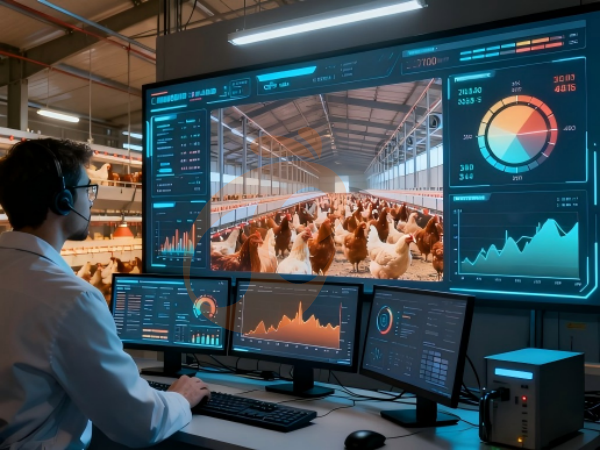
Tunnel ventilation and AI-controlled climate systems are widely adopted in high-density farms because they stabilize internal temperature fluctuations within ±1.5°C range.
Taiyu (HK) Group - One Of China Biggest Poultry Farm Equipment Manufacturer
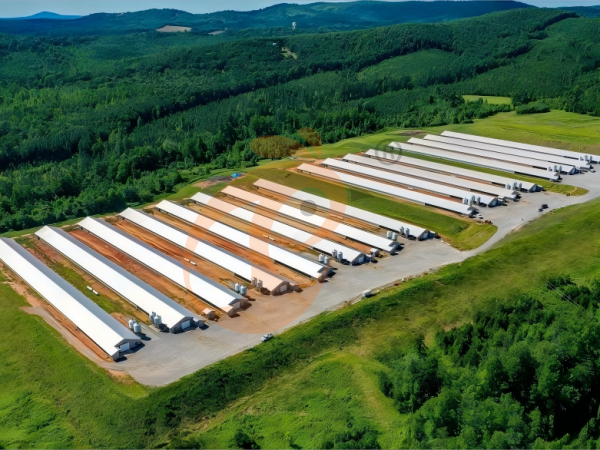
Precision engineered poultry feeding systems with stainless steel auger-driven feed delivery architecture designed for uniform distribution across long production houses exceeding 120 meters length.
Global factory direct supply poultry equipment manufacturing covering feeding, drinking, cage, ventilation, and incubation systems with annual output capacity exceeding 25,000 complete farm sets.
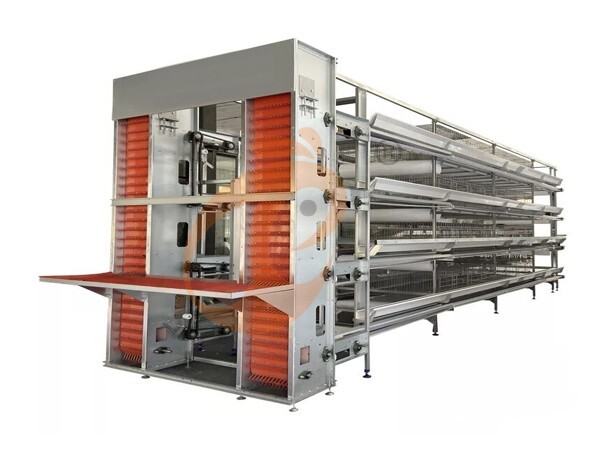
Industrial poultry cage system engineering including A-type, H-type, and multi-tier automated battery cage structures optimized for 12–18 birds per square meter stocking density configuration.
Turn-key poultry farm project execution including civil layout design, equipment installation, climate calibration, and full automation integration for commercial production readiness.
International export standard poultry equipment manufacturing with logistics coverage across 60+ countries and compliance with EU standard reference only material and corrosion resistance testing protocols.
Contact Us To Received Your Customized Poultry Farm Plan
Headquarters And Branchs

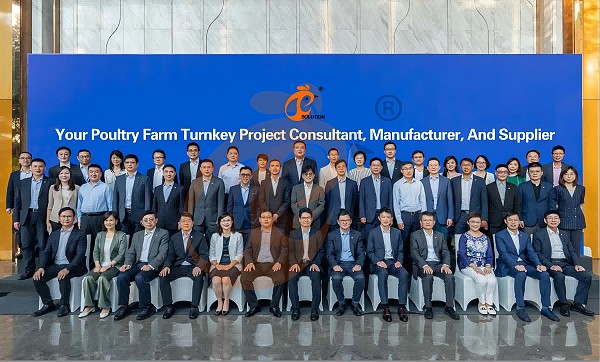
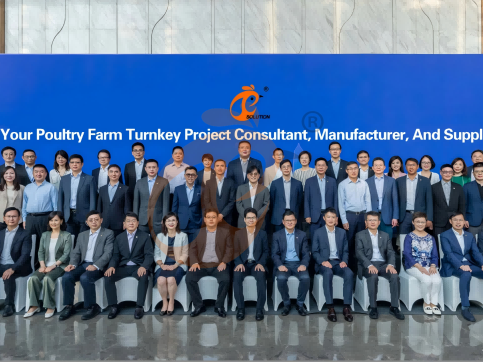
Hong Kong Headquarter Management Team
Hong Kong Headquarter Taiyu Industrial Group CO., LTD
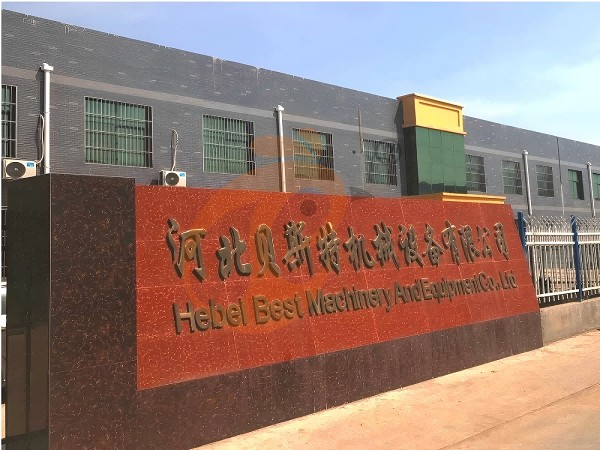
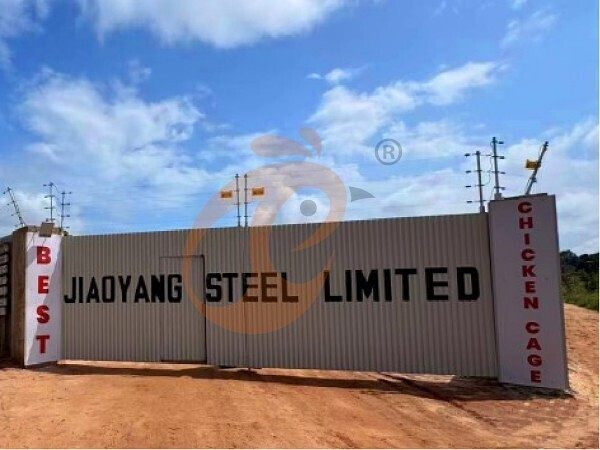
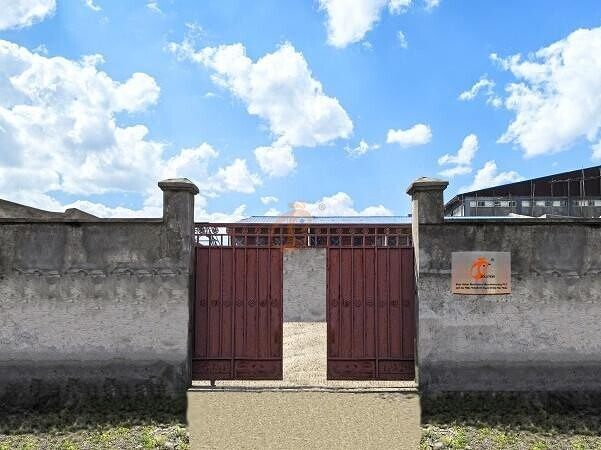
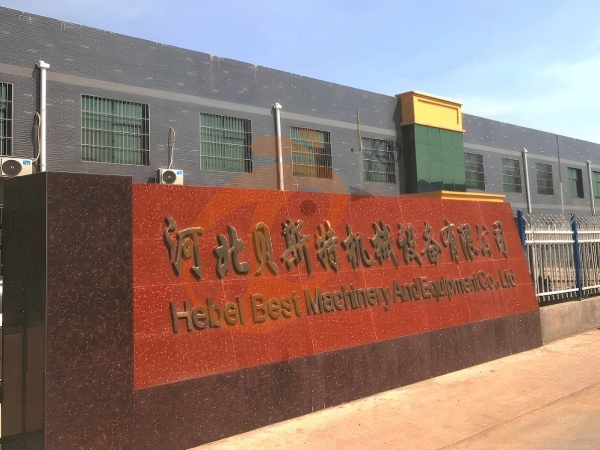
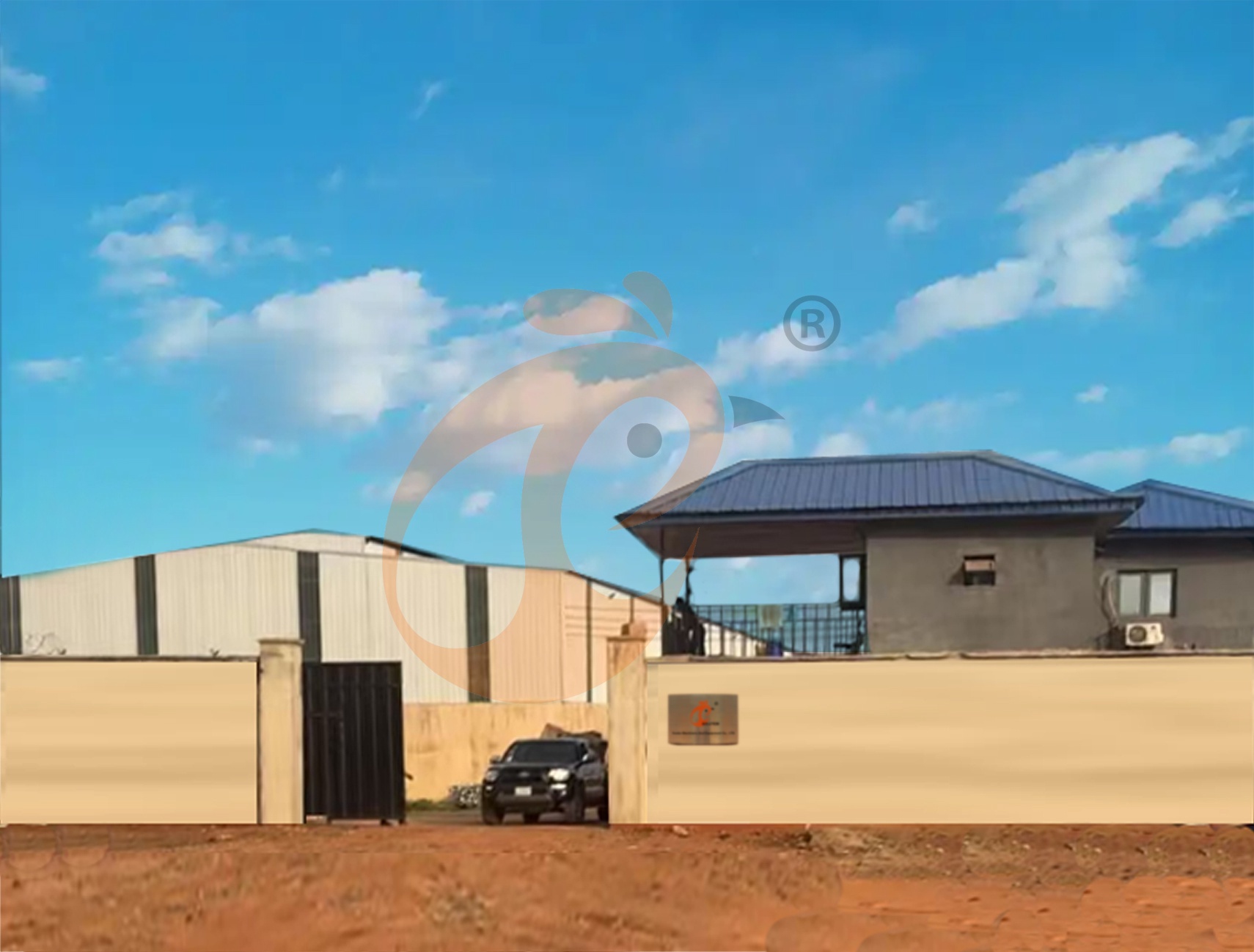
China Hebei Best Machinery And Equipment CO., LTD
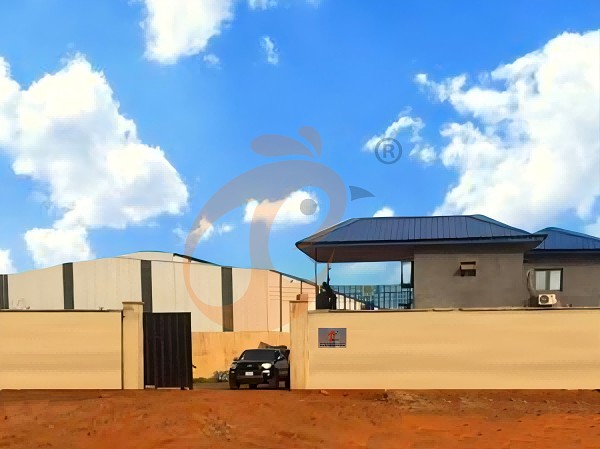
Nigeria Vanke Machinery And Equipment CO., LTD
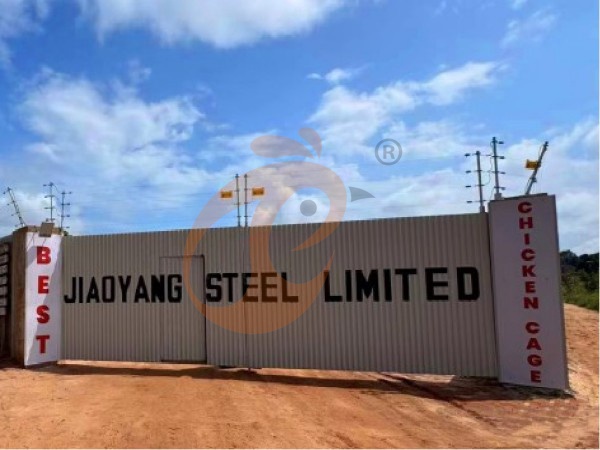
Tanzania Best Machinery And Equipment CO., LTD
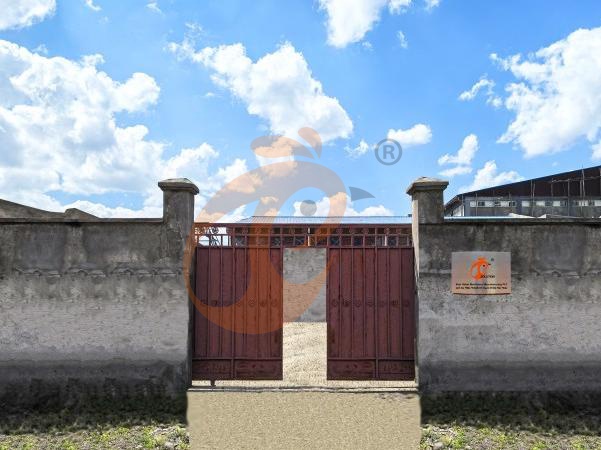
Ethiopia Best Hebei Machinery Manufacturing PLC
Reception /24 WhatsApp NO. : +8618830120193
FAQ
What Equipment Modules Are Included In Automatic Chicken Cage Poultry Equipment For Poultry Chicken Cage Systems?
Watering modules integrate pipelines rated for 16–20 mm diameter supporting stable distribution.
Manure belts utilize 1.0–1.2 mm thickness materials for continuous waste removal durability.
Which Structural Equipment Specifications Define Automatic Chicken Cage Poultry Equipment In Poultry Chicken Cage Systems?
Wire mesh spacing is maintained at 20–25 mm to support bird stability and waste separation.
Galvanization coating reaches 90–130 g/m² for corrosion resistance in high humidity environments.
What Drive System Equipment Parameters Are Used In Automatic Chicken Cage Poultry Equipment For Poultry Chicken Cage Farms?
Gear reducer ratio is configured between 1:20–1:40 for controlled mechanical output speed.
Transmission efficiency reaches 85%–92% minimizing energy loss during continuous operation.
- battery cage
- battery cage system
- poultry farm
- poultry farms
- poultry house
- poultry cage
- cage
- poultry farm equipment
- poultry farm construction
- layer battery cage
- poultry cage system
- poultry farming equipment
- poultry farm project
- poultry feeding system
- poultry equipment
- chickencage
- bestchickencage
- cage system
- automated battery cage
- cage systems
- h cage
- Nigeria
- smart farm
- modern poultry farms
- poultry farming
- poultry farm equipment manufacturer
- poultry cage systems
- poultry feed system
- modern poultry farm
- poultry farm plan
- poultry feed
- Ethiopia
Message
Products recommended
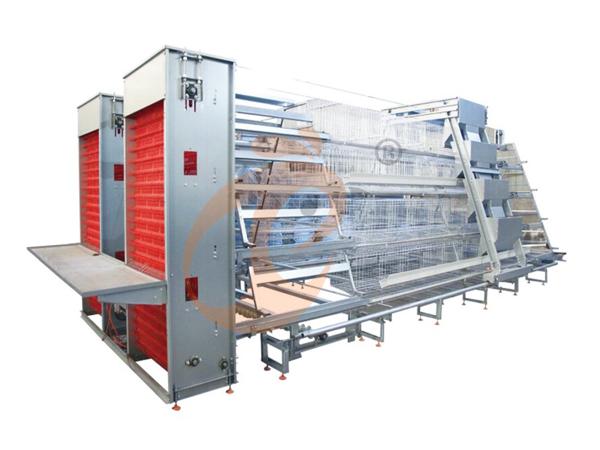
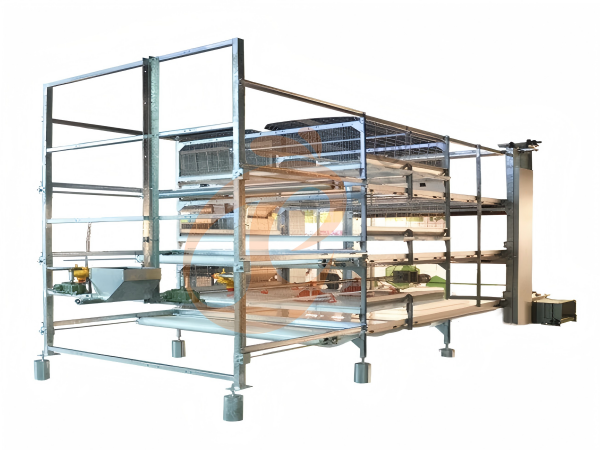
 >30,000 Pullets Automatic H Type Battery Cage1. More than 30,000 pullets a house, choose it.
2. It is designed to rearing older than 1 day old pullets to 12 to 16 weeks old chicken starting laying eggs.
3. Its lifespan is more than 25 years.
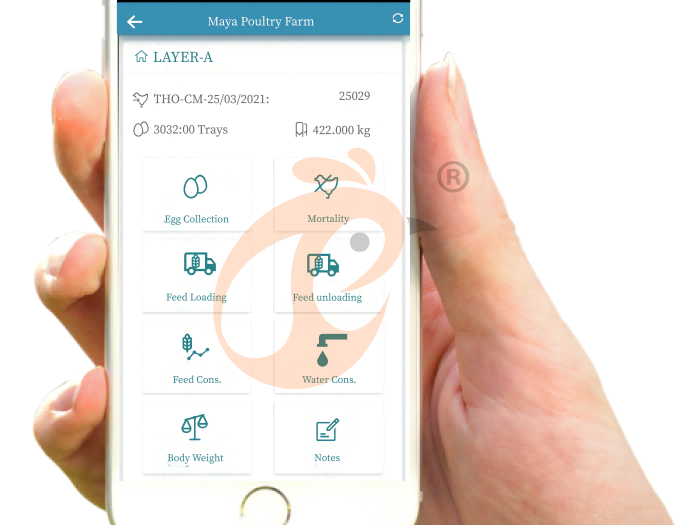
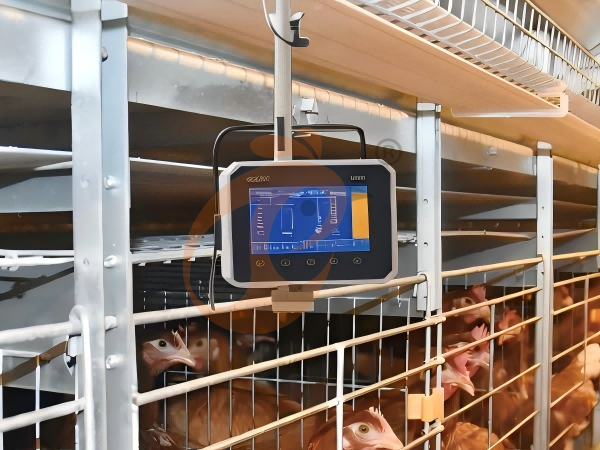
4. Its structure are Vcloud artificial intelligent fusion, electric control cabinet, automatic equipment of drinking, feeding, manure clean, manual harvesting.
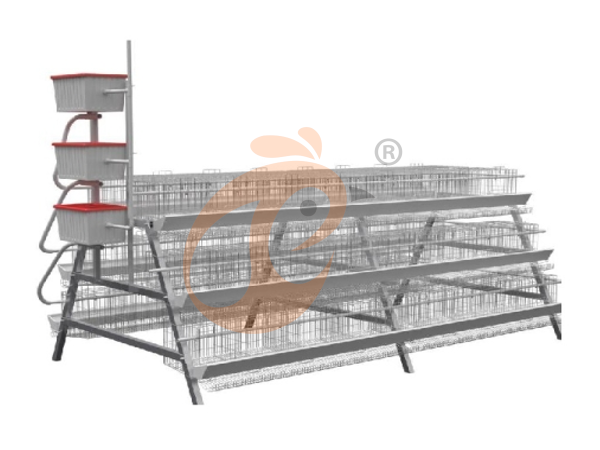
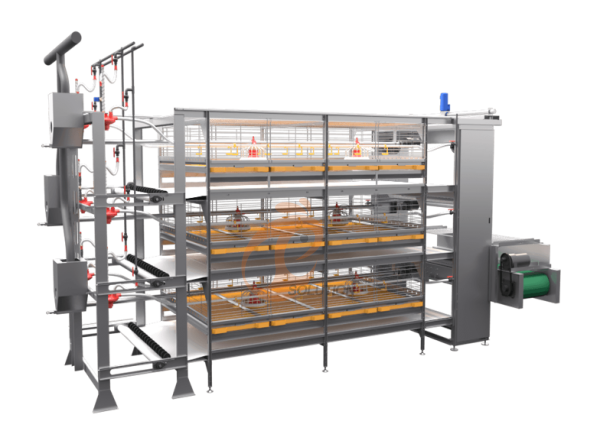
5. Our 24 hour online reception What’sApp NO. is +8618830120193 <30,000 Pullets Automatic A Type Battery Cage1. 10,000 to 30,000 pullets a house, choose it.
2. It is designed to rearing older than 1 day old pullets to 12 to 16 weeks old chicken starting laying eggs.
3. Its lifespan is more than 25 years.
4. Its structure are Vcloud artificial intelligent fusion, electric control cabinet, automatic equipment of drinking, feeding, manure clean, manual harvesting.
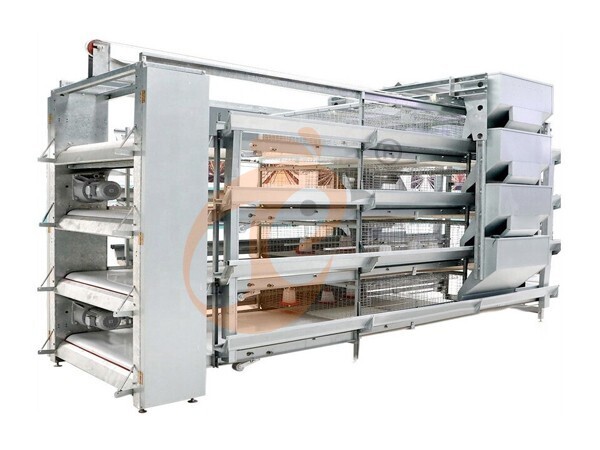
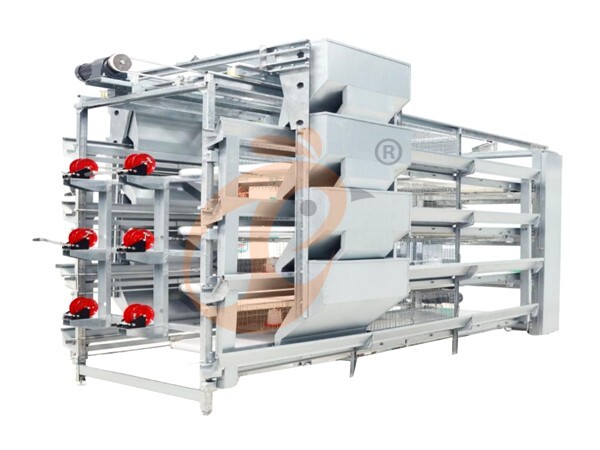
5. Our 24 hour online reception What’sApp NO. is +86 18830120193. >30,000 Broilers Semi-Automatic Harvest H Type Battery Cage1. More than 30,000 broilers a house, choose it.
2. It is designed to rearing 1 to 45 day old adult broiler ready for market.
3. Its lifespan is more than 20 years.
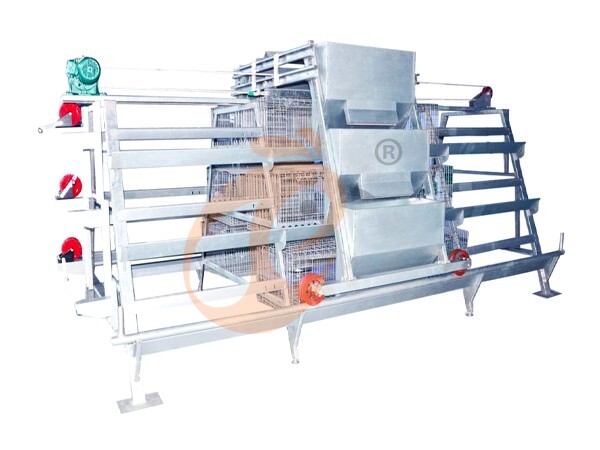
4. Our 24 hour online reception What’sApp NO. is +8618830120193, +234 8111199996. >30,000 Broilers Manual Harvest H Type Battery Cage1. More than 30,000 broilers a house, choose it.
2. It is designed to rearing 1 to 45 day old adult broiler ready for market.
3. Its lifespan is more than 20 years.
4. Its structure are Vcloud artificial intelligent fusion, electric control cabinet, automatic equipment of drinking, feeding and manure clean, manual harvesting.
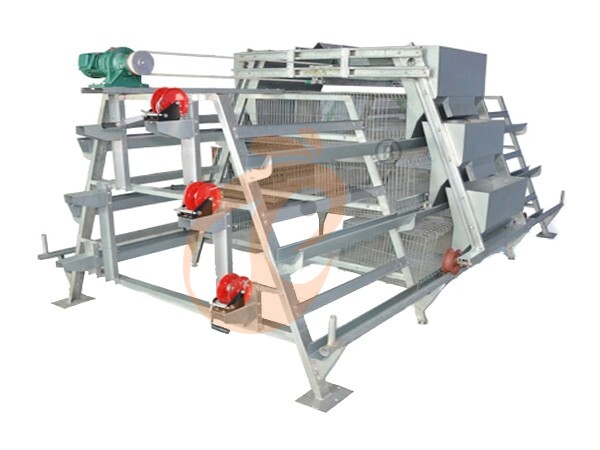
5. Our 24 hour online reception What’sApp NO. is +8618830120193, +234 8111199996. <30,000 Broilers Manual Harvest A Type Battery Cage1. Less 30,000 broilers a house, choose it.
2. It is designed to rearing 1 to 45 day old adult broiler ready for market.
3. Its lifespan is more than 20 years.
4. Its structure are Vcloud artificial intelligent fusion, electric control cabinet, automatic equipment of drinking, feeding and manure clean, manual harvesting.
5. Our 24 hour online reception What’sApp NO. is +8618830120193, +234 8111199996. HK Headquarter Offers EU-standard Poultry Farm Solutions, Manufacture Poultry Farm Equipment1. Continuous communication with the EU and the US
2. China, Nigeria, Ethiopia, Tanzania branch companies and factories
3. The products’ quality is customized for local poultry farms
4. Poultry cage and poultry farm equipment stock for sale
5. 24 online reception Whatsapp NO. : +8618830120193,contact us to get full information China Branch Offer Poultry Farm Business Plan, Manufacture Poultry Farm Equipment1. Address: Flat/RM 2416, 24/F, Runxing Building, Youyi Nan Street, Shijiazhuang City, Hebei Province, China
2. Poultry cage and poultry farm equipment factory and stock for sale
3. Customized for local poultry farms
4. Quality and design are based on Euro
5. 24 online reception Whatsapp NO. : +8618830120193 Nigeria Branch Offer Poultry Farm Business Plan, Manufacture Poultry Farm Equipment1. Address: After Sinoma Office, 200 Meters Near Danco Filling Station, Lagos/Ibadan Expressway, Lagos State, Nigeria
2. Poultry cage and poultry farm equipment factory and stock for sale
3. Customized for Nigerian poultry farms
4. Quality and design are based on Euro
5. 24 online reception Whatsapp NO. : +8618830120193 Ethiopia Branch Offer Poultry Farm Business Plan, Manufacture Poultry Farm Equipment1. Address: Gelan Gura, Akaki-kaliti Sub City, Addis Ababa, Ethiopia
2. Poultry cage and poultry farm equipment stock for sale
3. Customized for Ethiopian poultry farms
4. Quality and design are based on Euro
5. 24 online reception Whatsapp NO. : +8618830120193, contact us to get price list Tanzania Branch Offer Poultry Farm Business Plan, Manufacture Poultry Farm Equipment1. Address: No.8, Sova Road, Msufini, Mlandizi, Kibaha, Pwani, Tanzania
2. Poultry cage and poultry farm equipment factory and stock for sale
3. Customized for Tanzanian poultry farms
4. Quality and design are based on Euro
5. 24 online reception Whatsapp NO. : +8618830120193


Contact