


Blog
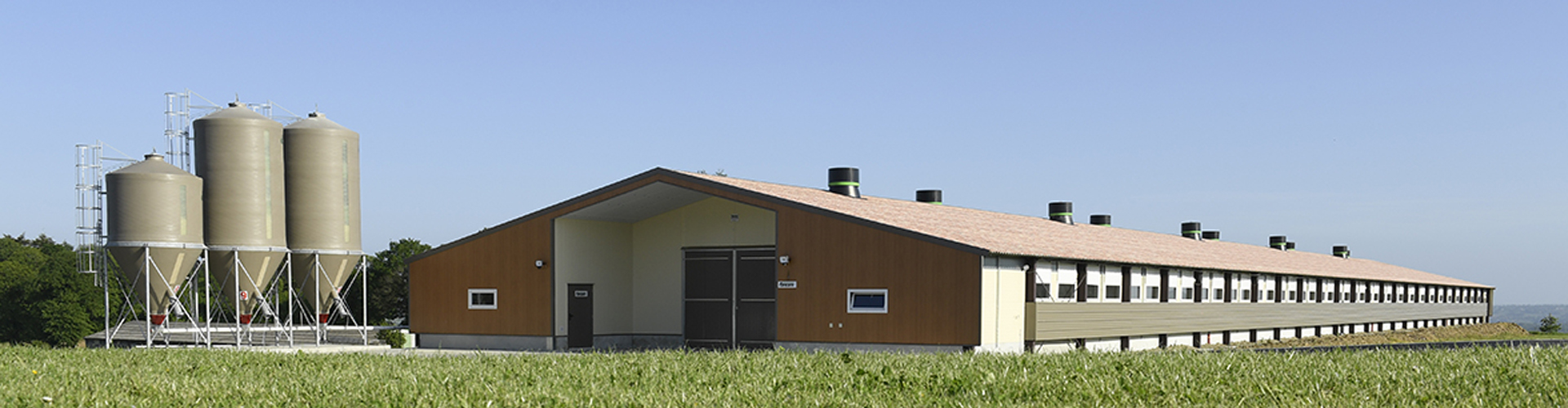
Modern poultry production integrates controlled housing engineering systems designed for efficiency, welfare optimization, and cost reduction.
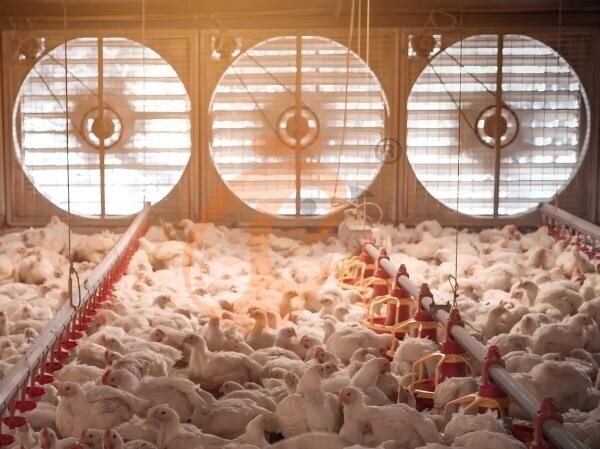
Floor rearing system enables uniform bird distribution across litter-managed ground surfaces.
Environmental control stabilizes humidity, ventilation, and ammonia concentration inside poultry houses.
Feed conversion efficiency improves through optimized movement and reduced stress response.
Investment structure supports scalable expansion for commercial poultry farm operations.
Get professional poultry farm construction guidance, equipment selection solutions, and the latest price lists, whatsApp to +8618830120193, click to learn more:
Why Poultry Farming Is Changing
Global poultry production continues increasing due to rising protein demand across developing and developed markets.
FAO agricultural datasets indicate global poultry meat output exceeding 137 million tons in 2024, while egg production reaches approximately 92 million tons annually.
Production systems increasingly shift toward engineered housing environments to meet welfare compliance and efficiency requirements.
Modern poultry farming operations require standardized housing systems capable of supporting large flock density, predictable feed conversion, and controlled biosecurity conditions.
The floor rearing system for poultry farming has become widely adopted due to balanced performance across biological and financial metrics.
Integration of automated feeding lines and ventilation control systems supports industrial-scale production stability.
What Is A Floor Rearing System In Commercial Terms
A floor rearing system is a poultry production housing structure where birds are raised on solid ground surfaces covered with absorbent litter materials such as
rice husk, wood shavings, or straw.
Environmental engineering includes controlled ventilation, automated feeding lines, and nipple drinking systems distributed across house length.
Bird density is calculated per square meter, supporting optimized spatial allocation without vertical stacking structures used in cage systems.
Data is for reference only.Swipe horizontally to view full table.
Production Output Metrics In Real Farms
Commercial poultry farms evaluate performance using feed conversion ratio (FCR), mortality rate, and daily weight gain metrics.
Floor rearing system shows measurable improvements in multiple biological performance indicators under controlled environmental conditions.
Data is for reference only.Swipe horizontally to view full table.
Cost Structure And Investment Breakdown
Commercial poultry infrastructure investment includes housing structures, feeding systems, drinking systems, and environmental control equipment.
Floor systems reduce structural complexity while maintaining production capacity scalability.
Data is for reference only.Swipe horizontally to view full table.
Litter Management And Microbial Balance
Litter management directly affects microbial ecosystem stability, ammonia concentration, and respiratory health conditions.
Floor systems require structured maintenance cycles to ensure optimal biological performance.
Data is for reference only.Swipe horizontally to view full table.
Animal Welfare Indicators And Behavioral Data
Floor systems enable natural behavioral expression including dust bathing, pecking, and free movement distribution across open litter areas.
Behavioral time allocation directly influences physiological stability and long-term productivity.
Data is for reference only.Swipe horizontally to view full table.
Scientific Insight: Stress Hormone Measurement
Physiological stress in poultry is measured using corticosterone concentration levels in blood plasma.
Reduced stress levels correlate with improved immune response and feed utilization efficiency.
Data is for reference only.Swipe horizontally to view full table.
Disease Control And Biosecurity Performance
Biosecurity efficiency depends on airflow design, stocking density control, and litter sanitation cycles.
Floor systems reduce concentrated contamination zones through distributed spatial layout.
Data is for reference only.Swipe horizontally to view full table.
Environmental Control And Ammonia Emission
Ammonia concentration directly affects respiratory health and production stability.
Ventilation engineering ensures gas dilution and thermal balance inside poultry houses.
Data is for reference only.Swipe horizontally to view full table.
Feed Efficiency And Nutrient Utilization
Feed efficiency performance is calculated through feed intake versus final body weight output.
Floor systems show improved biological conversion efficiency under controlled environmental conditions.
Data is for reference only.Swipe horizontally to view full table.
Market Value And Product Quality Premium
Market pricing reflects production method, welfare compliance, and product quality classification.
Floor system output receives premium valuation in certified retail distribution channels.
Data is for reference only.Swipe horizontally to view full table.
Operational Efficiency And Labor Input
Labor allocation differs across system types based on automation level and maintenance requirements.
Floor systems require structured litter management cycles integrated into daily farm routines.
Data is for reference only.Swipe horizontally to view full table.
Scalability And Farm Expansion Metrics
Expansion capability determines long-term farm profitability and production scaling efficiency.
Modular floor system design reduces infrastructure modification requirements during capacity increase.
Data is for reference only.Swipe horizontally to view full table.
Frequently Asked Questions
Q1: What makes floor rearing system different from other poultry housing systems?
Floor rearing system raises birds on litter-covered floors instead of cages, allowing a stocking density of 7–10 birds/m².
Compared with cage systems using 12–18 birds/m², it improves movement space, reduces stress indicators such as corticosterone levels from 8.0 ng/mL to 5.4 ng/mL at day 42, and supports more natural behavior cycles across a 24-hour period.
Q2: How does floor rearing system affect production efficiency and feed conversion?
Commercial farm data shows feed conversion ratio improving from 1.78 in cage systems to 1.69 in floor systems over a 42-day broiler cycle.
Average body weight increases from 2.15 kg to 2.32 kg, while mortality decreases from 4.2% to 3.1%, demonstrating stronger biological efficiency under controlled ventilation and litter management conditions.
Q3: Is floor rearing system suitable for large-scale poultry farm investment?
Floor systems support scalable expansion with lower infrastructure modification cost, approximately $4,800 per 5,000 birds compared to $12,000 in cage systems.
Production downtime during expansion reduces from 7 days to 2 days, enabling continuous output cycles for commercial poultry enterprises and improving long-term capital efficiency.
Taiyu (HK) Group - One Of China Biggest Floor Rearing System Manufacturer
Floor rearing system equipment provides precision poultry housing engineering for commercial production farms worldwide.
Global factory direct supply structure supports poultry equipment manufacturing with standardized industrial quality control systems.
Turn-key poultry project solutions include automated feeding, ventilation, and environmental control integration systems.
Poultry cage and floor system production lines deliver scalable farm construction solutions for international buyers.
Export service network supports large-scale poultry engineering projects across multiple agricultural markets worldwide.
Contact Us To Received Your Customized Poultry Farm Plan
Headquarters And Branchs
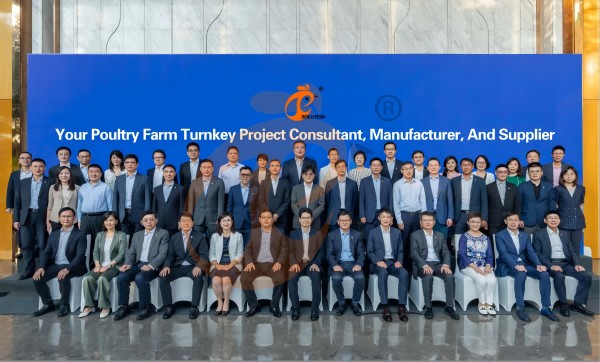
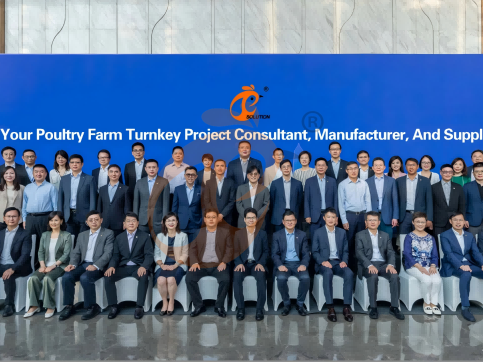
Hong Kong Headquarter Management Team
Hong Kong Headquarter Taiyu Industrial Group CO., LTD
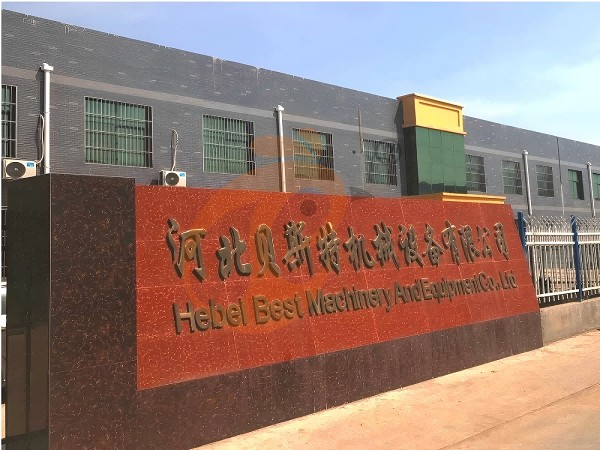
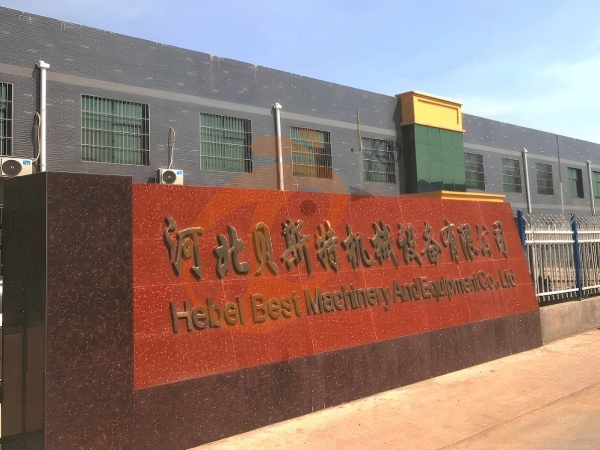
China Hebei Best Machinery And Equipment CO., LTD
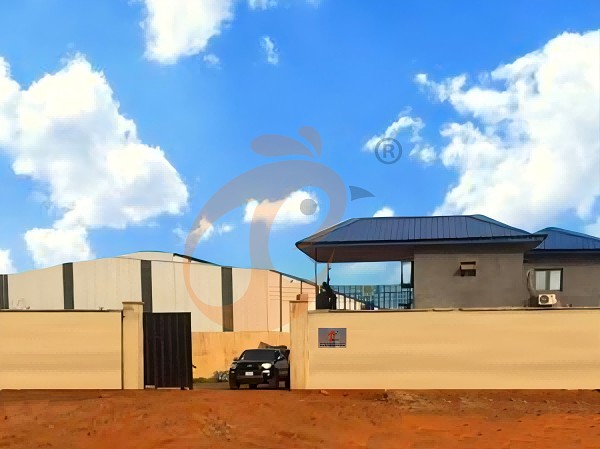
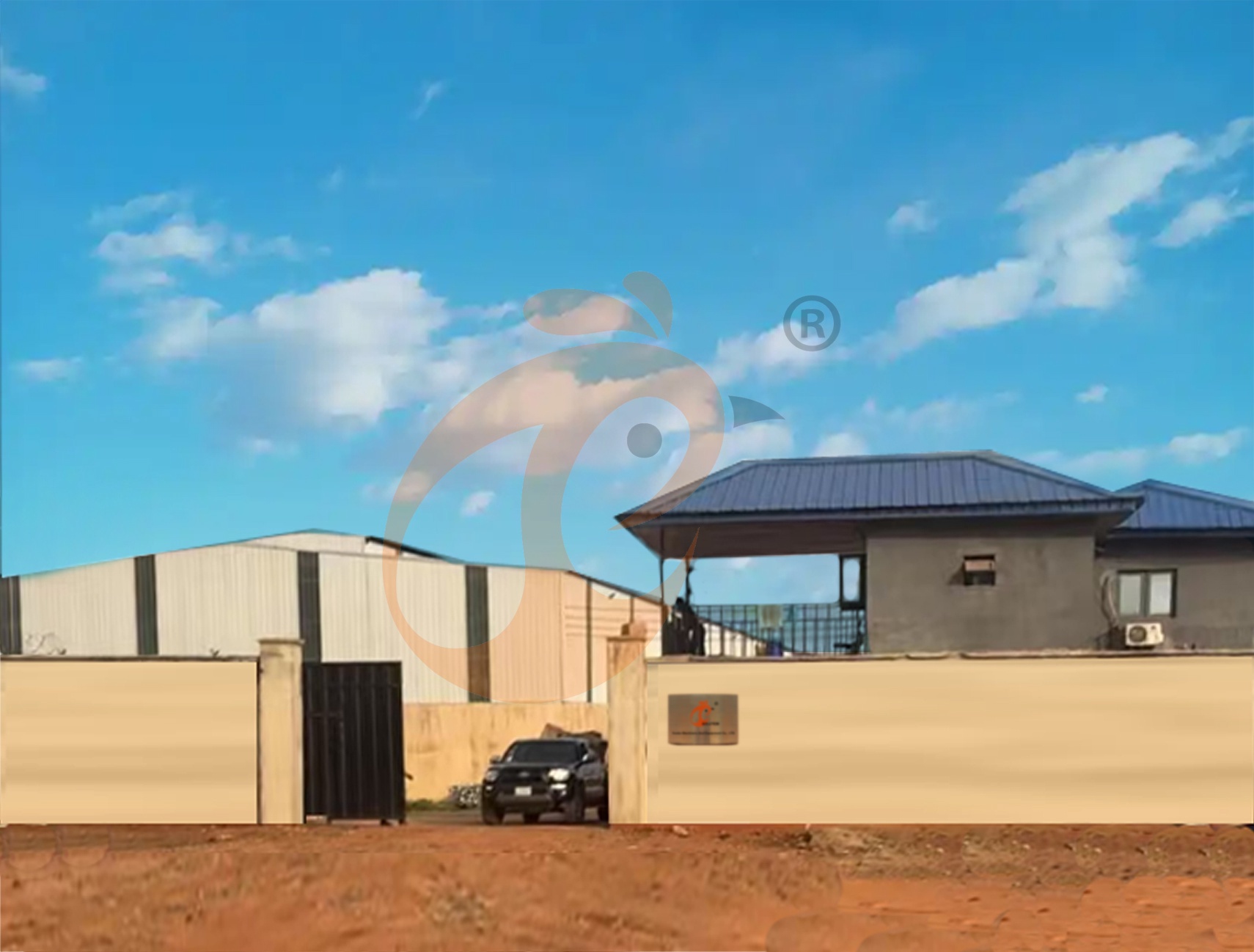
Nigeria Vanke Machinery And Equipment CO., LTD
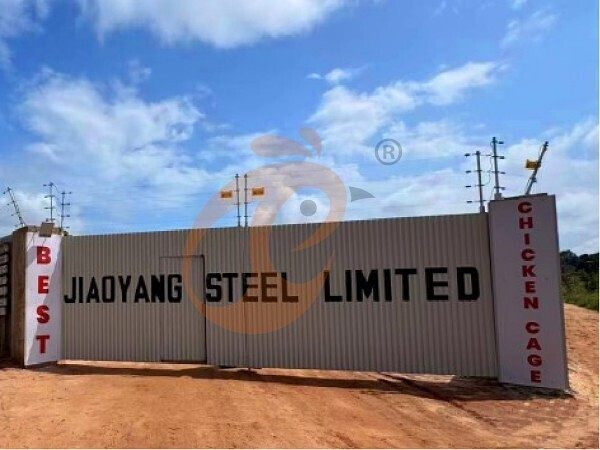
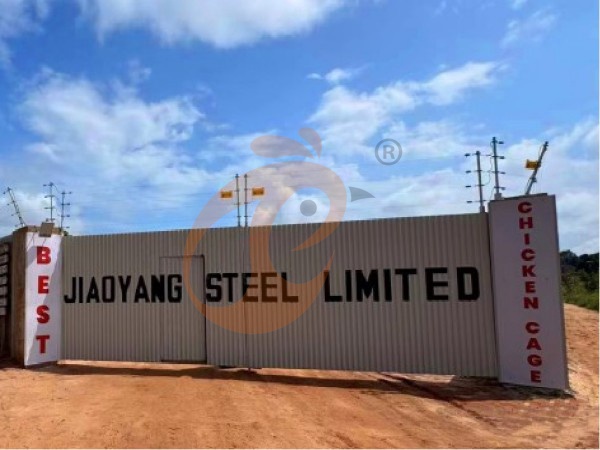
Tanzania Best Machinery And Equipment CO., LTD
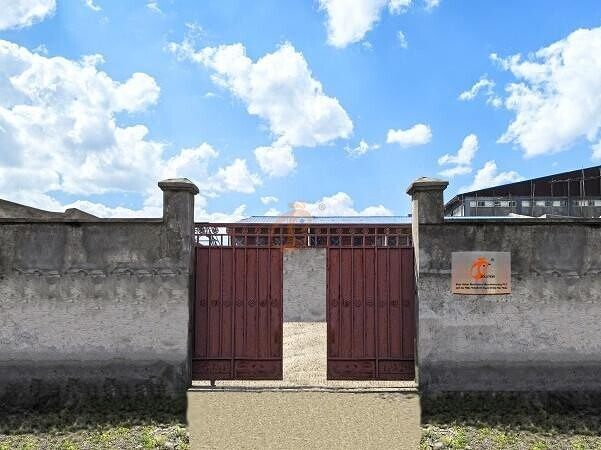
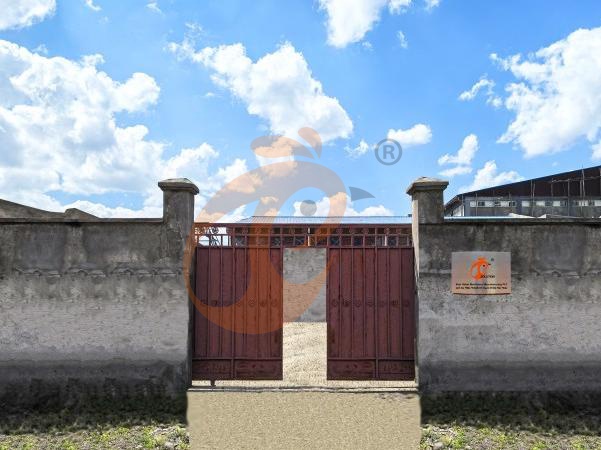
Ethiopia Best Hebei Machinery Manufacturing PLC
Reception /24 WhatsApp NO. : +8618830120193
FAQ
What Ventilation Requirements Are Needed In Floor Rearing Poultry System For Poultry Chicken Farms?
Tunnel airflow velocity ranges from 1.8–2.5 m/s for heat stress reduction.
Static pressure levels are controlled at 18–28 Pa for uniform air distribution.
What Litter Management Standards Are Used In Floor Rearing Poultry System For Poultry Chicken Production?
Moisture content is controlled below 25% to prevent ammonia buildup.
Replacement cycle occurs every 35–45 days depending on flock density.
What Feeding System Configuration Is Used In Floor Rearing Poultry System For Poultry Chicken Farms?
Feed distribution speed ranges from 12–18 meters per minute in automated lines.
Feed trough height is adjusted between 5–10 cm for chick accessibility.
- poultry farm
- poultry farms
- poultry house
- poultry cage
- cage
- poultry farm construction
- poultry farm investment
- poultry housing system
- poultry equipment
- chickencage
- conventional cage system
- bestchickencage
- cage system
- cage systems
- h cage
- Nigeria
- commercial poultry farms
- poultry farming
- poultry housing systems
- modern poultry farm
- modern poultry farming
- poultry farm plan
- Ethiopia
Message
Products recommended
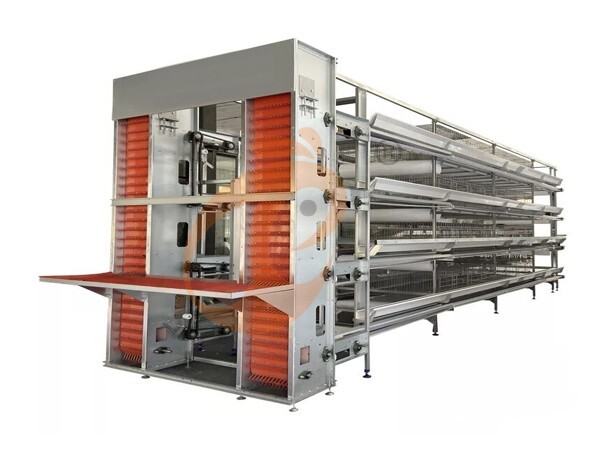
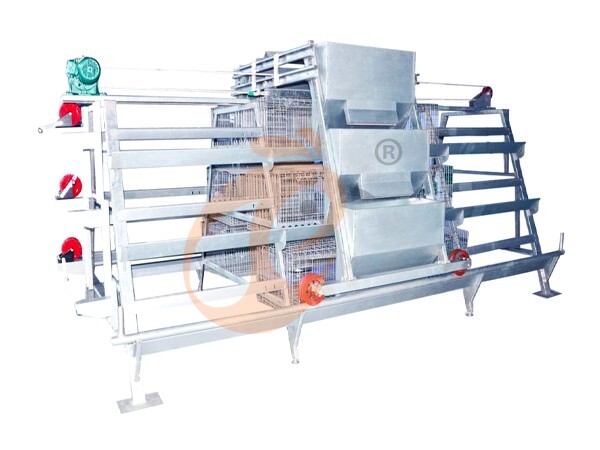
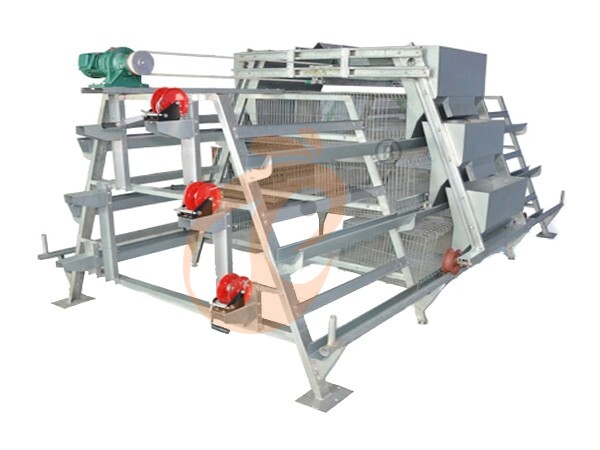
 >30,000 Pullets Automatic H Type Battery Cage1. More than 30,000 pullets a house, choose it.
2. It is designed to rearing older than 1 day old pullets to 12 to 16 weeks old chicken starting laying eggs.
3. Its lifespan is more than 25 years.
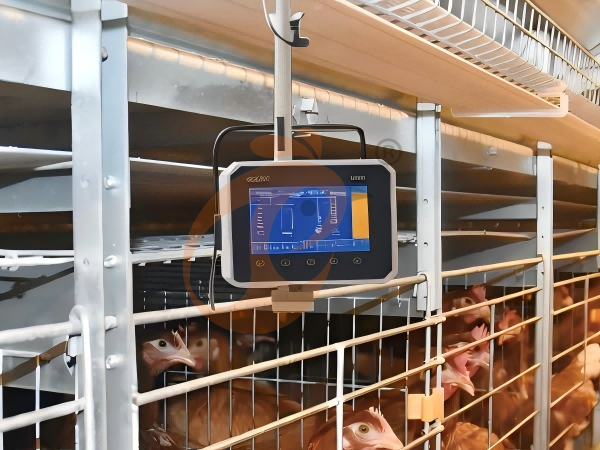
4. Its structure are Vcloud artificial intelligent fusion, electric control cabinet, automatic equipment of drinking, feeding, manure clean, manual harvesting.
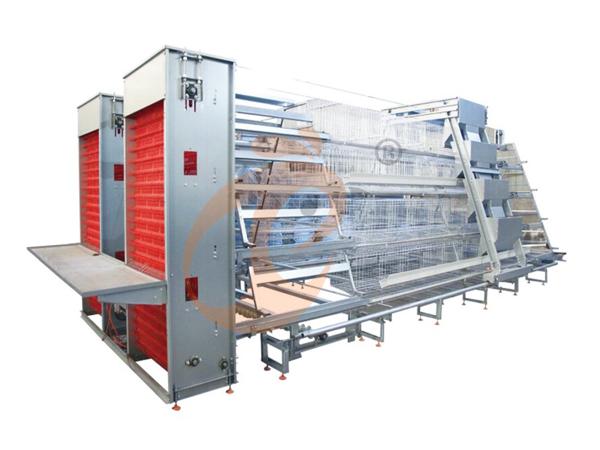
5. Our 24 hour online reception What’sApp NO. is +8618830120193 <30,000 Pullets Automatic A Type Battery Cage1. 10,000 to 30,000 pullets a house, choose it.
2. It is designed to rearing older than 1 day old pullets to 12 to 16 weeks old chicken starting laying eggs.
3. Its lifespan is more than 25 years.
4. Its structure are Vcloud artificial intelligent fusion, electric control cabinet, automatic equipment of drinking, feeding, manure clean, manual harvesting.
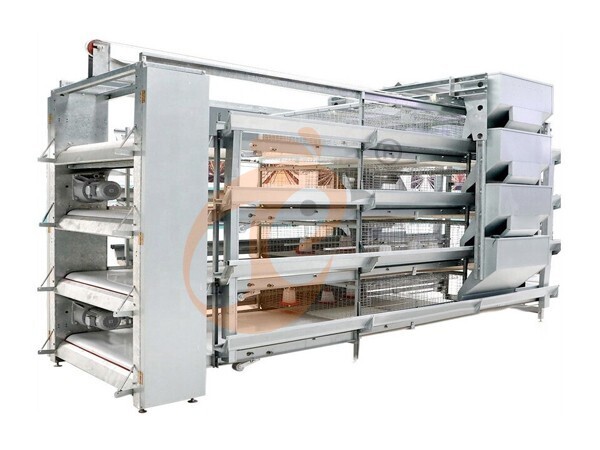
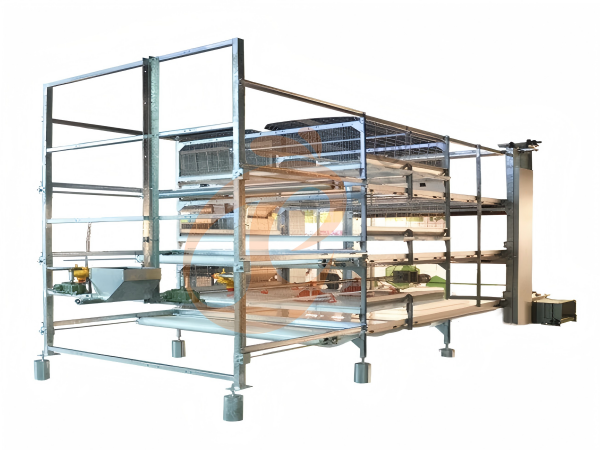
5. Our 24 hour online reception What’sApp NO. is +86 18830120193. >30,000 Broilers Semi-Automatic Harvest H Type Battery Cage1. More than 30,000 broilers a house, choose it.
2. It is designed to rearing 1 to 45 day old adult broiler ready for market.
3. Its lifespan is more than 20 years.
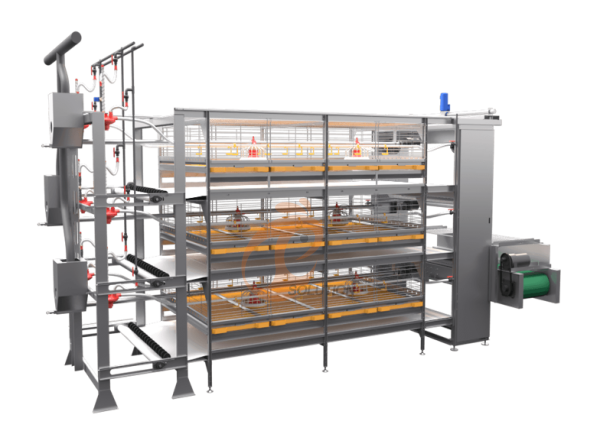
4. Our 24 hour online reception What’sApp NO. is +8618830120193, +234 8111199996. >30,000 Broilers Manual Harvest H Type Battery Cage1. More than 30,000 broilers a house, choose it.
2. It is designed to rearing 1 to 45 day old adult broiler ready for market.
3. Its lifespan is more than 20 years.
4. Its structure are Vcloud artificial intelligent fusion, electric control cabinet, automatic equipment of drinking, feeding and manure clean, manual harvesting.
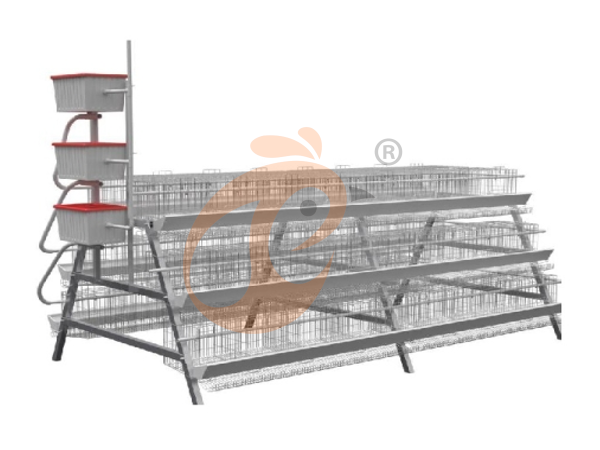
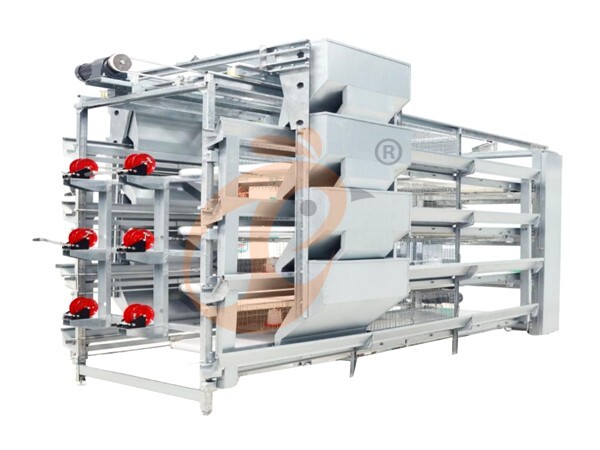
5. Our 24 hour online reception What’sApp NO. is +8618830120193, +234 8111199996. <30,000 Broilers Manual Harvest A Type Battery Cage1. Less 30,000 broilers a house, choose it.
2. It is designed to rearing 1 to 45 day old adult broiler ready for market.
3. Its lifespan is more than 20 years.
4. Its structure are Vcloud artificial intelligent fusion, electric control cabinet, automatic equipment of drinking, feeding and manure clean, manual harvesting.
5. Our 24 hour online reception What’sApp NO. is +8618830120193, +234 8111199996. HK Headquarter Offers EU-standard Poultry Farm Solutions, Manufacture Poultry Farm Equipment1. Continuous communication with the EU and the US
2. China, Nigeria, Ethiopia, Tanzania branch companies and factories
3. The products’ quality is customized for local poultry farms
4. Poultry cage and poultry farm equipment stock for sale
5. 24 online reception Whatsapp NO. : +8618830120193,contact us to get full information China Branch Offer Poultry Farm Business Plan, Manufacture Poultry Farm Equipment1. Address: Flat/RM 2416, 24/F, Runxing Building, Youyi Nan Street, Shijiazhuang City, Hebei Province, China
2. Poultry cage and poultry farm equipment factory and stock for sale
3. Customized for local poultry farms
4. Quality and design are based on Euro
5. 24 online reception Whatsapp NO. : +8618830120193 Nigeria Branch Offer Poultry Farm Business Plan, Manufacture Poultry Farm Equipment1. Address: After Sinoma Office, 200 Meters Near Danco Filling Station, Lagos/Ibadan Expressway, Lagos State, Nigeria
2. Poultry cage and poultry farm equipment factory and stock for sale
3. Customized for Nigerian poultry farms
4. Quality and design are based on Euro
5. 24 online reception Whatsapp NO. : +8618830120193 Ethiopia Branch Offer Poultry Farm Business Plan, Manufacture Poultry Farm Equipment1. Address: Gelan Gura, Akaki-kaliti Sub City, Addis Ababa, Ethiopia
2. Poultry cage and poultry farm equipment stock for sale
3. Customized for Ethiopian poultry farms
4. Quality and design are based on Euro
5. 24 online reception Whatsapp NO. : +8618830120193, contact us to get price list Tanzania Branch Offer Poultry Farm Business Plan, Manufacture Poultry Farm Equipment1. Address: No.8, Sova Road, Msufini, Mlandizi, Kibaha, Pwani, Tanzania
2. Poultry cage and poultry farm equipment factory and stock for sale
3. Customized for Tanzanian poultry farms
4. Quality and design are based on Euro
5. 24 online reception Whatsapp NO. : +8618830120193



Contact