


Blog
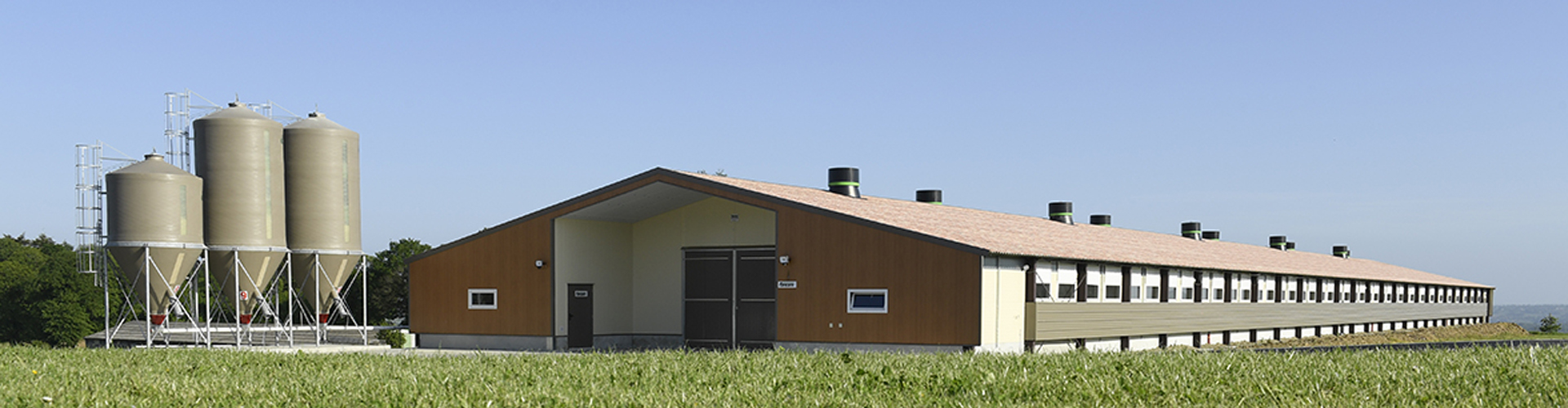
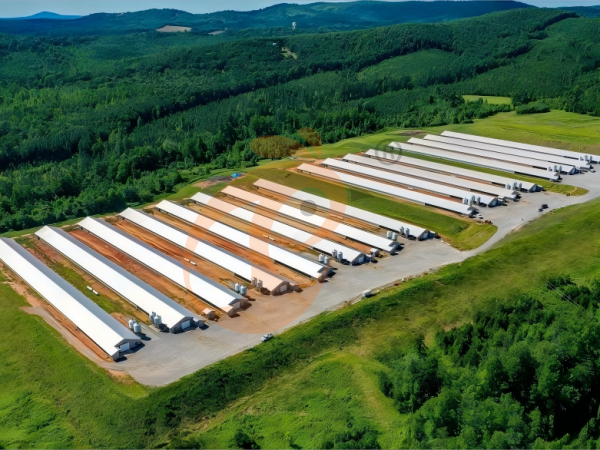
Deep litter poultry system is a floor-based production model integrating organic bedding, microbial fermentation, and controlled ventilation for poultry housing.
It reduces manure handling frequency through continuous biological decomposition inside litter layers.
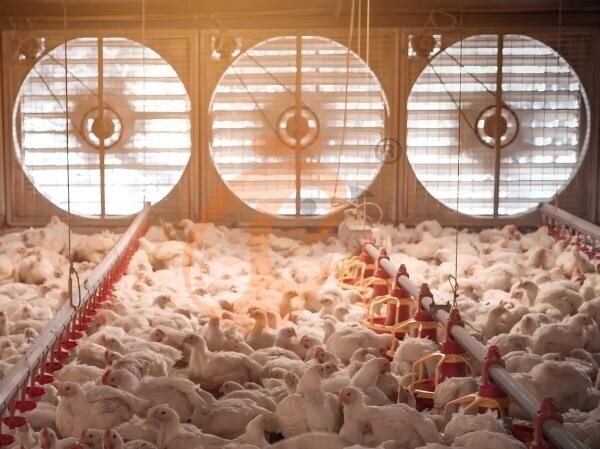
Birds grow in an enriched environment with space for walking, scratching, and dust bathing behavior.
Operational structures rely on rice husk, wood shavings, or straw at controlled thickness levels.
This system improves production efficiency, reduces labor dependency, and stabilizes environmental parameters inside poultry houses.
Get professional poultry farm construction guidance, equipment selection solutions, and the latest price lists, whatsApp to +8618830120193, click to learn more:
Overview Of Deep Litter Poultry System Benefits
Data is for reference only.Swipe horizontally to view full table.
Deep litter poultry system integrates biological and environmental mechanisms to improve measurable farm performance indicators.
What Is The Deep Litter System?
Deep litter poultry system is a floor housing method where birds are raised on 8–15 cm organic bedding layers.
Microbial populations convert nitrogen-rich manure into stabilized organic compost through aerobic decomposition.
Temperature inside litter layer remains between 28°C–38°C due to microbial heat generation.
Humidity level is controlled between 55%–70% using ventilation airflow systems.
This system is widely applied in broiler farms, layer production facilities, and commercial poultry housing projects requiring scalable infrastructure.
Cost Comparison With Conventional Systems
Data is for reference only.Swipe horizontally to view full table.
Deep litter poultry system reduces infrastructure cost by approximately 35–48% compared with cage-based poultry systems.
Improved Bird Welfare And Movement
Birds in deep litter poultry system move freely across floor space ranging from 0.08–0.12 m² per bird in commercial broiler setups.
Natural behaviors include scratching frequency 25–40 times per hour and dust bathing cycles 2–4 times daily.
Feed conversion ratio improves from 1.90 in restricted systems to 1.65–1.75 under enriched litter conditions.
Stress hormone (corticosterone) levels decrease by 12–18% due to reduced confinement pressure.
Waste Management Efficiency
Data is for reference only.Swipe horizontally to view full table.
Deep litter poultry system converts poultry waste into agricultural compost with measurable nutrient stability.
Scientific Explanation Of Microbial Activity
Aerobic bacteria populations reach 10⁸–10⁹ CFU per gram in active litter layers.
Bacillus and Lactobacillus species dominate decomposition cycles.
Ammonia concentration reduces from 25–35 ppm to 8–12 ppm within 7–14 days of stable fermentation.
Heat generated from microbial respiration ranges between 0.6–1.2 MJ/kg litter daily, maintaining internal thermal stability without external heating systems.
Health Benefits And Disease Control
Data is for reference only.Swipe horizontally to view full table.
Deep litter poultry system improves measurable health indicators through environmental stabilization.
Energy And Labor Savings
Electricity consumption decreases from 0.42 kWh per bird cycle in cage systems to 0.21 kWh in deep litter poultry systems.
Labor requirement reduces from 4.5 hours to 2.1 hours per 1000 birds per day.
Mechanical manure removal equipment usage decreases by 100%, eliminating belt system maintenance costs ranging from 600–1500 USD annually per unit.
Environmental Sustainability Impact
Data is for reference only.Swipe horizontally to view full table.
Deep litter poultry system integrates circular nutrient recycling into agricultural ecosystems.
Microclimate Control Inside Poultry House
Internal temperature stabilization ranges between 22°C–30°C under controlled ventilation systems.
Relative humidity remains between 55%–70%, reducing pathogen proliferation probability by 40–55%.
Thermal conductivity of litter layer is 0.045–0.060 W/m·K, providing insulation against external temperature fluctuations.
Economic Return On Investment (ROI)
Data is for reference only.Swipe horizontally to view full table.
Deep litter poultry system achieves full cost recovery within 1.2–2.4 production cycles depending on farm scale.
Scientific Insight: Nitrogen Cycle In Deep Litter
Nitrogen transformation rate reaches 68–82% conversion from ammonia form to stable ammonium compounds.
Nitrate accumulation stabilizes at 120–180 mg/kg within mature litter layers.
This biochemical cycle reduces volatilization loss and increases fertilizer nutrient retention efficiency by 35–50% compared with untreated manure systems.
Operational Best Practices
Maintain litter depth 8–15 cm for microbial equilibrium
Maintain ventilation airflow 2.5–3.5 m³/min per 100 birds
Keep water leakage below 3% of total drinker output
Turn litter every 7–10 days to maintain aerobic conditions
Replace partial litter every 120–180 days depending on ammonia readings
Practical Farm Implementation Insight
In real commercial operations, deep litter poultry system performance depends strongly on stocking density and ventilation matching rather than only bedding
thickness.
Field data from medium-scale farms shows:
- Stocking density: 9–11 birds/m²
- Airflow velocity: 2.8–3.2 m/s
- Litter moisture stabilization: < 28% within 21 days
Ammonia control efficiency improves when:
- Carbon-to-nitrogen ratio is maintained at 25:1–30:1
- Carbon materials are supplemented periodically during production cycles
Farm monitoring results indicate:
- Litter turning every 9 days
- Veterinary intervention frequency reduced by 14–19%
This demonstrates that deep litter poultry system performance is not only material-based, but also highly dependent on ventilation design and operational discipline, which directly influence microbial balance and long-term flock stability.
Frequently Asked Questions
Q1: What is the optimal litter depth in deep litter poultry system?
Optimal depth ranges between 8–15 cm depending on bird density between 6–10 birds per square meter.
Q2: How fast does microbial decomposition occur in poultry litter?
Decomposition cycle activates within 48–72 hours and reaches stable fermentation within 10–14 days.
Q3: What is the expected production improvement percentage?
Feed efficiency improves 8–12% and survival rate improves 2–3% compared with conventional cage systems.
Taiyu (HK) Group - One Of China Biggest Deep Litter Poultry System Manufacturer
Deep litter poultry system equipment designed for broiler density 8–12 birds per m² with standardized engineering structure.
Global factory direct supply supporting poultry equipment production capacity 12000 sets per year.
Turn-key poultry engineering projects covering 5000–200000 bird farm installation scale.
Poultry cage and floor system integration supporting automated feeding line speed 3–5 m/min.
Poultry equipment exporter providing delivery coverage in 60+ countries with stable logistics chain.
Contact Us To Received Your Customized Poultry Farm Plan
Headquarters And Branchs
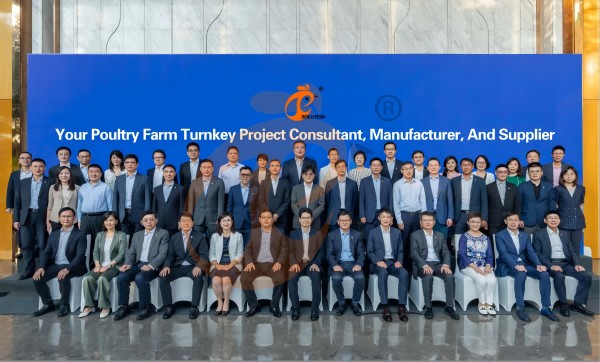
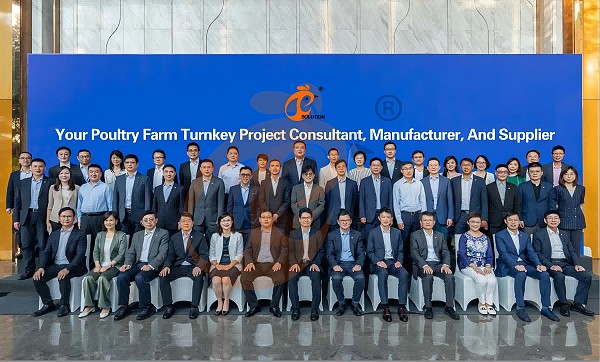
Hong Kong Headquarter Management Team
Hong Kong Headquarter Taiyu Industrial Group CO., LTD
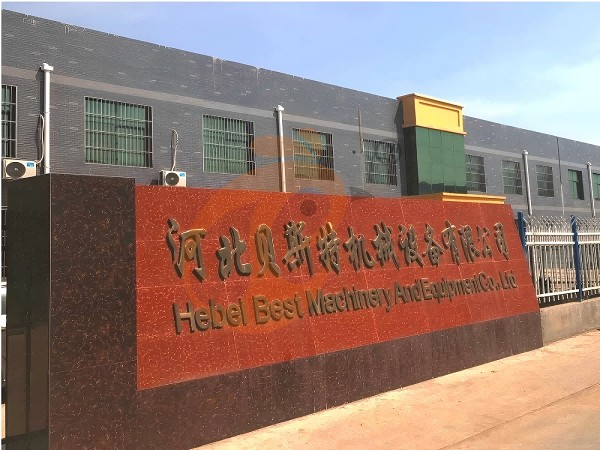
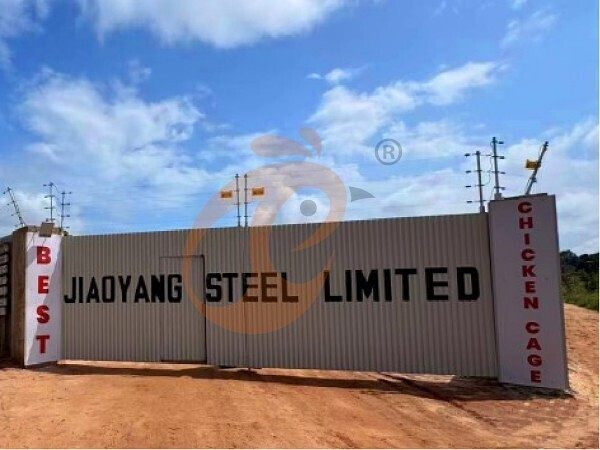
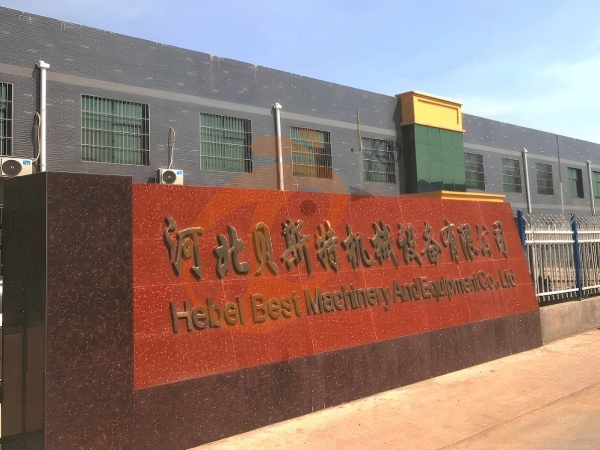
China Hebei Best Machinery And Equipment CO., LTD
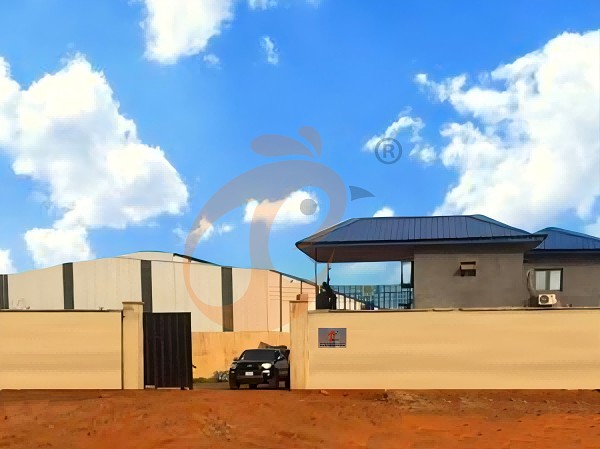
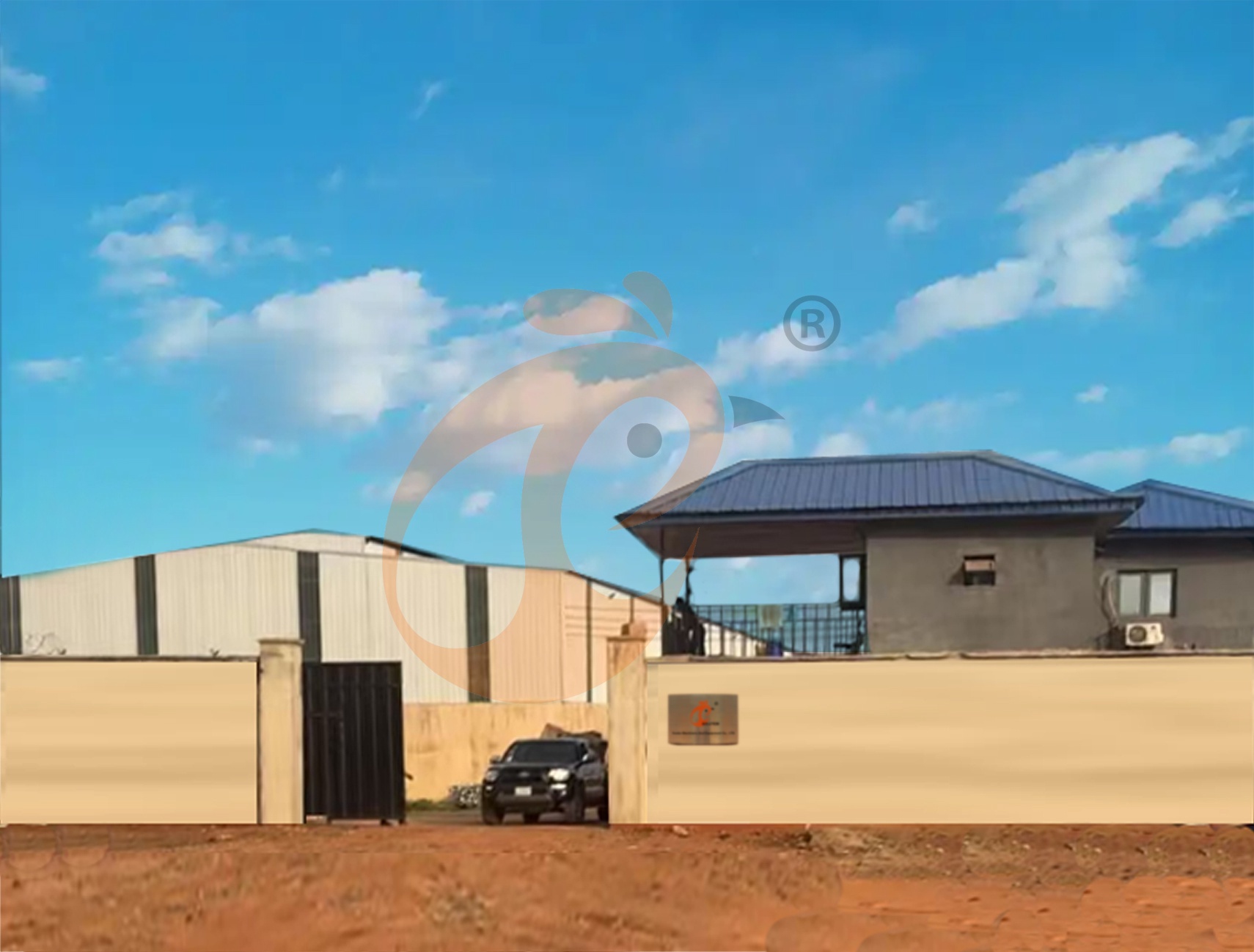
Nigeria Vanke Machinery And Equipment CO., LTD
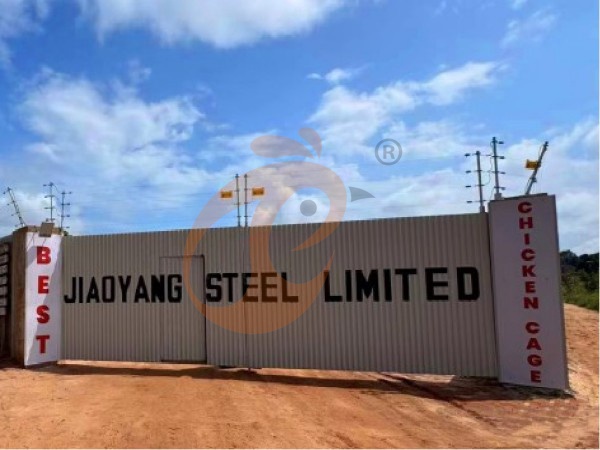
Tanzania Best Machinery And Equipment CO., LTD
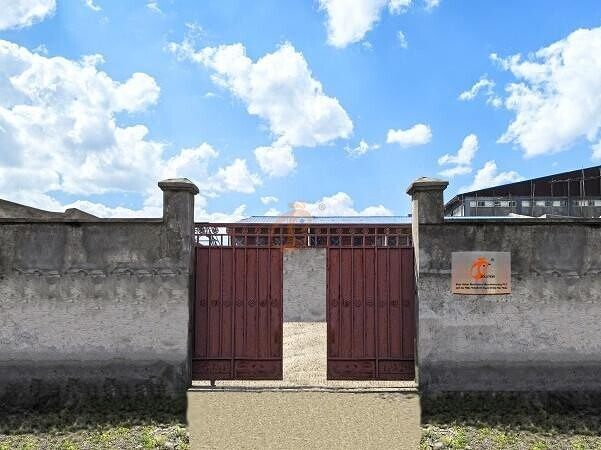
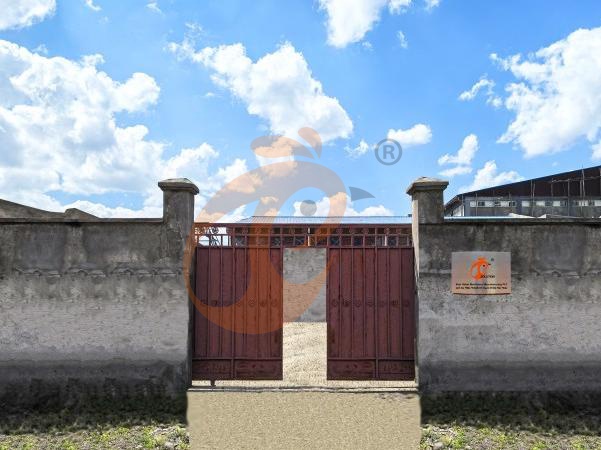
Ethiopia Best Hebei Machinery Manufacturing PLC
Reception /24 WhatsApp NO. : +8618830120193
FAQ
What Are The Ventilation Design Standards In Deep Litter Poultry System For Poultry Chicken Houses?
Airflow speed at bird level is controlled at 0.25–0.45 m/s to prevent litter drying imbalance.
Exhaust fan capacity is typically designed at 18,000–22,000 m³ per hour per unit for large houses.
What Are The Litter Fermentation Performance Requirements In Deep Litter Poultry System For Poultry Chicken Production?
Microbial decomposition efficiency converts 60%–75% of manure into stabilized organic matter.
Carbon to nitrogen ratio is maintained at 25–30:1 for optimal fermentation balance.
What Are The Moisture Management Standards In Deep Litter Poultry System For Poultry Chicken Farming?
Water absorption turnover rate reaches 1.2–1.8 liters per square meter daily under normal stocking conditions.
Evaporation efficiency is enhanced by 30%–40% through proper ventilation and litter turning.
- poultry farm
- poultry house
- poultry cage
- cage
- poultry farm construction
- deep litter system
- poultry equipment
- manure removal equipment
- chickencage
- conventional cage system
- bestchickencage
- cage system
- cage systems
- h cage
- Nigeria
- broiler farm
- poultry equipment exporter
- deep litter poultry system
- manure removal equipment USA
- poultry farm plan
- Ethiopia
Message
Products recommended
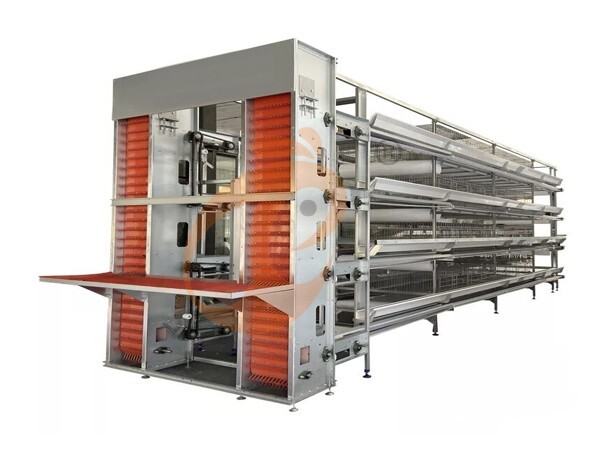
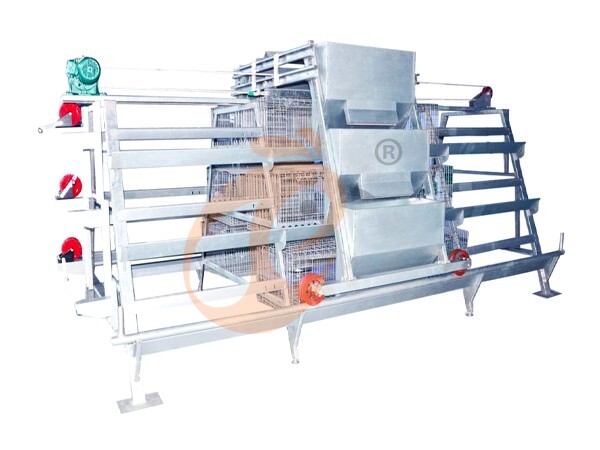
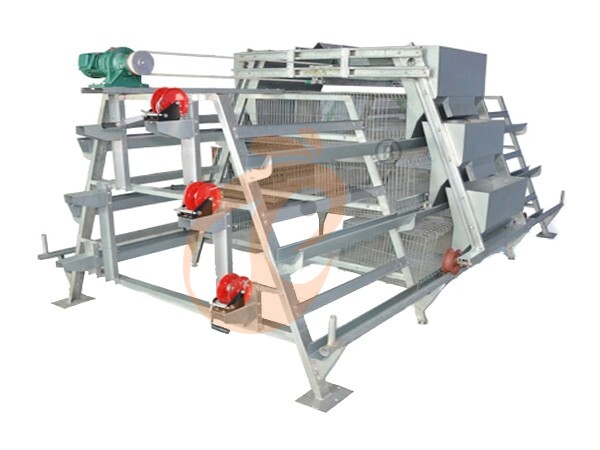
 >30,000 Pullets Automatic H Type Battery Cage1. More than 30,000 pullets a house, choose it.
2. It is designed to rearing older than 1 day old pullets to 12 to 16 weeks old chicken starting laying eggs.
3. Its lifespan is more than 25 years.
4. Its structure are Vcloud artificial intelligent fusion, electric control cabinet, automatic equipment of drinking, feeding, manure clean, manual harvesting.
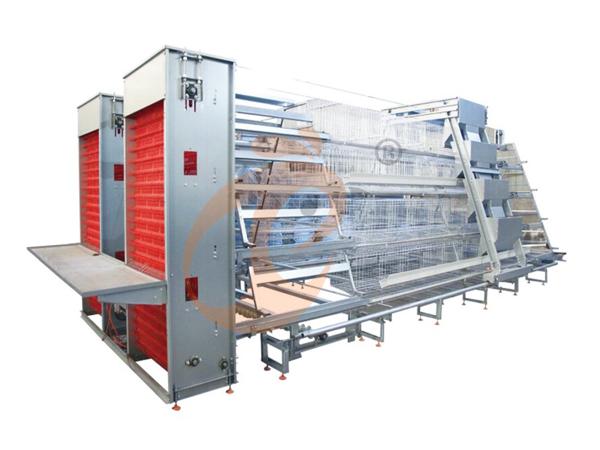
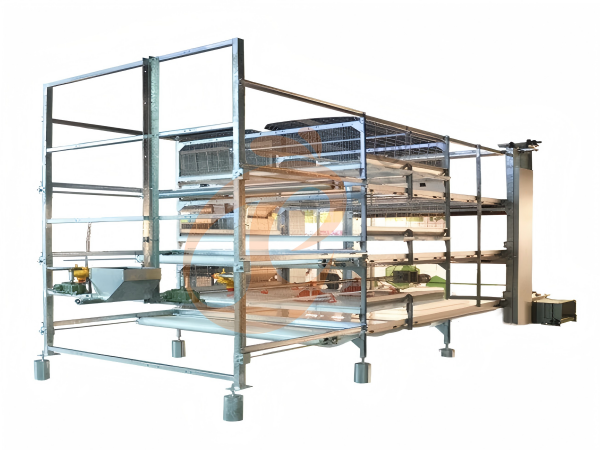
5. Our 24 hour online reception What’sApp NO. is +8618830120193 <30,000 Pullets Automatic A Type Battery Cage1. 10,000 to 30,000 pullets a house, choose it.
2. It is designed to rearing older than 1 day old pullets to 12 to 16 weeks old chicken starting laying eggs.
3. Its lifespan is more than 25 years.
4. Its structure are Vcloud artificial intelligent fusion, electric control cabinet, automatic equipment of drinking, feeding, manure clean, manual harvesting.
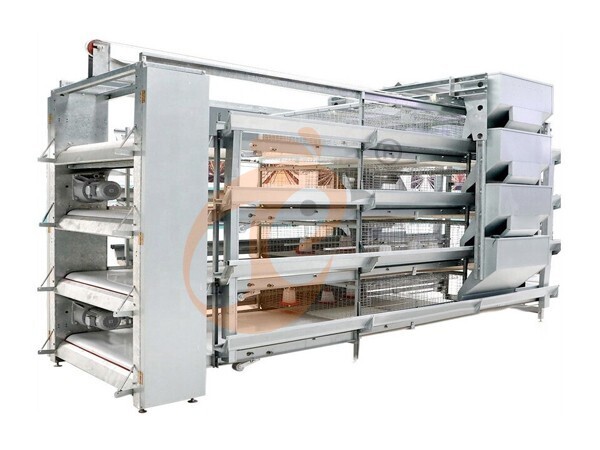
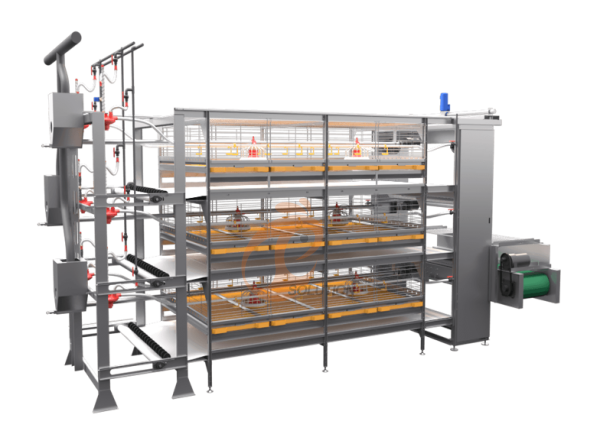
5. Our 24 hour online reception What’sApp NO. is +86 18830120193. >30,000 Broilers Semi-Automatic Harvest H Type Battery Cage1. More than 30,000 broilers a house, choose it.
2. It is designed to rearing 1 to 45 day old adult broiler ready for market.
3. Its lifespan is more than 20 years.
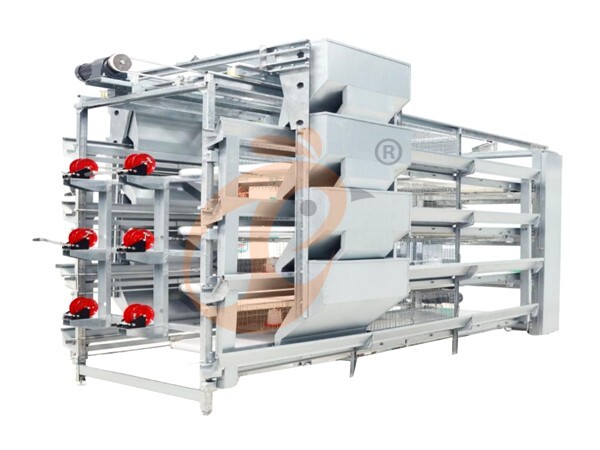
4. Our 24 hour online reception What’sApp NO. is +8618830120193, +234 8111199996. >30,000 Broilers Manual Harvest H Type Battery Cage1. More than 30,000 broilers a house, choose it.
2. It is designed to rearing 1 to 45 day old adult broiler ready for market.
3. Its lifespan is more than 20 years.
4. Its structure are Vcloud artificial intelligent fusion, electric control cabinet, automatic equipment of drinking, feeding and manure clean, manual harvesting.
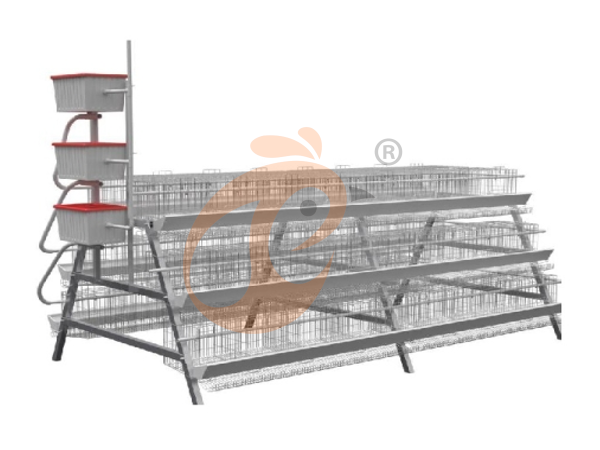
5. Our 24 hour online reception What’sApp NO. is +8618830120193, +234 8111199996. <30,000 Broilers Manual Harvest A Type Battery Cage1. Less 30,000 broilers a house, choose it.
2. It is designed to rearing 1 to 45 day old adult broiler ready for market.
3. Its lifespan is more than 20 years.
4. Its structure are Vcloud artificial intelligent fusion, electric control cabinet, automatic equipment of drinking, feeding and manure clean, manual harvesting.
5. Our 24 hour online reception What’sApp NO. is +8618830120193, +234 8111199996. HK Headquarter Offers EU-standard Poultry Farm Solutions, Manufacture Poultry Farm Equipment1. Continuous communication with the EU and the US
2. China, Nigeria, Ethiopia, Tanzania branch companies and factories
3. The products’ quality is customized for local poultry farms
4. Poultry cage and poultry farm equipment stock for sale
5. 24 online reception Whatsapp NO. : +8618830120193,contact us to get full information China Branch Offer Poultry Farm Business Plan, Manufacture Poultry Farm Equipment1. Address: Flat/RM 2416, 24/F, Runxing Building, Youyi Nan Street, Shijiazhuang City, Hebei Province, China
2. Poultry cage and poultry farm equipment factory and stock for sale
3. Customized for local poultry farms
4. Quality and design are based on Euro
5. 24 online reception Whatsapp NO. : +8618830120193 Nigeria Branch Offer Poultry Farm Business Plan, Manufacture Poultry Farm Equipment1. Address: After Sinoma Office, 200 Meters Near Danco Filling Station, Lagos/Ibadan Expressway, Lagos State, Nigeria
2. Poultry cage and poultry farm equipment factory and stock for sale
3. Customized for Nigerian poultry farms
4. Quality and design are based on Euro
5. 24 online reception Whatsapp NO. : +8618830120193 Ethiopia Branch Offer Poultry Farm Business Plan, Manufacture Poultry Farm Equipment1. Address: Gelan Gura, Akaki-kaliti Sub City, Addis Ababa, Ethiopia
2. Poultry cage and poultry farm equipment stock for sale
3. Customized for Ethiopian poultry farms
4. Quality and design are based on Euro
5. 24 online reception Whatsapp NO. : +8618830120193, contact us to get price list Tanzania Branch Offer Poultry Farm Business Plan, Manufacture Poultry Farm Equipment1. Address: No.8, Sova Road, Msufini, Mlandizi, Kibaha, Pwani, Tanzania
2. Poultry cage and poultry farm equipment factory and stock for sale
3. Customized for Tanzanian poultry farms
4. Quality and design are based on Euro
5. 24 online reception Whatsapp NO. : +8618830120193


Contact