


Blog
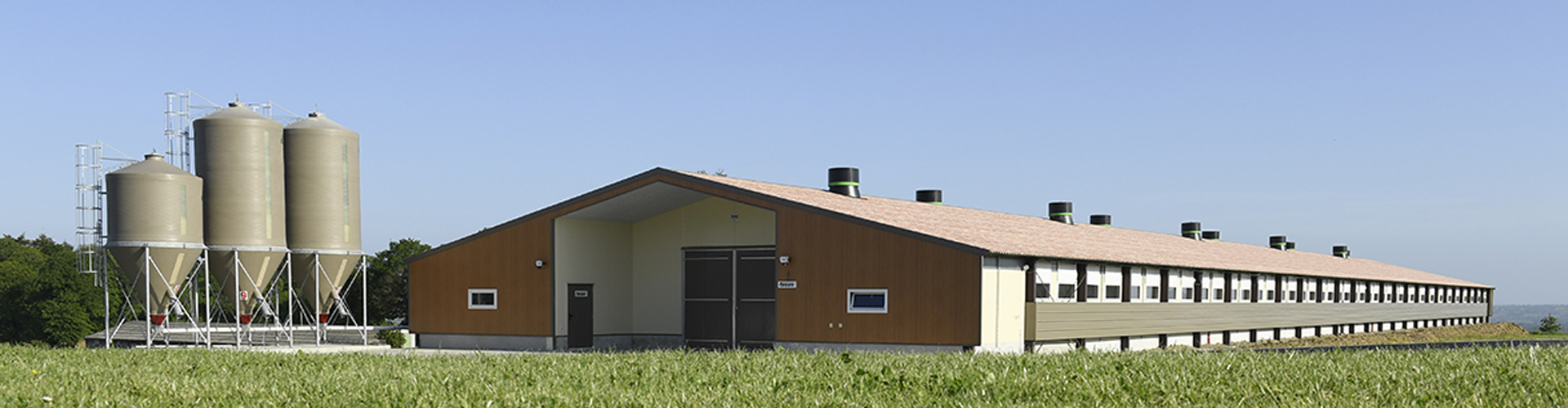
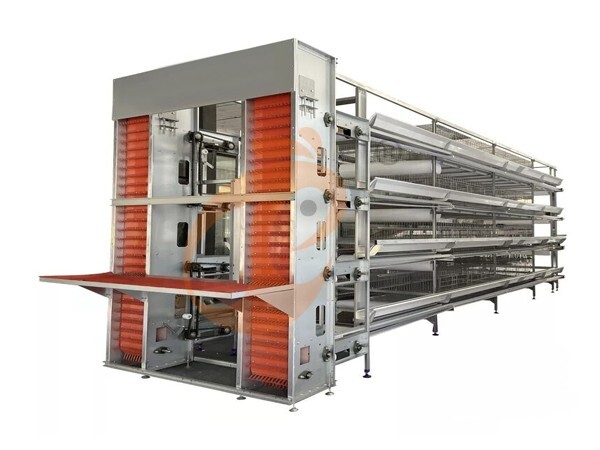
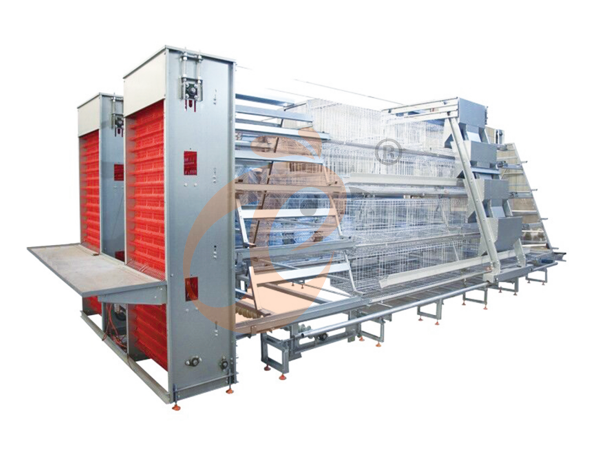
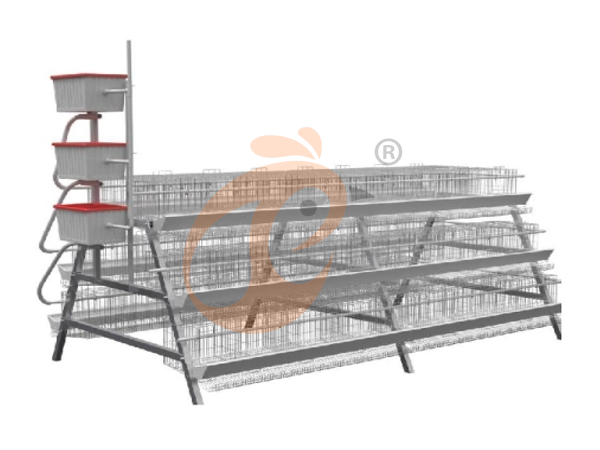
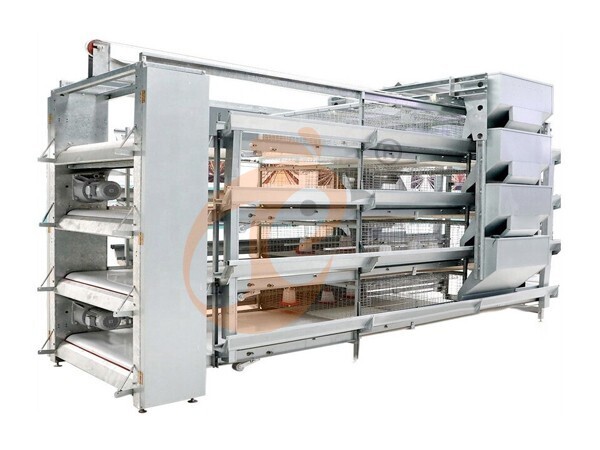
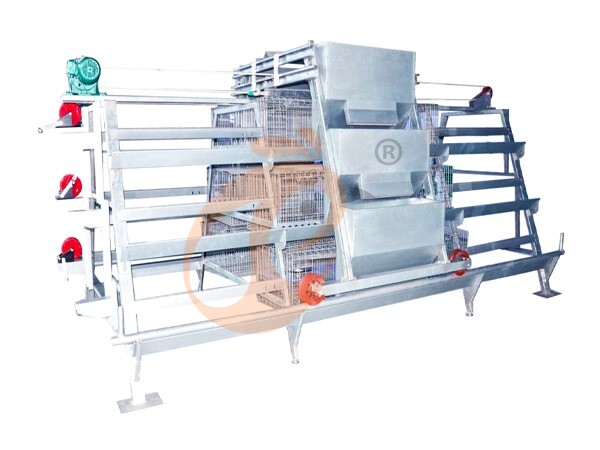
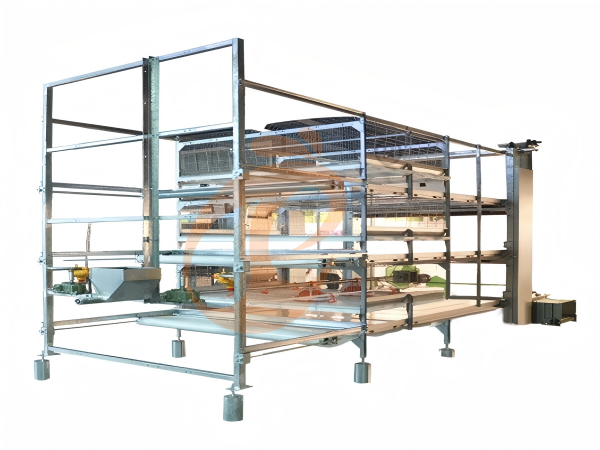
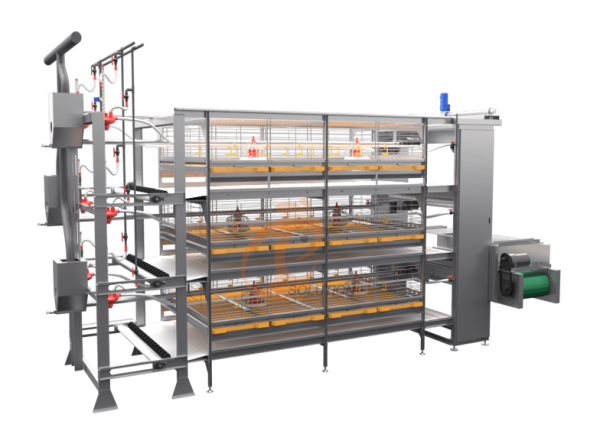
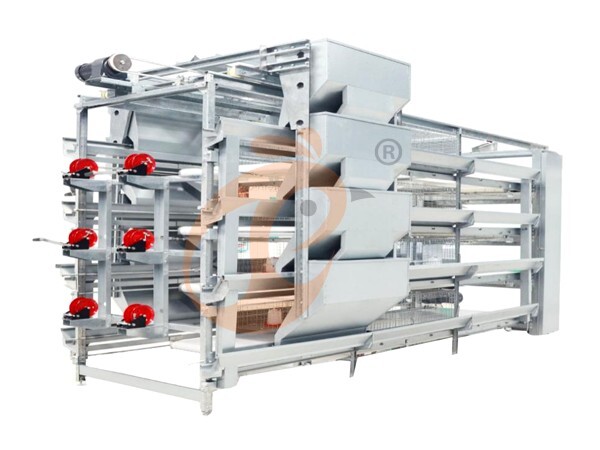
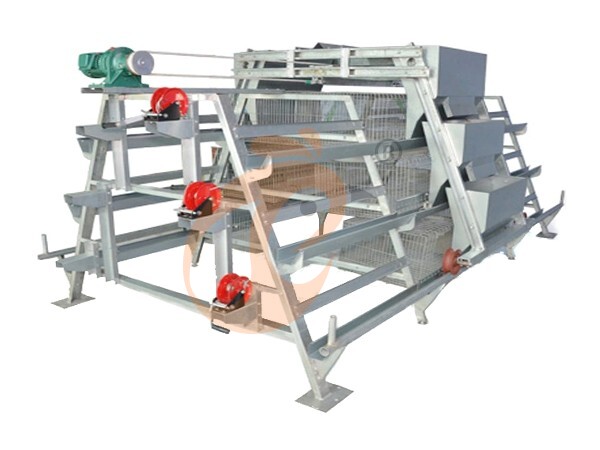
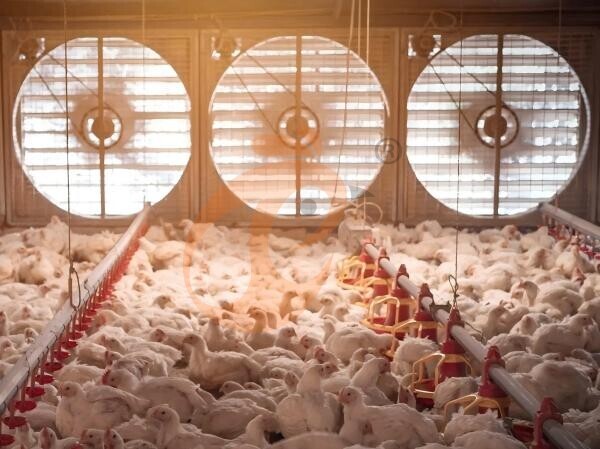
Broiler chicken cage system enables high-density poultry farming through optimized structural engineering and integrated automation for consistent production output.
Precision-designed cage layouts improve space utilization and support scalable farm expansion with stable flock distribution and reduced operational variability.
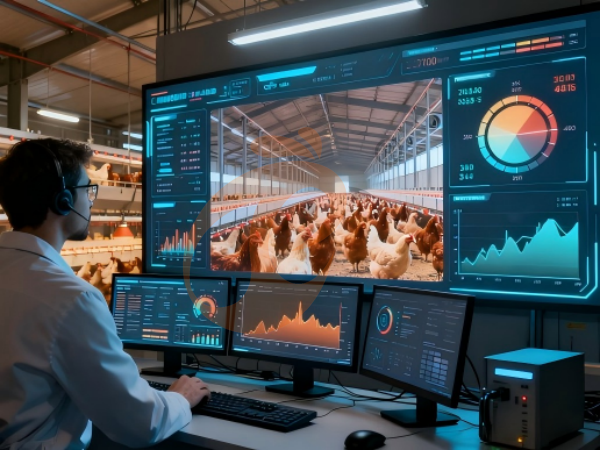
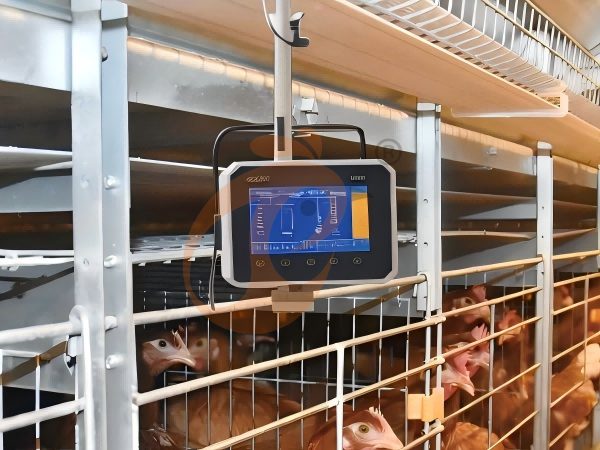
Automated feeding and drinking systems enhance feed conversion efficiency, minimize waste loss, and ensure uniform nutrient intake across all growth stages.
Advanced manure removal and ventilation systems reduce ammonia levels, improving air quality and maintaining stable environmental conditions for broiler growth.
Durable galvanized steel construction ensures corrosion resistance, structural stability, and long service life under intensive multi-cycle production environments.
Biosecurity-focused cage separation design reduces disease transmission risk, lowers mortality rates, and improves overall flock health management efficiency.
Flexible system configurations support manual, semi-automatic, and fully automatic solutions aligned with different investment scales and labor structures.
Get professional poultry farm construction guidance, equipment selection solutions, and the latest price lists, whatsApp to +8618830120193, click to learn more:
Commercial Broiler Cage Farming Context
In modern broiler meat production systems, cage housing has become a standard configuration for intensive farms targeting consistent slaughter weight and predictable growth cycles.
From a farm management perspective, investment decisions are primarily evaluated through stocking density, feed conversion ratio (FCR), mortality rate, and cost per kg live weight gain.
The following design parameters define a baseline engineering framework for commercial broiler housing.
They are typically used during farm planning, ventilation design, and stocking density calculation.
Data is for reference only.Swipe horizontally to view full table.
These parameters directly influence environmental stability and determine whether the house can sustain high-density broiler cycles without compromising growth uniformity.
Cage Structural Engineering Configuration
Broiler cage systems are engineered using galvanized steel frameworks with load-bearing optimization per tier.
Structural integrity determines service life and operational stability under continuous production cycles.
Material selection and mechanical specifications are critical because they directly affect deformation resistance, corrosion lifespan, and long-term maintenance cost.
Data is for reference only.Swipe horizontally to view full table.
These structural parameters are used by farm engineers to evaluate whether the cage system can withstand long-term loading cycles under high-density broiler production.
Broiler Cage Price Structure Breakdown
Pricing in broiler cage systems is determined by automation level, steel consumption per unit capacity, and integrated feeding system complexity.
Farm-scale purchasing significantly reduces per-unit capital expenditure.
Understanding cost breakdown is essential for investors because cage systems are long-term infrastructure assets, not consumable equipment.
Data is for reference only.Swipe horizontally to view full table.
These cost structures help farm operators determine capital allocation strategy based on flock size and expected production cycles.
Feeding System Performance Metrics
Feed distribution uniformity directly affects daily weight gain consistency.
Automated systems improve feed delivery accuracy and reduce mechanical waste loss in trough-based feeding lines.
Feed system performance is one of the most critical determinants of profitability because feed accounts for the largest share of production cost.
Data is for reference only.Swipe horizontally to view full table.
Lower deviation in feed distribution ensures uniform growth rates and reduces grading losses at slaughter stage.
Growth Performance And Production Cycle Data
Broiler chicken cage system efficiency drives predictable production output across cycles.
Growth uniformity is a critical KPI in meat farming.
Cage systems stabilize environmental exposure, resulting in more predictable slaughter weight distribution.
These performance indicators are used by farm managers to evaluate cycle efficiency and market readiness timing.
Data is for reference only.Swipe horizontally to view full table.
Higher uniformity reduces processing variability and improves commercial grading efficiency.
Disease Pressure And Biosecurity Parameters
Cage separation reduces fecal-contact transmission pathways and limits horizontal disease spread between flocks, particularly in high-density production cycles.
Biosecurity performance is a direct driver of mortality control and veterinary cost reduction.
Data is for reference only.Swipe horizontally to view full table.
Improved air quality and reduced contact contamination create more stable flock health conditions across production cycles.
Watering System Efficiency And Consumption Control
Poultry cage system improves drinking system stability and reduces contamination risk in closed houses.
Nipple drinking systems integrated in cage structures ensure controlled hydration and reduce microbial contamination from open water sources.
Water system efficiency directly influences feed digestion efficiency and growth consistency.
Data is for reference only.Swipe horizontally to view full table.
Stable water delivery reduces stress-related feeding variation and improves metabolic consistency.
Manure Handling System Performance
Manure belt systems significantly reduce ammonia accumulation and improve air quality stability within closed broiler houses.
Manure management is directly linked to respiratory health and labor efficiency on commercial farms.
Data is for reference only.Swipe horizontally to view full table.
Efficient manure removal stabilizes internal environment and reduces long-term structural corrosion pressure.
Environmental Control System Parameters
Broiler chicken cage price and system design are strongly affected by environmental control requirements in intensive farming.
Temperature, humidity, and ventilation control are essential to maintaining metabolic efficiency in broiler production cycles.
Environmental regulation is a key determinant of survival rate and feed conversion stability.
Data is for reference only.Swipe horizontally to view full table.
Proper environmental control ensures that genetic growth potential is fully expressed under intensive farming conditions.
Investment Cost Allocation Structure
Broiler chicken cage price structure requires structured capital allocation across infrastructure, equipment, and operational setup.
Investment planning at this stage determines cash flow pressure during the first production cycles.
Data is for reference only.Swipe horizontally to view full table.
Balanced cost allocation reduces operational risk and improves long-term return on investment stability.
European union standard reference only.
Frequently Asked Questions
Q1: What is broiler chicken cage price range in modern farms?
Broiler chicken cage price varies based on automation level and capacity scale.
Small manual systems start around lower investment brackets, while fully automatic systems require higher capital allocation due to integrated feeding and environmental control systems.
Q2: What are main benefits of broiler cage system?
Broiler cage systems improve stocking density, feed efficiency, and disease control stability.
They also reduce land requirement per bird and improve production cycle predictability for commercial meat farms.
Q3: How to choose suitable broiler cage system for meat farm?
Selection depends on farm capacity, labor structure, and automation requirement.
Large-scale farms benefit from fully automatic systems, while medium farms often balance cost and operational simplicity using semi-automatic configurations.
Taiyu (HK) Group - One Of China Largest Broiler Cage Supplier
Global factory direct supply poultry farm equipment integrated production base
Professional poultry cage engineering covering broiler cage system turnkey (Turn-key) project solutions
Export-oriented manufacturing ensuring stable quality control for commercial poultry farm equipment deployment
Large-scale production capability supporting customized poultry cage system for global livestock industry
Complete installation service supporting full lifecycle poultry farm equipment planning and execution
Contact Us To Received Your Customized Poultry Farm Plan
Headquarters And Branchs

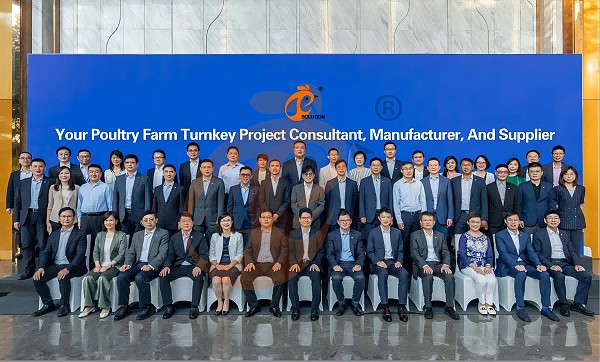
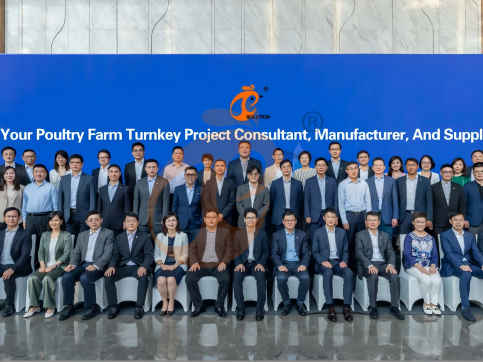
Hong Kong Headquarter Management Team
Hong Kong Headquarter Taiyu Industrial Group CO., LTD
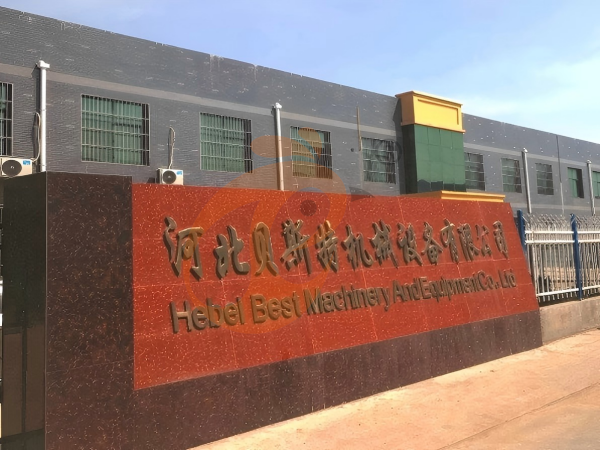
China Hebei Best Machinery And Equipment CO., LTD
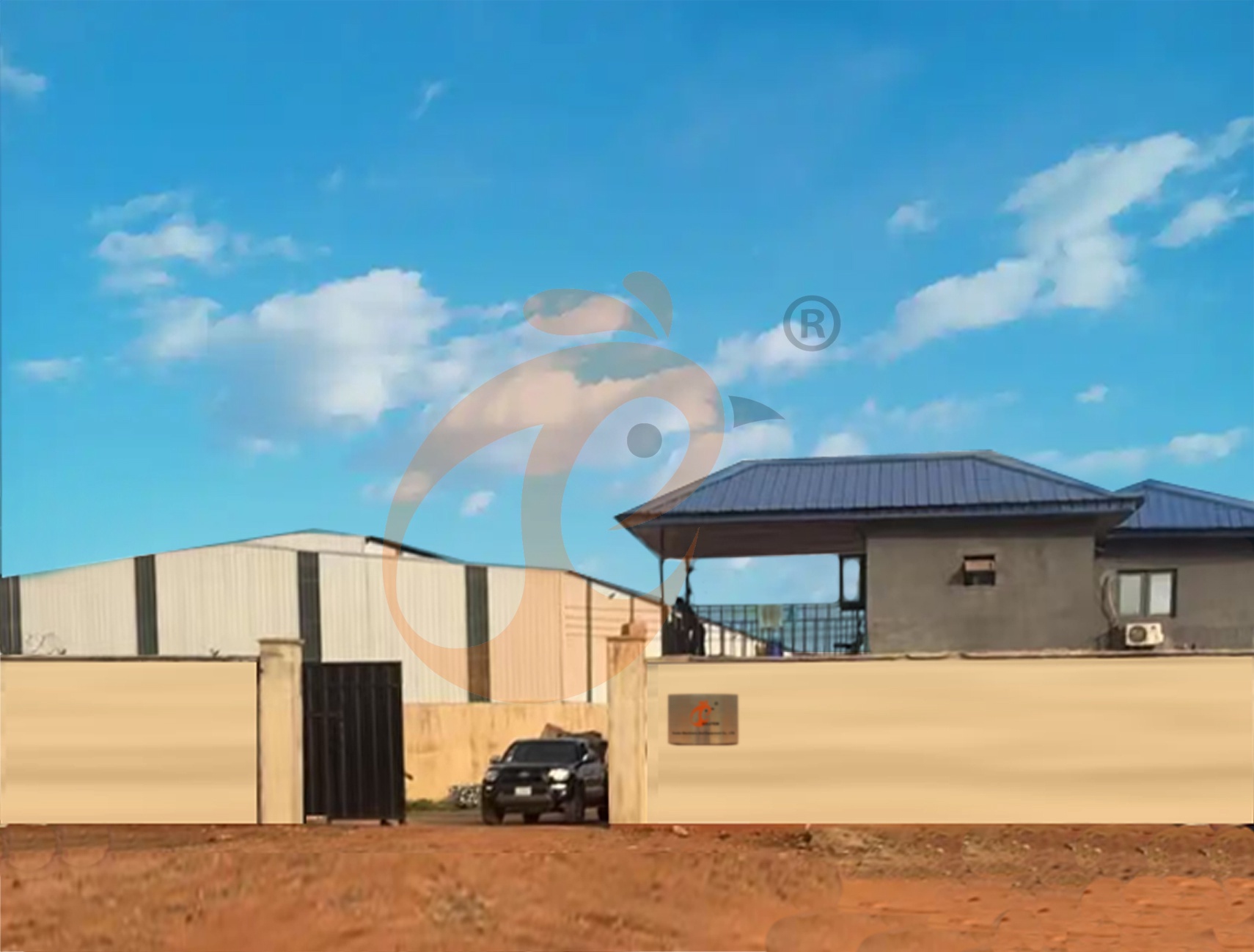
Nigeria Vanke Machinery And Equipment CO., LTD
Tanzania Best Machinery And Equipment CO., LTD
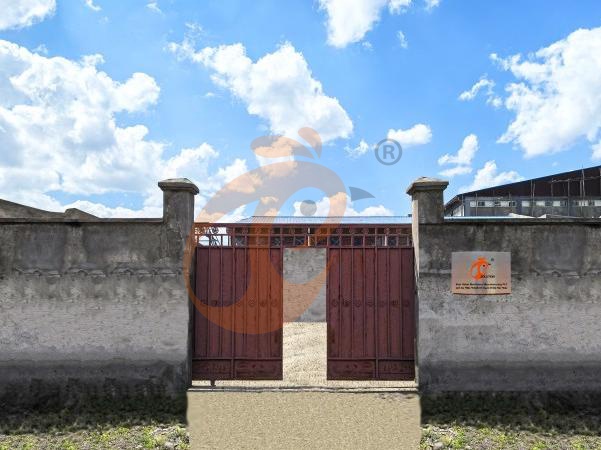
Ethiopia Best Hebei Machinery Manufacturing PLC




Reception /24 WhatsApp NO. : +8618830120193
FAQ
What Are The Ventilation Requirements For Broiler Chicken Cage Houses In Poultry Chicken Production?
Negative pressure levels are controlled between 20–30 Pa for uniform airflow distribution.
Air velocity inside cage rows ranges from 0.3–0.5 m/s to reduce heat stress.
What Is The Stocking Density Standard In Broiler Chicken Cage Systems For Poultry Chicken Production?
Live weight allocation reaches 30–35 kg per square meter at market stage for optimized yield.
Space per bird is controlled within 450–550 cm² for uniform growth performance.
What Are The Material Specifications Of Broiler Chicken Cage Systems Used In Poultry Chicken Farms?
Galvanized coating thickness reaches 80–120 g/m² to prevent corrosion in humid environments.
Frame steel strength is rated above 350 MPa for long-term mechanical stability.
- poultry farm
- chicken cage
- broiler cage
- poultry cage
- cage
- poultry farm equipment
- poultry farm construction
- poultry cage system
- broiler cage system
- broiler cage price
- chicken cage system
- chicken cage price
- broiler cage farming
- broiler chicken cage
- chickencage
- bestchickencage
- cage system
- cage systems
- broiler chicken cage system
- broiler chicken cage price
- Nigeria
- poultry farming
- broiler cage system manufacturer
- modern poultry farm
- modern poultry farming
- poultry farm plan
- Ethiopia
Message
Products recommended
 >30,000 Pullets Automatic H Type Battery Cage1. More than 30,000 pullets a house, choose it.
2. It is designed to rearing older than 1 day old pullets to 12 to 16 weeks old chicken starting laying eggs.
3. Its lifespan is more than 25 years.
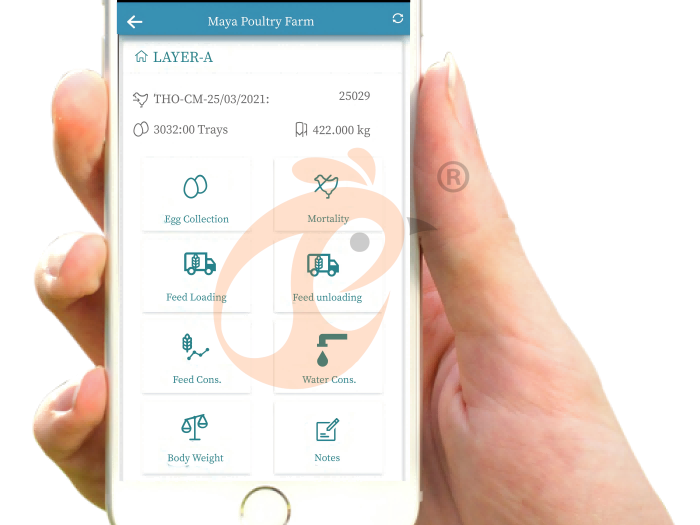
4. Its structure are Vcloud artificial intelligent fusion, electric control cabinet, automatic equipment of drinking, feeding, manure clean, manual harvesting.
5. Our 24 hour online reception What’sApp NO. is +8618830120193 <30,000 Pullets Automatic A Type Battery Cage1. 10,000 to 30,000 pullets a house, choose it.
2. It is designed to rearing older than 1 day old pullets to 12 to 16 weeks old chicken starting laying eggs.
3. Its lifespan is more than 25 years.
4. Its structure are Vcloud artificial intelligent fusion, electric control cabinet, automatic equipment of drinking, feeding, manure clean, manual harvesting.
5. Our 24 hour online reception What’sApp NO. is +86 18830120193. >30,000 Broilers Semi-Automatic Harvest H Type Battery Cage1. More than 30,000 broilers a house, choose it.
2. It is designed to rearing 1 to 45 day old adult broiler ready for market.
3. Its lifespan is more than 20 years.
4. Our 24 hour online reception What’sApp NO. is +8618830120193, +234 8111199996. >30,000 Broilers Manual Harvest H Type Battery Cage1. More than 30,000 broilers a house, choose it.
2. It is designed to rearing 1 to 45 day old adult broiler ready for market.
3. Its lifespan is more than 20 years.
4. Its structure are Vcloud artificial intelligent fusion, electric control cabinet, automatic equipment of drinking, feeding and manure clean, manual harvesting.
5. Our 24 hour online reception What’sApp NO. is +8618830120193, +234 8111199996. <30,000 Broilers Manual Harvest A Type Battery Cage1. Less 30,000 broilers a house, choose it.
2. It is designed to rearing 1 to 45 day old adult broiler ready for market.
3. Its lifespan is more than 20 years.
4. Its structure are Vcloud artificial intelligent fusion, electric control cabinet, automatic equipment of drinking, feeding and manure clean, manual harvesting.
5. Our 24 hour online reception What’sApp NO. is +8618830120193, +234 8111199996. HK Headquarter Offers EU-standard Poultry Farm Solutions, Manufacture Poultry Farm Equipment1. Continuous communication with the EU and the US
2. China, Nigeria, Ethiopia, Tanzania branch companies and factories
3. The products’ quality is customized for local poultry farms
4. Poultry cage and poultry farm equipment stock for sale
5. 24 online reception Whatsapp NO. : +8618830120193,contact us to get full information China Branch Offer Poultry Farm Business Plan, Manufacture Poultry Farm Equipment1. Address: Flat/RM 2416, 24/F, Runxing Building, Youyi Nan Street, Shijiazhuang City, Hebei Province, China
2. Poultry cage and poultry farm equipment factory and stock for sale
3. Customized for local poultry farms
4. Quality and design are based on Euro
5. 24 online reception Whatsapp NO. : +8618830120193 Nigeria Branch Offer Poultry Farm Business Plan, Manufacture Poultry Farm Equipment1. Address: After Sinoma Office, 200 Meters Near Danco Filling Station, Lagos/Ibadan Expressway, Lagos State, Nigeria
2. Poultry cage and poultry farm equipment factory and stock for sale
3. Customized for Nigerian poultry farms
4. Quality and design are based on Euro
5. 24 online reception Whatsapp NO. : +8618830120193 Ethiopia Branch Offer Poultry Farm Business Plan, Manufacture Poultry Farm Equipment1. Address: WR93+FQ2, Addis Ababa, Ethiopia
2. Poultry cage and poultry farm equipment stock for sale
3. Customized for Ethiopian poultry farms
4. Quality and design are based on Euro
5. 24 online reception Whatsapp NO. : +8618830120193, contact us to get price list Tanzania Branch Offer Poultry Farm Business Plan, Manufacture Poultry Farm Equipment1. Address: No.8, Sova Road, Msufini, Mlandizi, Kibaha, Pwani, Tanzania
2. Poultry cage and poultry farm equipment factory and stock for sale
3. Customized for Tanzanian poultry farms
4. Quality and design are based on Euro
5. 24 online reception Whatsapp NO. : +8618830120193


Contact
By clicking 'Allow All', you agree to the storage of cookies on your device to enhance site navigation, analyze site usage and assist with our marketing efforts.