


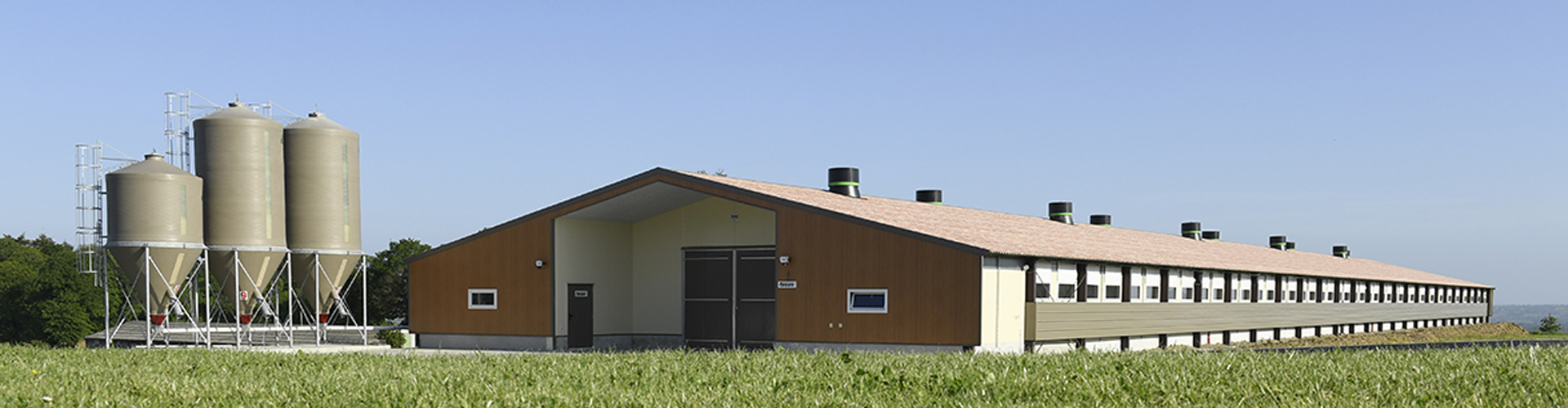
Blog
Poultry water system design improves farm level water distribution stability
This article explains nipple drinkers pricing structure and engineering parameters
Covers poultry farm equipment design, installation rules, and maintenance cycles
Includes hydraulic performance data and water flow calibration requirements
Explains operational efficiency impact on poultry production systems
Provides return on investment structure and flock performance improvement analysis
Introduces installation parameters for poultry housing water lines
Describes poultry drinking system optimization for commercial farms
Get professional poultry farm construction guidance, equipment selection solutions, and the latest price lists, whatsApp to +8618830120193, click to learn more:
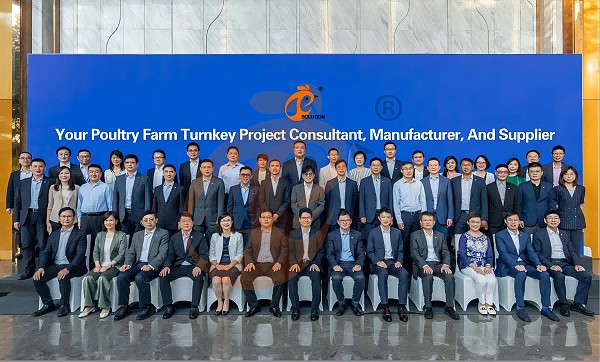
System Definition From Poultry Engineering Perspective
Nipple drinker systems are closed hydraulic poultry farm equipment designed for controlled water delivery in intensive poultry housing.
Water release is activated by mechanical peck force under regulated pipeline pressure conditions.
Data is for reference only.Swipe horizontally to view full table.
Cost Structure And Unit Pricing Model
System cost is determined by material grade, valve precision, and integration complexity within poultry farm equipment pipelines.
Stainless steel ratio directly influences wear resistance and service life stability under continuous flock cycles.
European union standard reference only.
Data is for reference only.Swipe horizontally to view full table.
Hydraulic Performance And Water Delivery Behavior
Water distribution stability depends on pressure continuity and friction loss control across long poultry house pipelines.
End-line flow deviation typically increases with system length unless dual inlet regulation is applied.
Poultry farm equipment layout must account for slope and elevation compensation.
Data is for reference only.Swipe horizontally to view full table.
Poultry Productivity Impact Metrics
Hydration stability directly influences feed conversion efficiency and flock metabolic consistency in broiler production cycles.
Water intake uniformity reduces behavioral stress variation and supports consistent growth curves.
Nipple drinkers price & benefits evaluation reflects system impact on production economics.
Data is for reference only.Swipe horizontally to view full table.
System Types And Structural Configurations
System configuration is determined by production type, flock density, and water demand curve behavior across growth stages.
Pipe diameter and nipple spacing are adjusted according to bird weight progression requirements.
Data is for reference only.Swipe horizontally to view full table.
Installation Engineering Parameters
Installation accuracy determines hydraulic uniformity and long-term operational stability in poultry drinking systems.
Deviation in slope or height directly affects water availability consistency across flock zones.
Poultry farm equipment installation requires geometric precision control.
Data is for reference only.Swipe horizontally to view full table.
Farm Investment Structure And System Cost Scaling
Investment cost scales with flock capacity, housing design, and system automation level within poultry farm equipment infrastructure.
Expansion phases show nonlinear cost growth due to pipeline and regulator scaling requirements.
Data is for reference only.Swipe horizontally to view full table.
Maintenance Cycles And Biosecurity Control
Pipeline sanitation cycles maintain hydraulic stability and prevent microbial accumulation in closed drinking systems.
Filter maintenance and flushing cycles are essential for long-term valve reliability.
Data is for reference only.Swipe horizontally to view full table.
Operational Optimization Parameters
System efficiency depends on real-time adjustment of hydraulic pressure and bird density per nipple across growth phases.
Height and flow calibration must follow flock weight development curves.
Data is for reference only.Swipe horizontally to view full table.
Economic Efficiency And Return On Investment Model
System return on investment is driven by labor reduction, water loss control, and feed conversion efficiency improvement across production cycles.
Water system efficiency directly affects operational cost structure in poultry farm equipment systems.
European union standard reference only.
Data is for reference only.Swipe horizontally to view full table.
Practical Engineering Tips For Poultry Farms
System optimization requires precise control of hydraulic slope, pressure stability, and filtration precision across water distribution networks.
Installation tolerance directly influences long-term system performance stability.
Data is for reference only.Swipe horizontally to view full table.
Poultry Water System Engineering Decision Logic For Investment Planning
Before selecting nipple drinking systems, poultry farm investors should evaluate hydraulic compatibility with house length, flock density curve, and water source mineral composition.
Field data shows that water hardness above 180 mg/L as CaCO₃ increases valve scaling rate by approximately 22% over one production cycle.
In houses longer than 90 meters, dual inlet pressure feeding reduces end-line flow variance to within 6–9% compared to single inlet layouts.
For integrated poultry farm equipment planning, water system design should be synchronized with ventilation pressure balance to avoid negative airflow interference affecting drinking behavior.
Frequently Asked Questions
Q1: What is the ideal pressure range for nipple drinkers in poultry houses?
The recommended operating pressure is 0.02–0.04 MPa.
This range ensures stable flow rate and prevents leakage in poultry farm equipment systems.
Q2: How often should poultry water system design be cleaned?
Pipeline flushing is typically performed every 7 days.
Chemical sanitation is applied every 14–21 days depending on flock cycle conditions.
Q3: What is the main cost driver in nipple drinkers price structure?
Material selection, especially stainless steel ratio and valve precision, determines system pricing.
Hydraulic control components also significantly influence total poultry installation cost.
Taiyu (HK) Group - One Of China Biggest Nipple Drinkers Manufacturer
Nipple drinking system provides stable hydraulic water delivery and precise pressure control for poultry drinking performance in modern poultry farm equipment applications.
Global factory direct sales ensure competitive pricing and stable supply of poultry equipment and poultry cage integrated farming solutions worldwide.
Advanced poultry equipment manufacturing improves water efficiency, reduces contamination risk, and enhances biosecurity in intensive poultry production systems.
Integrated poultry cage systems combined with turn-key engineering provide complete farm design, installation, and commissioning solutions for commercial projects.
Export oriented production ensures long-term technical support, spare parts availability, and reliable service for global poultry farming infrastructure development.
Contact Us To Received Your Customized Poultry Farm Plan
Headquarters And Branchs

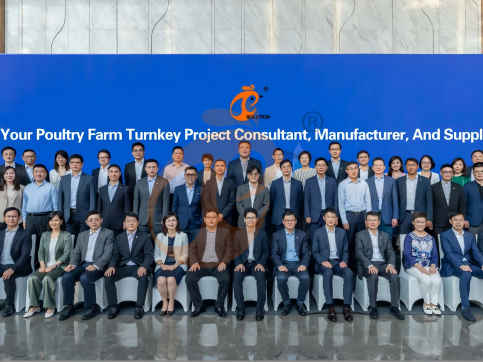
Hong Kong Headquarter Management Team
Hong Kong Headquarter Taiyu Industrial Group CO., LTD
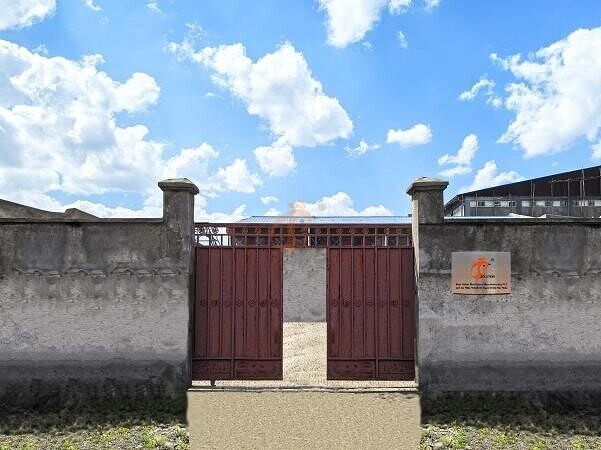
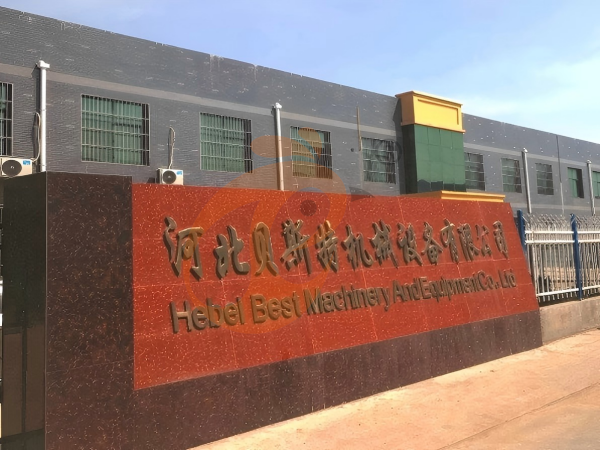
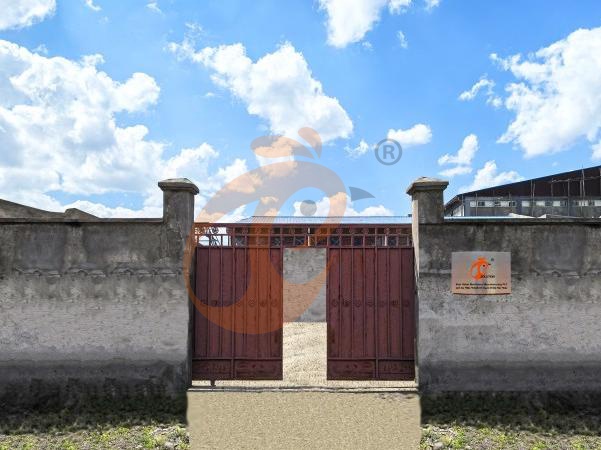
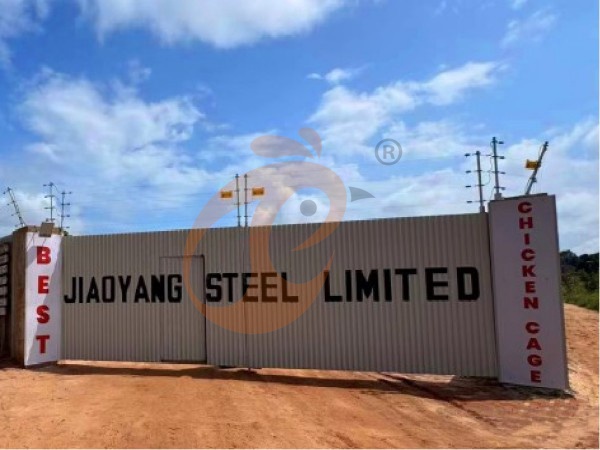
China Hebei Best Machinery And Equipment CO., LTD
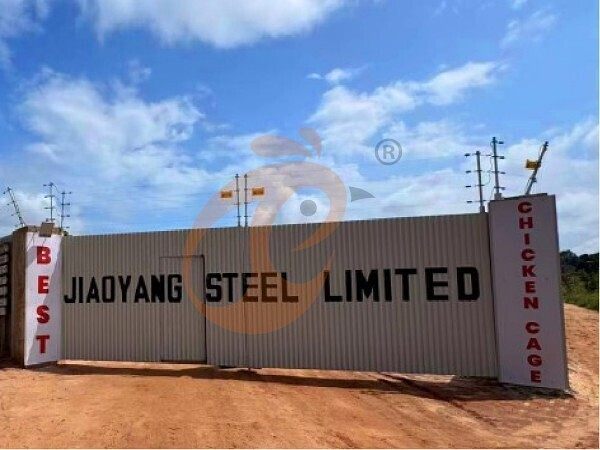
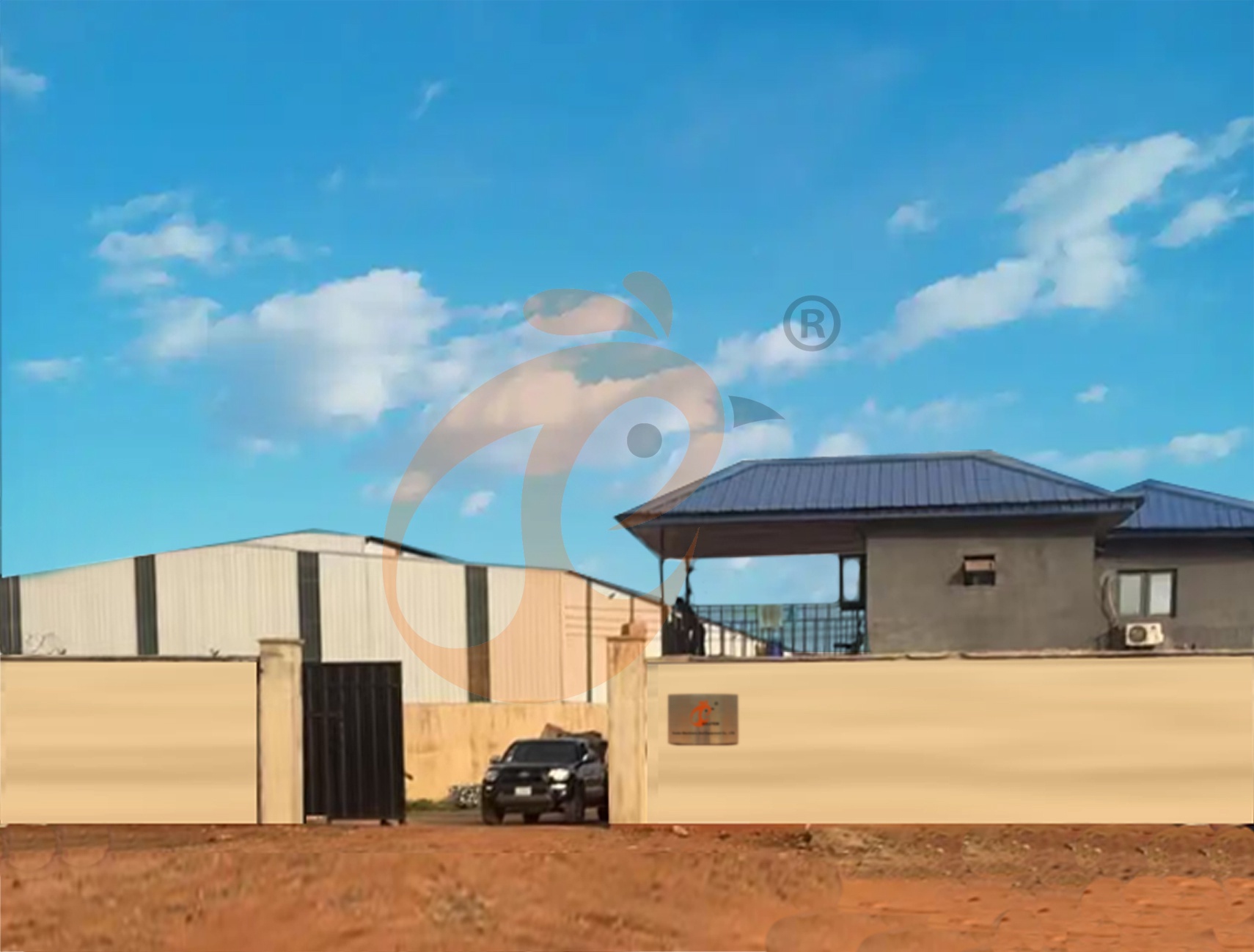
Nigeria Vanke Machinery And Equipment CO., LTD
Tanzania Best Machinery And Equipment CO., LTD
Ethiopia Best Hebei Machinery Manufacturing PLC
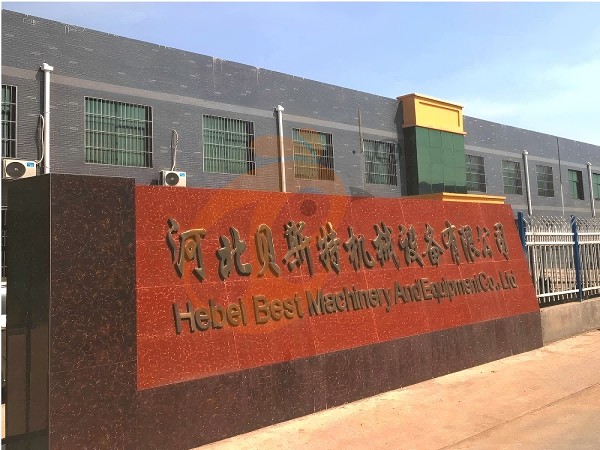
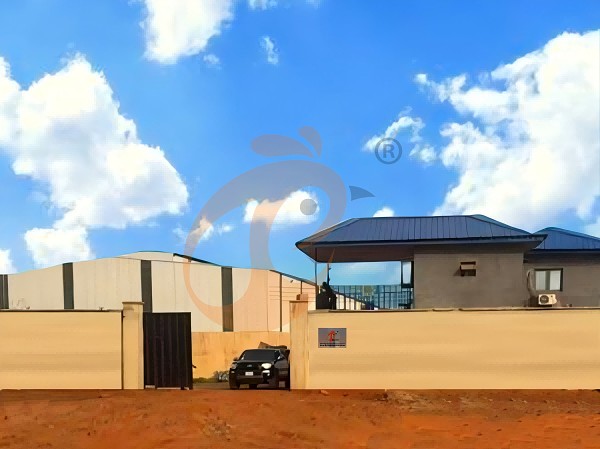
Reception /24 WhatsApp NO. : +8618830120193
FAQ
What Is The Service Life Expectancy Of Nipple Drinkers In Poultry Chicken Cage Systems?
Plastic housing maintains structural integrity for 6,000–8,000 working hours in humid environments.
Spring mechanism durability reaches 25,000–35,000 activation cycles before replacement requirement.
What Pipe Integration Standards Are Required For Nipple Drinkers In Poultry Chicken Cage Systems?
Drinker connection spacing is maintained at 28–32 cm for uniform access distribution.
End-cap flushing velocity reaches 1.2–1.8 m/s to ensure pipeline cleanliness.
How Does Nipple Orientation Affect Drinking Efficiency In Poultry Chicken Cage Systems?
Horizontal deviation tolerance is controlled within ±3 degrees for consistent water output.
Downward tilt adjustment improves intake rate by 12%–18% in broiler flocks.
- poultry farm
- poultry farms
- poultry house
- poultry cage
- cage
- poultry farm equipment
- poultry farm construction
- poultry cage manufacturer
- poultry cage production
- poultry drinking system
- chickencage
- bestchickencage
- Nigeria
- egg production system
- poultry water system
- cage manufacturer
- poultry farm equipment layout
- poultry farm plan
- Ethiopia
Message
Products recommended
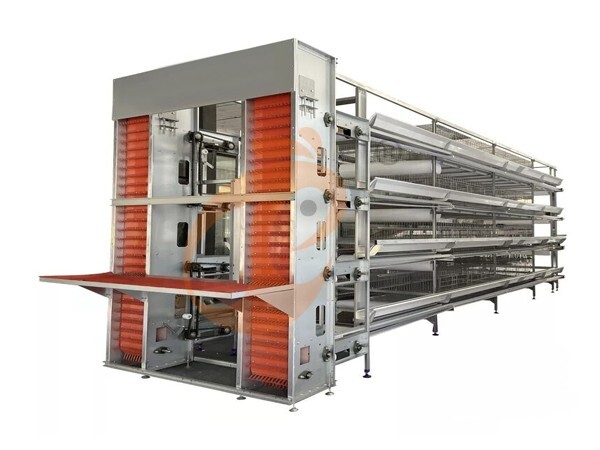
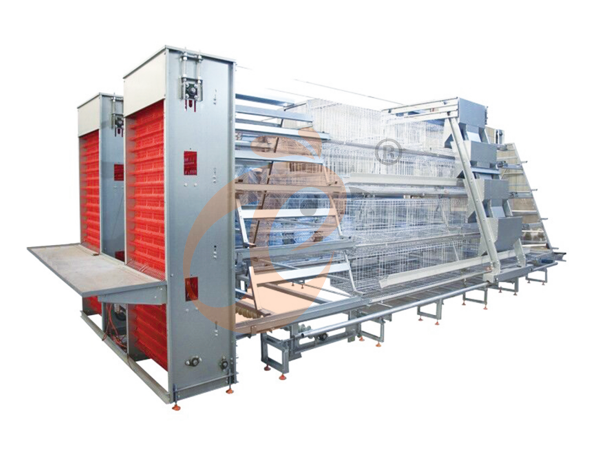
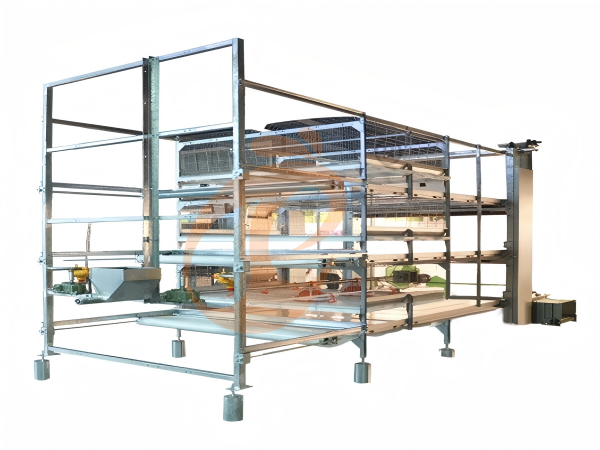
 >30,000 Pullets Automatic H Type Battery Cage1. More than 30,000 pullets a house, choose it.
2. It is designed to rearing older than 1 day old pullets to 12 to 16 weeks old chicken starting laying eggs.
3. Its lifespan is more than 25 years.
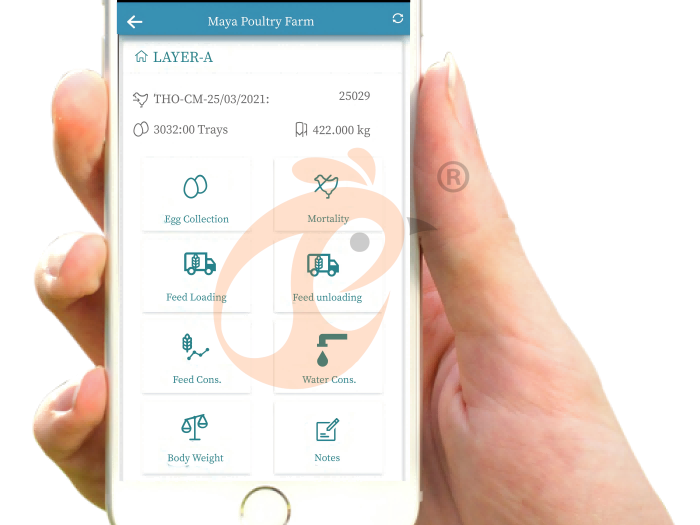
4. Its structure are Vcloud artificial intelligent fusion, electric control cabinet, automatic equipment of drinking, feeding, manure clean, manual harvesting.
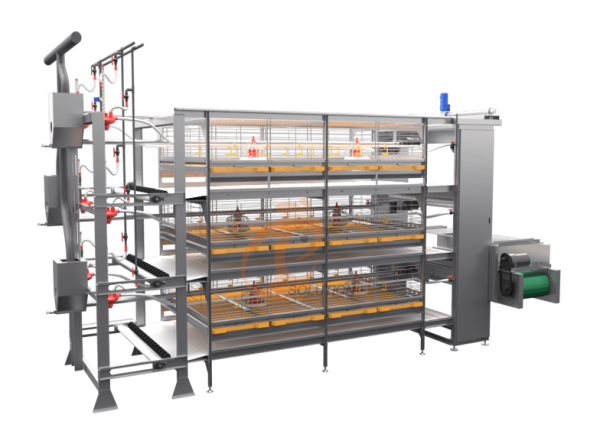
5. Our 24 hour online reception What’sApp NO. is +8618830120193 <30,000 Pullets Automatic A Type Battery Cage1. 10,000 to 30,000 pullets a house, choose it.
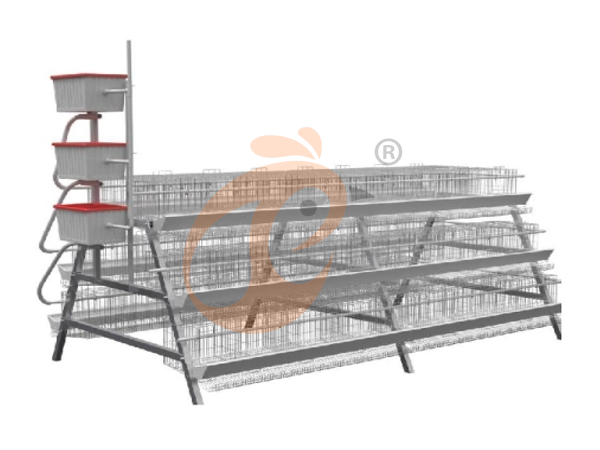
2. It is designed to rearing older than 1 day old pullets to 12 to 16 weeks old chicken starting laying eggs.
3. Its lifespan is more than 25 years.
4. Its structure are Vcloud artificial intelligent fusion, electric control cabinet, automatic equipment of drinking, feeding, manure clean, manual harvesting.
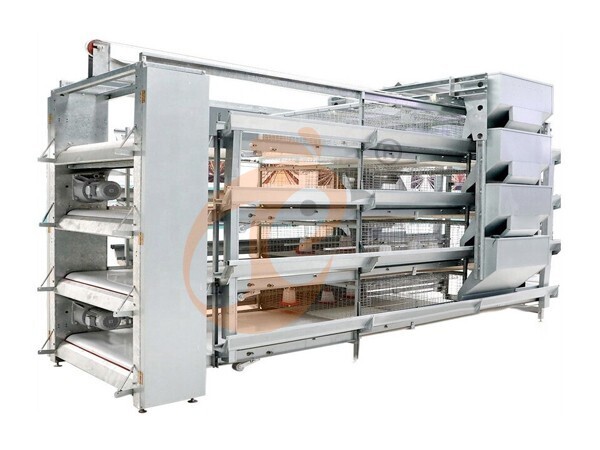
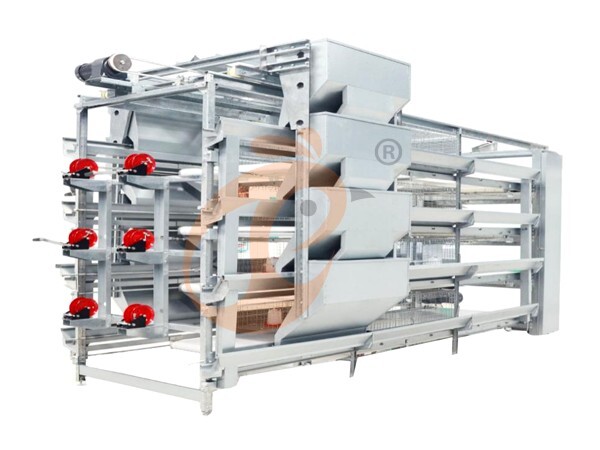
5. Our 24 hour online reception What’sApp NO. is +86 18830120193. >30,000 Broilers Semi-Automatic Harvest H Type Battery Cage1. More than 30,000 broilers a house, choose it.
2. It is designed to rearing 1 to 45 day old adult broiler ready for market.
3. Its lifespan is more than 20 years.
4. Our 24 hour online reception What’sApp NO. is +8618830120193, +234 8111199996. >30,000 Broilers Manual Harvest H Type Battery Cage1. More than 30,000 broilers a house, choose it.
2. It is designed to rearing 1 to 45 day old adult broiler ready for market.
3. Its lifespan is more than 20 years.
4. Its structure are Vcloud artificial intelligent fusion, electric control cabinet, automatic equipment of drinking, feeding and manure clean, manual harvesting.
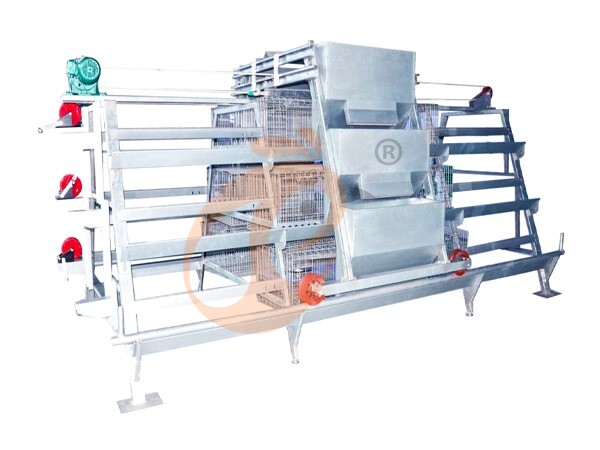
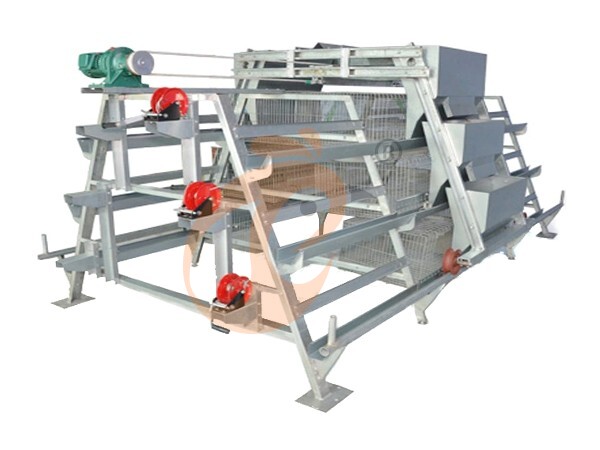
5. Our 24 hour online reception What’sApp NO. is +8618830120193, +234 8111199996. <30,000 Broilers Manual Harvest A Type Battery Cage1. Less 30,000 broilers a house, choose it.
2. It is designed to rearing 1 to 45 day old adult broiler ready for market.
3. Its lifespan is more than 20 years.
4. Its structure are Vcloud artificial intelligent fusion, electric control cabinet, automatic equipment of drinking, feeding and manure clean, manual harvesting.
5. Our 24 hour online reception What’sApp NO. is +8618830120193, +234 8111199996. HK Headquarter Offers EU-standard Poultry Farm Solutions, Manufacture Poultry Farm Equipment1. Continuous communication with the EU and the US
2. China, Nigeria, Ethiopia, Tanzania branch companies and factories
3. The products’ quality is customized for local poultry farms
4. Poultry cage and poultry farm equipment stock for sale
5. 24 online reception Whatsapp NO. : +8618830120193,contact us to get full information China Branch Offer Poultry Farm Business Plan, Manufacture Poultry Farm Equipment1. Address: Flat/RM 2416, 24/F, Runxing Building, Youyi Nan Street, Shijiazhuang City, Hebei Province, China
2. Poultry cage and poultry farm equipment factory and stock for sale
3. Customized for local poultry farms
4. Quality and design are based on Euro
5. 24 online reception Whatsapp NO. : +8618830120193 Nigeria Branch Offer Poultry Farm Business Plan, Manufacture Poultry Farm Equipment1. Address: After Sinoma Office, 200 Meters Near Danco Filling Station, Lagos/Ibadan Expressway, Lagos State, Nigeria
2. Poultry cage and poultry farm equipment factory and stock for sale
3. Customized for Nigerian poultry farms
4. Quality and design are based on Euro
5. 24 online reception Whatsapp NO. : +8618830120193 Ethiopia Branch Offer Poultry Farm Business Plan, Manufacture Poultry Farm Equipment1. Address: WR93+FQ2, Addis Ababa, Ethiopia
2. Poultry cage and poultry farm equipment stock for sale
3. Customized for Ethiopian poultry farms
4. Quality and design are based on Euro
5. 24 online reception Whatsapp NO. : +8618830120193, contact us to get price list Tanzania Branch Offer Poultry Farm Business Plan, Manufacture Poultry Farm Equipment1. Address: No.8, Sova Road, Msufini, Mlandizi, Kibaha, Pwani, Tanzania
2. Poultry cage and poultry farm equipment factory and stock for sale
3. Customized for Tanzanian poultry farms
4. Quality and design are based on Euro
5. 24 online reception Whatsapp NO. : +8618830120193



Contact
By clicking 'Allow All', you agree to the storage of cookies on your device to enhance site navigation, analyze site usage and assist with our marketing efforts.