


Blog
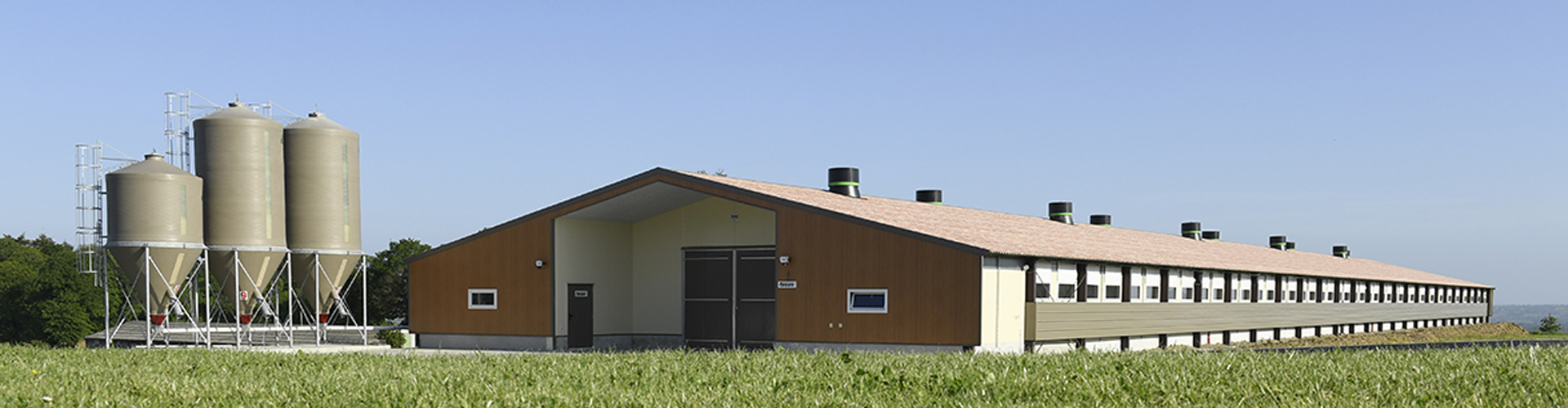
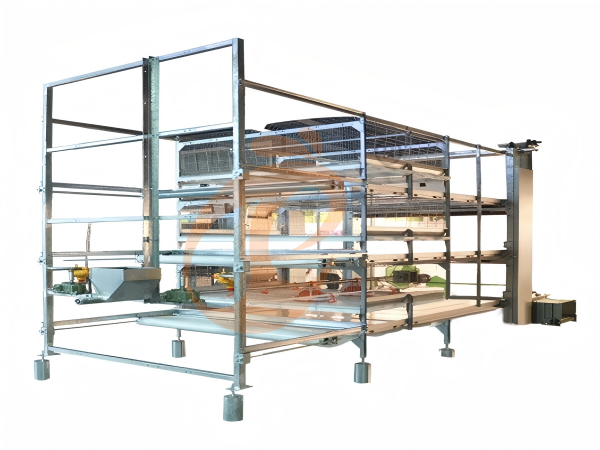
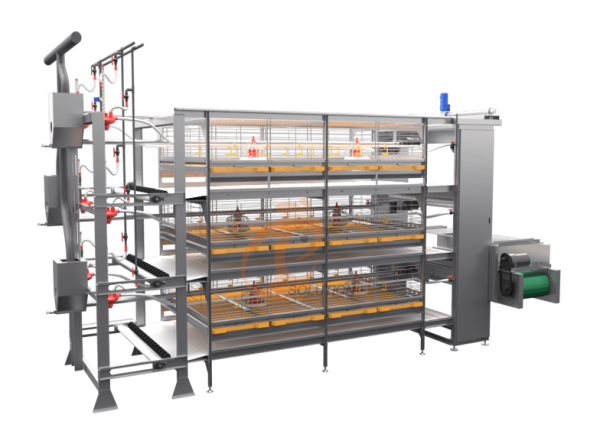
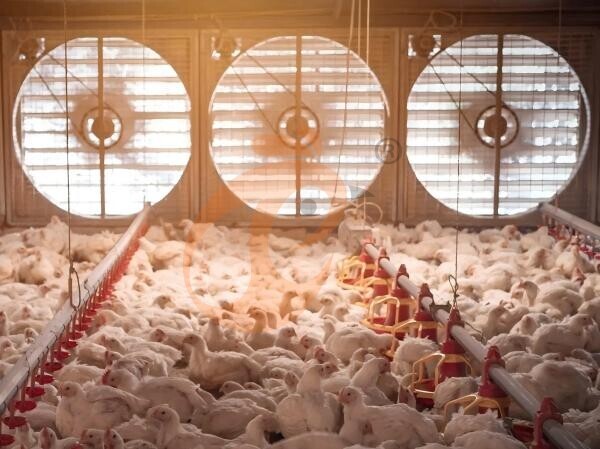
System integrates vertical cage architecture, automated feeding pipelines, and controlled ventilation modules for intensive broiler production environments.
Engineering configuration stabilizes thermal distribution, ammonia regulation, and airflow consistency across multi-tier poultry housing structures.
Production framework enables synchronized feed delivery, nipple drinking systems, and continuous manure belt discharge operations.
Structural design improves stocking density efficiency while maintaining uniform growth rate through environmental parameter control systems.
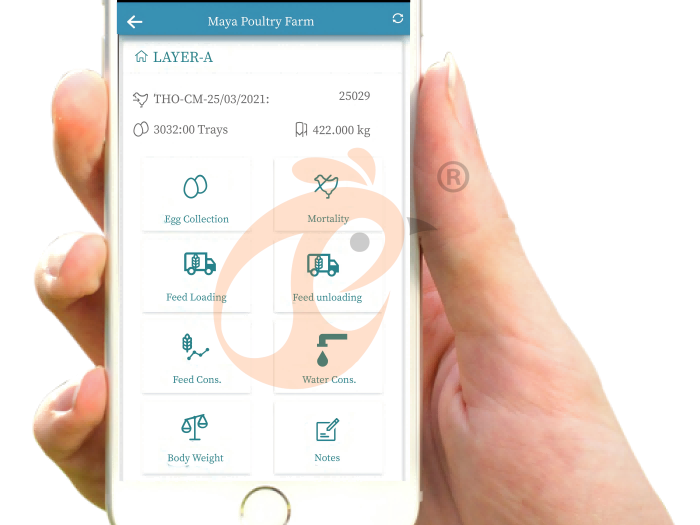
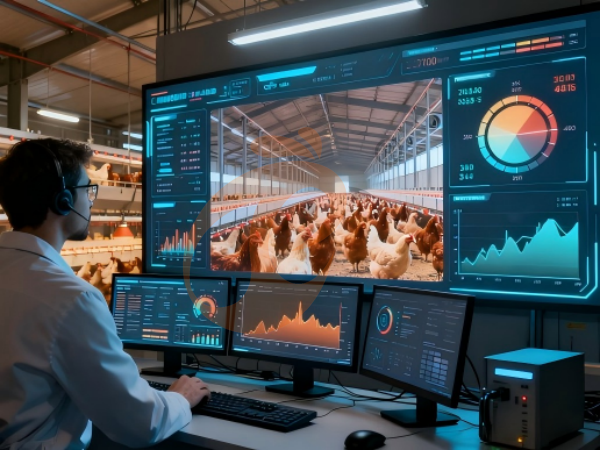
Operational architecture supports data-driven flock management, reducing variability in weight gain and improving feed conversion performance.
Get professional poultry farm construction guidance, equipment selection solutions, and the latest price lists, whatsApp to +8618830120193, click to learn more:
Broiler Chicken Cage System Overview
Broiler chicken cage systems are engineered housing solutions designed for intensive poultry production.
They allow farmers to raise broilers in stacked or single-layer cage structures with controlled feeding, watering, ventilation, and waste management.
Compared with floor systems, cage systems improve space utilization, reduce direct bird-to-bird contact, and support more consistent growth performance.
This article explains how to operate broiler chicken cage systems in a structured way through six practical steps, with operational data tables and technical details relevant to commercial poultry farms using poultry farming cages in modern production lines.
System Structure And Core Function
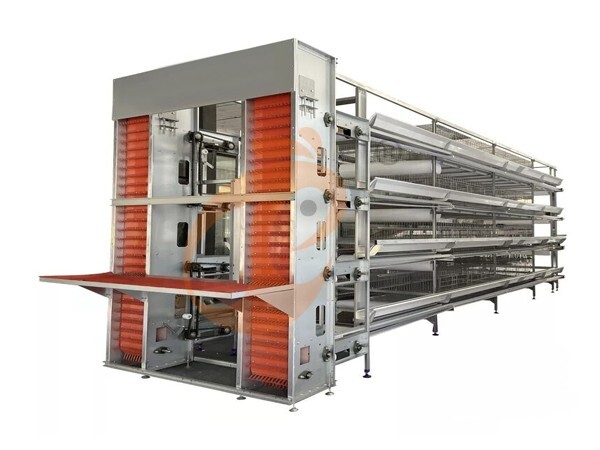
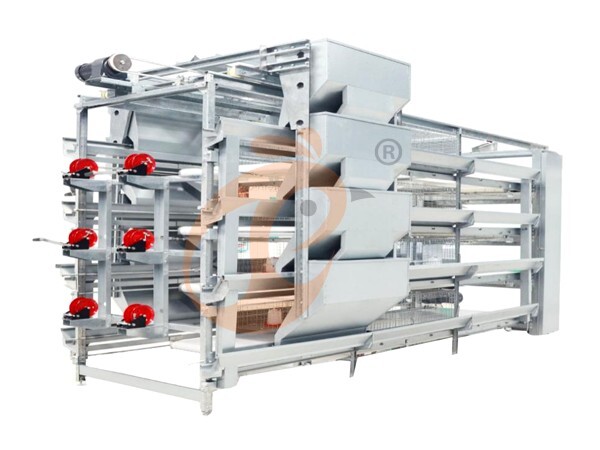
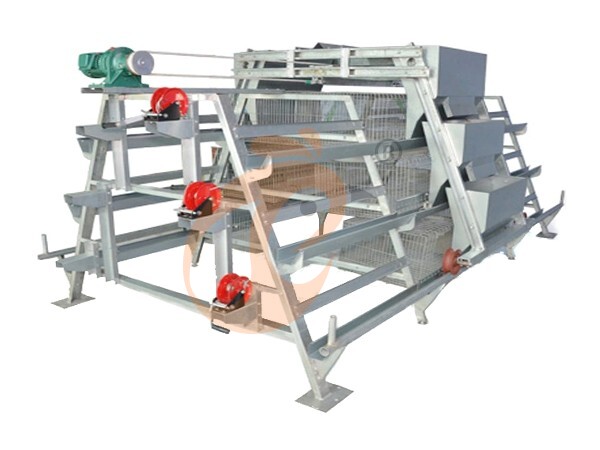
A broiler chicken cage system is typically composed of galvanized steel frames arranged in 2–8 tiers depending on farm design.
Each cage unit is calibrated for bird density and mechanical integration.
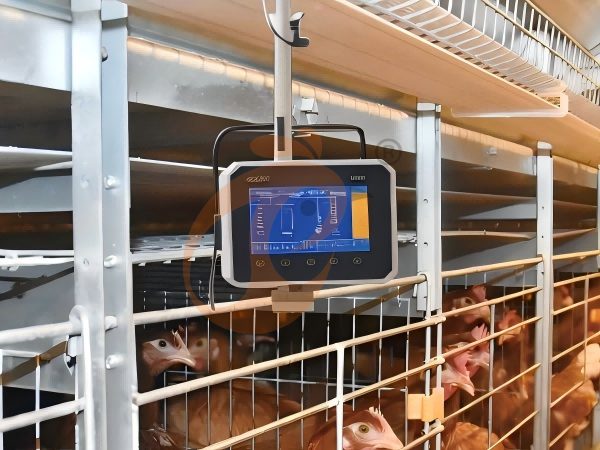
The system is not only a housing solution but also an integrated production platform combining feeding lines, drinking lines, manure belts, and environmental control systems for broiler cage system optimization in industrial poultry farming equipment layouts.
Main System Components
Data is for reference only.Swipe horizontally to view full table.
Farm Layout And System Installation
Proper installation determines system efficiency.
Cage rows must be aligned with ventilation direction to ensure uniform airflow.
Electrical and water lines must be pre-installed before chick placement.
Floor leveling tolerance should be within ±1.5 cm per 10 meters to prevent uneven manure belt operation in chicken farming equipment deployment.
Installation Parameters
Data is for reference only.Swipe horizontally to view full table.
Chick Placement And Density Control
Chick placement requires strict density control to avoid overcrowding stress.
Birds must be evenly distributed across cage tiers within 30–60 minutes after arrival.
Pre-heating of the house for 24 hours is recommended to stabilize microclimate conditions in poultry farming cages systems.
Stocking Density Table
Data is for reference only.Swipe horizontally to view full table.
Feeding System Operation
Automatic feeding lines deliver feed through chain or pan feeders.
Feed distribution timing must be synchronized with bird activity cycles.
Feed particle size must be adjusted according to growth stage to optimize digestion efficiency in broiler cage system operations for poultry farming cages installations.
Feed Composition Table
Data is for reference only.Swipe horizontally to view full table.
Drinking Water System Management
Water delivery uses nipple drinkers installed at adjustable heights.
System must maintain pressure between 0.15–0.25 MPa to ensure stable water flow.
Regular flushing is required to prevent biofilm accumulation in chicken farming equipment pipelines.
Growth Mechanism Engineering Insight
Broiler growth in cage systems is driven by metabolic efficiency and controlled energy allocation.
Reduced movement inside poultry farming cages decreases energy expenditure, increasing muscle deposition rate.
Protein synthesis efficiency improves under stable thermal conditions.
Ammonia concentration control below 15 ppm stabilizes respiratory performance and feed conversion ratio consistency in broiler cage system environments.
Environmental Control And Ventilation
Ventilation systems regulate temperature, humidity, and ammonia concentration.
Negative pressure ventilation is widely applied in industrial chicken farming equipment systems.
Air exchange rates must adjust dynamically according to bird age and density load.
Environmental Control Table
Data is for reference only.Swipe horizontally to view full table.
Vaccination Schedule Table
Data is for reference only.Swipe horizontally to view full table.
Growth Monitoring And Production Output
Bird performance is monitored through periodic sampling.
Poultry farming cages enable precise batch tracking across multiple cage rows.
Production indicators include feed intake consistency, mortality rate stability, and uniform weight gain distribution across the broiler cage system cycle.
Performance Metrics Table
Data is for reference only.Swipe horizontally to view full table.
Waste Management And Sustainability
Manure belt systems operate at 24–48 hour evacuation cycles.
Collected manure contains nitrogen content between 2.5–3.5% and can be processed into organic fertilizer.
This reduces environmental load and improves resource recycling efficiency in chicken farming equipment ecosystems.
European union standard reference only.
Economic Efficiency Analysis
Broiler cage system automation reduces labor requirement by 30–50% compared with manual floor systems.
Initial capital investment ranges from $18 to $35 per bird capacity unit depending on configuration level.
Feed efficiency improvement reduces production cost per kilogram of meat output over multiple cycles in poultry farming cages operations.
Frequently Asked Questions
Q1: What is the optimal stocking density in broiler cage systems?
Stocking density ranges from 300 cm² per bird at day 1–7 to 600 cm² per bird at finishing stage.
Excess density above 650 cm² deviation may reduce feed conversion efficiency by approximately 6–9%.
Q2: How does cage ventilation affect broiler performance?
Ventilation maintaining ammonia below 15 ppm improves weight gain rate by 8–12% compared with uncontrolled airflow conditions.
Air exchange stability directly influences respiratory efficiency and mortality control.
Q3: What is the typical production cycle in cage systems?
Production cycle ranges between 35 and 42 days depending on feed formulation and temperature control accuracy.
Average final weight reaches 2.2–2.6 kg per bird under standard operational conditions.
Taiyu (HK) Group - One Of China Largest Broiler Chicken Cage Manufacturer
Broiler chicken cage system engineering integrates automated feeding, drinking, ventilation, manure removal modules.
Global factory direct supply model supports standardized poultry farming cages production and installation services worldwide.
Industrial poultry equipment solutions include full poultry cage layouts for commercial broiler farming operations.
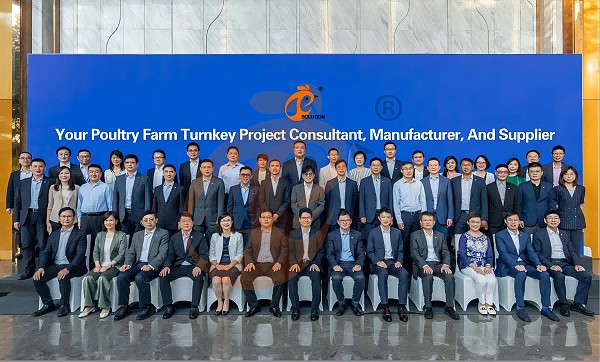
Turn-key engineering projects cover design, installation, commissioning, and operational training for poultry farms.
Advanced manufacturing capability ensures stable output of high-efficiency chicken farming equipment systems for large-scale farms.
Contact Us To Received Your Customized Poultry Farm Plan
Headquarters And Branchs

Hong Kong Headquarter Management Team
Hong Kong Headquarter Taiyu Industrial Group CO., LTD
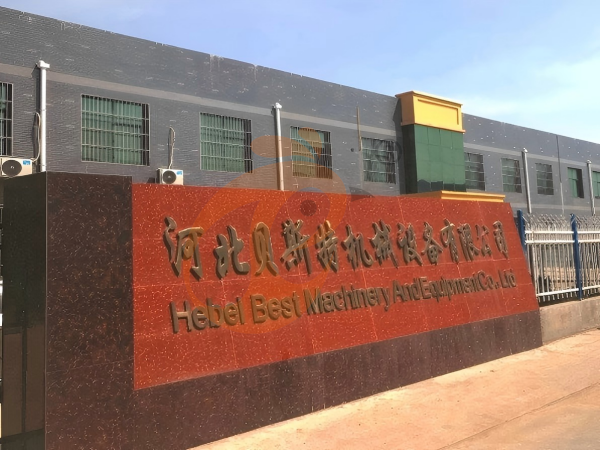
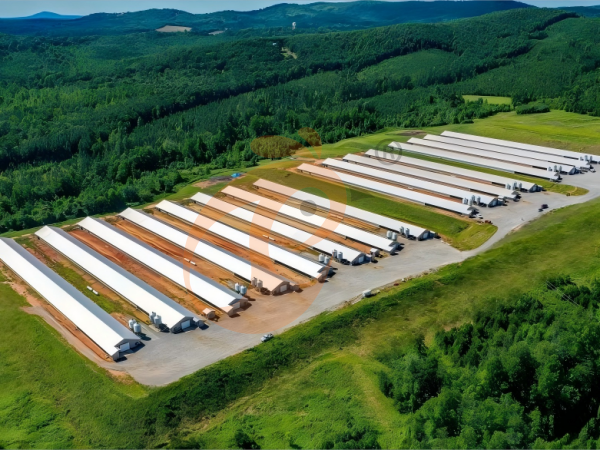
China Hebei Best Machinery And Equipment CO., LTD
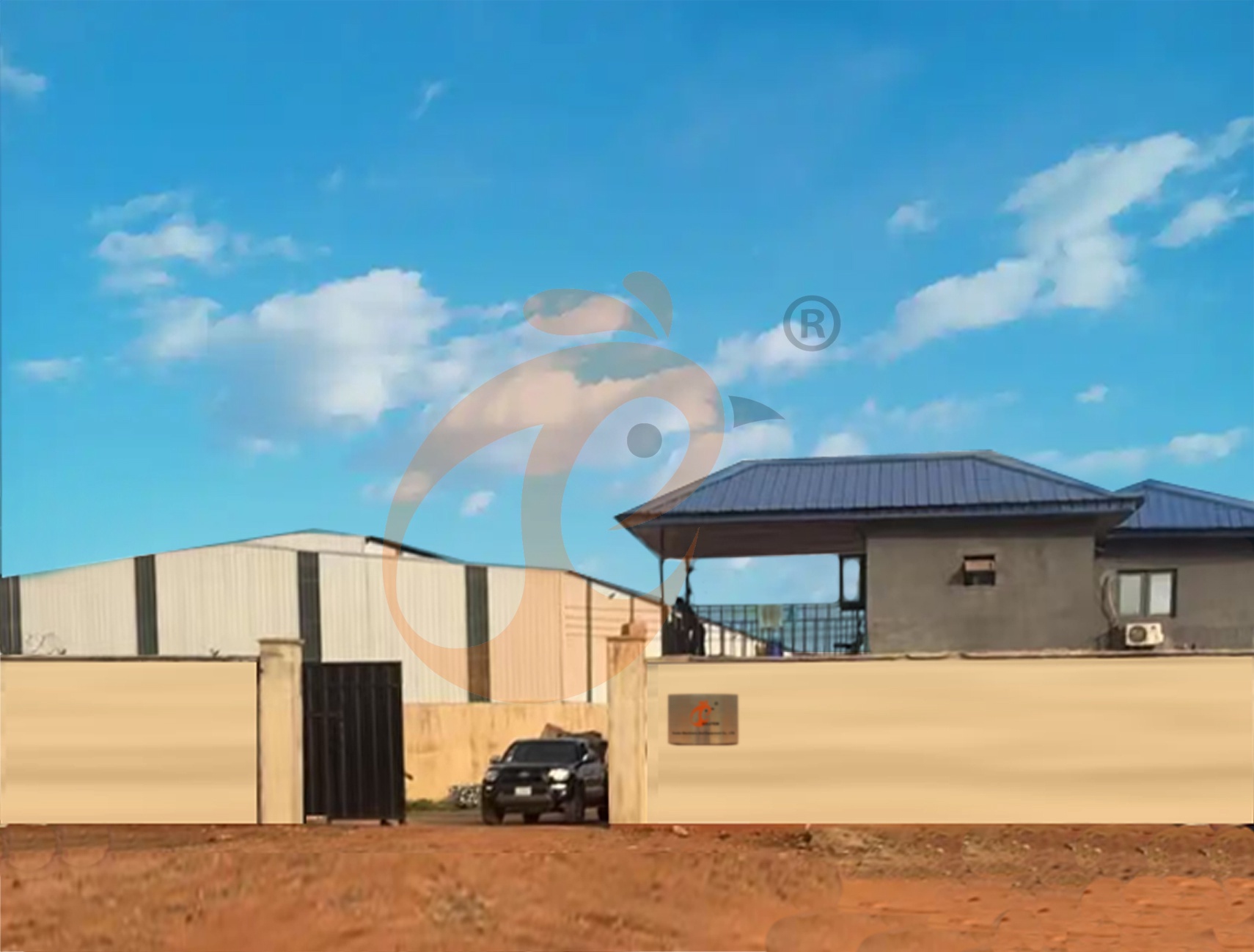
Nigeria Vanke Machinery And Equipment CO., LTD
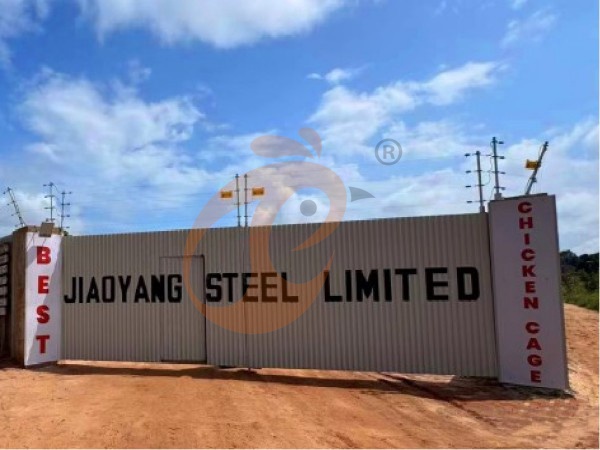
Tanzania Best Machinery And Equipment CO., LTD
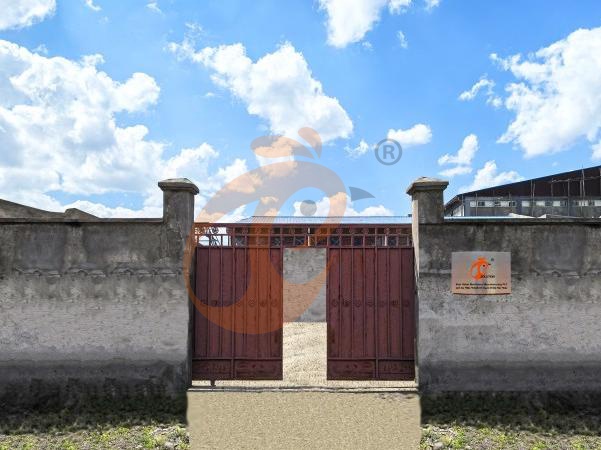
Ethiopia Best Hebei Machinery Manufacturing PLC




Reception /24 WhatsApp NO. : +8618830120193
FAQ
What Feeding System Integration Is Used In Broiler Chicken Cage Systems For Poultry Chicken Farms?
Automatic feeding lines operate at 3–6 kg per meter feed delivery capacity.
Feed distribution cycle time is controlled within 4–6 minutes per full house line.
What Environmental Control Standards Are Required For Broiler Chicken Cage Systems In Poultry Chicken Houses?
Relative humidity is maintained at 50–65% to prevent respiratory stress.
Ammonia concentration is kept below 10 ppm to ensure respiratory health stability.
What Are The Cage Layer Height And Structural Design Standards In Broiler Chicken Cage Systems For Poultry Chicken Production?
Structural load capacity per tier reaches 35–45 kg per square meter for live bird weight support.
Frame inclination angle is maintained at 6–8 degrees to facilitate manure removal efficiency.
- poultry farm
- chicken cage
- poultry farming cages
- poultry farms
- broiler cage
- layer cage
- chicken farm
- poultry cage
- cage
- poultry farm construction
- poultry cage layout
- broiler cage system
- poultry farming equipment
- chicken cage system
- poultry farming cage
- chicken cage system manufacturer
- poultry equipment
- broiler chicken cage
- chickencage
- bestchickencage
- cage system
- cage systems
- broiler chicken cage system
- h cage
- Nigeria
- broiler farm
- chicken farming equipment
- commercial poultry farms
- poultry farming
- poultry farm plan
- Ethiopia
Message
Products recommended
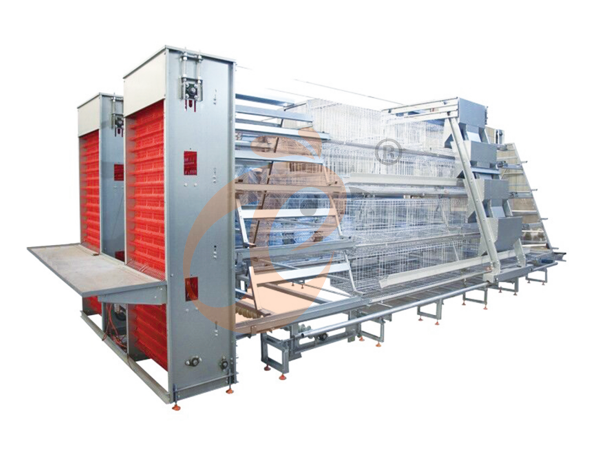
 >30,000 Pullets Automatic H Type Battery Cage1. More than 30,000 pullets a house, choose it.
2. It is designed to rearing older than 1 day old pullets to 12 to 16 weeks old chicken starting laying eggs.
3. Its lifespan is more than 25 years.
4. Its structure are Vcloud artificial intelligent fusion, electric control cabinet, automatic equipment of drinking, feeding, manure clean, manual harvesting.
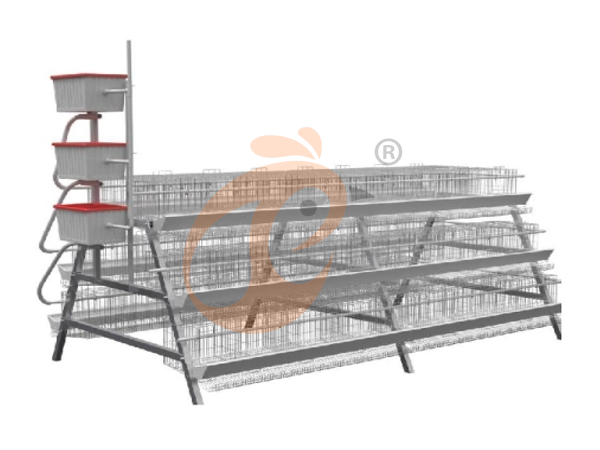
5. Our 24 hour online reception What’sApp NO. is +8618830120193 <30,000 Pullets Automatic A Type Battery Cage1. 10,000 to 30,000 pullets a house, choose it.
2. It is designed to rearing older than 1 day old pullets to 12 to 16 weeks old chicken starting laying eggs.
3. Its lifespan is more than 25 years.
4. Its structure are Vcloud artificial intelligent fusion, electric control cabinet, automatic equipment of drinking, feeding, manure clean, manual harvesting.
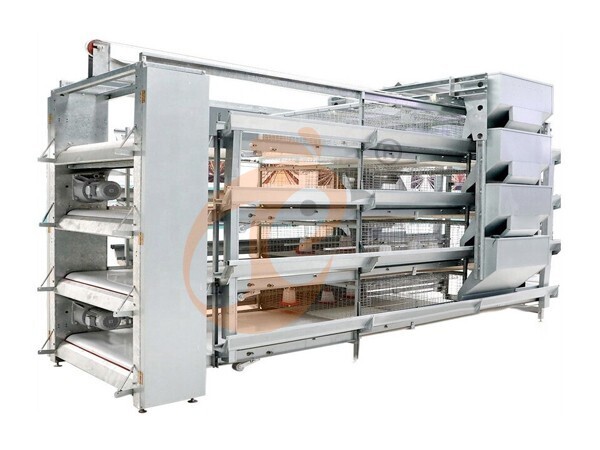
5. Our 24 hour online reception What’sApp NO. is +86 18830120193. >30,000 Broilers Semi-Automatic Harvest H Type Battery Cage1. More than 30,000 broilers a house, choose it.
2. It is designed to rearing 1 to 45 day old adult broiler ready for market.
3. Its lifespan is more than 20 years.
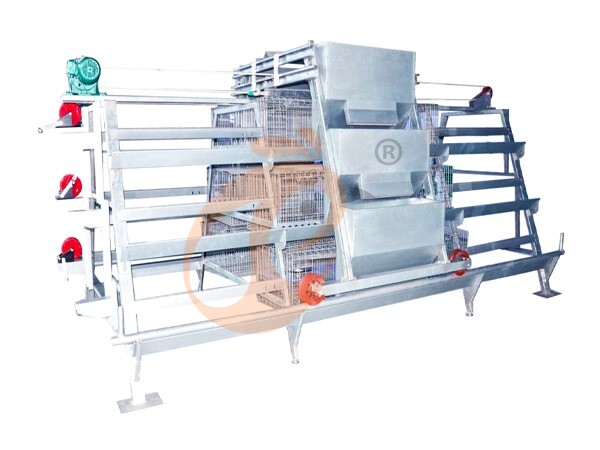
4. Our 24 hour online reception What’sApp NO. is +8618830120193, +234 8111199996. >30,000 Broilers Manual Harvest H Type Battery Cage1. More than 30,000 broilers a house, choose it.
2. It is designed to rearing 1 to 45 day old adult broiler ready for market.
3. Its lifespan is more than 20 years.
4. Its structure are Vcloud artificial intelligent fusion, electric control cabinet, automatic equipment of drinking, feeding and manure clean, manual harvesting.
5. Our 24 hour online reception What’sApp NO. is +8618830120193, +234 8111199996. <30,000 Broilers Manual Harvest A Type Battery Cage1. Less 30,000 broilers a house, choose it.
2. It is designed to rearing 1 to 45 day old adult broiler ready for market.
3. Its lifespan is more than 20 years.
4. Its structure are Vcloud artificial intelligent fusion, electric control cabinet, automatic equipment of drinking, feeding and manure clean, manual harvesting.
5. Our 24 hour online reception What’sApp NO. is +8618830120193, +234 8111199996. HK Headquarter Offers EU-standard Poultry Farm Solutions, Manufacture Poultry Farm Equipment1. Continuous communication with the EU and the US
2. China, Nigeria, Ethiopia, Tanzania branch companies and factories
3. The products’ quality is customized for local poultry farms
4. Poultry cage and poultry farm equipment stock for sale
5. 24 online reception Whatsapp NO. : +8618830120193,contact us to get full information China Branch Offer Poultry Farm Business Plan, Manufacture Poultry Farm Equipment1. Address: Flat/RM 2416, 24/F, Runxing Building, Youyi Nan Street, Shijiazhuang City, Hebei Province, China
2. Poultry cage and poultry farm equipment factory and stock for sale
3. Customized for local poultry farms
4. Quality and design are based on Euro
5. 24 online reception Whatsapp NO. : +8618830120193 Nigeria Branch Offer Poultry Farm Business Plan, Manufacture Poultry Farm Equipment1. Address: After Sinoma Office, 200 Meters Near Danco Filling Station, Lagos/Ibadan Expressway, Lagos State, Nigeria
2. Poultry cage and poultry farm equipment factory and stock for sale
3. Customized for Nigerian poultry farms
4. Quality and design are based on Euro
5. 24 online reception Whatsapp NO. : +8618830120193 Ethiopia Branch Offer Poultry Farm Business Plan, Manufacture Poultry Farm Equipment1. Address: Gelan Gura, Akaki-kaliti Sub City, Addis Ababa, Ethiopia
2. Poultry cage and poultry farm equipment stock for sale
3. Customized for Ethiopian poultry farms
4. Quality and design are based on Euro
5. 24 online reception Whatsapp NO. : +8618830120193, contact us to get price list Tanzania Branch Offer Poultry Farm Business Plan, Manufacture Poultry Farm Equipment1. Address: No.8, Sova Road, Msufini, Mlandizi, Kibaha, Pwani, Tanzania
2. Poultry cage and poultry farm equipment factory and stock for sale
3. Customized for Tanzanian poultry farms
4. Quality and design are based on Euro
5. 24 online reception Whatsapp NO. : +8618830120193


Contact