


Blog
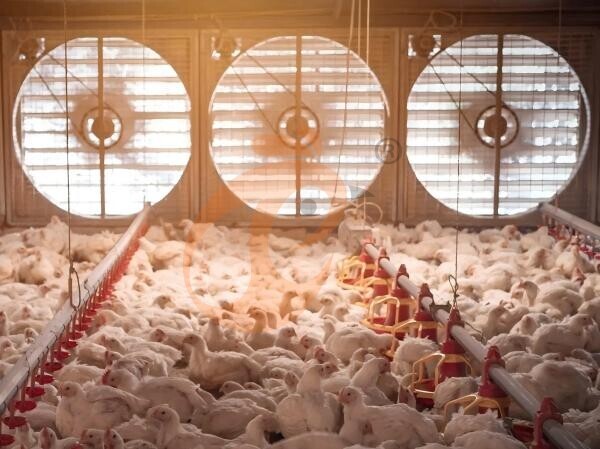
Automatic poultry watering systems improve flock hydration efficiency inside modern commercial poultry facilities.
Chicken nipple drinker technology reduces bacterial contamination compared with traditional open drinking structures.
Poultry nipple watering lines maintain stable water delivery under controlled pressure conditions.
Engineering technical language within this article explains pressure regulation, filtration management, drinking line alignment, flushing procedures, and flock monitoring standards.
Commercial chicken farm managers, poultry equipment distributors, and integrated poultry project contractors can use these practical operating methods to optimize water consumption stability, improve FCR performance, reduce labor frequency, and maintain long-term poultry production consistency.
Get professional poultry farm construction guidance, equipment selection solutions, and the latest price lists, whatsApp to +8618830120193, click to learn more:
Modern Chicken Farm Drinking System Engineering Transformation
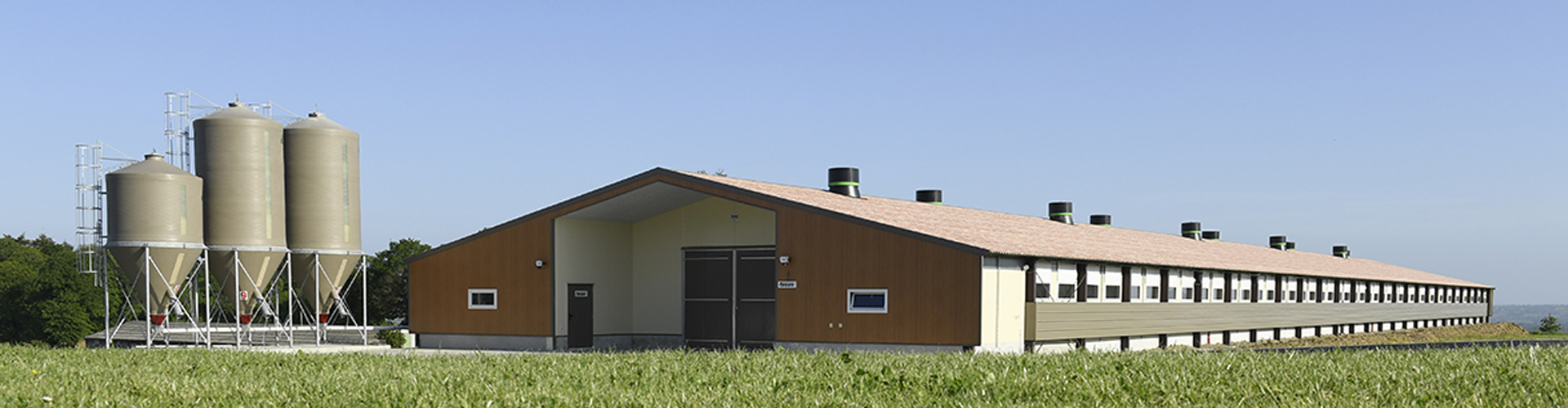
Inside commercial poultry farming systems, drinking infrastructure has gradually shifted from open water containers toward enclosed automatic nipple drinker systems.
The core transformation involves water parameter management rather than simple equipment replacement.
Inside commercial farms containing 10,000–50,000 birds, drinking systems directly influence growth cycles, egg production efficiency, and immune stability.
Modern poultry watering systems also reduce floor moisture accumulation and improve ventilation consistency within enclosed poultry houses.
Nipple Drinker Structural Engineering Composition
Chicken nipple drinker systems belong to micro-travel mechanical valve structures.
Internal stainless steel pins regulate water release through controlled displacement movement.
The engineering objective focuses on demand-triggered water delivery while minimizing external contamination exposure.
Data is for reference only.Swipe horizontally to view full table.
Commercial poultry nipple drinker structures usually operate together with square PVC pipes, pressure regulators, suspension systems, and end flushing assemblies.
Trigger Mechanics And Fluid Control Principles
The engineering technical language behind nipple drinker operation involves micro-force valve triggering.
Poultry beak movement generates approximately 0.15–0.25N of pressure against the valve pin, creating temporary water passage openings.
This operating process belongs to low-pressure instantaneous fluid release mechanics.
Mechanical energy converts into kinetic water flow through short-duration displacement action.
Stable trigger sensitivity improves hydration consistency during high-density poultry production cycles.
Water Pressure Control And Pipeline Stability
Pipeline pressure directly determines outlet flow stability.
Different pressure values significantly affect water release volume and pipeline velocity.
Data is for reference only.Swipe horizontally to view full table.
Commercial chicken nipple drinker installations normally maintain stable pressure through adjustable regulators and elevated water tanks.
Engineering technical language recommends weekly pressure calibration according to poultry age development.
Valve Sensitivity And Pecking Behavior Relationship
Valve sensitivity parameters must correspond with poultry pecking behavior during different growth stages.
Improper trigger resistance reduces drinking efficiency and increases energy consumption during feeding periods.
Data is for reference only.Swipe horizontally to view full table.
Broiler chicken farms and commercial layer farms commonly adjust drinking line sensitivity together with pressure modification schedules.
Stable valve triggering improves flock hydration uniformity.
Drinking Line Height And Spatial Geometry Optimization
Drinking line height influences poultry neck angle and biomechanical energy expenditure.
Incorrect line positioning changes drinking posture efficiency and increases physical stress during water intake.
Data is for reference only.Swipe horizontally to view full table.
Commercial poultry houses using automatic poultry watering systems usually synchronize drinking line elevation with cage layer spacing and poultry body dimensions.
Water Quality Parameters And Pipeline Sediment Control
Water mineral concentration directly influences internal sediment formation inside drinking pipelines.
Calcium and magnesium ions gradually produce scale accumulation around valve structures.
Data is for reference only.Swipe horizontally to view full table.
Commercial poultry projects normally install multi-stage filtration structures to maintain stable water purity inside chicken nipple drinker systems.
Microbial Biofilm Formation Mechanism
Inside enclosed pipeline systems, bacteria gradually form biological membrane structures along internal surfaces.
Organic compounds and microbial colonies combine into layered biofilm accumulations.
Increasing biofilm thickness changes fluid boundary resistance and reduces outlet flow consistency.
Engineering technical language recommends regular flushing procedures during vitamin and acid dosing periods.
Data is for reference only.Swipe horizontally to view full table.
Commercial poultry watering systems with flushing valves maintain cleaner internal surfaces and more stable long-term hydraulic performance.
Chick Drinking Training Behavior Model
Newly hatched chicks require visual stimulation and water droplet exposure to establish drinking recognition patterns during early adaptation periods.
Data is for reference only.Swipe horizontally to view full table.
Commercial poultry technicians usually activate drinking nipples manually during the first 48 hours to improve hydration participation rates among chicks.
Pipeline Flushing And Fluid Recovery Mechanism
Periodic flushing removes internal sediment and biological accumulations from poultry drinking pipelines.
Controlled flushing pressure restores stable hydraulic flow conditions.
Data is for reference only.Swipe horizontally to view full table.
Commercial farms commonly integrate flushing valves at pipeline terminal sections for simplified maintenance procedures and reduced labor frequency.
Water Consumption And Production Performance Analysis
Water intake remains one of the most important biological indicators inside poultry production systems.
Consumption changes frequently appear before visible disease symptoms or production fluctuations.
Data is for reference only.Swipe horizontally to view full table.
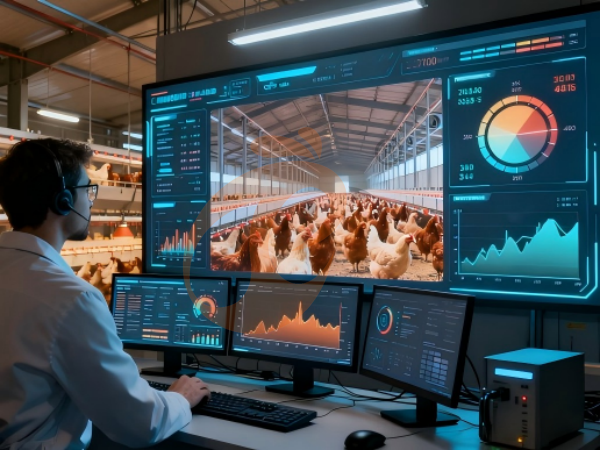
Commercial farms often use digital water meters to monitor hydration stability together with ventilation and feeding performance data.
System Economic Structure And Labor Cost Variation
Automatic poultry watering systems reduce repetitive cleaning operations compared with traditional open drinkers.
Engineering technical language demonstrates measurable labor redistribution benefits inside medium and large-scale poultry farms.
Manual cleaning frequency inside traditional water trough systems commonly reaches four to six maintenance cycles daily.
Commercial chicken nipple drinker systems reduce operational intervention frequency and improve internal hygiene consistency.
Commercial poultry projects using enclosed watering systems usually reduce litter moisture accumulation by 40%–60%, contributing to more stable environmental conditions.
Equipment investment for complete poultry drinking systems generally ranges between $0.35–$1.10 per bird capacity depending on pipeline specifications and regulator configuration.
European union standard reference only.
Frequently Asked Questions
Q1: How often should chicken nipple drinker lines be flushed?
Commercial poultry farms normally perform pipeline flushing every 48–96 hours depending on water mineral concentration and medication usage frequency.
Farms using vitamin additives usually increase flushing frequency because biofilm accumulation rates may exceed 11% flow reduction within 21 days.
Q2: What water pressure works best for poultry nipple watering systems?
Commercial poultry watering systems commonly operate between 1.0–2.0 Bar.
Broiler chicks generally require 14–46 ml/minute flow rates, while mature layers may require 72–98 ml/minute outlet capacity during peak production periods.
Q3: How many birds can use one nipple drinker?
Commercial engineering standards usually allocate one nipple outlet for 8–12 broilers or 6–10 layers depending on cage configuration and drinking line spacing.
Farms maintaining proper allocation frequently achieve FCR values between 1.90–2.03.
Taiyu (HK) Group - One Of China Largest Nipple Drinker Manufacturer
Precision-engineered chicken nipple drinker systems support stable commercial poultry hydration performance.
Global factory-direct poultry equipment supply supports large-scale integrated poultry projects.
Automatic poultry cage systems improve commercial egg and broiler production efficiency.
Turn-key poultry farm engineering solutions support modern agricultural infrastructure development.
Commercial poultry equipment exports provide stable manufacturing quality and delivery schedules.
Contact Us To Received Your Customized Poultry Farm Plan
Headquarters And Branchs

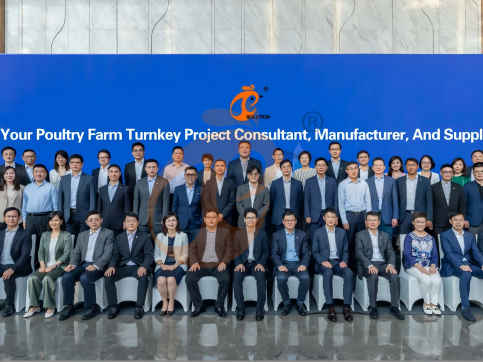
Hong Kong Headquarter Management Team
Hong Kong Headquarter Taiyu Industrial Group CO., LTD
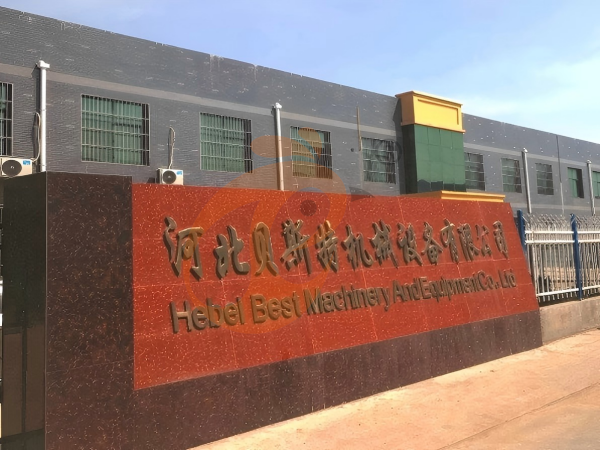
China Hebei Best Machinery And Equipment CO., LTD
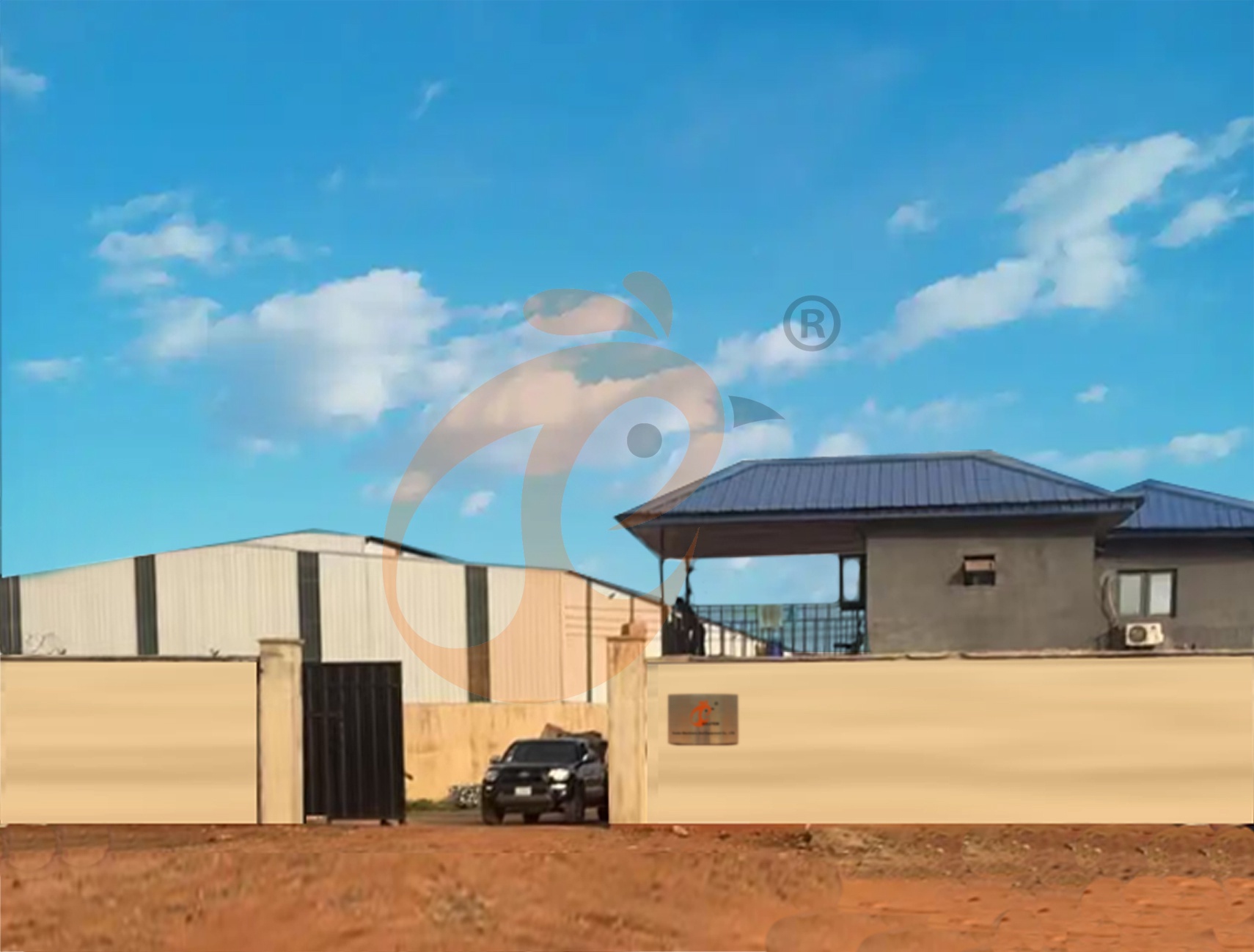
Nigeria Vanke Machinery And Equipment CO., LTD
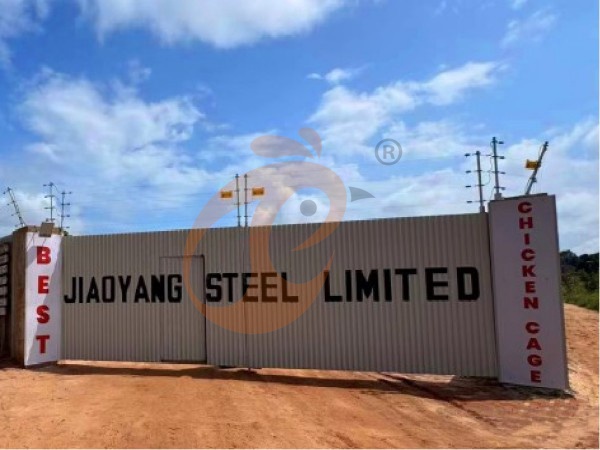
Tanzania Best Machinery And Equipment CO., LTD
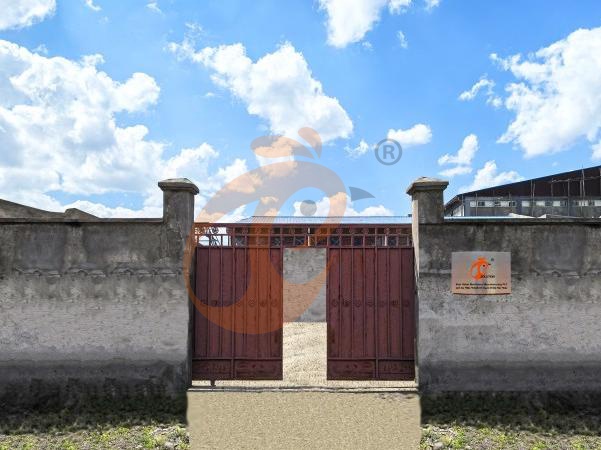
Ethiopia Best Hebei Machinery Manufacturing PLC




Reception /24 WhatsApp NO. : +8618830120193
FAQ
What Is The Service Life Expectancy Of Nipple Drinkers In Poultry Chicken Cage Systems?
Plastic housing maintains structural integrity for 6,000–8,000 working hours in humid environments.
Spring mechanism durability reaches 25,000–35,000 activation cycles before replacement requirement.
What Pipe Integration Standards Are Required For Nipple Drinkers In Poultry Chicken Cage Systems?
Drinker connection spacing is maintained at 28–32 cm for uniform access distribution.
End-cap flushing velocity reaches 1.2–1.8 m/s to ensure pipeline cleanliness.
How Does Nipple Orientation Affect Drinking Efficiency In Poultry Chicken Cage Systems?
Horizontal deviation tolerance is controlled within ±3 degrees for consistent water output.
Downward tilt adjustment improves intake rate by 12%–18% in broiler flocks.
- poultry farm
- poultry farms
- chicken farm
- poultry house
- poultry cage
- cage
- poultry farm construction
- poultry cage system
- automatic poultry cage system
- automatic poultry cage
- poultry drinking system
- poultry equipment
- chickencage
- bestchickencage
- cage system
- cage layer
- cage systems
- h cage
- Nigeria
- layer farm
- modern chicken farm
- commercial poultry farms
- poultry farming
- poultry nipple drinker
- poultry equipment distributor
- poultry cage systems
- poultry farm plan
- broiler chicken farm
- poultry farming system
- Ethiopia
Message
Products recommended
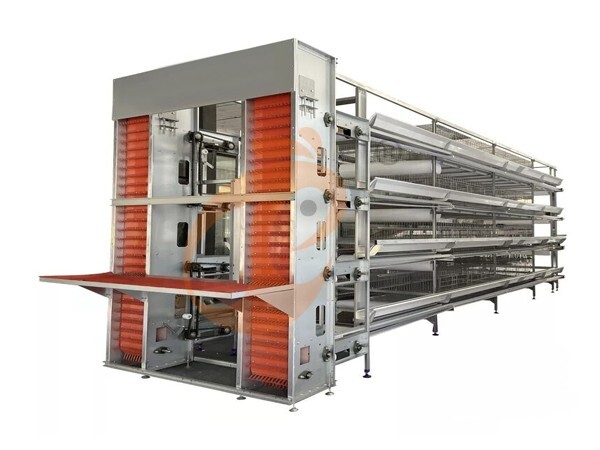
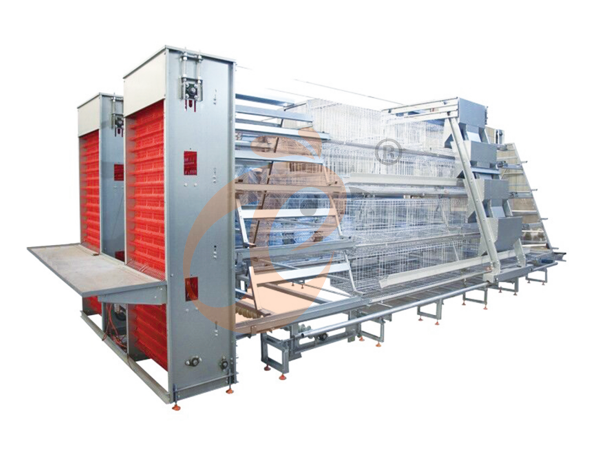
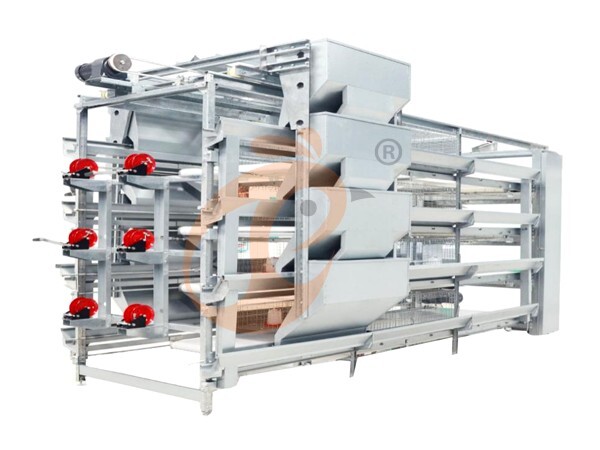
 >30,000 Pullets Automatic H Type Battery Cage1. More than 30,000 pullets a house, choose it.
2. It is designed to rearing older than 1 day old pullets to 12 to 16 weeks old chicken starting laying eggs.
3. Its lifespan is more than 25 years.
4. Its structure are Vcloud artificial intelligent fusion, electric control cabinet, automatic equipment of drinking, feeding, manure clean, manual harvesting.
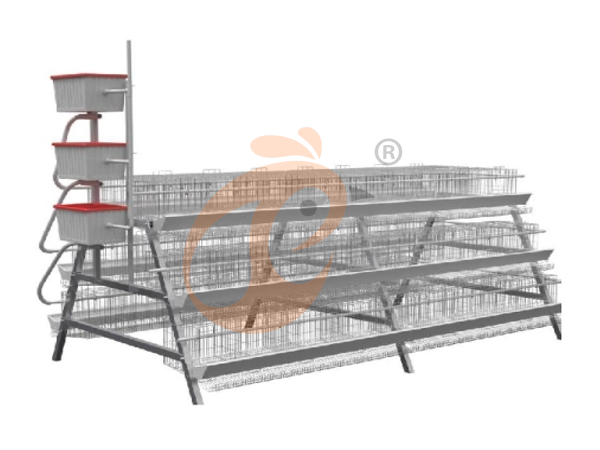
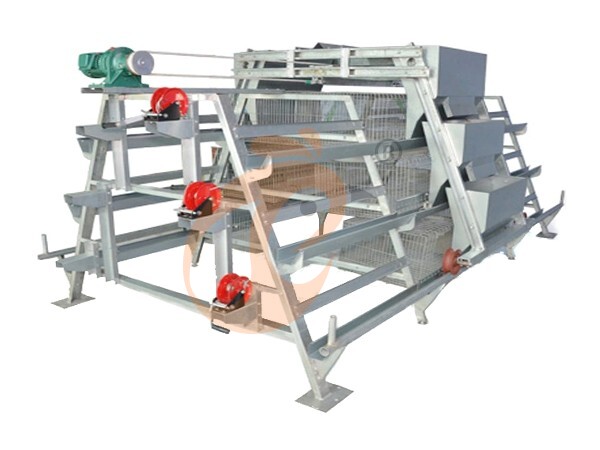
5. Our 24 hour online reception What’sApp NO. is +8618830120193 <30,000 Pullets Automatic A Type Battery Cage1. 10,000 to 30,000 pullets a house, choose it.
2. It is designed to rearing older than 1 day old pullets to 12 to 16 weeks old chicken starting laying eggs.
3. Its lifespan is more than 25 years.
4. Its structure are Vcloud artificial intelligent fusion, electric control cabinet, automatic equipment of drinking, feeding, manure clean, manual harvesting.
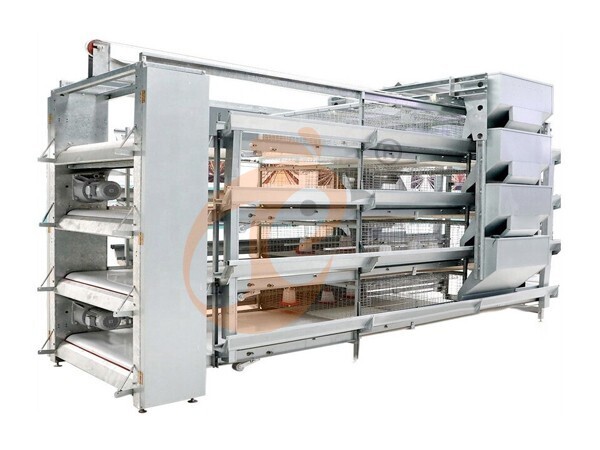
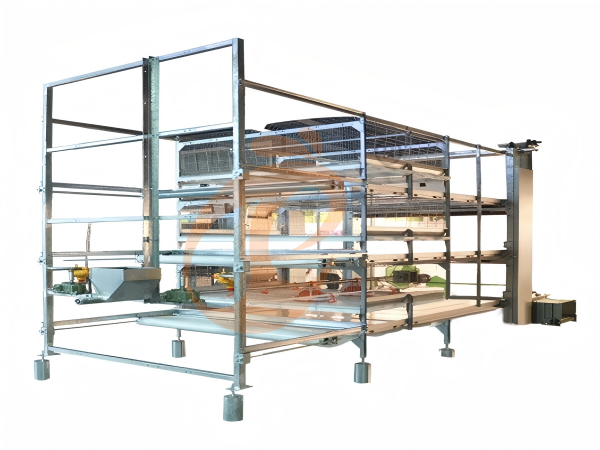
5. Our 24 hour online reception What’sApp NO. is +86 18830120193. >30,000 Broilers Semi-Automatic Harvest H Type Battery Cage1. More than 30,000 broilers a house, choose it.
2. It is designed to rearing 1 to 45 day old adult broiler ready for market.
3. Its lifespan is more than 20 years.
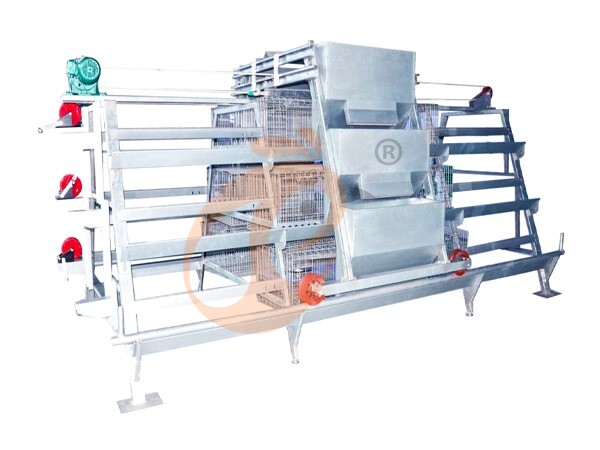
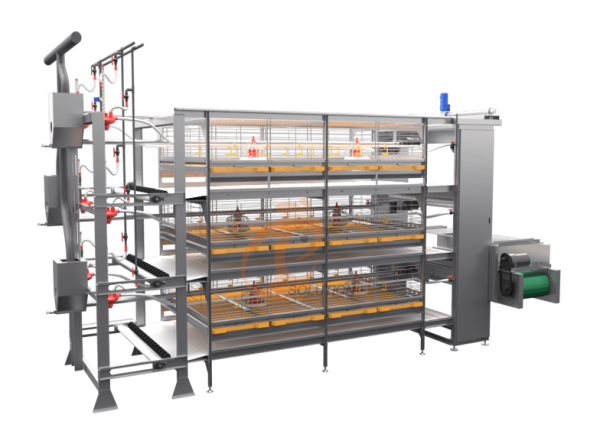
4. Our 24 hour online reception What’sApp NO. is +8618830120193, +234 8111199996. >30,000 Broilers Manual Harvest H Type Battery Cage1. More than 30,000 broilers a house, choose it.
2. It is designed to rearing 1 to 45 day old adult broiler ready for market.
3. Its lifespan is more than 20 years.
4. Its structure are Vcloud artificial intelligent fusion, electric control cabinet, automatic equipment of drinking, feeding and manure clean, manual harvesting.
5. Our 24 hour online reception What’sApp NO. is +8618830120193, +234 8111199996. <30,000 Broilers Manual Harvest A Type Battery Cage1. Less 30,000 broilers a house, choose it.
2. It is designed to rearing 1 to 45 day old adult broiler ready for market.
3. Its lifespan is more than 20 years.
4. Its structure are Vcloud artificial intelligent fusion, electric control cabinet, automatic equipment of drinking, feeding and manure clean, manual harvesting.
5. Our 24 hour online reception What’sApp NO. is +8618830120193, +234 8111199996. HK Headquarter Offers EU-standard Poultry Farm Solutions, Manufacture Poultry Farm Equipment1. Continuous communication with the EU and the US
2. China, Nigeria, Ethiopia, Tanzania branch companies and factories
3. The products’ quality is customized for local poultry farms
4. Poultry cage and poultry farm equipment stock for sale
5. 24 online reception Whatsapp NO. : +8618830120193,contact us to get full information China Branch Offer Poultry Farm Business Plan, Manufacture Poultry Farm Equipment1. Address: Flat/RM 2416, 24/F, Runxing Building, Youyi Nan Street, Shijiazhuang City, Hebei Province, China
2. Poultry cage and poultry farm equipment factory and stock for sale
3. Customized for local poultry farms
4. Quality and design are based on Euro
5. 24 online reception Whatsapp NO. : +8618830120193 Nigeria Branch Offer Poultry Farm Business Plan, Manufacture Poultry Farm Equipment1. Address: After Sinoma Office, 200 Meters Near Danco Filling Station, Lagos/Ibadan Expressway, Lagos State, Nigeria
2. Poultry cage and poultry farm equipment factory and stock for sale
3. Customized for Nigerian poultry farms
4. Quality and design are based on Euro
5. 24 online reception Whatsapp NO. : +8618830120193 Ethiopia Branch Offer Poultry Farm Business Plan, Manufacture Poultry Farm Equipment1. Address: WR93+FQ2, Addis Ababa, Ethiopia
2. Poultry cage and poultry farm equipment stock for sale
3. Customized for Ethiopian poultry farms
4. Quality and design are based on Euro
5. 24 online reception Whatsapp NO. : +8618830120193, contact us to get price list Tanzania Branch Offer Poultry Farm Business Plan, Manufacture Poultry Farm Equipment1. Address: No.8, Sova Road, Msufini, Mlandizi, Kibaha, Pwani, Tanzania
2. Poultry cage and poultry farm equipment factory and stock for sale
3. Customized for Tanzanian poultry farms
4. Quality and design are based on Euro
5. 24 online reception Whatsapp NO. : +8618830120193


Contact
By clicking 'Allow All', you agree to the storage of cookies on your device to enhance site navigation, analyze site usage and assist with our marketing efforts.