


Blog
Pralson feeder system integration enables controlled feed distribution in poultry production environments.
Mechanical auger synchronization stabilizes feed delivery rate and reduces waste percentage.
Adjustable height calibration improves flock uniformity and reduces mortality risk.
Feed flow regulation supports consistent intake across growth stages.
Automated monitoring improves Feed Conversion Ratio efficiency in commercial poultry farms.
Get professional poultry farm construction guidance, equipment selection solutions, and the latest price lists, whatsApp to +8618830120193, click to learn more:
Step One Initial Height Calibration And Leveling
The first step in using Pralson feeders effectively is the precise calibration of the winch system.
A feeder that is too low encourages "scratching" behavior, where birds flick feed out of the pan with their beaks.
Conversely, a feeder that is too high restricts access for smaller birds, leading to flock non-uniformity.
The lip of the feeder pan must be maintained at the level of the bird's back for optimal results.
Data is for reference only.Swipe horizontally to view full table.
Step Two Feed Flow Depth Adjustment
The Pralson system features a multi-stage adjustment ring that controls the volume of feed released into the pan.
During the first week, the ''flood'' setting is used to fill pans to the brim, making it easy for chicks to find food.
As the birds mature, the depth must be reduced to the ''low-level'' setting to prevent waste.
This mechanical adjustment ensures that feed stays in the center of the pan rather than being pushed to the edges.
Data is for reference only.Swipe horizontally to view full table.
Step Three Mechanical Drive And Auger Synchronization
Pralson feeders utilize a high-tensile coreless auger to move feed from the hopper through the delivery pipes.
The synchronization between the motor RPM and the feed demand at the ''control pan'' is critical.
The control pan is the final pan on the line; when it is empty, the sensor triggers the motor to refill the entire line.
If the sensor is improperly calibrated, the motor may cycle too frequently, increasing wear on the drive unit.
Data is for reference only.Swipe horizontally to view full table.
Step Four Anti-Perch System Maintenance
To prevent birds from roosting on the feed lines and contaminating the equipment with manure, an anti-perch wire is installed.
This wire carries a low-voltage pulse that discourages perching without harming the birds.
Routine checks must ensure that the wire is taut and the energizer is grounded correctly.
Failure to maintain this system leads to increased cleaning costs and potential disease outbreaks.
Data is for reference only.Swipe horizontally to view full table.
Step Five Bio-Security And Cleaning Protocols
Between batches, the entire Pralson system must be dismantled or thoroughly sanitized.
Pralson pans are designed with a ''swing-down'' mechanism that allows them to hang vertically during high-pressure washing.
This ensures that no old feed or biofilm remains trapped in the adjustment rings.
A clean feeding system prevents the spread of Salmonella and E. coli throughout the farm.
Data is for reference only.Swipe horizontally to view full table.
Step Six Data Monitoring And Return On Investment Analysis
The final step is the integration of feed consumption data into the farm's management software.
By monitoring how much feed the Pralson system delivers daily, farmers can detect health issues before clinical signs appear.
A sudden drop in feed intake is often the first indicator of heat stress or viral infection.
Consistent tracking allows for the calculation of the feed conversion ratio (FCR).
Data is for reference only.Swipe horizontally to view full table.
Advanced Feeding Optimization Strategy
Beyond standard height calibration and auger synchronization, large-scale poultry facilities require dynamic feed curve management based on environmental load and bird metabolic response.
In high-density houses exceeding 15 birds/m², feed intake variability can reach 8–12% if ventilation and temperature gradients are not stabilized.
Integrating pralson feeder output with environmental controllers allows feed delivery to adjust in response to heat stress thresholds above 28°C.
Field data from commercial broiler systems shows that aligning feeding peaks with early morning and late evening reduces metabolic heat production by approximately 6–9%, improving livability rates and final body weight uniformity.
This approach enhances system efficiency beyond mechanical optimization alone.
Technical Insight Feed Flow Physics And Angle Of Repose
Understanding the flow of granular material in an automated system involves the ''Angle of Repose.''
This is the steepest angle at which a sloping surface of loose material is stable.
Pralson pans are engineered with a cone geometry exceeding standard feed angle thresholds.
This ensures gravity-driven flow without bridging or clogging in delivery pipelines.
Bird feeding action continuously removes material, and gravitational refill maintains equilibrium state.
Auger vibration further stabilizes particle flow and eliminates tunneling effects in feed columns.
Data is for reference only.Swipe horizontally to view full table.
Frequently Asked Questions
Q1: What is optimal feeder height for broiler production systems?
Feeder lip alignment must remain at bird back height from 15 days onward.
Deviation beyond ±20 mm increases feed waste rate by up to 12% and reduces flock uniformity index.
Q2: How does auger speed affect feed distribution efficiency?
Optimal auger operation range is 350–450 RPM.
Above this range, particle segregation increases.
Below this range, feed starvation zones may form at end-line pans.
Q3: What is the expected return on investment improvement after system installation?
Commercial data indicates Feed Conversion Ratio improvement from 1.70 baseline to approximately 1.50.
Labor reduction reaches 60–75% depending on farm scale.
Taiyu (HK) Group - One Of China Largest Pralson Feeders Manufacturer
Pralson feeder system engineered for commercial poultry feed distribution control accuracy exceeding standard industry benchmarks
Global factory direct supply for poultry automation systems ensuring consistent mechanical feeder performance and durability standards
Poultry equipment integration solutions supporting broiler and layer farm efficiency optimization and feed waste reduction systems
Poultry cage and feeding system turnkey engineering projects covering installation, calibration, and operational commissioning support
Turn-key poultry engineering solutions delivering full-scale automated feeding infrastructure for industrial livestock production systems
Contact Us To Received Your Customized Poultry Farm Plan
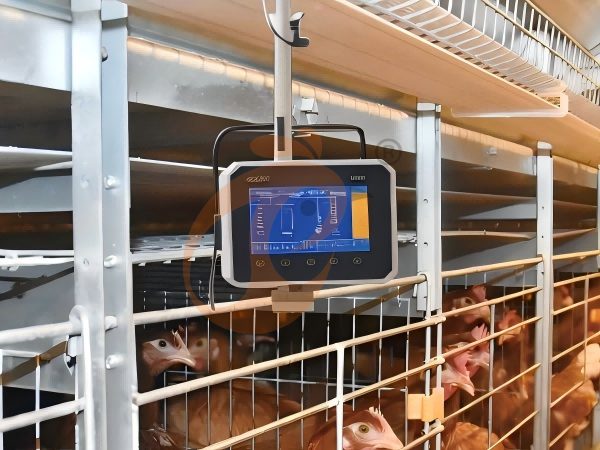
Headquarters And Branchs

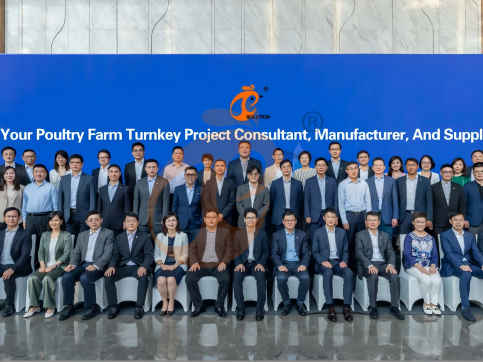
Hong Kong Headquarter Management Team
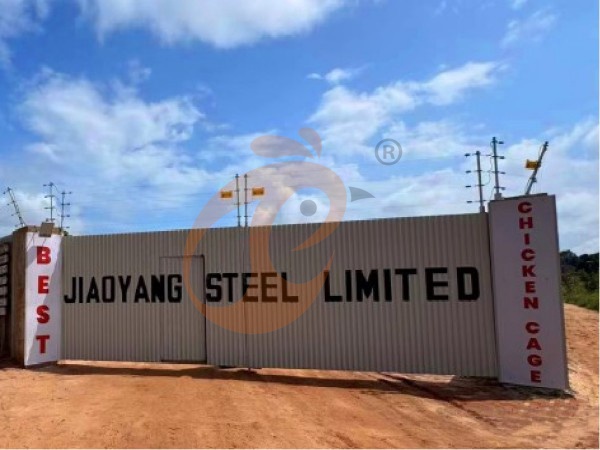
Hong Kong Headquarter Taiyu Industrial Group CO., LTD
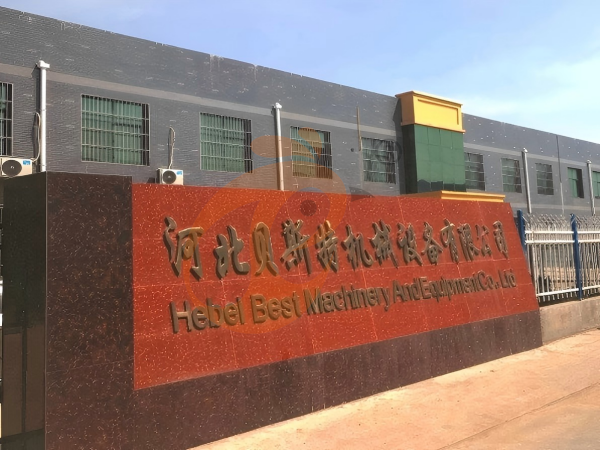
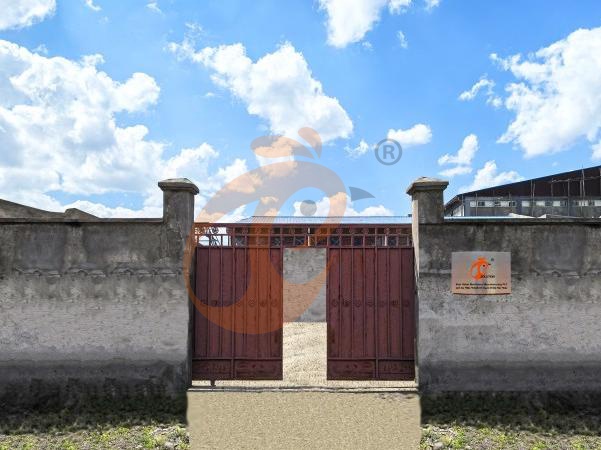
China Hebei Best Machinery And Equipment CO., LTD
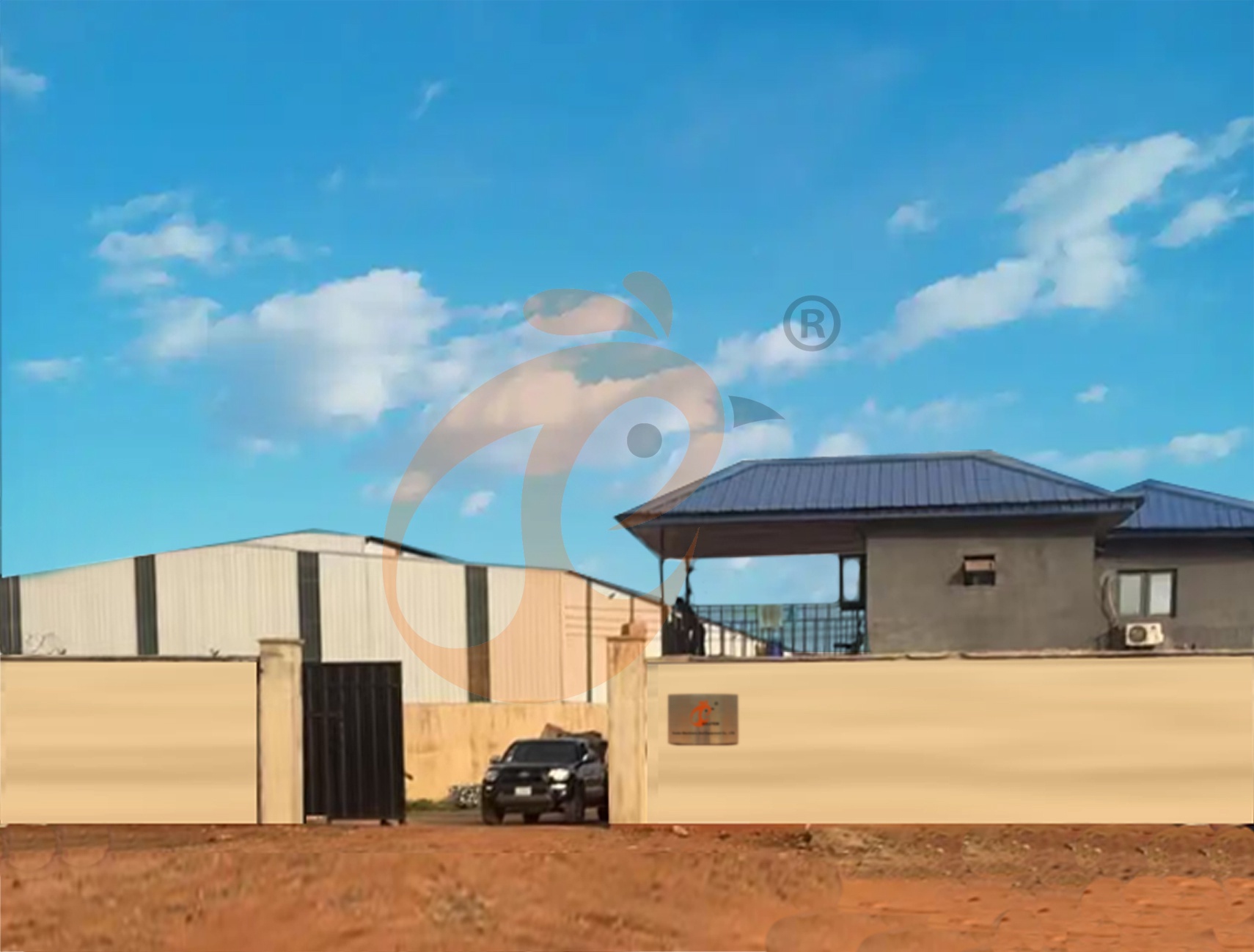
Nigeria Vanke Machinery And Equipment CO., LTD
Tanzania Best Machinery And Equipment CO., LTD
Ethiopia Best Hebei Machinery Manufacturing PLC




Reception /24 WhatsApp NO. : +8618830120193
FAQ
What Is The Application Range Of Plasson Poultry Equipment In Poultry Chicken Farming Systems?
System compatibility covers broiler, layer, and breeder production environments with modular installation design.
Integration supports both manual and fully automated poultry housing layouts for scalable expansion projects.
What Are The Water Flow And Pressure Standards In Plasson Poultry Equipment For Poultry Chicken Drinking Systems?
Flow rate per drinker ranges from 60–110 ml per minute depending on bird age.
System pressure variation tolerance is maintained within ±0.02 MPa across full pipeline length.
What Materials Are Used In Plasson Poultry Equipment For Poultry Chicken Housing Systems?
Internal valve components use stainless steel alloys with hardness levels above HRC 42.
Pipeline connectors are designed with UV-resistant polymer materials to withstand 8–10 years outdoor exposure.
- poultry farm
- poultry farms
- poultry cage
- cage
- poultry farm construction
- poultry farm automation
- poultry farm biosecurity
- poultry feeding system
- poultry feeding equipment
- automatic poultry feeding equipment
- poultry equipment
- chickencage
- bestchickencage
- Nigeria
- poultry farm automation system
- smart poultry farm automation
- layer farm
- smart poultry farm
- commercial poultry farms
- poultry feeder system
- automatic poultry feeder
- poultry farm plan
- poultry feed
- poultry feed distribution
- Ethiopia
- Spring
Message
Products recommended
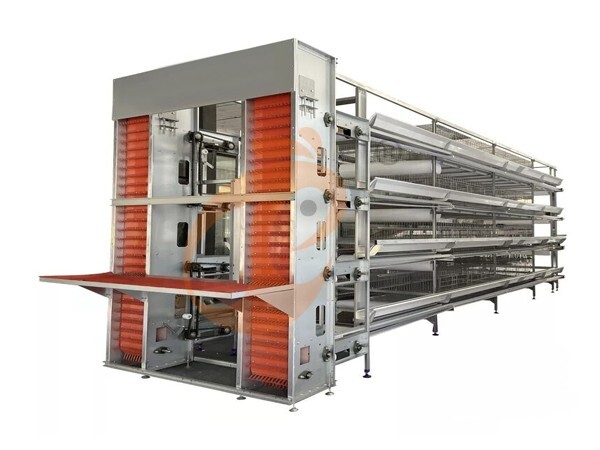
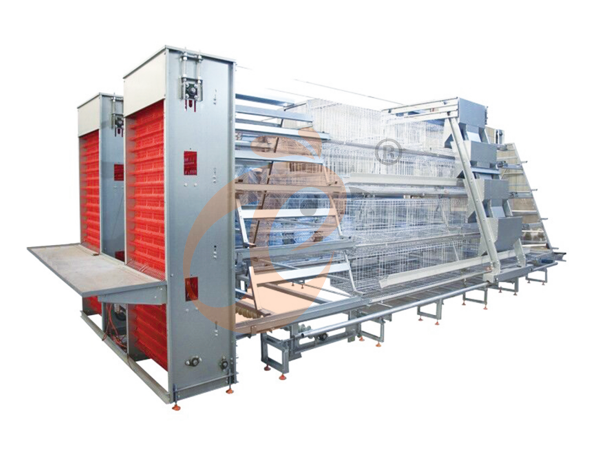
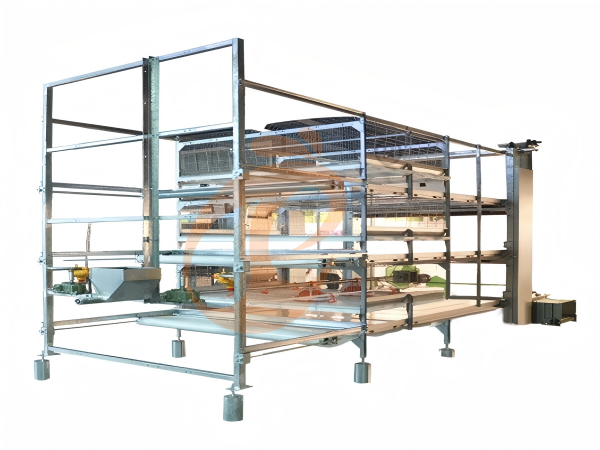
 >30,000 Pullets Automatic H Type Battery Cage1. More than 30,000 pullets a house, choose it.
2. It is designed to rearing older than 1 day old pullets to 12 to 16 weeks old chicken starting laying eggs.
3. Its lifespan is more than 25 years.
4. Its structure are Vcloud artificial intelligent fusion, electric control cabinet, automatic equipment of drinking, feeding, manure clean, manual harvesting.
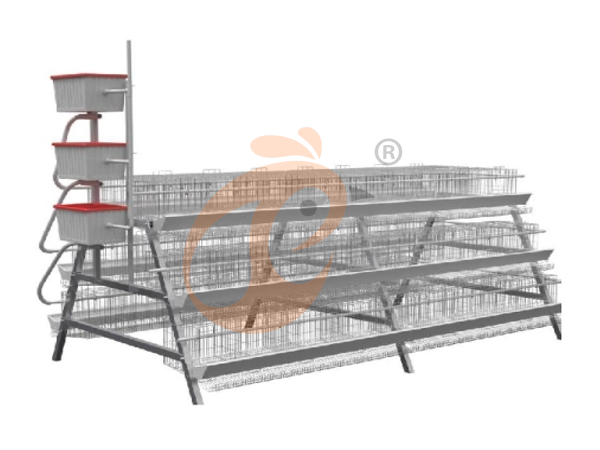
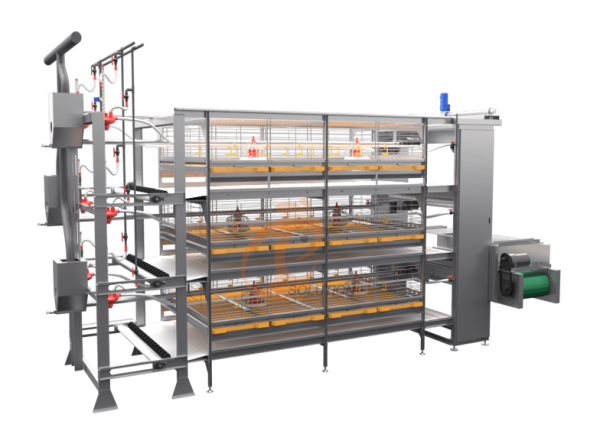
5. Our 24 hour online reception What’sApp NO. is +8618830120193 <30,000 Pullets Automatic A Type Battery Cage1. 10,000 to 30,000 pullets a house, choose it.
2. It is designed to rearing older than 1 day old pullets to 12 to 16 weeks old chicken starting laying eggs.
3. Its lifespan is more than 25 years.
4. Its structure are Vcloud artificial intelligent fusion, electric control cabinet, automatic equipment of drinking, feeding, manure clean, manual harvesting.
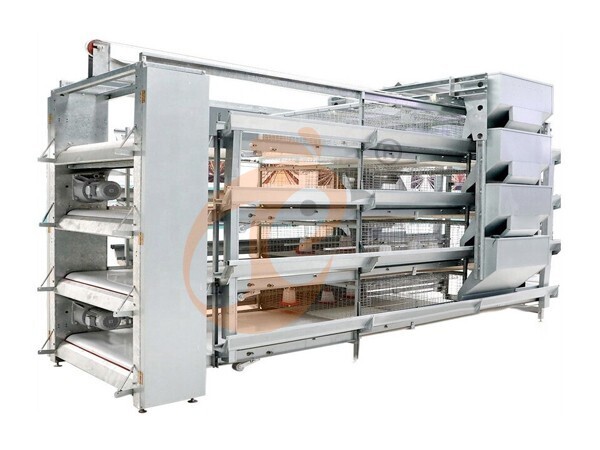
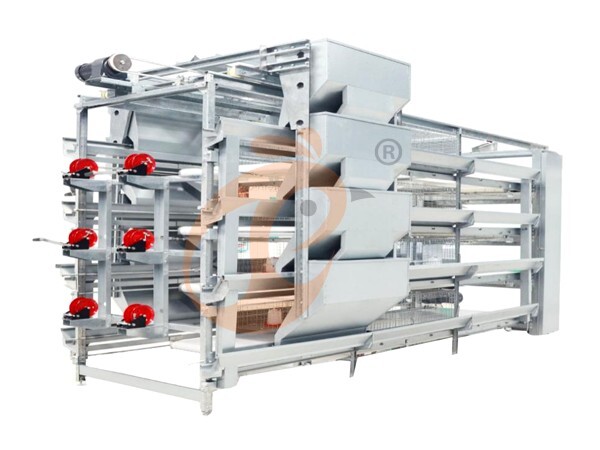
5. Our 24 hour online reception What’sApp NO. is +86 18830120193. >30,000 Broilers Semi-Automatic Harvest H Type Battery Cage1. More than 30,000 broilers a house, choose it.
2. It is designed to rearing 1 to 45 day old adult broiler ready for market.
3. Its lifespan is more than 20 years.
4. Our 24 hour online reception What’sApp NO. is +8618830120193, +234 8111199996. >30,000 Broilers Manual Harvest H Type Battery Cage1. More than 30,000 broilers a house, choose it.
2. It is designed to rearing 1 to 45 day old adult broiler ready for market.
3. Its lifespan is more than 20 years.
4. Its structure are Vcloud artificial intelligent fusion, electric control cabinet, automatic equipment of drinking, feeding and manure clean, manual harvesting.
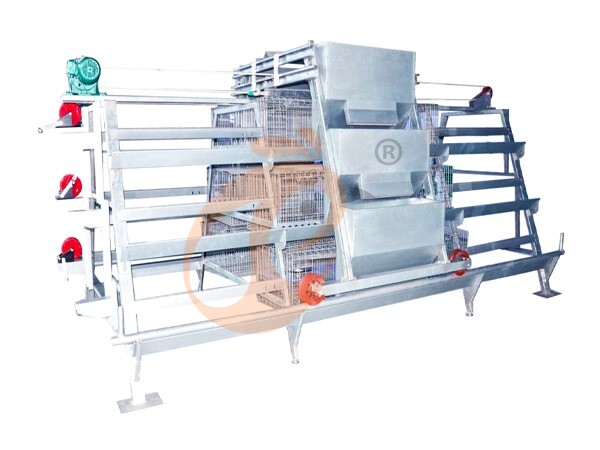
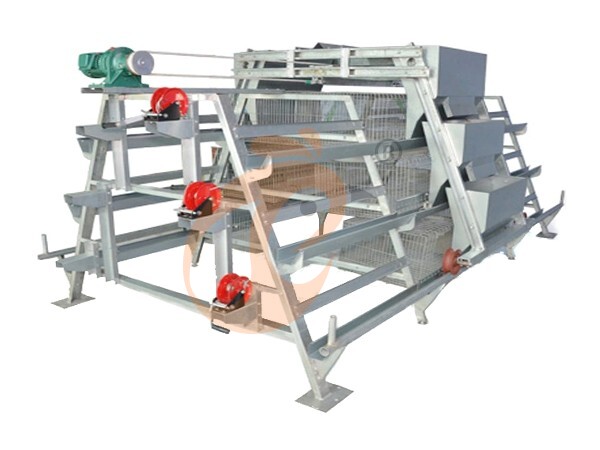
5. Our 24 hour online reception What’sApp NO. is +8618830120193, +234 8111199996. <30,000 Broilers Manual Harvest A Type Battery Cage1. Less 30,000 broilers a house, choose it.
2. It is designed to rearing 1 to 45 day old adult broiler ready for market.
3. Its lifespan is more than 20 years.
4. Its structure are Vcloud artificial intelligent fusion, electric control cabinet, automatic equipment of drinking, feeding and manure clean, manual harvesting.
5. Our 24 hour online reception What’sApp NO. is +8618830120193, +234 8111199996. HK Headquarter Offers EU-standard Poultry Farm Solutions, Manufacture Poultry Farm Equipment1. Continuous communication with the EU and the US
2. China, Nigeria, Ethiopia, Tanzania branch companies and factories
3. The products’ quality is customized for local poultry farms
4. Poultry cage and poultry farm equipment stock for sale
5. 24 online reception Whatsapp NO. : +8618830120193,contact us to get full information China Branch Offer Poultry Farm Business Plan, Manufacture Poultry Farm Equipment1. Address: Flat/RM 2416, 24/F, Runxing Building, Youyi Nan Street, Shijiazhuang City, Hebei Province, China
2. Poultry cage and poultry farm equipment factory and stock for sale
3. Customized for local poultry farms
4. Quality and design are based on Euro
5. 24 online reception Whatsapp NO. : +8618830120193 Nigeria Branch Offer Poultry Farm Business Plan, Manufacture Poultry Farm Equipment1. Address: After Sinoma Office, 200 Meters Near Danco Filling Station, Lagos/Ibadan Expressway, Lagos State, Nigeria
2. Poultry cage and poultry farm equipment factory and stock for sale
3. Customized for Nigerian poultry farms
4. Quality and design are based on Euro
5. 24 online reception Whatsapp NO. : +8618830120193 Ethiopia Branch Offer Poultry Farm Business Plan, Manufacture Poultry Farm Equipment1. Address: WR93+FQ2, Addis Ababa, Ethiopia
2. Poultry cage and poultry farm equipment stock for sale
3. Customized for Ethiopian poultry farms
4. Quality and design are based on Euro
5. 24 online reception Whatsapp NO. : +8618830120193, contact us to get price list Tanzania Branch Offer Poultry Farm Business Plan, Manufacture Poultry Farm Equipment1. Address: No.8, Sova Road, Msufini, Mlandizi, Kibaha, Pwani, Tanzania
2. Poultry cage and poultry farm equipment factory and stock for sale
3. Customized for Tanzanian poultry farms
4. Quality and design are based on Euro
5. 24 online reception Whatsapp NO. : +8618830120193



Contact
By clicking 'Allow All', you agree to the storage of cookies on your device to enhance site navigation, analyze site usage and assist with our marketing efforts.