


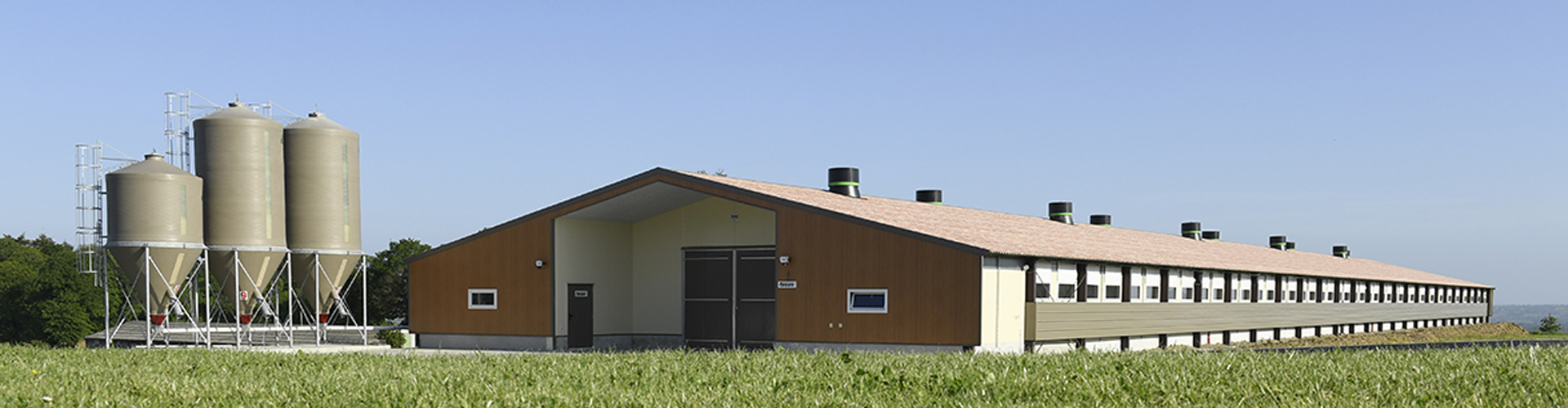
Blog
Mechanical blending ensures uniform particle dispersion within compound feed formulations.
Automation control improves production continuity and reduces operational deviation in processing lines.
Capacity design optimizes energy consumption efficiency per kilogram of feed output.
System structure selection determines maintenance cycle stability and equipment service lifespan.
Get professional poultry farm construction guidance, equipment selection solutions, and the latest price lists, whatsApp to +8618830120193, click to learn more:
System Types
Feed mixer systems used in poultry production can be categorized based on structure, capacity, and mixing mechanism.
The most common industrial configurations are vertical screw mixers, horizontal ribbon mixers, and paddle mixers.
Data is for reference only.Swipe horizontally to view full table.
Each system is designed for different production scales.
Vertical screw systems are commonly used in small farms due to simpler structure, while horizontal and paddle systems dominate commercial feed mills supplying large chicken operations.
Feed Uniformity
Feed uniformity refers to particle-level dispersion stability in poultry feed mixing machine output.
Engineering control targets nutrient homogeneity across batch cycles.
Data is for reference only.Swipe horizontally to view full table.
Uniform mixing reduces nutrient stratification and stabilizes flock-level intake variance across production cycles.
Mixing Dynamics
Feed mixers operate through mechanical agitation, gravity flow, and particle collision.
The goal is to reduce segregation between particles of different densities and sizes.
Particle behavior in the mixing chamber is influenced by rotation speed of mixing blades.
Chamber geometry affects internal circulation flow pattern.
Filling ratio determines turbulence efficiency threshold.
Particle density variation controls separation tendency under gravity field.
Mixing efficiency depends on turbulence threshold achievement where inter-particle displacement overrides gravitational layering effects.
Particle Control
Particle size consistency is a critical parameter in feed formulation.
Inconsistent grinding leads to separation during mixing and transport.
Data is for reference only.Swipe horizontally to view full table.
Particle distribution consistency directly determines segregation risk during pneumatic transfer and batch discharge phases.
Capacity Planning
Selecting a feed mixer requires matching equipment capacity with flock size and daily feed demand.
Overcapacity increases energy cost, while undercapacity causes production delays.
Data is for reference only.Swipe horizontally to view full table.
Capacity mismatch increases idle energy loss or production queue accumulation depending on deviation direction.
Automation Control
Modern feed mixer systems increasingly rely on programmable logic controllers (PLC) and automated dosing systems.
These systems control ingredient weighing, mixing duration, discharge timing, and batch tracking.
Data is for reference only.Swipe horizontally to view full table.
Automation reduces process variance between sequential production batches and stabilizes formulation repeatability.
Energy Use
Feed mixers consume energy primarily through electric motors driving mixing blades and discharge systems.
Energy efficiency directly affects production cost per ton of feed.
Data is for reference only.Swipe horizontally to view full table.
European union standard reference only.
Energy per output ratio becomes dominant cost factor at scale above multi-ton daily feed production.
Maintenance
Feed mixer maintenance ensures long-term operational stability and prevents contamination risks.
Data is for reference only.Swipe horizontally to view full table.
Routine maintenance stabilizes production uptime and extends equipment lifecycle.
Biosecurity
Feed contamination is a critical risk factor in poultry farming.
Residual feed buildup can promote microbial growth affecting flock health.
Stainless steel chamber design reduces adhesion zones.
Smooth internal surface geometry limits residue accumulation.
Cleaning cycles are scheduled after every 8–12 operating hours.
Cross-batch contamination risk is reduced through sealed discharge mechanisms and dry cleaning protocols.
Return On Investment Analysis
Feed mixer selection should be evaluated based on lifecycle cost rather than purchase price alone.
Feed accounts for 60%–75% of total poultry production cost.
System optimization reduces feed wastage by 2%–6% annually depending on formulation stability and particle control accuracy.
Operational consistency affects weight variance distribution across flock batches rather than only average growth rate.
Frequently Asked Questions
How Does Feed Mixing Uniformity Affect Poultry Growth Performance?
Uniform feed blending reduces nutrient separation between feed particles and stabilizes daily intake consistency across poultry flocks.
Modern industrial mixer systems normally maintain a coefficient of variation between 5%–12%, while nutrient deviation below 8% can improve feed conversion ratio stability by approximately 3%–7%.
Consistent particle distribution also reduces weight variation inside commercial broiler and layer houses, especially in farms operating more than 20,000 chickens per production cycle.
What Feed Mixer Capacity Is Suitable For Different Poultry Farm Sizes?
Feed mixer capacity selection depends on flock population, daily feed demand, and operational cycle frequency.
Small poultry farms with 2,000–8,000 chickens usually operate 100–300 kg batch mixers producing 2–6 mixing cycles per day.
Commercial farms managing 40,000–150,000 birds commonly require 1,000–5,000 kg industrial mixer systems with 8–20 daily production cycles to maintain continuous feed supply efficiency.
How Does Automation Improve Industrial Feed Mixing System Stability?
PLC automation systems improve batching precision, reduce manual operating error, and stabilize feed production continuity across multiple batches.
Automated ingredient weighing systems generally maintain control accuracy between 0.5%–1.0%, while discharge timing deviation can remain within ±1.5% under industrial operating conditions.
Real-time batch traceability and automated dosing also reduce formulation inconsistency risk, helping large poultry feed mills maintain stable production efficiency and lower long-term operational losses.
Taiyu (HK) Group - One Of China Biggest Poultry Feed Mixer Manufacturer
Industrial poultry feed mixer system engineered for chicken farm batch production stability and uniform nutrient blending performance across large scale operations.
Global factory direct supply covering automated poultry equipment production lines supporting feed processing facilities and industrial farm infrastructure projects worldwide.
Integrated poultry equipment systems include feeding lines, environmental control systems, and automated production coordination for commercial farming operations.
Poultry cage systems engineered for high-density broiler and layer farming structures with optimized ventilation, durability, and space utilization design.
Turn-key poultry farm engineering covering project design, equipment installation, automation integration, and full production line commissioning services for industrial farms.
Contact Us To Received Your Customized Poultry Farm Plan
Headquarters And Branchs

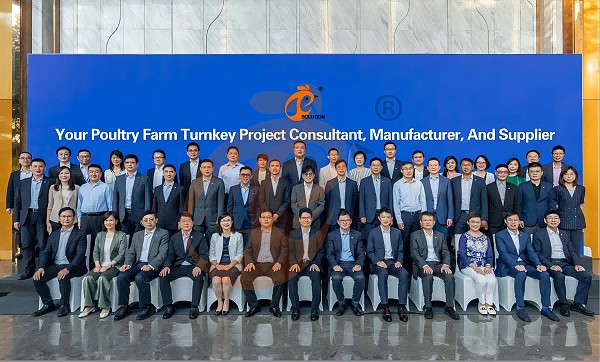
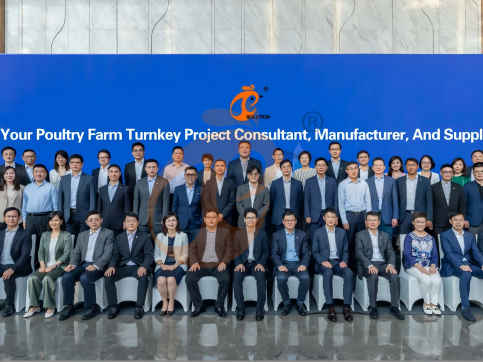
Hong Kong Headquarter Management Team
Hong Kong Headquarter Taiyu Industrial Group CO., LTD
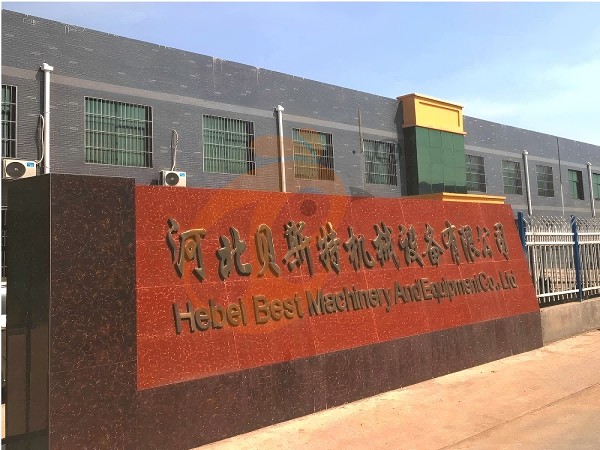
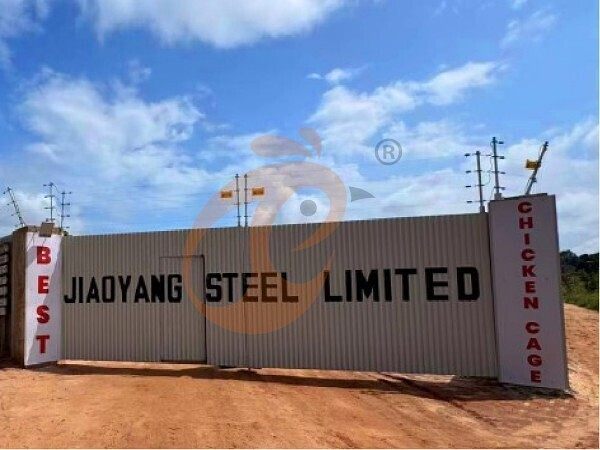
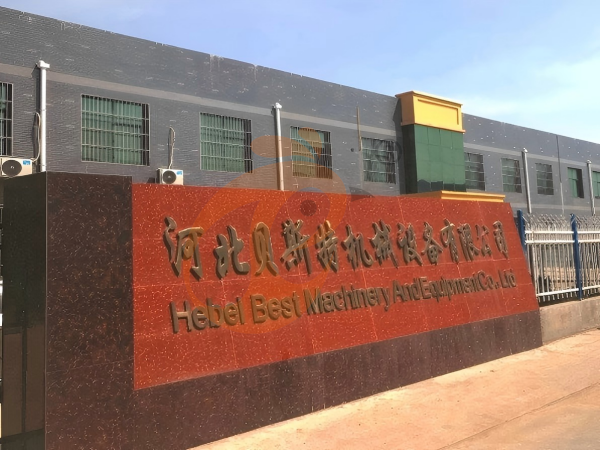
China Hebei Best Machinery And Equipment CO., LTD
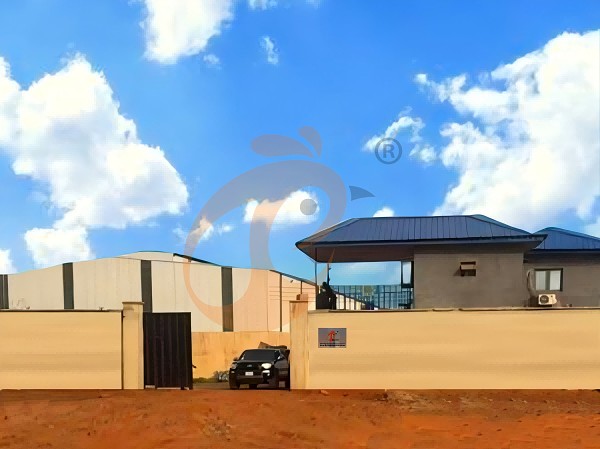
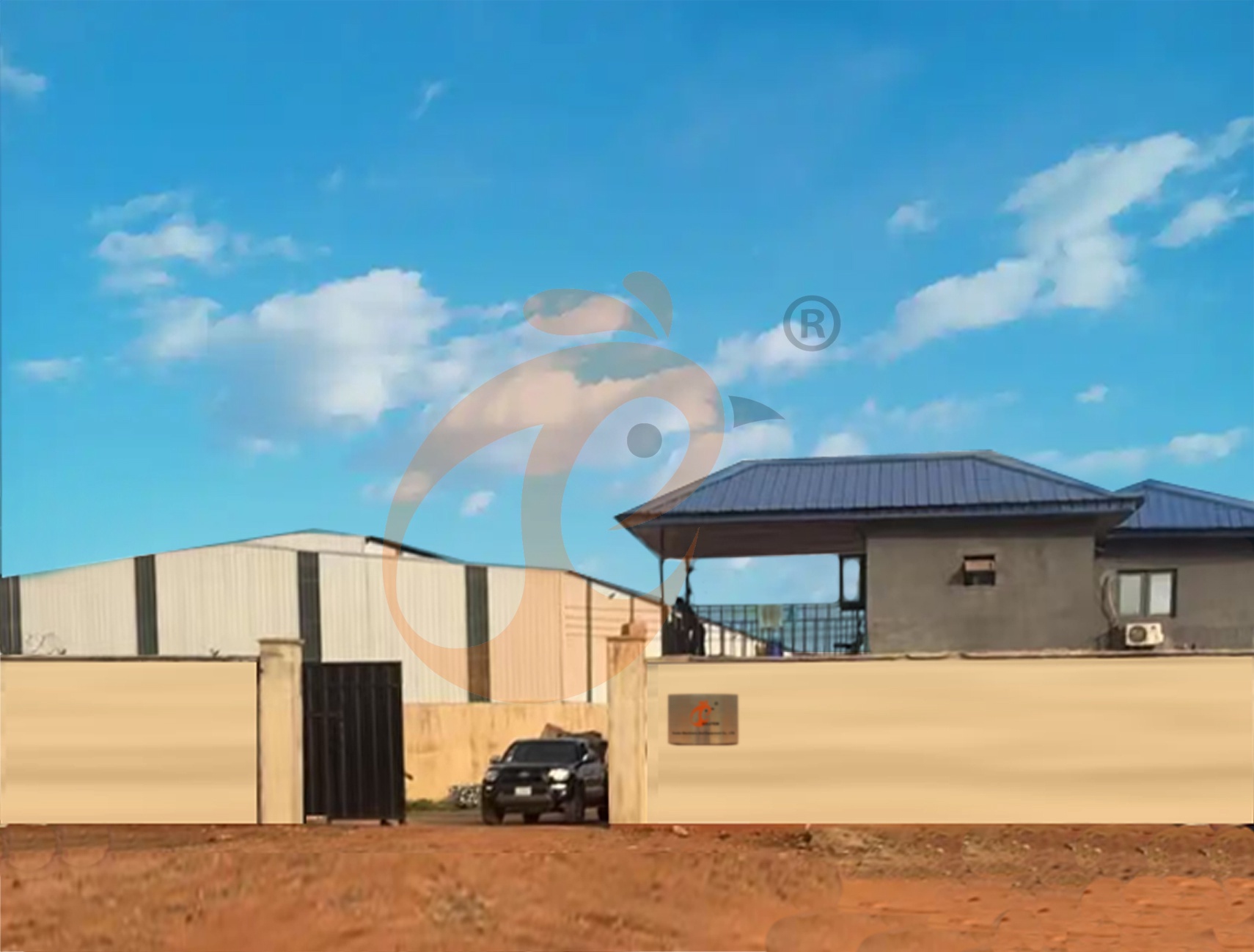
Nigeria Vanke Machinery And Equipment CO., LTD
Tanzania Best Machinery And Equipment CO., LTD
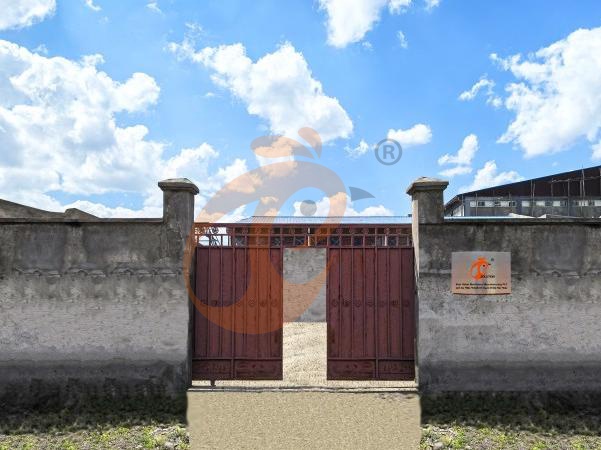
Ethiopia Best Hebei Machinery Manufacturing PLC

Reception /24 WhatsApp NO. : +8618830120193
FAQ
What Moisture Control Standards Are Required In Feed Milling For Poultry Chicken Feed?
Conditioning moisture increases to 16–18% before pelleting for optimal starch gelatinization.
Final feed moisture is controlled at 11–13% to ensure long-term storage stability.
What Energy Consumption Levels Are Standard In Feed Mixer And Feed Mill Operations For Poultry Chicken Farms?
Mixing systems require 3–8 kWh per batch depending on mixer volume and load ratio.
Pelletizing units operate at 60–90 kWh per ton for high-density poultry feed production.
What Raw Material Ratios Are Commonly Processed In Poultry Chicken Feed Mills?
Soybean meal accounts for 18–25% as main protein contributor for growth performance.
Premix addition remains at 2–5% ensuring vitamins and mineral balance stability.
Message
Products recommended
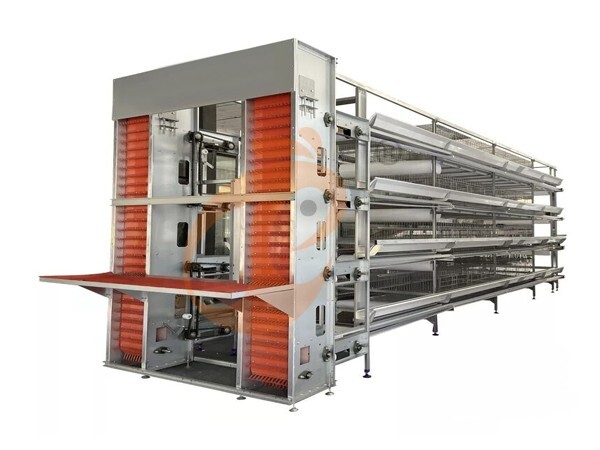
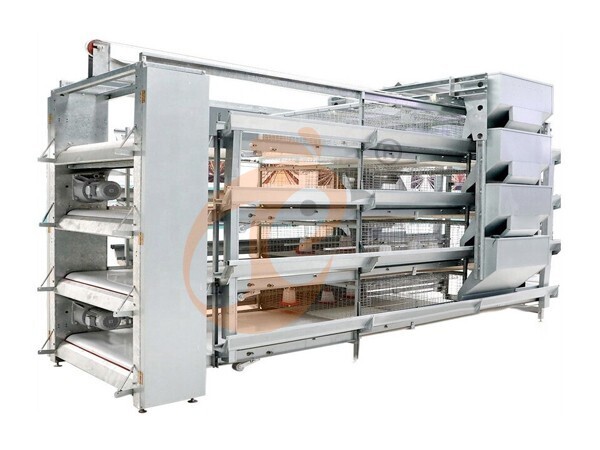
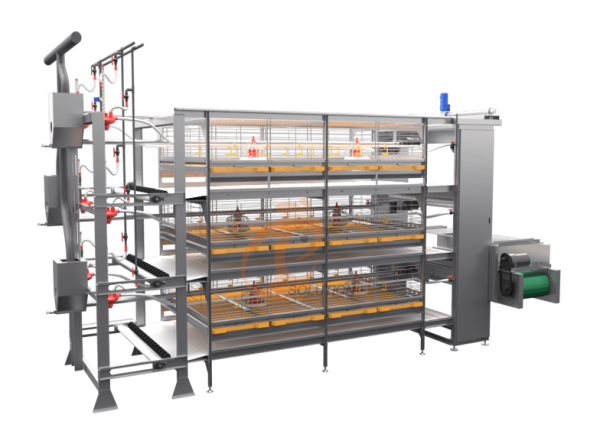
 >30,000 Pullets Automatic H Type Battery Cage1. More than 30,000 pullets a house, choose it.
2. It is designed to rearing older than 1 day old pullets to 12 to 16 weeks old chicken starting laying eggs.
3. Its lifespan is more than 25 years.
4. Its structure are Vcloud artificial intelligent fusion, electric control cabinet, automatic equipment of drinking, feeding, manure clean, manual harvesting.
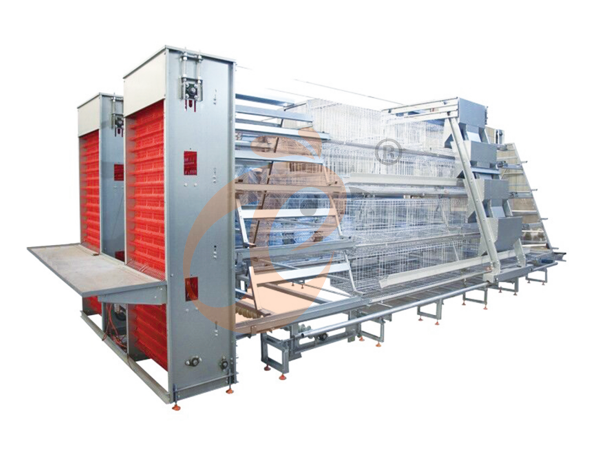
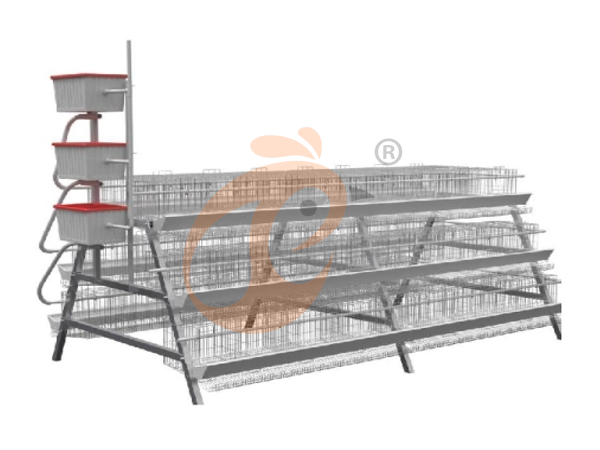
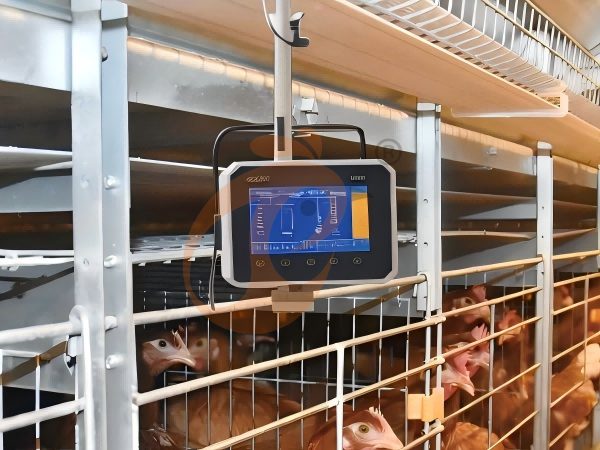
5. Our 24 hour online reception What’sApp NO. is +8618830120193 <30,000 Pullets Automatic A Type Battery Cage1. 10,000 to 30,000 pullets a house, choose it.
2. It is designed to rearing older than 1 day old pullets to 12 to 16 weeks old chicken starting laying eggs.
3. Its lifespan is more than 25 years.
4. Its structure are Vcloud artificial intelligent fusion, electric control cabinet, automatic equipment of drinking, feeding, manure clean, manual harvesting.
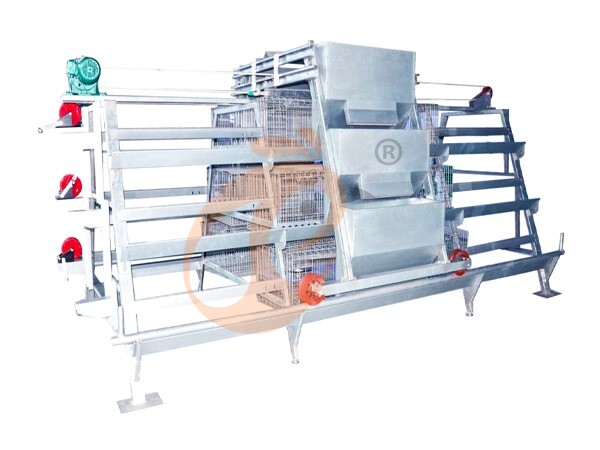
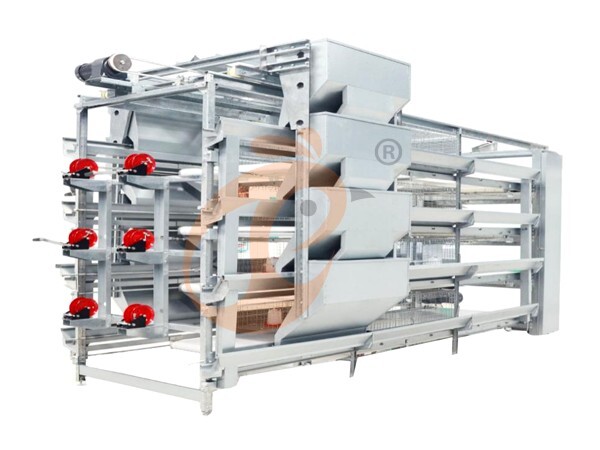
5. Our 24 hour online reception What’sApp NO. is +86 18830120193. >30,000 Broilers Semi-Automatic Harvest H Type Battery Cage1. More than 30,000 broilers a house, choose it.
2. It is designed to rearing 1 to 45 day old adult broiler ready for market.
3. Its lifespan is more than 20 years.
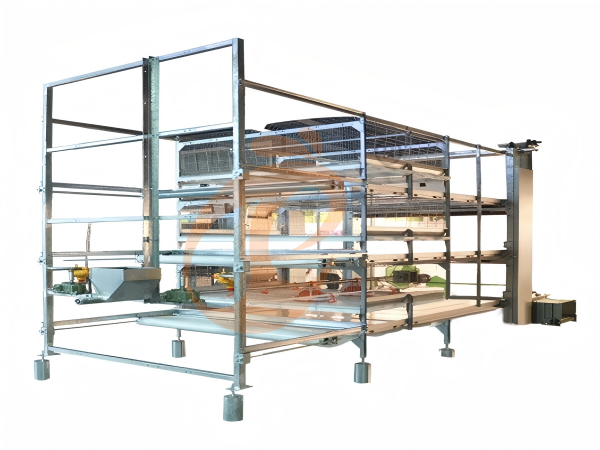
4. Our 24 hour online reception What’sApp NO. is +8618830120193, +234 8111199996. >30,000 Broilers Manual Harvest H Type Battery Cage1. More than 30,000 broilers a house, choose it.
2. It is designed to rearing 1 to 45 day old adult broiler ready for market.
3. Its lifespan is more than 20 years.
4. Its structure are Vcloud artificial intelligent fusion, electric control cabinet, automatic equipment of drinking, feeding and manure clean, manual harvesting.
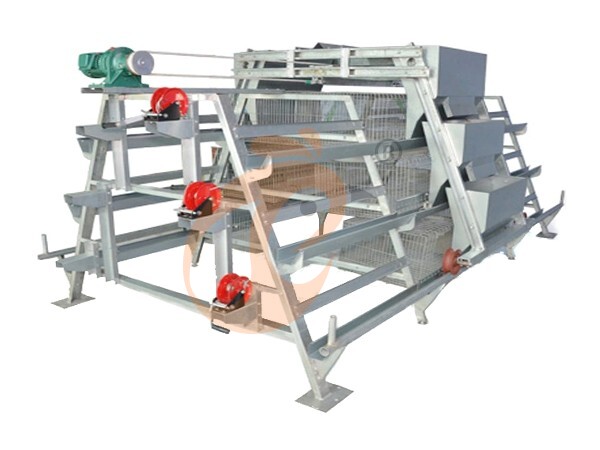
5. Our 24 hour online reception What’sApp NO. is +8618830120193, +234 8111199996. <30,000 Broilers Manual Harvest A Type Battery Cage1. Less 30,000 broilers a house, choose it.
2. It is designed to rearing 1 to 45 day old adult broiler ready for market.
3. Its lifespan is more than 20 years.
4. Its structure are Vcloud artificial intelligent fusion, electric control cabinet, automatic equipment of drinking, feeding and manure clean, manual harvesting.
5. Our 24 hour online reception What’sApp NO. is +8618830120193, +234 8111199996. HK Headquarter Offers EU-standard Poultry Farm Solutions, Manufacture Poultry Farm Equipment1. Continuous communication with the EU and the US
2. China, Nigeria, Ethiopia, Tanzania branch companies and factories
3. The products’ quality is customized for local poultry farms
4. Poultry cage and poultry farm equipment stock for sale
5. 24 online reception Whatsapp NO. : +8618830120193,contact us to get full information China Branch Offer Poultry Farm Business Plan, Manufacture Poultry Farm Equipment1. Address: Flat/RM 2416, 24/F, Runxing Building, Youyi Nan Street, Shijiazhuang City, Hebei Province, China
2. Poultry cage and poultry farm equipment factory and stock for sale
3. Customized for local poultry farms
4. Quality and design are based on Euro
5. 24 online reception Whatsapp NO. : +8618830120193 Nigeria Branch Offer Poultry Farm Business Plan, Manufacture Poultry Farm Equipment1. Address: After Sinoma Office, 200 Meters Near Danco Filling Station, Lagos/Ibadan Expressway, Lagos State, Nigeria
2. Poultry cage and poultry farm equipment factory and stock for sale
3. Customized for Nigerian poultry farms
4. Quality and design are based on Euro
5. 24 online reception Whatsapp NO. : +8618830120193 Ethiopia Branch Offer Poultry Farm Business Plan, Manufacture Poultry Farm Equipment1. Address: WR93+FQ2, Addis Ababa, Ethiopia
2. Poultry cage and poultry farm equipment stock for sale
3. Customized for Ethiopian poultry farms
4. Quality and design are based on Euro
5. 24 online reception Whatsapp NO. : +8618830120193, contact us to get price list Tanzania Branch Offer Poultry Farm Business Plan, Manufacture Poultry Farm Equipment1. Address: No.8, Sova Road, Msufini, Mlandizi, Kibaha, Pwani, Tanzania
2. Poultry cage and poultry farm equipment factory and stock for sale
3. Customized for Tanzanian poultry farms
4. Quality and design are based on Euro
5. 24 online reception Whatsapp NO. : +8618830120193



Contact
By clicking 'Allow All', you agree to the storage of cookies on your device to enhance site navigation, analyze site usage and assist with our marketing efforts.