


Blog
Commercial poultry farming projects require accurate investment planning, structural engineering analysis, environmental control calculations, and production efficiency evaluation.
Modern layer cage system technology improves egg collection efficiency, feed conversion ratio performance, and poultry house management stability.
Automatic chicken cage equipment reduces labor requirements and supports high-density commercial farming operations.
Industrial poultry cage system configurations also influence ventilation performance, manure removal efficiency, and long-term operating costs.
This article explains major technical and economic factors affecting poultry battery cage system investment, installation, maintenance, automation integration, environmental control performance, and commercial poultry production profitability.
Get professional poultry farm construction guidance, equipment selection solutions, and the latest price lists, whatsApp to +8618830120193, click to learn more:
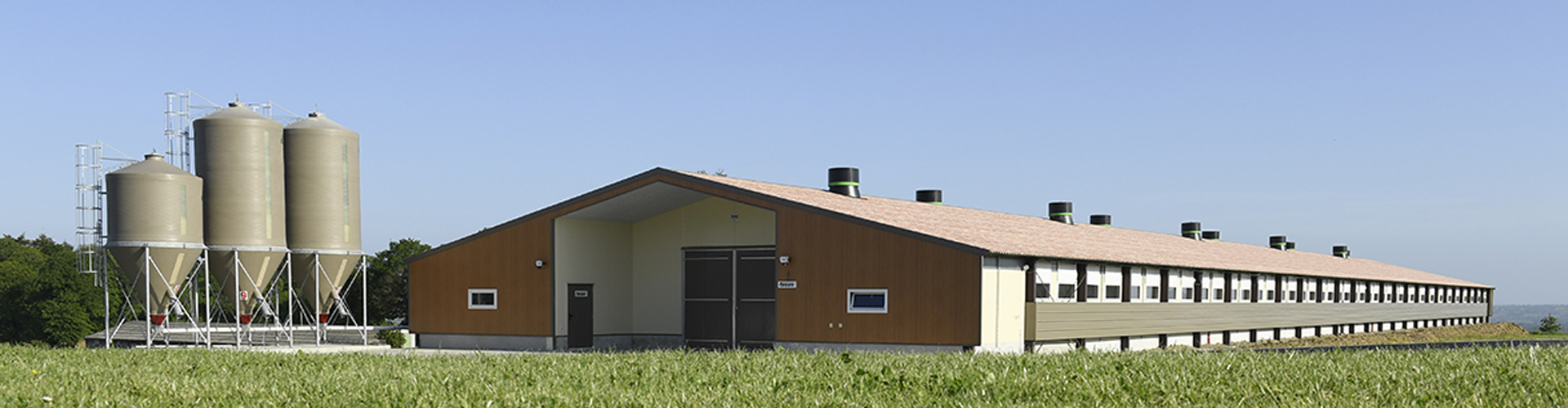
Understanding Poultry Battery Cage Systems
A poultry battery cage system is an intensive poultry housing structure that arranges birds into separate cage units equipped with feeding troughs, nipple drinkers, manure removal equipment, and egg collection systems.
These systems are commonly installed inside closed or semi-closed poultry houses.
Commercial layer farms prefer battery cage systems because they improve space utilization and allow farmers to monitor birds more effectively.
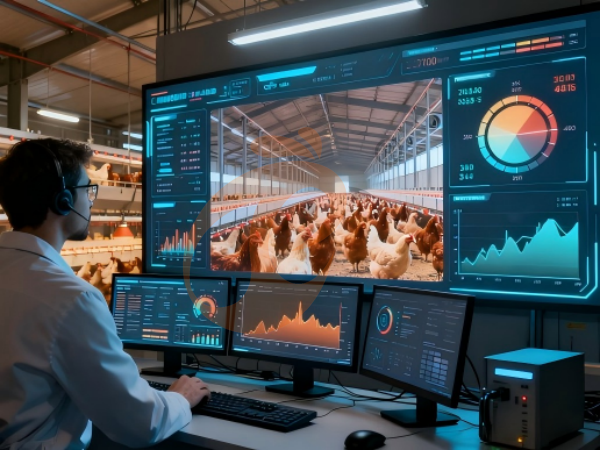
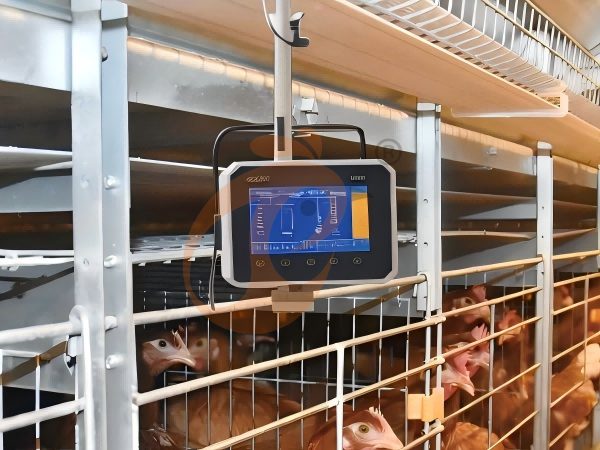
Modern poultry farms often combine battery cages with automatic environmental control systems to stabilize temperature, humidity, lighting, and airflow.
Common Poultry Battery Cage Specifications
The cost difference between these systems depends heavily on structural complexity, automation level, and production capacity.
Factor 1: Cage Type And Structural Design
The type and design of the poultry battery cage system strongly influence total project cost.
Different cage designs require different quantities of steel, support beams, welding work, and floor reinforcement.
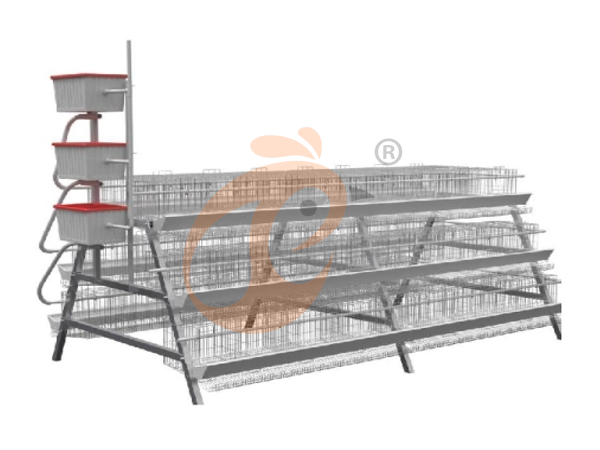
A-type cages are widely used in small and medium poultry farms because they are easier to install and require lower construction budgets.
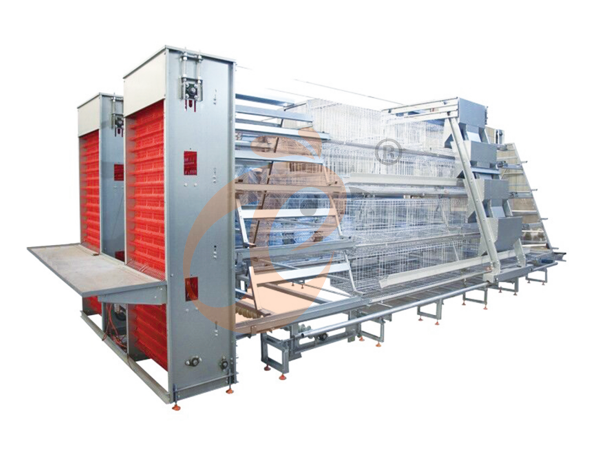
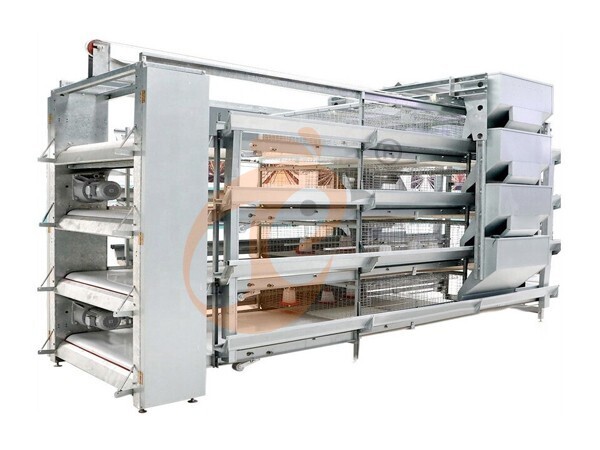
H-type systems are more advanced and suitable for industrial poultry farms because they maximize vertical space and support higher automation.
H-type systems generally require stronger steel frames, automated feed lines, and centralized manure collection systems.
As a result, they involve higher manufacturing and installation expenses.
Structural Comparison Between A-Type And H-Type Cage Systems
Large commercial farms often select H-type systems despite higher costs because they provide greater production efficiency and lower labor requirements.
Factor 2: Quality Of Steel And Galvanization
The quality of construction materials is one of the most important cost factors in poultry battery cage systems.
Poultry houses contain moisture, ammonia gas, dust, and manure, all of which accelerate metal corrosion.
Low-quality steel cages may begin rusting within a few years, especially in humid climates. Corrosion weakens cage structures and increases maintenance costs.
Therefore, commercial poultry farms usually prefer hot-dip galvanized steel cages.
Hot-dip galvanization creates a thick zinc coating that protects steel from oxidation and chemical corrosion.
Although galvanized cages cost more initially, they provide longer service life and lower repair expenses.
Comparison Of Poultry Cage Material Specifications
Farmers operating in coastal or tropical regions usually require stronger corrosion-resistant materials because humidity levels remain high throughout the year.
Factor 3: Automation Equipment And Technology
Automation technology significantly affects the total cost of a poultry battery cage project.
Basic manual systems require workers to feed birds, clean manure, and collect eggs by hand. In contrast, automated systems use motors, conveyor belts, sensors, and control panels.
Modern commercial poultry farms increasingly invest in automation because labor shortages and rising wages make manual management more expensive over time.
Automatic feeding systems distribute feed evenly across cages and reduce feed waste.
Egg collection belts transport eggs directly to the packing area, reducing breakage rates. Automatic manure removal systems improve sanitation and lower ammonia concentration inside poultry houses.
Automation Equipment Specifications In Poultry Farms
Although automation increases initial investment, it reduces labor costs and improves management precision over the long term.
Science Popularization: Why Environmental Control Improves Egg Production
Many poultry farmers underestimate the importance of environmental control inside poultry houses.
Chickens are highly sensitive to heat stress, poor ventilation, and sudden temperature changes.
When poultry house temperatures rise above 30°C, chickens consume less feed and drink more water.
Reduced feed intake lowers egg production and weakens shell quality. Poor ventilation also increases ammonia concentration, which damages the birds’ respiratory systems.
Scientific poultry management focuses on maintaining stable environmental conditions to improve productivity and reduce disease outbreaks.
Recommended Poultry House Environmental Parameters
Battery cage systems equipped with ventilation fans and cooling systems help farmers maintain these optimal production conditions.
Factor 4: Farm Size And Production Capacity
Farm size directly affects the total investment required for poultry battery cage systems.
Larger farms need more cages, bigger poultry houses, stronger ventilation systems, and larger feed storage areas.
However, larger projects often reduce the average investment cost per bird because infrastructure and equipment are shared across a greater number of birds.
Small poultry farms may prefer semi-automatic systems to reduce startup costs, while industrial farms usually install highly automated H-Type systems.
Estimated Infrastructure Requirements By Farm Size
Production scale planning is critical because underestimating future expansion may increase reconstruction costs later.
Factor 5: Transportation And Installation Expenses
Transportation and installation are frequently overlooked when calculating poultry battery cage system costs.
Cage structures are bulky industrial products that require organized packaging and container transportation.
Shipping costs depend on fuel prices, international freight rates, customs duties, and local transportation infrastructure.
Remote farms often face higher inland transport expenses because trucks must travel long distances on rural roads.
Installation costs also vary according to cage complexity and automation level.
Large H-type systems may require engineers and specialized technicians during assembly.
Typical Transportation And Installation Data
Professional installation ensures proper alignment of feeding systems, manure belts, and egg collection equipment.
Factor 6: Supplier Reputation And Technical Support
The experience and reliability of the supplier also influence total project cost.
Established poultry equipment manufacturers invest heavily in engineering, quality control, and after-sales support.
Experienced suppliers typically provide technical drawings, ventilation calculations, installation guidance, and maintenance training.
These services improve system performance and reduce operational risks.
Cheaper suppliers may reduce material thickness or use lower-quality welding techniques, leading to structural problems after several years of operation.
Technical Support Services Provided By Professional Suppliers
Selecting a reputable supplier helps poultry farms avoid costly technical failures.
Climate Conditions And Additional Equipment Costs
Regional climate conditions strongly influence poultry housing design and investment requirements.
Hot tropical climates require ventilation fans, evaporative cooling pads, and wider airflow channels.
Cold regions require insulation panels and heating systems to maintain suitable indoor temperatures.
Humid coastal areas often require thicker galvanization coatings to resist corrosion.
Climate-Related Equipment Requirements
Environmental adaptation increases project cost but significantly improves poultry survival and production stability.
Long-Term Maintenance And Operational Expenses
Long-term maintenance costs are another important consideration when evaluating poultry battery cage systems.
Equipment such as motors, belts, chains, and feeding systems require regular inspection and replacement.
High-quality systems generally reduce maintenance frequency because they use stronger steel structures and better mechanical components.
Typical Annual Maintenance Requirements For Poultry Farms
Proper maintenance improves operational efficiency and extends equipment lifespan.
Energy Consumption In Modern Poultry Farms
Energy consumption plays an important role in the total operating cost of automated poultry farms.
Ventilation fans, lighting systems, automatic feeders, and environmental controllers all require electricity.
Energy-efficient equipment may cost more initially but helps reduce monthly utility expenses.
Estimated Electricity Consumption In Automated Poultry Farms
Energy planning is essential for farms located in regions with unstable electricity supply or high energy prices.
Economic Benefits Of Modern Poultry Battery Cage Systems
Despite higher installation costs, modern poultry battery cage systems provide significant economic advantages.
Automated management improves feed efficiency, reduces egg damage, and minimizes labor requirements.
Battery cage systems also improve hygiene conditions by separating birds from manure accumulation.
This reduces bacterial contamination and lowers disease treatment expenses.
Productivity Indicators In Modern Layer Farms
For commercial egg producers, these improvements often offset the higher initial investment within several production cycles.
How To Select The Right Poultry Battery Cage System
Selecting the correct poultry battery cage system requires careful evaluation of production goals, available land, local climate, and financial capacity.
Farmers should determine whether their operation requires semi-automatic or fully automated equipment.
Small farms with lower labor costs may choose simpler systems, while industrial farms benefit more from automated H-Type structures.
It is also important to evaluate ventilation design, steel thickness, zinc coating quality, spare parts availability, and supplier experience.
Before purchasing poultry battery cages, farmers should
Calculate total bird capacity.
Analyze local climate conditions.
Estimate future farm expansion.
Compare automation requirements.
Review maintenance and electricity costs.
Verify supplier certifications and project experience.
Inspect cage material quality and galvanization process.
A properly designed poultry battery cage system improves operational stability and supports long-term farm profitability.
Frequently Asked Questions
Q1: What is the average investment cost of a layer cage system?
Commercial layer cage system projects with 10,000 birds normally require $18,000-$45,000 equipment investment depending on automation level, galvanization quality, and ventilation configuration.
Q2: How long can automatic chicken cage equipment operate?
Hot-dip galvanized automatic chicken cage equipment normally operates for more than 25 years under correct maintenance conditions.
Feeding motors and conveyor belts generally require replacement after 5-8 years.
Q3: Why do industrial poultry cage system projects require ventilation equipment?
Industrial poultry cage system ventilation equipment controls ammonia concentration below 20 ppm and stabilizes poultry house temperatures between 18-24°C.
Proper airflow management improves egg production performance and reduces respiratory disease risks.
Taiyu (HK) Group - One Of China Largest Poultry Battery Cage System Manufacturer
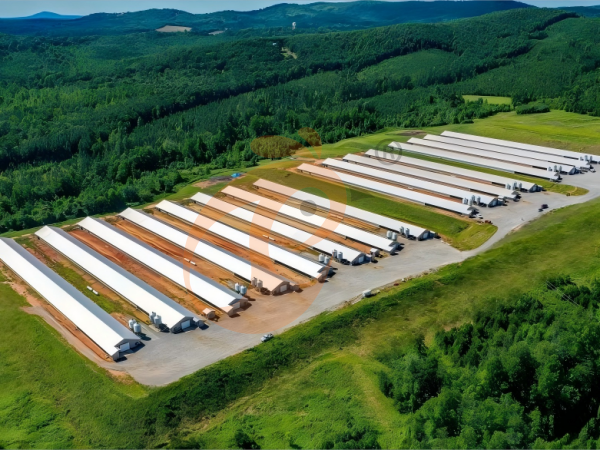
Poultry battery cage system configurations support commercial layer farm production efficiency improvement
Global factory direct poultry equipment manufacturing supports stable engineering project delivery worldwide
Industrial poultry cage production lines provide automated feeding and manure removal integration
Turn-key poultry farm engineering solutions include ventilation planning and installation guidance services
Commercial poultry cage equipment exports support medium and large-scale layer farming projects
Contact Us To Received Your Customized Poultry Farm Plan
Headquarters And Branchs

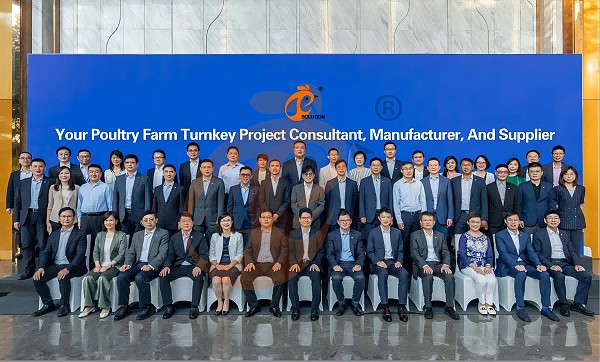
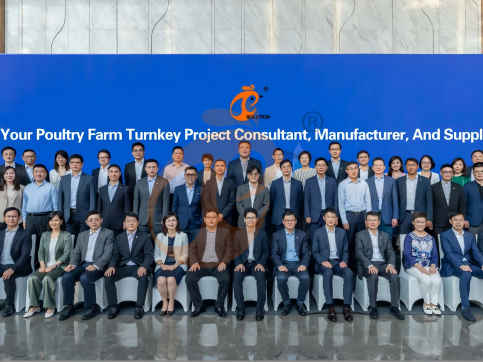
Hong Kong Headquarter Management Team
Hong Kong Headquarter Taiyu Industrial Group CO., LTD
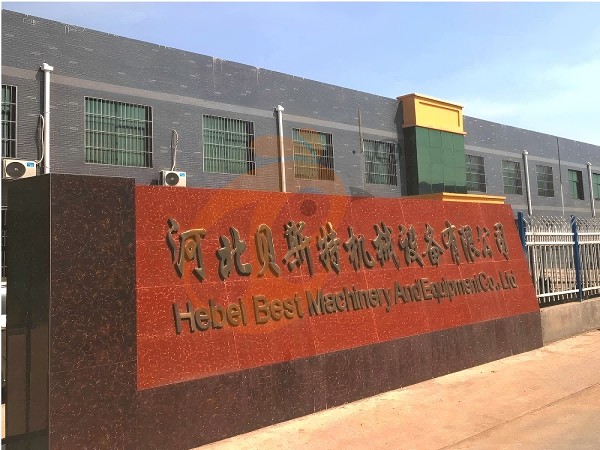
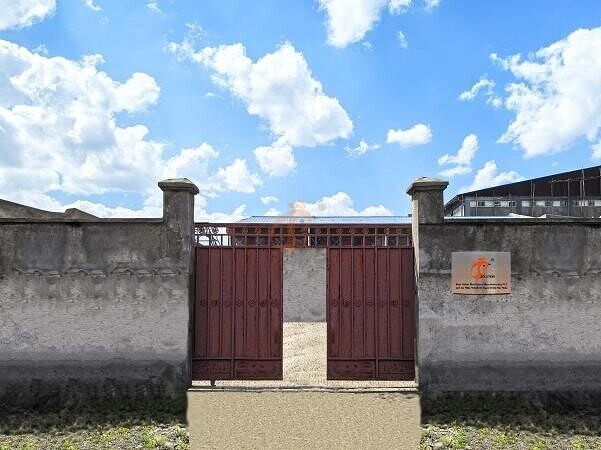
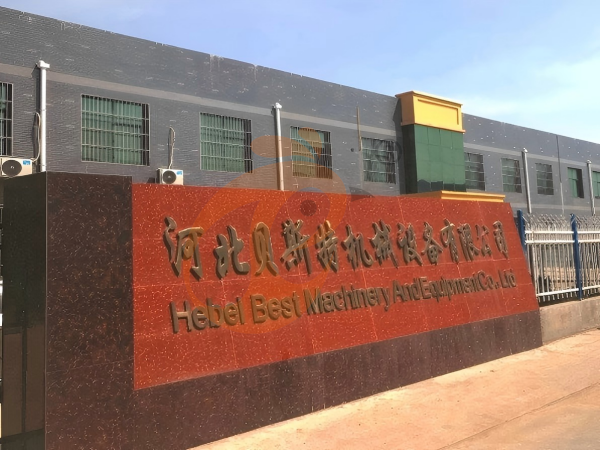
China Hebei Best Machinery And Equipment CO., LTD
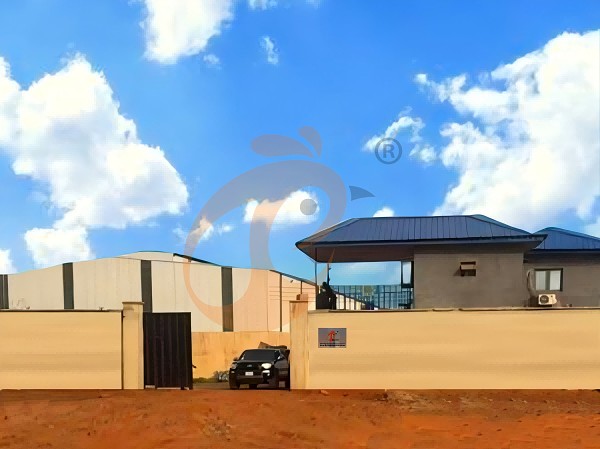
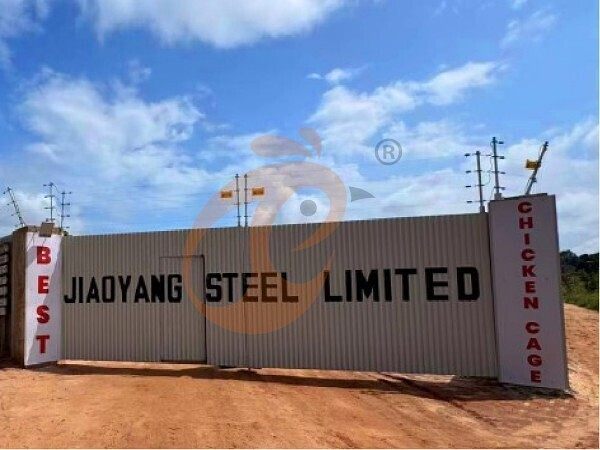
Nigeria Vanke Machinery And Equipment CO., LTD
Tanzania Best Machinery And Equipment CO., LTD
Ethiopia Best Hebei Machinery Manufacturing PLC
Reception /24 WhatsApp NO. : +8618830120193
FAQ
How To Choose The Ultimate Layer Cage System For Multi-Tier Farms?
Install automatic feeding, drinking, egg collection, and manure cleaning systems to boost egg production to 90–98%.
Optimized ventilation and temperature/humidity control reduce mortality to 2–3%.
What Are The Professional Guidelines For Optimizing Feed Storage And Usage In Chicken Cage Farms?
Use automatic feeders to allocate feed as needed, reducing waste by 5–10%.
Regularly monitor feed consumption per tier; FCR 1.9–2.1, egg production 90–98%.
What Are The Professional Guidelines For Reducing Labor Costs Using Automation In Chicken Cage Farms?
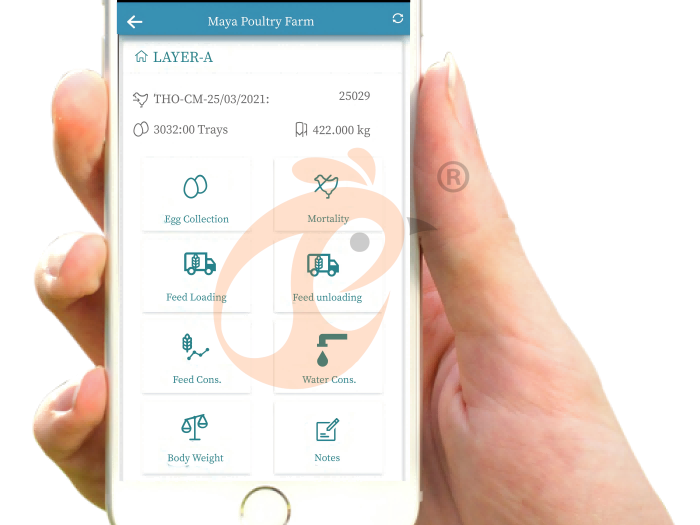
Use real-time monitoring systems to manage flock health and egg production.
ROI can be shortened to 24–36 months, improving overall profitability.
- battery cage
- battery cage system
- poultry battery cage
- poultry farmers
- poultry farm
- chicken cage
- poultry farms
- poultry farmer
- broiler cage
- layer cage
- automatic chicken cage
- poultry house
- poultry cage
- cage
- galvanized cage
- poultry farm construction
- battery cage specifications
- layer cage system
- poultry cage system
- poultry cage equipment
- broiler cage system
- poultry battery cage system
- battery cage system manufacturer
- battery cage system cost
- chicken cage equipment
- battery cage project
- poultry cage material
- poultry cage production
- poultry house design
- poultry housing design
- automatic feeding system
- poultry equipment
- manure removal system
- automatic manure removal system
- manure removal equipment
- egg collection system
- egg collection equipment
- battery cages
- chickencage
- automated battery cage system
- bestchickencage
- cage system
- automated battery cage
- poultry battery
- galvanized cages
- cage systems
- poultry battery cages
- Nigeria
- automated poultry farm
- layer farm
- modern poultry farms
- commercial poultry farms
- small poultry farms
- automated poultry farms
- poultry farming
- poultry house management
- poultry equipment manufacturer
- cage design
- modern poultry farm
- automatic egg collection
- poultry farm plan
- small poultry farm
- modern layer farm
- Ethiopia
Message
Products recommended
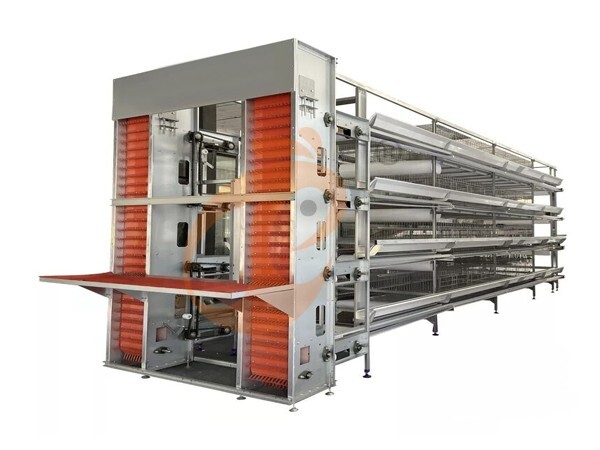
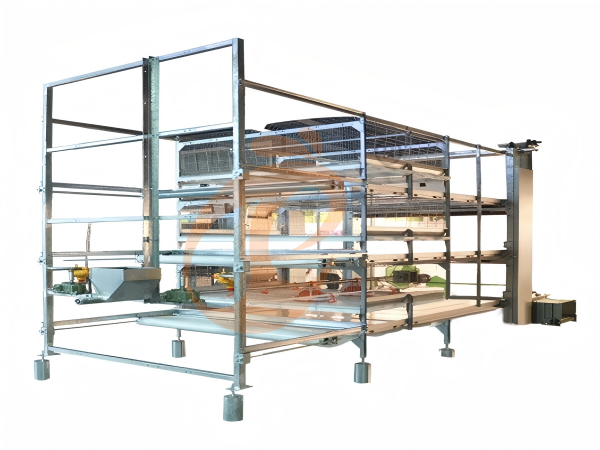
 >30,000 Pullets Automatic H Type Battery Cage1. More than 30,000 pullets a house, choose it.
2. It is designed to rearing older than 1 day old pullets to 12 to 16 weeks old chicken starting laying eggs.
3. Its lifespan is more than 25 years.
4. Its structure are Vcloud artificial intelligent fusion, electric control cabinet, automatic equipment of drinking, feeding, manure clean, manual harvesting.
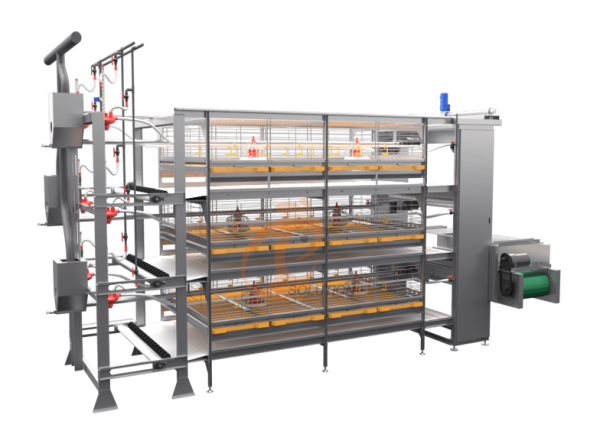
5. Our 24 hour online reception What’sApp NO. is +8618830120193 <30,000 Pullets Automatic A Type Battery Cage1. 10,000 to 30,000 pullets a house, choose it.
2. It is designed to rearing older than 1 day old pullets to 12 to 16 weeks old chicken starting laying eggs.
3. Its lifespan is more than 25 years.
4. Its structure are Vcloud artificial intelligent fusion, electric control cabinet, automatic equipment of drinking, feeding, manure clean, manual harvesting.
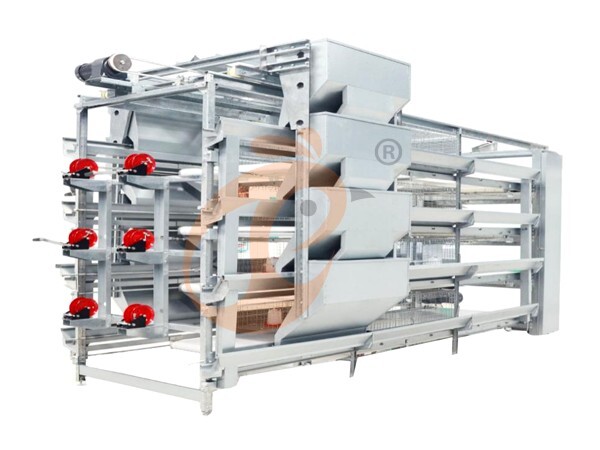
5. Our 24 hour online reception What’sApp NO. is +86 18830120193. >30,000 Broilers Semi-Automatic Harvest H Type Battery Cage1. More than 30,000 broilers a house, choose it.
2. It is designed to rearing 1 to 45 day old adult broiler ready for market.
3. Its lifespan is more than 20 years.
4. Our 24 hour online reception What’sApp NO. is +8618830120193, +234 8111199996. >30,000 Broilers Manual Harvest H Type Battery Cage1. More than 30,000 broilers a house, choose it.
2. It is designed to rearing 1 to 45 day old adult broiler ready for market.
3. Its lifespan is more than 20 years.
4. Its structure are Vcloud artificial intelligent fusion, electric control cabinet, automatic equipment of drinking, feeding and manure clean, manual harvesting.
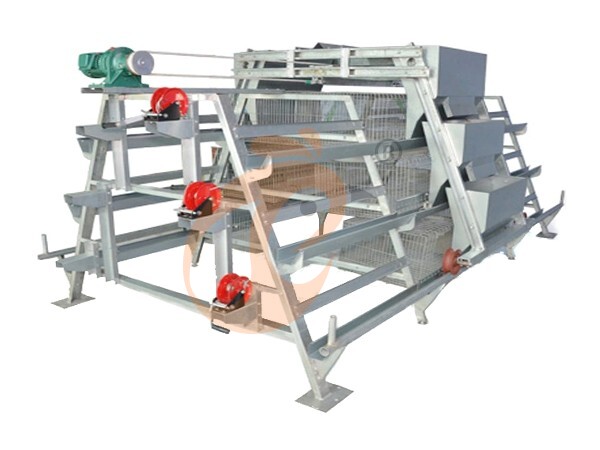
5. Our 24 hour online reception What’sApp NO. is +8618830120193, +234 8111199996. <30,000 Broilers Manual Harvest A Type Battery Cage1. Less 30,000 broilers a house, choose it.
2. It is designed to rearing 1 to 45 day old adult broiler ready for market.
3. Its lifespan is more than 20 years.
4. Its structure are Vcloud artificial intelligent fusion, electric control cabinet, automatic equipment of drinking, feeding and manure clean, manual harvesting.
5. Our 24 hour online reception What’sApp NO. is +8618830120193, +234 8111199996. HK Headquarter Offers EU-standard Poultry Farm Solutions, Manufacture Poultry Farm Equipment1. Continuous communication with the EU and the US
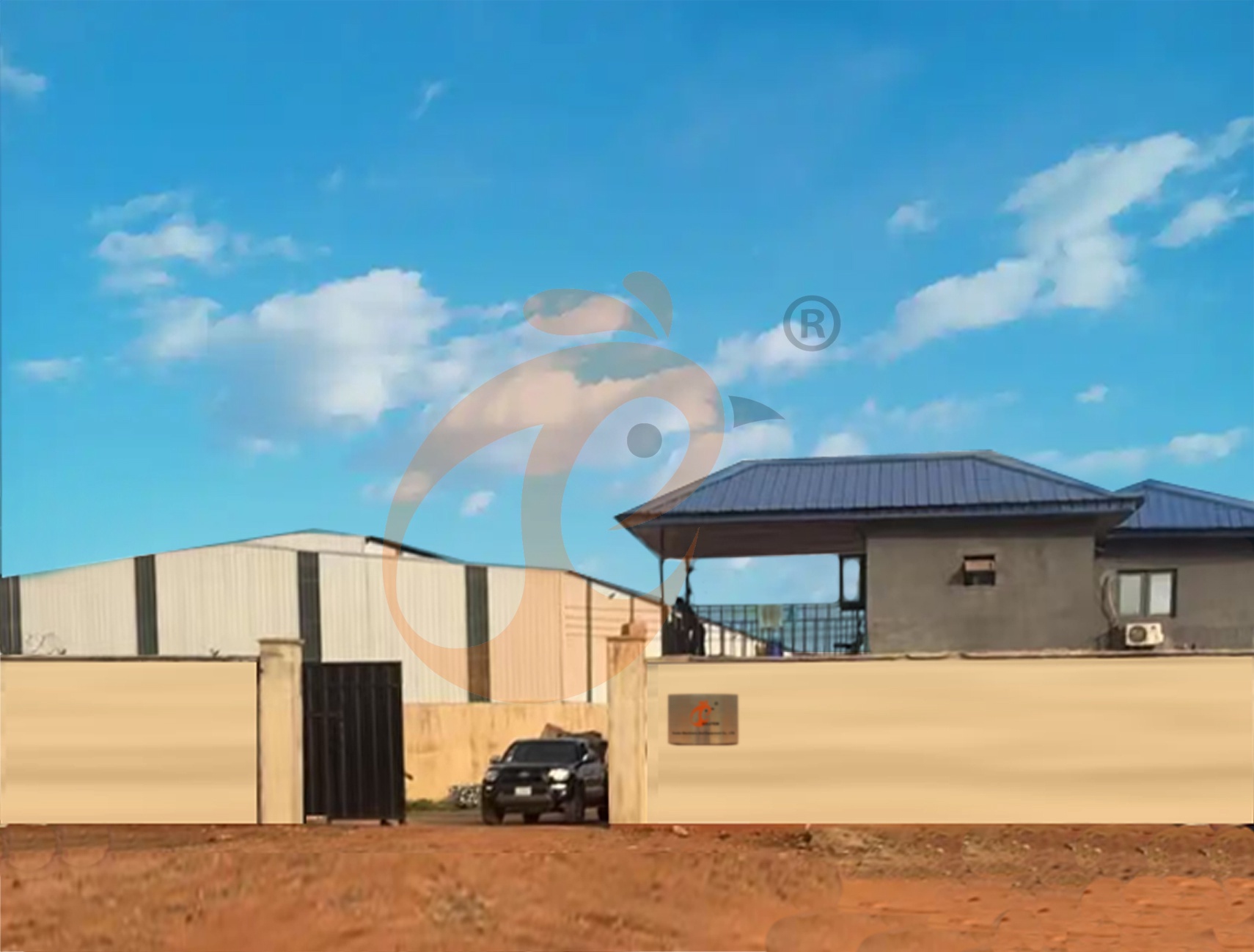
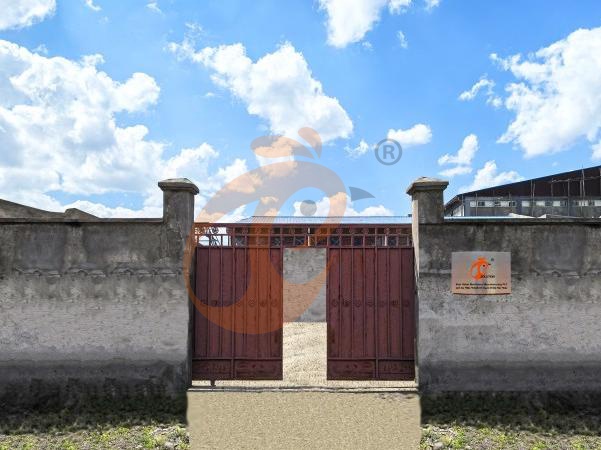
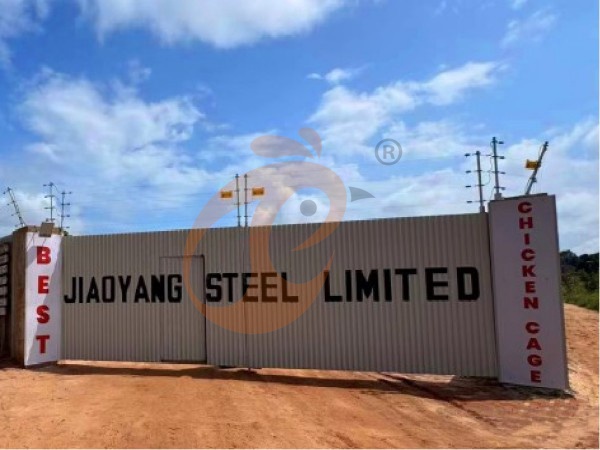
2. China, Nigeria, Ethiopia, Tanzania branch companies and factories
3. The products’ quality is customized for local poultry farms
4. Poultry cage and poultry farm equipment stock for sale
5. 24 online reception Whatsapp NO. : +8618830120193,contact us to get full information China Branch Offer Poultry Farm Business Plan, Manufacture Poultry Farm Equipment1. Address: Flat/RM 2416, 24/F, Runxing Building, Youyi Nan Street, Shijiazhuang City, Hebei Province, China
2. Poultry cage and poultry farm equipment factory and stock for sale
3. Customized for local poultry farms
4. Quality and design are based on Euro
5. 24 online reception Whatsapp NO. : +8618830120193 Nigeria Branch Offer Poultry Farm Business Plan, Manufacture Poultry Farm Equipment1. Address: After Sinoma Office, 200 Meters Near Danco Filling Station, Lagos/Ibadan Expressway, Lagos State, Nigeria
2. Poultry cage and poultry farm equipment factory and stock for sale
3. Customized for Nigerian poultry farms
4. Quality and design are based on Euro
5. 24 online reception Whatsapp NO. : +8618830120193 Ethiopia Branch Offer Poultry Farm Business Plan, Manufacture Poultry Farm Equipment1. Address: WR93+FQ2, Addis Ababa, Ethiopia
2. Poultry cage and poultry farm equipment stock for sale
3. Customized for Ethiopian poultry farms
4. Quality and design are based on Euro
5. 24 online reception Whatsapp NO. : +8618830120193, contact us to get price list Tanzania Branch Offer Poultry Farm Business Plan, Manufacture Poultry Farm Equipment1. Address: No.8, Sova Road, Msufini, Mlandizi, Kibaha, Pwani, Tanzania
2. Poultry cage and poultry farm equipment factory and stock for sale
3. Customized for Tanzanian poultry farms
4. Quality and design are based on Euro
5. 24 online reception Whatsapp NO. : +8618830120193


Contact
By clicking 'Allow All', you agree to the storage of cookies on your device to enhance site navigation, analyze site usage and assist with our marketing efforts.