


Blog
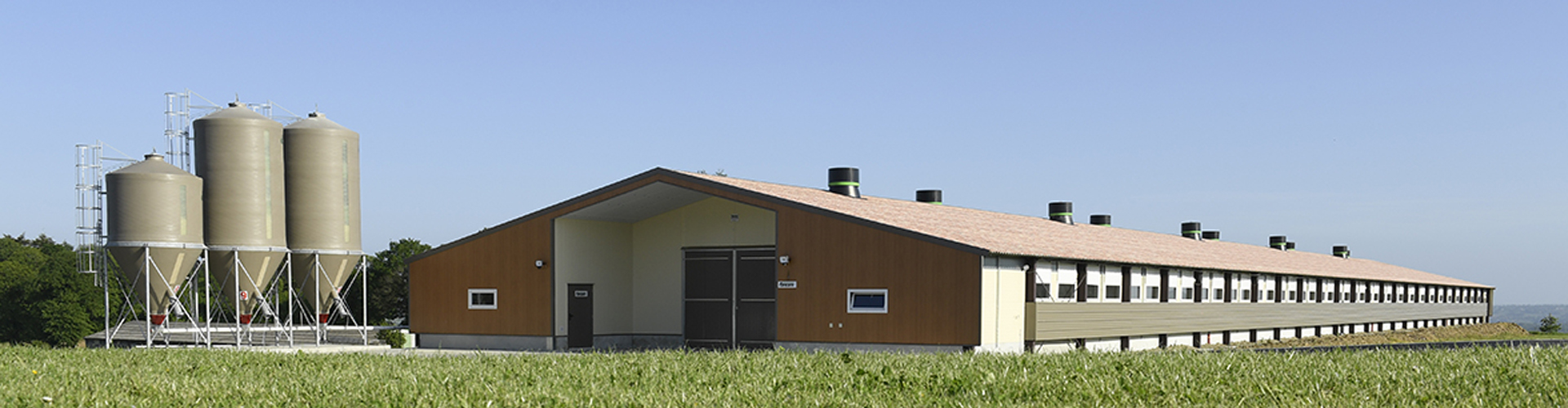
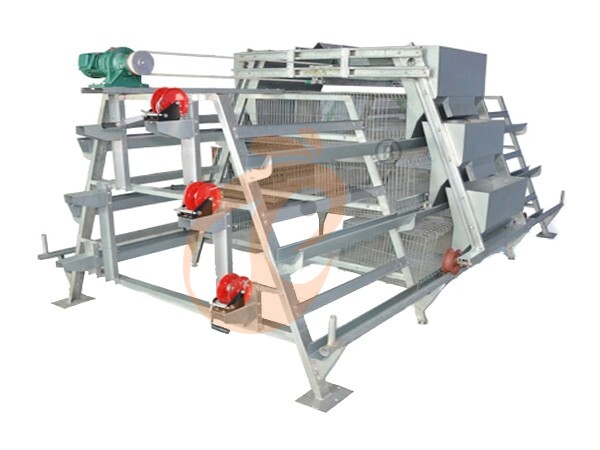
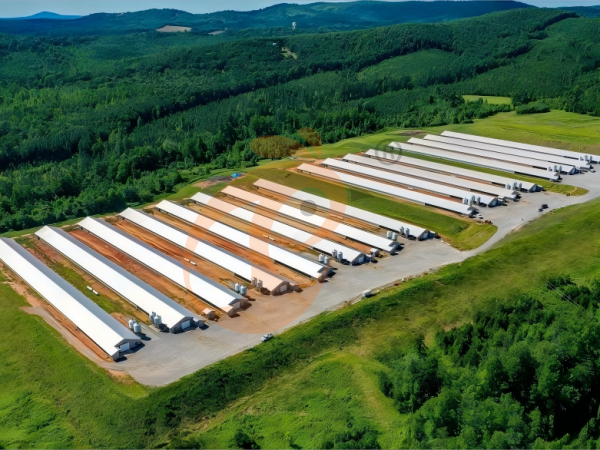
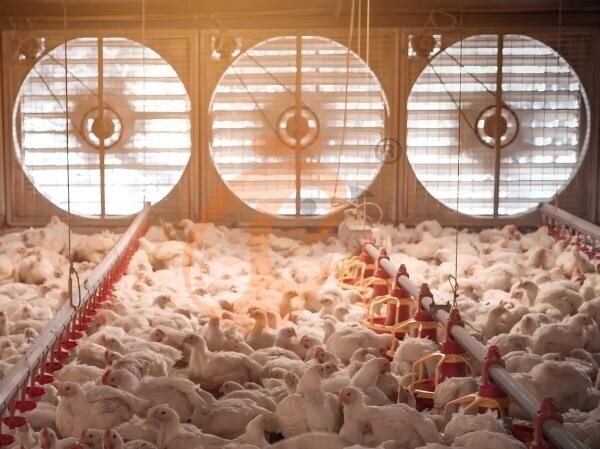
Modern broiler chicken cage systems enhance commercial poultry production through controlled environment engineering and structured density management across intensive farming operations in global markets.
Advanced cage design improves feed conversion efficiency, growth uniformity, and operational stability in large scale poultry farming enterprises under modern standards.
Automated feeding, drinking, and manure removal technologies reduce labor dependency while increasing hygiene control and production consistency in farm operations.
Optimized space utilization enables higher stocking density, supporting scalable poultry expansion without additional land investment requirements high efficiency.
Integrated systems support sustainable poultry production, improving biosecurity performance and long term profitability for farms global demand.
Get professional poultry farm construction guidance, equipment selection solutions, and the latest price lists, whatsApp to +8618830120193, click to learn more:
Traditional Farming vs Cage Systems
Transitioning from open-floor production to structured cage environments significantly improves operational predictability and reduces environmental variability across production cycles.
Data is for reference only.Swipe horizontally to view full table.
System comparison highlights how controlled environments stabilize production inputs and reduce biological stress factors across flocks.
Benefit One: Production Efficiency Improvement
Improved energy allocation efficiency in controlled housing environments directly enhances broiler weight gain performance and reduces feed loss variability.
Data is for reference only.Swipe horizontally to view full table.
Standardized feeding control improves metabolic utilization efficiency and reduces inconsistency in growth performance across production batches.
Benefit Two: Space Optimization Advantage
Vertical structural design increases stocking density efficiency while maintaining airflow balance and operational accessibility across housing units.
Data is for reference only.Swipe horizontally to view full table.
Higher density housing design enables scalable production planning and reduces capital pressure associated with land expansion requirements.
Benefit Three: Disease Control And Biosecurity
Separation between birds and waste accumulation zones reduces pathogen exposure and improves sanitary stability in production environments.
Data is for reference only.Swipe horizontally to view full table.
Improved air circulation management stabilizes ammonia levels and supports healthier respiratory conditions throughout growth cycles.
Scientific Insight: Energy Conversion Mechanism
Feed energy allocation in broiler production follows a physiological balance among maintenance metabolism, locomotion activity, and muscle deposition processes in controlled housing systems.
Reduced movement intensity can redirect approximately 8–12% additional metabolizable energy toward growth-related protein synthesis in intensive production cycles.
Stable environmental conditions maintain temperature variation within ±1.5°C, reducing cortisol fluctuation and improving metabolic efficiency consistency across flocks.
Improved nutrient partitioning supports higher breast muscle yield and more uniform body weight distribution at market age, typically within 35–42 days production cycles.
Benefit Four: Automation And Labor Reduction
Integrated mechanical systems improve precision feeding cycles and reduce human intervention requirements during production operations.
Data is for reference only.Swipe horizontally to view full table.
Automation integration minimizes operational deviation and improves repeatability of daily management procedures across farms.
Benefit Five: Cost Efficiency And Return On Investment Improvement
Operational cost distribution shifts toward efficiency gains when feed waste and mortality losses are systematically reduced.
Data is for reference only.Swipe horizontally to view full table.
European union standard reference only. Lifecycle cost reduction improves financial sustainability across multiple production cycles.
Environmental Sustainability Impact
Waste Management Efficiency Improvement
Efficient manure separation systems in broiler cage facilities reduce solid waste exposure time by approximately 30–40%, improving sanitation stability in intensive poultry production zones.
Controlled collection pathways also reduce nutrient leakage, supporting more efficient recycling into agricultural fertilizer use cycles.
Air Quality And Emission Control
Ventilation optimization maintains ammonia concentration below 18 ppm under standard operating conditions, ensuring stable air quality inside poultry houses.
Odor diffusion range can be reduced by up to 25%, improving surrounding environmental comfort and ecological conditions in farming areas.
Environmental Stability And Compliance Value
These control mechanisms strengthen ecological balance within high-density farming systems while supporting modern environmental regulation requirements.
Improved waste and air management contributes to long-term sustainable poultry production and stable farm operation performance.
Smart Monitoring Technology Integration
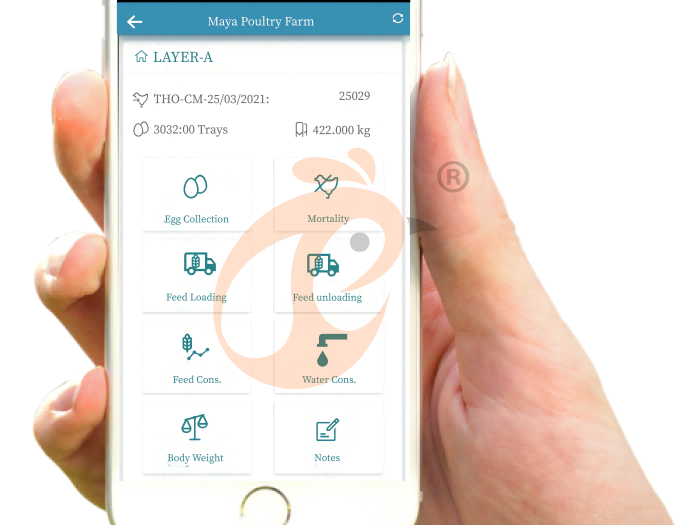
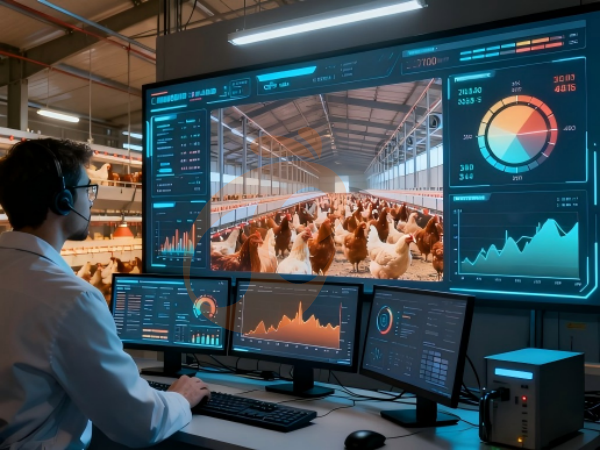
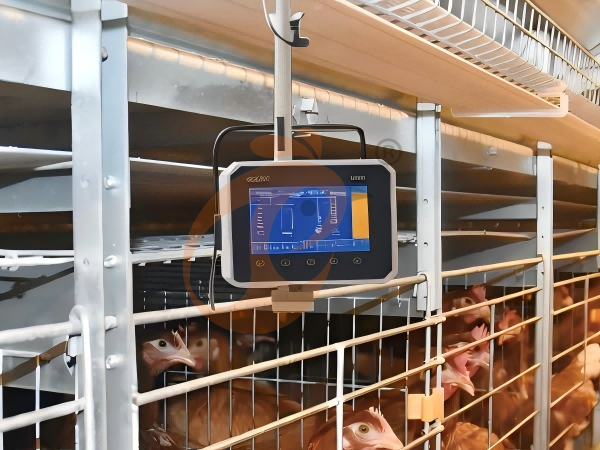
Sensor-based monitoring systems provide real-time production data to improve decision accuracy and early anomaly detection.
Data is for reference only.Swipe horizontally to view full table.
Digital monitoring integration improves transparency and enhances predictive management capability in large-scale poultry systems.
Global Market Adoption Trend
Industrial poultry production continues to shift toward structured cage-based systems as global protein demand increases and arable land resources become more limited.
In major poultry-producing regions, adoption rates have reached 65–80% in intensive commercial farms, driven by efficiency and standardized management requirements.
Data is for reference only.Swipe horizontally to view full table.
Standardized engineering layouts ensure stable production cycles, reduce operational variability, and improve cross-border supply consistency in global poultry markets.
Frequently Asked Questions
Q1: Why are broiler chicken cage systems widely used in commercial farms?
Broiler chicken cage systems improve density control, feed efficiency, and growth consistency, making them suitable for large-scale production environments.
Q2: How do broiler chicken cage systems improve poultry health?
Broiler chicken cage systems reduce waste contact and improve ventilation, lowering disease transmission and improving flock health stability.
Q3: Do broiler chicken cage systems require advanced management skills?
Broiler chicken cage systems integrate automation technology, simplifying daily management and reducing manual operational complexity.
Taiyu (HK) Group - One Of China Largest Broiler Chicken Cage System Manufacturer
Broiler chicken cage system provides advanced poultry farming equipment for high efficiency broiler production worldwide.
Global factory direct supply supports poultry cage system and automatic poultry cage system engineering projects.
Professional poultry equipment manufacturing delivers integrated feed, water, and environmental control solutions.
Turn-key poultry farming system design supports complete installation and farm construction services.
International poultry equipment exporter delivers large scale industrial farming solutions for global markets.
Contact Us To Received Your Customized Poultry Farm Plan
Headquarters And Branchs
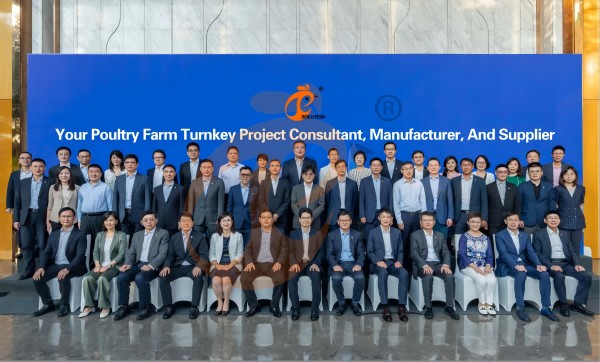
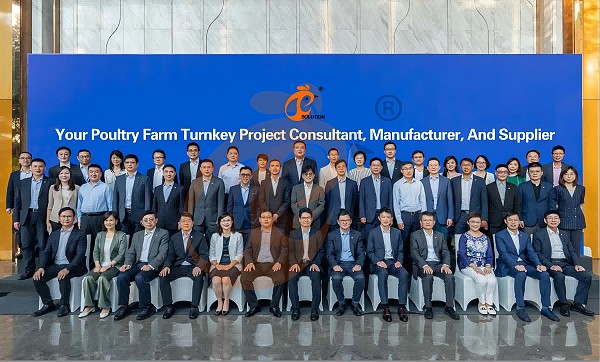
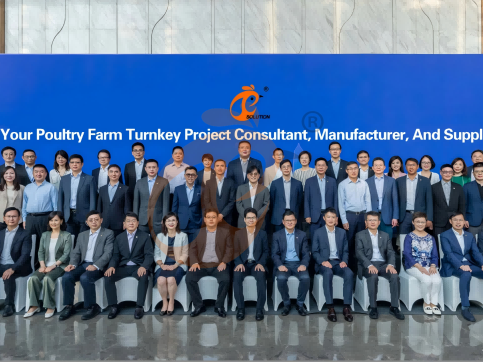
Hong Kong Headquarter Management Team
Hong Kong Headquarter Taiyu Industrial Group CO., LTD
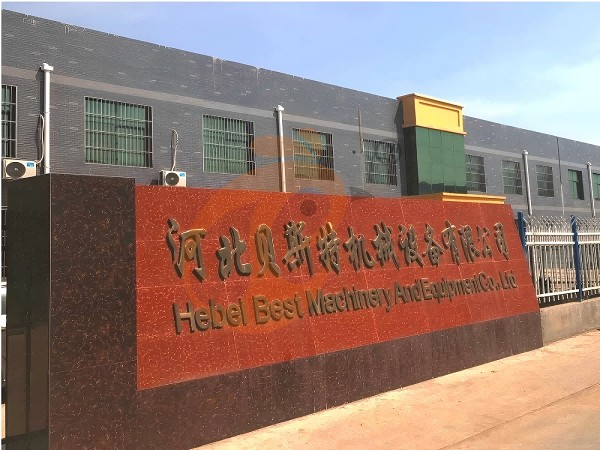
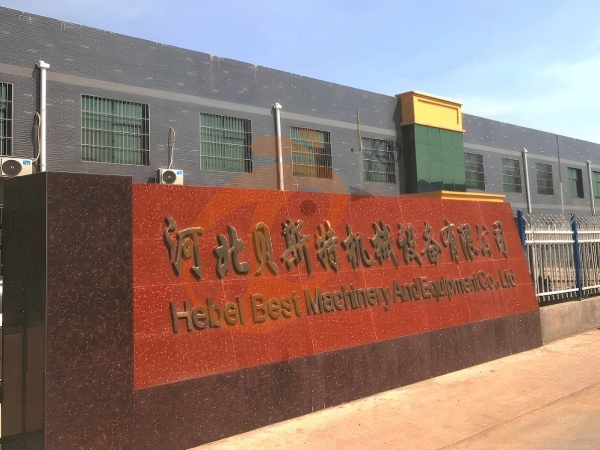
China Hebei Best Machinery And Equipment CO., LTD
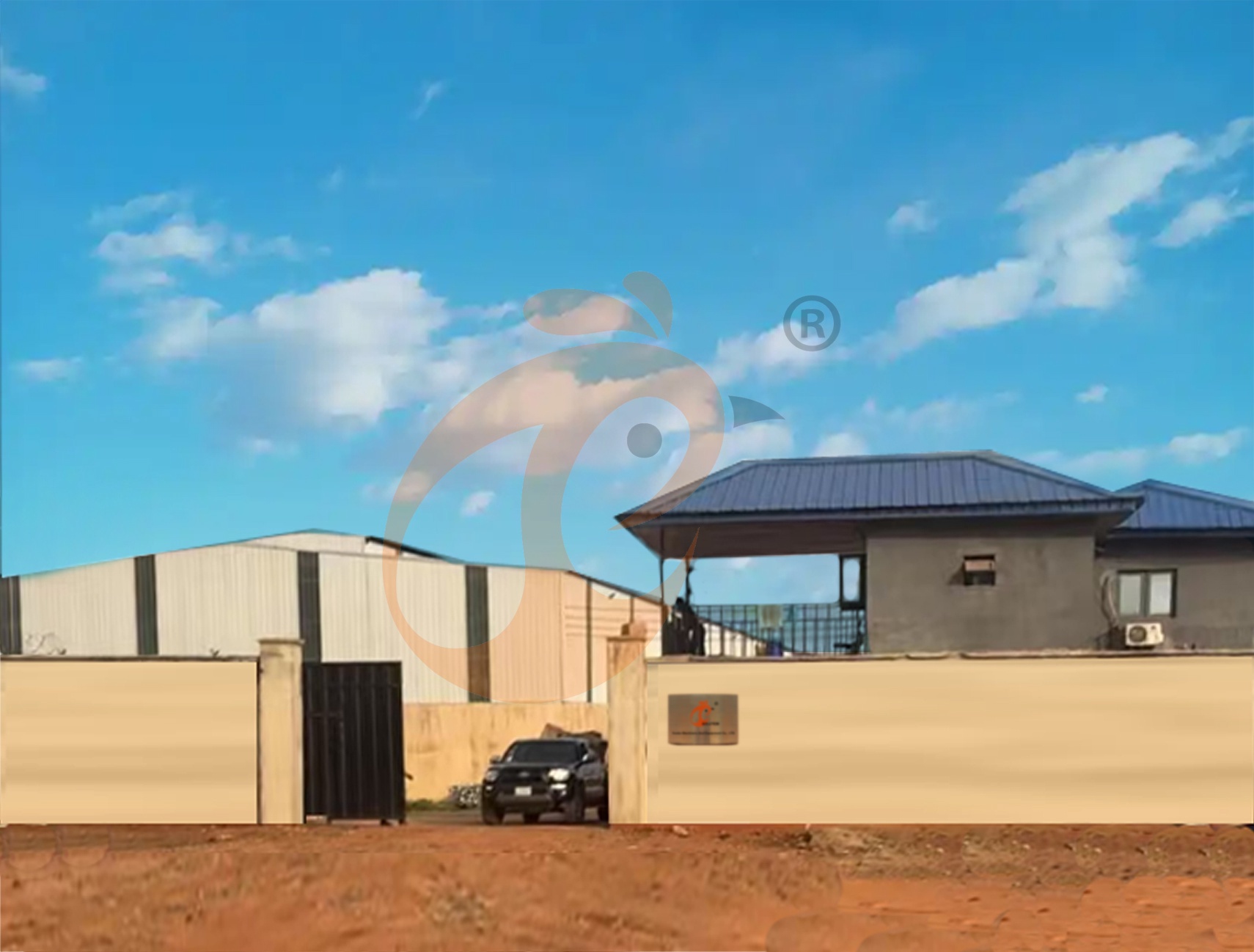
Nigeria Vanke Machinery And Equipment CO., LTD
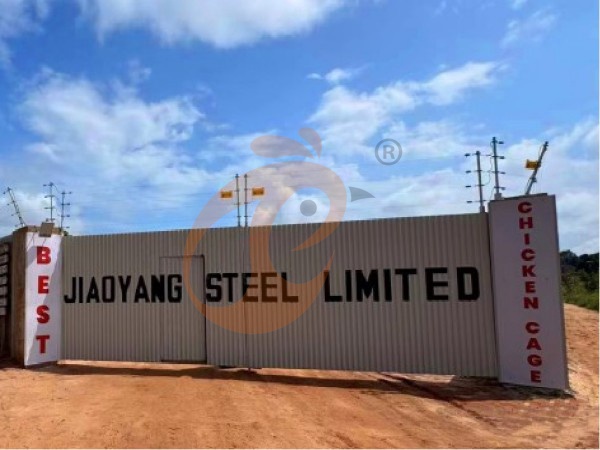
Tanzania Best Machinery And Equipment CO., LTD
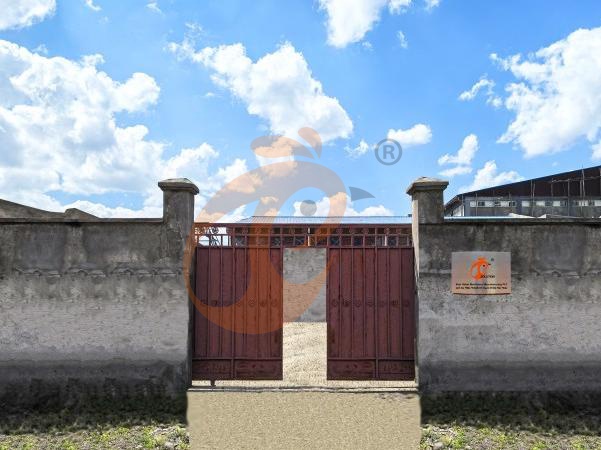
Ethiopia Best Hebei Machinery Manufacturing PLC
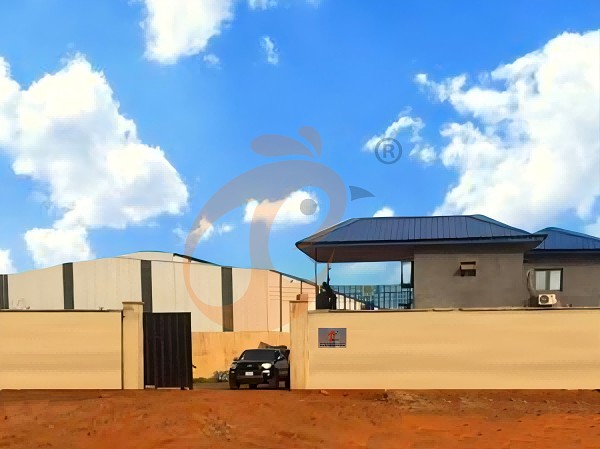
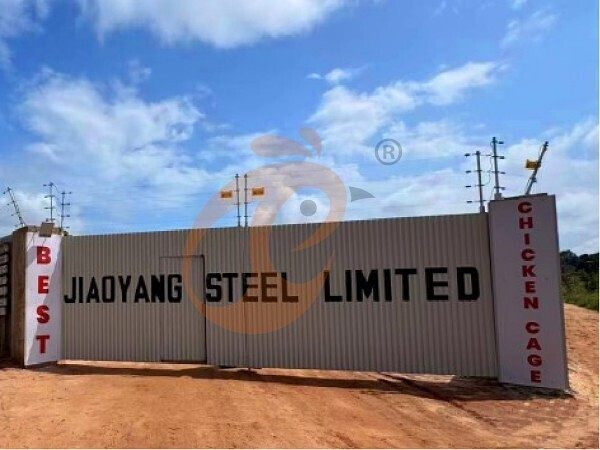
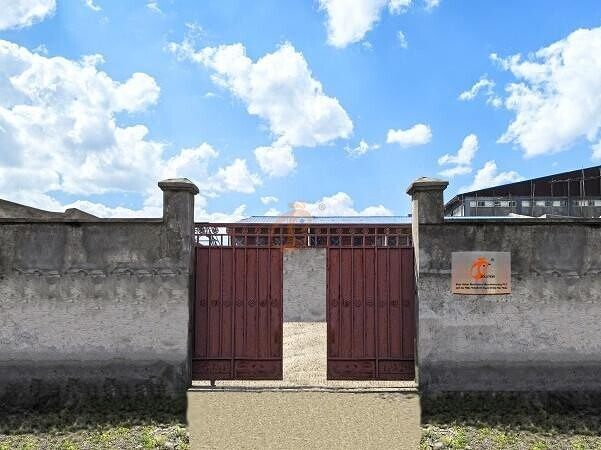
Reception /24 WhatsApp NO. : +8618830120193
FAQ
What Feeding System Integration Is Used In Broiler Chicken Cage Systems For Poultry Chicken Farms?
Automatic feeding lines operate at 3–6 kg per meter feed delivery capacity.
Feed distribution cycle time is controlled within 4–6 minutes per full house line.
What Environmental Control Standards Are Required For Broiler Chicken Cage Systems In Poultry Chicken Houses?
Relative humidity is maintained at 50–65% to prevent respiratory stress.
Ammonia concentration is kept below 10 ppm to ensure respiratory health stability.
What Are The Cage Layer Height And Structural Design Standards In Broiler Chicken Cage Systems For Poultry Chicken Production?
Structural load capacity per tier reaches 35–45 kg per square meter for live bird weight support.
Frame inclination angle is maintained at 6–8 degrees to facilitate manure removal efficiency.
- poultry farm
- chicken cage
- broiler cage
- poultry house
- poultry cage
- cage
- poultry farm construction
- poultry cage system
- poultry farming equipment
- chicken cage system
- automatic poultry cage system
- automatic poultry cage
- chicken cage system manufacturer
- poultry equipment
- broiler chicken cage
- chickencage
- bestchickencage
- cage system
- cage systems
- broiler chicken cage system
- Nigeria
- poultry farming system design
- poultry farming
- poultry equipment exporter
- cage design
- poultry farm plan
- poultry farming system
- Ethiopia
Message
Products recommended
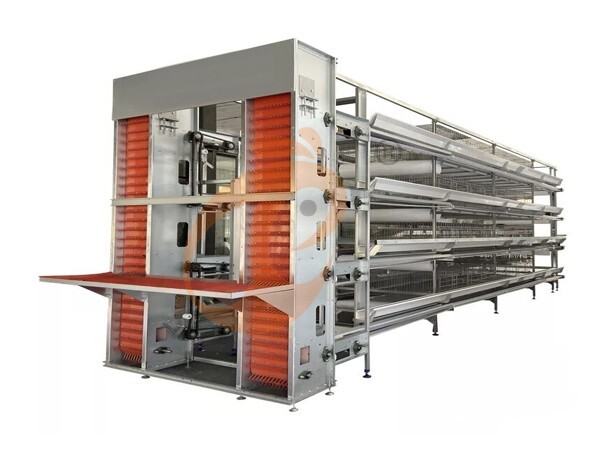
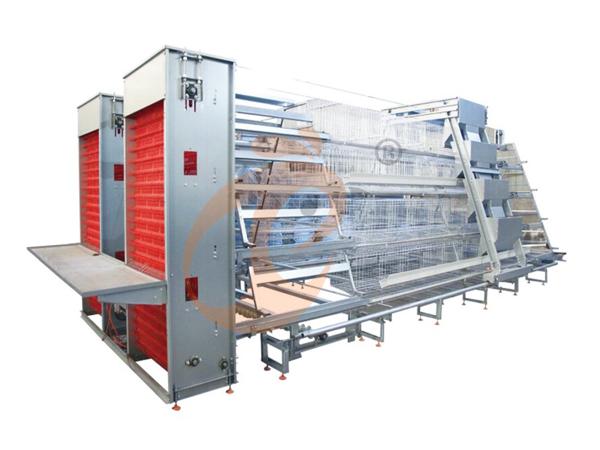
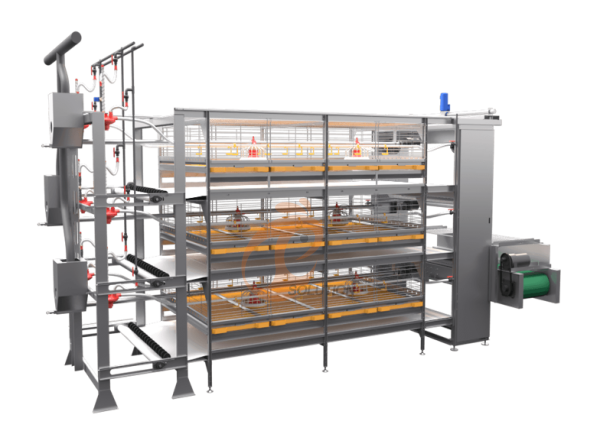
 >30,000 Pullets Automatic H Type Battery Cage1. More than 30,000 pullets a house, choose it.
2. It is designed to rearing older than 1 day old pullets to 12 to 16 weeks old chicken starting laying eggs.
3. Its lifespan is more than 25 years.
4. Its structure are Vcloud artificial intelligent fusion, electric control cabinet, automatic equipment of drinking, feeding, manure clean, manual harvesting.
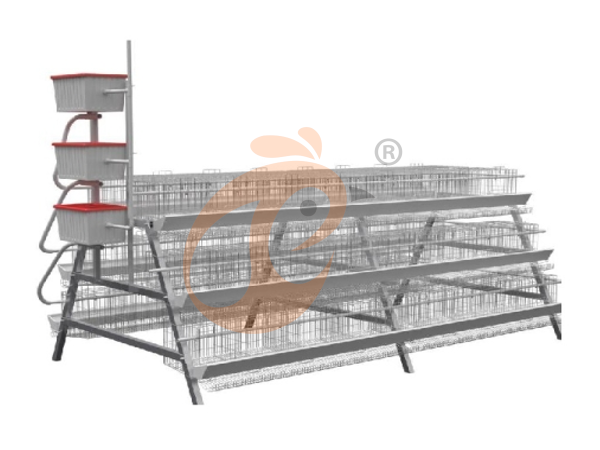
5. Our 24 hour online reception What’sApp NO. is +8618830120193 <30,000 Pullets Automatic A Type Battery Cage1. 10,000 to 30,000 pullets a house, choose it.
2. It is designed to rearing older than 1 day old pullets to 12 to 16 weeks old chicken starting laying eggs.
3. Its lifespan is more than 25 years.
4. Its structure are Vcloud artificial intelligent fusion, electric control cabinet, automatic equipment of drinking, feeding, manure clean, manual harvesting.
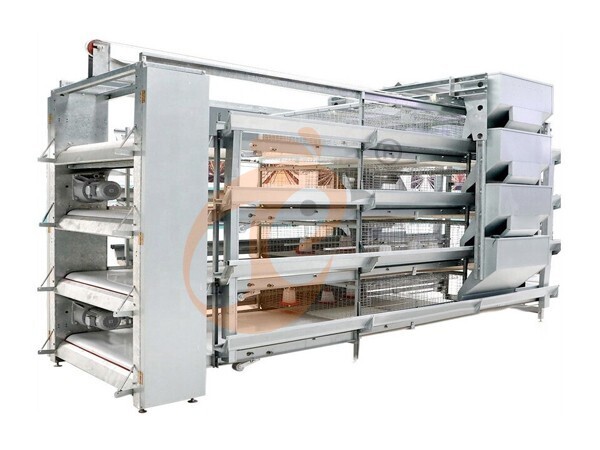
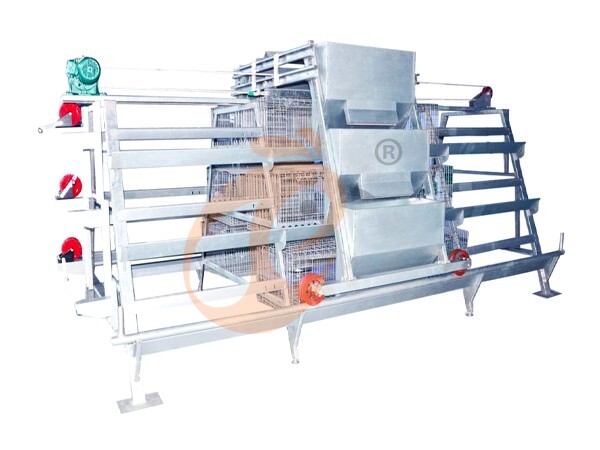
5. Our 24 hour online reception What’sApp NO. is +86 18830120193. >30,000 Broilers Semi-Automatic Harvest H Type Battery Cage1. More than 30,000 broilers a house, choose it.
2. It is designed to rearing 1 to 45 day old adult broiler ready for market.
3. Its lifespan is more than 20 years.
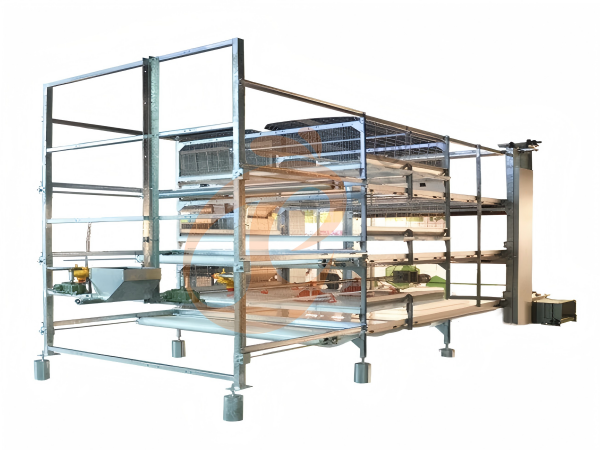
4. Our 24 hour online reception What’sApp NO. is +8618830120193, +234 8111199996. >30,000 Broilers Manual Harvest H Type Battery Cage1. More than 30,000 broilers a house, choose it.
2. It is designed to rearing 1 to 45 day old adult broiler ready for market.
3. Its lifespan is more than 20 years.
4. Its structure are Vcloud artificial intelligent fusion, electric control cabinet, automatic equipment of drinking, feeding and manure clean, manual harvesting.
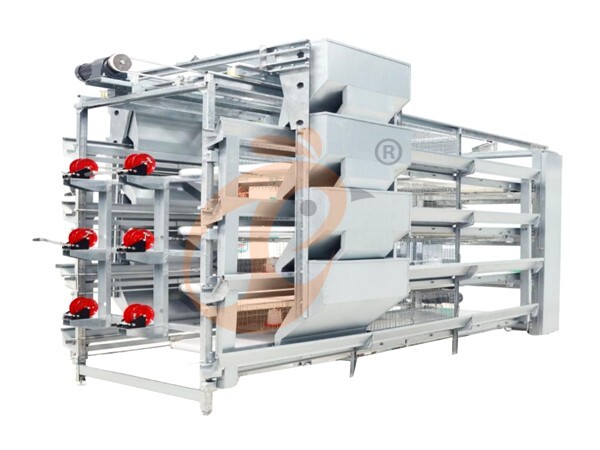
5. Our 24 hour online reception What’sApp NO. is +8618830120193, +234 8111199996. <30,000 Broilers Manual Harvest A Type Battery Cage1. Less 30,000 broilers a house, choose it.
2. It is designed to rearing 1 to 45 day old adult broiler ready for market.
3. Its lifespan is more than 20 years.
4. Its structure are Vcloud artificial intelligent fusion, electric control cabinet, automatic equipment of drinking, feeding and manure clean, manual harvesting.
5. Our 24 hour online reception What’sApp NO. is +8618830120193, +234 8111199996. HK Headquarter Offers EU-standard Poultry Farm Solutions, Manufacture Poultry Farm Equipment1. Continuous communication with the EU and the US
2. China, Nigeria, Ethiopia, Tanzania branch companies and factories
3. The products’ quality is customized for local poultry farms
4. Poultry cage and poultry farm equipment stock for sale
5. 24 online reception Whatsapp NO. : +8618830120193,contact us to get full information China Branch Offer Poultry Farm Business Plan, Manufacture Poultry Farm Equipment1. Address: Flat/RM 2416, 24/F, Runxing Building, Youyi Nan Street, Shijiazhuang City, Hebei Province, China
2. Poultry cage and poultry farm equipment factory and stock for sale
3. Customized for local poultry farms
4. Quality and design are based on Euro
5. 24 online reception Whatsapp NO. : +8618830120193 Nigeria Branch Offer Poultry Farm Business Plan, Manufacture Poultry Farm Equipment1. Address: After Sinoma Office, 200 Meters Near Danco Filling Station, Lagos/Ibadan Expressway, Lagos State, Nigeria
2. Poultry cage and poultry farm equipment factory and stock for sale
3. Customized for Nigerian poultry farms
4. Quality and design are based on Euro
5. 24 online reception Whatsapp NO. : +8618830120193 Ethiopia Branch Offer Poultry Farm Business Plan, Manufacture Poultry Farm Equipment1. Address: Gelan Gura, Akaki-kaliti Sub City, Addis Ababa, Ethiopia
2. Poultry cage and poultry farm equipment stock for sale
3. Customized for Ethiopian poultry farms
4. Quality and design are based on Euro
5. 24 online reception Whatsapp NO. : +8618830120193, contact us to get price list Tanzania Branch Offer Poultry Farm Business Plan, Manufacture Poultry Farm Equipment1. Address: No.8, Sova Road, Msufini, Mlandizi, Kibaha, Pwani, Tanzania
2. Poultry cage and poultry farm equipment factory and stock for sale
3. Customized for Tanzanian poultry farms
4. Quality and design are based on Euro
5. 24 online reception Whatsapp NO. : +8618830120193


Contact