


Blog
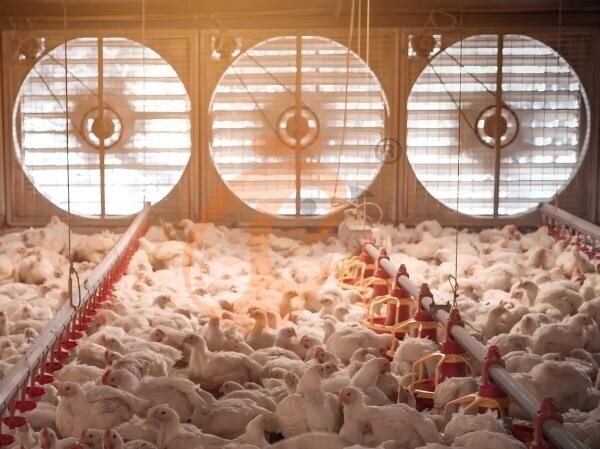
Nipple drinking system installation defines poultry water delivery performance accuracy stability and hygiene control efficiency.
Hydraulic balance ensures uniform water supply across long poultry house pipelines.
Precision engineering supports broiler layer breeder production cycles with stable output.
Correct installation reduces water leakage contamination and operational energy waste in farms.
Structured setup improves flock growth uniformity feed conversion ratio and survival rate performance.
Get professional poultry farm construction guidance, equipment selection solutions, and the latest price lists, whatsApp to +8618830120193, click to learn more:
System Structure And Functional Principle
A nipple drinking system is composed of pressurized water pipelines and stainless steel drinking nipples designed for controlled poultry hydration.
Each nipple releases water when activated by pecking force, ensuring precise consumption control across broiler, layer, and breeder production systems.
System performance depends on hydraulic stability, mechanical sealing accuracy, and pipeline uniformity across long installation spans.
Core System Components And Technical Specifications
Data is for reference only.Swipe horizontally to view full table.
Hydraulic stability ensures continuous water distribution without pressure loss across pipeline networks.
Water Physics And Flow Behavior In Poultry Lines
Water flow inside nipple systems follows laminar hydraulic principles under regulated pressure conditions.
The system maintains equal distribution using controlled gravity-assisted pressure and mechanical valve response behavior.
Pressure deviation control ensures balanced water intake for all birds across extended line lengths.
Pressure Distribution Data Across 100 M Line
Data is for reference only.Swipe horizontally to view full table.
Hydraulic consistency improves poultry hydration uniformity and reduces water stress conditions.
Step One Engineering Layout And Farm Calculation
Engineering layout determines nipple drinker system efficiency based on poultry house dimensions, stocking density, and water demand per bird.
Water intake data determines pipeline quantity and nipple distribution design across the full house structure.
Installation Planning Data Sheet
Data is for reference only.Swipe horizontally to view full table.
Engineering accuracy improves system efficiency and reduces operational instability during production cycles.
Step Two Pipeline Installation And Structural Alignment
Pipeline installation forms the structural foundation of the nipple drinking system.
HDPE pipes provide corrosion resistance and stable pressure performance under long-term poultry house operation.
Slope control ensures hydraulic balance and prevents water accumulation inside pipeline sections.
Pipeline Engineering Parameters
Data is for reference only.Swipe horizontally to view full table.
Structural precision reduces hydraulic imbalance and improves water delivery efficiency across all nipple points.
Step Three Nipple Density And Placement Calculation
Nipple spacing design directly affects poultry drinking behavior, growth uniformity, and flock competition levels.
Proper distribution ensures equal access to water sources across all birds.
Spacing variation influences daily intake volume and body weight consistency in commercial production systems.
Nipple Distribution Table
Data is for reference only.Swipe horizontally to view full table.
Uniform spacing improves production stability and reduces flock weight deviation.
Step Four Pressure Regulation And Hydrodynamic Control
Pressure regulation ensures stable hydraulic conditions across all nipple drinking lines.
Proper adjustment supports different poultry growth stages with consistent water output.
Pressure imbalance directly affects hydration efficiency and flock development performance.
Pressure Control Settings
Data is for reference only.Swipe horizontally to view full table.
Hydrodynamic precision improves feed conversion ratio and reduces water waste loss.
Step Five Flushing System And Water Hygiene Management
Flushing systems maintain pipeline hygiene by removing sediment, microbial buildup, and biofilm accumulation.
Clean water lines directly support poultry health stability and reduce infection risks.
Water contamination increases rapidly in stagnant pipelines without flushing cycles.
Flushing Cycle Parameters
Data is for reference only.Swipe horizontally to view full table.
Water hygiene control improves flock survival rate and production consistency.
Step Six Pre-Bird System Testing And Calibration
System testing ensures full hydraulic stability before poultry placement.
Calibration verifies nipple responsiveness, pressure uniformity, and leakage prevention across all lines.
Testing prevents operational failure during early production stages.
System Testing Checklist
Data is for reference only.Swipe horizontally to view full table.
Calibration precision ensures stable operation across full poultry production cycles.
Step Seven Long-Term Maintenance And Performance Optimization
Maintenance systems ensure continuous performance stability and extend equipment lifecycle.
Regular inspection prevents hydraulic failure and mechanical wear.
System efficiency depends on consistent cleaning and pressure recalibration schedules.
Maintenance Schedule Table
Data is for reference only.Swipe horizontally to view full table.
Maintenance discipline improves poultry production consistency and reduces operational losses.
Scientific Explanation Of Bird Drinking Behavior Mechanism
Bird drinking behavior is triggered by mechanical pecking force acting on stainless steel nipple valves.
Force threshold between 0.02–0.05 Newton activates water release through valve displacement.
Surface tension break creates controlled micro droplet formation ensuring accurate intake regulation.
This mechanism reduces stagnant water exposure, improves air quality inside poultry houses, and supports respiratory system health in intensive farming environments.
Installation Performance Optimization Insight
Modern poultry farms using nipple drinking systems increasingly focus on water line hydraulic efficiency rather than only installation completion.
Field data from commercial broiler houses shows that maintaining inlet pressure fluctuation within 1.2 cm H2O reduces daily water intake deviation to below 3.8% across 10,000+ birds.
Line elevation consistency within 0.3 cm per 5 meters also improves nipple activation uniformity, especially in longer houses exceeding 90 meters.
When stainless steel pin wear rate is controlled under 0.01 mm per 30 production days, water leakage incidents drop significantly, improving litter moisture control and reducing ammonia concentration by measurable levels.
Frequently Asked Questions
Q1: What determines nipple drinker system water efficiency?
Water efficiency depends on pressure stability, nipple spacing accuracy, and pipeline slope control within ±0.5 cm per 10 m installation tolerance.
Proper engineering improves uniform intake distribution across all birds.
Q2: How often should nipple drinking lines be flushed?
Flushing should be performed daily for short cycles and weekly for deep cleaning.
Between production cycles, full disinfection using 120–150 L per line ensures microbial control below safe thresholds.
Q3: What causes uneven water distribution in poultry houses?
Uneven distribution is caused by pressure imbalance exceeding 2 cm H2O deviation, incorrect pipe diameter mixing, or improper installation slope exceeding engineering tolerance standards.
Taiyu (HK) Group - One Of China Largest Nipple Drinker System Manufacturer
Nipple drinker installation system engineered for commercial poultry farming hydration precision control and uniform water distribution performance.
Global factory direct supply supports poultry equipment production lines and industrial scale farming project integration worldwide.
Advanced poultry cage and drinking line system manufacturing ensures stable hydraulic performance and structural durability standards.
Turn-key poultry engineering solutions provide full farm design installation commissioning and operational optimization services.
Professional poultry equipment exporter delivers automated drinking systems cage systems and complete farm infrastructure solutions globally.
Contact Us To Received Your Customized Poultry Farm Plan
Headquarters And Branchs

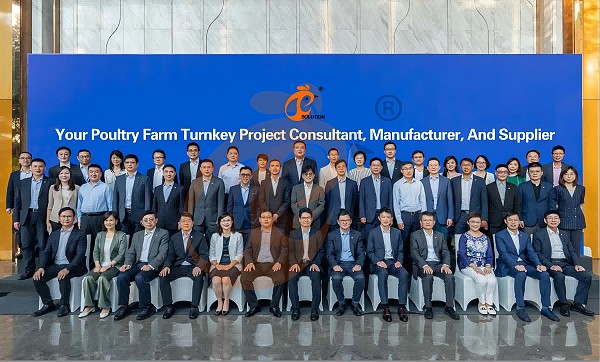
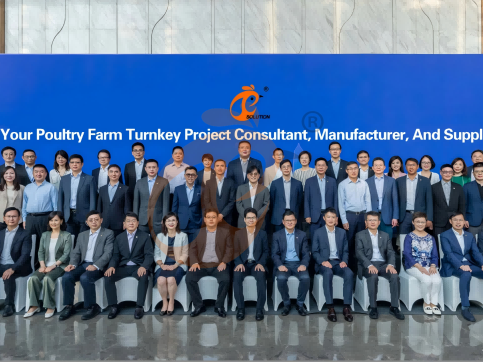
Hong Kong Headquarter Management Team
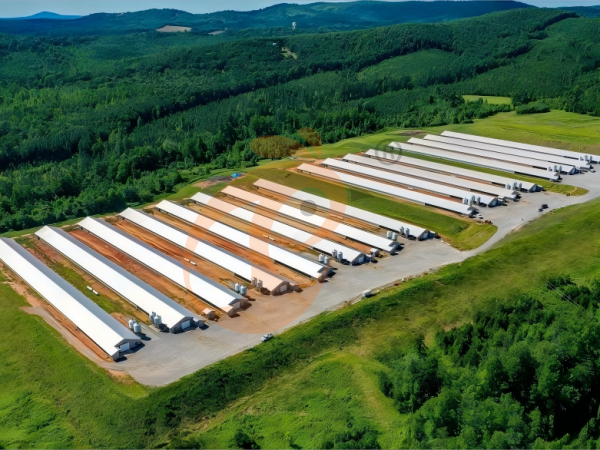
Hong Kong Headquarter Taiyu Industrial Group CO., LTD
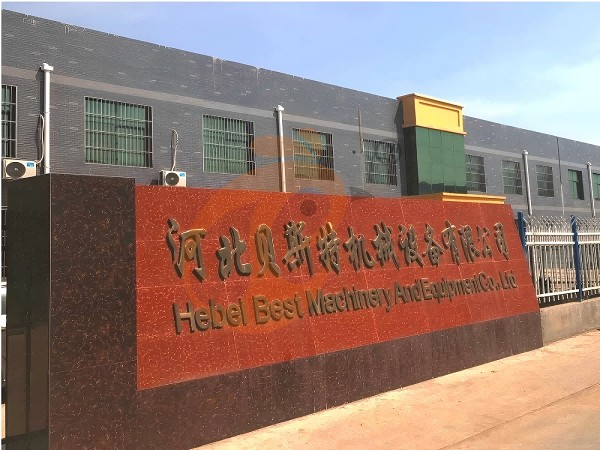
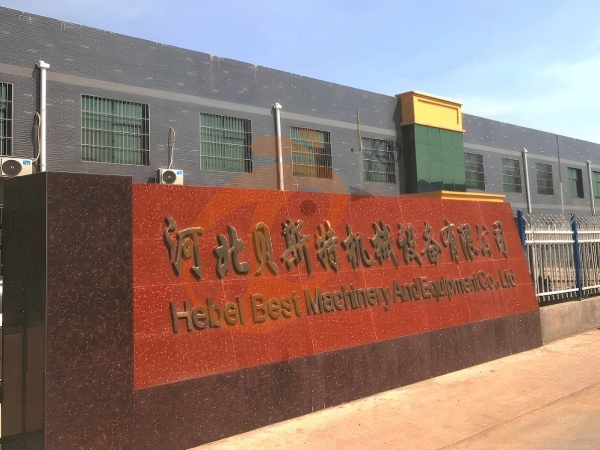
China Hebei Best Machinery And Equipment CO., LTD
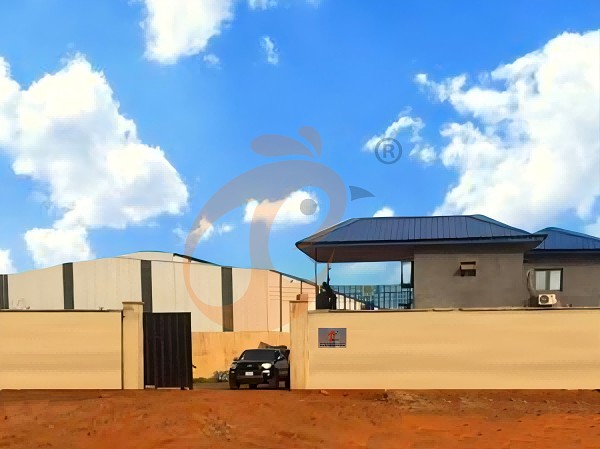
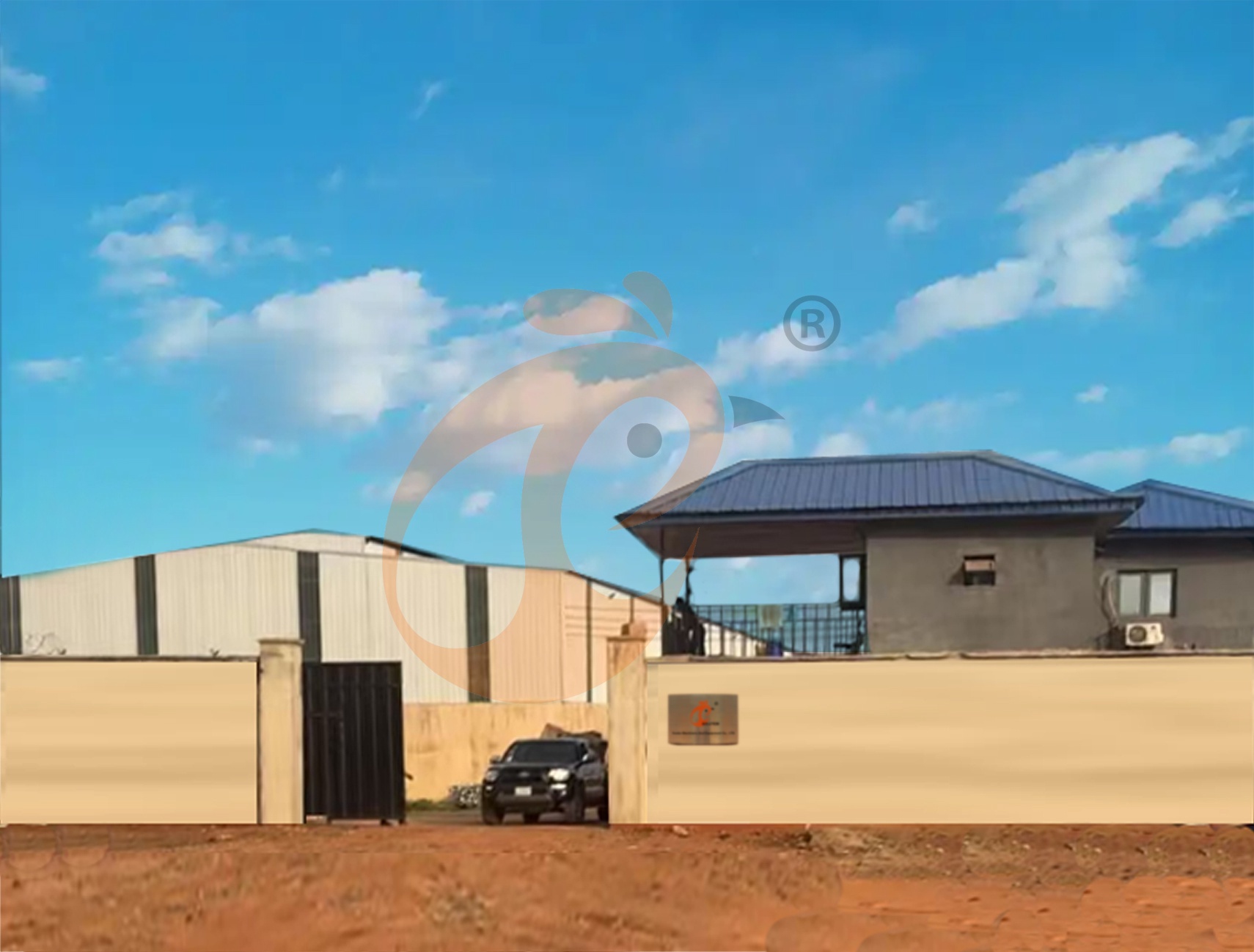
Nigeria Vanke Machinery And Equipment CO., LTD
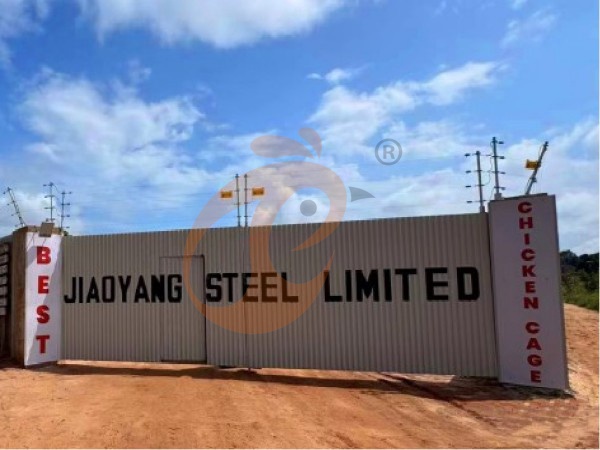
Tanzania Best Machinery And Equipment CO., LTD
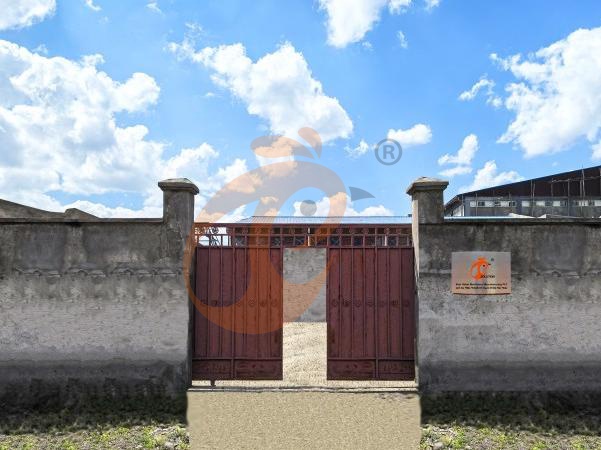
Ethiopia Best Hebei Machinery Manufacturing PLC
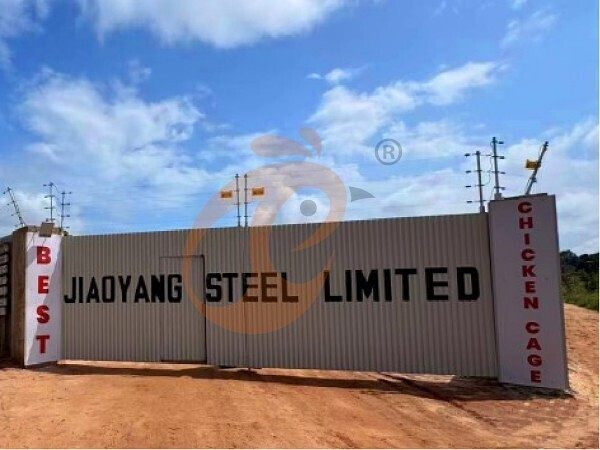
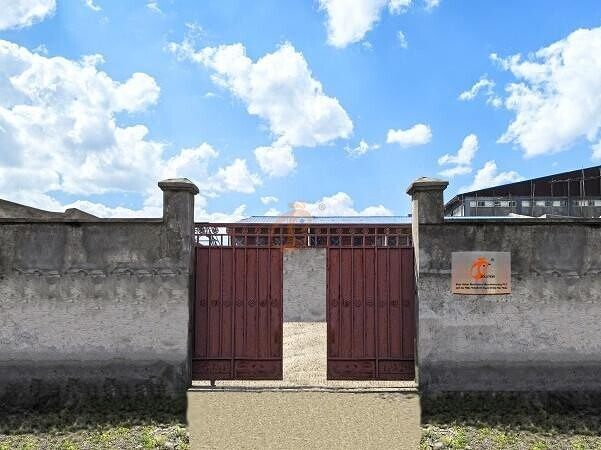
Reception /24 WhatsApp NO. : +8618830120193
FAQ
What Water Quality Requirements Are Necessary For Nipple Drinkers In Poultry Chicken Cage Systems?
Water hardness is maintained within 100–150 mg/L CaCO₃ equivalent for valve protection.
Microbial load is controlled under 100 CFU/mL for safe poultry consumption standards.
What Is The Recommended Stocking Ratio For Nipple Drinkers In Poultry Chicken Cage Systems?
Drinker spacing is typically set at 25–30 cm to reduce competition stress.
Water demand allocation is calculated at 180–220 ml per bird daily in intensive production.
How Is Water Flow Regulated In Nipple Drinkers For Poultry Chicken Cage Farming Systems?
Pressure stability is maintained within 0.18–0.22 MPa across drinking lines.
Drop formation interval is adjusted at 1–2 seconds per activation for efficient intake.
Message
Products recommended
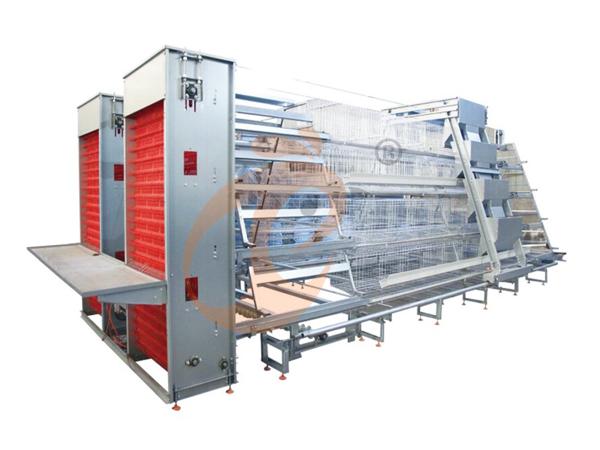
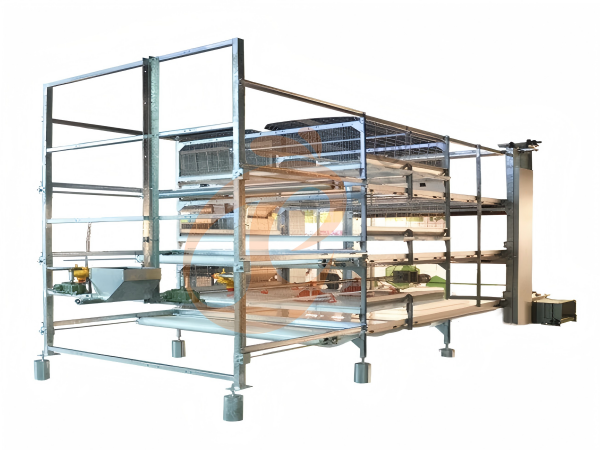
 >30,000 Pullets Automatic H Type Battery Cage1. More than 30,000 pullets a house, choose it.
2. It is designed to rearing older than 1 day old pullets to 12 to 16 weeks old chicken starting laying eggs.
3. Its lifespan is more than 25 years.
4. Its structure are Vcloud artificial intelligent fusion, electric control cabinet, automatic equipment of drinking, feeding, manure clean, manual harvesting.
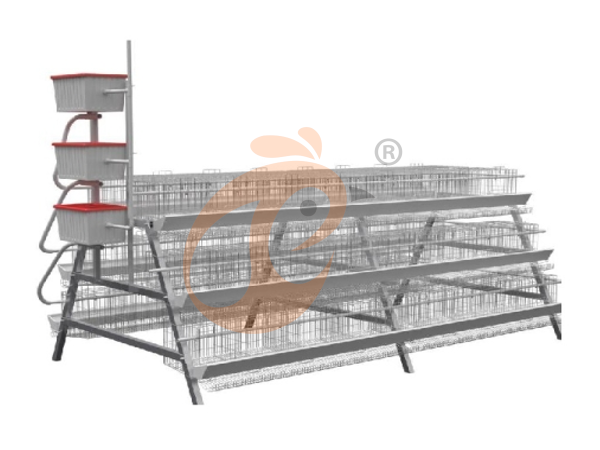
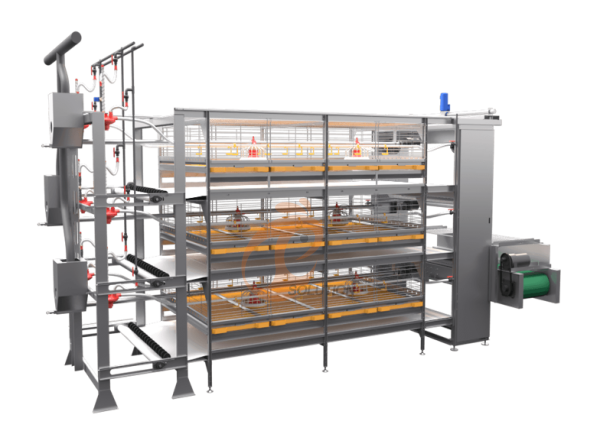
5. Our 24 hour online reception What’sApp NO. is +8618830120193 <30,000 Pullets Automatic A Type Battery Cage1. 10,000 to 30,000 pullets a house, choose it.
2. It is designed to rearing older than 1 day old pullets to 12 to 16 weeks old chicken starting laying eggs.
3. Its lifespan is more than 25 years.
4. Its structure are Vcloud artificial intelligent fusion, electric control cabinet, automatic equipment of drinking, feeding, manure clean, manual harvesting.
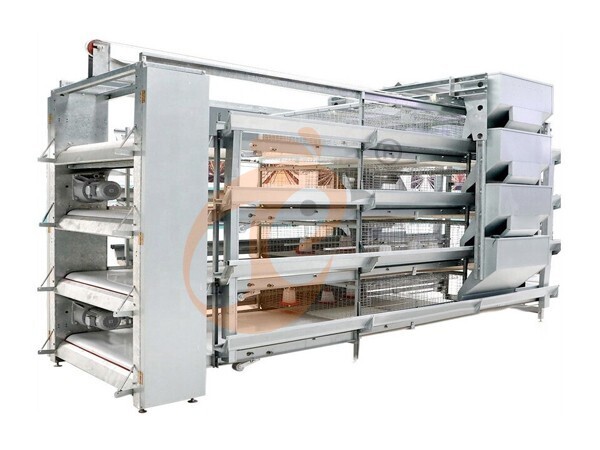
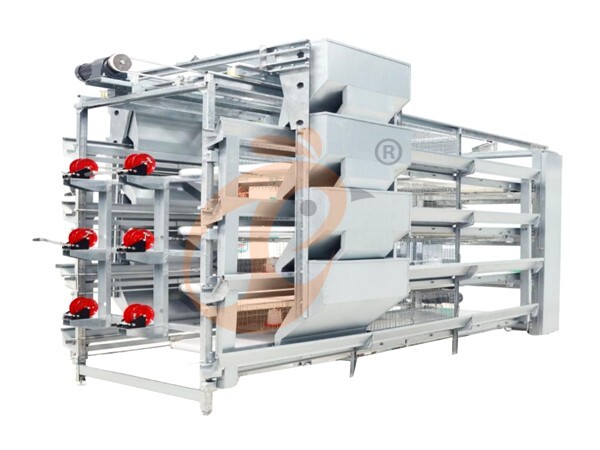
5. Our 24 hour online reception What’sApp NO. is +86 18830120193. >30,000 Broilers Semi-Automatic Harvest H Type Battery Cage1. More than 30,000 broilers a house, choose it.
2. It is designed to rearing 1 to 45 day old adult broiler ready for market.
3. Its lifespan is more than 20 years.
4. Our 24 hour online reception What’sApp NO. is +8618830120193, +234 8111199996. >30,000 Broilers Manual Harvest H Type Battery Cage1. More than 30,000 broilers a house, choose it.
2. It is designed to rearing 1 to 45 day old adult broiler ready for market.
3. Its lifespan is more than 20 years.
4. Its structure are Vcloud artificial intelligent fusion, electric control cabinet, automatic equipment of drinking, feeding and manure clean, manual harvesting.
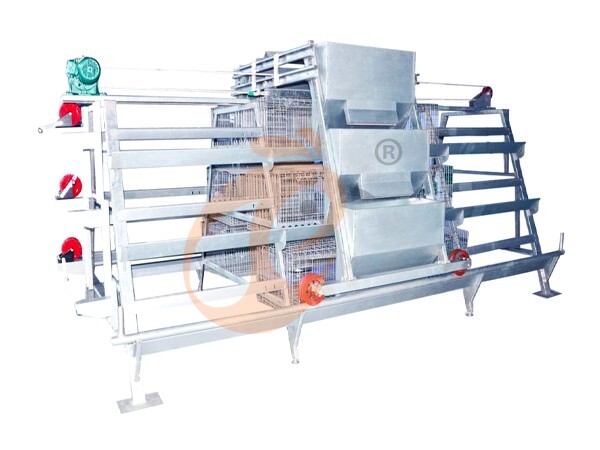
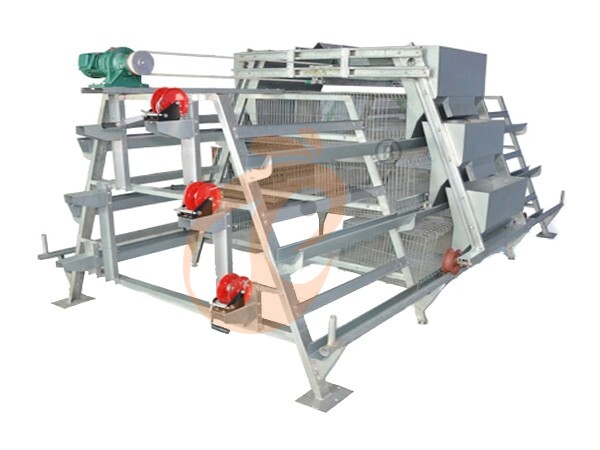
5. Our 24 hour online reception What’sApp NO. is +8618830120193, +234 8111199996. <30,000 Broilers Manual Harvest A Type Battery Cage1. Less 30,000 broilers a house, choose it.
2. It is designed to rearing 1 to 45 day old adult broiler ready for market.
3. Its lifespan is more than 20 years.
4. Its structure are Vcloud artificial intelligent fusion, electric control cabinet, automatic equipment of drinking, feeding and manure clean, manual harvesting.
5. Our 24 hour online reception What’sApp NO. is +8618830120193, +234 8111199996. HK Headquarter Offers EU-standard Poultry Farm Solutions, Manufacture Poultry Farm Equipment1. Continuous communication with the EU and the US
2. China, Nigeria, Ethiopia, Tanzania branch companies and factories
3. The products’ quality is customized for local poultry farms
4. Poultry cage and poultry farm equipment stock for sale
5. 24 online reception Whatsapp NO. : +8618830120193,contact us to get full information China Branch Offer Poultry Farm Business Plan, Manufacture Poultry Farm Equipment1. Address: Flat/RM 2416, 24/F, Runxing Building, Youyi Nan Street, Shijiazhuang City, Hebei Province, China
2. Poultry cage and poultry farm equipment factory and stock for sale
3. Customized for local poultry farms
4. Quality and design are based on Euro
5. 24 online reception Whatsapp NO. : +8618830120193 Nigeria Branch Offer Poultry Farm Business Plan, Manufacture Poultry Farm Equipment1. Address: After Sinoma Office, 200 Meters Near Danco Filling Station, Lagos/Ibadan Expressway, Lagos State, Nigeria
2. Poultry cage and poultry farm equipment factory and stock for sale
3. Customized for Nigerian poultry farms
4. Quality and design are based on Euro
5. 24 online reception Whatsapp NO. : +8618830120193 Ethiopia Branch Offer Poultry Farm Business Plan, Manufacture Poultry Farm Equipment1. Address: Gelan Gura, Akaki-kaliti Sub City, Addis Ababa, Ethiopia
2. Poultry cage and poultry farm equipment stock for sale
3. Customized for Ethiopian poultry farms
4. Quality and design are based on Euro
5. 24 online reception Whatsapp NO. : +8618830120193, contact us to get price list Tanzania Branch Offer Poultry Farm Business Plan, Manufacture Poultry Farm Equipment1. Address: No.8, Sova Road, Msufini, Mlandizi, Kibaha, Pwani, Tanzania
2. Poultry cage and poultry farm equipment factory and stock for sale
3. Customized for Tanzanian poultry farms
4. Quality and design are based on Euro
5. 24 online reception Whatsapp NO. : +8618830120193
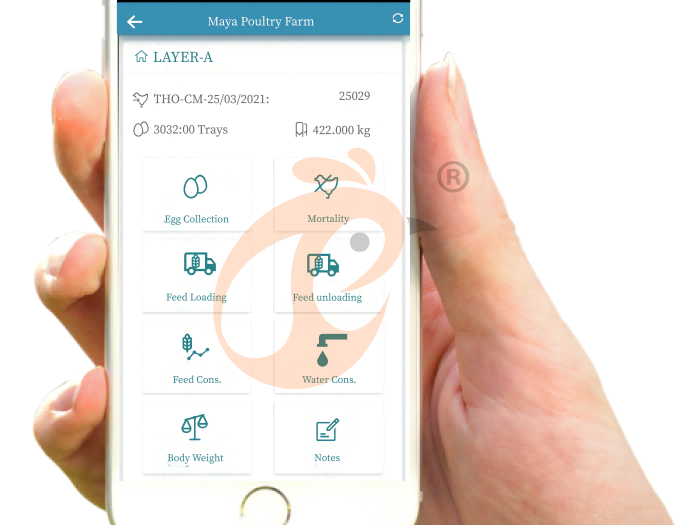

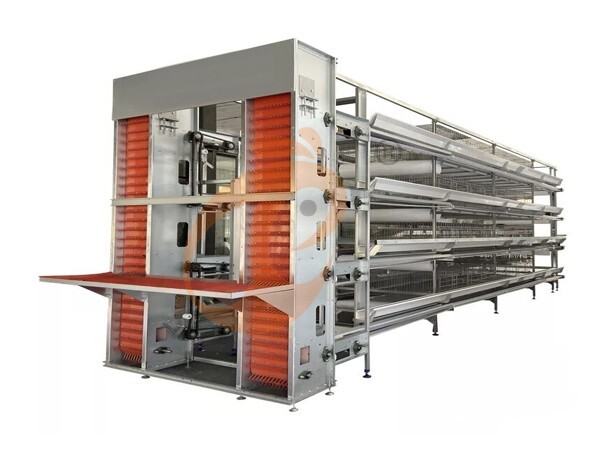

Contact