


Blog
High-capacity feed mill engineering focuses on industrial poultry feed production expansion and continuous manufacturing stability under large-scale farming conditions.
System design integrates grinding, batching, mixing, pelletizing, cooling, and automation control modules into a unified high-efficiency production line architecture.
Production capacity evaluation ranges from 30 to 120 tons per hour output scale under full-load operational conditions in modern feed plants.
Energy optimization improves mechanical efficiency, steam utilization rate, and reduces per-ton production cost structure across long-term continuous operation cycles.
Poultry farm scalability depends on stable continuous feed manufacturing, storage balance, and uninterrupted delivery performance across integrated agricultural supply chains networks.
Get professional poultry farm construction guidance, equipment selection solutions, and the latest price lists, whatsApp to +8618830120193, click to learn more:
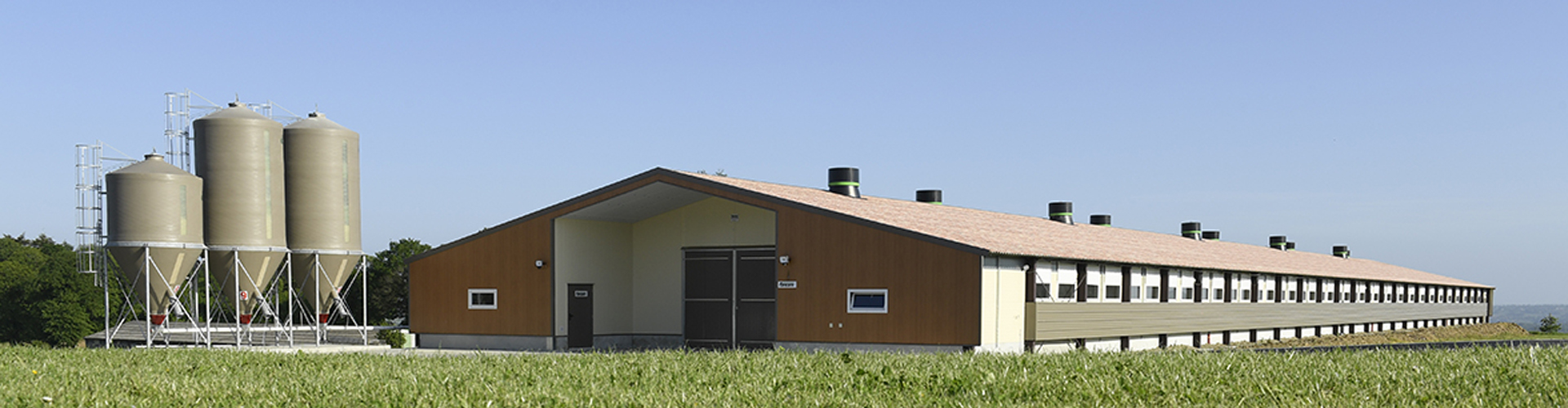
Industrial Feed Mills As Production Engines
High-capacity feed mills are industrial systems designed for poultry farms and commercial feed manufacturers that require continuous output ranging from 30 tons/hour to 120 tons/hour.
These systems integrate grinding, batching, mixing, conditioning, pelletizing, cooling, and packing into a continuous production line.
For chicken farming operations, the feed mill is not just equipment—it is the primary production engine that determines daily flock growth performance, feed conversion ratio stability, and farm-scale profitability.
In modern poultry production systems, feed cost represents approximately 60%–72% of total operating cost, which makes feed mill performance directly tied to farm survival and expansion capability.
Core Production Capacity Comparison
Industrial poultry feed system scaling relies on verified throughput benchmarks under continuous 20-hour operation cycles, reflecting real-world performance in commercial feed mill installations serving large poultry populations.
Data is for reference only.Swipe horizontally to view full table.
Capacity scaling demonstrates nonlinear output amplification due to elimination of batching delays and improved synchronization of continuous production flow systems.
The table shows that upgrading from a medium feed line to a high-capacity system increases annual production by 297000 tons, which is a 3.0× increase in total feed output capacity without expanding workforce proportionally.
Poultry Feed Demand Structure
Feed consumption in poultry production follows biological growth kinetics influenced by metabolism rate, genetic selection, and feed conversion efficiency parameters across different bird categories.
Data is for reference only.Swipe horizontally to view full table.
Feed demand modeling ensures correct matching between biological consumption curves and industrial production capacity planning in high-density poultry systems.
A broiler farm with 1 million birds requires approximately 110–125 tons of feed per day, which already exceeds medium feed mill capacity limits.
Equipment Line Structure and Output Flow Data
High-capacity feed mill systems rely on synchronized mechanical flow architecture where each processing stage maintains strict throughput alignment to prevent material accumulation or starvation effects across production stages.
Data is for reference only.Swipe horizontally to view full table.
System equilibrium between intake and pelletizing modules determines maximum sustainable production stability during continuous industrial operation cycles.
The bottleneck in most poultry feed mills is the pelletizing section, which determines final output stability across the entire production chain.
Production Increase Mechanism In Real Numbers
Feed mill capacity expansion is achieved through mechanical efficiency enhancement, motor torque optimization, die structure redesign, and automation-driven precision control systems.
Data is for reference only.Swipe horizontally to view full table.
Each subsystem upgrade improves mechanical throughput efficiency and reduces energy loss during continuous feed processing operations.
Total system improvement results in a combined capacity increase of 40 tons/hour, equivalent to 66.7% production growth in a single production line upgrade.
Feed Formula Composition Impact On Production Efficiency
Feed formulation design affects both nutritional performance and mechanical processing stability inside high-pressure pelletizing systems.
Data is for reference only.Swipe horizontally to view full table.
Stable ingredient distribution improves pellet durability index performance and reduces mechanical wear on ring die components.
Production Efficiency Improvement After Automation Upgrade
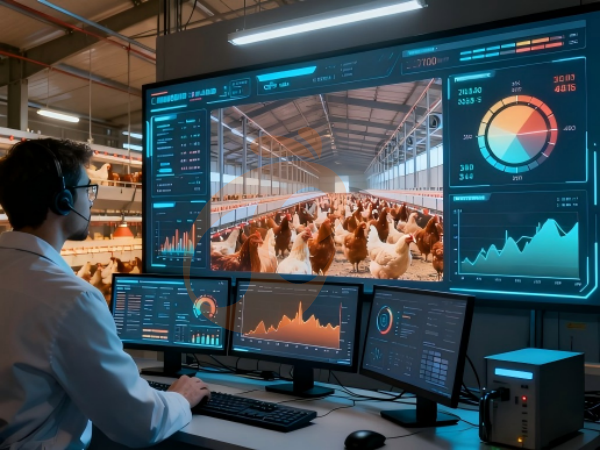
Automation systems transform feed mills into precision-controlled continuous production environments with reduced human intervention and improved output consistency.
Data is for reference only.Swipe horizontally to view full table.
Automation integration improves stability in industrial-scale poultry feed systems exceeding 300000 tons annual production capacity.
Energy Consumption Structure Of High-Capacity Feed Mills
Energy distribution across production modules defines long-term operational cost efficiency in industrial poultry feed manufacturing systems.
Data is for reference only.Swipe horizontally to view full table.
Energy optimization strategies focus on reducing pelletizing resistance and improving steam conditioning efficiency for lower per-ton energy consumption.
Total energy demand per ton of feed averages 54 kWh, which is a critical cost factor in industrial poultry operations.
Scientific Understanding: Feed Particle Size And Poultry Growth
Feed particle engineering directly affects digestion efficiency and nutrient absorption rate in poultry gastrointestinal systems while influencing mechanical stress in pelletizing systems.
0.6 mm particle size improves feed digestibility by 8.2%
0.9 mm particle size improves pellet durability by 12.5%
1.2 mm particle size reduces grinding energy by 18%
Particle optimization also extends die lifespan by reducing friction intensity during compression cycles.
Production Scaling Case Study (1 Million Broiler Farm)
Large-scale poultry farming requires synchronized feed production systems designed based on peak demand loads rather than average consumption values.
Data is for reference only.Swipe horizontally to view full table.
High-capacity feed mills ensure stable biological growth consistency across large poultry populations through continuous feed supply synchronization.
A high-capacity feed mill operating at 70 tons/hour can fully support this farm with stable supply and buffer capacity for peak growth cycles.
Maintenance And Downtime Cost Structure
Maintenance planning determines real productivity efficiency across long-term industrial feed mill operations where each subsystem contributes measurable downtime losses.
Data is for reference only.Swipe horizontally to view full table.
Downtime management ensures stable feed supply continuity across integrated poultry production networks.
Return On Investment Calculation for High-Capacity Feed Mills
Investment return performance depends on utilization rate stability, raw material cost control, and continuous production scheduling efficiency.
Data is for reference only.Swipe horizontally to view full table.
High utilization rates significantly improve capital recovery speed in industrial poultry feed production systems.
This demonstrates that high-capacity feed mills can recover investment in less than 10 months under stable poultry demand conditions.
Frequently Asked Questions
Q1: What determines throughput stability in high-capacity feed mills?
Throughput stability depends on pelletizing efficiency, moisture control precision, and synchronized automation across all processing modules.
Q2: How does feed mill capacity affect poultry production uniformity?
Stable feed delivery reduces nutritional variation across flocks, improving growth consistency and conversion efficiency stability.
Q3: What limits expansion in high-capacity feed mill systems?
Pellet die performance and steam conditioning capacity are the main limiting factors in systems exceeding 60 tons/hour continuous production.
Taiyu (HK) Group - One Of China Biggest Feed Mills Manufacturer
High-capacity feed mill production line engineered for industrial poultry feed manufacturing systems
Global factory direct supply model supports turnkey poultry equipment engineering projects
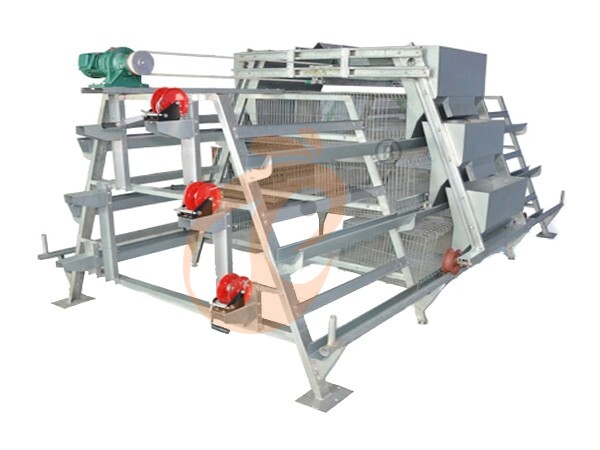
Integrated poultry equipment manufacturing includes feed mill, poultry cage, and automation feeding systems
Turn-key engineering services provide complete poultry farm production line installation and commissioning solutions
Export manufacturing system delivers standardized poultry equipment solutions for large-scale agricultural expansion projects
Contact Us To Received Your Customized Poultry Farm Plan
Headquarters And Branchs
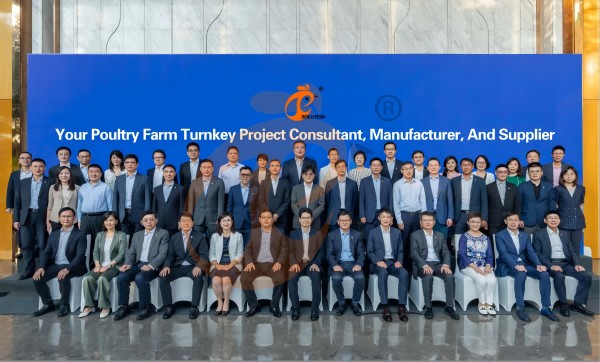
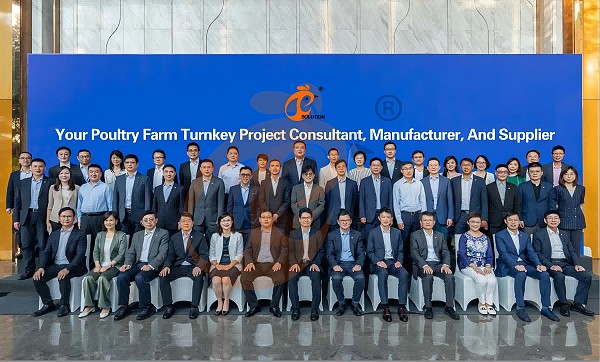
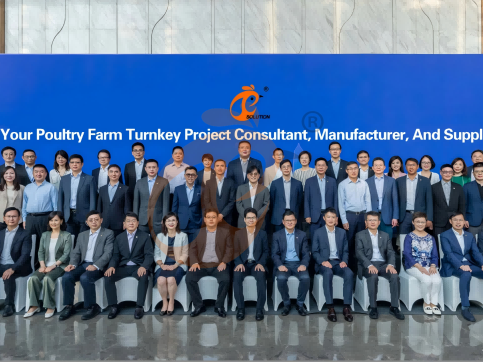
Hong Kong Headquarter Management Team
Hong Kong Headquarter Taiyu Industrial Group CO., LTD
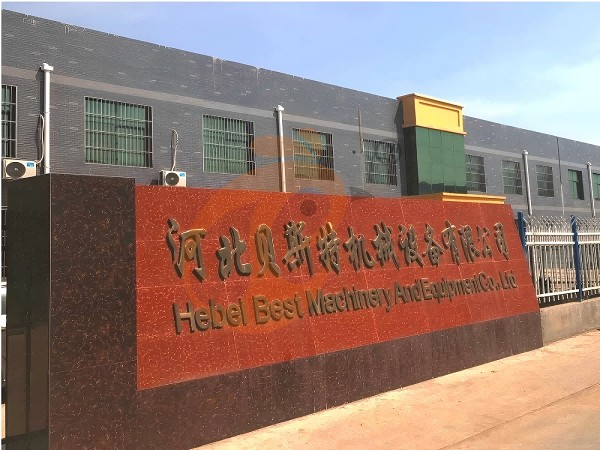
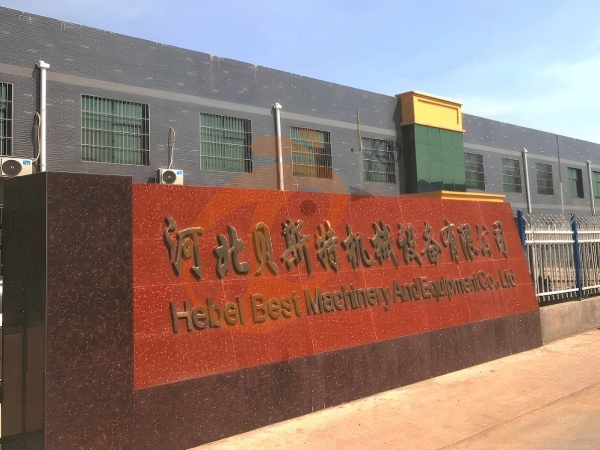
China Hebei Best Machinery And Equipment CO., LTD
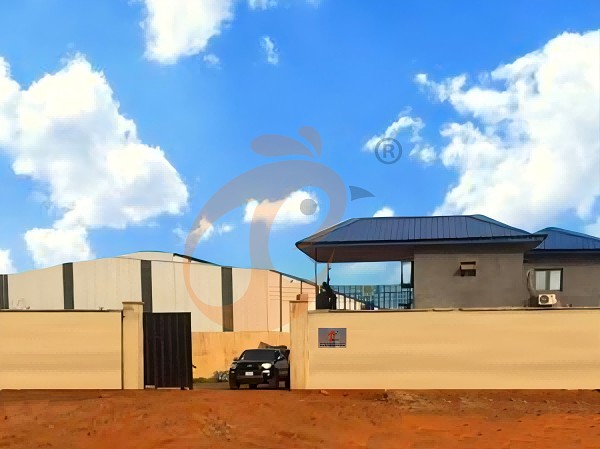
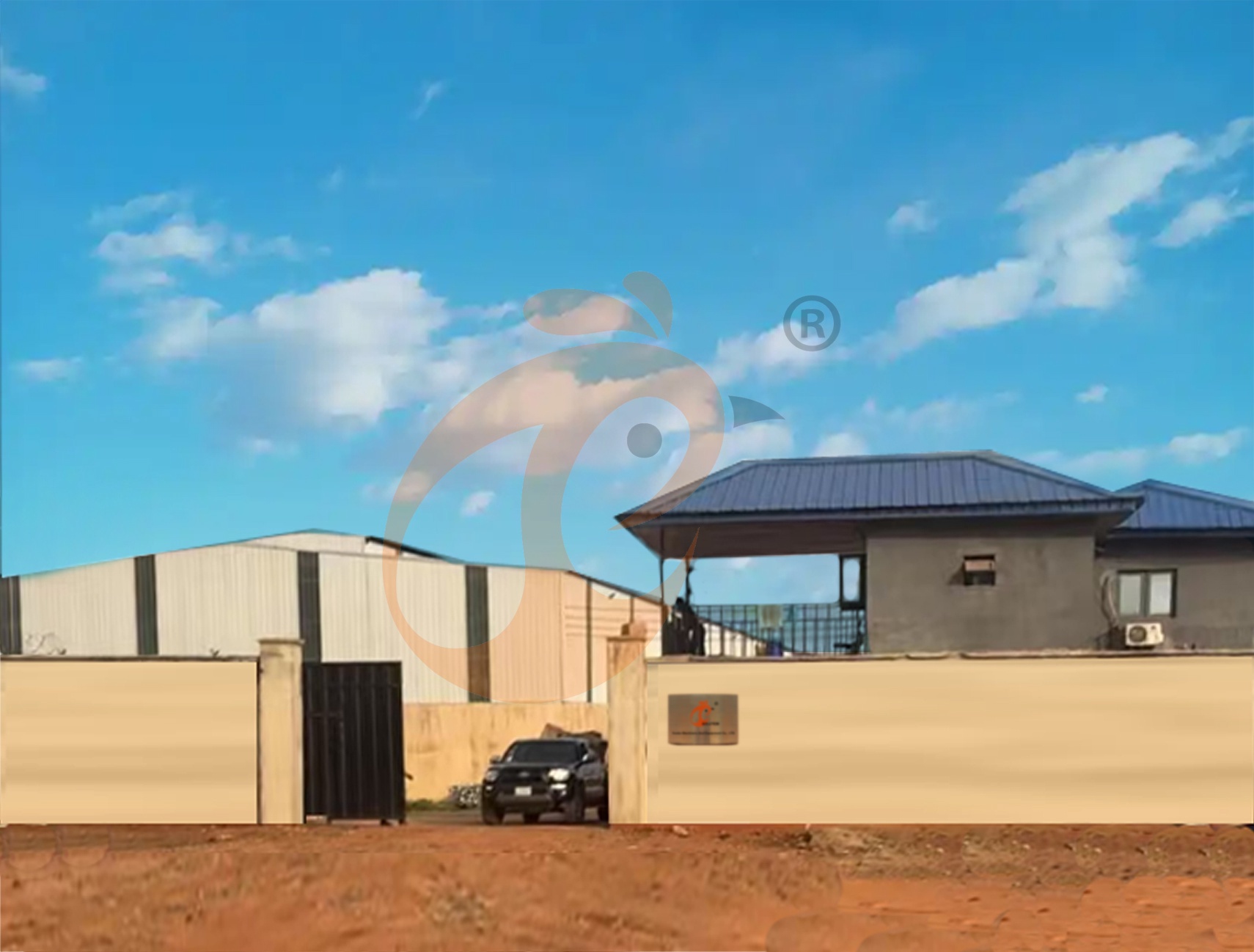
Nigeria Vanke Machinery And Equipment CO., LTD
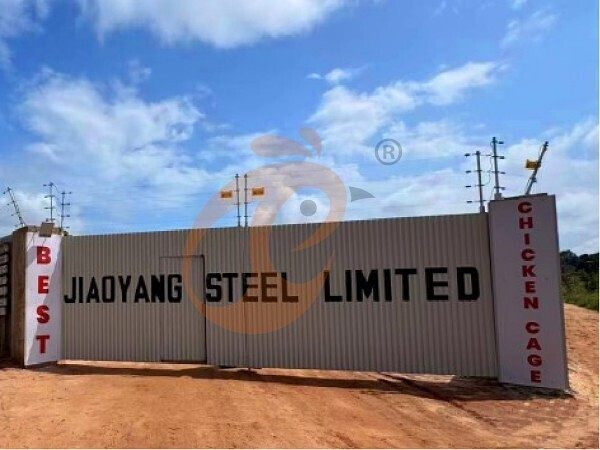
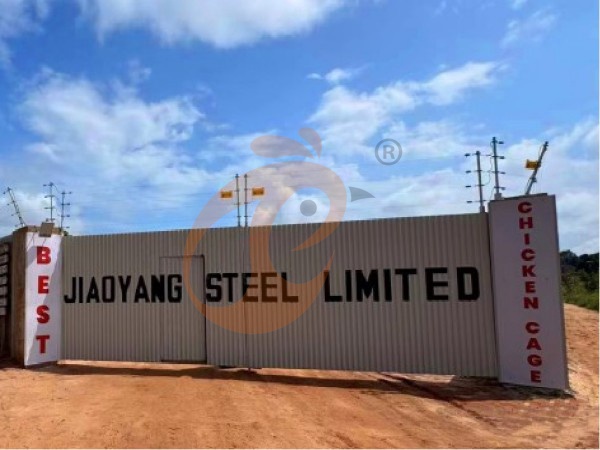
Tanzania Best Machinery And Equipment CO., LTD
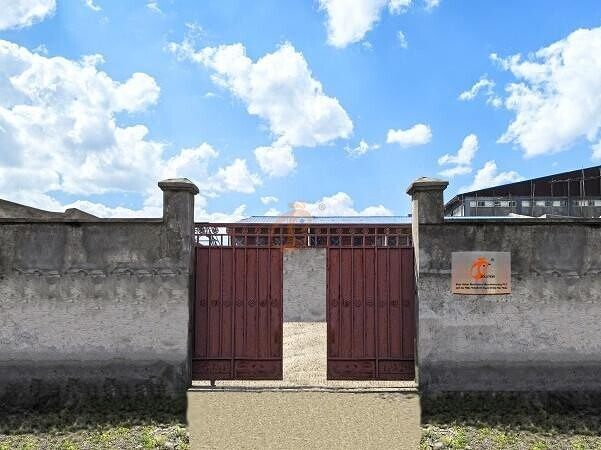
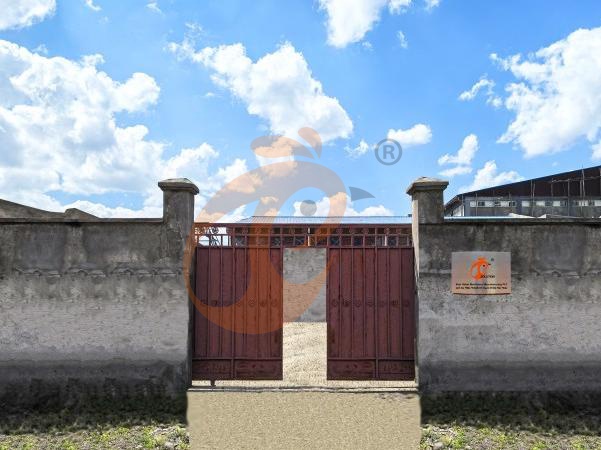
Ethiopia Best Hebei Machinery Manufacturing PLC
Reception /24 WhatsApp NO. : +8618830120193
FAQ
What Moisture Control Standards Are Required In Feed Milling For Poultry Chicken Feed?
Conditioning moisture increases to 16–18% before pelleting for optimal starch gelatinization.
Final feed moisture is controlled at 11–13% to ensure long-term storage stability.
What Energy Consumption Levels Are Standard In Feed Mixer And Feed Mill Operations For Poultry Chicken Farms?
Mixing systems require 3–8 kWh per batch depending on mixer volume and load ratio.
Pelletizing units operate at 60–90 kWh per ton for high-density poultry feed production.
What Raw Material Ratios Are Commonly Processed In Poultry Chicken Feed Mills?
Soybean meal accounts for 18–25% as main protein contributor for growth performance.
Premix addition remains at 2–5% ensuring vitamins and mineral balance stability.
Message
Products recommended
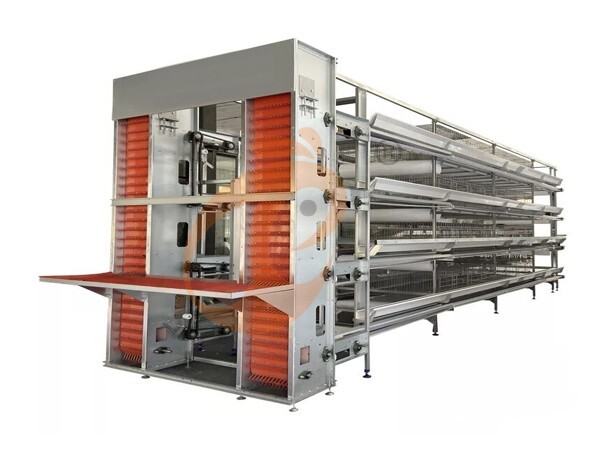
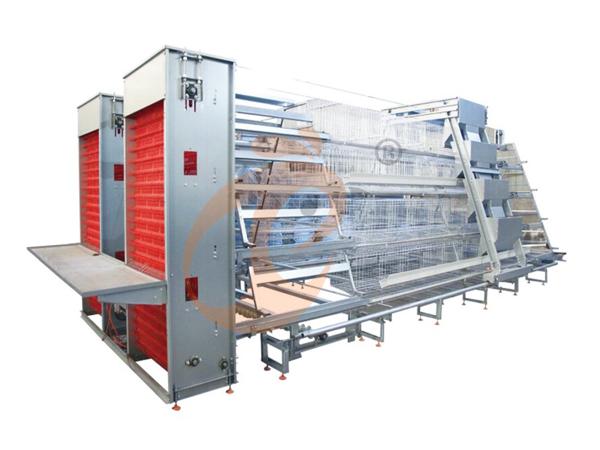
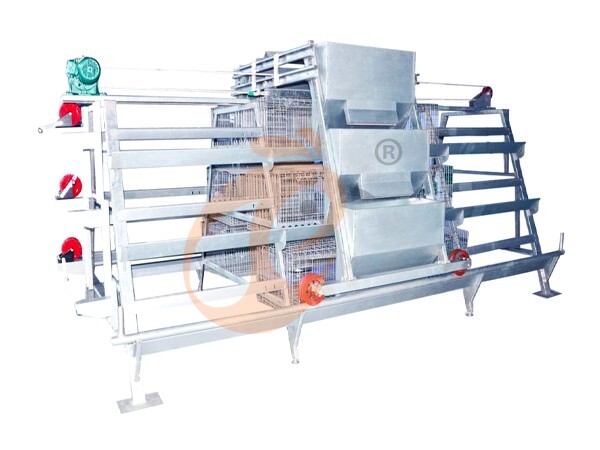
 >30,000 Pullets Automatic H Type Battery Cage1. More than 30,000 pullets a house, choose it.
2. It is designed to rearing older than 1 day old pullets to 12 to 16 weeks old chicken starting laying eggs.
3. Its lifespan is more than 25 years.
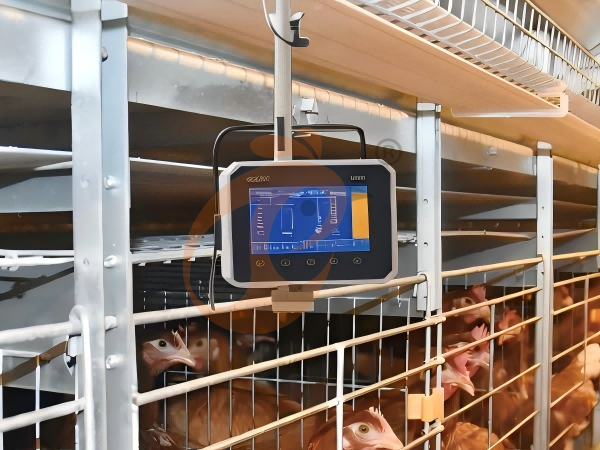
4. Its structure are Vcloud artificial intelligent fusion, electric control cabinet, automatic equipment of drinking, feeding, manure clean, manual harvesting.
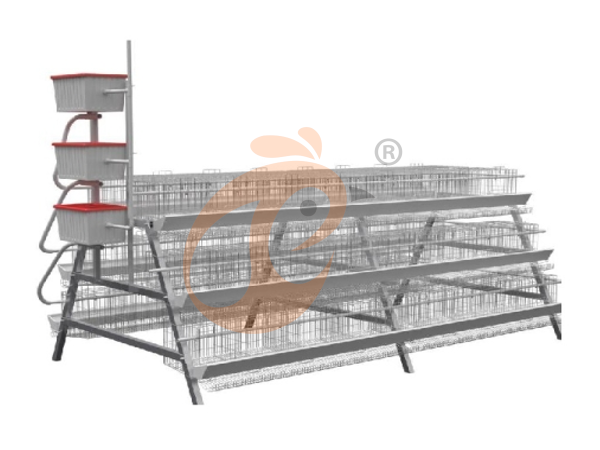
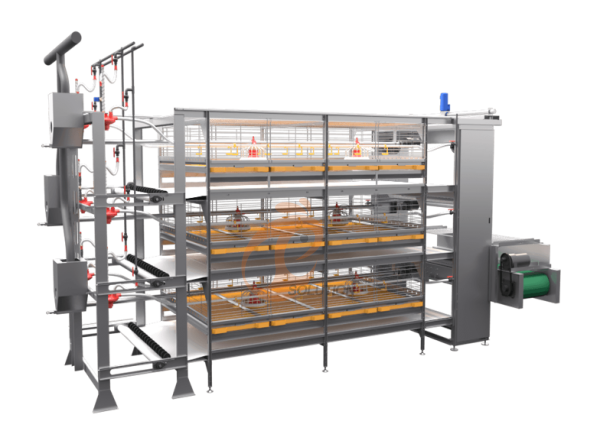
5. Our 24 hour online reception What’sApp NO. is +8618830120193 <30,000 Pullets Automatic A Type Battery Cage1. 10,000 to 30,000 pullets a house, choose it.
2. It is designed to rearing older than 1 day old pullets to 12 to 16 weeks old chicken starting laying eggs.
3. Its lifespan is more than 25 years.
4. Its structure are Vcloud artificial intelligent fusion, electric control cabinet, automatic equipment of drinking, feeding, manure clean, manual harvesting.
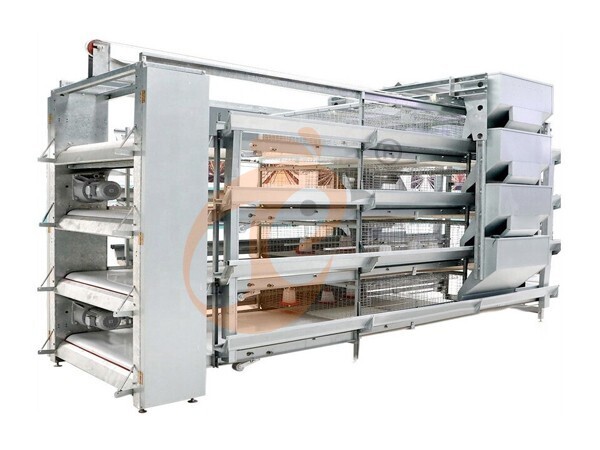
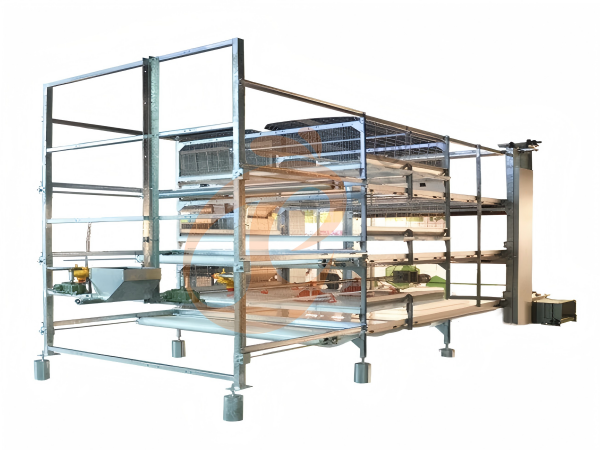
5. Our 24 hour online reception What’sApp NO. is +86 18830120193. >30,000 Broilers Semi-Automatic Harvest H Type Battery Cage1. More than 30,000 broilers a house, choose it.
2. It is designed to rearing 1 to 45 day old adult broiler ready for market.
3. Its lifespan is more than 20 years.
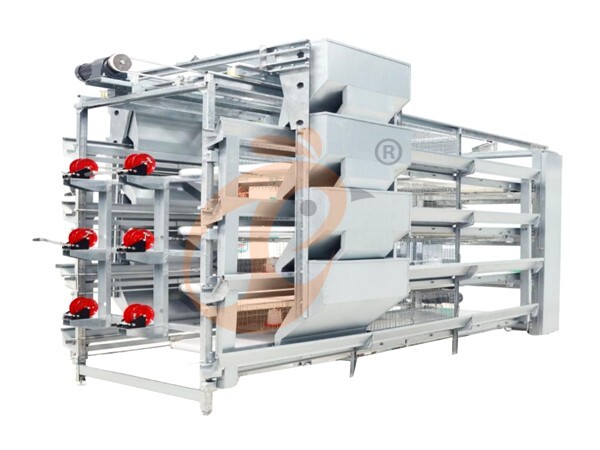
4. Our 24 hour online reception What’sApp NO. is +8618830120193, +234 8111199996. >30,000 Broilers Manual Harvest H Type Battery Cage1. More than 30,000 broilers a house, choose it.
2. It is designed to rearing 1 to 45 day old adult broiler ready for market.
3. Its lifespan is more than 20 years.
4. Its structure are Vcloud artificial intelligent fusion, electric control cabinet, automatic equipment of drinking, feeding and manure clean, manual harvesting.
5. Our 24 hour online reception What’sApp NO. is +8618830120193, +234 8111199996. <30,000 Broilers Manual Harvest A Type Battery Cage1. Less 30,000 broilers a house, choose it.
2. It is designed to rearing 1 to 45 day old adult broiler ready for market.
3. Its lifespan is more than 20 years.
4. Its structure are Vcloud artificial intelligent fusion, electric control cabinet, automatic equipment of drinking, feeding and manure clean, manual harvesting.
5. Our 24 hour online reception What’sApp NO. is +8618830120193, +234 8111199996. HK Headquarter Offers EU-standard Poultry Farm Solutions, Manufacture Poultry Farm Equipment1. Continuous communication with the EU and the US
2. China, Nigeria, Ethiopia, Tanzania branch companies and factories
3. The products’ quality is customized for local poultry farms
4. Poultry cage and poultry farm equipment stock for sale
5. 24 online reception Whatsapp NO. : +8618830120193,contact us to get full information China Branch Offer Poultry Farm Business Plan, Manufacture Poultry Farm Equipment1. Address: Flat/RM 2416, 24/F, Runxing Building, Youyi Nan Street, Shijiazhuang City, Hebei Province, China
2. Poultry cage and poultry farm equipment factory and stock for sale
3. Customized for local poultry farms
4. Quality and design are based on Euro
5. 24 online reception Whatsapp NO. : +8618830120193 Nigeria Branch Offer Poultry Farm Business Plan, Manufacture Poultry Farm Equipment1. Address: After Sinoma Office, 200 Meters Near Danco Filling Station, Lagos/Ibadan Expressway, Lagos State, Nigeria
2. Poultry cage and poultry farm equipment factory and stock for sale
3. Customized for Nigerian poultry farms
4. Quality and design are based on Euro
5. 24 online reception Whatsapp NO. : +8618830120193 Ethiopia Branch Offer Poultry Farm Business Plan, Manufacture Poultry Farm Equipment1. Address: Gelan Gura, Akaki-kaliti Sub City, Addis Ababa, Ethiopia
2. Poultry cage and poultry farm equipment stock for sale
3. Customized for Ethiopian poultry farms
4. Quality and design are based on Euro
5. 24 online reception Whatsapp NO. : +8618830120193, contact us to get price list Tanzania Branch Offer Poultry Farm Business Plan, Manufacture Poultry Farm Equipment1. Address: No.8, Sova Road, Msufini, Mlandizi, Kibaha, Pwani, Tanzania
2. Poultry cage and poultry farm equipment factory and stock for sale
3. Customized for Tanzanian poultry farms
4. Quality and design are based on Euro
5. 24 online reception Whatsapp NO. : +8618830120193


Contact