


Blog
Commercial floor poultry systems support flexible broiler farming expansion with lower structural investment requirements.
Modern poultry ventilation equipment improves environmental stability, respiratory health performance, and feed conversion efficiency.
Automatic poultry feeding systems reduce labor intensity while increasing feed distribution consistency across poultry houses.
Industrial poultry farming management focuses on litter moisture balance, stocking density control, and precise climate monitoring technology.
Integrated poultry equipment engineering improves flock uniformity, production sustainability, and operational profitability under commercial farming conditions.
Get professional poultry farm construction guidance, equipment selection solutions, and the latest price lists, whatsApp to +8618830120193, click to learn more:
Understanding Floor Rearing Poultry Farming
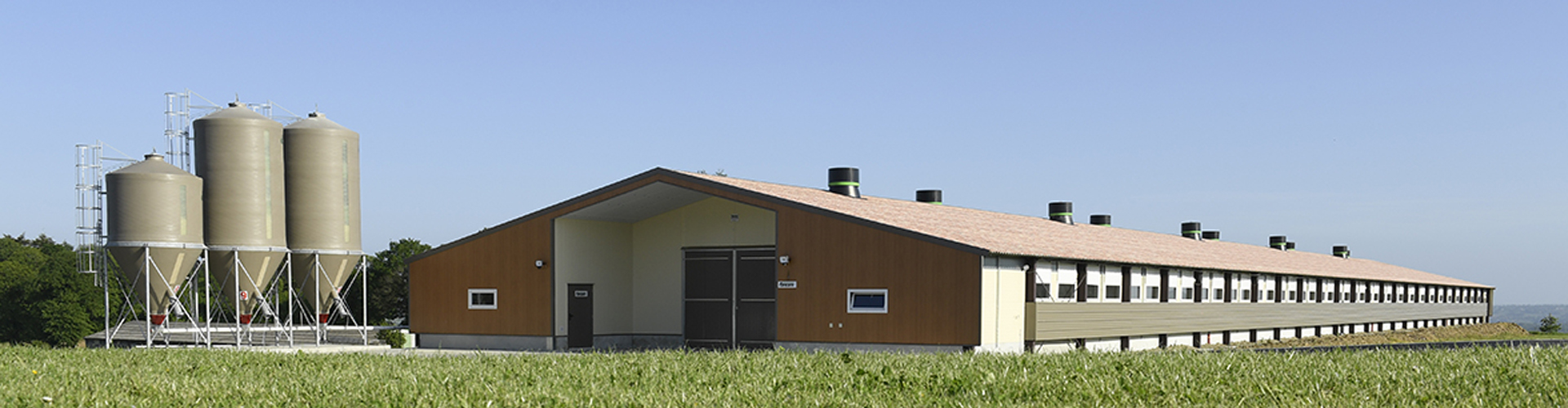
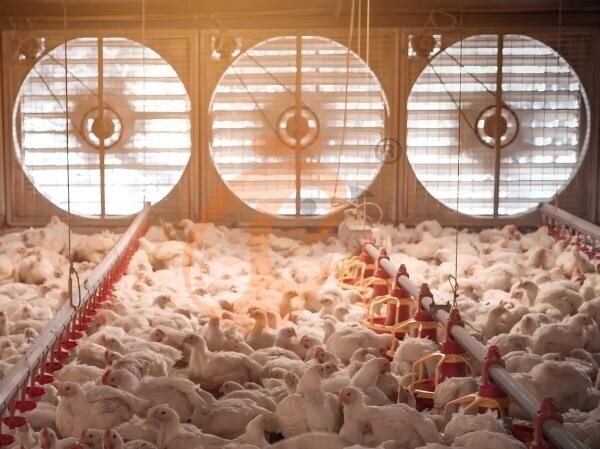
Floor rearing poultry farming remains one of the most practical systems for modern commercial broiler production.
Birds move freely on bedding materials including rice husk, wood shavings, and chopped straw while accessing automatic feeding and drinking systems installed along production lines.
Commercial poultry farming projects widely adopt floor systems because construction investment remains lower than multi-tier poultry cage installations.
Well-designed poultry ventilation equipment also supports stable airflow circulation and reduces ammonia accumulation inside poultry houses.
Data is for reference only.Swipe horizontally to view full table.
Litter Management For Poultry House Stability
Dry litter management directly affects poultry respiratory health, footpad condition, and bacterial control performance.
Wet litter rapidly increases ammonia generation and pathogen multiplication under high-density poultry farming conditions.
Commercial poultry equipment projects usually integrate nipple drinking systems to minimize water leakage into litter areas.
Farm managers commonly stir litter materials twice daily near drinker lines during humid environmental conditions.
Data is for reference only.Swipe horizontally to view full table.
Rice husk materials absorb approximately 2.8 liters moisture per kilogram under commercial poultry production conditions.
Poultry Science Knowledge About Ammonia Control
Ammonia gas forms through manure decomposition under excessive moisture and poor airflow circulation conditions.
Respiratory tract irritation increases significantly once ammonia concentration exceeds 25 ppm inside poultry houses.
Long-term ammonia exposure may reduce feed intake, suppress immune response, and increase respiratory disease susceptibility.
Tunnel poultry ventilation equipment effectively removes ammonia accumulation through negative-pressure airflow management systems.
Data is for reference only.Swipe horizontally to view full table.
Poultry Ventilation Equipment Optimization
Stable ventilation systems maintain temperature balance, humidity stability, and oxygen circulation throughout commercial poultry houses.
Modern broiler farming operations increasingly install tunnel ventilation technology combined with evaporative cooling pad systems.
High-capacity exhaust fans improve heat removal efficiency during summer production cycles.
Data is for reference only.Swipe horizontally to view full table.
Commercial tunnel systems commonly maintain airflow exceeding 2.3 m/s during hot climate operations.
Poultry Nutrition And Feed Efficiency
Feed cost generally represents 65–72% of total poultry production expenditure under commercial farming conditions.
Balanced feed formulation supports skeletal growth, immune function, and stable feed conversion ratio performance.
Automatic poultry feeding systems distribute feed uniformly across poultry houses while reducing feed wastage.
Data is for reference only.Swipe horizontally to view full table.
Feed particle diameter between 1.5 mm and 2.5 mm improves chick digestion performance during early growth stages.
Daily Feed Consumption Monitoring
Feed consumption monitoring allows poultry managers to identify environmental stress and flock abnormalities earlier.
Sudden feed intake decline often indicates temperature imbalance, water supply interruption, or disease pressure inside poultry houses.
Commercial broiler farming operations increasingly use automated weighing and feed monitoring technology for real-time production analysis.
Data is for reference only.Swipe horizontally to view full table.
Commercial broiler operations commonly achieve FCR values between 1.50 and 1.75 under optimized management conditions.
Poultry Lighting Management
Lighting programs influence poultry movement, feeding frequency, resting behavior, and hormone activity.
Commercial poultry farms gradually reduce light intensity and lighting duration as broilers mature.
LED lighting technology reduces electricity consumption while maintaining stable illumination performance throughout poultry houses.
Data is for reference only.Swipe horizontally to view full table.
LED poultry lighting systems commonly reduce electricity usage by approximately 45% compared with traditional bulbs.
Stocking Density And Poultry Welfare
Proper stocking density improves bird comfort, airflow distribution, and litter moisture management.
Excessively crowded poultry houses increase stress levels, disease transmission probability, and heat accumulation.
Balanced floor space planning remains essential for profitable commercial broiler farming projects.
Data is for reference only.Swipe horizontally to view full table.
Hot climate poultry farms often reduce stocking density by approximately 10–15% during summer cycles.
Poultry Welfare Behavior Observation
Healthy poultry behavior reflects stable environmental conditions and effective poultry management systems.
Uniform flock distribution throughout poultry houses generally indicates balanced ventilation and temperature conditions.
Bird clustering near walls or fans may signal airflow imbalance or excessive environmental heat stress.
Data is for reference only.Swipe horizontally to view full table.
Experienced poultry technicians commonly inspect flock behavior multiple times daily alongside environmental monitoring systems.
Poultry Biosecurity And Disease Prevention
Strict biosecurity procedures reduce infectious disease transmission and improve long-term poultry farm sustainability.
Commercial poultry farming systems frequently establish controlled entry zones, vehicle disinfection stations, and isolated equipment storage areas.
Automatic drinking systems also reduce bacterial contamination risk compared with traditional open water systems.
Data is for reference only.Swipe horizontally to view full table.
Professional biosecurity management significantly lowers mortality risk during intensive broiler farming operations.
Poultry Vaccination Program Management
Vaccination schedules vary according to regional disease pressure and veterinary disease control recommendations.
Large commercial poultry farming operations increasingly adopt automated vaccine dosing technology to improve application consistency.
Integrated vaccination planning supports immune stability throughout broiler production cycles.
Data is for reference only.Swipe horizontally to view full table.
Environmental Monitoring Technology
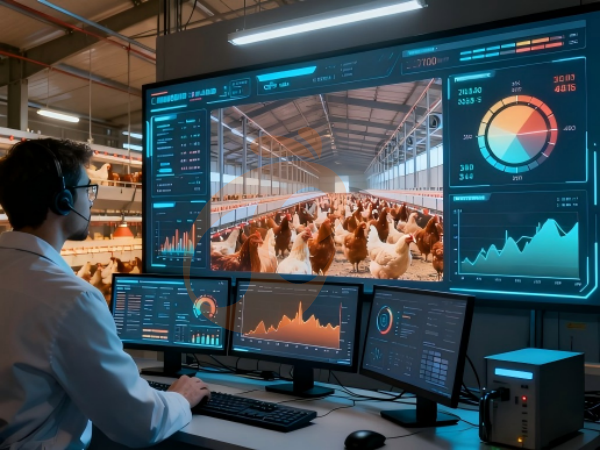
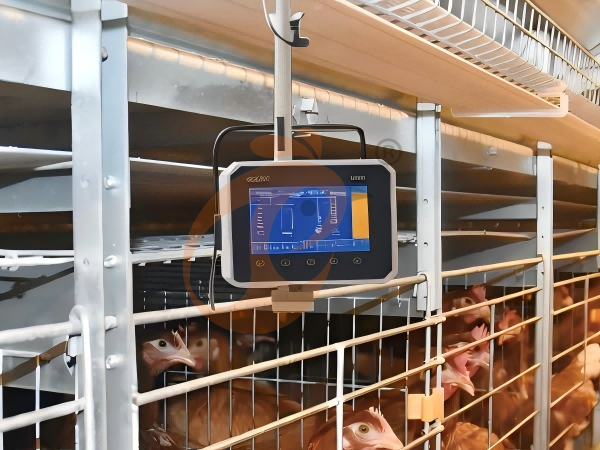
Modern poultry farming operations increasingly depend on intelligent environmental monitoring systems.
Temperature sensors, humidity controllers, and automatic ventilation software improve production precision and labor efficiency.
Digital poultry equipment management systems also support stable flock performance analysis across multiple production cycles.
Data is for reference only.Swipe horizontally to view full table.
Environmental automation technology commonly reduces mortality rates by approximately 1.5–2.2% under industrial poultry production conditions.
Commercial Poultry Farming Cost Structure
Commercial poultry farm profitability depends heavily on feed cost management, labor efficiency, and equipment durability.
Automatic poultry feeding systems reduce labor expenditure while improving feed utilization performance.
Complete poultry equipment engineering projects generally improve long-term operational consistency across commercial farms.
Data is for reference only.Swipe horizontally to view full table.
European union standard reference only.
Frequently Asked Questions
Q1: What is the most important factor in floor rearing poultry farming?
Ventilation management remains one of the most critical operational factors because airflow stability directly affects temperature control, ammonia removal efficiency, and poultry respiratory health performance.
Proper poultry ventilation equipment also improves litter moisture balance and feed conversion consistency.
Q2: How frequently should poultry litter be replaced?
Complete litter replacement commonly occurs after each production cycle lasting approximately 35–45 days.
Wet litter surrounding drinking lines may require partial replacement earlier to maintain stable ammonia control and poultry welfare conditions.
Q3: Why do commercial poultry farms use automatic feeding systems?
Automatic poultry feeding systems improve feed distribution consistency, reduce labor intensity, and minimize feed wastage throughout large-scale poultry farming projects.
Stable feed access also supports flock uniformity and production efficiency improvement.
Taiyu (HK) Group - One Of China Largest Floor Rearing Poultry Farming Supplier
Professional floor rearing poultry farming equipment supports modern commercial broiler production projects worldwide.
Global factory direct poultry equipment supply improves project procurement efficiency and investment control.
Industrial poultry cage and automatic feeding system manufacturing supports large-capacity farming operations.
Turn-key poultry farm engineering solutions include ventilation, drinking, feeding, and environmental systems integration.
Commercial poultry equipment export services support Asia, Africa, Middle East, and South America markets.
Contact Us To Received Your Customized Poultry Farm Plan
Headquarters And Branchs
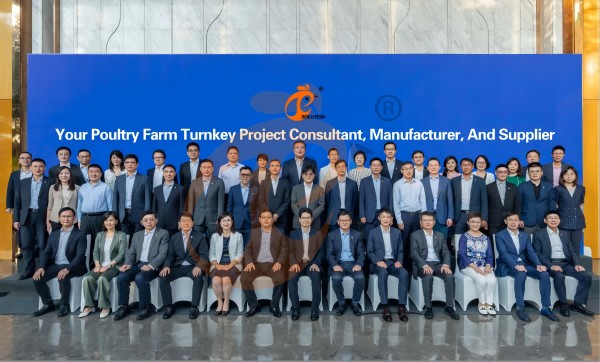
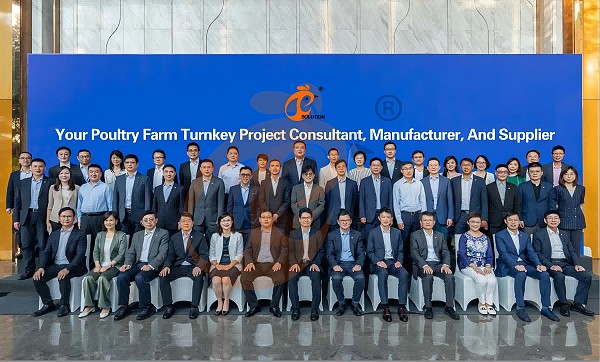
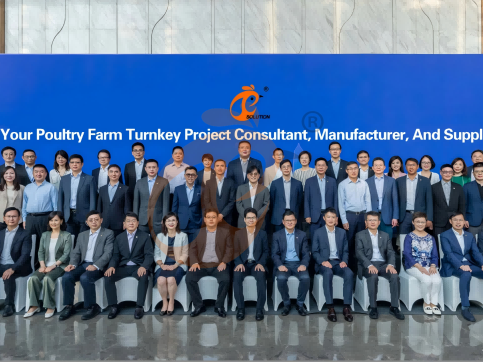
Hong Kong Headquarter Management Team
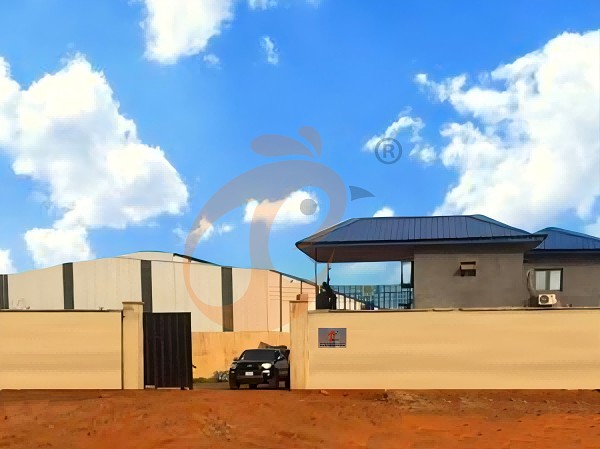
Hong Kong Headquarter Taiyu Industrial Group CO., LTD
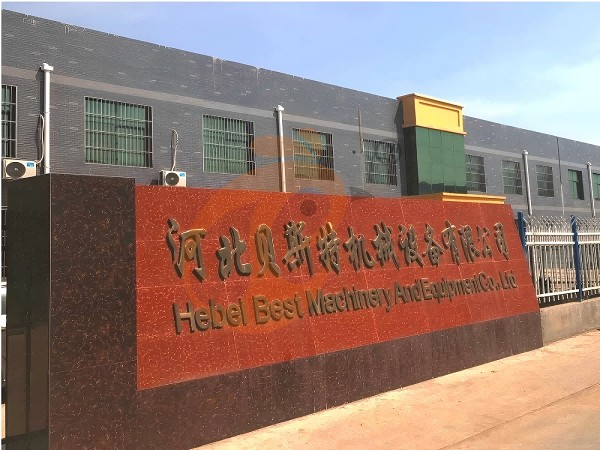
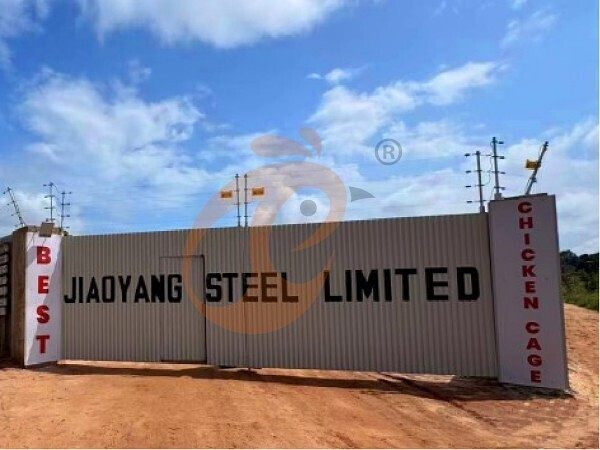
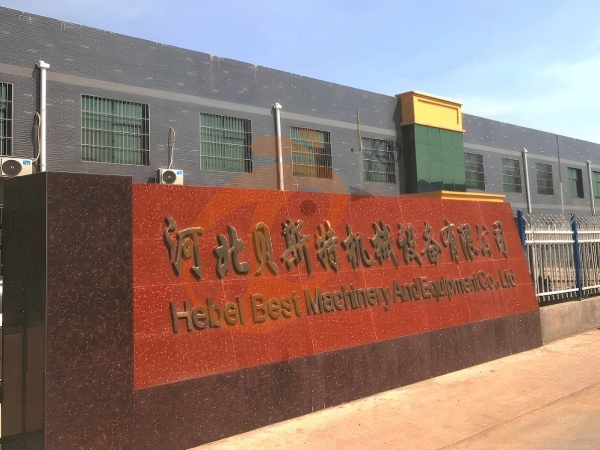
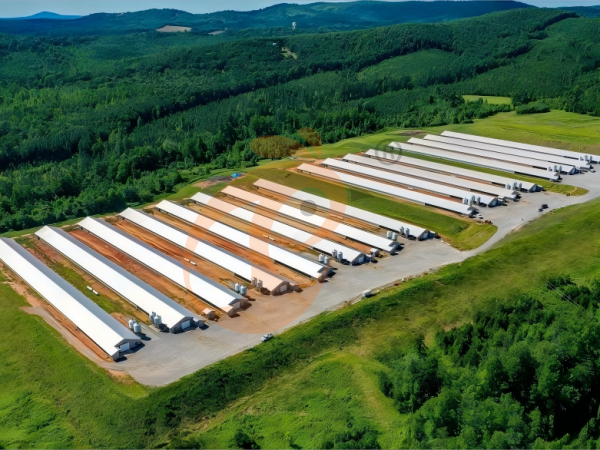
China Hebei Best Machinery And Equipment CO., LTD
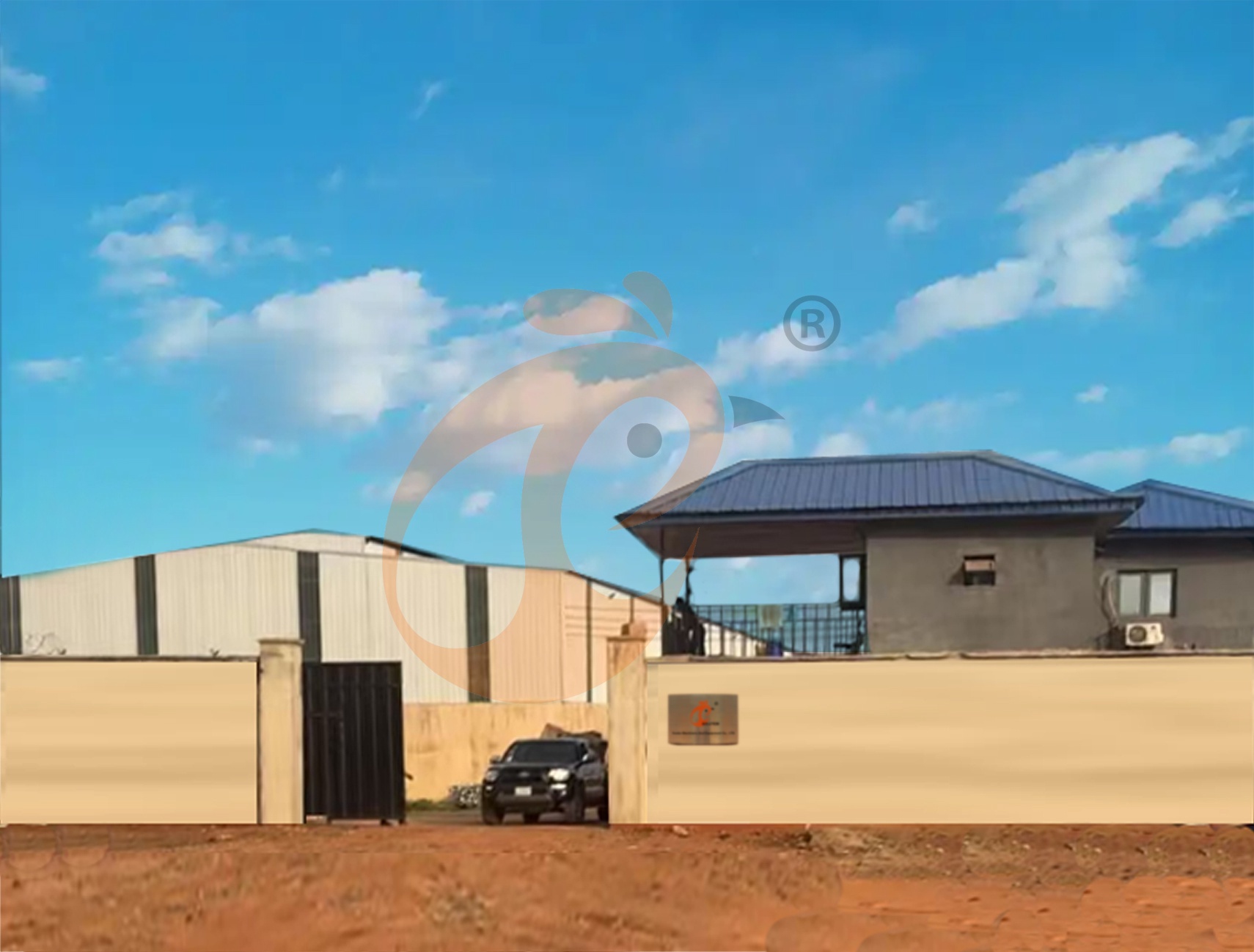
Nigeria Vanke Machinery And Equipment CO., LTD
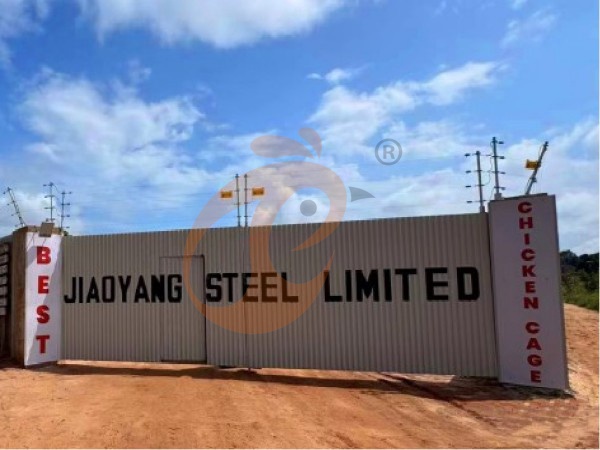
Tanzania Best Machinery And Equipment CO., LTD
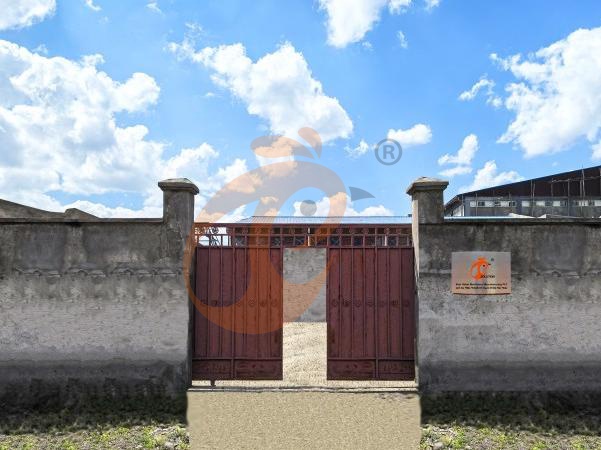
Ethiopia Best Hebei Machinery Manufacturing PLC

Reception /24 WhatsApp NO. : +8618830120193
FAQ
What Are The Flooring Material Specifications In Floor Rearing Poultry System For Poultry Chicken Houses?
Mesh opening size is maintained at 10–15 mm to ensure manure passage efficiency.
Load-bearing capacity reaches 80–120 kg per square meter for flock support stability.
What Ventilation Requirements Are Required In Floor Rearing Poultry System For Poultry Chicken Environments?
Air velocity at bird level is controlled at 0.2–0.4 m/s for thermal comfort.
Static pressure is regulated between 15–25 Pa for balanced airflow distribution.
What Feeding System Design Is Used In Floor Rearing Poultry System For Poultry Chicken Production?
Automatic pan feeders operate with 0.5–1.0 kg feed capacity per feeding point.
Feed distribution cycles are completed within 3–5 minutes per house line.
- poultry farm
- poultry farms
- poultry house
- poultry cage
- cage
- poultry farm construction
- poultry farming equipment
- poultry cage installation
- poultry lighting system
- poultry feeding system
- automatic drinking system
- automatic feeding system
- automatic poultry feeding system
- poultry equipment
- chickencage
- bestchickencage
- Nigeria
- broiler farm
- commercial poultry farms
- poultry farming
- LED poultry lighting
- poultry ventilation equipment
- poultry farm sustainability
- LED poultry lighting system
- modern poultry farm
- modern poultry farming
- poultry farm plan
- poultry farm profit
- poultry farm profitability
- poultry vaccination program
- poultry farming system
- poultry feed
- Ethiopia
Message
Products recommended
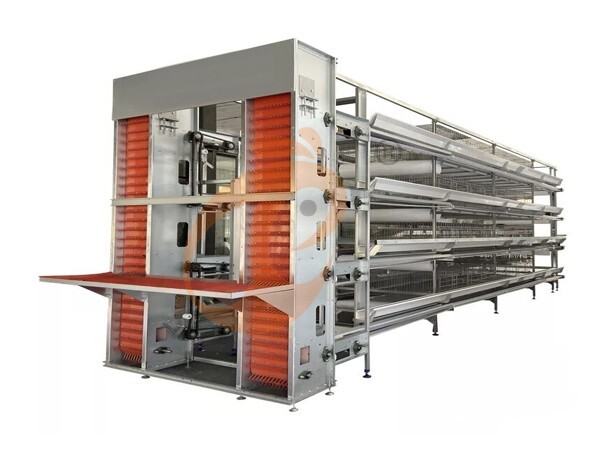
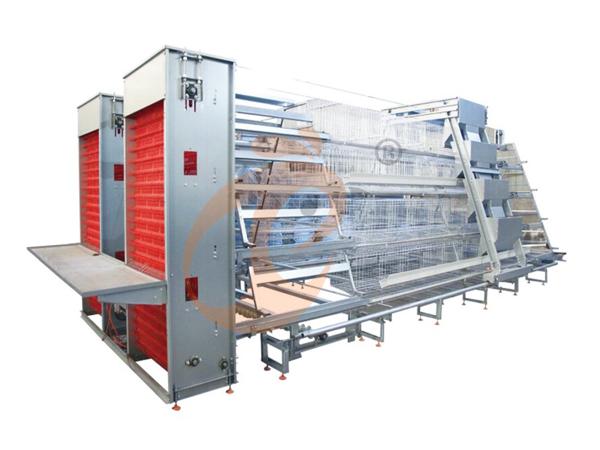
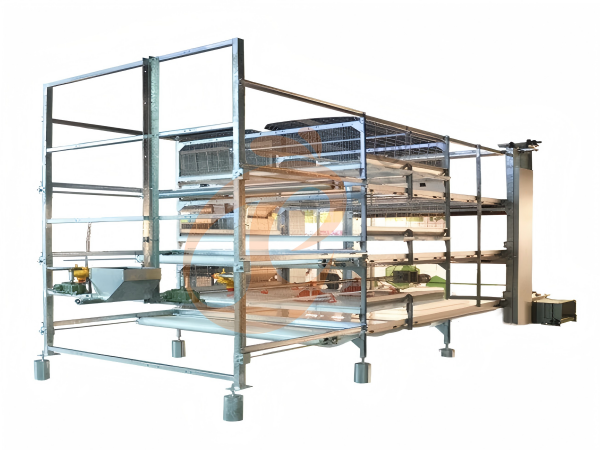
 >30,000 Pullets Automatic H Type Battery Cage1. More than 30,000 pullets a house, choose it.
2. It is designed to rearing older than 1 day old pullets to 12 to 16 weeks old chicken starting laying eggs.
3. Its lifespan is more than 25 years.
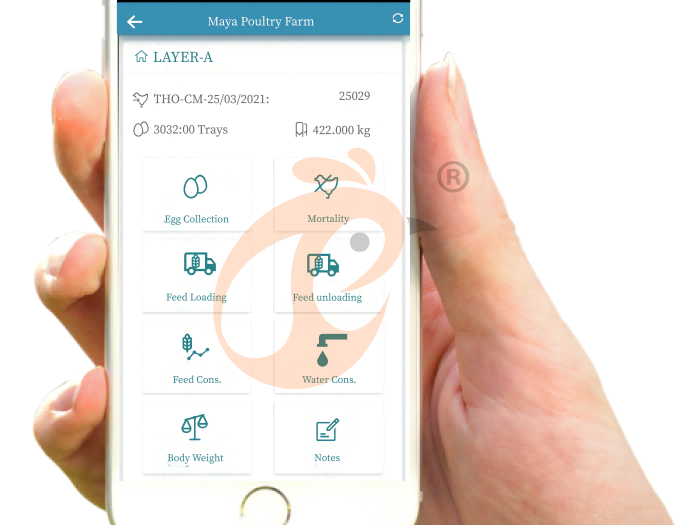
4. Its structure are Vcloud artificial intelligent fusion, electric control cabinet, automatic equipment of drinking, feeding, manure clean, manual harvesting.
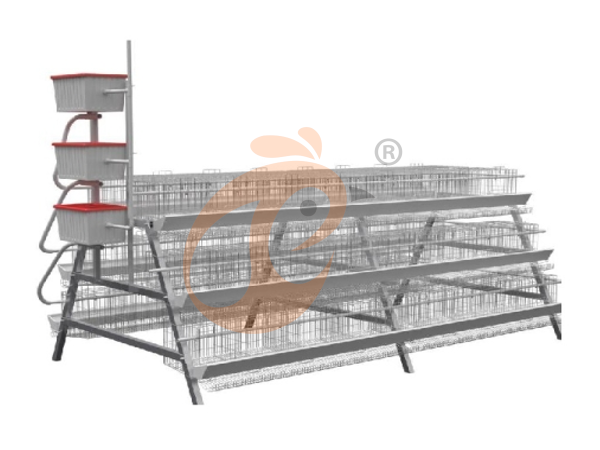
5. Our 24 hour online reception What’sApp NO. is +8618830120193 <30,000 Pullets Automatic A Type Battery Cage1. 10,000 to 30,000 pullets a house, choose it.
2. It is designed to rearing older than 1 day old pullets to 12 to 16 weeks old chicken starting laying eggs.
3. Its lifespan is more than 25 years.
4. Its structure are Vcloud artificial intelligent fusion, electric control cabinet, automatic equipment of drinking, feeding, manure clean, manual harvesting.
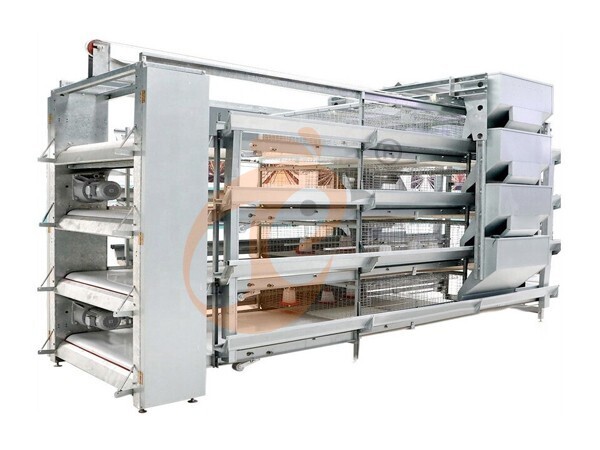
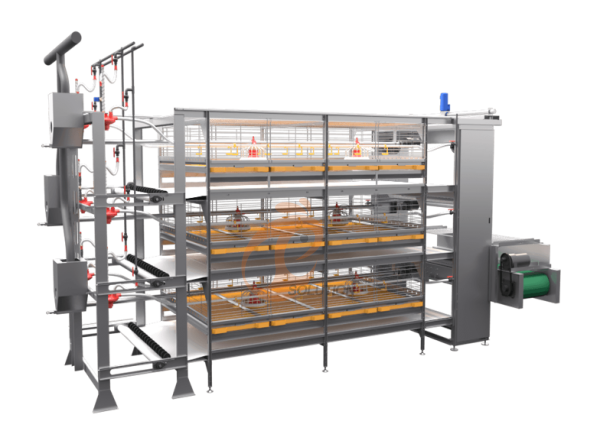
5. Our 24 hour online reception What’sApp NO. is +86 18830120193. >30,000 Broilers Semi-Automatic Harvest H Type Battery Cage1. More than 30,000 broilers a house, choose it.
2. It is designed to rearing 1 to 45 day old adult broiler ready for market.
3. Its lifespan is more than 20 years.
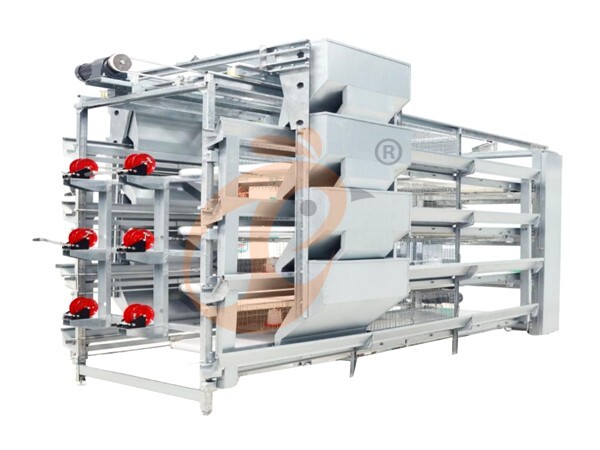
4. Our 24 hour online reception What’sApp NO. is +8618830120193, +234 8111199996. >30,000 Broilers Manual Harvest H Type Battery Cage1. More than 30,000 broilers a house, choose it.
2. It is designed to rearing 1 to 45 day old adult broiler ready for market.
3. Its lifespan is more than 20 years.
4. Its structure are Vcloud artificial intelligent fusion, electric control cabinet, automatic equipment of drinking, feeding and manure clean, manual harvesting.
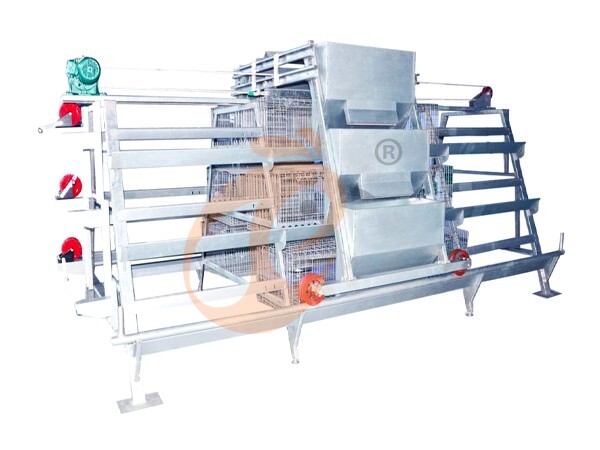
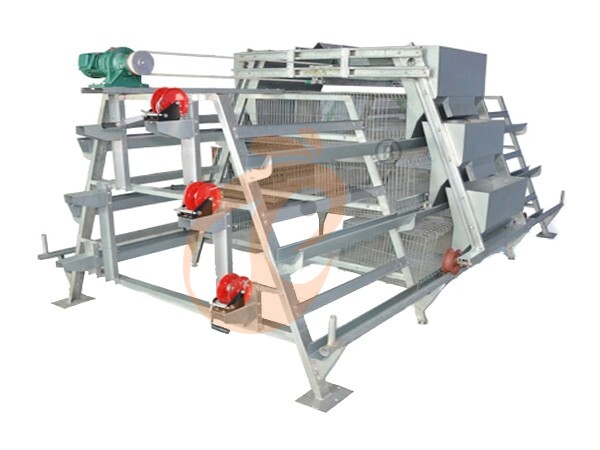
5. Our 24 hour online reception What’sApp NO. is +8618830120193, +234 8111199996. <30,000 Broilers Manual Harvest A Type Battery Cage1. Less 30,000 broilers a house, choose it.
2. It is designed to rearing 1 to 45 day old adult broiler ready for market.
3. Its lifespan is more than 20 years.
4. Its structure are Vcloud artificial intelligent fusion, electric control cabinet, automatic equipment of drinking, feeding and manure clean, manual harvesting.
5. Our 24 hour online reception What’sApp NO. is +8618830120193, +234 8111199996. HK Headquarter Offers EU-standard Poultry Farm Solutions, Manufacture Poultry Farm Equipment1. Continuous communication with the EU and the US
2. China, Nigeria, Ethiopia, Tanzania branch companies and factories
3. The products’ quality is customized for local poultry farms
4. Poultry cage and poultry farm equipment stock for sale
5. 24 online reception Whatsapp NO. : +8618830120193,contact us to get full information China Branch Offer Poultry Farm Business Plan, Manufacture Poultry Farm Equipment1. Address: Flat/RM 2416, 24/F, Runxing Building, Youyi Nan Street, Shijiazhuang City, Hebei Province, China
2. Poultry cage and poultry farm equipment factory and stock for sale
3. Customized for local poultry farms
4. Quality and design are based on Euro
5. 24 online reception Whatsapp NO. : +8618830120193 Nigeria Branch Offer Poultry Farm Business Plan, Manufacture Poultry Farm Equipment1. Address: After Sinoma Office, 200 Meters Near Danco Filling Station, Lagos/Ibadan Expressway, Lagos State, Nigeria
2. Poultry cage and poultry farm equipment factory and stock for sale
3. Customized for Nigerian poultry farms
4. Quality and design are based on Euro
5. 24 online reception Whatsapp NO. : +8618830120193 Ethiopia Branch Offer Poultry Farm Business Plan, Manufacture Poultry Farm Equipment1. Address: Gelan Gura, Akaki-kaliti Sub City, Addis Ababa, Ethiopia
2. Poultry cage and poultry farm equipment stock for sale
3. Customized for Ethiopian poultry farms
4. Quality and design are based on Euro
5. 24 online reception Whatsapp NO. : +8618830120193, contact us to get price list Tanzania Branch Offer Poultry Farm Business Plan, Manufacture Poultry Farm Equipment1. Address: No.8, Sova Road, Msufini, Mlandizi, Kibaha, Pwani, Tanzania
2. Poultry cage and poultry farm equipment factory and stock for sale
3. Customized for Tanzanian poultry farms
4. Quality and design are based on Euro
5. 24 online reception Whatsapp NO. : +8618830120193


Contact