


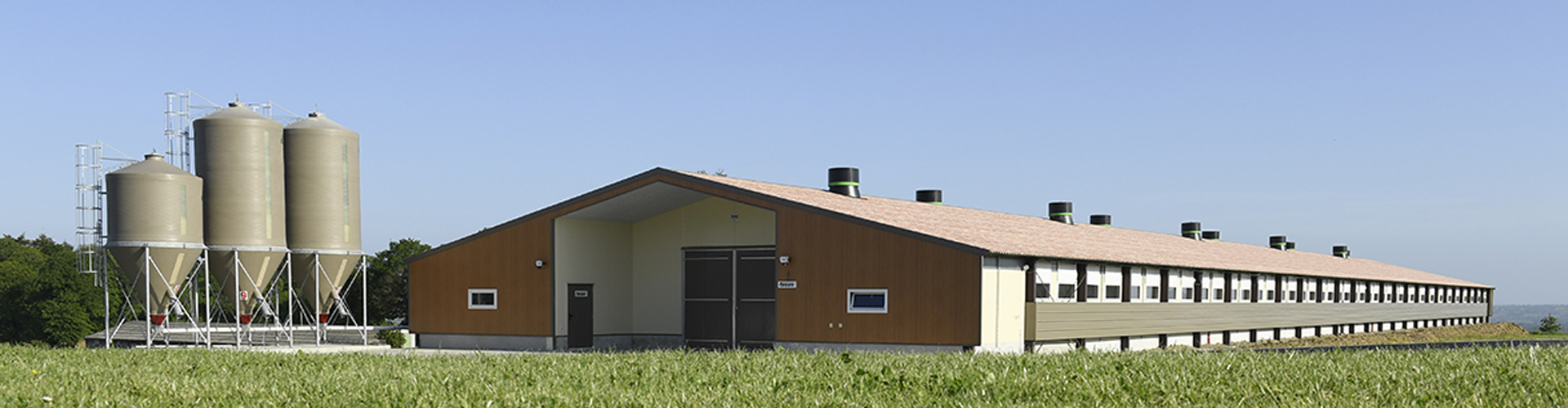
Blog
Installing feed mixers in chicken farms defines industrial feed preparation accuracy and determines nutrient homogeneity in poultry production systems.
Structural engineering design integrates 500 kg to 5,000 kg batch capacity configurations with controlled mechanical torque distribution systems.
Electrical drive systems operate at 380V three-phase input with regulated power output between 5.5 kW and 18.5 kW depending on scale.
Mixing efficiency depends on blade geometry, shaft rotation stability, and cycle timing precision ranging from 180 to 420 seconds per batch.
Feed discharge consistency, particle dispersion rate, and energy consumption control ensure stable poultry growth performance and reduced feed waste across production cycles.
Get professional poultry farm construction guidance, equipment selection solutions, and the latest price lists, whatsApp to +8618830120193, click to learn more:
Site Preparation And Foundation Engineering
Data is for reference only.Swipe horizontally to view full table.
Site preparation ensures structural load stability for heavy poultry feed mixing equipment operating under continuous mechanical stress cycles.
Industrial foundation design supports vibration control levels up to 0.6 mm displacement during full load operation.
Proper civil engineering reduces equipment misalignment probability during long-term poultry production cycles.
Equipment Positioning And Material Flow Design
Data is for reference only.Swipe horizontally to view full table.
Chicken farm feed mixer setup requires optimized spatial configuration between storage silos and mixing chambers.
Material flow velocity typically ranges from 1.2 m/s to 1.8 m/s in screw conveyor systems.
Short transport distance improves batch cycle efficiency and reduces energy loss during feed handling operations.
Mechanical Anchoring And Structural Fixation
Data is for reference only.Swipe horizontally to view full table.
Industrial poultry feed mixing system stability depends on high-torque anchoring and anti-vibration structural absorption design.
Operational torque ranges from 320 N·m to 1850 N·m depending on batch size configuration.
Mechanical fixation ensures alignment deviation remains below 0.8 mm during continuous rotation cycles.
Electrical Installation And Motor Configuration
Data is for reference only.Swipe horizontally to view full table.
Chicken farm feed mixer setup requires stable three-phase power supply with controlled overload protection systems.
Electrical insulation resistance must maintain values above 1 MΩ for operational safety compliance.
Motor thermal protection activates at 85°C to prevent long-term winding damage during continuous operation cycles.
Blade System And Mixing Chamber Engineering
Data is for reference only.Swipe horizontally to view full table.
Poultry feed mixer installation guide requires precise blade angle calibration between 35° and 55° for optimal particle lifting.
Rotation speed typically ranges from 28 rpm to 38 rpm depending on feed density variation.
Uniform dispersion reduces nutrient stratification across batch volumes up to 5,000 kg.
Scientific Principle Of Feed Mixing Uniformity
Feed mixing uniformity is based on convective diffusion and mechanical shear force interaction inside rotating chambers.
Particle size distribution ranges from 0.3 mm to 3.5 mm depending on raw material processing stage.
Bulk density variation between 520 kg/m³ and 680 kg/m³ affects vertical mixing displacement behavior.
Rotation cycles between 120 and 260 complete revolutions ensure statistically uniform nutrient distribution across batches.
European union standard reference only for industrial feed production safety compliance.
Calibration And Batch Timing Control
Data is for reference only.Swipe horizontally to view full table.
Industrial poultry feed mixing system calibration ensures precise synchronization between rotation cycles and discharge timing control.
Batch deviation rate remains within 2.1% under optimized parameter settings.
Energy consumption per cycle ranges from 0.42 kWh to 2.60 kWh depending on load scale.
Test Operation And Performance Verification
Data is for reference only.Swipe horizontally to view full table.
Chicken farm feed mixer setup requires validation testing before full-scale production deployment.
Mechanical resonance frequency remains controlled under 18 Hz during full load operation.
System validation ensures consistent batch repeatability across long-term production cycles.
Maintenance Scheduling And Operational Lifespan
Data is for reference only.Swipe horizontally to view full table.
Poultry feed mixer installation guide emphasizes preventive maintenance to extend equipment lifespan beyond 8 years.
Lubrication viscosity standard maintained at ISO VG 220 for bearing protection stability.
Regular inspection reduces failure probability in high-intensity poultry production environments.
Frequently Asked Questions
Q1: What is the required power for industrial feed mixers in chicken farms?
Feed mixer power depends on batch capacity and ranges from 5.5 kW for 500 kg systems to 18.5 kW for 5,000 kg systems.
Stable voltage input at 380V ensures continuous torque output.
Motor protection systems must be configured to avoid overload during peak mixing cycles in poultry production environments.
Q2: How long does a full mixing cycle take in poultry feed systems?
A standard mixing cycle ranges from 180 seconds to 420 seconds depending on batch size and ingredient density.
Smaller batches complete faster due to reduced particle load resistance.
Larger systems require extended rotation time to achieve uniform nutrient distribution across the full chamber volume.
Q3: What is the required maintenance interval for feed mixer equipment?
Maintenance intervals typically include lubrication every 120 hours, blade inspection every 240 hours, and full cleaning every 720 hours.
These intervals ensure mechanical stability, reduce wear on rotating components, and maintain consistent feed quality output in continuous chicken farm operations.
Taiyu (HK) Group - One Of China Largest Feed Mixer Manufacturer
Poultry feed mixer installation guide focused equipment manufactured with 500 kg to 5,000 kg capacity systems designed for stable industrial poultry feed production performance and precise mixing accuracy.
Global factory direct supply supports competitive pricing structure and stable production lead time for large-scale poultry farming projects.
Full poultry equipment portfolio includes feeding system, ventilation system, and automated control integration for modern farms.
Poultry cage production line available for commercial broiler and layer farming system expansion projects.
Turn-key engineering service covers farm design, equipment installation, commissioning, and operational training support.
Contact Us To Received Your Customized Poultry Farm Plan
Headquarters And Branchs

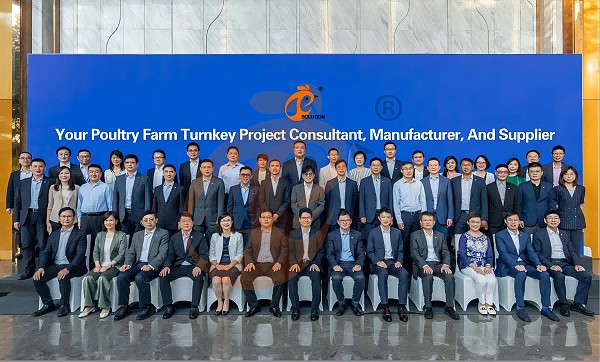
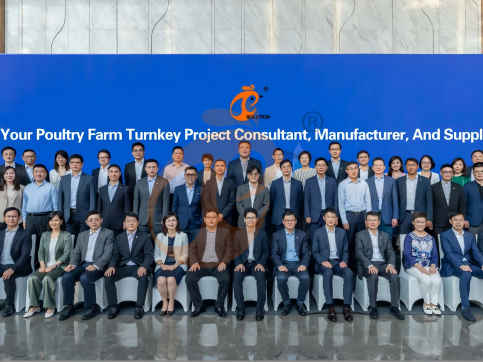
Hong Kong Headquarter Management Team
Hong Kong Headquarter Taiyu Industrial Group CO., LTD
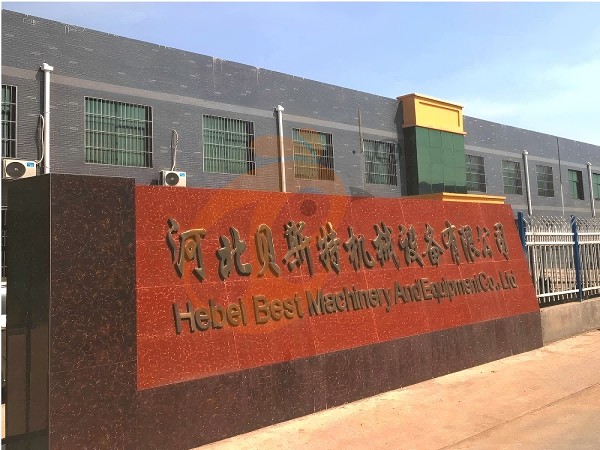
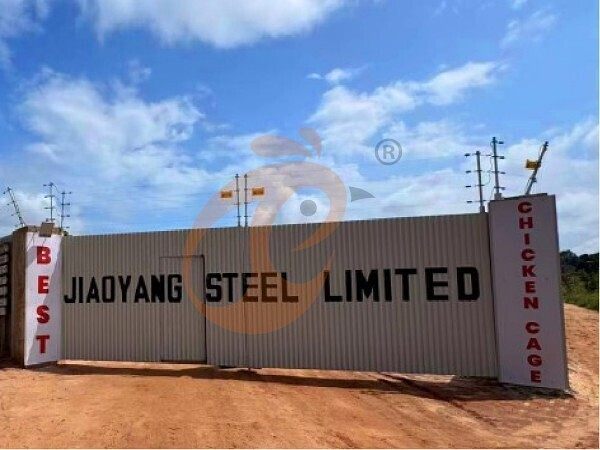
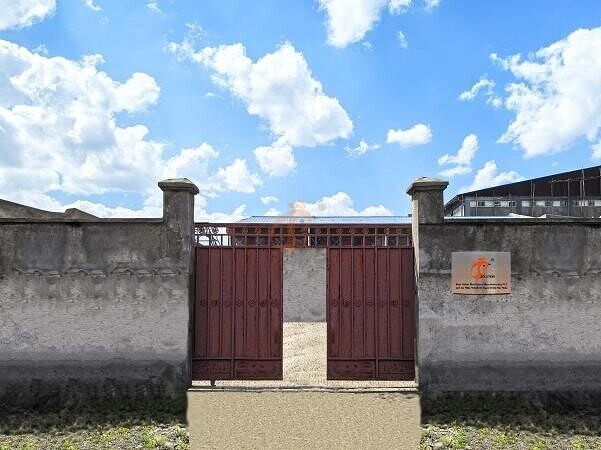
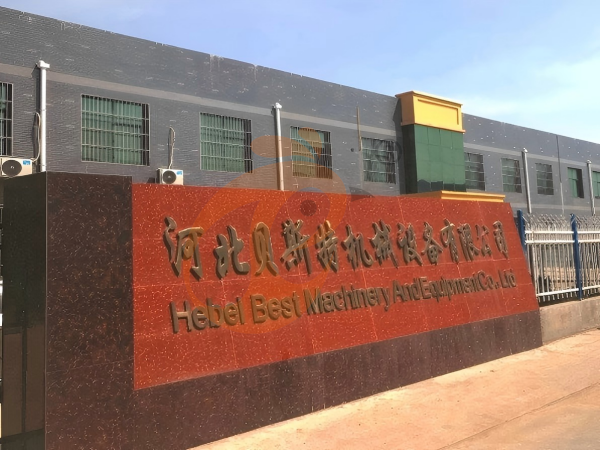
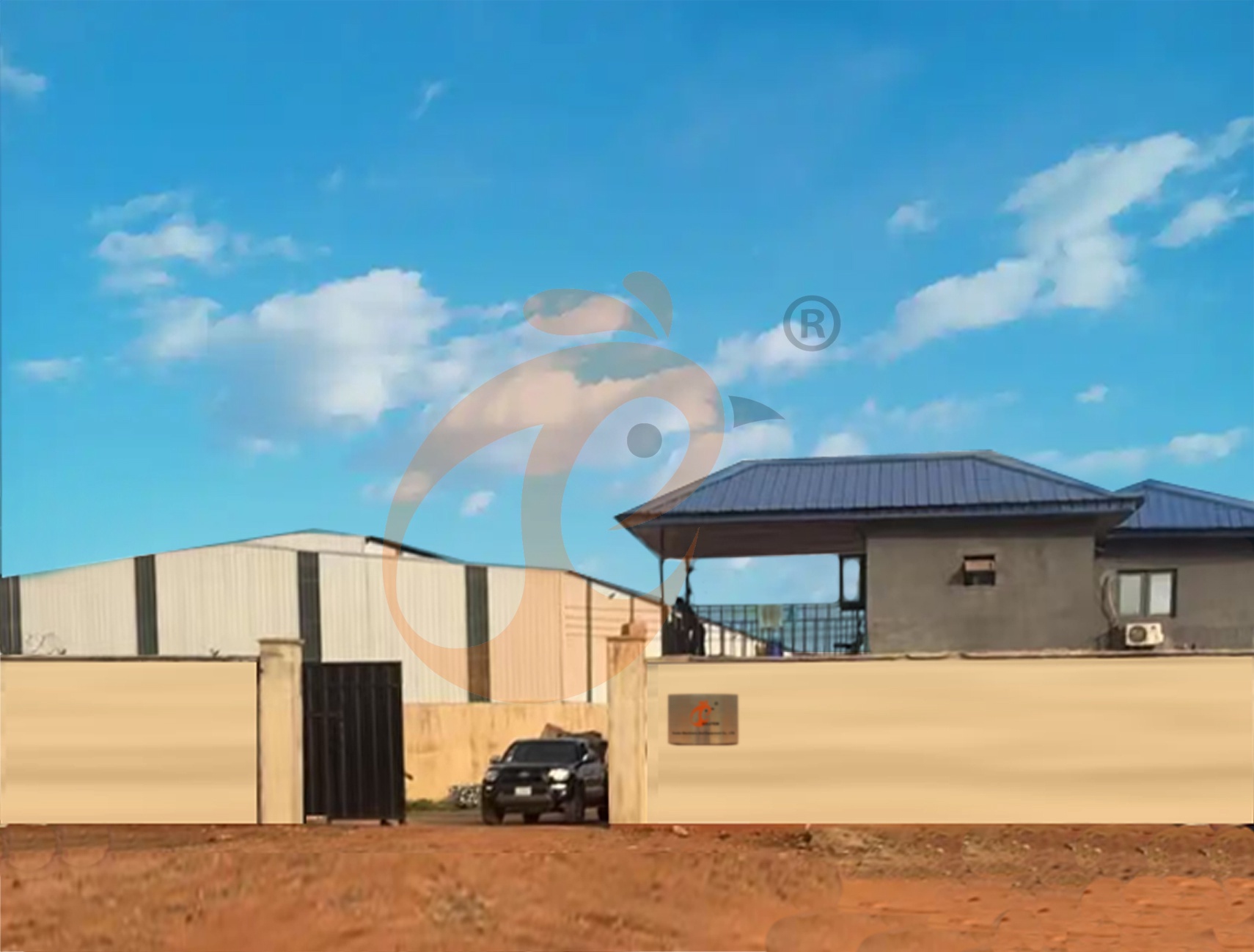
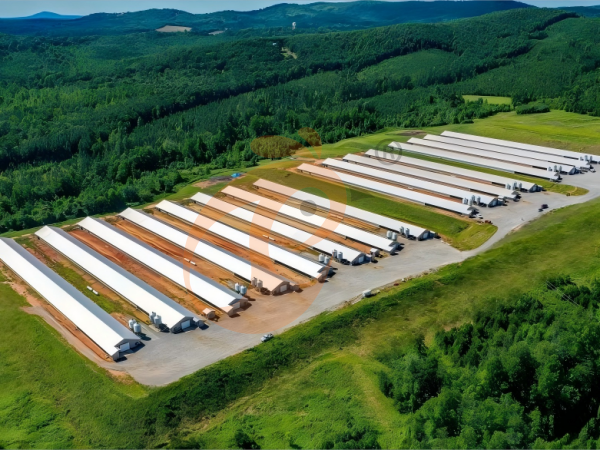
China Hebei Best Machinery And Equipment CO., LTD
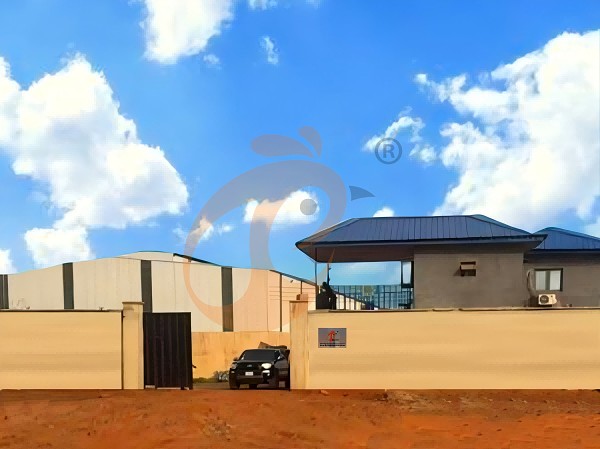
Nigeria Vanke Machinery And Equipment CO., LTD
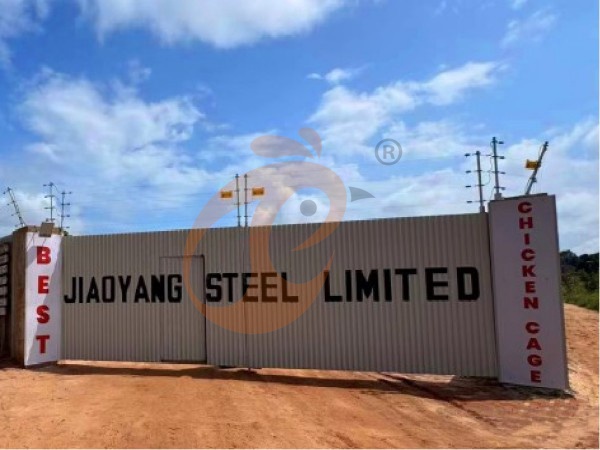
Tanzania Best Machinery And Equipment CO., LTD
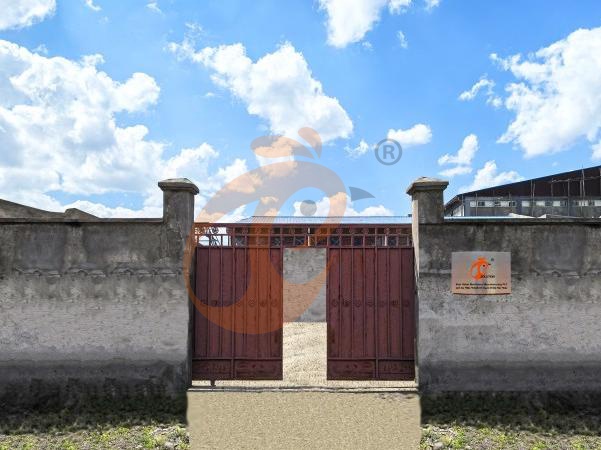
Ethiopia Best Hebei Machinery Manufacturing PLC
Reception /24 WhatsApp NO. : +8618830120193
FAQ
What Is The Typical Capacity Range Of Feed Mill Systems In Poultry Chicken Production?
Medium systems operate at 5–10 tons per hour for commercial poultry complexes above 50,000 birds.
Large industrial mills reach 15–25 tons per hour for integrated feed supply chains.
What Are The Key Mixing Uniformity Standards In Feed Mixer Systems For Poultry Chicken Feed?
Horizontal mixers maintain batch consistency within 3–6 minutes per cycle for complete ingredient integration.
Riboflavin tracer tests confirm homogeneity above 90% for high-performance poultry feed formulation.
What Grinding Particle Size Is Required In Feed Mill Systems For Poultry Chicken Diets?
Grower feed is processed to 1.5–2.0 mm to balance energy intake and gut development.
Finisher feed targets 2.5–3.0 mm to optimize feed conversion rate in broiler production cycles.
Message
Products recommended
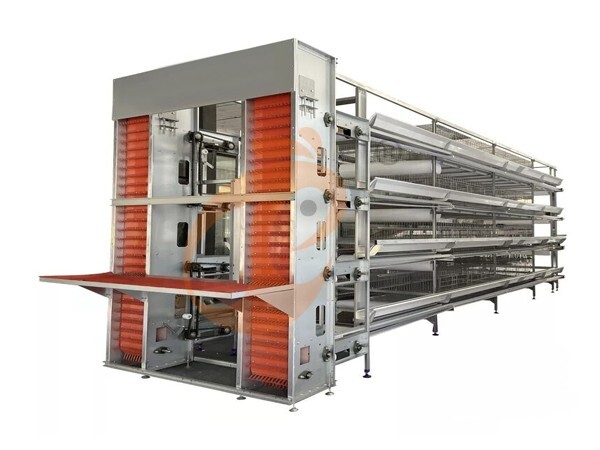
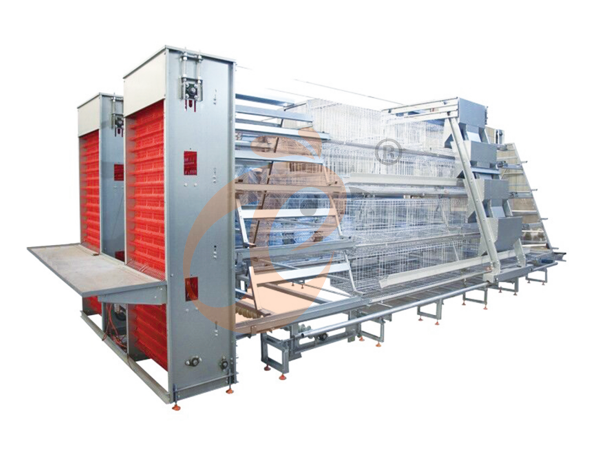
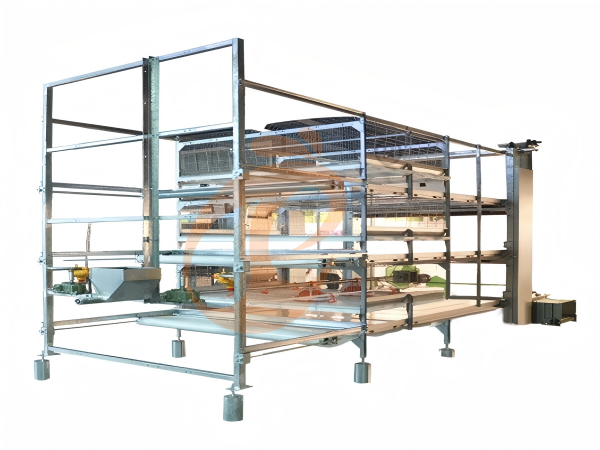
 >30,000 Pullets Automatic H Type Battery Cage1. More than 30,000 pullets a house, choose it.
2. It is designed to rearing older than 1 day old pullets to 12 to 16 weeks old chicken starting laying eggs.
3. Its lifespan is more than 25 years.
4. Its structure are Vcloud artificial intelligent fusion, electric control cabinet, automatic equipment of drinking, feeding, manure clean, manual harvesting.
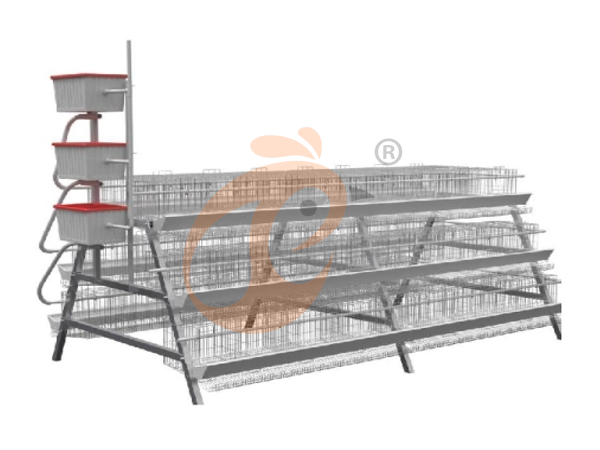
5. Our 24 hour online reception What’sApp NO. is +8618830120193 <30,000 Pullets Automatic A Type Battery Cage1. 10,000 to 30,000 pullets a house, choose it.
2. It is designed to rearing older than 1 day old pullets to 12 to 16 weeks old chicken starting laying eggs.
3. Its lifespan is more than 25 years.
4. Its structure are Vcloud artificial intelligent fusion, electric control cabinet, automatic equipment of drinking, feeding, manure clean, manual harvesting.
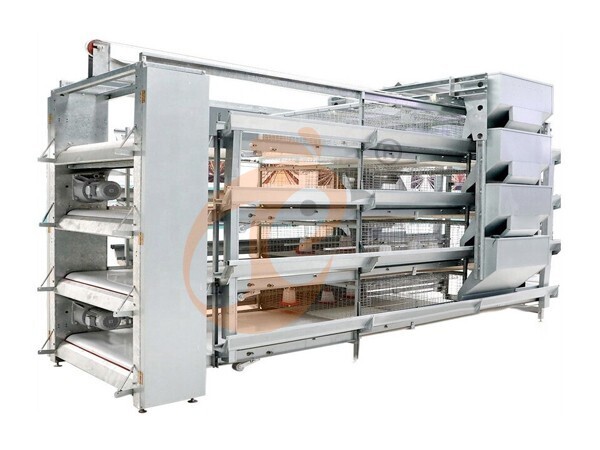
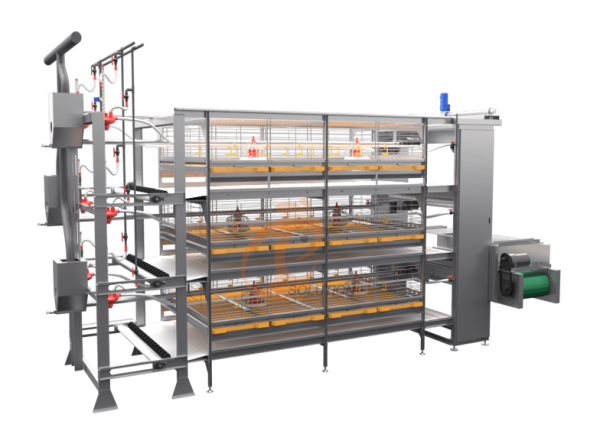
5. Our 24 hour online reception What’sApp NO. is +86 18830120193. >30,000 Broilers Semi-Automatic Harvest H Type Battery Cage1. More than 30,000 broilers a house, choose it.
2. It is designed to rearing 1 to 45 day old adult broiler ready for market.
3. Its lifespan is more than 20 years.
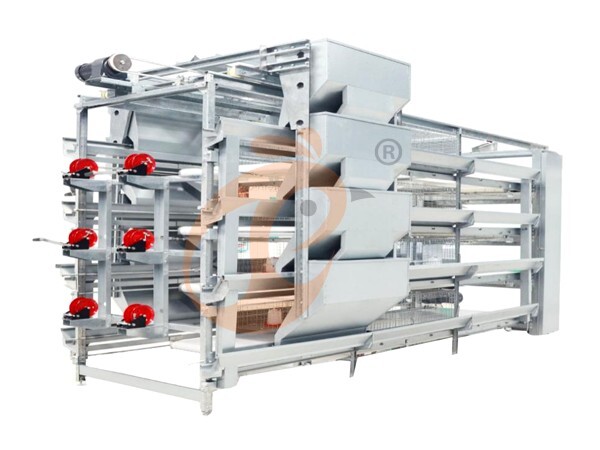
4. Our 24 hour online reception What’sApp NO. is +8618830120193, +234 8111199996. >30,000 Broilers Manual Harvest H Type Battery Cage1. More than 30,000 broilers a house, choose it.
2. It is designed to rearing 1 to 45 day old adult broiler ready for market.
3. Its lifespan is more than 20 years.
4. Its structure are Vcloud artificial intelligent fusion, electric control cabinet, automatic equipment of drinking, feeding and manure clean, manual harvesting.
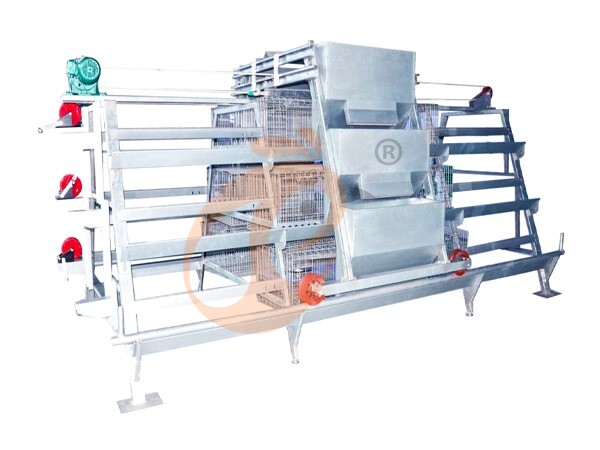
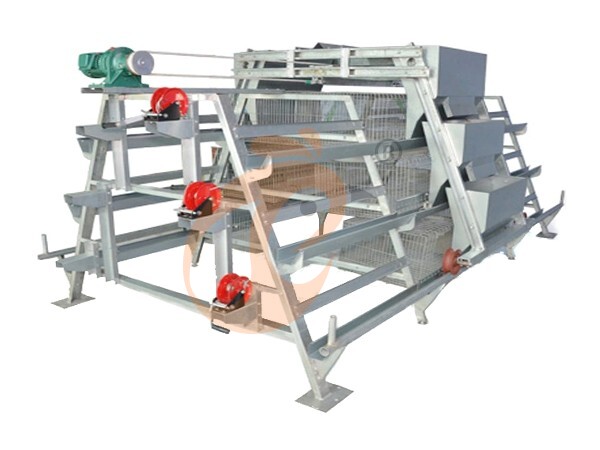
5. Our 24 hour online reception What’sApp NO. is +8618830120193, +234 8111199996. <30,000 Broilers Manual Harvest A Type Battery Cage1. Less 30,000 broilers a house, choose it.
2. It is designed to rearing 1 to 45 day old adult broiler ready for market.
3. Its lifespan is more than 20 years.
4. Its structure are Vcloud artificial intelligent fusion, electric control cabinet, automatic equipment of drinking, feeding and manure clean, manual harvesting.
5. Our 24 hour online reception What’sApp NO. is +8618830120193, +234 8111199996. HK Headquarter Offers EU-standard Poultry Farm Solutions, Manufacture Poultry Farm Equipment1. Continuous communication with the EU and the US
2. China, Nigeria, Ethiopia, Tanzania branch companies and factories
3. The products’ quality is customized for local poultry farms
4. Poultry cage and poultry farm equipment stock for sale
5. 24 online reception Whatsapp NO. : +8618830120193,contact us to get full information China Branch Offer Poultry Farm Business Plan, Manufacture Poultry Farm Equipment1. Address: Flat/RM 2416, 24/F, Runxing Building, Youyi Nan Street, Shijiazhuang City, Hebei Province, China
2. Poultry cage and poultry farm equipment factory and stock for sale
3. Customized for local poultry farms
4. Quality and design are based on Euro
5. 24 online reception Whatsapp NO. : +8618830120193 Nigeria Branch Offer Poultry Farm Business Plan, Manufacture Poultry Farm Equipment1. Address: After Sinoma Office, 200 Meters Near Danco Filling Station, Lagos/Ibadan Expressway, Lagos State, Nigeria
2. Poultry cage and poultry farm equipment factory and stock for sale
3. Customized for Nigerian poultry farms
4. Quality and design are based on Euro
5. 24 online reception Whatsapp NO. : +8618830120193 Ethiopia Branch Offer Poultry Farm Business Plan, Manufacture Poultry Farm Equipment1. Address: WR93+FQ2, Addis Ababa, Ethiopia
2. Poultry cage and poultry farm equipment stock for sale
3. Customized for Ethiopian poultry farms
4. Quality and design are based on Euro
5. 24 online reception Whatsapp NO. : +8618830120193, contact us to get price list Tanzania Branch Offer Poultry Farm Business Plan, Manufacture Poultry Farm Equipment1. Address: No.8, Sova Road, Msufini, Mlandizi, Kibaha, Pwani, Tanzania
2. Poultry cage and poultry farm equipment factory and stock for sale
3. Customized for Tanzanian poultry farms
4. Quality and design are based on Euro
5. 24 online reception Whatsapp NO. : +8618830120193


Contact
By clicking 'Allow All', you agree to the storage of cookies on your device to enhance site navigation, analyze site usage and assist with our marketing efforts.