


Blog
Poultry cage price variation in commercial poultry farming systems is determined by structural engineering, material specification, automation configuration, corrosion protection level, and logistics cost structure.
Steel wire diameter, frame thickness, and zinc coating mass directly affect service lifespan and replacement cycle cost.
Automation integration including feeding line, manure removal, and egg collection systems changes total investment structure significantly.
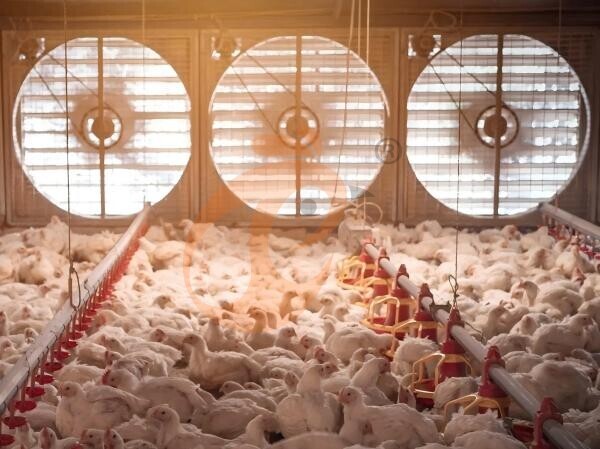
Environmental control parameters such as ventilation rate, humidity stability, and temperature range influence production efficiency and mortality rate.
Transport weight, container volume, and installation labor define final delivered project cost for poultry cage systems.
Get professional poultry farm construction guidance, equipment selection solutions, and the latest price lists, whatsApp to +8618830120193, click to learn more:
Poultry Cage Price Variation Engineering Factors
Poultry cage price variation engineering factors explain structural cost differences in poultry farm investment planning.
Data is for reference only.Swipe horizontally to view full table.
Steel consumption increases when wire diameter rises from 2.0 mm to 2.5 mm, directly affecting structural cost per poultry cage unit.
Galvanization Zinc Coating Cost Structure
Galvanization process defines corrosion resistance and long-term poultry cage durability performance.
Data is for reference only.Swipe horizontally to view full table.
Zinc coating mass from 60 g/m² to 350 g/m² determines poultry cage corrosion resistance cycle in humid farming environments.
Stocking Density And Poultry Cage Capacity Design
Stocking density defines poultry cage utilization efficiency and farm output per square meter.
Data is for reference only.Swipe horizontally to view full table.
Higher density poultry cage systems require reinforced structural support and increased steel consumption per house design.
Poultry Cage Automation System Investment Structure
Poultry cage automation system investment structure determines labor reduction and operational efficiency.
Data is for reference only.Swipe horizontally to view full table.
Fully automated poultry cage systems integrate multiple motor-driven components to reduce manual labor dependency.
Environmental Control Engineering In Poultry Cage Systems
Environmental control engineering maintains stable poultry production conditions inside poultry cage houses.
Data is for reference only.Swipe horizontally to view full table.
Poultry cage price variation engineering factors include ventilation integration cost and temperature control system installation.
Logistics Weight And Export Cost Distribution
Logistics weight directly influences poultry cage export pricing and container allocation planning.
Data is for reference only.Swipe horizontally to view full table.
Shipping cost per container varies between USD 1,200 and USD 6,500 European union standard reference only depending on route and season conditions.
Labor Cost Efficiency In Poultry Cage Operation Systems
Labor cost structure varies based on poultry cage automation level and farm scale design.
Data is for reference only.Swipe horizontally to view full table.
Labor cost reduction improves long-term poultry cage investment efficiency in commercial production cycles.
Scientific Production Efficiency In Poultry Cage Systems
Poultry cage design directly influences feed conversion ratio, mortality rate, and egg production stability.
Data is for reference only.Swipe horizontally to view full table.
Improved poultry cage engineering increases production efficiency and reduces biological loss rate per cycle.
Poultry Cage Supply Chain Cost Composition
Poultry cage price variation engineering factors include supplier structure and distribution channel cost differences.
Data is for reference only.Swipe horizontally to view full table.
Distribution structure changes final poultry cage quotation without altering technical configuration.
Frequently Asked Questions
Q1: What determines poultry cage price difference in farms?
Poultry cage price difference is determined by steel specification, zinc coating mass, automation system configuration, environmental control engineering, and logistics structure.
Each parameter influences service life, labor requirement, and production efficiency.
Combined technical variation creates final quotation differences across suppliers.
Q2: Why does steel thickness affect poultry cage cost?
Steel thickness affects total steel weight per cage unit, structural load capacity, and deformation resistance during long-term operation.
Increased thickness from 1.2 mm to 2.0 mm raises material consumption and welding workload, directly increasing manufacturing cost per poultry cage system.
Q3: Is automation investment worth in poultry cage systems?
Automation investment reduces feeding labor, manure cleaning labor, and egg collection labor. Reduced labor dependency lowers long-term operational cost while improving production consistency.
Initial investment increases, but multi-cycle farm operation efficiency improves significantly.
Taiyu (HK) Group - One Of China Largest Poultry Cage Equipment Manufacturer
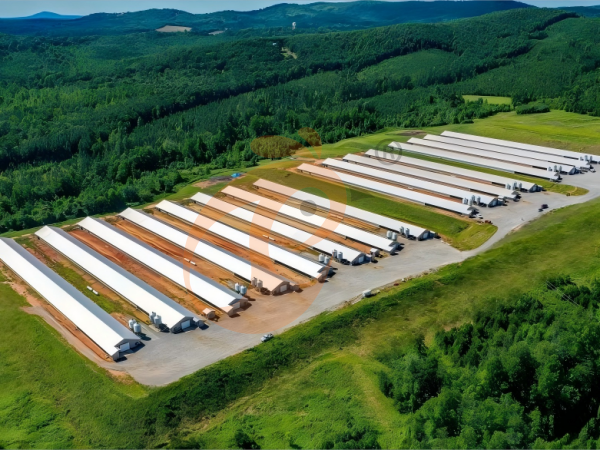
Poultry cage system covers layer cage, broiler cage, breeder cage with full automatic feeding, egg collection, manure removal engineering design for commercial poultry farming projects worldwide.
Global factory direct supply reduces intermediate cost structure and ensures stable poultry equipment production quality for large scale poultry farm investment projects.
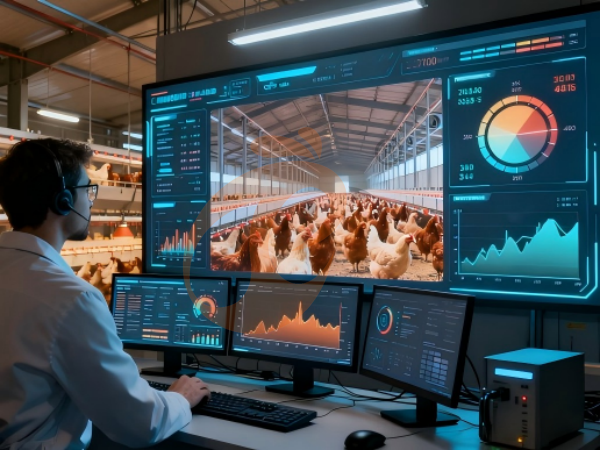
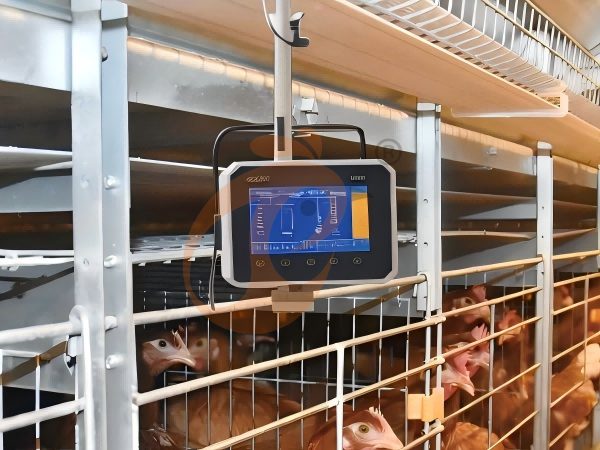
Turn-key poultry farming engineering provides house design, cage installation, ventilation system integration, and automatic control system commissioning services.
Poultry equipment manufacturing standard includes galvanized steel structure, high precision welding, and corrosion resistance treatment for long service life operation.
Export service network supports poultry cage shipment, technical guidance, and on-site installation support for international poultry farming customers.
Contact Us To Received Your Customized Poultry Farm Plan
Headquarters And Branchs

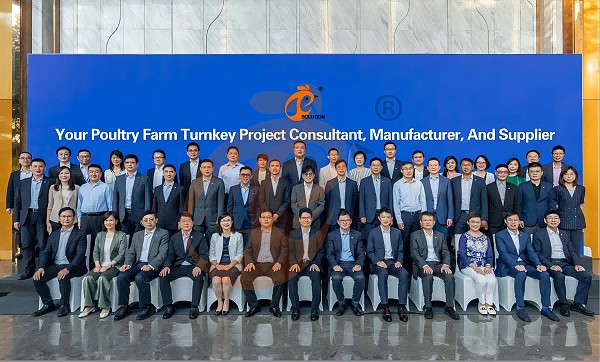
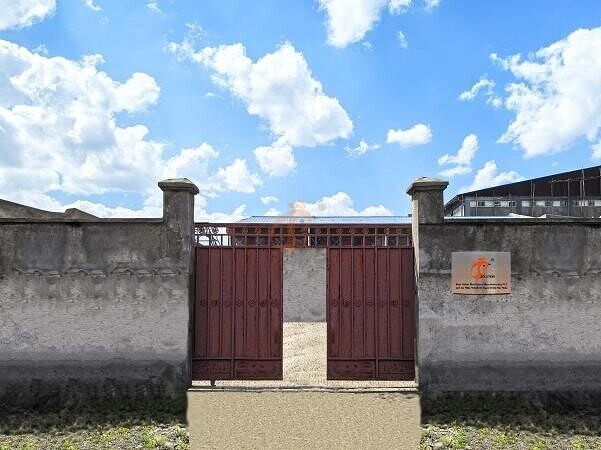
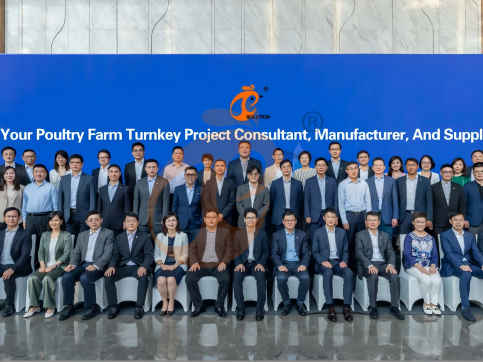
Hong Kong Headquarter Management Team
Hong Kong Headquarter Taiyu Industrial Group CO., LTD
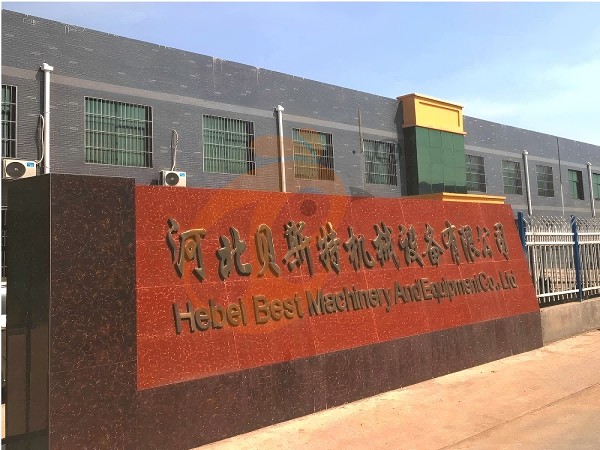
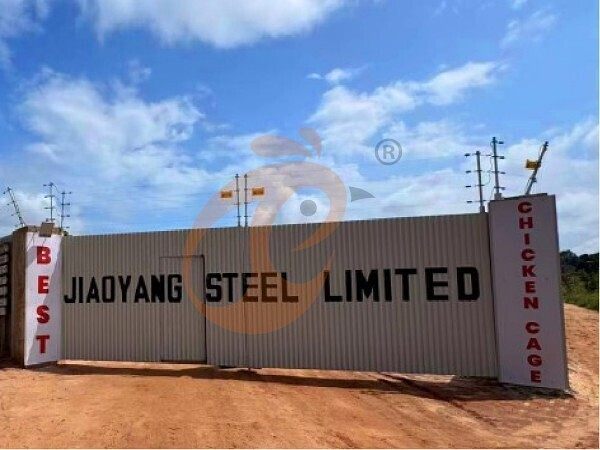
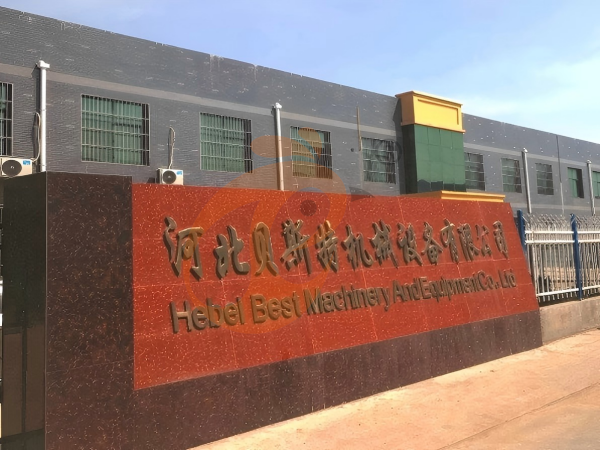
China Hebei Best Machinery And Equipment CO., LTD
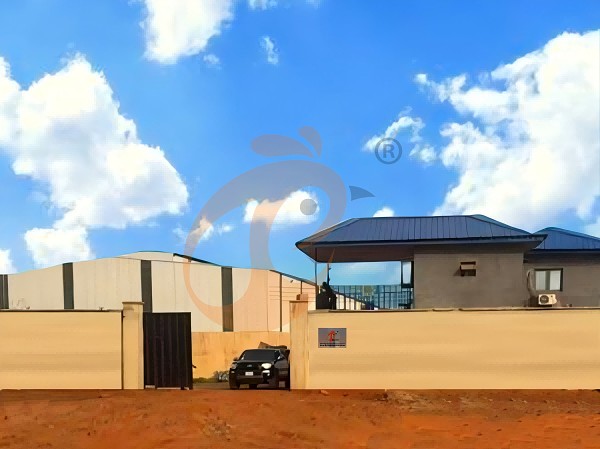
Nigeria Vanke Machinery And Equipment CO., LTD
Tanzania Best Machinery And Equipment CO., LTD
Ethiopia Best Hebei Machinery Manufacturing PLC
Reception /24 WhatsApp NO. : +8618830120193
FAQ
What Are The Top Recommendations For Egg Quality Management In Battery Cage Systems?
Keep conveyor belts clean to avoid breakage and contamination.
Egg production: 90–98%, breakage rate: 2–3%.
How To Optimize Lighting And Ventilation For Maximum Egg Production In Poultry Cages?
Combine roof exhaust and side-wall intake for ventilation, temperature 18–25℃, humidity 50–70%.
Egg production can reach 90–98%, breakage rate <3%.
How To Implement Advanced Manure Removal Systems In Layer Cage Farms?
Reduces manual labor by 50–70%, maintains house hygiene, and lowers disease risk.
- poultry farm
- broiler cage
- layer cage
- poultry cage
- cage
- poultry farm construction
- poultry cage design
- poultry cage system
- poultry cage equipment
- poultry cage price
- poultry cage cost
- poultry cage quotation
- broiler cage system
- poultry farm investment
- poultry cage automation
- poultry cage house
- poultry cage expo
- poultry equipment
- egg collection system
- chickencage
- bestchickencage
- cage system
- h type
- cage systems
- Nigeria
- poultry farming
- poultry cage systems
- cage design
- poultry farm plan
- automated poultry cage system
- poultry farming system
- Ethiopia
Message
Products recommended
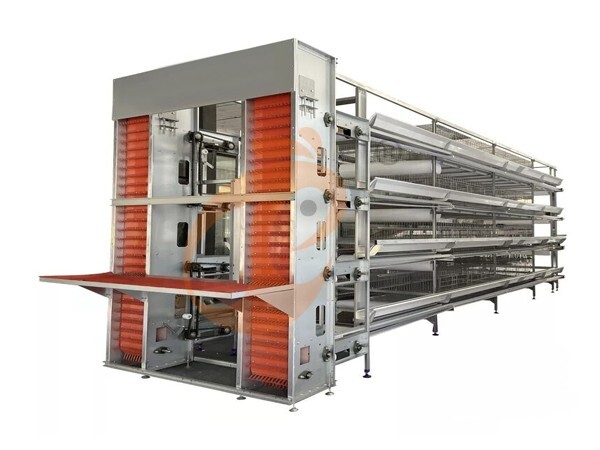
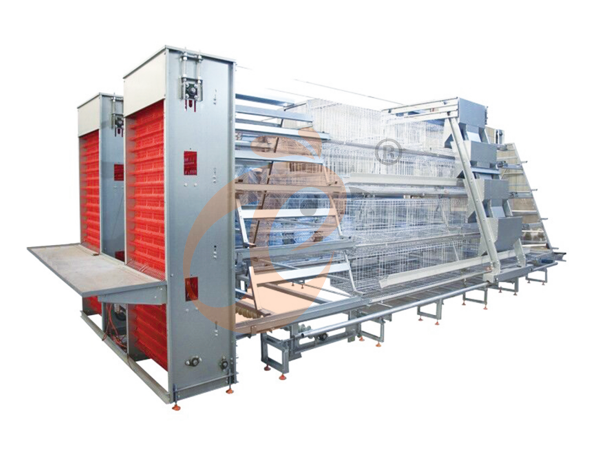
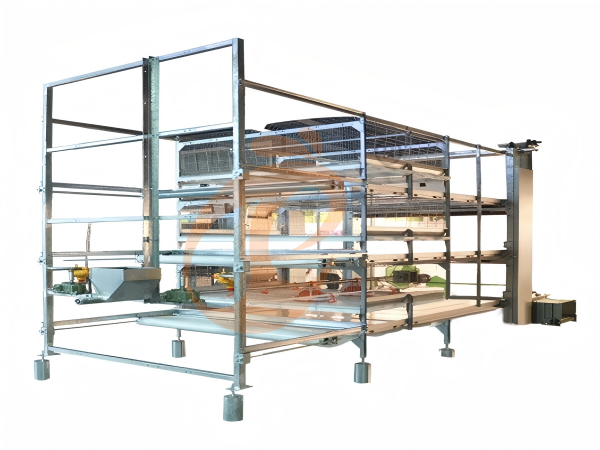
 >30,000 Pullets Automatic H Type Battery Cage1. More than 30,000 pullets a house, choose it.
2. It is designed to rearing older than 1 day old pullets to 12 to 16 weeks old chicken starting laying eggs.
3. Its lifespan is more than 25 years.
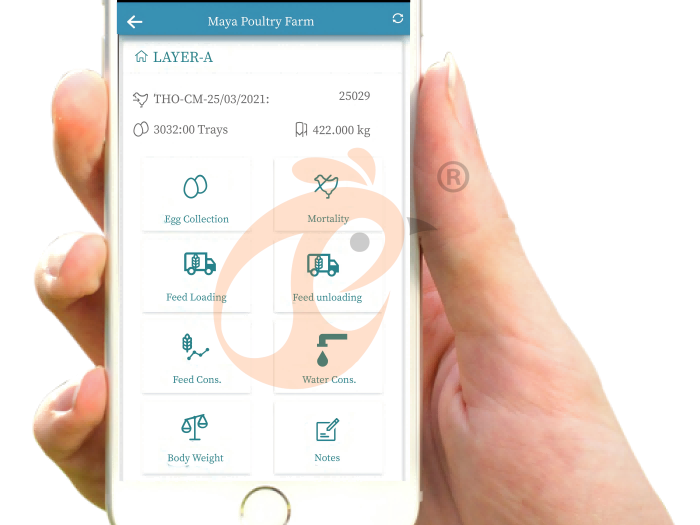
4. Its structure are Vcloud artificial intelligent fusion, electric control cabinet, automatic equipment of drinking, feeding, manure clean, manual harvesting.
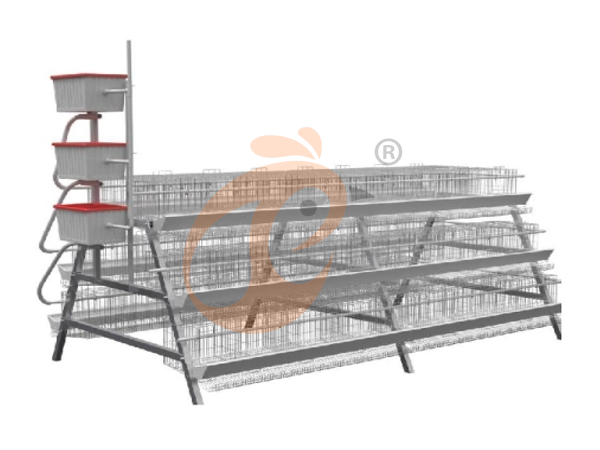
5. Our 24 hour online reception What’sApp NO. is +8618830120193 <30,000 Pullets Automatic A Type Battery Cage1. 10,000 to 30,000 pullets a house, choose it.
2. It is designed to rearing older than 1 day old pullets to 12 to 16 weeks old chicken starting laying eggs.
3. Its lifespan is more than 25 years.
4. Its structure are Vcloud artificial intelligent fusion, electric control cabinet, automatic equipment of drinking, feeding, manure clean, manual harvesting.
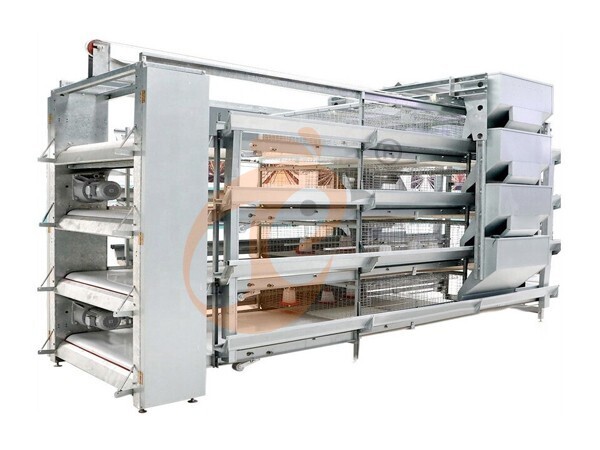
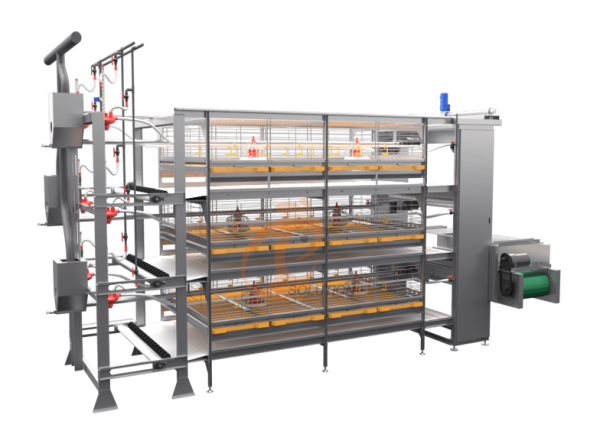
5. Our 24 hour online reception What’sApp NO. is +86 18830120193. >30,000 Broilers Semi-Automatic Harvest H Type Battery Cage1. More than 30,000 broilers a house, choose it.
2. It is designed to rearing 1 to 45 day old adult broiler ready for market.
3. Its lifespan is more than 20 years.
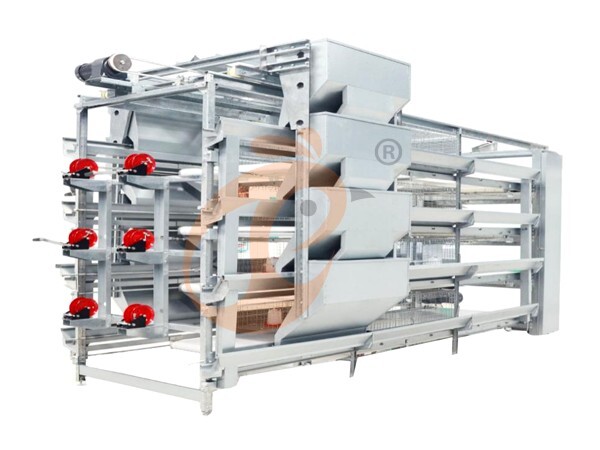
4. Our 24 hour online reception What’sApp NO. is +8618830120193, +234 8111199996. >30,000 Broilers Manual Harvest H Type Battery Cage1. More than 30,000 broilers a house, choose it.
2. It is designed to rearing 1 to 45 day old adult broiler ready for market.
3. Its lifespan is more than 20 years.
4. Its structure are Vcloud artificial intelligent fusion, electric control cabinet, automatic equipment of drinking, feeding and manure clean, manual harvesting.
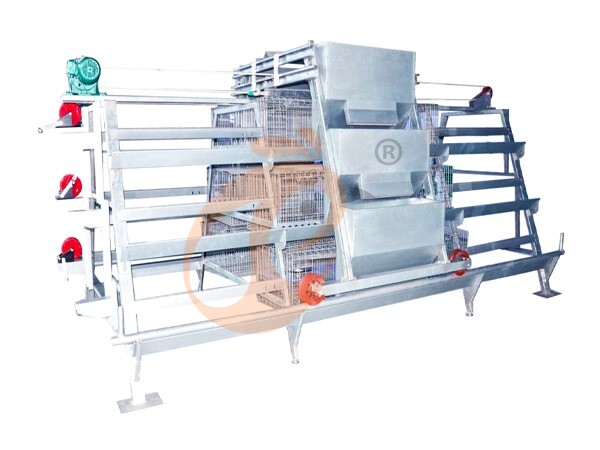
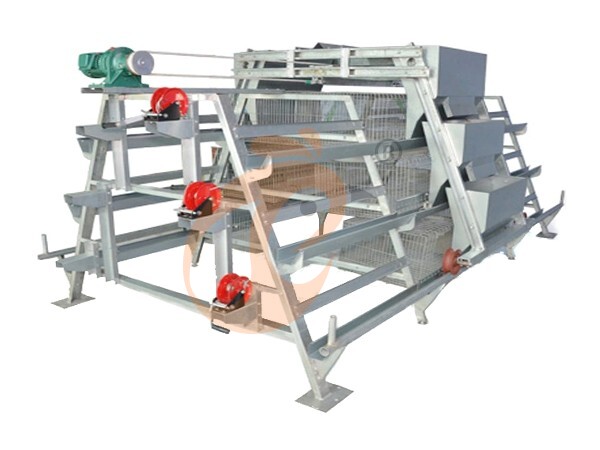
5. Our 24 hour online reception What’sApp NO. is +8618830120193, +234 8111199996. <30,000 Broilers Manual Harvest A Type Battery Cage1. Less 30,000 broilers a house, choose it.
2. It is designed to rearing 1 to 45 day old adult broiler ready for market.
3. Its lifespan is more than 20 years.
4. Its structure are Vcloud artificial intelligent fusion, electric control cabinet, automatic equipment of drinking, feeding and manure clean, manual harvesting.
5. Our 24 hour online reception What’sApp NO. is +8618830120193, +234 8111199996. HK Headquarter Offers EU-standard Poultry Farm Solutions, Manufacture Poultry Farm Equipment1. Continuous communication with the EU and the US
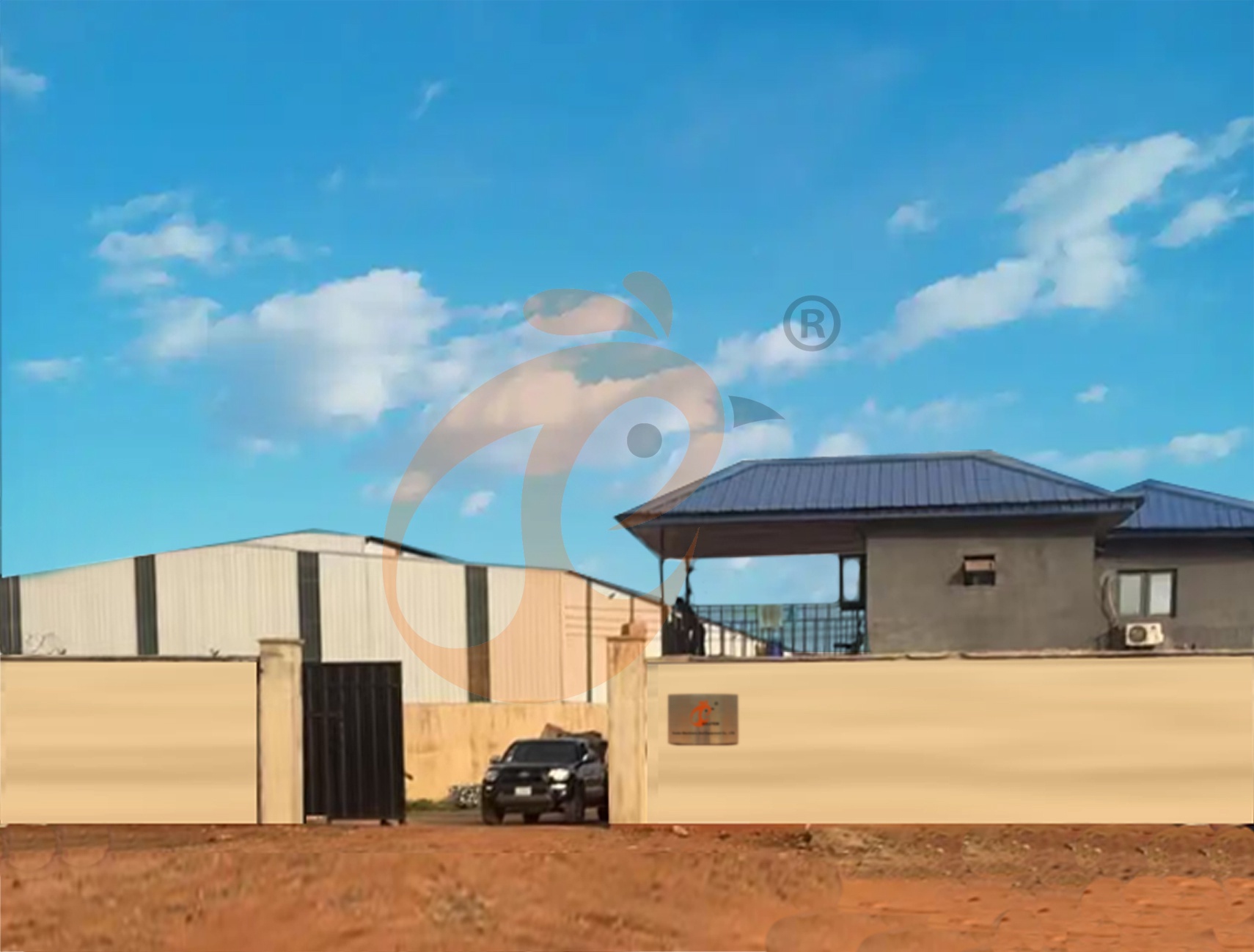
2. China, Nigeria, Ethiopia, Tanzania branch companies and factories
3. The products’ quality is customized for local poultry farms
4. Poultry cage and poultry farm equipment stock for sale
5. 24 online reception Whatsapp NO. : +8618830120193,contact us to get full information China Branch Offer Poultry Farm Business Plan, Manufacture Poultry Farm Equipment1. Address: Flat/RM 2416, 24/F, Runxing Building, Youyi Nan Street, Shijiazhuang City, Hebei Province, China
2. Poultry cage and poultry farm equipment factory and stock for sale
3. Customized for local poultry farms
4. Quality and design are based on Euro
5. 24 online reception Whatsapp NO. : +8618830120193 Nigeria Branch Offer Poultry Farm Business Plan, Manufacture Poultry Farm Equipment1. Address: After Sinoma Office, 200 Meters Near Danco Filling Station, Lagos/Ibadan Expressway, Lagos State, Nigeria
2. Poultry cage and poultry farm equipment factory and stock for sale
3. Customized for Nigerian poultry farms
4. Quality and design are based on Euro
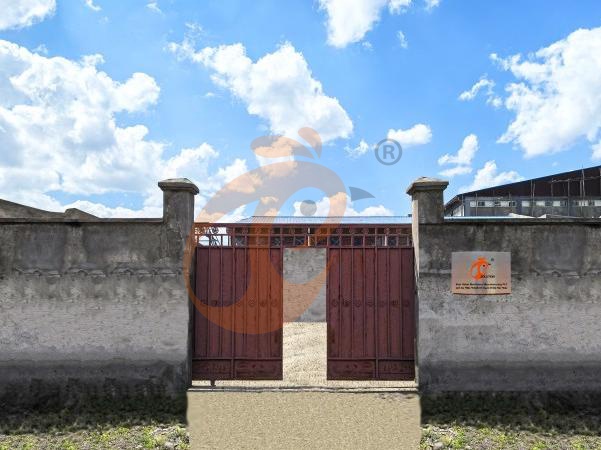
5. 24 online reception Whatsapp NO. : +8618830120193 Ethiopia Branch Offer Poultry Farm Business Plan, Manufacture Poultry Farm Equipment1. Address: WR93+FQ2, Addis Ababa, Ethiopia
2. Poultry cage and poultry farm equipment stock for sale
3. Customized for Ethiopian poultry farms
4. Quality and design are based on Euro
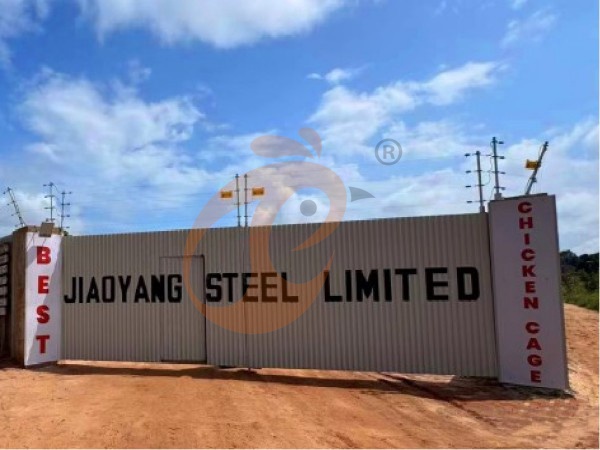
5. 24 online reception Whatsapp NO. : +8618830120193, contact us to get price list Tanzania Branch Offer Poultry Farm Business Plan, Manufacture Poultry Farm Equipment1. Address: No.8, Sova Road, Msufini, Mlandizi, Kibaha, Pwani, Tanzania
2. Poultry cage and poultry farm equipment factory and stock for sale
3. Customized for Tanzanian poultry farms
4. Quality and design are based on Euro
5. 24 online reception Whatsapp NO. : +8618830120193


Contact
By clicking 'Allow All', you agree to the storage of cookies on your device to enhance site navigation, analyze site usage and assist with our marketing efforts.