


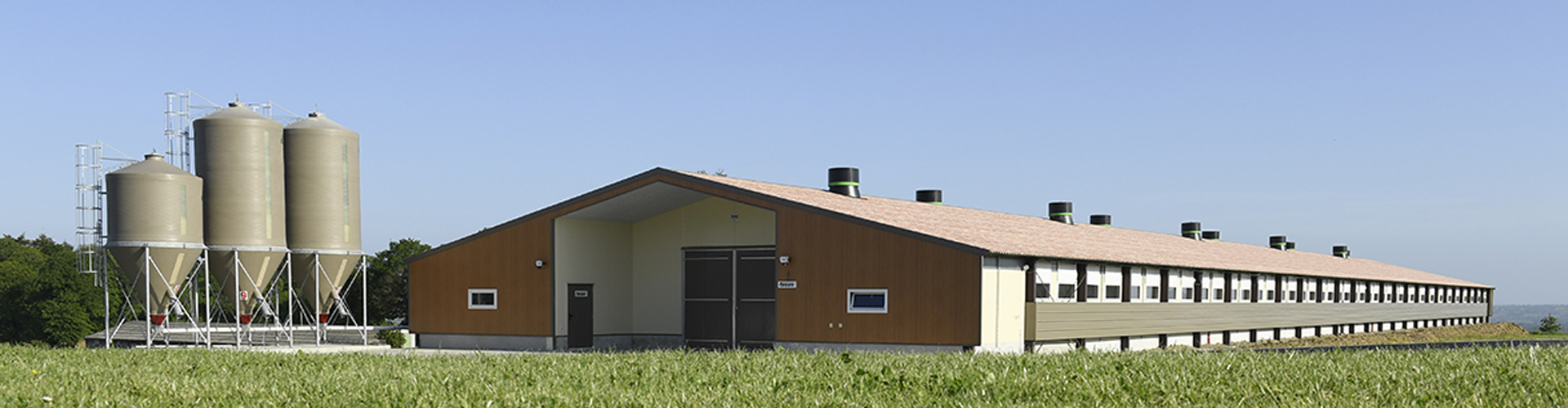
Blog
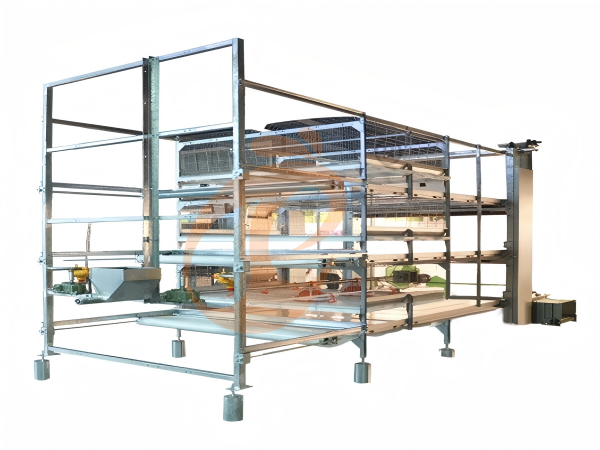
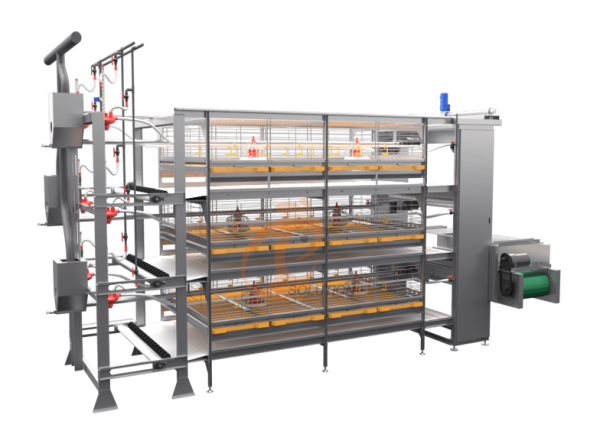
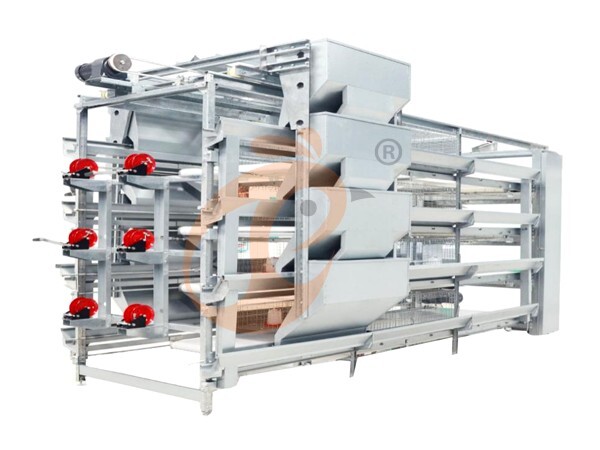
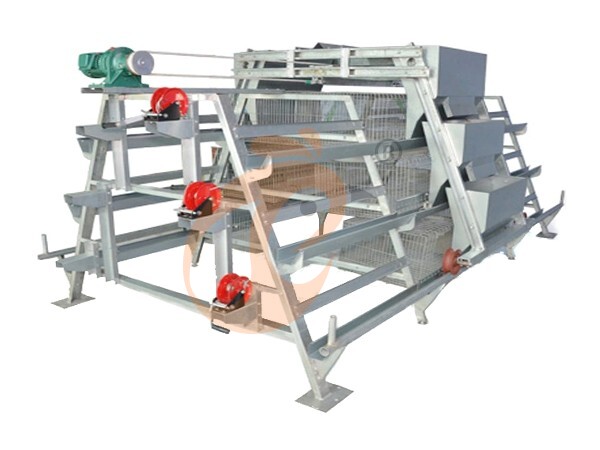
Galvanized H type chicken cage systems provide durable housing solutions for intensive layer production and long-term poultry farm development.
Hot-dip galvanized steel structures improve corrosion resistance under high-humidity and ammonia-rich poultry house operating environments.
Multi-tier cage configurations increase bird capacity while maximizing utilization of available building volume and production resources.
Automatic feeding, drinking, egg collection, and manure removal systems support efficient management and stable flock performance.
Long service life, reduced maintenance requirements, and compatibility with commercial poultry farming equipment investment strategies support sustainable poultry production planning.
Get professional poultry farm construction guidance, equipment selection solutions, and the latest price lists, whatsApp to +8618830120193, click to learn more:
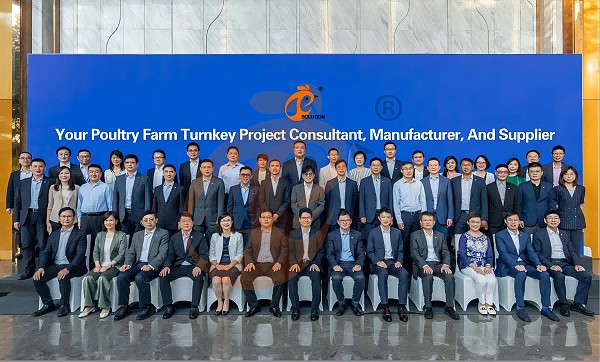
Understanding The Structure Of Galvanized H Type Chicken Cages
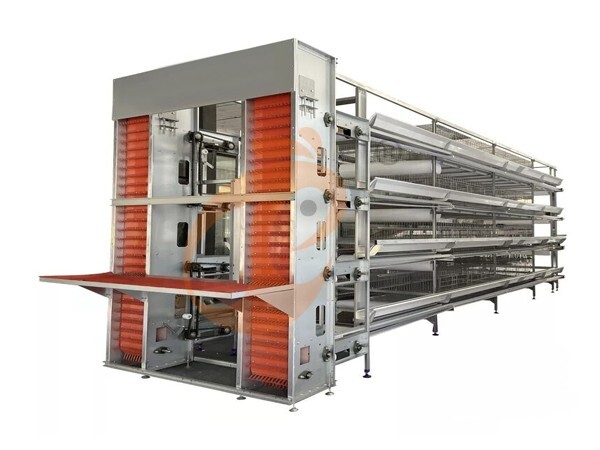
An H type chicken cage system is a multi-tier cage arrangement that allows farmers to raise a significantly larger number of birds within the same building footprint.
The structure is typically installed in enclosed poultry houses and integrated with automatic feeding, drinking, manure removal, and egg collection systems.
The design takes advantage of vertical space rather than relying solely on floor area, enabling higher stocking capacities without requiring additional land.
Data is for reference only. Swipe horizontally to view full table.
These dimensions are commonly adopted by commercial layer farms because they balance bird comfort, productivity, and equipment efficiency.
Hot-Dip Galvanization Significantly Extends Service Life
The most important feature of galvanized H type cages is the protective zinc coating applied through hot-dip galvanization.
According to corrosion engineering studies, a hot-dip galvanized coating with a zinc layer thickness of 80-100 μm can provide effective corrosion protection for more than 25 years in agricultural environments where humidity and ammonia levels are present.
Poultry houses contain moisture, manure gases, and dust particles that accelerate steel degradation.
Without proper protection, ordinary steel structures may show visible corrosion within a few years.
Data is for reference only. Swipe horizontally to view full table.
This protective layer reduces exposure of the base steel to oxygen and moisture, which are the primary causes of rust formation.
Why Zinc Protects Steel
Zinc protects steel through a process known as sacrificial protection.
When moisture reaches a galvanized surface, zinc reacts before steel does.
Because zinc has a lower electrochemical potential than iron, zinc corrodes first and forms a protective barrier that slows further degradation.
Even if minor scratches occur during operation, surrounding zinc continues protecting exposed steel surfaces.
In practical poultry farming conditions, this protection mechanism greatly extends equipment lifespan and reduces replacement frequency.
Higher Bird Capacity Creates Better Economic Returns
One of the biggest reasons poultry investors choose H type cages is the ability to increase bird numbers within existing buildings.
For example, a poultry house measuring 100 meters long and 15 meters wide has a floor area of 1,500 m².
Depending on the number of tiers installed, the housing capacity can increase dramatically compared with traditional systems.
Data is for reference only. Swipe horizontally to view full table.
Increasing housing density without purchasing additional land allows farms to improve overall return on infrastructure investment.
Reduced Maintenance Costs Over Time
Equipment maintenance is a major expense on poultry farms.
Rust damage can weaken cage structures, increase repair frequency, and create sharp surfaces that may injure birds.
Galvanized cages minimize these issues.
Field reports from commercial layer farms show that galvanized cage systems require substantially fewer replacement components over a 15-year operating period compared with painted steel alternatives.
Data is for reference only. Swipe horizontally to view full table.
Lower replacement demand directly translates into reduced maintenance expenditure and fewer production interruptions.
Automation Compatibility Improves Daily Farm Efficiency
Modern poultry farms increasingly rely on automation to address labor shortages and improve management consistency.
Galvanized H type chicken cage systems are designed to integrate with a complete range of automated equipment.
Common automation systems include
- Automatic feeding lines
- Nipple drinking systems
- Automatic egg collection belts
- Manure removal belts
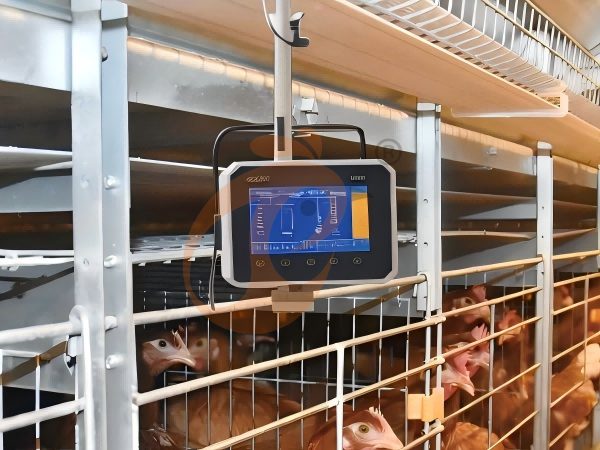
- Environmental monitoring equipment
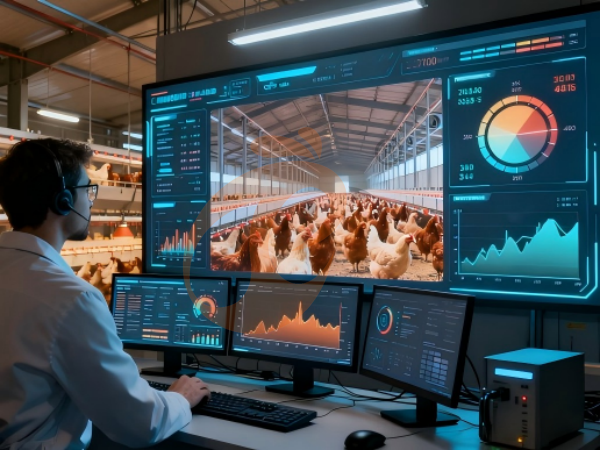
Many large-scale farms combine automatic layer cage system technology with intelligent management systems to improve operational consistency.
Data is for reference only. Swipe horizontally to view full table.
The ability to automate these routine tasks allows farm managers to focus more on flock health and production performance.
Improved Egg Collection Efficiency
Egg damage represents a direct financial loss for layer farms.
The H type cage system is equipped with sloped cage floors that gently roll eggs toward collection belts.
This design reduces handling and minimizes breakage.
Commercial farms using automated egg collection systems often report significantly lower egg loss percentages compared with manual collection methods.
Data is for reference only. Swipe horizontally to view full table.
These figures contribute directly to higher marketable egg output.
Better Waste Management Supports Poultry Health
Manure management is one of the most important aspects of poultry house sanitation.
Accumulated manure produces ammonia, which can negatively affect respiratory health and laying performance.
H type cage systems use manure belts positioned beneath each tier to remove waste regularly.
Research conducted in commercial poultry operations has shown measurable reductions in ammonia concentration when manure is removed frequently.
Data is for reference only. Swipe horizontally to view full table.
Industry recommendations generally suggest maintaining ammonia concentrations below 20 ppm to support bird health and worker comfort.
Ventilation Performance In Multi-Tier Housing
Proper ventilation is critical for maintaining temperature, humidity, and oxygen levels inside poultry houses.
The open design of galvanized H type cages allows airflow to move efficiently through multiple cage rows, helping maintain a stable environment.
Data is for reference only. Swipe horizontally to view full table.
Maintaining these conditions helps optimize laying performance and feed conversion efficiency.
Labor Savings Become More Significant Every Year
Labor expenses continue rising in many poultry-producing regions.
Automated H type cage systems substantially reduce manpower requirements by centralizing routine management tasks.
A farm housing 60,000 layers can often operate with far fewer workers than would be required under traditional housing systems.
Data is for reference only. Swipe horizontally to view full table.
Reducing labor demand improves operational efficiency while helping farms manage workforce challenges.
Long-Term Structural Stability
Commercial poultry houses operate continuously for many years.
Equipment must withstand daily loading, cleaning, vibration, and environmental exposure.
The structural frames used in galvanized H type cages are manufactured from high-strength steel materials capable of supporting substantial loads.
Data is for reference only. Swipe horizontally to view full table.
These specifications help ensure long-term operational reliability even in intensive production environments.
Sustainability Benefits For Modern Poultry Farms
Sustainability is increasingly important for poultry producers seeking efficient resource utilization.
Because galvanized H type cages remain in service for decades, fewer raw materials are required for equipment replacement.
Automated feeding and watering systems also help reduce resource waste.
A well-designed cage system supports:
More efficient feed delivery
Reduced water loss
Improved manure collection
Lower equipment replacement rates
Better utilization of building space
These advantages contribute to both economic and environmental sustainability.
Frequently Asked Questions
Q1: What is the expected service life of a galvanized H type chicken cage?
Under normal poultry house operating conditions, hot-dip galvanized structures commonly achieve 25+ years of service life.
Proper ventilation management and regular equipment inspection further support structural durability and operational stability.
Q2: How many layers can be raised in an H type cage house?
Capacity depends on cage tier quantity, building dimensions, and local stocking standards.
A 1,500 m² poultry house equipped with an 8-tier configuration may accommodate approximately 84,000 laying hens.
Q3: Can automatic equipment be integrated with H type cage systems?
Yes.
Automatic feeding, nipple drinking, manure removal, egg collection, and environmental control systems are commonly integrated into commercial installations.
Integrated management improves labor efficiency, production consistency, and daily farm operation performance.
Taiyu (HK) Group - One Of China Largest Galvanized H Type Chicken Cage Manufacturer
Professional galvanized H type chicken cage solutions designed for modern commercial layer farming projects worldwide.
Factory-direct poultry equipment supply supports stable quality control and competitive project investment planning.
Complete poultry cage systems available for small, medium, and large-scale layer farm operations.
Professional Turn-key poultry farm engineering services support efficient installation and rapid project commissioning.
Export experience covers Africa, Asia, Middle East, South America, and other developing poultry markets.
Contact Us To Received Your Customized Poultry Farm Plan
Headquarters And Branchs

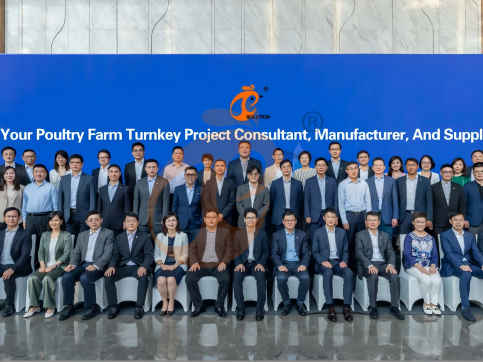
Hong Kong Headquarter Management Team
Hong Kong Headquarter Taiyu Industrial Group CO., LTD
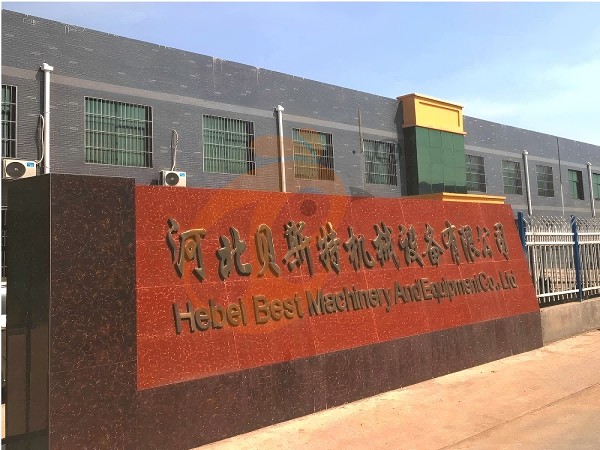
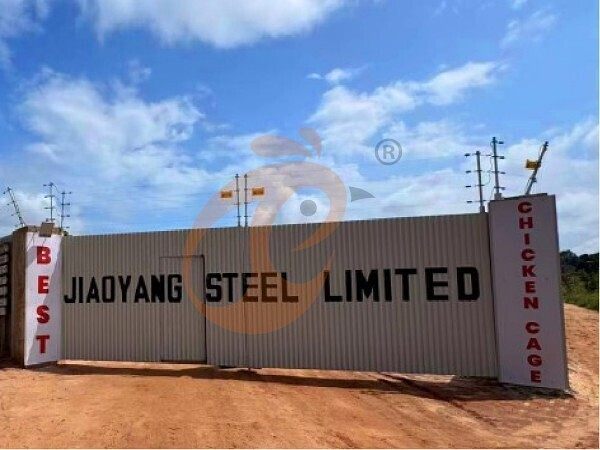
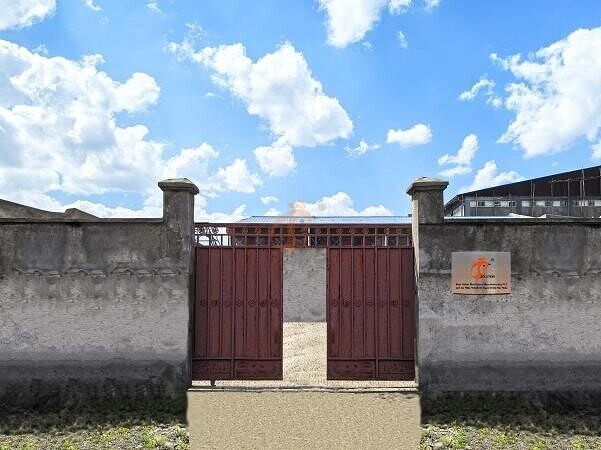
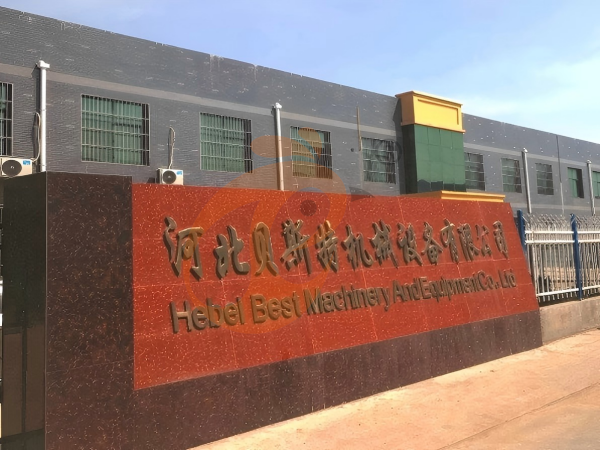
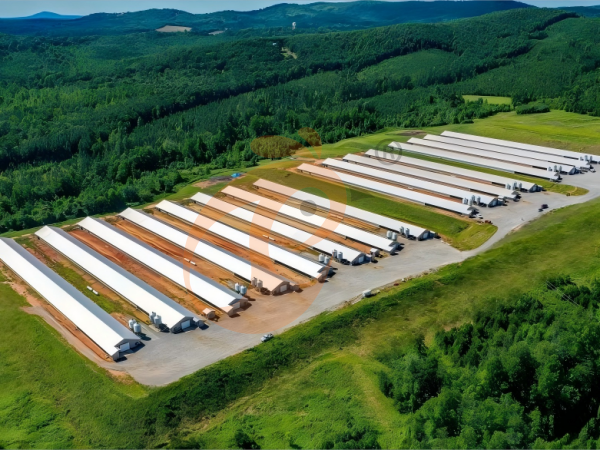
China Hebei Best Machinery And Equipment CO., LTD
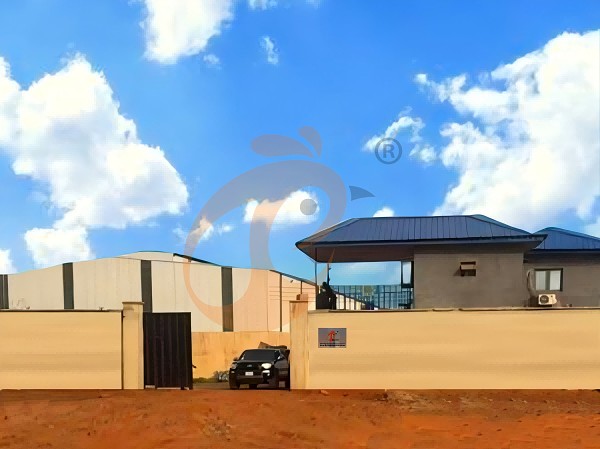
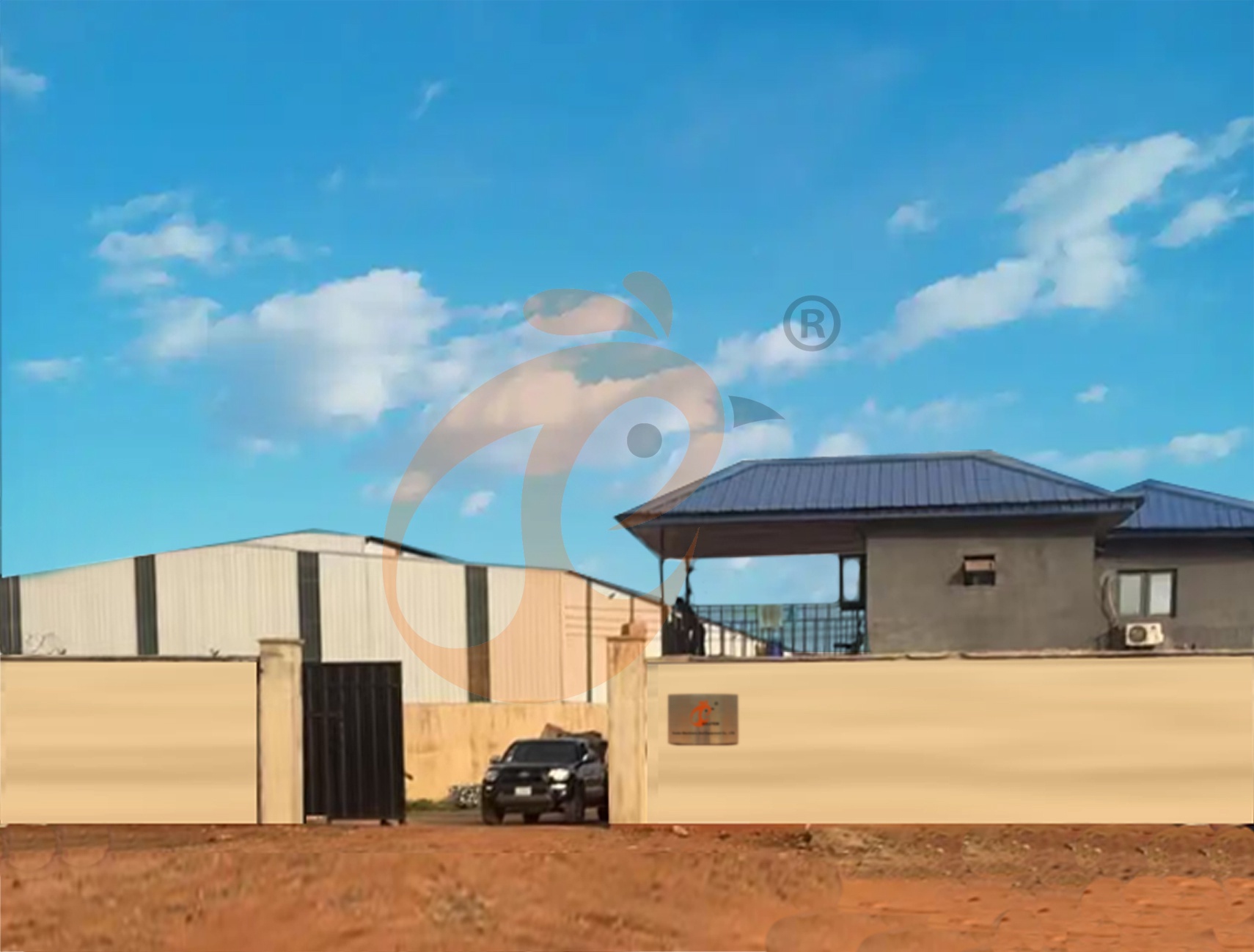
Nigeria Vanke Machinery And Equipment CO., LTD
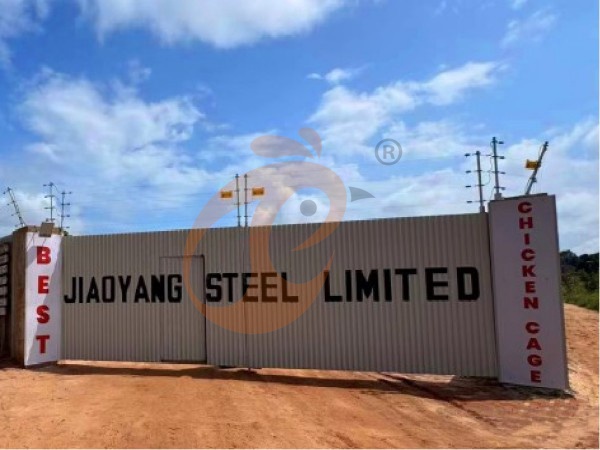
Tanzania Best Machinery And Equipment CO., LTD
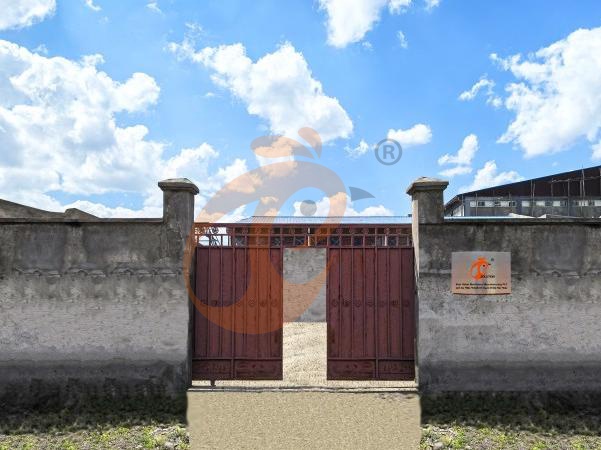
Ethiopia Best Hebei Machinery Manufacturing PLC
Reception /24 WhatsApp NO. : +8618830120193
FAQ
What Are The Recommended Stocking Densities For H-Type Chicken Cage?
Multi-tier: 4–16 levels
Farm capacity per house: 30,000 - 100,000+0 birds
Floor space saved: 3–4 times
Labor savings: 70-90%
How To Reduce Mortality Rate In H-Type Battery Cage System?
Uniform lighting reduces stress
Regular cleaning and disinfection
Mortality rate reduced to 2–3%
Egg production rate 90–98%
How To Optimize Feeding Behavior In H-Type Layer Cage System?
Provide enough feeders per tier
Adequate water points
FCR reduced to 1.9–2.1
Egg production rate: 90-98%
- poultry farm
- chicken cage
- poultry farms
- layer cage
- automatic layer cage
- poultry house
- poultry cage
- cage
- galvanized cage
- poultry farm construction
- layer cage system
- poultry cage system
- poultry farming equipment
- chicken cage manufacturer
- chicken cage system
- poultry equipment
- manure removal system
- egg collection system
- chicken cages
- h type chicken cage
- automatic layer cage system
- chickencage
- h type cage
- bestchickencage
- cage system
- galvanized cages
- h type
- cage systems
- h type cages
- Nigeria
- automated egg collection
- layer farm
- modern poultry farms
- poultry farming
- poultry cage systems
- cage manufacturer
- modern poultry farm
- poultry farm development
- poultry house sanitation
- automatic egg collection
- galvanized cage system
- chicken cage solution
- poultry farm plan
- Ethiopia
Message
Products recommended
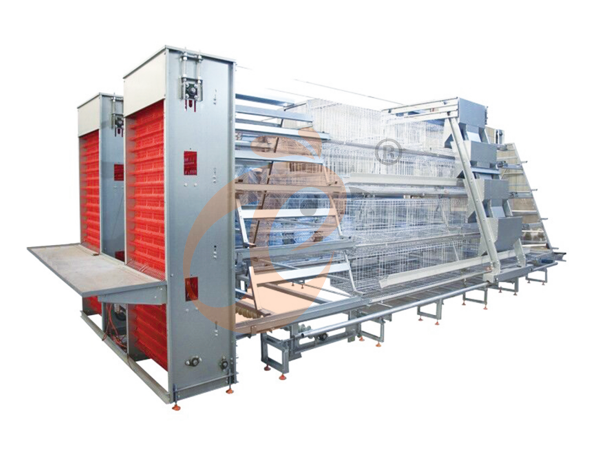
 >30,000 Pullets Automatic H Type Battery Cage1. More than 30,000 pullets a house, choose it.
2. It is designed to rearing older than 1 day old pullets to 12 to 16 weeks old chicken starting laying eggs.
3. Its lifespan is more than 25 years.
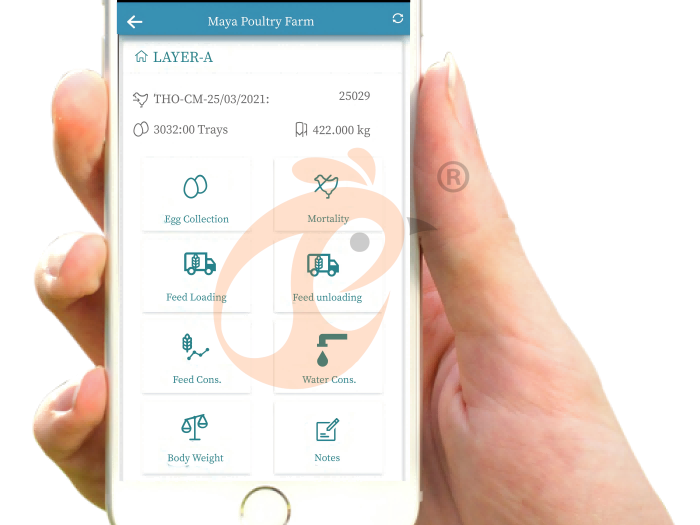
4. Its structure are Vcloud artificial intelligent fusion, electric control cabinet, automatic equipment of drinking, feeding, manure clean, manual harvesting.
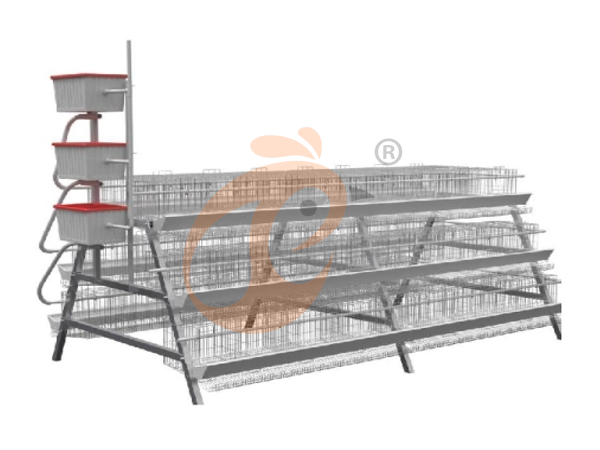
5. Our 24 hour online reception What’sApp NO. is +8618830120193 <30,000 Pullets Automatic A Type Battery Cage1. 10,000 to 30,000 pullets a house, choose it.
2. It is designed to rearing older than 1 day old pullets to 12 to 16 weeks old chicken starting laying eggs.
3. Its lifespan is more than 25 years.
4. Its structure are Vcloud artificial intelligent fusion, electric control cabinet, automatic equipment of drinking, feeding, manure clean, manual harvesting.
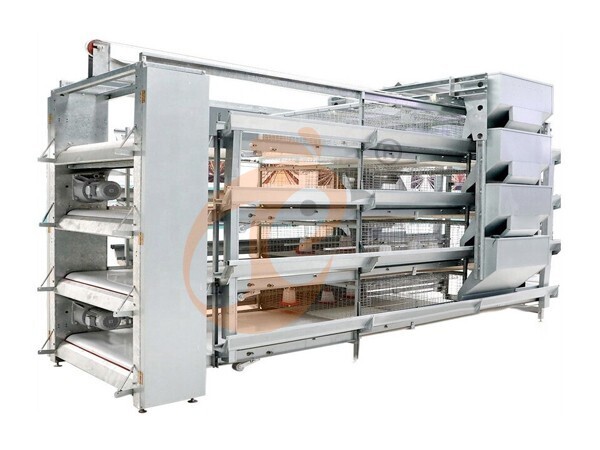
5. Our 24 hour online reception What’sApp NO. is +86 18830120193. >30,000 Broilers Semi-Automatic Harvest H Type Battery Cage1. More than 30,000 broilers a house, choose it.
2. It is designed to rearing 1 to 45 day old adult broiler ready for market.
3. Its lifespan is more than 20 years.
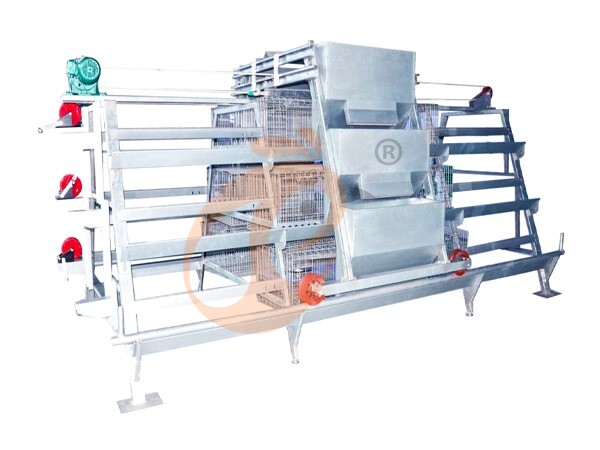
4. Our 24 hour online reception What’sApp NO. is +8618830120193, +234 8111199996. >30,000 Broilers Manual Harvest H Type Battery Cage1. More than 30,000 broilers a house, choose it.
2. It is designed to rearing 1 to 45 day old adult broiler ready for market.
3. Its lifespan is more than 20 years.
4. Its structure are Vcloud artificial intelligent fusion, electric control cabinet, automatic equipment of drinking, feeding and manure clean, manual harvesting.
5. Our 24 hour online reception What’sApp NO. is +8618830120193, +234 8111199996. <30,000 Broilers Manual Harvest A Type Battery Cage1. Less 30,000 broilers a house, choose it.
2. It is designed to rearing 1 to 45 day old adult broiler ready for market.
3. Its lifespan is more than 20 years.
4. Its structure are Vcloud artificial intelligent fusion, electric control cabinet, automatic equipment of drinking, feeding and manure clean, manual harvesting.
5. Our 24 hour online reception What’sApp NO. is +8618830120193, +234 8111199996. HK Headquarter Offers EU-standard Poultry Farm Solutions, Manufacture Poultry Farm Equipment1. Continuous communication with the EU and the US
2. China, Nigeria, Ethiopia, Tanzania branch companies and factories
3. The products’ quality is customized for local poultry farms
4. Poultry cage and poultry farm equipment stock for sale
5. 24 online reception Whatsapp NO. : +8618830120193,contact us to get full information China Branch Offer Poultry Farm Business Plan, Manufacture Poultry Farm Equipment1. Address: Flat/RM 2416, 24/F, Runxing Building, Youyi Nan Street, Shijiazhuang City, Hebei Province, China
2. Poultry cage and poultry farm equipment factory and stock for sale
3. Customized for local poultry farms
4. Quality and design are based on Euro
5. 24 online reception Whatsapp NO. : +8618830120193 Nigeria Branch Offer Poultry Farm Business Plan, Manufacture Poultry Farm Equipment1. Address: After Sinoma Office, 200 Meters Near Danco Filling Station, Lagos/Ibadan Expressway, Lagos State, Nigeria
2. Poultry cage and poultry farm equipment factory and stock for sale
3. Customized for Nigerian poultry farms
4. Quality and design are based on Euro
5. 24 online reception Whatsapp NO. : +8618830120193 Ethiopia Branch Offer Poultry Farm Business Plan, Manufacture Poultry Farm Equipment1. Address: WR93+FQ2, Addis Ababa, Ethiopia
2. Poultry cage and poultry farm equipment stock for sale
3. Customized for Ethiopian poultry farms
4. Quality and design are based on Euro
5. 24 online reception Whatsapp NO. : +8618830120193, contact us to get price list Tanzania Branch Offer Poultry Farm Business Plan, Manufacture Poultry Farm Equipment1. Address: No.8, Sova Road, Msufini, Mlandizi, Kibaha, Pwani, Tanzania
2. Poultry cage and poultry farm equipment factory and stock for sale
3. Customized for Tanzanian poultry farms
4. Quality and design are based on Euro
5. 24 online reception Whatsapp NO. : +8618830120193


Contact
By clicking 'Allow All', you agree to the storage of cookies on your device to enhance site navigation, analyze site usage and assist with our marketing efforts.