


Blog
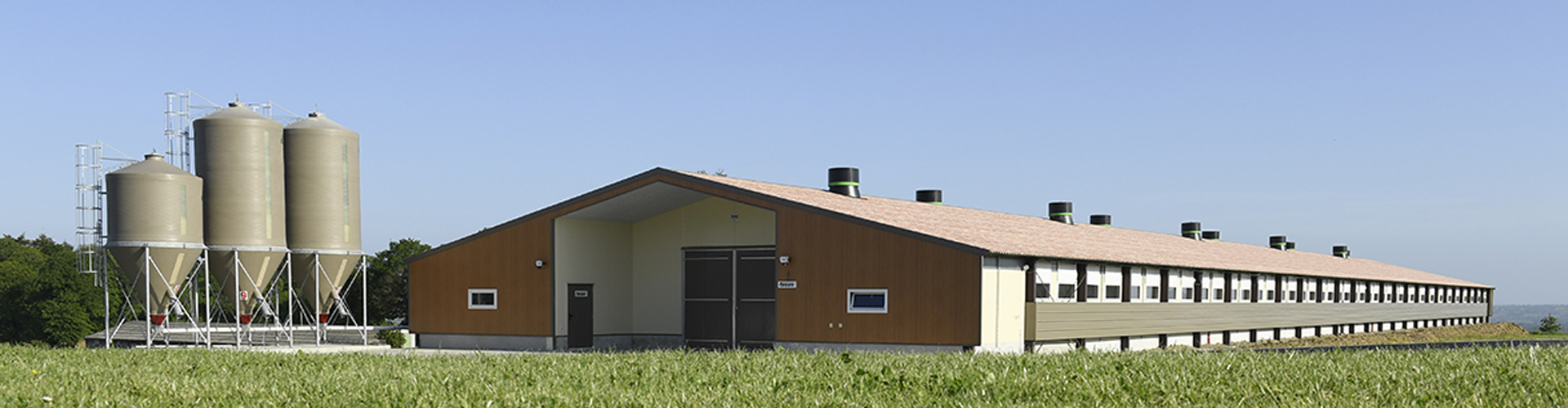
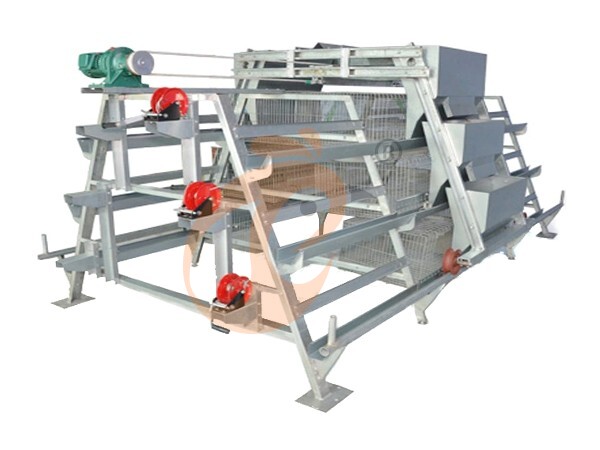
A type battery cage material systems for commercial poultry farming determines structural durability, corrosion resistance, and production efficiency in intensive layer operations.
Heavy duty cage frames require engineered metal and polymer combinations to maintain long term load stability under continuous poultry weight.
Modern poultry houses operate under ammonia concentration levels between 15 ppm and 35 ppm, affecting material degradation rates.
Structural deformation control, hygiene performance, and lifecycle cost efficiency define material selection priorities in commercial farms.
Four primary engineering materials dominate industrial cage manufacturing with measurable performance parameters across global poultry production systems.
Get professional poultry farm construction guidance, equipment selection solutions, and the latest price lists, whatsApp to +8618830120193, click to learn more:
Industrial Context Of A Type Cage Systems
Heavy-duty A type battery cage systems operate under controlled poultry density ranging from 6 to 10 birds per cage unit with total cage load between 18 kg and 42 kg per module.
Steel frame geometry determines vertical load transfer efficiency across 3 to 8 tier stacking configurations.
Mechanical stress distribution directly influences cage deformation rate and operational lifespan in commercial poultry houses.
Structural failure probability increases when ammonia exposure exceeds 25 ppm in enclosed ventilation systems.
Material engineering selection directly affects egg production efficiency variation between 3% and 8% annually in large scale poultry farms.
Structural Role Of Materials In A Type Cage Systems
Cage systems consist of load-bearing frame sections, mesh containment zones, and auxiliary feeding and manure handling components.
Each structural zone requires different mechanical resistance thresholds and corrosion tolerance values.
Frame sections typically carry 70% to 85% of total system load depending on cage configuration.
Mesh sections require controlled elasticity values between 270 MPa and 750 MPa tensile strength range.
Auxiliary components require chemical resistance to cleaning agents with pH range from 2 to 13.
Galvanized Steel Cage Frame Engineering
Hot-dip galvanized steel remains a widely deployed structural material in poultry cage manufacturing systems.
Data is for reference only.Swipe horizontally to view full table.
Zinc coating thickness directly influences corrosion delay performance under ammonia exposure conditions.
Weld joint degradation rate increases 18%–32% faster than flat surface regions under continuous humidity above 70%.
Structural deformation under 35 kg static load reaches 1.2 mm to 2.6 mm after 36 months operation cycle.
Cage frame maintenance cost typically increases 12 USD to 18 USD per 100 cages annually under standard poultry house conditions.
Stainless Steel Cage System Performance
304 stainless steel is widely applied in high durability poultry cage systems requiring long service cycles.
Data is for reference only.Swipe horizontally to view full table.
Corrosion resistance performance remains stable under ammonia concentration up to 35 ppm without structural degradation.
Joint failure probability remains between 0.05 and 0.2 per 100 cages annually in long-term installations.
Surface corrosion occurrence rate remains below 1% after 15 years continuous operation cycles.
Deformation under long-term 40 kg load ranges between 0.4 mm and 1.1 mm after 10 years usage.
Aluminum Alloy Cage Structural Application
Aluminum alloy 6061-T6 is applied in lightweight poultry cage structural systems requiring reduced load stress on supporting frames.
Data is for reference only.Swipe horizontally to view full table.
Structural weight reduction ranges from 38% to 52% compared with equivalent steel cage frameworks.
Elastic deformation under 30 kg load varies between 0.9 mm and 2.0 mm depending on frame geometry.
Fatigue resistance cycles range from 10⁶ to 10⁷ under continuous vibration and bird movement conditions.
Permanent deformation after 5 years operation ranges between 0.5 mm and 1.3 mm in field installations.
Engineering Plastic Cage Components System
Polypropylene and high-density polyethylene materials are widely applied in non-structural poultry cage components including slats,
feeders, and manure transport systems.
Data is for reference only.Swipe horizontally to view full table.
Bacterial adhesion reduction ranges between 62% and 78% for Escherichia coli on smooth polymer surfaces.
Salmonella persistence reduction ranges between 55% and 70% under standardized sanitation conditions.
Cleaning water consumption reduction ranges between 18% and 26% per sanitation cycle in poultry houses.
Surface roughness values remain below 0.8 μm ensuring minimal manure accumulation.
Cage Load Distribution Engineering Analysis
Load distribution efficiency determines structural stability across multi-tier cage systems in poultry farming operations.
Data is for reference only.Swipe horizontally to view full table.
Load bearing efficiency directly correlates with cage deformation rate over multi-year operational cycles.
Structural fatigue failure probability increases significantly under repeated mechanical vibration cycles above 10⁶ repetitions.
Environmental Stress Impact On Cage Materials
Poultry housing environments contain ammonia concentration between 15 ppm and 35 ppm with humidity levels ranging from 60% to 85%.
Temperature variation between 18°C and 32°C affects metal expansion and contraction cycles in cage systems.
Cleaning frequency ranges from 1 to 3 sanitation cycles per week depending on farm biosecurity protocols.
Corrosion acceleration rate increases exponentially when ammonia exceeds 25 ppm in enclosed ventilation systems.
Welded joint areas remain the highest risk zones for structural degradation under continuous exposure conditions.
Lifecycle Cost Engineering Comparison
Ten-year lifecycle cost evaluation determines total economic efficiency of cage material systems in commercial poultry farms.
Data is for reference only.Swipe horizontally to view full table.
European union standard reference only.
Lifecycle cost distribution shows stainless steel systems achieve lowest maintenance expenditure over extended operational cycles.
Material Selection Engineering Framework
Material selection for a type battery cage systems depends on structural load requirements, corrosion exposure intensity, and planned operational lifespan in poultry farming environments.
Hybrid structural systems combine stainless steel frames with galvanized mesh and polymer accessories to optimize cost and durability balance.
Engineering optimization reduces total lifecycle cost between 18% and 34% compared with single-material cage structures.
Modular cage design improves maintenance efficiency and reduces replacement downtime across large scale poultry operations.
Mechanical reliability increases significantly when load-bearing zones use high chromium alloy steel compositions.
Frequently Asked Questions
Q1: What determines the service life of A type battery cage materials?
The service life of cage materials depends largely on the material quality and manufacturing process.
Environmental conditions such as humidity and ammonia levels can also affect durability. Regular maintenance and proper cleaning help extend service life.
Q2: Which material provides the best structural stability for heavy duty cage systems?
304 stainless steel is widely recognized for its excellent structural stability.
It offers high strength and good resistance to corrosion. This makes it a reliable choice for heavy-duty poultry cage systems.
Q3: Why are hybrid material systems widely used in modern poultry cage projects?
Hybrid material systems combine the advantages of different materials.
They help improve durability while keeping costs under control. As a result, they are widely used in modern poultry farming projects.
Taiyu (HK) Group - One Of China Largest A Type Battery Cage Exporter
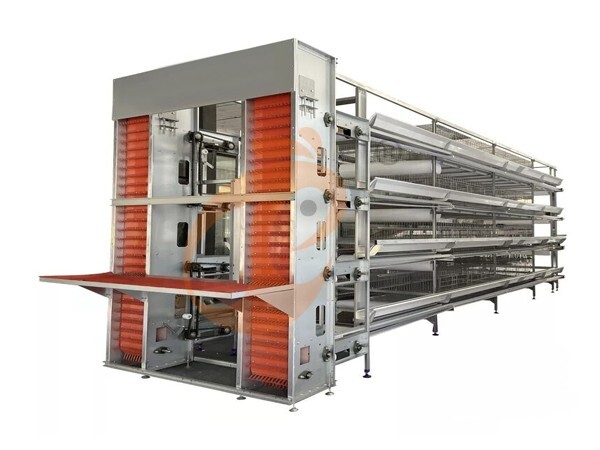
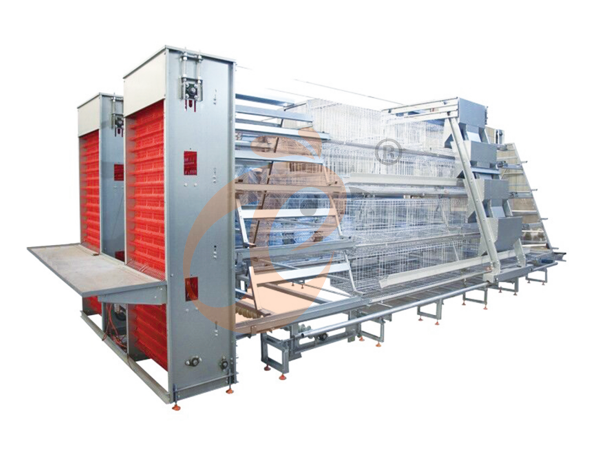
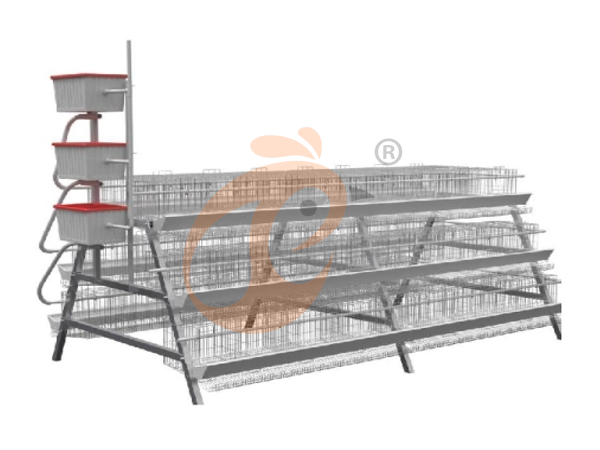
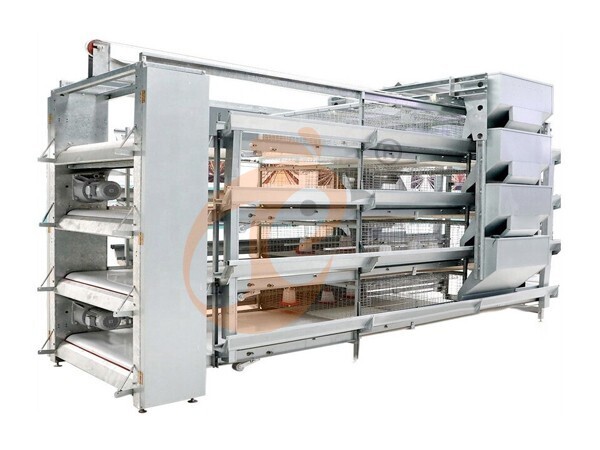
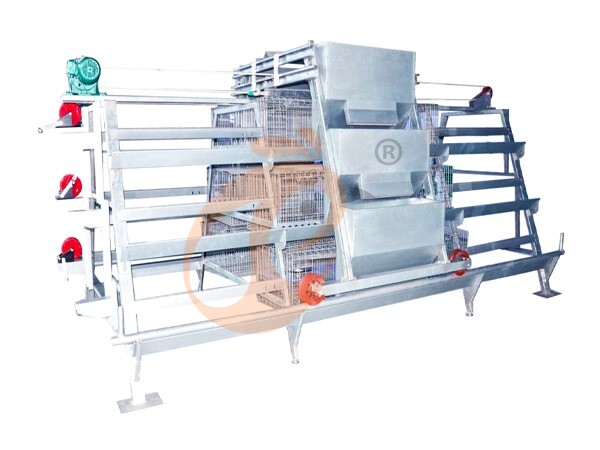
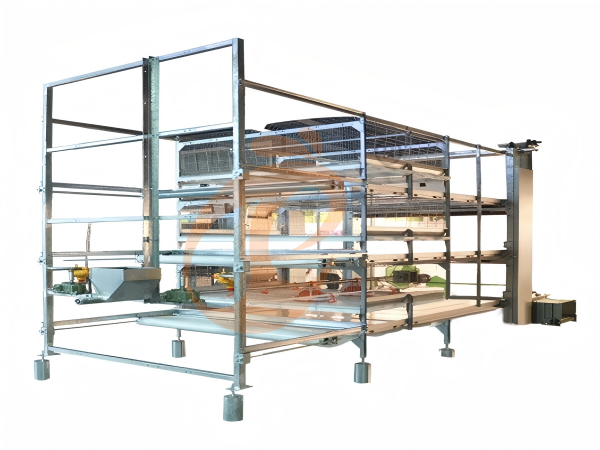
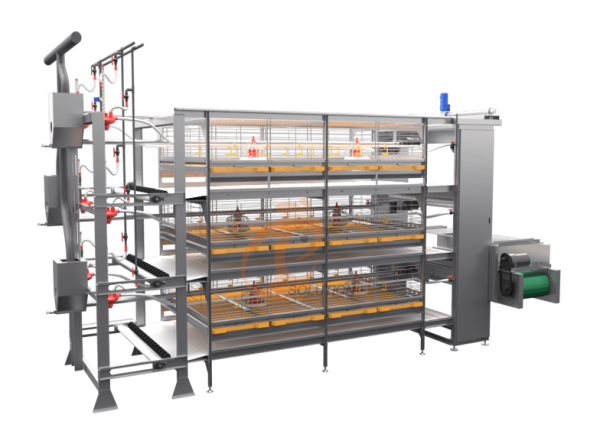
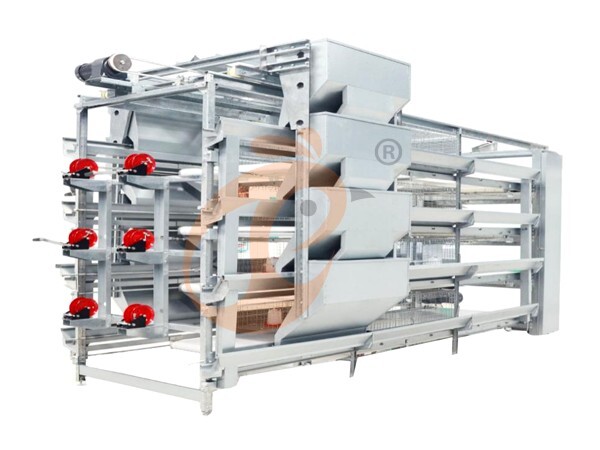
Heavy duty A type battery cage system with engineered steel and polymer material integration for commercial poultry farming applications.
Global factory direct supply covering poultry equipment production lines and automated cage manufacturing systems.
Turn-key poultry housing project solutions including design installation and operational commissioning services.
Standardized poultry cage production with controlled structural tolerance and corrosion resistance engineering.
International export supply chain supporting large scale commercial poultry farm infrastructure development.
Contact Us To Received Your Customized Poultry Farm Plan
Headquarters And Branchs
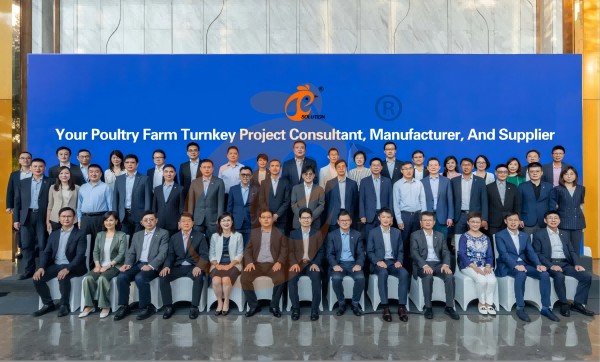
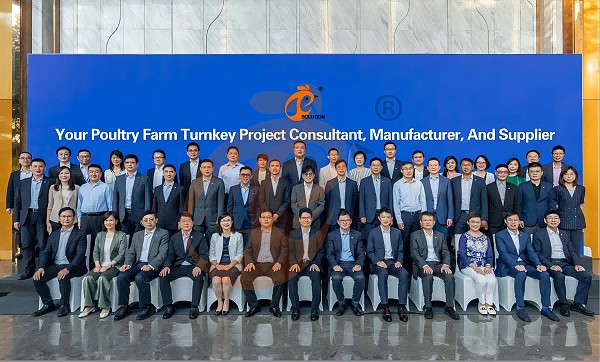
Hong Kong Headquarter Management Team
Hong Kong Headquarter Taiyu Industrial Group CO., LTD
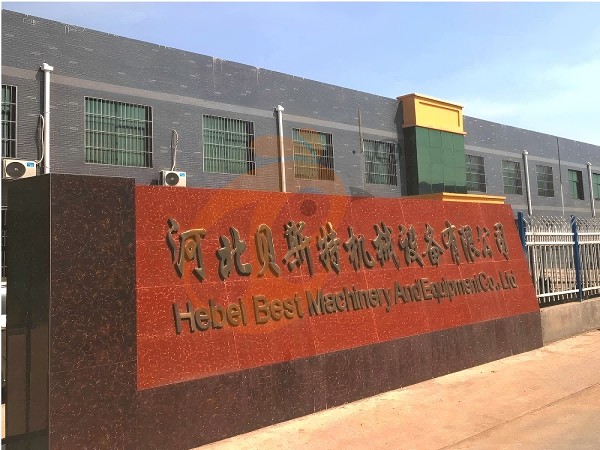
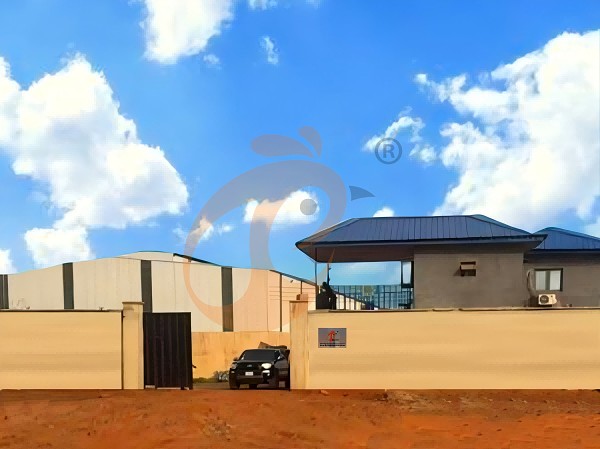
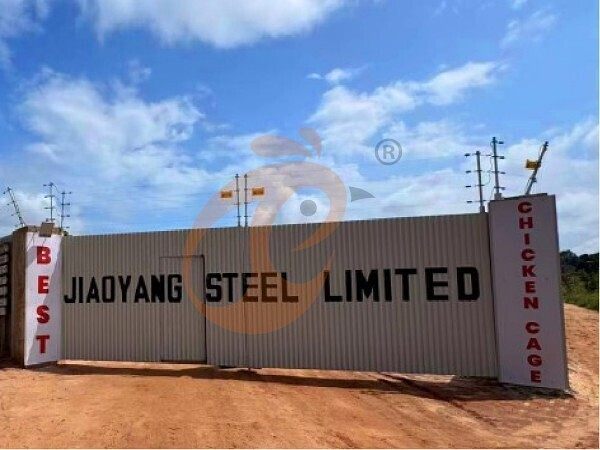
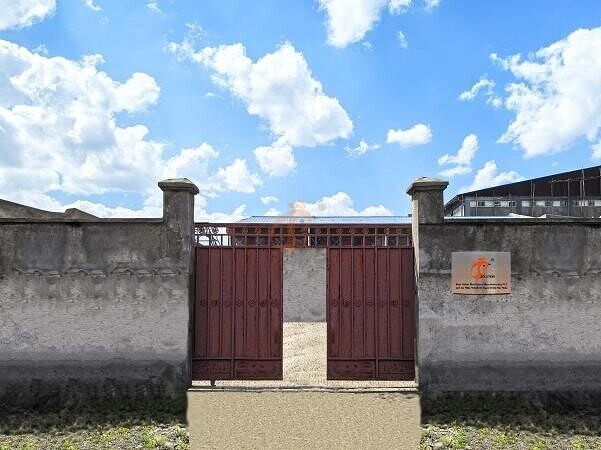
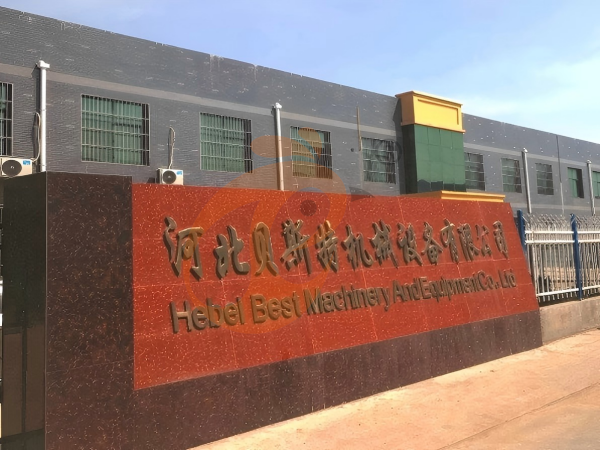
China Hebei Best Machinery And Equipment CO., LTD
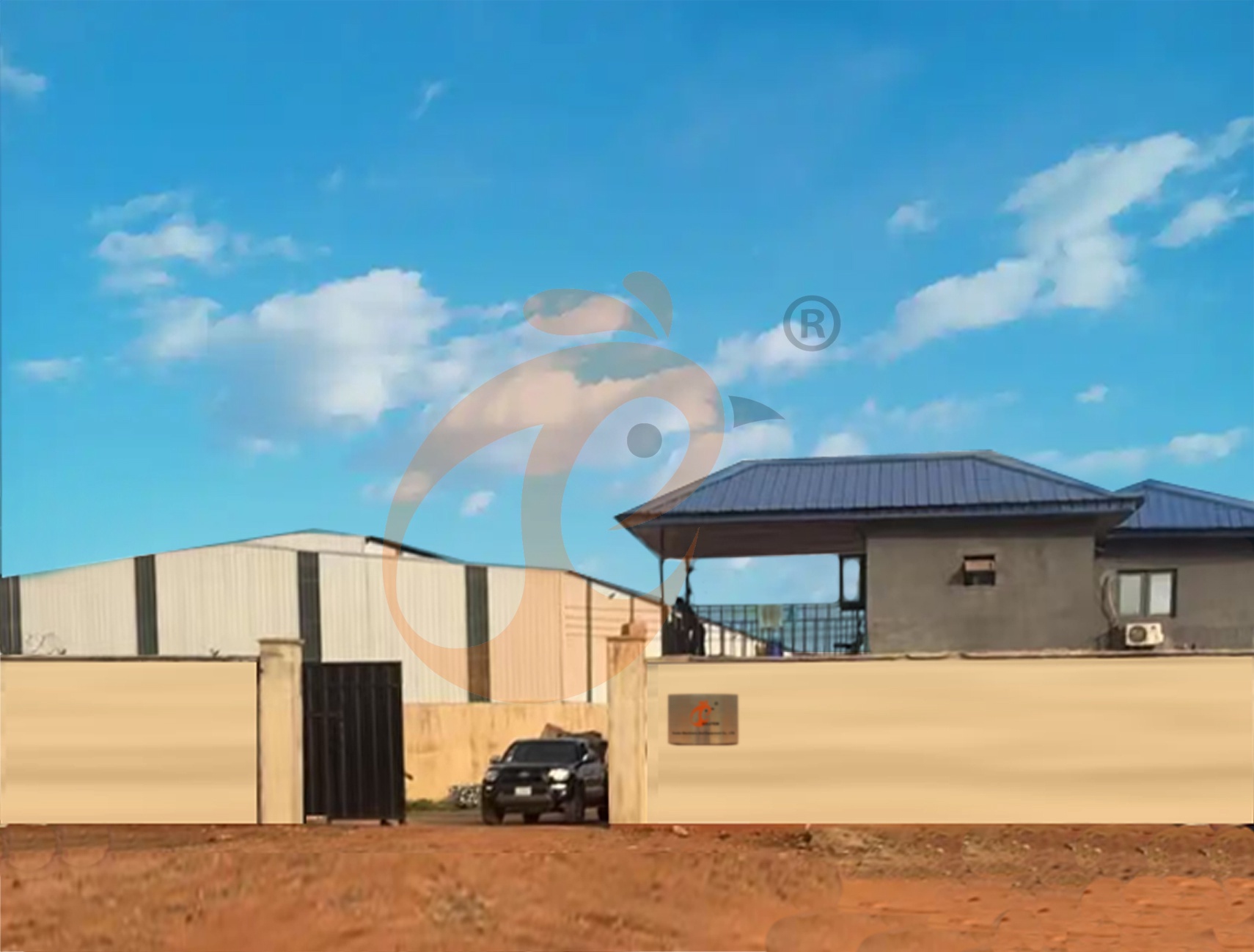
Nigeria Vanke Machinery And Equipment CO., LTD
Tanzania Best Machinery And Equipment CO., LTD
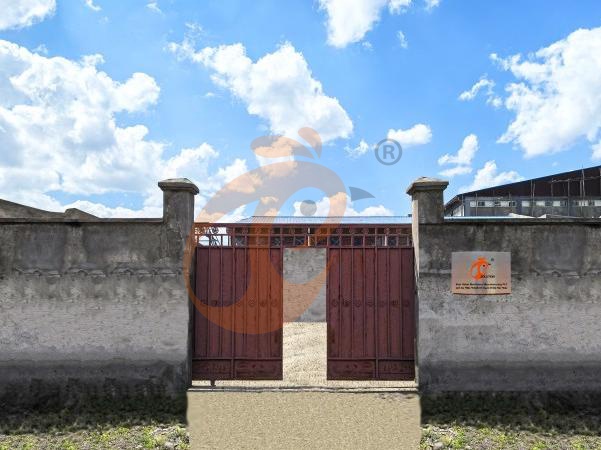
Ethiopia Best Hebei Machinery Manufacturing PLC
Reception /24 WhatsApp NO. : +8618830120193
FAQ
How To Design Cage Width And Depth For A-Type Layer Cage?
Cage depth: 400 mm
Birds per set: 120-200
Egg production rate: 90–96%
FCR: 1.9–2.2
How To Implement Biosecurity Measures In A-Type Chicken Cage Farms?
Use disinfectant doors and footbaths
Regular manure cleaning
Mortality rate: 2–3%
Egg production rate: 90–96%
What Are The Most Durable Materials For A-Type Poultry Cage Frames?
Maintain anti-corrosion coating
Lifespan: more than 25 years
Egg production rate: 90–96%
Labor savings: 50–70%
How To Optimize Feeding And Watering Lines In A-Type Layer Cage System?
Ensure consistent water pressure
FCR: 1.9–2.2
Egg production rate: 90–96%
Mortality rate: 2–3%
- battery cage
- battery cage system
- poultry farm
- poultry farms
- poultry house
- poultry cage
- cage
- poultry farm construction
- battery cage exporter
- poultry cage system
- modern poultry cage
- battery cage material
- poultry cage project
- poultry cage production
- poultry equipment
- a type battery cage
- chickencage
- bestchickencage
- cage system
- cage systems
- h cage
- Nigeria
- commercial poultry farms
- poultry farming
- modern poultry house
- poultry cage systems
- cage design
- cage exporter
- poultry farm infrastructure
- poultry farm plan
- Ethiopia
Message
Products recommended
 >30,000 Pullets Automatic H Type Battery Cage1. More than 30,000 pullets a house, choose it.
2. It is designed to rearing older than 1 day old pullets to 12 to 16 weeks old chicken starting laying eggs.
3. Its lifespan is more than 25 years.
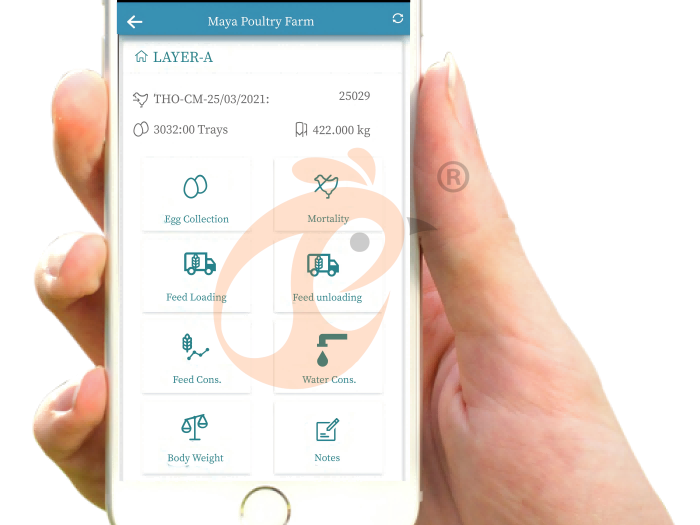
4. Its structure are Vcloud artificial intelligent fusion, electric control cabinet, automatic equipment of drinking, feeding, manure clean, manual harvesting.
5. Our 24 hour online reception What’sApp NO. is +8618830120193 <30,000 Pullets Automatic A Type Battery Cage1. 10,000 to 30,000 pullets a house, choose it.
2. It is designed to rearing older than 1 day old pullets to 12 to 16 weeks old chicken starting laying eggs.
3. Its lifespan is more than 25 years.
4. Its structure are Vcloud artificial intelligent fusion, electric control cabinet, automatic equipment of drinking, feeding, manure clean, manual harvesting.
5. Our 24 hour online reception What’sApp NO. is +86 18830120193. >30,000 Broilers Semi-Automatic Harvest H Type Battery Cage1. More than 30,000 broilers a house, choose it.
2. It is designed to rearing 1 to 45 day old adult broiler ready for market.
3. Its lifespan is more than 20 years.
4. Our 24 hour online reception What’sApp NO. is +8618830120193, +234 8111199996. >30,000 Broilers Manual Harvest H Type Battery Cage1. More than 30,000 broilers a house, choose it.
2. It is designed to rearing 1 to 45 day old adult broiler ready for market.
3. Its lifespan is more than 20 years.
4. Its structure are Vcloud artificial intelligent fusion, electric control cabinet, automatic equipment of drinking, feeding and manure clean, manual harvesting.
5. Our 24 hour online reception What’sApp NO. is +8618830120193, +234 8111199996. <30,000 Broilers Manual Harvest A Type Battery Cage1. Less 30,000 broilers a house, choose it.
2. It is designed to rearing 1 to 45 day old adult broiler ready for market.
3. Its lifespan is more than 20 years.
4. Its structure are Vcloud artificial intelligent fusion, electric control cabinet, automatic equipment of drinking, feeding and manure clean, manual harvesting.
5. Our 24 hour online reception What’sApp NO. is +8618830120193, +234 8111199996. HK Headquarter Offers EU-standard Poultry Farm Solutions, Manufacture Poultry Farm Equipment1. Continuous communication with the EU and the US
2. China, Nigeria, Ethiopia, Tanzania branch companies and factories
3. The products’ quality is customized for local poultry farms
4. Poultry cage and poultry farm equipment stock for sale
5. 24 online reception Whatsapp NO. : +8618830120193,contact us to get full information China Branch Offer Poultry Farm Business Plan, Manufacture Poultry Farm Equipment1. Address: Flat/RM 2416, 24/F, Runxing Building, Youyi Nan Street, Shijiazhuang City, Hebei Province, China
2. Poultry cage and poultry farm equipment factory and stock for sale
3. Customized for local poultry farms
4. Quality and design are based on Euro
5. 24 online reception Whatsapp NO. : +8618830120193 Nigeria Branch Offer Poultry Farm Business Plan, Manufacture Poultry Farm Equipment1. Address: After Sinoma Office, 200 Meters Near Danco Filling Station, Lagos/Ibadan Expressway, Lagos State, Nigeria
2. Poultry cage and poultry farm equipment factory and stock for sale
3. Customized for Nigerian poultry farms
4. Quality and design are based on Euro
5. 24 online reception Whatsapp NO. : +8618830120193 Ethiopia Branch Offer Poultry Farm Business Plan, Manufacture Poultry Farm Equipment1. Address: WR93+FQ2, Addis Ababa, Ethiopia
2. Poultry cage and poultry farm equipment stock for sale
3. Customized for Ethiopian poultry farms
4. Quality and design are based on Euro
5. 24 online reception Whatsapp NO. : +8618830120193, contact us to get price list Tanzania Branch Offer Poultry Farm Business Plan, Manufacture Poultry Farm Equipment1. Address: No.8, Sova Road, Msufini, Mlandizi, Kibaha, Pwani, Tanzania
2. Poultry cage and poultry farm equipment factory and stock for sale
3. Customized for Tanzanian poultry farms
4. Quality and design are based on Euro
5. 24 online reception Whatsapp NO. : +8618830120193


Contact
By clicking 'Allow All', you agree to the storage of cookies on your device to enhance site navigation, analyze site usage and assist with our marketing efforts.