


Blog
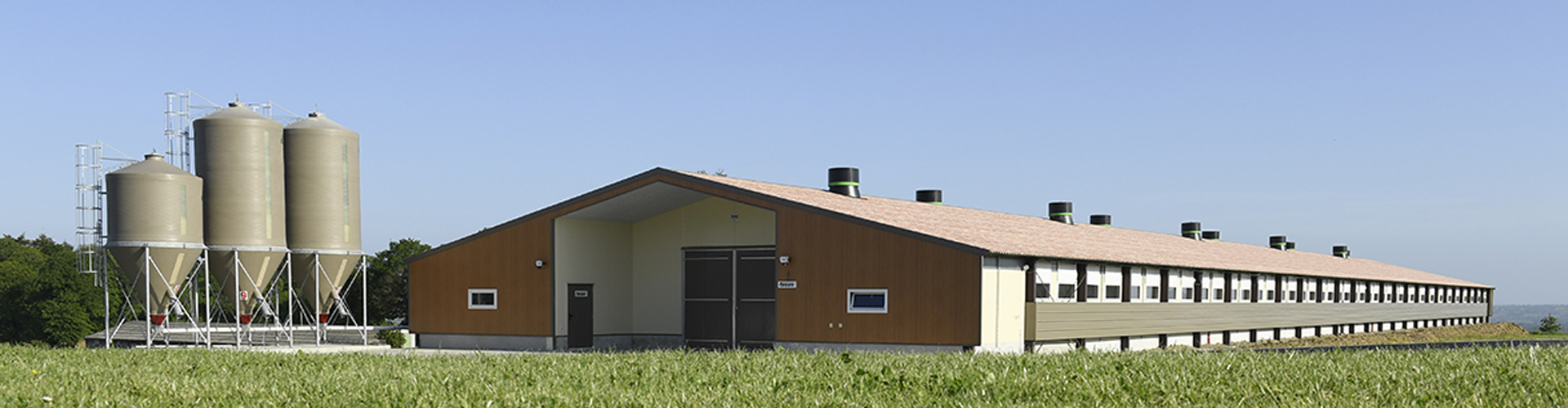
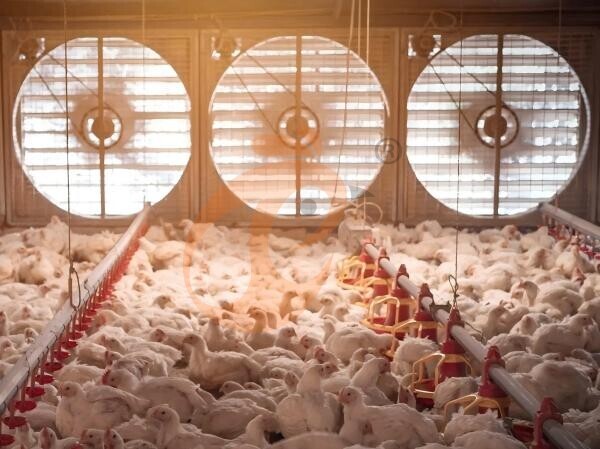
Deep litter poultry equipment forms the operational foundation of efficient floor-based poultry production systems.
Poultry feeding equipment, automatic poultry drinkers, and poultry house ventilation systems directly influence feed utilization, flock health, litter condition, and production performance.
Proper equipment selection improves environmental control, supports stable bird growth, and reduces unnecessary resource consumption.
This article covers seven essential equipment categories, including feeding, watering, heating, ventilation, lighting, nesting, and litter management systems.
Technical data, installation references, capacity standards, and management recommendations provide practical guidance for commercial poultry farm planning and operation.
Get professional poultry farm construction guidance, equipment selection solutions, and the latest price lists, whatsApp to +8618830120193, click to learn more:
Poultry Feeders
Feeders ensure all birds have access to sufficient nutrition and help control feed wastage, which accounts for 60–70% of poultry production costs.
Data is for reference only. Swipe horizontally to view full table.
Using feeders with proper spacing reduces competition, promotes uniform growth, and improves feed conversion ratios.
Automatic feeding systems for commercial poultry feeding equipment installations can distribute 300–500 kg feed per day depending on flock population.
Poultry Drinkers
Water consumption directly affects growth, egg production, and immunity.
Birds consume approximately 1.6–2 times the feed weight in water daily.
Data is for reference only. Swipe horizontally to view full table.
Consistent water supply with automatic poultry drinkers ensures adequate hydration and supports disease prevention.
Water quality monitoring should maintain pH values between 6.5 and 8.0 and microbial counts below 100 CFU/mL.
Brooders And Heating Equipment
Chicks require precise temperature control for optimal growth.
Suboptimal temperatures can reduce feed intake and increase mortality.
Data is for reference only. Swipe horizontally to view full table.
Brooder coverage should provide 0.08–0.10 m² per chick to prevent overcrowding.
Temperature monitoring through thermostats and infrared sensors improves thermal consistency throughout the poultry house.
Ventilation Fans
Adequate ventilation removes moisture, carbon dioxide, and ammonia while maintaining litter quality and bird health.
Poultry house ventilation systems play a critical role in maintaining stable environmental conditions.
Data is for reference only. Swipe horizontally to view full table.
Ammonia concentration should remain below 25 ppm.
Relative humidity should remain within 50–70%.
Proper airflow management supports litter stability and bird comfort throughout the production cycle.
Lighting System
Lighting affects feeding behavior, growth performance, and egg production.
Properly controlled light duration and intensity are critical for deep litter operations.
Data is for reference only. Swipe horizontally to view full table.
Uniform lighting improves flock distribution and feeding consistency.
Timers and dimming controllers contribute to lower electricity consumption and more stable management programs.
Nest Boxes
Nest boxes reduce floor eggs and improve egg cleanliness.
Proper sizing minimizes competition during laying periods.
Data is for reference only. Swipe horizontally to view full table.
For 1000 laying hens, approximately 200 nest boxes provide adequate laying access.
Dry bedding materials such as chopped straw help maintain egg cleanliness and shell quality.
Litter Management Equipment
Maintaining dry and aerated litter helps prevent footpad dermatitis and ammonia accumulation.
Data is for reference only. Swipe horizontally to view full table.
Litter rakes and litter turning equipment improve oxygen penetration and support microbial decomposition.
Litter temperature between 25°C and 35°C generally supports biological activity within the bedding layer.
Investment Prioritization
Farm operators often implement equipment purchases in stages according to budget planning.
European union standard reference only.
Data is for reference only. Swipe horizontally to view full table.
The investment structure above provides a practical reference for a 1000-bird operation and supports phased infrastructure development.
Frequently Asked Questions
Q1: What is the recommended litter depth for a deep litter poultry house?
Most commercial poultry farms maintain litter depth between 8 cm and 15 cm.
Appropriate depth depends on bedding material, stocking density, climate conditions, and moisture management requirements.
Q2: How many birds can one nipple drinker serve?
Commercial recommendations generally range from 4 to 5 adult birds per nipple.
System pressure, bird age, and drinker design should also be considered during installation planning.
Q3: Why is ventilation important in deep litter poultry houses?
Ventilation removes moisture, ammonia, dust, and excess heat.
Proper airflow improves litter condition, supports respiratory health, and helps maintain stable environmental conditions throughout the production cycle.
Taiyu (HK) Group - One Of China Largest Poultry Equipment Manufacturer
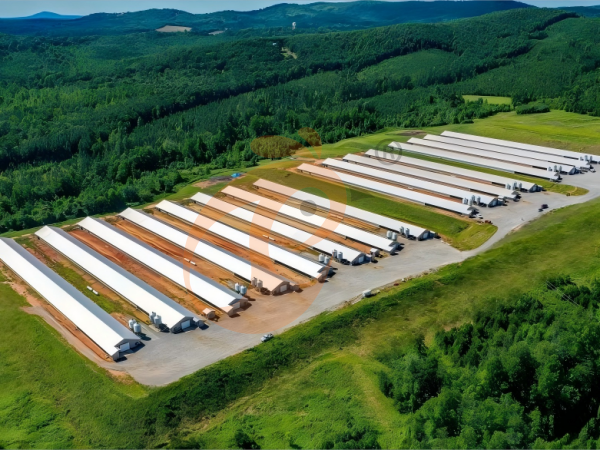
Professional manufacturing of deep litter poultry equipment including feeders, drinkers, ventilation fans, and poultry house systems.
Global factory-direct supply supports competitive pricing and stable product quality for commercial poultry projects.
Comprehensive poultry equipment solutions available for broiler farms, layer farms, breeder farms, and integrated operations.
Professional turn-key engineering services include design, manufacturing, installation guidance, and technical support.
Export experience across multiple international markets supports efficient project execution and long-term customer cooperation.
Contact Us To Received Your Customized Poultry Farm Plan
Headquarters And Branchs

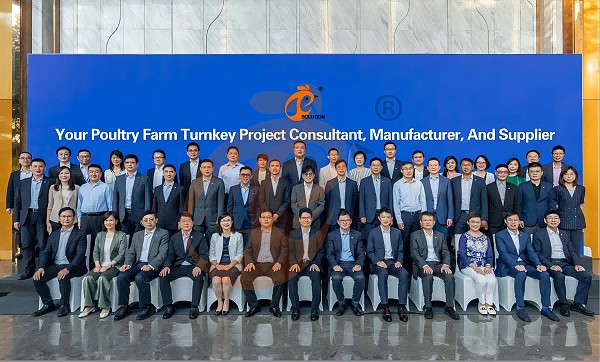
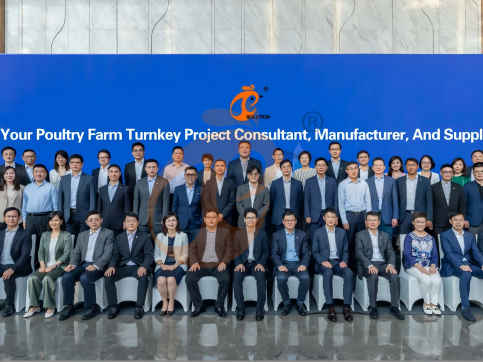
Hong Kong Headquarter Management Team
Hong Kong Headquarter Taiyu Industrial Group CO., LTD
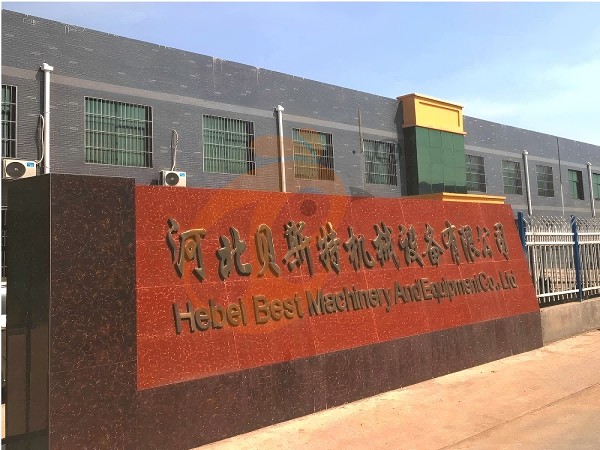
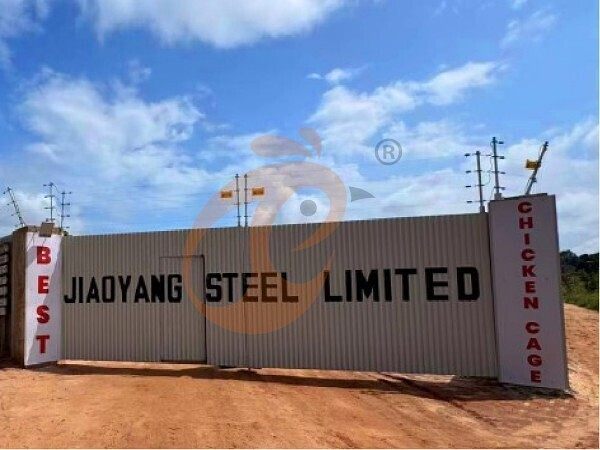
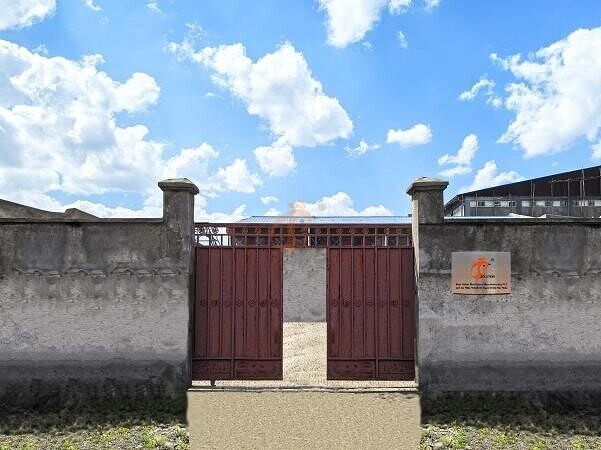
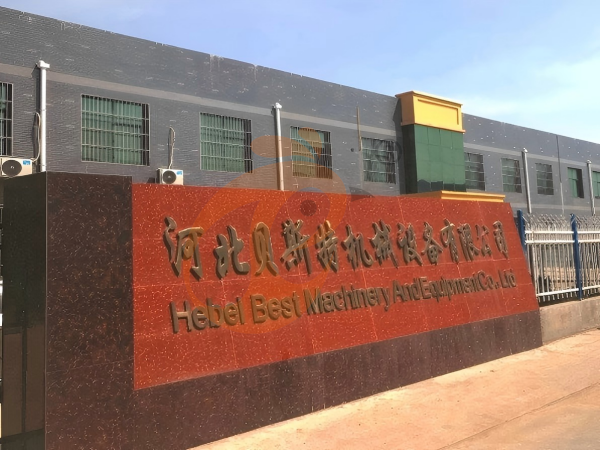
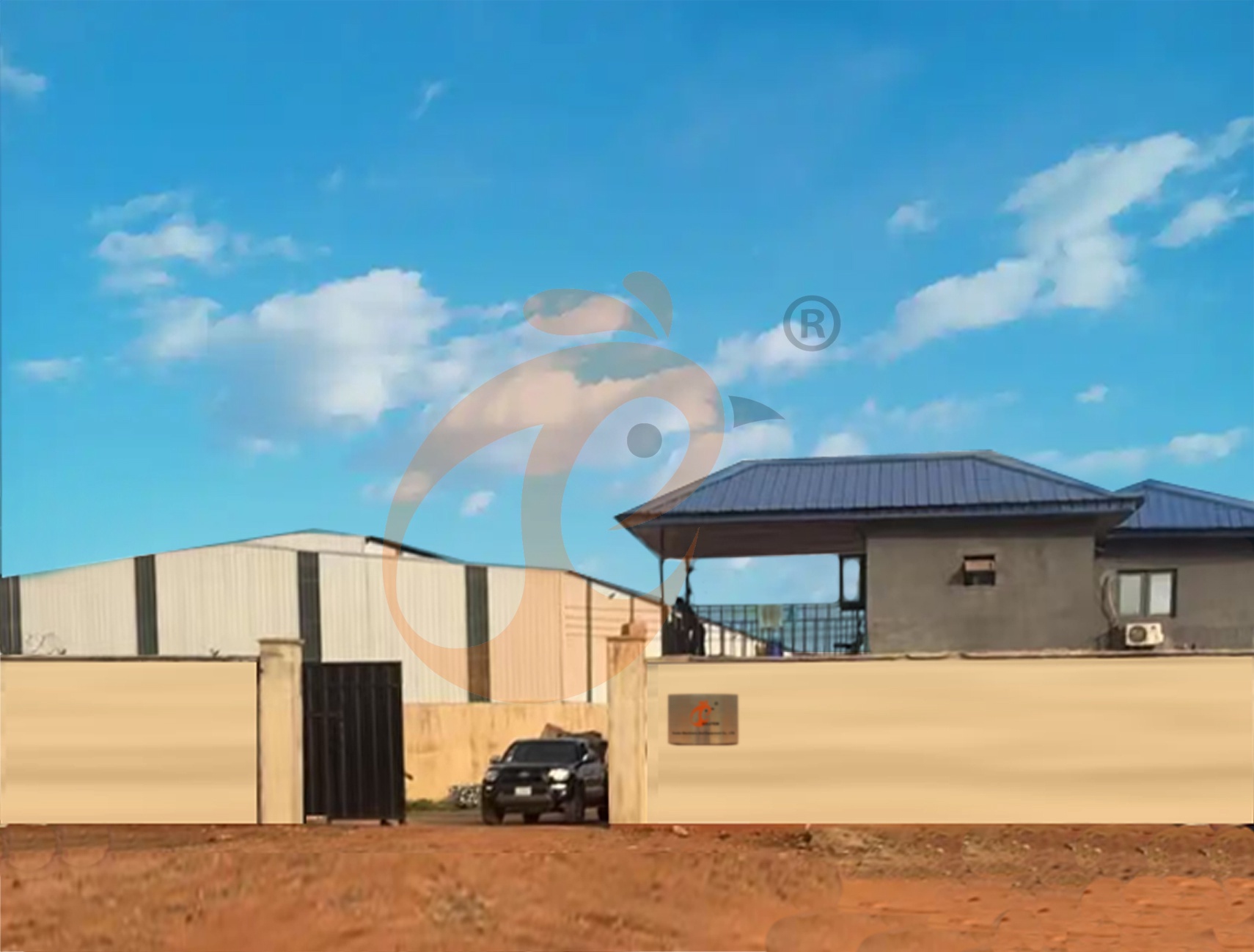
China Hebei Best Machinery And Equipment CO., LTD
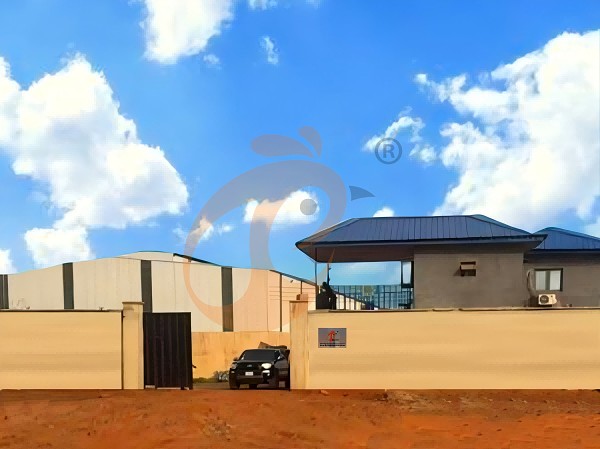
Nigeria Vanke Machinery And Equipment CO., LTD
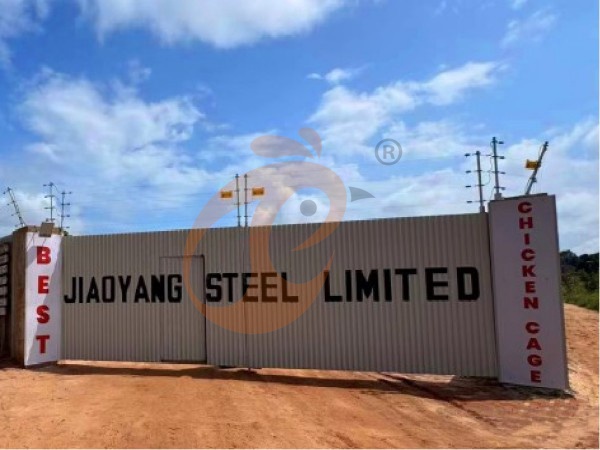
Tanzania Best Machinery And Equipment CO., LTD
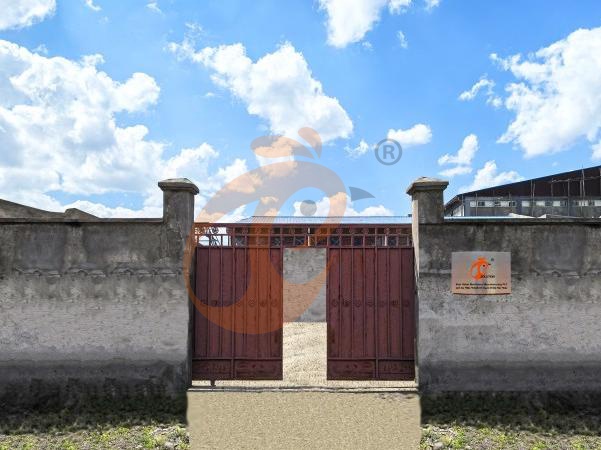
Ethiopia Best Hebei Machinery Manufacturing PLC
Reception /24 WhatsApp NO. : +8618830120193
FAQ
What Are The Ventilation Design Standards In Deep Litter Poultry System For Poultry Chicken Houses?
Airflow speed at bird level is controlled at 0.25–0.45 m/s to prevent litter drying imbalance.
Exhaust fan capacity is typically designed at 18,000–22,000 m³ per hour per unit for large houses.
What Are The Litter Fermentation Performance Requirements In Deep Litter Poultry System For Poultry Chicken Production?
Microbial decomposition efficiency converts 60%–75% of manure into stabilized organic matter.
Carbon to nitrogen ratio is maintained at 25–30:1 for optimal fermentation balance.
What Are The Moisture Management Standards In Deep Litter Poultry System For Poultry Chicken Farming?
Water absorption turnover rate reaches 1.2–1.8 liters per square meter daily under normal stocking conditions.
Evaporation efficiency is enhanced by 30%–40% through proper ventilation and litter turning.
- poultry farm
- poultry farms
- poultry house
- cage
- poultry farm construction
- poultry farm planning
- poultry house ventilation
- poultry house ventilation system
- poultry feeding equipment
- automatic feeding system
- poultry equipment
- chickencage
- bestchickencage
- Nigeria
- layer farm
- broiler farm
- commercial poultry farms
- poultry house system
- automatic poultry drinker
- poultry equipment manufacturer
- poultry farm development
- deep litter poultry system
- poultry farm plan
- poultry feed
- Ethiopia
Message
Products recommended
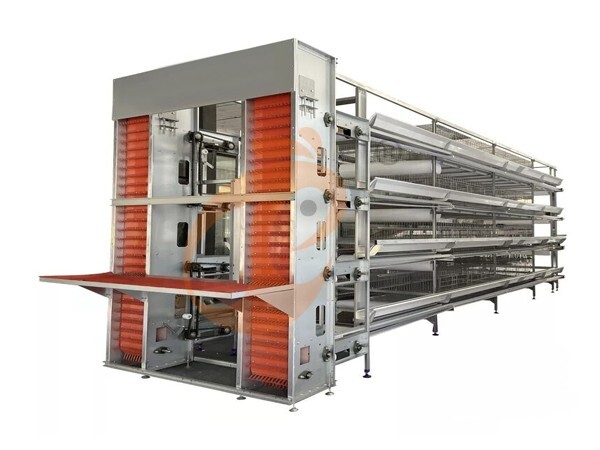
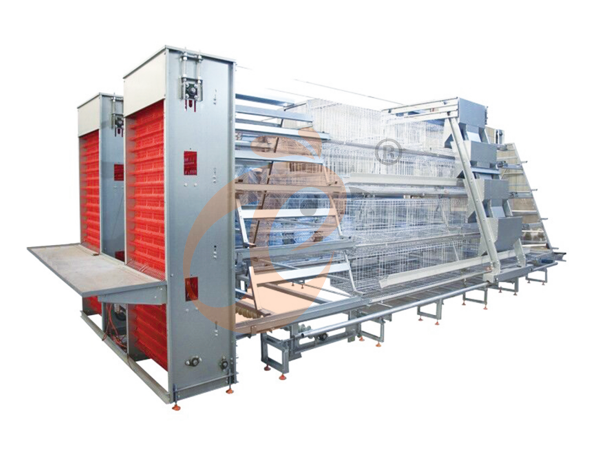
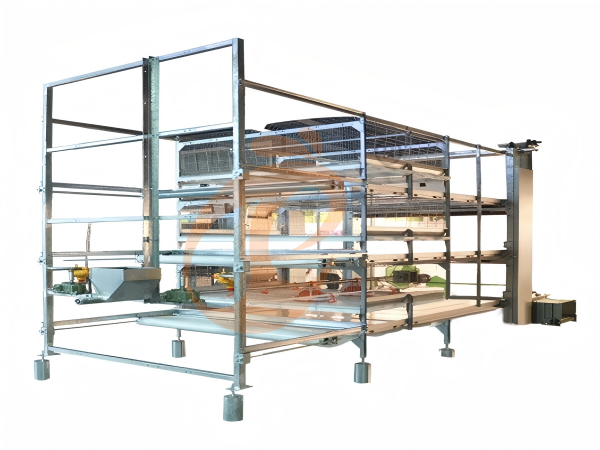
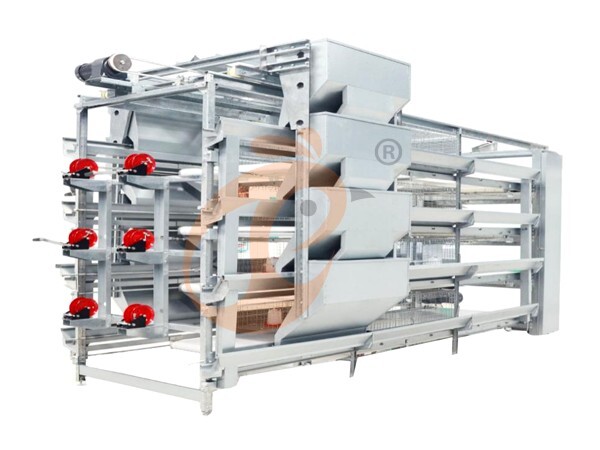
 >30,000 Pullets Automatic H Type Battery Cage1. More than 30,000 pullets a house, choose it.
2. It is designed to rearing older than 1 day old pullets to 12 to 16 weeks old chicken starting laying eggs.
3. Its lifespan is more than 25 years.
4. Its structure are Vcloud artificial intelligent fusion, electric control cabinet, automatic equipment of drinking, feeding, manure clean, manual harvesting.
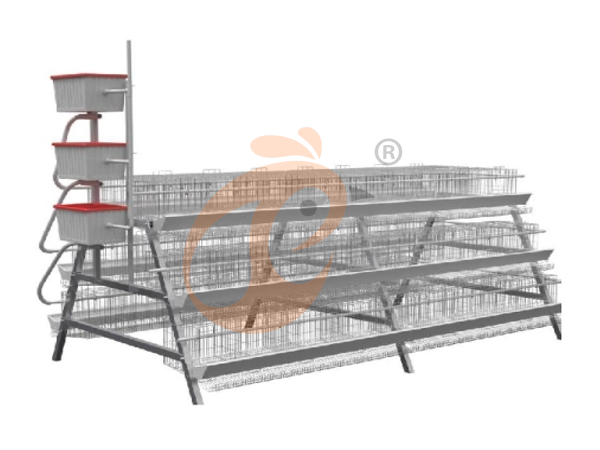
5. Our 24 hour online reception What’sApp NO. is +8618830120193 <30,000 Pullets Automatic A Type Battery Cage1. 10,000 to 30,000 pullets a house, choose it.
2. It is designed to rearing older than 1 day old pullets to 12 to 16 weeks old chicken starting laying eggs.
3. Its lifespan is more than 25 years.
4. Its structure are Vcloud artificial intelligent fusion, electric control cabinet, automatic equipment of drinking, feeding, manure clean, manual harvesting.
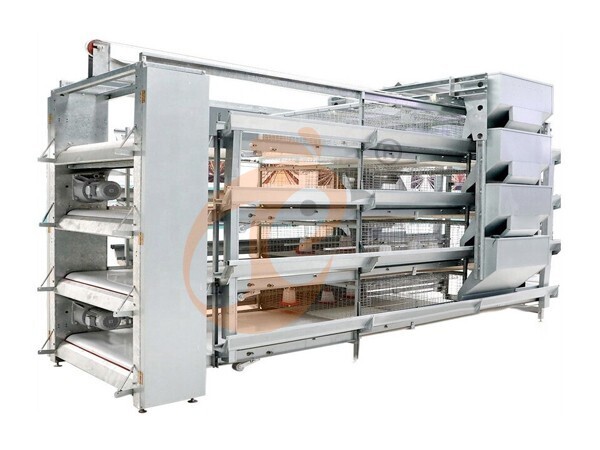
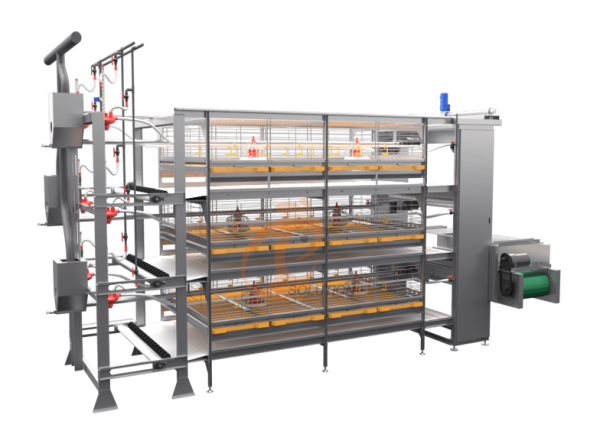
5. Our 24 hour online reception What’sApp NO. is +86 18830120193. >30,000 Broilers Semi-Automatic Harvest H Type Battery Cage1. More than 30,000 broilers a house, choose it.
2. It is designed to rearing 1 to 45 day old adult broiler ready for market.
3. Its lifespan is more than 20 years.
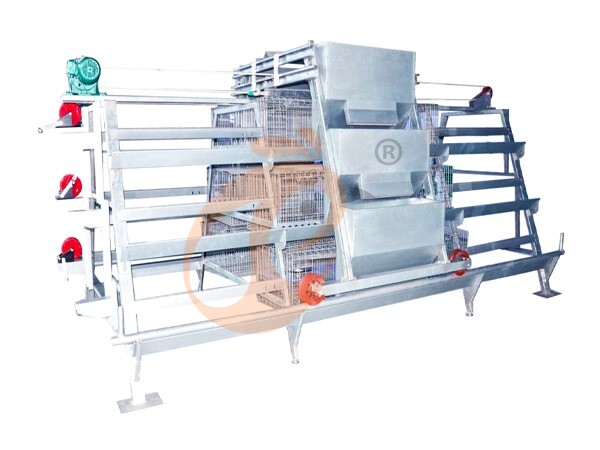
4. Our 24 hour online reception What’sApp NO. is +8618830120193, +234 8111199996. >30,000 Broilers Manual Harvest H Type Battery Cage1. More than 30,000 broilers a house, choose it.
2. It is designed to rearing 1 to 45 day old adult broiler ready for market.
3. Its lifespan is more than 20 years.
4. Its structure are Vcloud artificial intelligent fusion, electric control cabinet, automatic equipment of drinking, feeding and manure clean, manual harvesting.
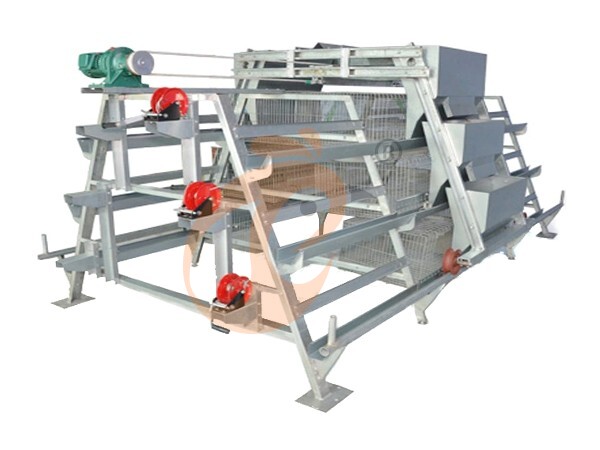
5. Our 24 hour online reception What’sApp NO. is +8618830120193, +234 8111199996. <30,000 Broilers Manual Harvest A Type Battery Cage1. Less 30,000 broilers a house, choose it.
2. It is designed to rearing 1 to 45 day old adult broiler ready for market.
3. Its lifespan is more than 20 years.
4. Its structure are Vcloud artificial intelligent fusion, electric control cabinet, automatic equipment of drinking, feeding and manure clean, manual harvesting.
5. Our 24 hour online reception What’sApp NO. is +8618830120193, +234 8111199996. HK Headquarter Offers EU-standard Poultry Farm Solutions, Manufacture Poultry Farm Equipment1. Continuous communication with the EU and the US
2. China, Nigeria, Ethiopia, Tanzania branch companies and factories
3. The products’ quality is customized for local poultry farms
4. Poultry cage and poultry farm equipment stock for sale
5. 24 online reception Whatsapp NO. : +8618830120193,contact us to get full information China Branch Offer Poultry Farm Business Plan, Manufacture Poultry Farm Equipment1. Address: Flat/RM 2416, 24/F, Runxing Building, Youyi Nan Street, Shijiazhuang City, Hebei Province, China
2. Poultry cage and poultry farm equipment factory and stock for sale
3. Customized for local poultry farms
4. Quality and design are based on Euro
5. 24 online reception Whatsapp NO. : +8618830120193 Nigeria Branch Offer Poultry Farm Business Plan, Manufacture Poultry Farm Equipment1. Address: After Sinoma Office, 200 Meters Near Danco Filling Station, Lagos/Ibadan Expressway, Lagos State, Nigeria
2. Poultry cage and poultry farm equipment factory and stock for sale
3. Customized for Nigerian poultry farms
4. Quality and design are based on Euro
5. 24 online reception Whatsapp NO. : +8618830120193 Ethiopia Branch Offer Poultry Farm Business Plan, Manufacture Poultry Farm Equipment1. Address: WR93+FQ2, Addis Ababa, Ethiopia
2. Poultry cage and poultry farm equipment stock for sale
3. Customized for Ethiopian poultry farms
4. Quality and design are based on Euro
5. 24 online reception Whatsapp NO. : +8618830120193, contact us to get price list Tanzania Branch Offer Poultry Farm Business Plan, Manufacture Poultry Farm Equipment1. Address: No.8, Sova Road, Msufini, Mlandizi, Kibaha, Pwani, Tanzania
2. Poultry cage and poultry farm equipment factory and stock for sale
3. Customized for Tanzanian poultry farms
4. Quality and design are based on Euro
5. 24 online reception Whatsapp NO. : +8618830120193


Contact
By clicking 'Allow All', you agree to the storage of cookies on your device to enhance site navigation, analyze site usage and assist with our marketing efforts.