


Blog
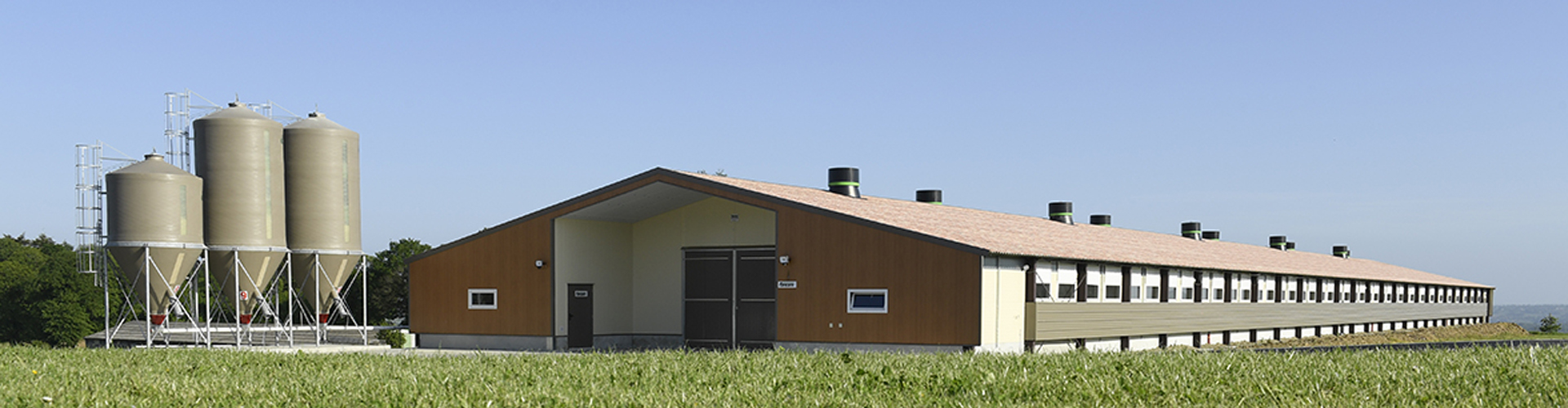
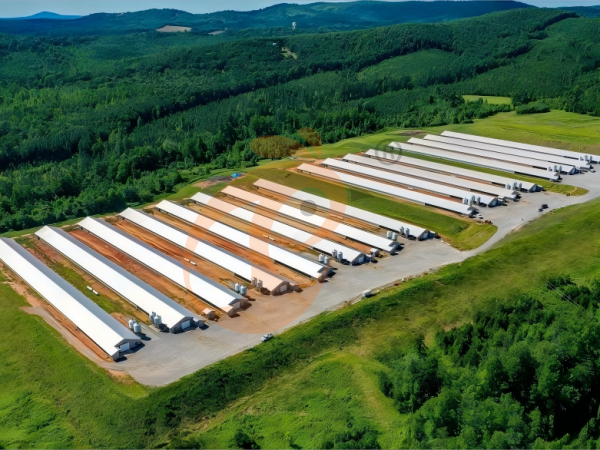
- Commercial poultry equipment connects feeding, drinking, ventilation, cooling, and control into a coordinated production system, with commercial houses commonly planned around 5,000–100,000+ birds and automated workflows.
Small farms can use simpler equipment, while growing operations increasingly benefit from automatic poultry equipment that reduces repetitive handling and supports consistent daily management.
Feeding, drinking, ventilation, manure handling, and environmental control require different technical specifications, so equipment selection should follow flock size, house dimensions, climate, and production type.
Broiler and layer projects also demand different equipment combinations, with egg collection and manure handling becoming important engineering considerations for intensive layer production.
- A correctly configured poultry house equipment package combines suitable components into one scalable system, supporting operational efficiency, future expansion, and more predictable commercial production.
Get professional poultry farm construction guidance, equipment selection solutions, and the latest price lists, whatsApp to +8618830120193, click to learn more:
Start With Your Farming Goal
Before comparing equipment, define the production model.
A small farm may operate efficiently with selected manual equipment, while a commercial house benefits from coordinated automation.
For broilers, commercial housing can be designed around 8–12 birds/m², while equipment selection also needs to consider the 35–42 day production cycle
common in intensive broiler programs.
The key question is not ''Which equipment is cheaper?'' but “Which equipment produces the better total operating result for my farm?”
Commercial equipment planning can also incorporate 50–60 Hz power frequency and 1–3 phase electrical configurations according to local project requirements.
Commercial Equipment: Built Around A System, Not A Single Machine
Commercial poultry equipment works best when individual components are designed as one connected production system.
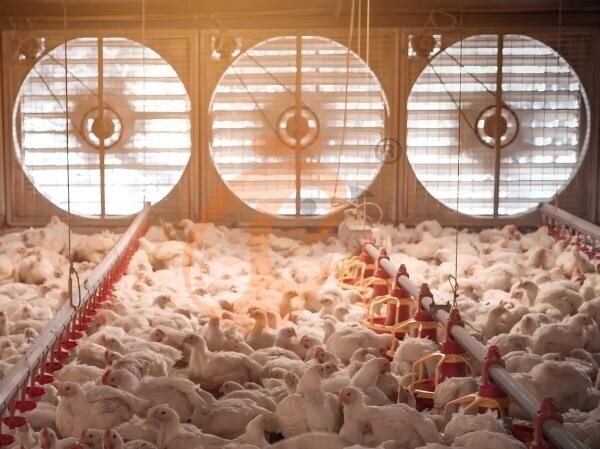
A typical house can connect feeding, drinking, ventilation, cooling, heating, lighting, manure handling, and environmental control.
Think of the workflow
Feed silo → feeding line → feeder pans → birds → manure management → ventilation → environmental controller
When these systems communicate and operate together, farmers can reduce repetitive manual work and maintain more consistent house conditions.
A properly configured environmental controller can integrate temperature, humidity, ammonia, and CO₂ sensing, while 0–10 V control signals can regulate compatible ventilation equipment with response intervals of approximately 1–10 seconds.
Equipment Comparison: Where Does Your Money Go?
Data is for reference only.Swipe horizontally to view full table.
These figures represent reference configurations rather than universal design rules.
Final equipment selection should follow house dimensions, bird type, climate, and local operating conditions, with 2–5 air inlet rows and 0.8–1.5 m/s target inlet
velocity evaluated during detailed design.
The Labor Test: How Many Hours Are You Really Buying Back?
Imagine two farms with similar production targets.
Farm A: Workers manually carry feed, refill drinkers, inspect temperatures, operate fans, and clean manure.
Farm B: Feed is conveyed automatically, nipple drinkers provide water through regulated lines, ventilation responds to house conditions, and manure is mechanically removed.
The difference is not merely convenience.
It changes how workers spend their time.
Automated systems can transfer feed across long houses while reducing repeated manual handling, and properly designed manure systems can schedule removal at 6–12 hour intervals with conveyor operating speeds around 5–15 m/min.
A well-designed equipment package therefore sells more than machinery—it sells time, consistency, and operational control.
Match Equipment To House Capacity
Data is for reference only.Swipe horizontally to view full table.
Actual quantities must be calculated from house geometry and climate rather than flock count alone.
Commercial projects can also evaluate 1.1–2.2 kW drive motors and Φ75–Φ90 mm auger assemblies when selecting automatic poultry equipment for larger feed delivery routes.
Broiler Or Layer? The Answer Changes
Commercial equipment should also be selected according to production type.
Broiler houses prioritize rapid feed delivery, water availability, airflow, and thermal management, while layer houses add egg transfer and manure logistics.
Data is for reference only.Swipe horizontally to view full table.
Layer systems can use galvanized structures with service lives around 15–20 years under appropriate maintenance.
Automatic egg conveyors can reach 10,000–100,000 eggs/hour, while egg handling design should also consider transfer distance and packaging-room positioning.
Why Environmental Control Deserves More Attention
Data is for reference only.Swipe horizontally to view full table.
Ventilation is not simply about installing powerful fans.
Fan capacity, air inlets, cooling systems, house sealing, and controller settings need to work together.
Reference installations can also evaluate 80–150 mm insulation thickness and 20–35°C outdoor design temperatures when developing climate-control strategies for commercial chicken houses.
The Hidden Cost Of Choosing ''Cheap'' Equipment
A low purchase price can look attractive until the equipment starts consuming labor every day.
Consider the real operating equation
Purchase Cost + Labor + Feed Waste + Maintenance + Energy + Production Loss = Total Equipment Cost
Automation becomes particularly relevant when repetitive feeding and collection work expands.
Reference automatic systems can target feed-waste levels around 1–3%, while suitable equipment configuration can also reduce repeated worker movement across houses measuring more than 100 m.
European union standard reference only.
This is why commercial buyers should compare total cost of ownership, not only the quotation price.
Small Farm Does Not Mean Low Quality
Data is for reference only.Swipe horizontally to view full table.
Small farms should not automatically purchase a complete industrial system.
Over-equipping a small flock can create unnecessary capital costs, especially when annual operating hours remain below 2,000 h/year and manual labor remains readily available.
The smarter strategy is selective automation: automate the tasks that consume the most time or create the greatest management risk, then expand the system as the flock grows.
Build A Poultry House That Can Grow With You
A poultry equipment project should be viewed as an investment in the house, not a collection of unrelated machines.
Data is for reference only.Swipe horizontally to view full table.
Professional poultry equipment manufacturers can configure complete systems around these variables, helping prevent mismatched components and expensive modifications after installation.
Project engineering should also check wind loads of approximately 0.3–0.8 kN/m² and roof pitch around 15–25° when the poultry house structure is supplied
together with equipment.
Commercial Vs Small Farm: The Decision In One Table
Data is for reference only.Swipe horizontally to view full table.
The commercial configuration becomes more attractive when several automated functions need to operate simultaneously.
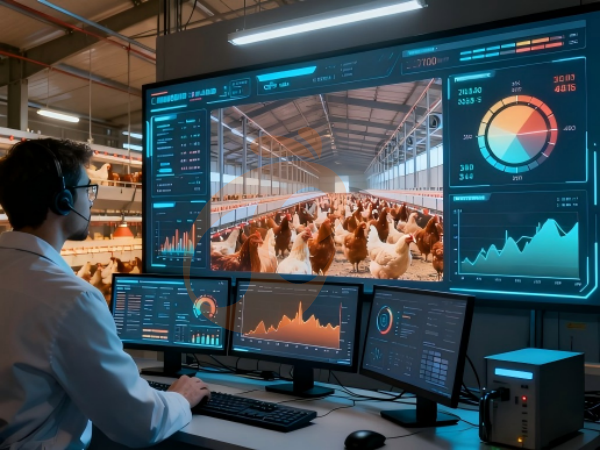
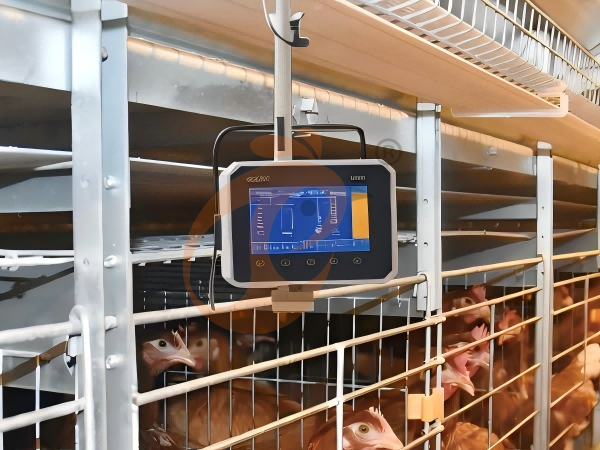
Digital systems can combine ventilation, lighting, temperature, humidity, and alarm functions through a central interface, while project layouts can support 24-hour alarm monitoring and 7-day programmable schedules.
Choose The Equipment That Matches Your Next Stage
If you are raising a small flock for household consumption, basic equipment may be perfectly adequate.
But if your objective is commercial poultry production, relying on manually operated equipment for every task can quickly become a bottleneck.
A professional chicken-house equipment package can integrate feeding, drinking, ventilation, cooling, heating, environmental control, manure management, lighting, and other systems into one coordinated solution.
For commercial houses, nipple drinking systems can deliver approximately 60–120 ml/min, while automatic feeding systems can use closed conveying routes to reduce open-feed exposure.
For farmers planning a new broiler or layer house, the best approach is to start with the production target and work backward: determine bird capacity, house dimensions, climate requirements, labor availability, and expansion plans, then configure the equipment around those needs.
A complete supplier can also integrate equipment around project-specific house lengths of 60–100 m and multi-row layer layouts where required.
The right poultry equipment is not necessarily the cheapest equipment.
The right system is the one engineered around production capacity, operating conditions, maintenance access, and future expansion.
If you are building or upgrading a commercial chicken house, choose a supplier capable of providing a complete, customized equipment solution rather than
simply selling individual machines.
A properly engineered system can make feeding, watering, climate control, and daily management work together—turning a poultry house into a more measurable and scalable production system.
Frequently Asked Questions
Q1: What is the main difference between commercial poultry equipment and small farm equipment?
Commercial poultry equipment combines multiple automated systems, while small-farm equipment generally relies on separate manual or semi-automatic components.
For example, commercial projects may use centralized control across several house functions, while a small farm may only automate drinking or feeding.
Q2: Which equipment should be automated first on a growing poultry farm?
Feeding and drinking are practical starting points because both require repeated daily operation.
After flock numbers increase, ventilation and environmental control can be added, with feed delivery systems commonly designed around 1–3 t/h for larger projects.
Q3: Should a small farm buy commercial poultry equipment?
A small farm should select equipment according to its present capacity and expansion plan rather than purchasing every available system.
Modular automatic poultry equipment can provide a practical upgrade path when flock capacity moves toward 1,000–2,000 birds.
Taiyu (HK) Group - One Of China Toppest Commercial Poultry Equipment Manufacturer
Commercial poultry equipment integrates feeding, drinking, ventilation, cooling, environmental control, manure handling, and other production modules into an engineered chicken-house system matched to project capacity and house geometry.
Global factory direct sales provide poultry equipment directly from manufacturing facilities, supporting equipment configuration, component matching, technical documentation, and project-specific production schedules.
Poultry equipment covers layer, broiler, pullet, and breeder applications, with equipment packages configured according to bird capacity, house dimensions, climate conditions, electrical standards, and production objectives.
Turn-key engineering connects farm planning, equipment manufacturing, house integration, installation guidance, commissioning, and operational support into one project workflow for international poultry investments.
Project-based delivery supports complete poultry farm development through technical drawings, equipment coordination, shipment planning, installation assistance, and after-sales engineering communication.
Contact Us To Received Your Customized Poultry Farm Plan
Headquarters And Branchs
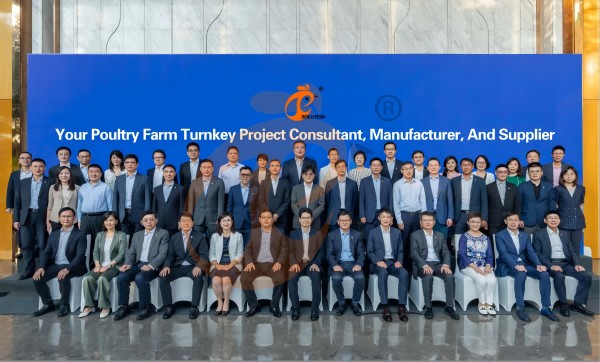
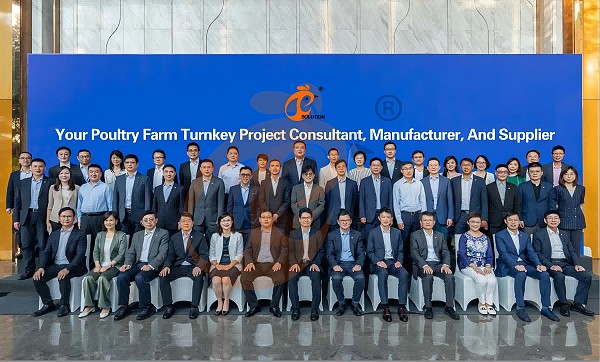
Hong Kong Headquarter Management Team
Hong Kong Headquarter Taiyu Industrial Group CO., LTD
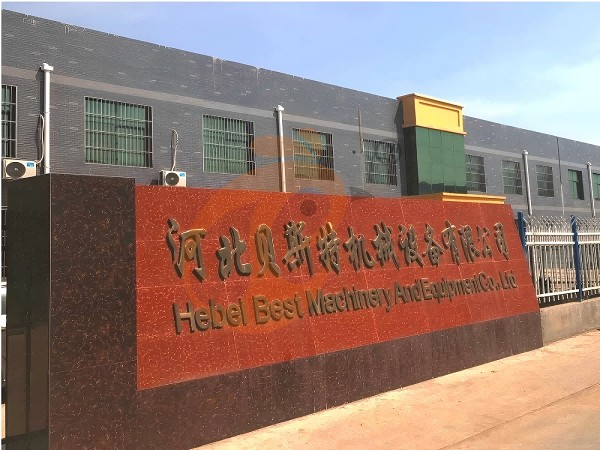
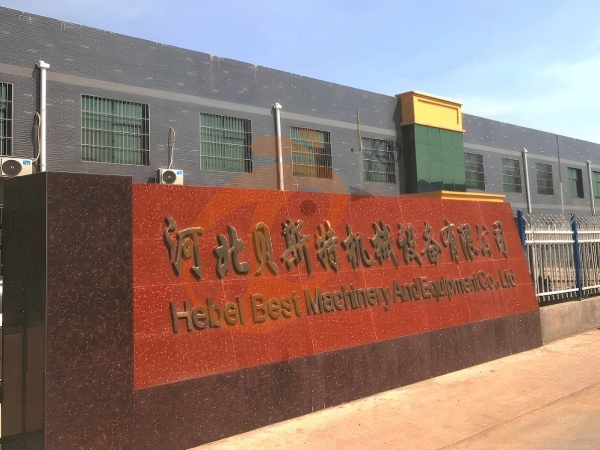
China Hebei Best Machinery And Equipment CO., LTD
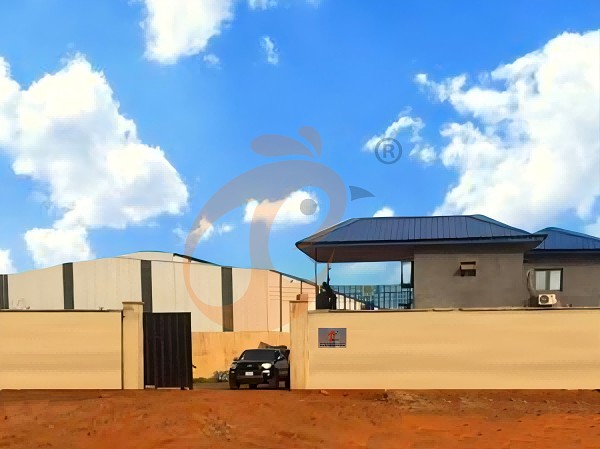
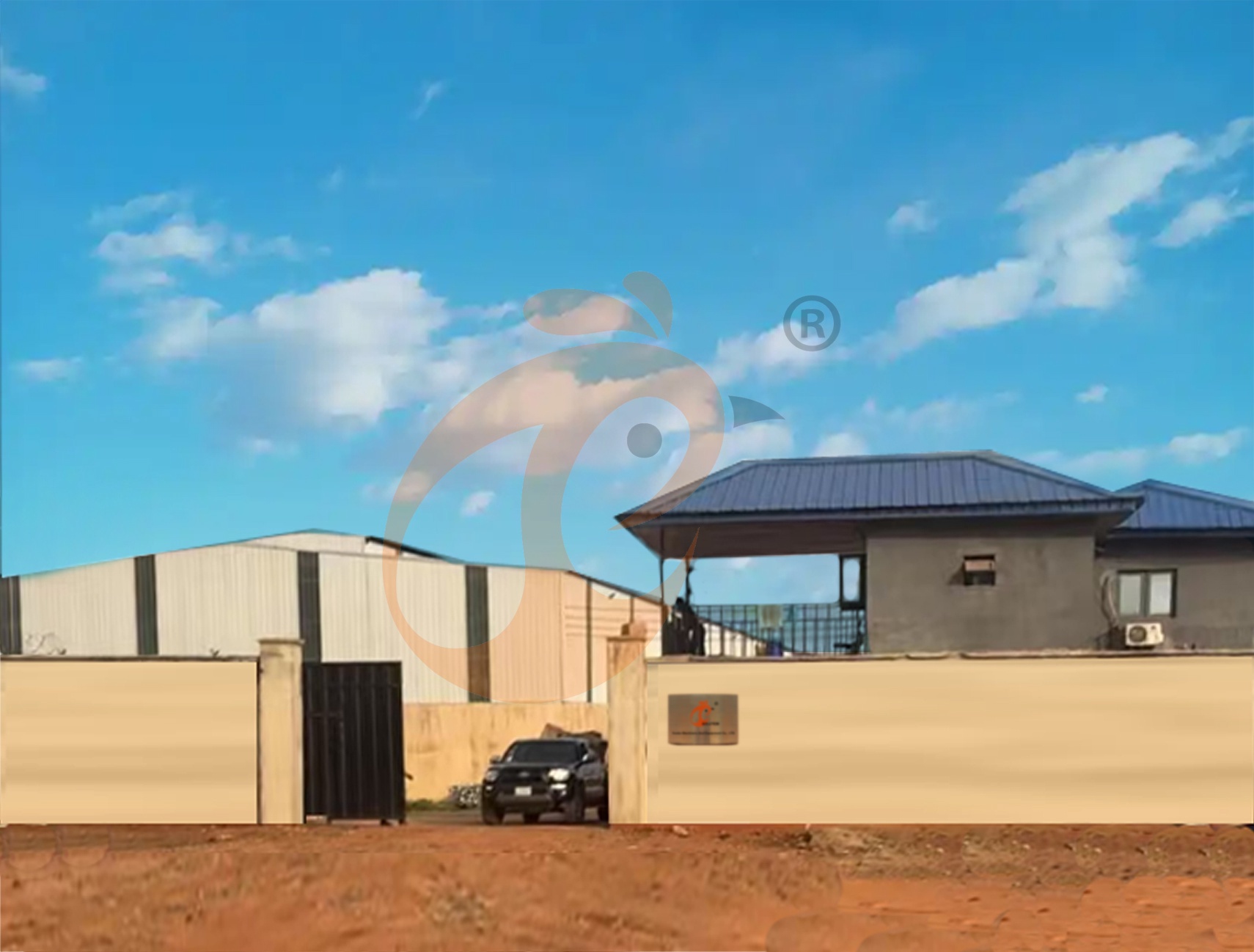
Nigeria Vanke Machinery And Equipment CO., LTD
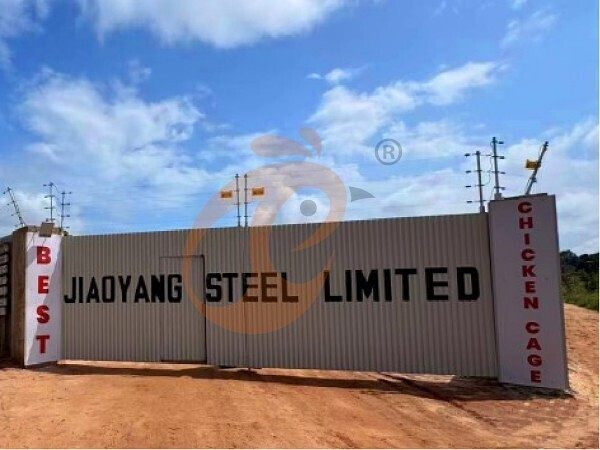
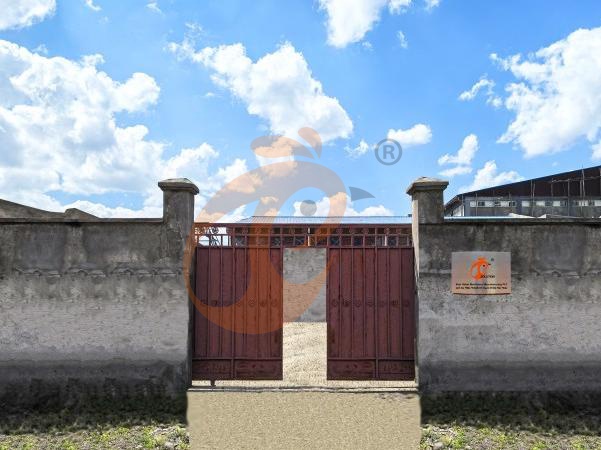
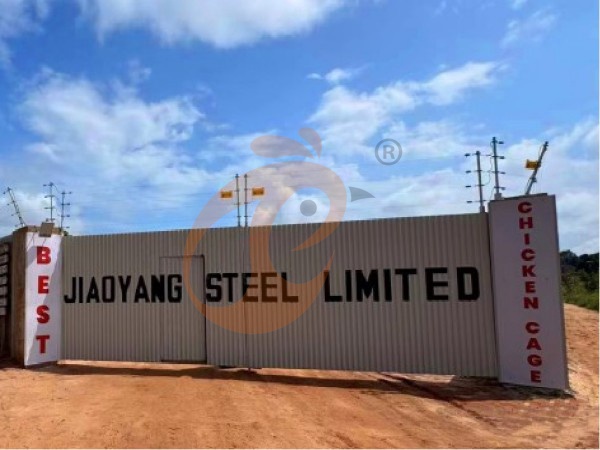
Tanzania Best Machinery And Equipment CO., LTD
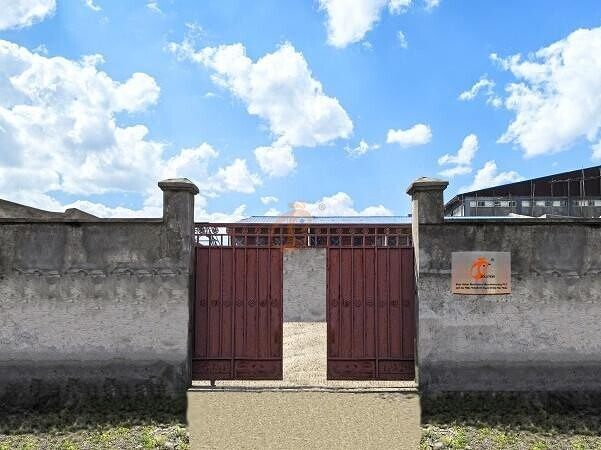
Ethiopia Best Hebei Machinery Manufacturing PLC
Reception /24 WhatsApp NO. : +8618830120193
FAQ
What Equipment Modules Are Included In Automatic Chicken Cage Poultry Equipment For Poultry Chicken Cage Systems?
Watering modules integrate pipelines rated for 16–20 mm diameter supporting stable distribution.
Manure belts utilize 1.0–1.2 mm thickness materials for continuous waste removal durability.
Which Structural Equipment Specifications Define Automatic Chicken Cage Poultry Equipment In Poultry Chicken Cage Systems?
Wire mesh spacing is maintained at 20–25 mm to support bird stability and waste separation.
Galvanization coating reaches 90–130 g/m² for corrosion resistance in high humidity environments.
What Drive System Equipment Parameters Are Used In Automatic Chicken Cage Poultry Equipment For Poultry Chicken Cage Farms?
Gear reducer ratio is configured between 1:20–1:40 for controlled mechanical output speed.
Transmission efficiency reaches 85%–92% minimizing energy loss during continuous operation.
Message
Products recommended
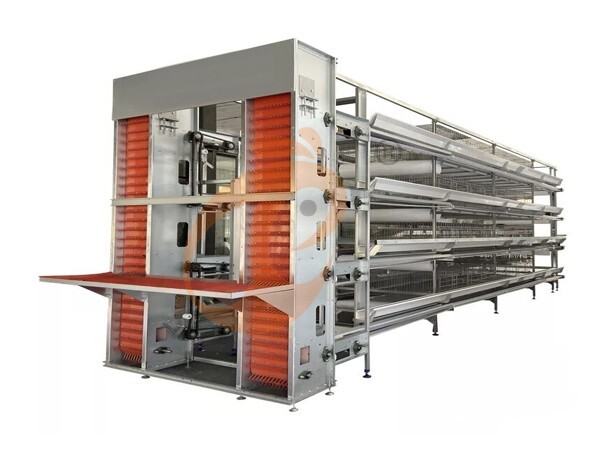
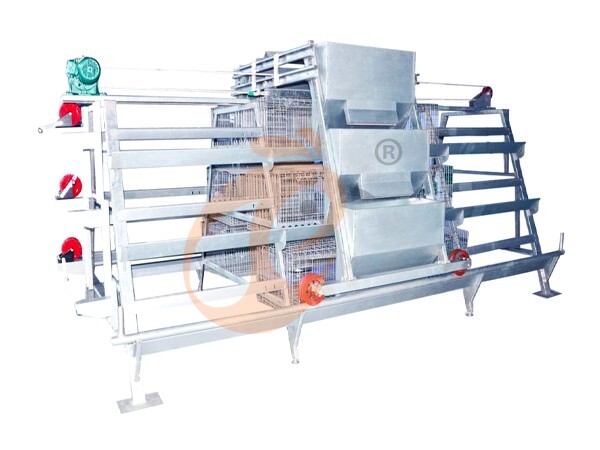
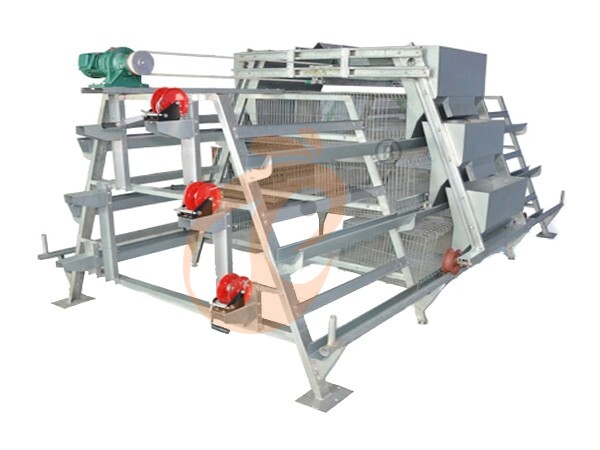
 >30,000 Pullets Automatic H Type Battery Cage1. More than 30,000 pullets a house, choose it.
2. It is designed to rearing older than 1 day old pullets to 12 to 16 weeks old chicken starting laying eggs.
3. Its lifespan is more than 25 years.
4. Its structure are Vcloud artificial intelligent fusion, electric control cabinet, automatic equipment of drinking, feeding, manure clean, manual harvesting.
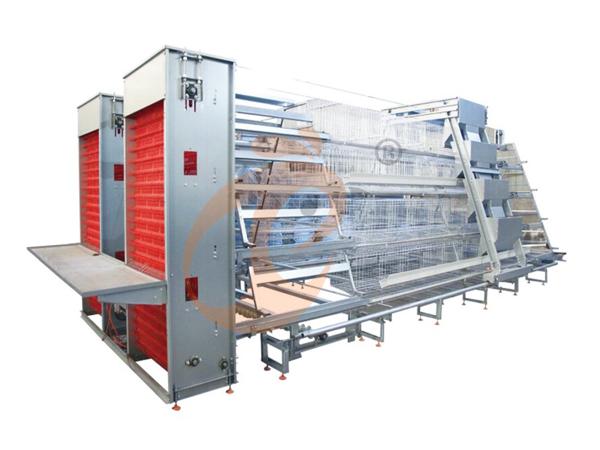
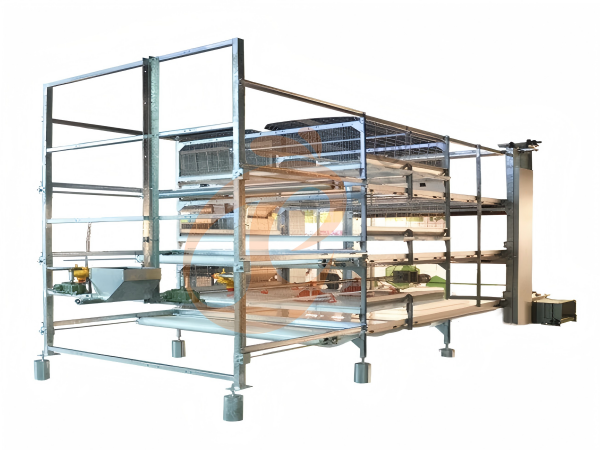
5. Our 24 hour online reception What’sApp NO. is +8618830120193 <30,000 Pullets Automatic A Type Battery Cage1. 10,000 to 30,000 pullets a house, choose it.
2. It is designed to rearing older than 1 day old pullets to 12 to 16 weeks old chicken starting laying eggs.
3. Its lifespan is more than 25 years.
4. Its structure are Vcloud artificial intelligent fusion, electric control cabinet, automatic equipment of drinking, feeding, manure clean, manual harvesting.
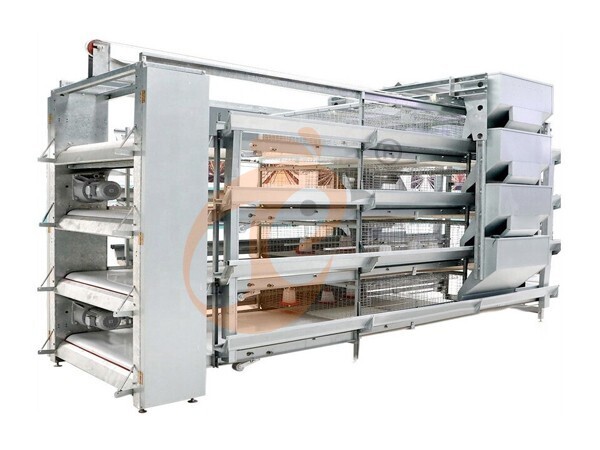
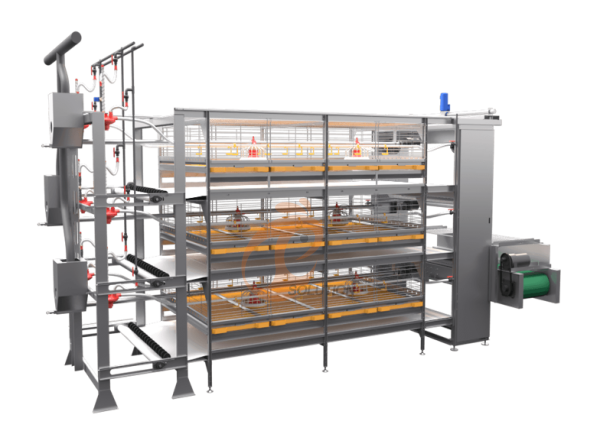
5. Our 24 hour online reception What’sApp NO. is +86 18830120193. >30,000 Broilers Semi-Automatic Harvest H Type Battery Cage1. More than 30,000 broilers a house, choose it.
2. It is designed to rearing 1 to 45 day old adult broiler ready for market.
3. Its lifespan is more than 20 years.
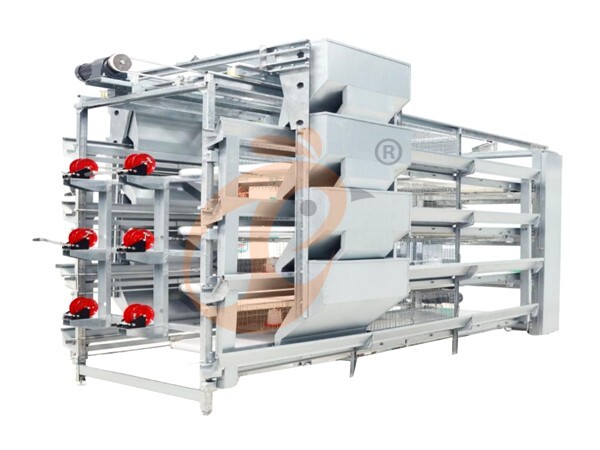
4. Our 24 hour online reception What’sApp NO. is +8618830120193, +234 8111199996. >30,000 Broilers Manual Harvest H Type Battery Cage1. More than 30,000 broilers a house, choose it.
2. It is designed to rearing 1 to 45 day old adult broiler ready for market.
3. Its lifespan is more than 20 years.
4. Its structure are Vcloud artificial intelligent fusion, electric control cabinet, automatic equipment of drinking, feeding and manure clean, manual harvesting.
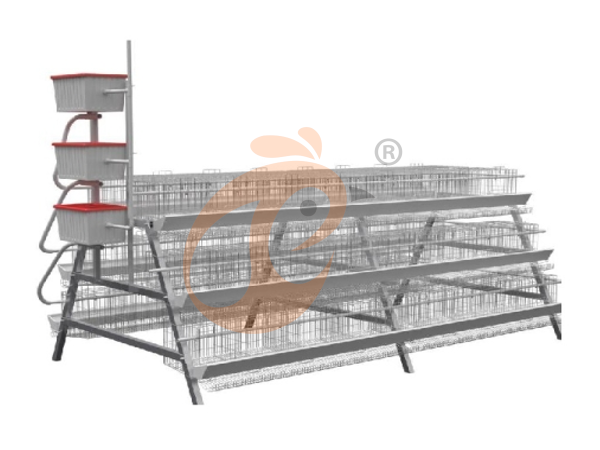
5. Our 24 hour online reception What’sApp NO. is +8618830120193, +234 8111199996. <30,000 Broilers Manual Harvest A Type Battery Cage1. Less 30,000 broilers a house, choose it.
2. It is designed to rearing 1 to 45 day old adult broiler ready for market.
3. Its lifespan is more than 20 years.
4. Its structure are Vcloud artificial intelligent fusion, electric control cabinet, automatic equipment of drinking, feeding and manure clean, manual harvesting.
5. Our 24 hour online reception What’sApp NO. is +8618830120193, +234 8111199996. HK Headquarter Offers EU-standard Poultry Farm Solutions, Manufacture Poultry Farm Equipment1. Continuous communication with the EU and the US
2. China, Nigeria, Ethiopia, Tanzania branch companies and factories
3. The products’ quality is customized for local poultry farms
4. Poultry cage and poultry farm equipment stock for sale
5. 24 online reception Whatsapp NO. : +8618830120193,contact us to get full information China Branch Offer Poultry Farm Business Plan, Manufacture Poultry Farm Equipment1. Address: Flat/RM 2416, 24/F, Runxing Building, Youyi Nan Street, Shijiazhuang City, Hebei Province, China
2. Poultry cage and poultry farm equipment factory and stock for sale
3. Customized for local poultry farms
4. Quality and design are based on Euro
5. 24 online reception Whatsapp NO. : +8618830120193 Nigeria Branch Offer Poultry Farm Business Plan, Manufacture Poultry Farm Equipment1. Address: After Sinoma Office, 200 Meters Near Danco Filling Station, Lagos/Ibadan Expressway, Lagos State, Nigeria
2. Poultry cage and poultry farm equipment factory and stock for sale
3. Customized for Nigerian poultry farms
4. Quality and design are based on Euro
5. 24 online reception Whatsapp NO. : +8618830120193 Ethiopia Branch Offer Poultry Farm Business Plan, Manufacture Poultry Farm Equipment1. Address: Gelan Gura, Akaki-kaliti Sub City, Addis Ababa, Ethiopia
2. Poultry cage and poultry farm equipment stock for sale
3. Customized for Ethiopian poultry farms
4. Quality and design are based on Euro
5. 24 online reception Whatsapp NO. : +8618830120193, contact us to get price list Tanzania Branch Offer Poultry Farm Business Plan, Manufacture Poultry Farm Equipment1. Address: No.8, Sova Road, Msufini, Mlandizi, Kibaha, Pwani, Tanzania
2. Poultry cage and poultry farm equipment factory and stock for sale
3. Customized for Tanzanian poultry farms
4. Quality and design are based on Euro
5. 24 online reception Whatsapp NO. : +8618830120193


Contact