


Blog
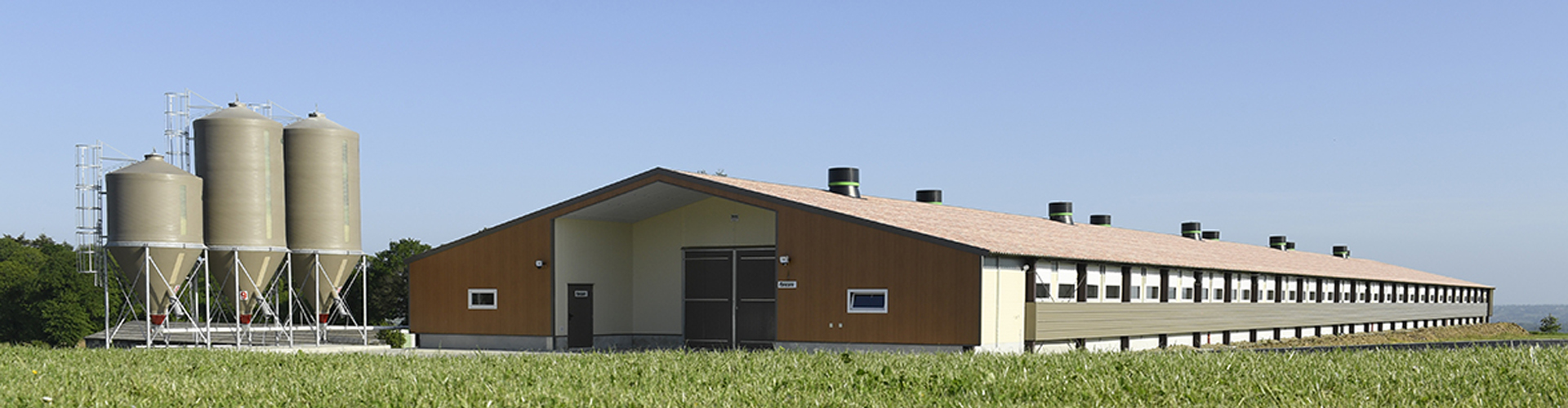
Deep litter layer farming combines efficient poultry equipment, automated feeding systems, and controlled housing to support profitable egg production across commercial farms.
Feed optimization, targeting waste reduction from 5% toward 2%, can improve cost control when flock performance remains stable.
Automatic egg collection systems help reduce handling labor, minimize damage, and maintain consistent daily production workflows.
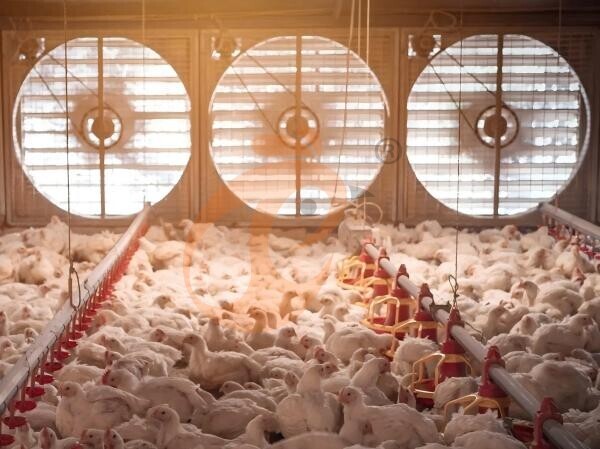
Ventilation equipment, nipple drinkers, and environmental controllers support litter management, bird comfort, and operational stability.
- Integrated poultry equipment packages connect maintenance planning, measurable return on investment, and scalable farm development for long-term commercial competitiveness.
Get professional poultry farm construction guidance, equipment selection solutions, and the latest price lists, whatsApp to +8618830120193, click to learn more:
Profit Factor One: Feed Efficiency And Feeding Equipment
Data is for reference only.Swipe horizontally to view full table.
Feed is typically one of the largest operating expenses in layer production.
A reduction in feed waste from 5% to 2% can improve poultry equipment return on investment when bird intake and production remain stable.
Automatic pan feeders, poultry feeding systems, and conveying augers support consistent distribution while reducing repetitive manual work.
Correct feeder adjustment and scheduled inspections help prevent uneven access and unnecessary spillage.
Equipment Recommendation: Select a complete poultry feeding system with appropriately sized silos, conveying equipment, and feeder lines.
Profit Factor Two: Egg Production And Collection Efficiency
Data is for reference only.Swipe horizontally to view full table.
Egg revenue depends on saleable output, market prices, and product quality.
Reducing cracked or damaged eggs can increase saleable production without expanding existing housing capacity.
Suitable nests, automatic egg collection systems, and poultry egg conveyors improve workflow and reduce repeated manual handling.
For larger installations, evaluate belt durability, transfer-point design, cleaning access, and compatibility with grading equipment.
Profit Factor Three: Ventilation And Environmental Control
Engineering Points
- Airflow Capacity: Use 4–6 m³/h per bird as a preliminary assessment reference, then calculate final requirements using bird weight, temperature, humidity, and applicable engineering standards.
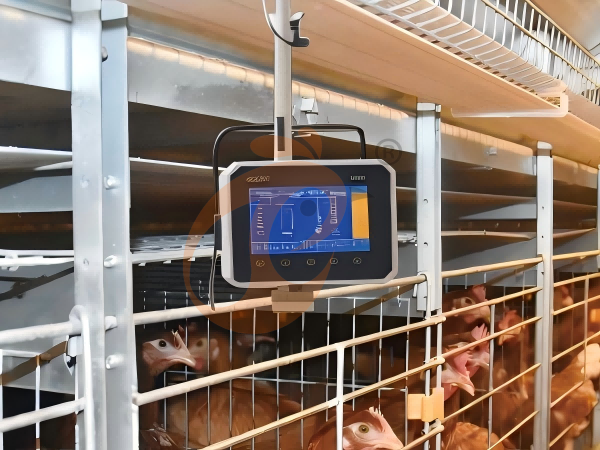
- Temperature Management: Configure poultry house ventilation controllers around age-specific comfort requirements, using a representative monitoring interval of 5 minutes.
- Humidity Control: Consider an indoor relative humidity reference of 50–70%, adjusted to climate, litter conditions, and management requirements.
- Air Distribution: Assess static pressure around 20–30 Pa where suitable for the building design and ventilation configuration.
- Emergency Protection: Install poultry house ventilation alarms and test backup power under simulated operating loads.
Environmental control influences bird comfort, feed intake, and egg production.
Poor airflow can increase moisture and ammonia accumulation, creating avoidable management challenges.
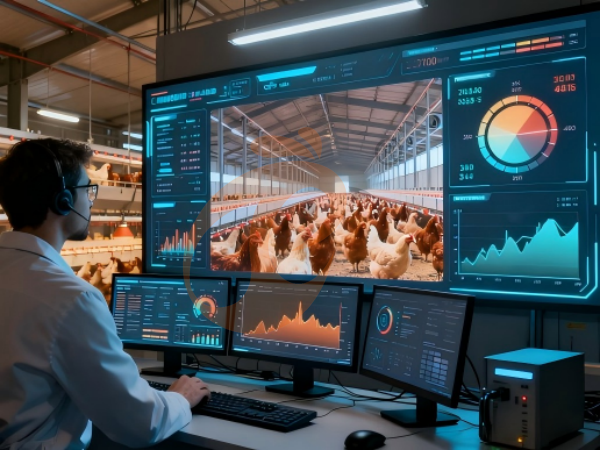
A coordinated poultry ventilation system—including exhaust fans, air inlets, sensors, controllers, and alarm systems—helps operators respond to changing conditions.
Fan selection should account for delivered airflow under operating static pressure, energy demand, durability, and serviceability.
Profit Factor Four: Labor Productivity And Automation
Data is for reference only.Swipe horizontally to view full table.
Labor efficiency becomes increasingly important as flock size increases.
Automatic poultry feeding systems allow workers to devote more time to bird observation, litter management, preventive maintenance, and biosecurity.
Practical Tip Card
Tip 1 — Automate Repetitive Tasks: Prioritize operations with the highest recurring labor burden.
Tip 2 — Calculate Savings: Multiply verified labor-hour reductions by the fully loaded hourly labor cost.
Tip 3 — Train Operators: Provide poultry equipment training before commissioning and document standard operating procedures.
Tip 4 — Stock Critical Spares: Set minimum inventory levels according to component failure risk and supplier lead time.
The best poultry automation investment balances productivity, serviceability, and operating complexity.
Profit Factor Five: Litter Management And Flock Health
Data is for reference only.Swipe horizontally to view full table.
Deep litter layer farming requires regular inspection, moisture control, and suitable litter maintenance.
Wet or compacted litter can contribute to ammonia exposure, footpad problems, and increased disease pressure.
Poultry nipple drinking systems equipped with filters, pressure regulators, and suitable line supports help minimize leakage.
Equipment cannot guarantee dry litter by itself; ventilation, stocking density, drinker adjustment, and litter material remain important.
Choose durable poultry equipment with accessible components that simplify cleaning and inspection.
Profit Factor Six: Equipment Reliability And Maintenance Costs
Data is for reference only.Swipe horizontally to view full table.
Low-cost poultry equipment may appear attractive initially, but frequent repairs and extended downtime can increase total ownership costs.
Buyers should evaluate the complete installed system rather than comparing purchase prices alone.
Request technical specifications, warranty terms, installation requirements, and a detailed quotation covering essential accessories.
Confirm spare-parts arrangements and technical support commitments before finalizing the purchase.
Reliable equipment and planned maintenance help stabilize operating expenses and protect investment throughout the production cycle.
Profit Factor Seven: Housing Layout And Equipment Compatibility
Data is for reference only.Swipe horizontally to view full table.
A deep litter layer house should function as an integrated poultry equipment system.
Purchasing feeders, drinkers, fans, and egg collection equipment independently without checking compatibility can cause installation delays and inefficient operation.
Suppliers should assess building geometry, ventilation requirements, utility availability, workflow, and intended production scale before recommending a package.
Accessible service areas also simplify routine inspection and future equipment upgrades.
Return On Investment Calculation: Measure The Financial Results
Simple Return On Investment Framework
{ROI}=frac{text{Annual Net Benefit}}{text{Initial Investment}}times100%
Annual net benefit should include incremental revenue and verified savings, minus additional operating, maintenance, and other relevant costs.
Compare two scenarios:
- Before Installation: Establish a representative operating baseline using historical production and cost records.
- After Installation: Measure the same indicators over comparable production periods and operating conditions.
For example, a poultry equipment upgrade costing $20,000 that generates an estimated annual net benefit of $6,000 produces a simple annual return on invesment of 30%, with an approximate payback period of 3.33 years.
European union standard reference only.
Actual returns depend on market conditions, production performance, utilization, financing, and equipment lifespan.
Recommended Equipment Combinations For Different Farm Sizes
Data is for reference only.Swipe horizontally to view full table.
Equipment Combination Recommendation
For a commercial deep litter layer house, consider a coordinated poultry equipment package containing:
- Feed silos and automatic conveying equipment.
- Feeding lines and appropriately selected feeders.
- Nipple drinker lines with filtration and pressure regulation.
- Exhaust fans, air inlets, sensors, and climate controllers.
- Suitable nests and egg collection equipment.
- Alarm systems and essential maintenance accessories.
Final capacities must be engineered for flock size, building geometry, climate, and production workflow.
The figures above are preliminary planning ranges, not universal specifications.
Implementation Workflow: From Planning To Production
Step 1 — Assess The Farm
Document building layout, utility capacity, operating objectives, and site conditions before selecting poultry equipment.
Step 2 — Design The System
Coordinate equipment sizing, airflow, feed delivery, drinking lines, and egg movement to improve operational compatibility.
Step 3 — Compare Suppliers
Evaluate specifications, installed cost, warranty coverage, spare-parts availability, and technical support.
Step 4 — Install And Test
Complete functional checks, safety inspections, alarm verification, and commissioning records before introducing birds.
Step 5 — Monitor Performance
Review operating data weekly and investigate deviations from the established baseline.
Step 6 — Optimize Continuously
Conduct formal performance reviews every 30 days and adjust maintenance or equipment settings when evidence supports a change.
This structured process reduces purchasing uncertainty and makes it easier to identify investments that generate measurable business value.
Conclusion: Invest In Equipment That Delivers Measurable Value
Deep litter layer farming profitability depends on feed management, egg handling, ventilation, labor, litter quality, equipment reliability, and housing design.
The objective is to build a reliable poultry equipment system rather than simply purchase individual machines.
Properly selected feeding systems, nipple drinkers, ventilation equipment, environmental controllers, and egg collection solutions can help reduce avoidable losses and improve operational consistency.
As a poultry equipment supplier, we help farmers identify practical equipment combinations based on production objectives, housing conditions, and investment budgets.
From essential components to integrated poultry house solutions, the right configuration starts with a clear assessment of operational needs.
Planning a new deep litter layer farm or upgrading an existing poultry house? Contact our team to discuss flock capacity, building dimensions, climate conditions, and investment plans.
We can help evaluate suitable equipment options, prepare a customized system configuration, and estimate potential returns using farm operating data.
Frequently Asked Questions
Q1: Which poultry equipment is essential for deep litter layer farming?
Automatic feeding systems, nipple drinkers, ventilation fans, environmental controllers, and suitable egg collection equipment form a practical starting package for commercial poultry operations.
Q2: How can poultry equipment improve deep litter layer farm return on investment?
Automation can reduce labor requirements, feed waste, and egg handling losses.
Actual return on investment depends on verified savings, equipment costs, production performance, and maintenance expenses.
Q3: How should buyers select ventilation equipment for layer houses?
Assess flock size, bird weight, climate, building dimensions, and required airflow before selecting fan capacity.
Preliminary airflow estimates must be confirmed through project-specific engineering calculations.
Taiyu (HK) Group - One Of China's Largest Poultry Equipment Manufacturer
Deep litter layer farming equipment integrates feeding, drinking, ventilation, and egg collection systems, with capacity engineered to project specifications.
Global factory-direct supply supports coordinated poultry equipment procurement, technical documentation, and configuration planning for international projects.
Poultry equipment manufacturing covers automated feeding lines, nipple drinking systems, ventilation controls, and integrated housing components.
Turn-key engineering services coordinate layout design, equipment selection, installation planning, commissioning, and technical support.
Project-based quotations define equipment specifications, operating capacity, installation scope, and after-sales service requirements.
Contact Us To Received Your Customized Poultry Farm Plan
Headquarters And Branchs

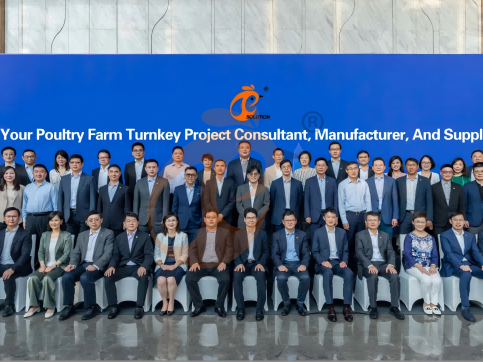
Hong Kong Headquarter Management Team
Hong Kong Headquarter Taiyu Industrial Group CO., LTD
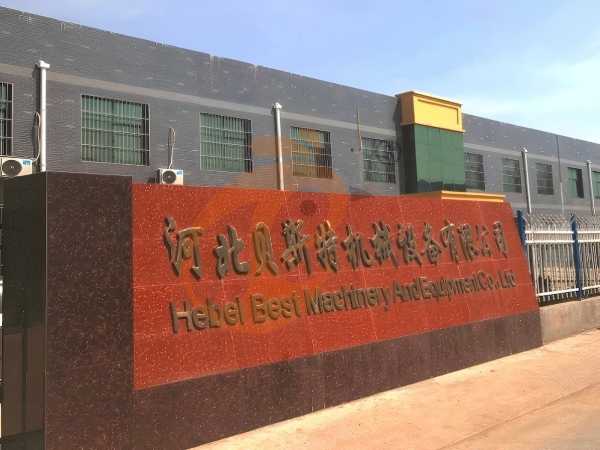
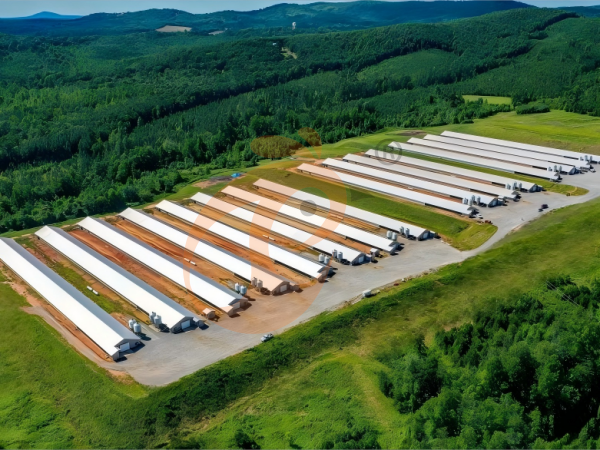
China Hebei Best Machinery And Equipment CO., LTD
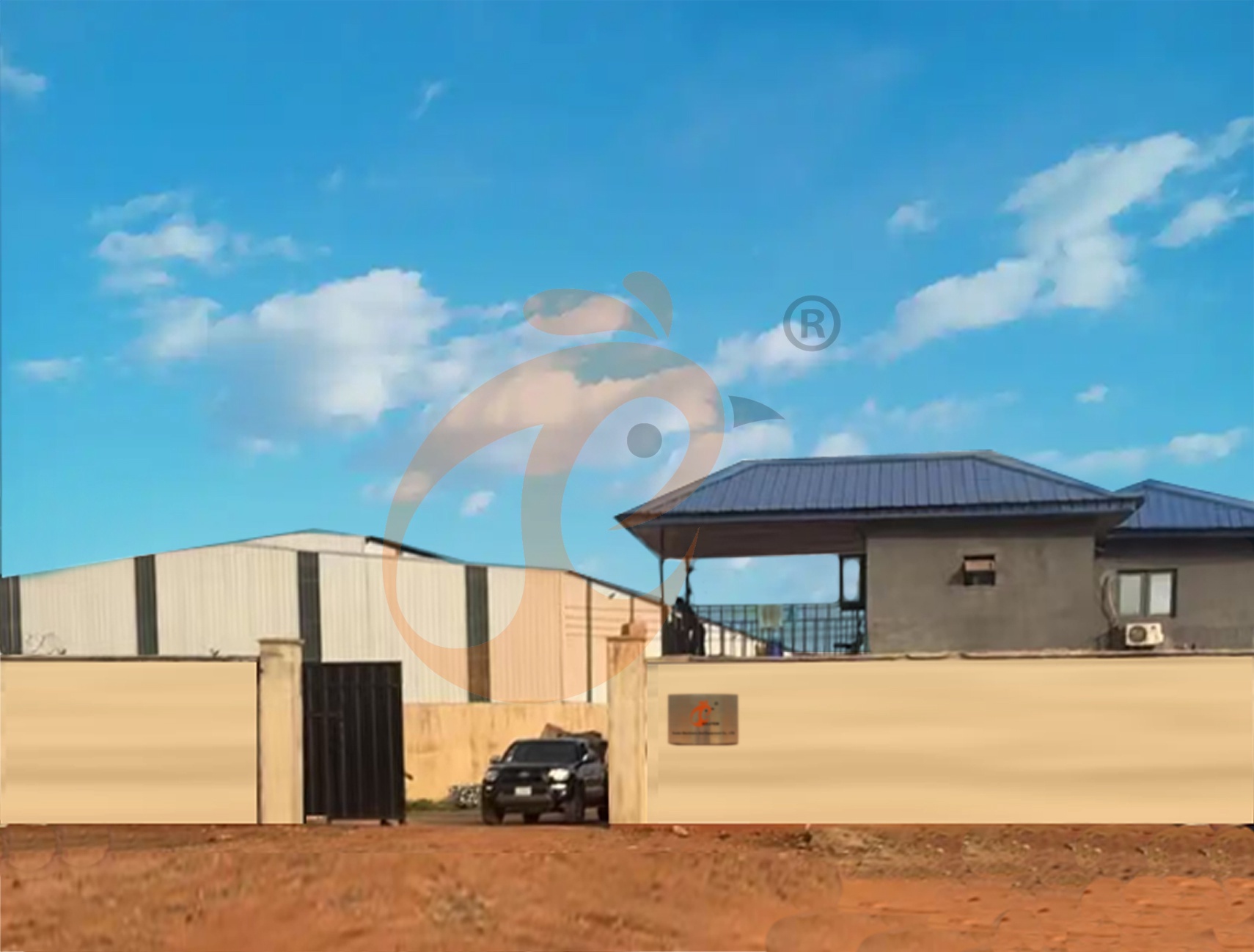
Nigeria Vanke Machinery And Equipment CO., LTD
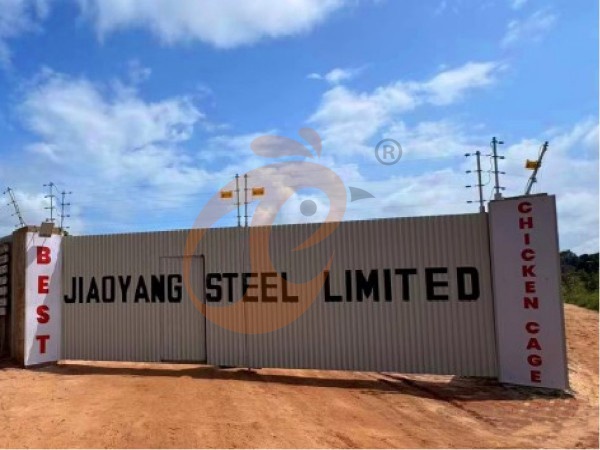
Tanzania Best Machinery And Equipment CO., LTD
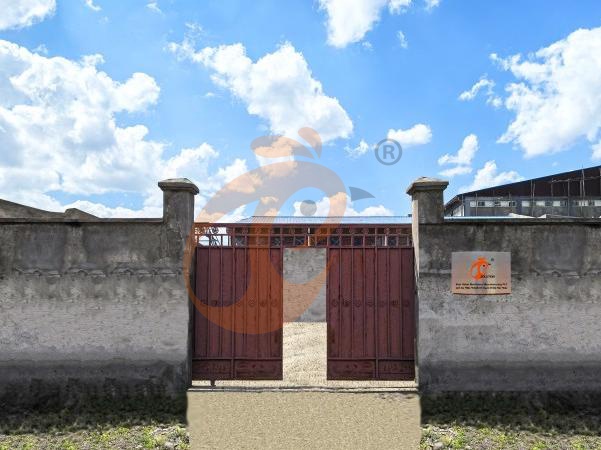
Ethiopia Best Hebei Machinery Manufacturing PLC




Reception /24 WhatsApp NO. : +8618830120193
FAQ
What Are The Growth Performance Benefits In Deep Litter Poultry System?
Feed conversion ratio improves to 1.55–1.78 due to thermal comfort and reduced stress.
Market uniformity rate exceeds 85%–92% within target slaughter weight range.
What Are The Litter Turning And Management Frequency Standards In Deep Litter Poultry System?
Surface leveling is maintained every 3–5 days to prevent compaction zones.
Full litter replacement cycle occurs every 2–3 production batches depending on load intensity.
What Are The Energy Efficiency And Cost Advantages In Deep Litter Poultry System?
Construction cost savings reach 25%–40% compared with fully caged housing systems.
Operational labor demand decreases by 30%–50% through simplified floor-based management.
- poultry farm
- poultry house
- cage
- poultry farm construction
- poultry house ventilation
- poultry feeding system
- automatic feeding system
- automatic poultry feeding system
- poultry equipment
- egg collection system
- egg collection equipment
- automatic egg collection system
- chickencage
- bestchickencage
- Nigeria
- layer farm
- poultry equipment supplier
- layer farming equipment
- poultry ventilation system
- poultry equipment manufacturer
- poultry house ventilation controller
- poultry house solutions
- automatic egg collection
- poultry farm plan
- poultry feed
- feed silo
- Ethiopia
Message
Products recommended
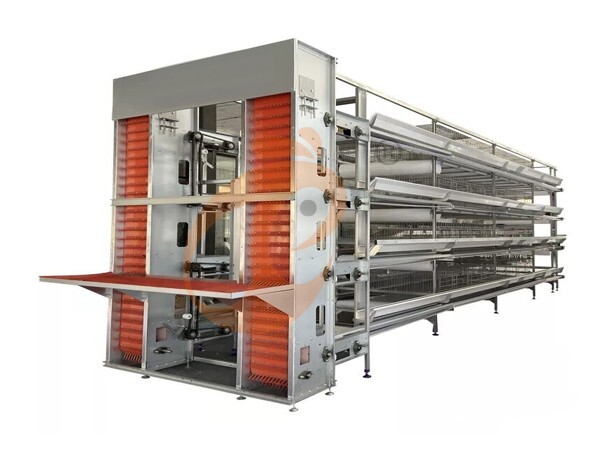
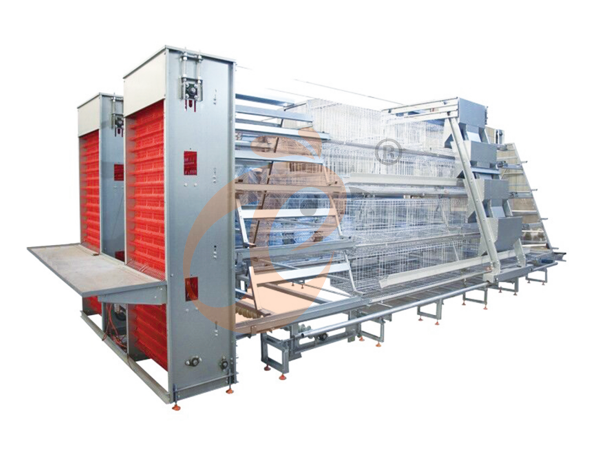
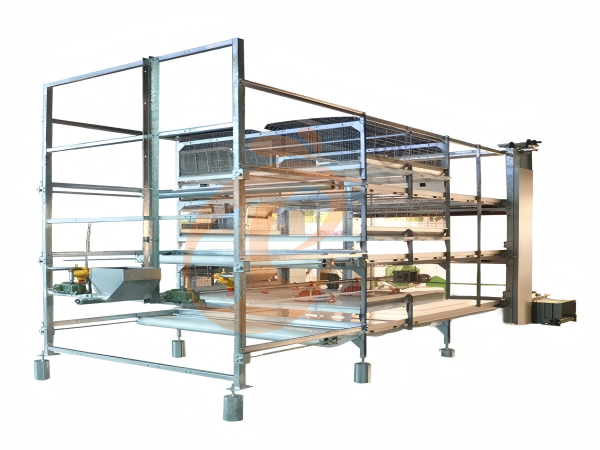
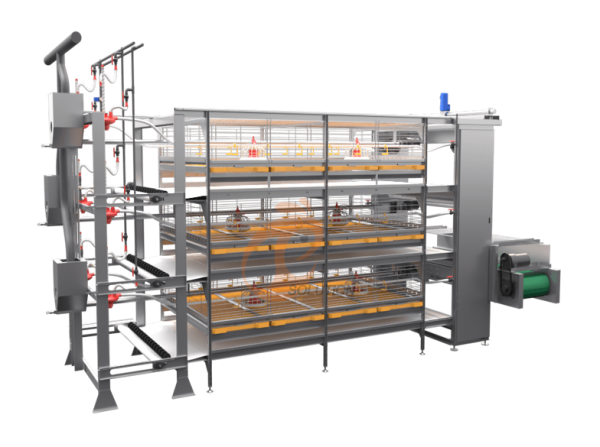
 >30,000 Pullets Automatic H Type Battery Cage1. More than 30,000 pullets a house, choose it.
2. It is designed to rearing older than 1 day old pullets to 12 to 16 weeks old chicken starting laying eggs.
3. Its lifespan is more than 25 years.
4. Its structure are Vcloud artificial intelligent fusion, electric control cabinet, automatic equipment of drinking, feeding, manure clean, manual harvesting.
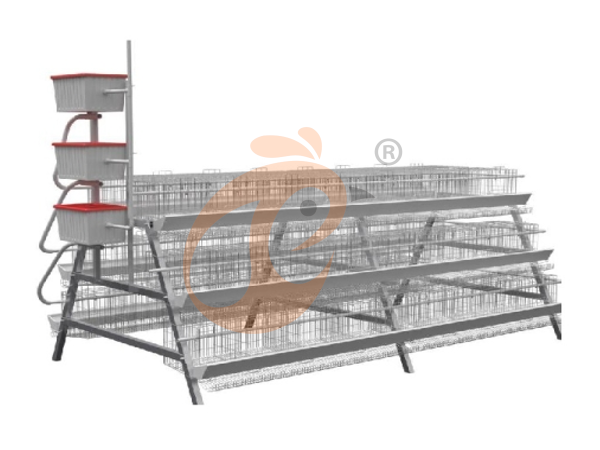
5. Our 24 hour online reception What’sApp NO. is +8618830120193 <30,000 Pullets Automatic A Type Battery Cage1. 10,000 to 30,000 pullets a house, choose it.
2. It is designed to rearing older than 1 day old pullets to 12 to 16 weeks old chicken starting laying eggs.
3. Its lifespan is more than 25 years.
4. Its structure are Vcloud artificial intelligent fusion, electric control cabinet, automatic equipment of drinking, feeding, manure clean, manual harvesting.
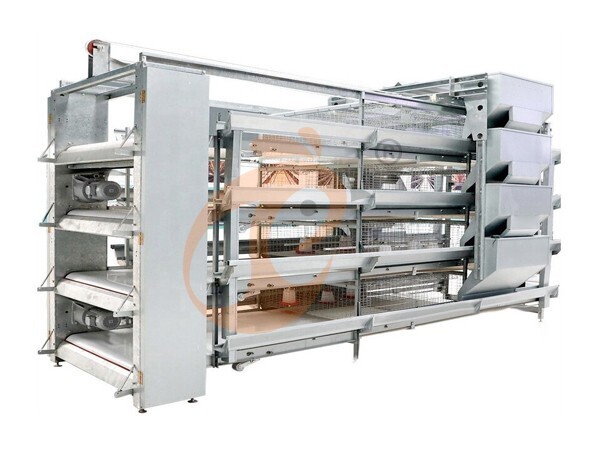
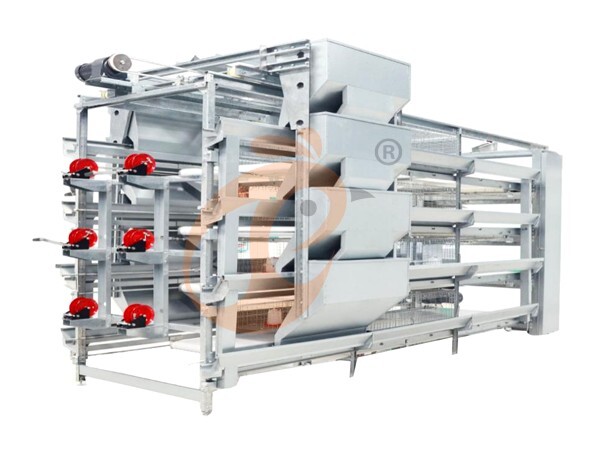
5. Our 24 hour online reception What’sApp NO. is +86 18830120193. >30,000 Broilers Semi-Automatic Harvest H Type Battery Cage1. More than 30,000 broilers a house, choose it.
2. It is designed to rearing 1 to 45 day old adult broiler ready for market.
3. Its lifespan is more than 20 years.
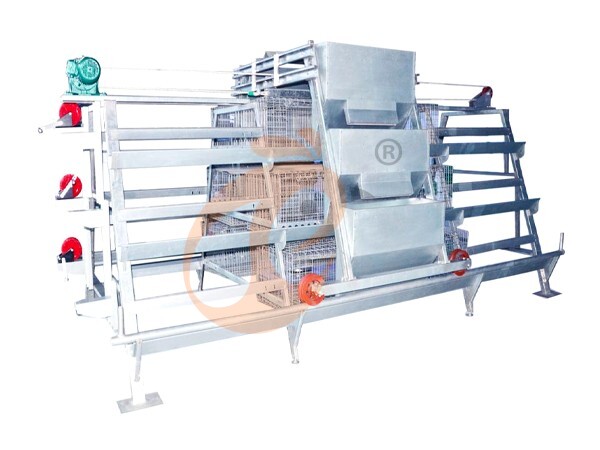
4. Our 24 hour online reception What’sApp NO. is +8618830120193, +234 8111199996. >30,000 Broilers Manual Harvest H Type Battery Cage1. More than 30,000 broilers a house, choose it.
2. It is designed to rearing 1 to 45 day old adult broiler ready for market.
3. Its lifespan is more than 20 years.
4. Its structure are Vcloud artificial intelligent fusion, electric control cabinet, automatic equipment of drinking, feeding and manure clean, manual harvesting.
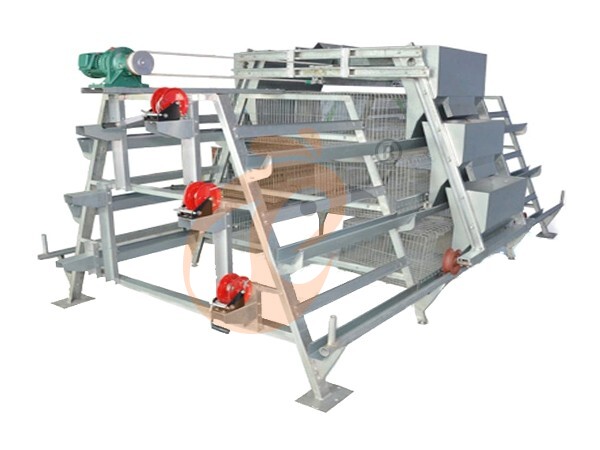
5. Our 24 hour online reception What’sApp NO. is +8618830120193, +234 8111199996. <30,000 Broilers Manual Harvest A Type Battery Cage1. Less 30,000 broilers a house, choose it.
2. It is designed to rearing 1 to 45 day old adult broiler ready for market.
3. Its lifespan is more than 20 years.
4. Its structure are Vcloud artificial intelligent fusion, electric control cabinet, automatic equipment of drinking, feeding and manure clean, manual harvesting.
5. Our 24 hour online reception What’sApp NO. is +8618830120193, +234 8111199996. HK Headquarter Offers EU-standard Poultry Farm Solutions, Manufacture Poultry Farm Equipment1. Continuous communication with the EU and the US
2. China, Nigeria, Ethiopia, Tanzania branch companies and factories
3. The products’ quality is customized for local poultry farms
4. Poultry cage and poultry farm equipment stock for sale
5. 24 online reception Whatsapp NO. : +8618830120193,contact us to get full information China Branch Offer Poultry Farm Business Plan, Manufacture Poultry Farm Equipment1. Address: Flat/RM 2416, 24/F, Runxing Building, Youyi Nan Street, Shijiazhuang City, Hebei Province, China
2. Poultry cage and poultry farm equipment factory and stock for sale
3. Customized for local poultry farms
4. Quality and design are based on Euro
5. 24 online reception Whatsapp NO. : +8618830120193 Nigeria Branch Offer Poultry Farm Business Plan, Manufacture Poultry Farm Equipment1. Address: After Sinoma Office, 200 Meters Near Danco Filling Station, Lagos/Ibadan Expressway, Lagos State, Nigeria
2. Poultry cage and poultry farm equipment factory and stock for sale
3. Customized for Nigerian poultry farms
4. Quality and design are based on Euro
5. 24 online reception Whatsapp NO. : +8618830120193 Ethiopia Branch Offer Poultry Farm Business Plan, Manufacture Poultry Farm Equipment1. Address: Gelan Gura, Akaki-kaliti Sub City, Addis Ababa, Ethiopia
2. Poultry cage and poultry farm equipment stock for sale
3. Customized for Ethiopian poultry farms
4. Quality and design are based on Euro
5. 24 online reception Whatsapp NO. : +8618830120193, contact us to get price list Tanzania Branch Offer Poultry Farm Business Plan, Manufacture Poultry Farm Equipment1. Address: No.8, Sova Road, Msufini, Mlandizi, Kibaha, Pwani, Tanzania
2. Poultry cage and poultry farm equipment factory and stock for sale
3. Customized for Tanzanian poultry farms
4. Quality and design are based on Euro
5. 24 online reception Whatsapp NO. : +8618830120193


Contact