


Blog
Free range layer farming return on investment depends on efficient poultry equipment, reliable production systems, and measurable operating costs across commercial egg production.
Automatic chicken feeding systems help control feed waste while supporting consistent nutrition and stable flock performance throughout production cycles.
Automatic egg collection systems improve handling efficiency, protect egg quality, and support commercial farms targeting 92–96% laying performance.
Poultry drinking systems, manure belt systems, and environmental controls help optimize farm operations, bird welfare, and equipment utilization.
Integrated poultry equipment solutions combine engineering design, preventive maintenance, and capital planning to strengthen long-term profitability and sustainable farm expansion.
Get professional poultry farm construction guidance, equipment selection solutions, and the latest price lists, whatsApp to +8618830120193, click to learn more:
Why Free Range Layer Farming Can Deliver Strong Return On Investment
Free range layer farming offers egg producers an opportunity to increase revenue through differentiated products, improved flock management, and efficient poultry equipment systems.
However, profitability depends on more than egg prices.
Housing design, feeding efficiency, labor costs, equipment reliability, and flock health all influence return on investment.
For commercial poultry farmers, choosing the right automatic chicken feeding system, automatic egg collection system, and poultry drinking system is a strategic investment.
Well-designed poultry equipment helps reduce daily workloads and improve operational consistency across commercial farms.
Profit Factor One: Egg Production And Market Value
Data is for reference only.Swipe horizontally to view full table.
Free range eggs may command premium prices in certain markets, but the premium varies by region, certification, and customer demand.
Automatic egg collection systems and commercial poultry equipment can support consistent handling and improve production workflows.
Producers should calculate revenue using realistic selling prices and actual saleable egg output rather than assuming every egg earns the highest market price.
Engineering Highlights: Design Equipment Around Flock Behavior
Engineering Checklist For Profitable Free Range Layer Housing
Nest placement: Provide approximately 1 individual nest per 4–5 hens, or use communal nests designed for the intended flock.
Feeding access: Allow around 10–15 cm of linear feeder space per bird, subject to feeder design and local standards.
Drinking systems: Configure approximately 8–12 birds per nipple, depending on the drinker model and management requirements.
Ventilation: Design for site-specific airflow, commonly around 4–6 m³/h per kg of live bird weight under suitable conditions.
Egg handling: Use smooth transitions and correctly aligned automatic egg collection conveyors to minimize impact damage.
Outdoor access: Position pop-holes to encourage bird movement and reduce congestion around exits.
Automatic chicken feeding systems and poultry drinking systems must match housing layouts, flock sizes, and applicable animal-welfare standards.
A well-engineered poultry equipment installation helps prevent bottlenecks while supporting bird welfare and operational efficiency.
Profit Factor Two: Feed Efficiency And Waste Reduction
Data is for reference only.Swipe horizontally to view full table.
Practical Tip Card
Three ways to improve feed-related return on investment
01 — Optimize Feeding Height
Adjust automatic chicken feeding equipment to approximately the birds' back level to help reduce spillage.
02 — Monitor Conversion Efficiency
Track feed consumption per dozen saleable eggs rather than relying exclusively on total daily feed use.
03 — Maintain Mechanical Reliability
Inspect augers, motors, feed outlets, and silo connections regularly to identify waste and mechanical problems.
The objective is not simply to feed less.
Automatic feeding systems should help convert feed into more saleable eggs while maintaining appropriate nutrition, body condition, and laying performance.
Profit Factor Three: Labor Efficiency And Automation
Data is for reference only.Swipe horizontally to view full table.
Automatic chicken feeding equipment, automatic egg collection systems, and manure removal equipment can reduce repetitive manual handling.
Labor savings should be measured using actual working hours, wages, maintenance expenses, and equipment financing costs.
Automation does not eliminate labor entirely; it changes the work from repetitive handling toward inspection, maintenance, flock observation, and system management.
Process Structure: From Equipment Investment To Profit
A disciplined poultry equipment investment process reduces the risk of buying machinery that does not match farm requirements.
Farm Assessment → System Design → Equipment Selection → Installation → Commissioning → Performance Monitoring
Farm assessment: Confirm flock capacity, building dimensions, production targets, and available utilities.
System design: Coordinate feeding, drinking, nesting, egg collection, ventilation, and manure handling.
Equipment selection: Compare capacity, durability, spare parts availability, and service support.
Installation: Check alignment, electrical safety, water pressure, and operating clearances.
Commissioning: Test automatic chicken feeding systems and other equipment before introducing the flock.
Monitoring: Compare actual production, labor, feed use, and maintenance costs against the business plan.
This structured approach helps producers evaluate integrated poultry equipment rather than purchasing individual machines without considering system compatibility.
Profit Factor Four: Flock Health And Egg Quality
Data is for reference only.Swipe horizontally to view full table.
Healthy birds and clean eggs support stable production, but poultry equipment alone cannot guarantee flock health.
Effective biosecurity, vaccination programs, nutrition, stocking management, and veterinary oversight remain essential.
Automatic drinking systems, ventilation equipment, and manure removal systems can support consistent farm hygiene and environmental management.
Producers should also ensure that free range access, housing arrangements, and equipment specifications meet local regulations and certification requirements.
Equipment Combination Recommendation: Build A Complete Production System
For a commercial free range layer farm, the most effective investment often combines complementary poultry equipment rather than focusing on a single machine.
Recommended Equipment Package
Automatic Chicken Feeding System
Automatic feeding lines, feed pans, augers, and bulk feed silos help maintain consistent feed distribution and reduce manual handling.
Poultry Drinking System
Nipple drinkers, pressure regulators, filters, and flushing components support dependable water delivery and easier maintenance.
Automatic Egg Collection System
Nest boxes and egg conveyors help streamline collection and reduce unnecessary manual egg handling.
Poultry Manure Removal System
Manure belts, scrapers, and appropriate collection arrangements simplify manure removal and support cleaner housing.
An experienced poultry equipment supplier can help match these systems to flock capacity, house dimensions, and future expansion plans.
Prioritize equipment compatibility, dependable after-sales service, and access to replacement parts.
Profit Factor Five: Maintenance And Equipment Lifespan
Data is for reference only.Swipe horizontally to view full table.
Preventive maintenance protects the original poultry equipment investment and helps preserve production continuity.
Farms should evaluate total cost of ownership, including purchase price, installation, energy use, spare parts, labor, and expected service life.
A lower-priced automatic egg collection system or feeding machine may cost more over time if breakdowns are frequent or technical support is difficult to obtain.
Profit Factor Six: Capital Planning And Return On Investment Measurement
Data is for reference only.Swipe horizontally to view full table.
Return On Investment Calculation: Annual net return ÷ initial investment × 100%.
For reference only, equipment costing $40,000 and generating $12,000 in additional annual net cash benefits would produce a simple payback period of approximately 3.33 years.
Actual results depend on farm conditions and should be validated using realistic operating data.
This simplified example excludes financing, taxes, depreciation, and changes in working capital.
Buyer Checklist: Select Equipment For Long-Term Value
Before placing an order, commercial poultry producers should assess:
Capacity: Does the automatic chicken feeding system support the intended flock size and expansion plans?
Durability: Are materials and components suitable for the farm environment?
Efficiency: Can the equipment reduce measurable labor, feed waste, or egg handling losses?
Integration: Will the poultry drinking system and egg collection equipment work with existing buildings?
Service: Are installation guidance, technical support, and replacement parts available?
Compliance: Does the proposed configuration meet applicable welfare and safety requirements?
Request equipment specifications, installation requirements, warranty terms, and a clearly itemized quotation.
A professional poultry equipment manufacturer should help translate production targets into an appropriate system configuration.
Conclusion: Turn Equipment Investment Into Sustainable Profit
Free range layer farming return on investment depends on six interconnected factors: egg revenue, feed efficiency, labor productivity, flock health, equipment maintenance, and capital management.
Automatic chicken feeding systems, dependable poultry drinking systems, efficient automatic egg collection systems, and practical manure management equipment can help farmers improve consistency, control operating costs, and prepare for business growth.
For poultry producers planning a new farm or upgrading an existing facility, the next step is to evaluate flock capacity, housing design, labor requirements, and investment targets.
Work with a specialist poultry equipment supplier to develop an integrated solution that fits your operation, supports bird welfare, and delivers measurable long-term business value.
Frequently Asked Questions
Q1: Which poultry equipment has the greatest impact on free range layer return on invesment?
Automatic feeding systems, egg collection conveyors, and drinking equipment can improve operational efficiency by reducing repetitive labor and supporting consistent flock management.
Q2: How can automatic egg collection equipment improve profitability?
Correctly designed egg collection conveyors help reduce unnecessary manual handling, with commercial systems commonly offering capacities of 3,000–6,000 eggs/hour.
Q3: How should farmers calculate poultry equipment payback?
Divide the initial equipment investment by the additional annual net cash benefit, while accounting for installation, maintenance, financing, and operating expenses.
Taiyu (HK) Group - One Of China's Largest Poultry Equipment Manufacturers
Integrated Layer Systems: Automatic chicken feeding equipment, egg collection conveyors, and drinking systems engineered for commercial layer farms with capacities tailored to project specifications.
Global Factory Direct Supply: Direct factory sourcing of poultry equipment, supporting project-based procurement, configuration planning, and equipment coordination for international customers.
Poultry Equipment Engineering: Integrated technical support covering equipment selection, layout coordination, installation planning, and commissioning requirements.
Turn-Key Project Solutions: Coordinated poultry farm engineering, equipment supply, system integration, and project delivery for new construction and facility upgrades.
Technical Commercial Support: Customized specifications, spare parts coordination, and after-sales service designed to support reliable operation across different poultry production environments.
Contact Us To Received Your Customized Poultry Farm Plan
Headquarters And Branchs

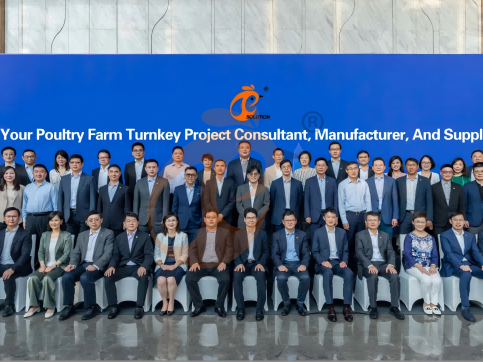
Hong Kong Headquarter Management Team
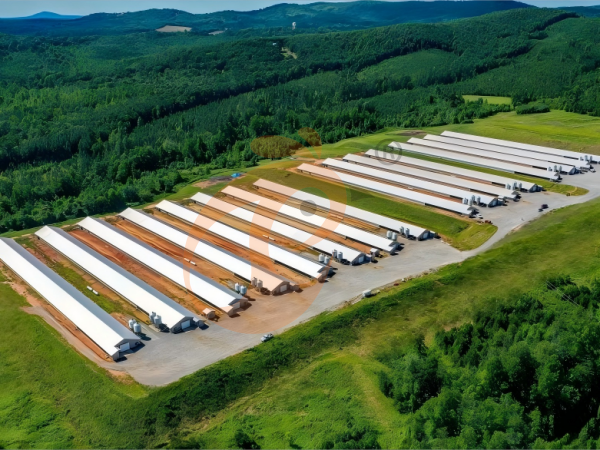
Hong Kong Headquarter Taiyu Industrial Group CO., LTD
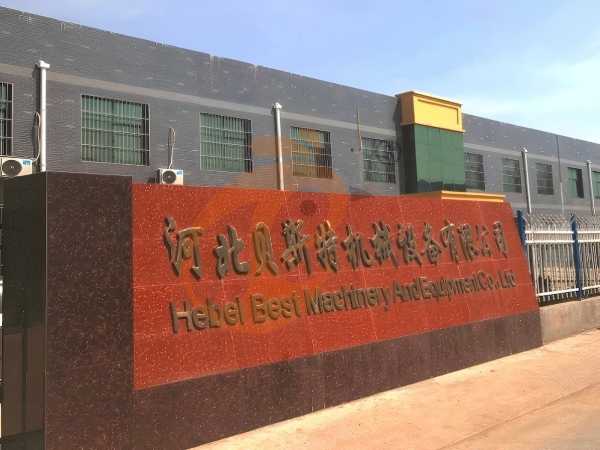
China Hebei Best Machinery And Equipment CO., LTD
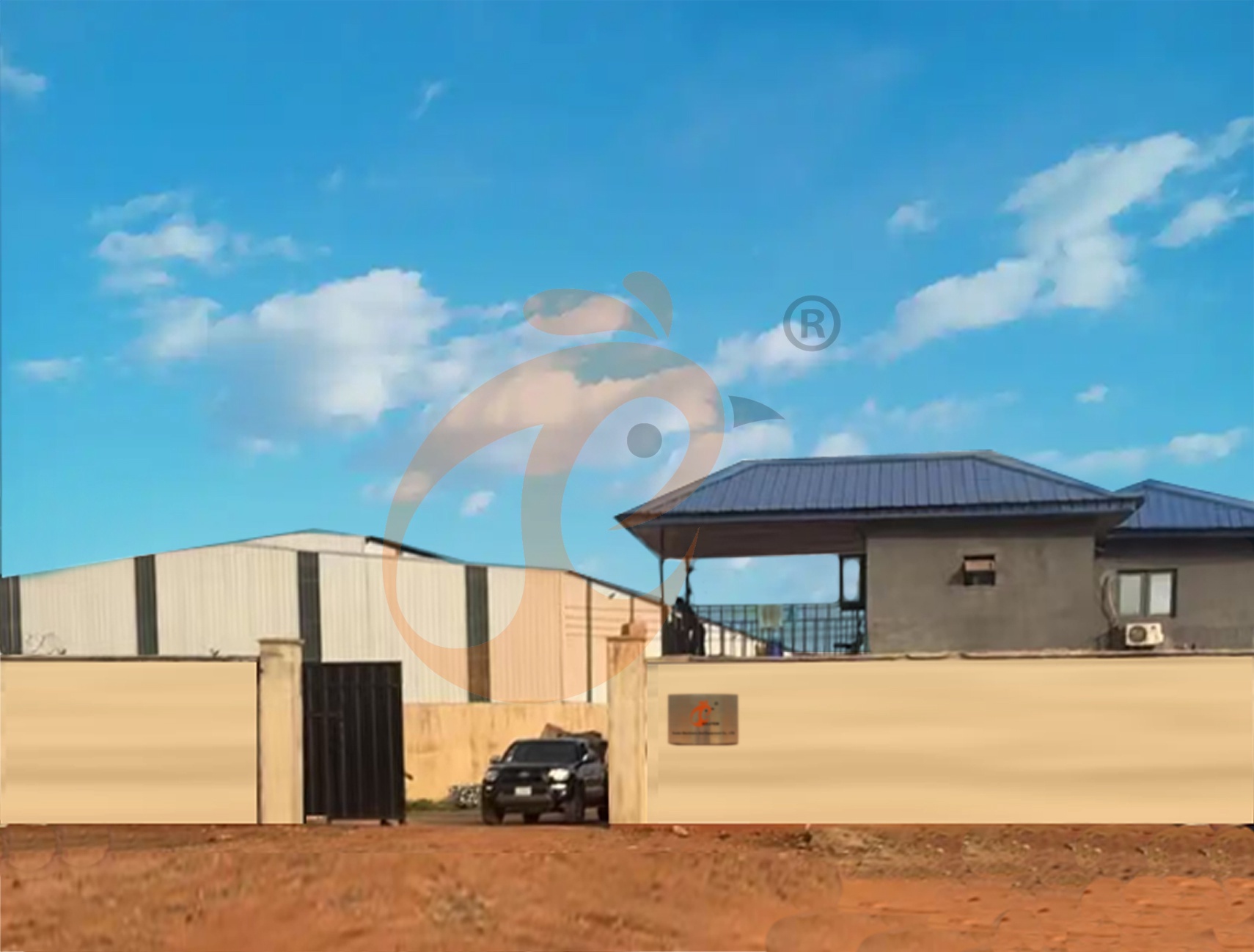
Nigeria Vanke Machinery And Equipment CO., LTD
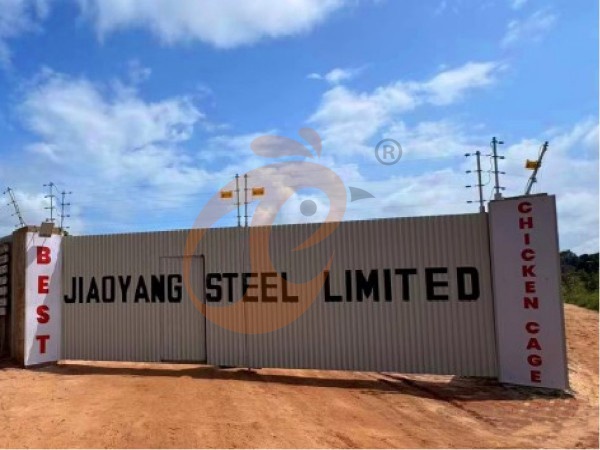
Tanzania Best Machinery And Equipment CO., LTD
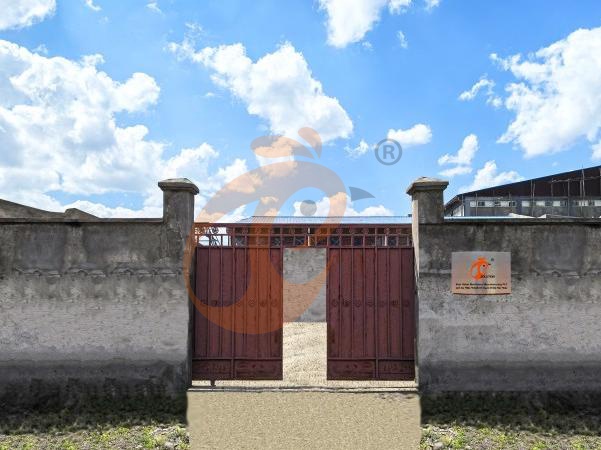
Ethiopia Best Hebei Machinery Manufacturing PLC




Reception /24 WhatsApp NO. : +8618830120193
FAQ
How Does Free Range System Affect Feed Consumption?
Energy expenditure increases daily intake variation by 15%–22% across seasons.
Feed conversion efficiency ranges from 1.9–2.3 depending on grazing intensity.
What Are The Housing Transition Management Standards In Free Range Poultry System?
Indoor-outdoor transition time is controlled within 10–15 minutes per flock movement cycle.
Lighting guidance systems operate at 5–8 lux to direct flock movement behavior.
What Are The Seasonal Adaptation Strategies In Free Range Poultry System?
Summer shade coverage is increased to 60%–80% of grazing area for heat stress reduction.
Rainfall drainage capacity handles 25–40 mm per hour precipitation levels for land usability.
- poultry farmers
- poultry farm
- poultry farmer
- cage
- poultry farm construction
- poultry drinking system
- automatic drinking system
- automatic feeding system
- poultry equipment
- manure removal system
- poultry manure removal system
- manure removal equipment
- egg collection system
- egg collection equipment
- automatic egg collection system
- automatic egg collection equipment
- chickencage
- bestchickencage
- Nigeria
- layer farm
- poultry equipment supplier
- automatic chicken feeding equipment
- automatic chicken feeding system
- poultry equipment manufacturer
- chicken feeding system
- poultry manure removal
- automatic egg collection
- egg collection conveyor
- poultry farm plan
- chicken feed
- feed silo
- feed silo capacity
- Ethiopia
Message
Products recommended
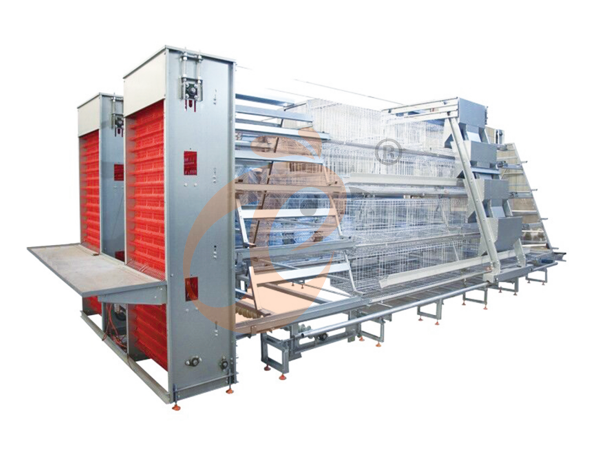
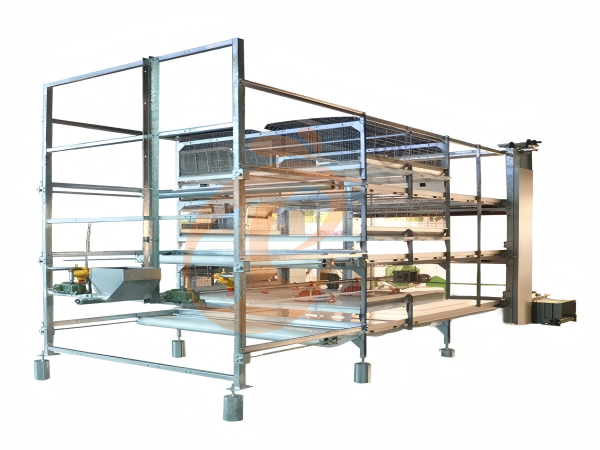
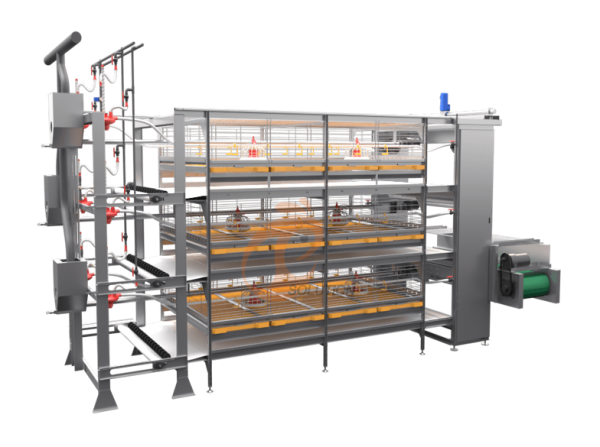
 >30,000 Pullets Automatic H Type Battery Cage1. More than 30,000 pullets a house, choose it.
2. It is designed to rearing older than 1 day old pullets to 12 to 16 weeks old chicken starting laying eggs.
3. Its lifespan is more than 25 years.
4. Its structure are Vcloud artificial intelligent fusion, electric control cabinet, automatic equipment of drinking, feeding, manure clean, manual harvesting.
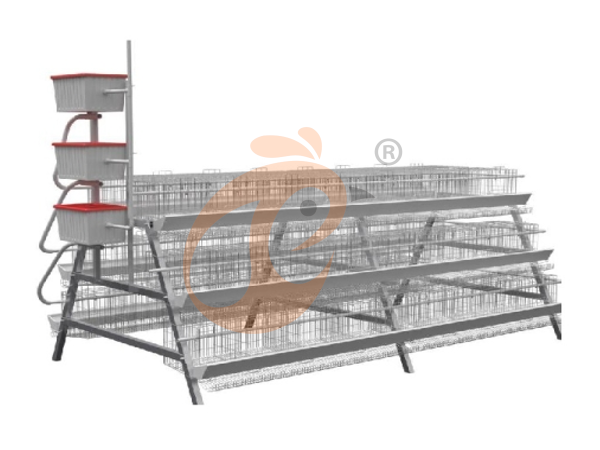
5. Our 24 hour online reception What’sApp NO. is +8618830120193 <30,000 Pullets Automatic A Type Battery Cage1. 10,000 to 30,000 pullets a house, choose it.
2. It is designed to rearing older than 1 day old pullets to 12 to 16 weeks old chicken starting laying eggs.
3. Its lifespan is more than 25 years.
4. Its structure are Vcloud artificial intelligent fusion, electric control cabinet, automatic equipment of drinking, feeding, manure clean, manual harvesting.
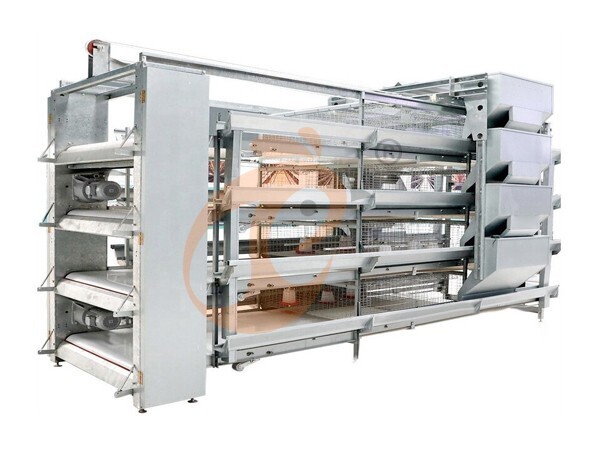
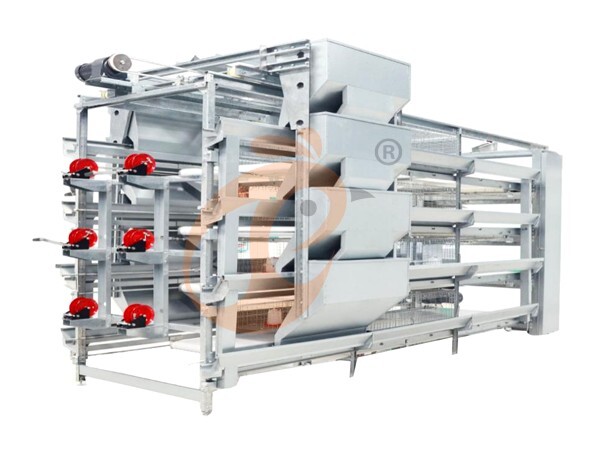
5. Our 24 hour online reception What’sApp NO. is +86 18830120193. >30,000 Broilers Semi-Automatic Harvest H Type Battery Cage1. More than 30,000 broilers a house, choose it.
2. It is designed to rearing 1 to 45 day old adult broiler ready for market.
3. Its lifespan is more than 20 years.
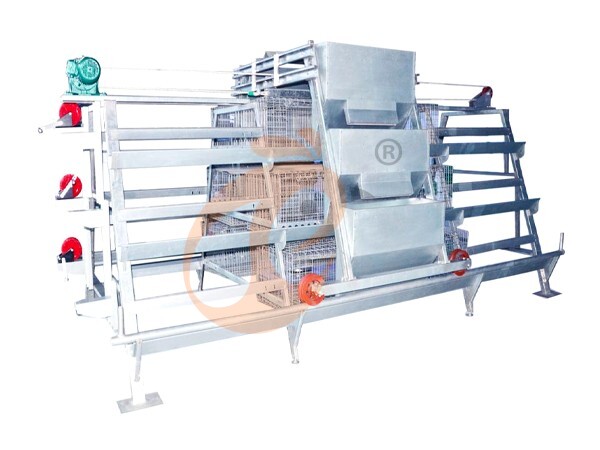
4. Our 24 hour online reception What’sApp NO. is +8618830120193, +234 8111199996. >30,000 Broilers Manual Harvest H Type Battery Cage1. More than 30,000 broilers a house, choose it.
2. It is designed to rearing 1 to 45 day old adult broiler ready for market.
3. Its lifespan is more than 20 years.
4. Its structure are Vcloud artificial intelligent fusion, electric control cabinet, automatic equipment of drinking, feeding and manure clean, manual harvesting.
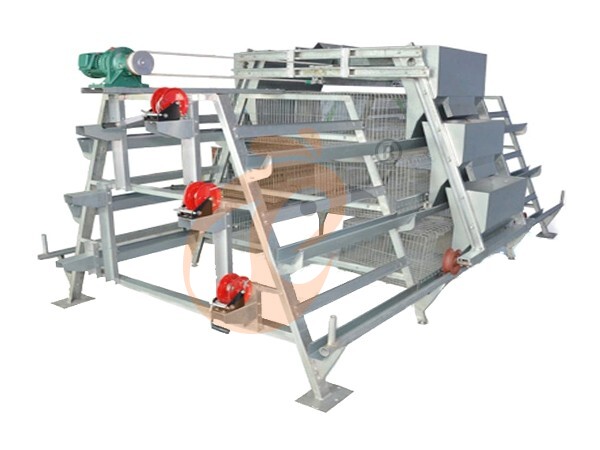
5. Our 24 hour online reception What’sApp NO. is +8618830120193, +234 8111199996. <30,000 Broilers Manual Harvest A Type Battery Cage1. Less 30,000 broilers a house, choose it.
2. It is designed to rearing 1 to 45 day old adult broiler ready for market.
3. Its lifespan is more than 20 years.
4. Its structure are Vcloud artificial intelligent fusion, electric control cabinet, automatic equipment of drinking, feeding and manure clean, manual harvesting.
5. Our 24 hour online reception What’sApp NO. is +8618830120193, +234 8111199996. HK Headquarter Offers EU-standard Poultry Farm Solutions, Manufacture Poultry Farm Equipment1. Continuous communication with the EU and the US
2. China, Nigeria, Ethiopia, Tanzania branch companies and factories
3. The products’ quality is customized for local poultry farms
4. Poultry cage and poultry farm equipment stock for sale
5. 24 online reception Whatsapp NO. : +8618830120193,contact us to get full information China Branch Offer Poultry Farm Business Plan, Manufacture Poultry Farm Equipment1. Address: Flat/RM 2416, 24/F, Runxing Building, Youyi Nan Street, Shijiazhuang City, Hebei Province, China
2. Poultry cage and poultry farm equipment factory and stock for sale
3. Customized for local poultry farms
4. Quality and design are based on Euro
5. 24 online reception Whatsapp NO. : +8618830120193 Nigeria Branch Offer Poultry Farm Business Plan, Manufacture Poultry Farm Equipment1. Address: After Sinoma Office, 200 Meters Near Danco Filling Station, Lagos/Ibadan Expressway, Lagos State, Nigeria
2. Poultry cage and poultry farm equipment factory and stock for sale
3. Customized for Nigerian poultry farms
4. Quality and design are based on Euro
5. 24 online reception Whatsapp NO. : +8618830120193 Ethiopia Branch Offer Poultry Farm Business Plan, Manufacture Poultry Farm Equipment1. Address: Gelan Gura, Akaki-kaliti Sub City, Addis Ababa, Ethiopia
2. Poultry cage and poultry farm equipment stock for sale
3. Customized for Ethiopian poultry farms
4. Quality and design are based on Euro
5. 24 online reception Whatsapp NO. : +8618830120193, contact us to get price list Tanzania Branch Offer Poultry Farm Business Plan, Manufacture Poultry Farm Equipment1. Address: No.8, Sova Road, Msufini, Mlandizi, Kibaha, Pwani, Tanzania
2. Poultry cage and poultry farm equipment factory and stock for sale
3. Customized for Tanzanian poultry farms
4. Quality and design are based on Euro
5. 24 online reception Whatsapp NO. : +8618830120193


Contact