


Blog
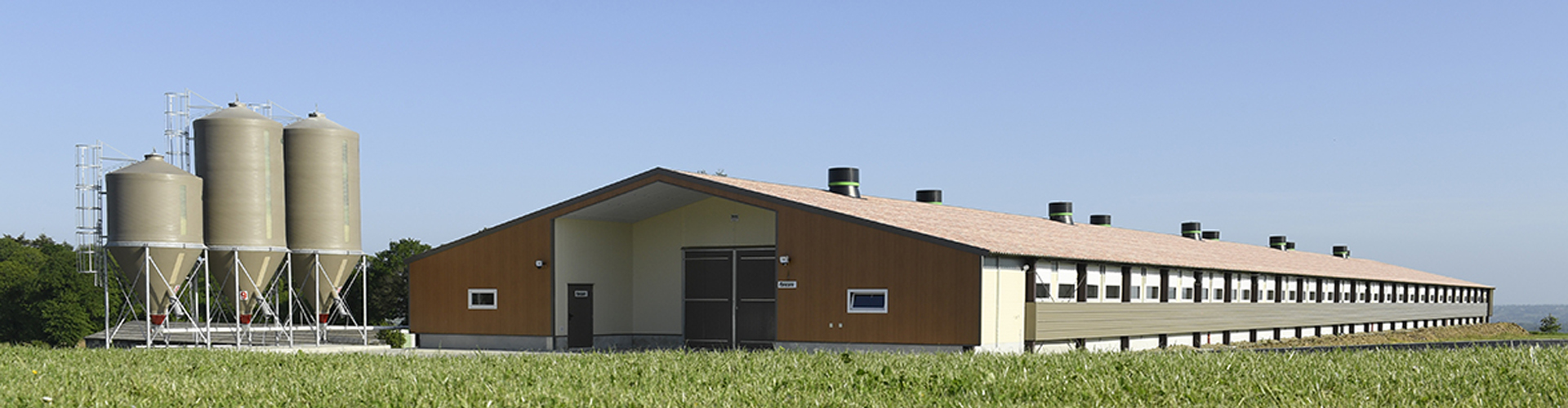
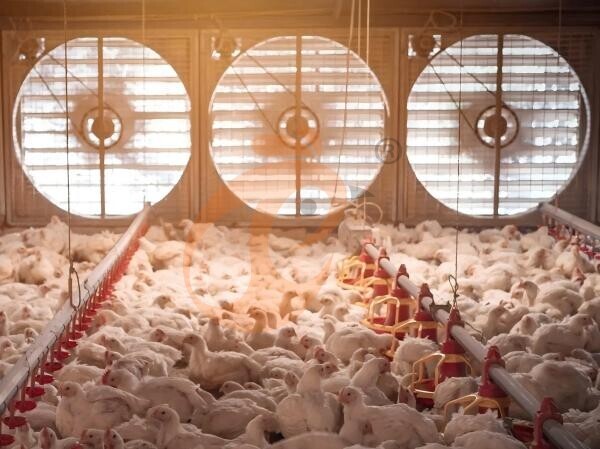
Floor rearing system for layer chickens combines automatic chicken feeding equipment, poultry drinking systems, and environmental controls for efficient commercial pullet production.
Reliable automatic poultry feeding systems support consistent feed distribution and reduce repetitive labor across large poultry houses.
Proper poultry ventilation systems help maintain air quality, litter conditions, and temperature stability throughout changing rearing stages.
Seven daily inspection checks cover feeding, watering, ventilation, litter, lighting, equipment reliability, and flock development, supported by practical operating parameters.
Integrated equipment packages simplify farm planning, improve maintenance coordination, and support scalable projects with 3 essential equipment categories.
Get professional poultry farm construction guidance, equipment selection solutions, and the latest price lists, whatsApp to +8618830120193, click to learn more:
Check Feeding Equipment Performance
Data is for reference only. Swipe horizontally to view full table.
Automatic poultry feeding systems support consistent feed delivery and reduce repetitive manual feeding.
Adjustable feeding lines accommodate changing bird sizes throughout development, improving floor rearing system management.
Marketing Advantage: Integrated chicken feeding equipment helps farms streamline labor, improve feeding consistency, and simplify routine management.
Check Drinking Water Systems
Clean, accessible drinking water is essential for normal growth and flock development.
Inspect poultry nipple drinkers daily, particularly during warm weather and periods of rapid growth.
Data is for reference only. Swipe horizontally to view full table.
Automatic poultry drinking systems provide convenient water access while helping control unnecessary spillage.
Correct installation and regular maintenance support dry litter and reduce water waste in floor rearing houses.
Check Ventilation And Temperature
Engineering Key Points
- Air Exchange: Adjust poultry ventilation systems to bird age, stocking density, and outdoor conditions.
- Temperature Control: Monitor house conditions using calibrated environmental sensors.
- Air Distribution: Prevent persistent drafts and stagnant zones throughout the floor rearing system.
- Equipment Reliability: Inspect fans, shutters, inlets, and electrical connections during routine maintenance.
Ventilation equipment is critical to modern poultry house engineering.
Exhaust fans, air inlets, environmental controllers, and sensors work together to support stable indoor conditions.
Selecting poultry ventilation equipment for the building design helps manage moisture and air circulation while reducing unnecessary manual adjustments.
Check Litter Condition And Floor Hygiene
Data is for reference only. Swipe horizontally to view full table.
Dry, friable litter supports comfortable movement and normal scratching behavior.
Wet litter can contribute to footpad problems, increased ammonia generation, and poor poultry house conditions.
Equipment Recommendation: Combine automatic poultry drinking systems, ventilation fans, and litter-handling tools to address common causes of wet litter.
Check Lighting And Bird Distribution
Data is for reference only. Swipe horizontally to view full table.
Lighting programs should follow the farm management plan, bird age, and applicable welfare requirements.
Avoid abrupt changes without an appropriate transition plan for floor rearing operations.
Modern poultry LED lighting systems offer programmable schedules and uniform illumination, supporting predictable routines and easier flock inspections.
Check Ventilation Equipment And Alarm Systems
Data is for reference only. Swipe horizontally to view full table.
Environmental equipment must function reliably, particularly during extreme temperatures or power interruptions.
Equipment failure can quickly affect conditions inside densely stocked poultry houses.
Choose compatible poultry environmental controllers, sensors, alarms, and backup power solutions according to building design.
Test emergency procedures and arrange preventive maintenance before critical components fail.
Check Bird Health And Flock Uniformity
Data is for reference only. Swipe horizontally to view full table.
Daily observation helps identify problems before they become widespread.
Record unusual behavior, reduced intake, unexpected mortality, or uneven growth, and consult a poultry veterinarian when necessary.
Reliable automatic feeding equipment, drinking systems, and environmental controls support consistent flock development without replacing appropriate nutrition,
biosecurity, and veterinary care.
Equipment Combination Recommendation
Recommended Configuration For A Commercial Floor Rearing House
A coordinated floor rearing system is generally more practical than purchasing isolated components without considering compatibility.
Data is for reference only. Swipe horizontally to view full table.
When selecting a poultry equipment supplier, evaluate installation support, spare-part availability, warranty conditions, and long-term operating costs.
The complete floor rearing system should match farm layout, flock capacity, production stage, and local climate.
Daily Management Workflow
Follow A Repeatable Inspection Sequence
Step 1 — Inspect
Check poultry feeders, drinkers, fans, controllers, and alarms at the beginning of the working day.
Step 2 — Observe
Assess bird distribution, activity, litter, and general condition throughout the poultry house.
Step 3 — Record
Document equipment faults, environmental readings, water and feed consumption, and mortality.
Step 4 — Correct
Resolve routine issues promptly and escalate health, electrical, or mechanical problems to qualified personnel.
Step 5 — Verify
Confirm that corrective actions have restored normal operation.
This structured workflow makes floor rearing system inspections easier to standardize across shifts and production teams.
Practical Tips For Better Equipment Returns
Tip Card 1 — Choose For Capacity
Select automatic poultry feeding equipment according to intended flock size and building dimensions rather than purchase price alone.
Tip Card 2 — Prioritize Compatibility
Coordinate poultry drinking systems, ventilation, and environmental controls to avoid installation conflicts.
Tip Card 3 — Reduce Unnecessary Labor
Automatic poultry equipment simplifies repetitive tasks and helps staff focus on flock observation.
Tip Card 4 — Plan Preventive Maintenance
Keep suitable spare parts and establish inspection schedules for motors, sensors, pipelines, and moving components.
Tip Card 5 — Measure Performance
Track labor hours, energy use, downtime, bird growth, and maintenance expenses to evaluate actual investment returns.
Frequently Asked Questions
Q1: What equipment does a floor rearing system for layer chickens require?
Core equipment includes automatic feeders, nipple drinkers, ventilation fans, lighting, and environmental controllers, selected according to flock capacity and house design.
Q2: How often should poultry rearing equipment be inspected?
Critical equipment should be checked daily, with scheduled maintenance based on manufacturer recommendations and operating conditions.
Q3: How can automatic equipment improve layer rearing efficiency?
Automatic systems help standardize feed delivery, water access, and environmental control while reducing repetitive manual work.
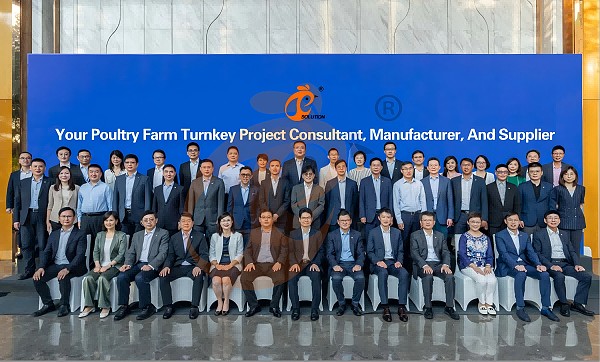
Taiyu (HK) Group - One Of China Toppest Floor Rearing System Manufacturer
Floor Rearing System Engineering: Integrated layer rearing equipment supports commercial poultry projects, with system design based on house dimensions, bird capacity, and environmental requirements.
Global Factory Direct Supply: Factory-direct poultry equipment sourcing supports coordinated procurement, technical documentation, and project-specific configuration.
Poultry Equipment Portfolio: Automatic feeders, nipple drinkers, ventilation fans, lighting systems, and climate controllers form an integrated equipment package.
Turn-Key Engineering: Project services cover equipment selection, layout planning, installation coordination, commissioning, and operational guidance.
Technical Project Support: Engineering teams assist with equipment matching, spare parts, maintenance planning, and system optimization for international poultry farms.
Contact Us To Received Your Customized Poultry Farm Plan
Headquarters And Branchs

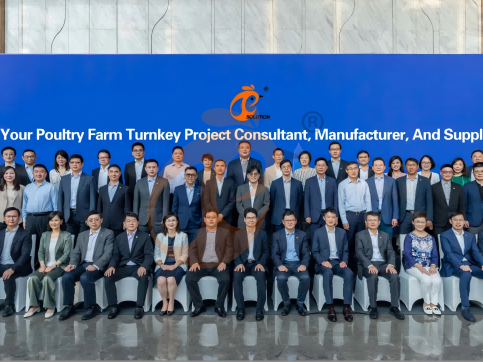
Hong Kong Headquarter Management Team
Hong Kong Headquarter Taiyu Industrial Group CO., LTD
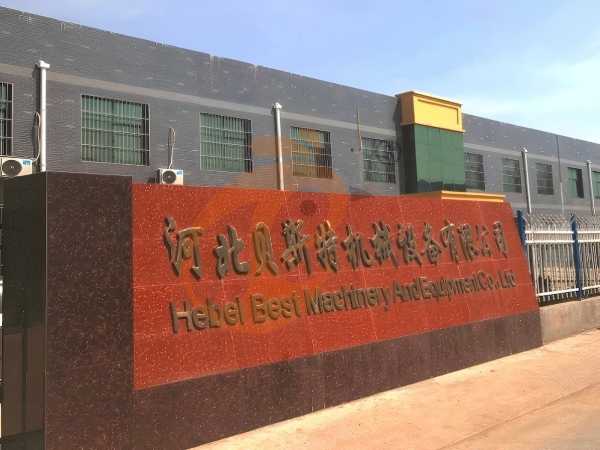
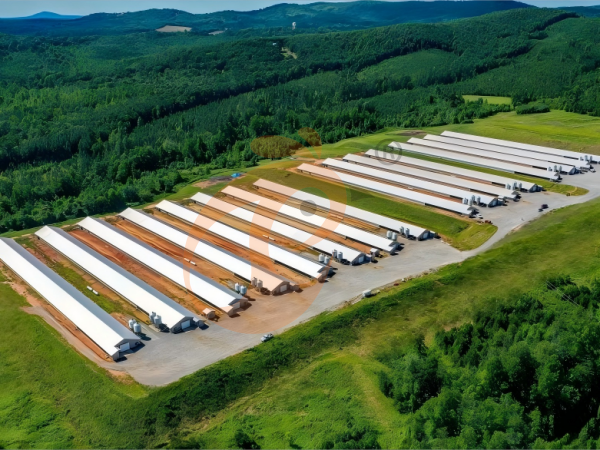
China Hebei Best Machinery And Equipment CO., LTD
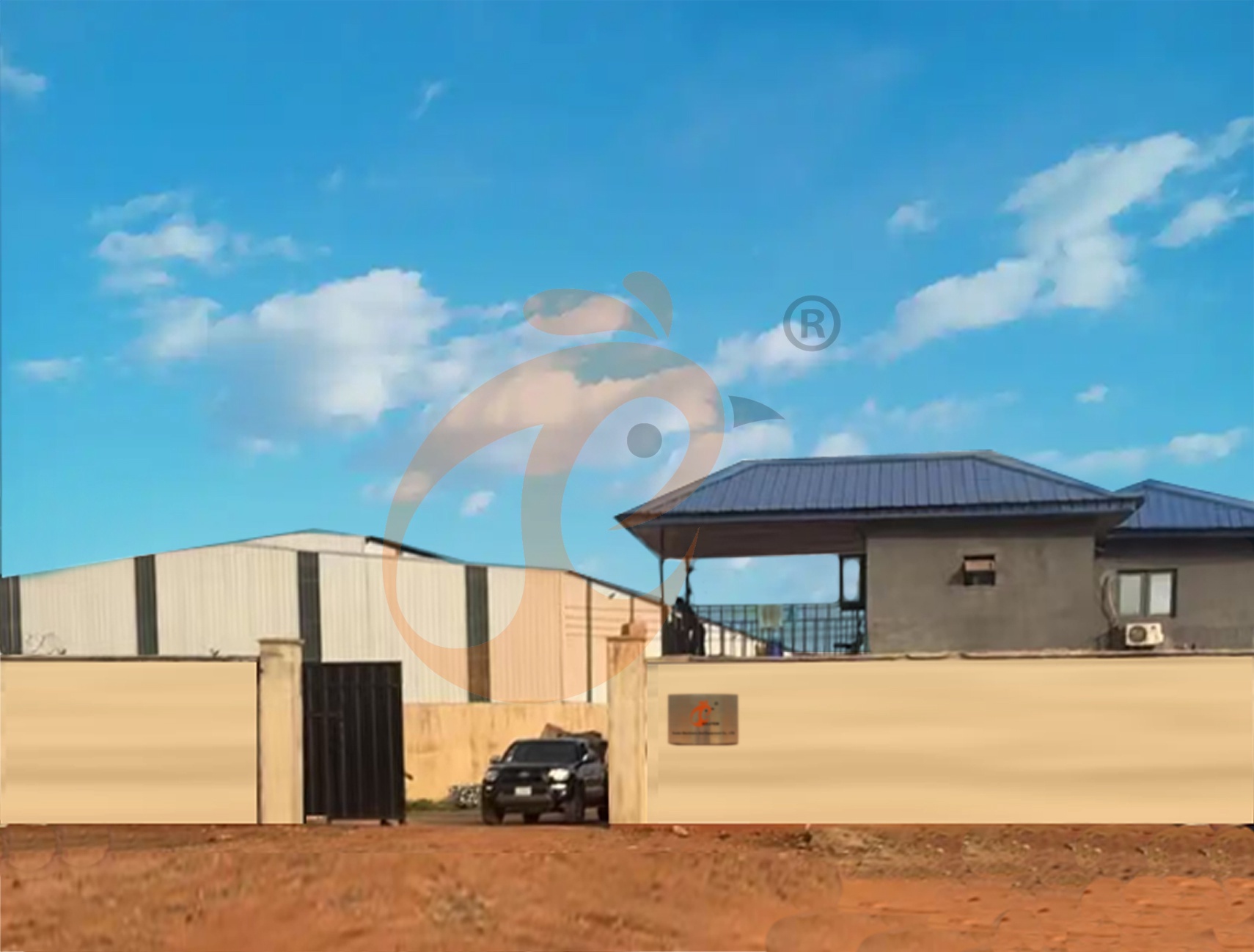
Nigeria Vanke Machinery And Equipment CO., LTD
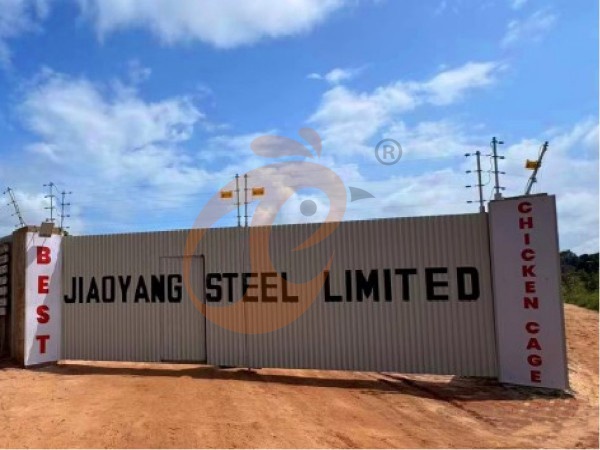
Tanzania Best Machinery And Equipment CO., LTD
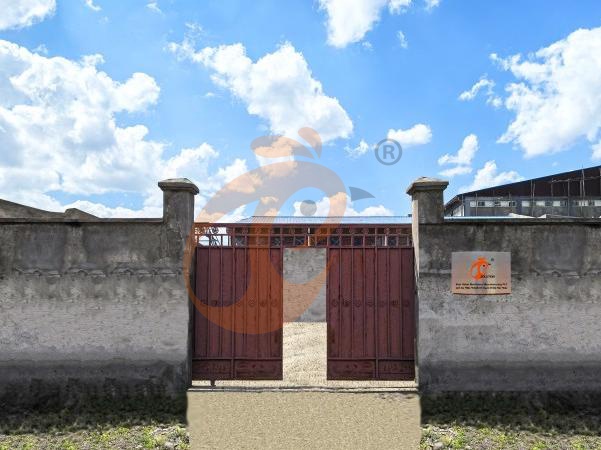
Ethiopia Best Hebei Machinery Manufacturing PLC




Reception /24 WhatsApp NO. : +8618830120193
FAQ
What Growth Performance Indicators Are Expected In Floor Rearing Poultry System?
Feed conversion ratio is maintained at 1.65–1.85 for commercial broilers.
Market slaughter age ranges from 38–45 days depending on breed selection.
What Disease Control Standards Apply In Floor Rearing Poultry System?
Flock vaccination coverage reaches 90%–98% depending on disease prevention program.
Pathogen reduction targets aim for 80%–90% decrease in bacterial load.
What Are The Manure Management Requirements In Floor Rearing Poultry System?
Ammonia emission control targets remain below 15 ppm through regular cleaning cycles.
Dry matter content is maintained above 65% to improve composting efficiency.
- poultry farm
- poultry farms
- poultry house
- cage
- poultry farm construction
- poultry drinking system
- poultry feeding system
- poultry feeding equipment
- automatic feeding system
- automatic poultry drinking system
- automatic poultry feeding system
- automatic poultry feeding equipment
- poultry equipment
- chickencage
- bestchickencage
- Nigeria
- poultry rearing equipment
- poultry equipment supplier
- poultry equipment sourcing
- layer rearing equipment
- poultry nipple drinker
- poultry ventilation system
- automatic chicken feeding equipment
- poultry ventilation equipment
- modern poultry house
- poultry farm plan
- poultry LED lighting system
- poultry feed
- chicken feed
- poultry LED lighting
- Ethiopia
Message
Products recommended
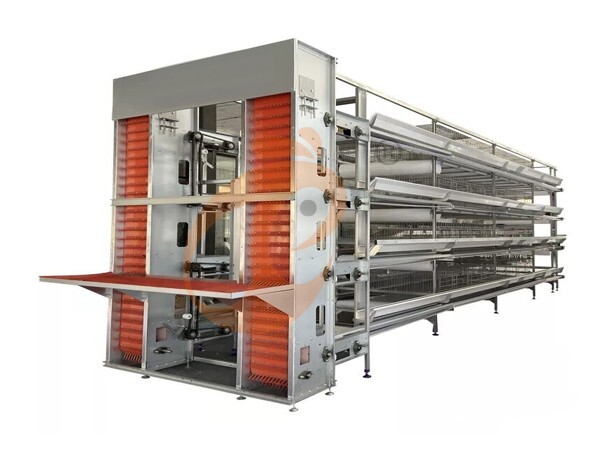
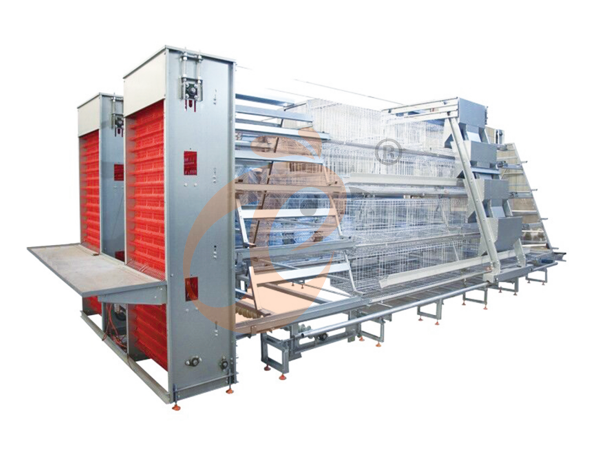
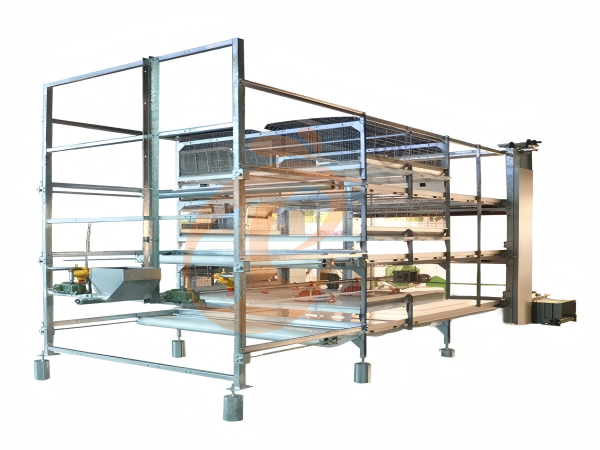
 >30,000 Pullets Automatic H Type Battery Cage1. More than 30,000 pullets a house, choose it.
2. It is designed to rearing older than 1 day old pullets to 12 to 16 weeks old chicken starting laying eggs.
3. Its lifespan is more than 25 years.
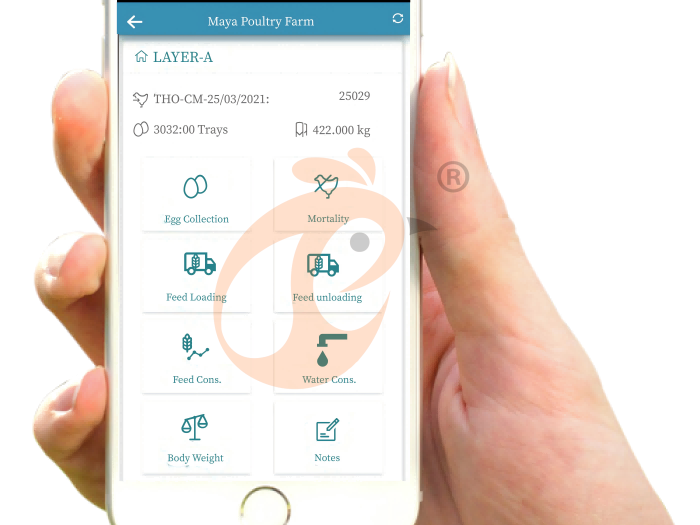
4. Its structure are Vcloud artificial intelligent fusion, electric control cabinet, automatic equipment of drinking, feeding, manure clean, manual harvesting.
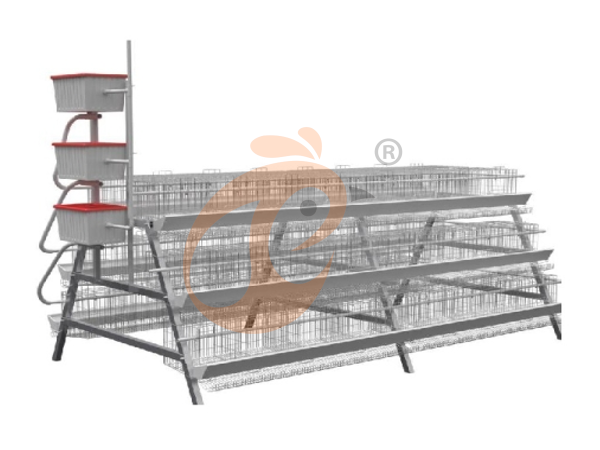
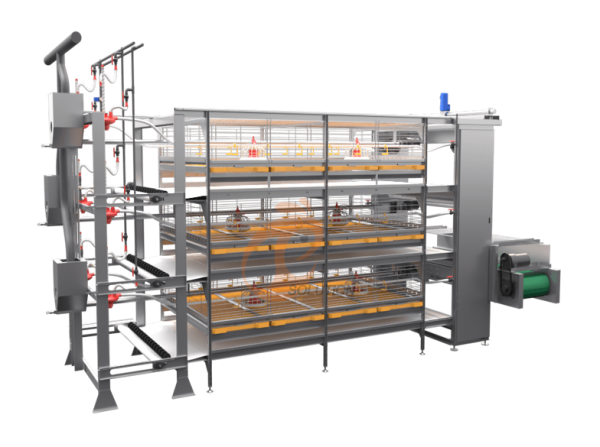
5. Our 24 hour online reception What’sApp NO. is +8618830120193 <30,000 Pullets Automatic A Type Battery Cage1. 10,000 to 30,000 pullets a house, choose it.
2. It is designed to rearing older than 1 day old pullets to 12 to 16 weeks old chicken starting laying eggs.
3. Its lifespan is more than 25 years.
4. Its structure are Vcloud artificial intelligent fusion, electric control cabinet, automatic equipment of drinking, feeding, manure clean, manual harvesting.
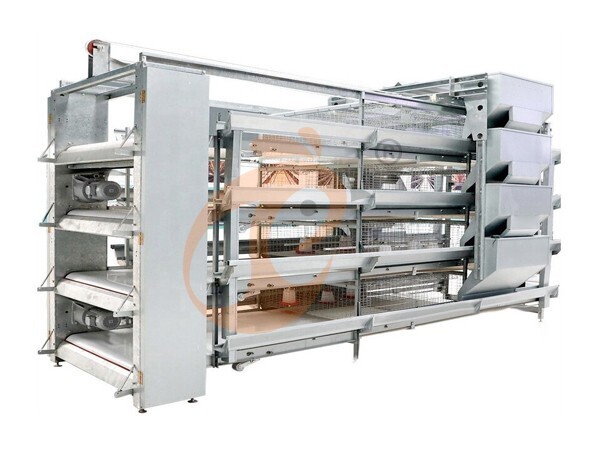
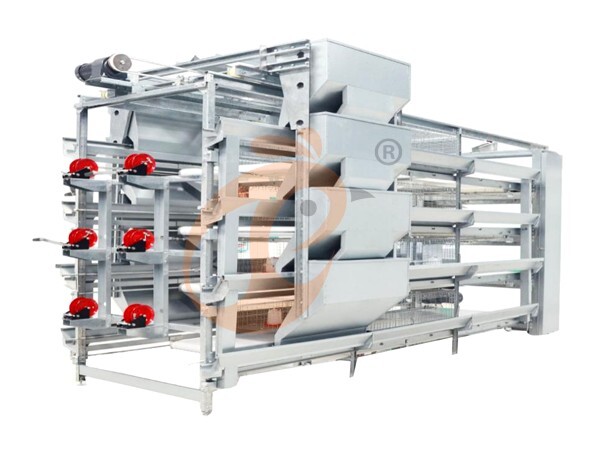
5. Our 24 hour online reception What’sApp NO. is +86 18830120193. >30,000 Broilers Semi-Automatic Harvest H Type Battery Cage1. More than 30,000 broilers a house, choose it.
2. It is designed to rearing 1 to 45 day old adult broiler ready for market.
3. Its lifespan is more than 20 years.
4. Our 24 hour online reception What’sApp NO. is +8618830120193, +234 8111199996. >30,000 Broilers Manual Harvest H Type Battery Cage1. More than 30,000 broilers a house, choose it.
2. It is designed to rearing 1 to 45 day old adult broiler ready for market.
3. Its lifespan is more than 20 years.
4. Its structure are Vcloud artificial intelligent fusion, electric control cabinet, automatic equipment of drinking, feeding and manure clean, manual harvesting.
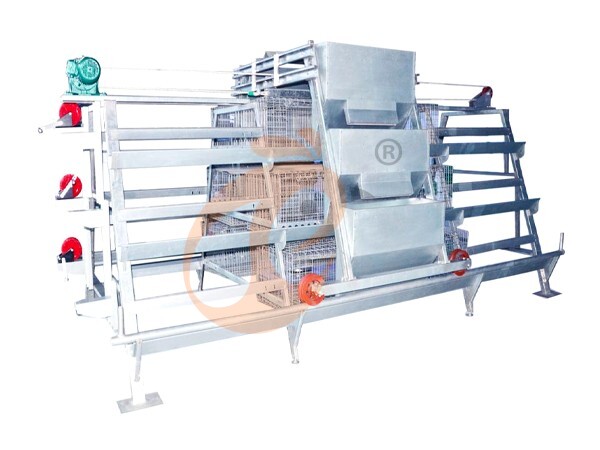
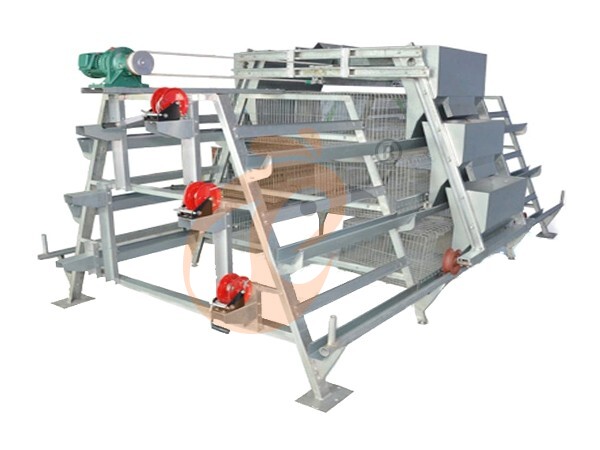
5. Our 24 hour online reception What’sApp NO. is +8618830120193, +234 8111199996. <30,000 Broilers Manual Harvest A Type Battery Cage1. Less 30,000 broilers a house, choose it.
2. It is designed to rearing 1 to 45 day old adult broiler ready for market.
3. Its lifespan is more than 20 years.
4. Its structure are Vcloud artificial intelligent fusion, electric control cabinet, automatic equipment of drinking, feeding and manure clean, manual harvesting.
5. Our 24 hour online reception What’sApp NO. is +8618830120193, +234 8111199996. HK Headquarter Offers EU-standard Poultry Farm Solutions, Manufacture Poultry Farm Equipment1. Continuous communication with the EU and the US
2. China, Nigeria, Ethiopia, Tanzania branch companies and factories
3. The products’ quality is customized for local poultry farms
4. Poultry cage and poultry farm equipment stock for sale
5. 24 online reception Whatsapp NO. : +8618830120193,contact us to get full information China Branch Offer Poultry Farm Business Plan, Manufacture Poultry Farm Equipment1. Address: Flat/RM 2416, 24/F, Runxing Building, Youyi Nan Street, Shijiazhuang City, Hebei Province, China
2. Poultry cage and poultry farm equipment factory and stock for sale
3. Customized for local poultry farms
4. Quality and design are based on Euro
5. 24 online reception Whatsapp NO. : +8618830120193 Nigeria Branch Offer Poultry Farm Business Plan, Manufacture Poultry Farm Equipment1. Address: After Sinoma Office, 200 Meters Near Danco Filling Station, Lagos/Ibadan Expressway, Lagos State, Nigeria
2. Poultry cage and poultry farm equipment factory and stock for sale
3. Customized for Nigerian poultry farms
4. Quality and design are based on Euro
5. 24 online reception Whatsapp NO. : +8618830120193 Ethiopia Branch Offer Poultry Farm Business Plan, Manufacture Poultry Farm Equipment1. Address: Gelan Gura, Akaki-kaliti Sub City, Addis Ababa, Ethiopia
2. Poultry cage and poultry farm equipment stock for sale
3. Customized for Ethiopian poultry farms
4. Quality and design are based on Euro
5. 24 online reception Whatsapp NO. : +8618830120193, contact us to get price list Tanzania Branch Offer Poultry Farm Business Plan, Manufacture Poultry Farm Equipment1. Address: No.8, Sova Road, Msufini, Mlandizi, Kibaha, Pwani, Tanzania
2. Poultry cage and poultry farm equipment factory and stock for sale
3. Customized for Tanzanian poultry farms
4. Quality and design are based on Euro
5. 24 online reception Whatsapp NO. : +8618830120193


Contact