


Blog
Poultry equipment investment connects automatic poultry equipment, poultry farming equipment, and poultry equipment manufacturer expertise with measurable production efficiency.
Feeding, drinking, ventilation, cooling, and environmental control can be engineered around flock capacity, building dimensions, climate conditions, and labor requirements.
Equipment specifications, operating parameters, maintenance planning, and ROI calculations provide practical purchasing criteria for commercial poultry projects.
Modular configurations support broiler and layer operations while allowing phased expansion, technical upgrades, and coordinated installation.
- Professional system design can combine reliable components, technical support, and turn-key project execution for more predictable farm performance.
Get professional poultry farm construction guidance, equipment selection solutions, and the latest price lists, whatsApp to +8618830120193, click to learn more:
The Real Investment: Production Efficiency
For commercial poultry farms, poultry equipment should be evaluated as a production asset rather than a simple purchase.
A well-designed automatic poultry equipment system can operate across 365 days/year, support multiple production cycles, and reduce repetitive manual intervention.
The investment becomes more valuable when poultry farming equipment is engineered around house dimensions, bird numbers, climate, and workflow.
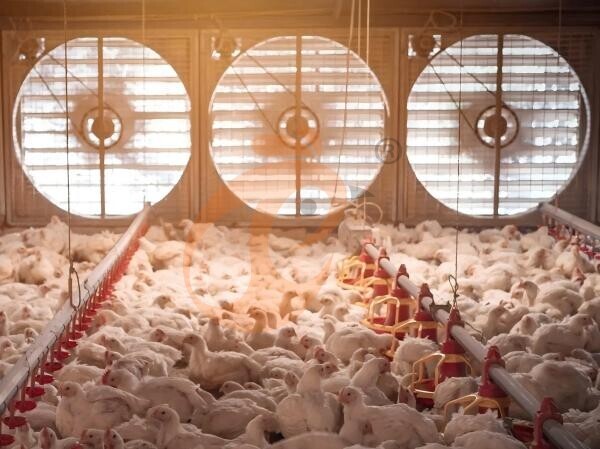
Professional poultry equipment manufacturer solutions can integrate feeding, drinking, ventilation, cooling, manure handling, and environmental control into one coordinated system.
Investment Comparison
Data is for reference only.Swipe horizontally to view full table.
These poultry equipment specifications demonstrate why equipment selection should be based on engineering calculations instead of purchase price alone.
A properly configured automatic poultry equipment feeding system can support scheduled operation over 2–4 cycles/day, while automated conveying can reduce routine feeding work substantially.
For farms planning expansion, modular poultry farming equipment also provides a practical route to future capacity.
A system designed for 3–5 expansion stages can be easier to extend than a completely manual production layout.
Engineering Points: Build Around The Bird
Engineering Points
Feed: Position poultry equipment delivery lines so birds can access feed without unnecessary movement.
Water: Design the automatic poultry equipment water circuit with filtration, pressure regulation, flushing, and sectional isolation.
Air: Coordinate fresh-air entry, internal circulation, and exhaust rather than treating fans as independent poultry farming equipment products.
Maintenance: Preserve dedicated service routes so technicians can inspect equipment without disrupting production.
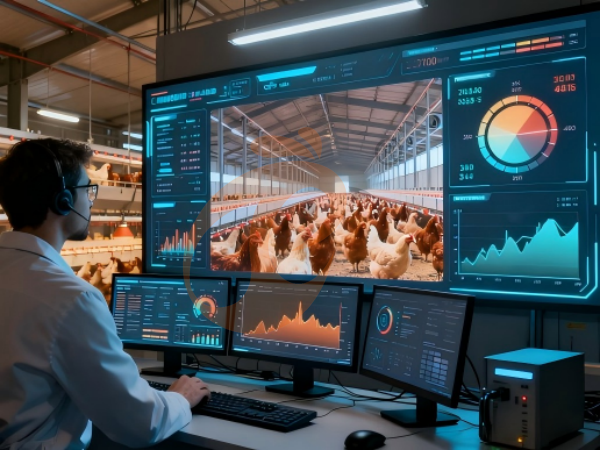
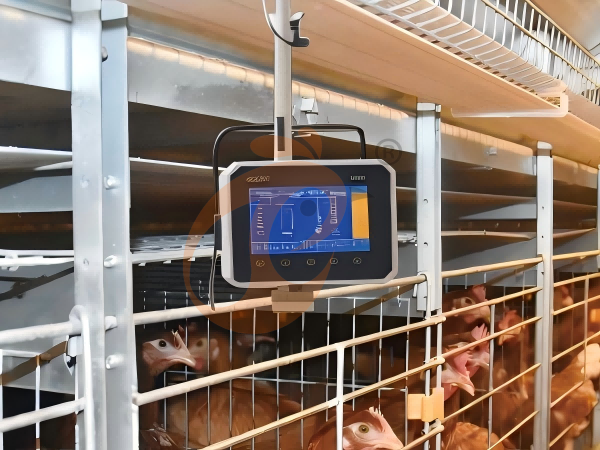
Automation: Connect sensors and controllers to poultry equipment manufacturer systems that actually change house conditions.
A professional project should also consider 0.6–1.0 m of maintenance clearance, 4–8 independently serviceable water sections, and 2–3 maintenance checkpoints per section.
These details turn poultry equipment from individual products into an operating system.
Tip 1: Calculate Return On Investment Before Buying
Data is for reference only.Swipe horizontally to view full table.
A simple poultry equipment investment model should include purchase, installation, electricity, maintenance, spare parts, and labor.
For example, a project costing $60,000 and generating $15,000/year in measurable net operating benefits has a simple payback calculation of approximately 4 years.
Euroean union standard reference only.
Actual automatic poultry equipment returns depend on farm scale, local labor rates, electricity tariffs, bird performance, and management practices.
The purpose of return on investment analysis is to compare the complete operating picture rather than focus on the quotation alone.
Tip Card: Choose Automation By Bottleneck
5-Point Tip Card
1. Identify the repetitive task.
Record how many minutes workers spend each day on feeding, watering, cleaning, and egg handling.
2. Measure labor exposure.
A farm operating 8–12 hours/day should prioritize tasks that repeatedly consume staff time.
3. Find the production bottleneck.
A single inefficient process can affect the performance of the entire poultry equipment system.
4. Select equipment around that bottleneck.
Do not purchase automatic poultry equipment that does not solve a measurable problem.
5. Leave room for upgrades.
Allow 10–20% additional control capacity where future poultry farming equipment expansion is expected.
This approach makes poultry equipment manufacturer investment planning more precise.
Instead of purchasing every available machine, farms can build a system that directly addresses operating constraints.
Drinking System Parameters
Data is for reference only.Swipe horizontally to view full table.
Poultry equipment water systems directly influence daily management.
A complete automatic poultry equipment drinking solution should include filtration, pressure regulation, pipelines, nipples, end flushing, and height adjustment.
For projects using multiple water zones, independent isolation can simplify maintenance and reduce the operational impact of servicing one section.
The system should also accommodate weekly filter inspection, 2–3 flushing points, and one pressure gauge per controlled zone.
Tip 2: Treat Ventilation As A System
Ventilation should be engineered according to house volume, bird biomass, outdoor conditions, and airflow direction.
Tunnel airflow around 2.0–3.0 m/s can be used as an engineering reference, while actual poultry equipment design should be verified for the specific building.
Environmental control also requires coordinated sensing.
A commercial automatic poultry equipment project may use 3–6 sensor locations/zone, 5–10 minute response intervals, and programmed fan stages to respond to changing conditions.
The commercial value of integrated poultry farming equipment becomes clear here.
Instead of selling fans separately, a professional poultry equipment manufacturer can provide fans, air inlets, cooling equipment, sensors, controllers, electrical layouts, and commissioning support as one solution.
Ventilation & Cooling Data
Data is for reference only.Swipe horizontally to view full table.
Poultry equipment cooling and ventilation should be designed together.
The required automatic poultry equipment configuration depends on house geometry, regional climate, bird age, and heat load.
A complete climate-control package can also incorporate 50–70% relative humidity, ≤3,000 ppm CO₂, and programmed environmental alarms.
These control targets should be adjusted according to the production system and local management standards.
Equipment Combination Recommendation
Data is for reference only.Swipe horizontally to view full table.
The most effective poultry equipment package is not necessarily the largest one.
For a growing farm, modular automatic poultry equipment design can provide a practical upgrade path across 2–3 investment phases.
For layer projects, equipment can be coordinated around 24-hour production management, while broiler systems can be structured around flock-cycle requirements.
The poultry equipment manufacturer should calculate the complete configuration before issuing a final quotation.
Tip 3: Compare Suppliers By Technical Capability
Supplier Check Card
Ask the poultry equipment manufacturer for:
- Detailed equipment drawings
- Electrical load calculations
- Installation instructions
- Spare-parts lists
- Equipment material specifications
- Warranty conditions
- Commissioning procedures
- After-sales response arrangements
A serious poultry equipment supplier should be able to support the project from layout design through commissioning.
A technical proposal should also identify 1–3 major electrical circuits, 2–4 critical spare categories, and a documented maintenance procedure for each major subsystem.
This is particularly important for international poultry farming equipment projects, where installation conditions, voltage standards, building structures, and climate can differ considerably.
Complete Project Evaluation
Data is for reference only.Swipe horizontally to view full table.
These poultry equipment figures should be treated as engineering references rather than a universal bill of materials.
Actual automatic poultry equipment specifications should be calculated from building structure, flock biomass, climate, and production objectives.
When comparing quotations, evaluate the complete system rather than individual component prices.
A poultry equipment manufacturer offering engineering design, equipment manufacturing, installation guidance, and technical support can reduce compatibility risks between separate systems.
Tip 4 & 5: Buy For Reliability And Future Growth
Data is for reference only.Swipe horizontally to view full table.
The final question is not simply whether poultry equipment is worth buying.
The question is whether selected automatic poultry equipment can create measurable operational value over the farm's planned 5–10 year investment horizon.
A professional poultry equipment manufacturer should therefore offer more than machines: complete system design, customized equipment combinations, technical drawings, installation guidance, commissioning, spare parts, and after-sales support.
For farms seeking greater automation, the strongest investment strategy is to start with the production bottleneck, calculate required poultry farming equipment scientifically, and then build an integrated system that can grow with the business.
This approach turns poultry equipment from a capital expense into a long-term production platform.
Frequently Asked Questions
Q1: Is poultry equipment worth the investment for commercial farms?
Yes, when equipment capacity matches flock size, labor structure, house design, and production targets.
A correctly engineered poultry equipment system can improve workflow consistency while supporting planned operation over 5–10 years.
Q2: Which equipment should be prioritized first?
Feeding, drinking, ventilation, and environmental control normally form the core automatic poultry equipment system.
Priority should follow measurable production bottlenecks rather than equipment popularity.
Q3: How should farmers choose a poultry equipment supplier?
Compare engineering capability, component specifications, layout design, installation support, spare parts, and after-sales service.
A capable poultry equipment manufacturer should provide a coordinated solution rather than isolated machines.
Taiyu (HK) Group - One Of China Toppest Poultry Equipment Manufacturer
Poultry equipment solutions cover automatic feeding, nipple drinking, ventilation, cooling, environmental control, and integrated house automation, with system capacity engineered around project requirements.
Global factory direct sales provide direct manufacturing coordination, technical documentation, component selection, and project quotation for international poultry equipment procurement.
Poultry equipment projects can be developed as Turn-key engineering packages covering layout planning, equipment manufacturing, installation guidance, commissioning, and operator training.
Poultry farming equipment configurations support broiler, layer, and commercial farm projects through modular system design and coordinated technical specifications.
International poultry equipment projects receive engineering-oriented support covering spare parts, maintenance documentation, equipment integration, and long-term technical service.
Contact Us To Received Your Customized Poultry Farm Plan
Headquarters And Branchs

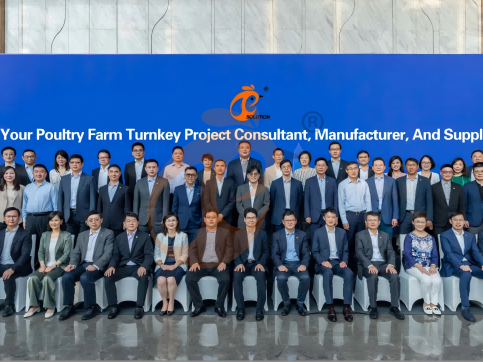
Hong Kong Headquarter Management Team
Hong Kong Headquarter Taiyu Industrial Group CO., LTD
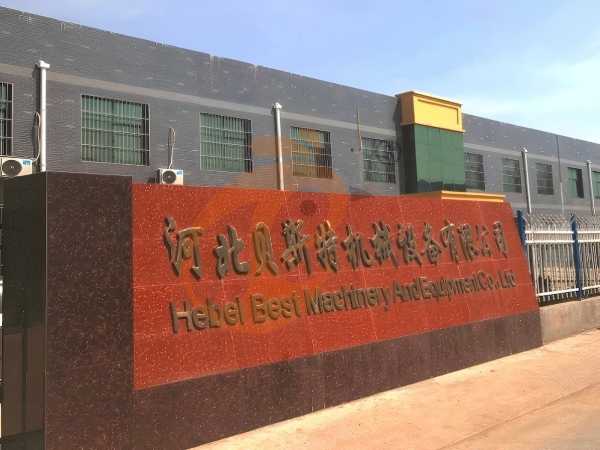
China Hebei Best Machinery And Equipment CO., LTD
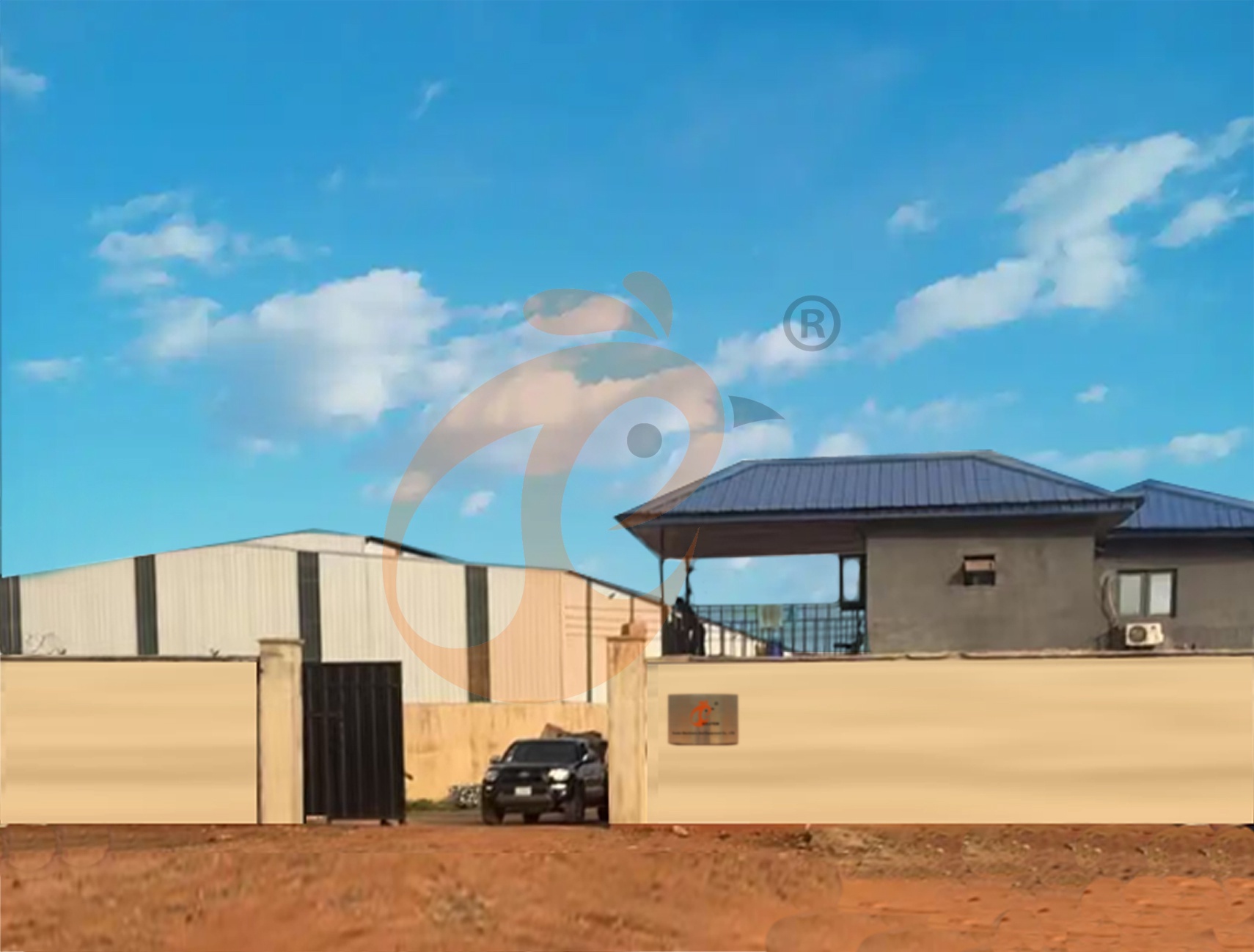
Nigeria Vanke Machinery And Equipment CO., LTD
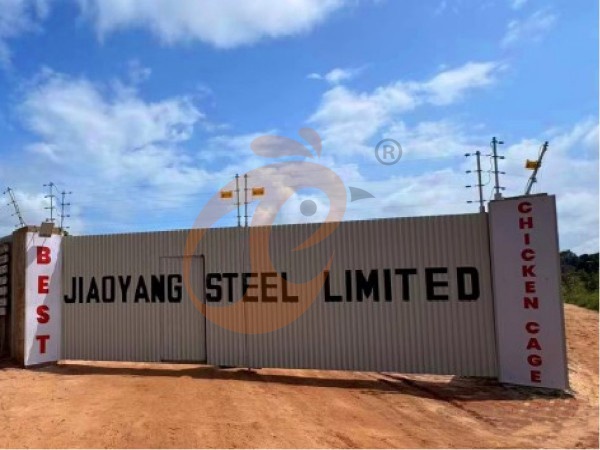
Tanzania Best Machinery And Equipment CO., LTD
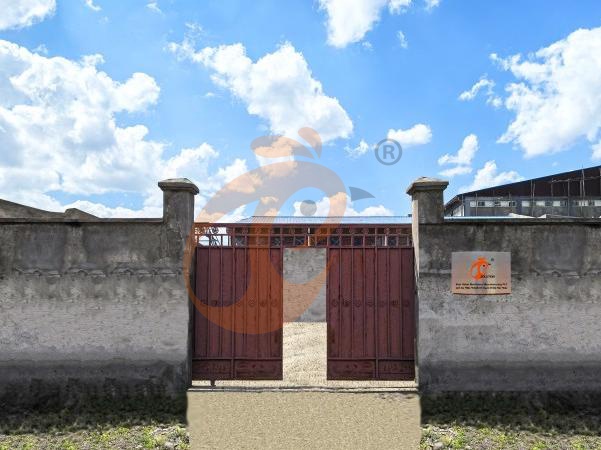
Ethiopia Best Hebei Machinery Manufacturing PLC




Reception /24 WhatsApp NO. : +8618830120193
FAQ
How Is Automation Applied In Complete Poultry Equipment?
Sensor monitoring networks collect environmental data every 5–20 seconds for continuous management accuracy.
Remote monitoring platforms support 24-hour equipment supervision improving operational reliability and response efficiency.
Which Environmental Control Functions Are Managed By Complete Poultry Equipment?
Temperature regulation equipment controls indoor conditions within 18–30°C for optimized poultry growth.
Humidity management systems stabilize relative humidity between 55%–70% reducing respiratory disease risks.
What Installation And Structural Standards Are Required For Complete Poultry Equipment In Poultry Chicken Farms?
Equipment support structures withstand 500–1200 kg load capacity ensuring long-term operational stability.
System installation precision is controlled within ±10 mm reducing mechanical deviation and operational wear.
Message
Products recommended
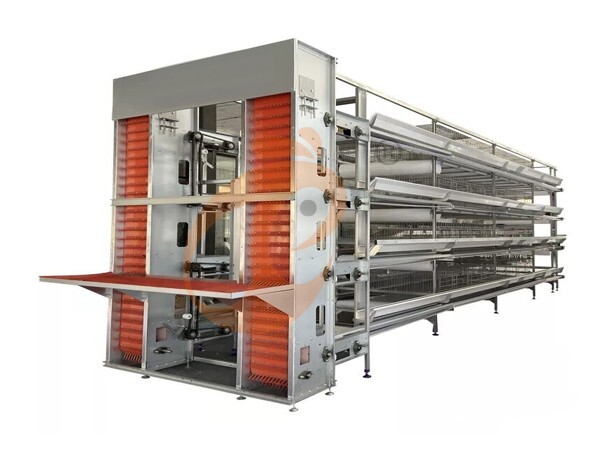
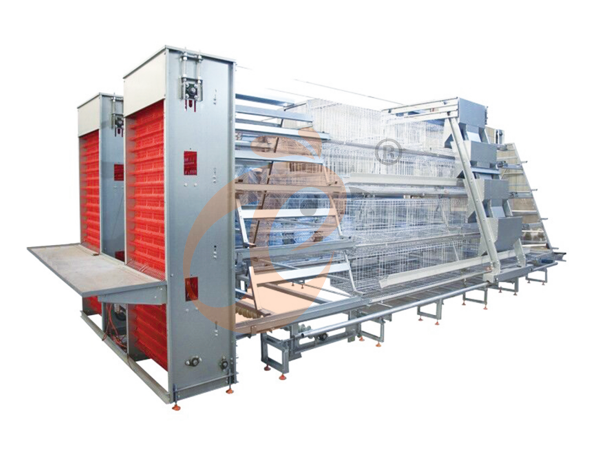
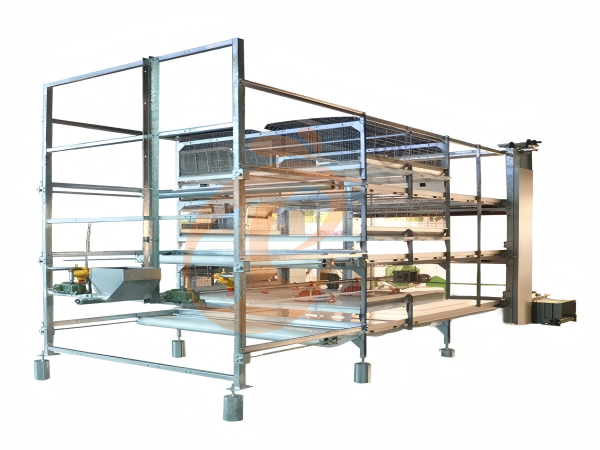
 >30,000 Pullets Automatic H Type Battery Cage1. More than 30,000 pullets a house, choose it.
2. It is designed to rearing older than 1 day old pullets to 12 to 16 weeks old chicken starting laying eggs.
3. Its lifespan is more than 25 years.
4. Its structure are Vcloud artificial intelligent fusion, electric control cabinet, automatic equipment of drinking, feeding, manure clean, manual harvesting.
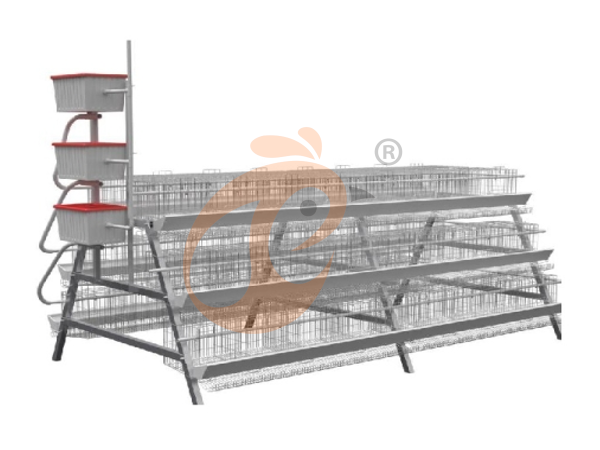
5. Our 24 hour online reception What’sApp NO. is +8618830120193 <30,000 Pullets Automatic A Type Battery Cage1. 10,000 to 30,000 pullets a house, choose it.
2. It is designed to rearing older than 1 day old pullets to 12 to 16 weeks old chicken starting laying eggs.
3. Its lifespan is more than 25 years.
4. Its structure are Vcloud artificial intelligent fusion, electric control cabinet, automatic equipment of drinking, feeding, manure clean, manual harvesting.
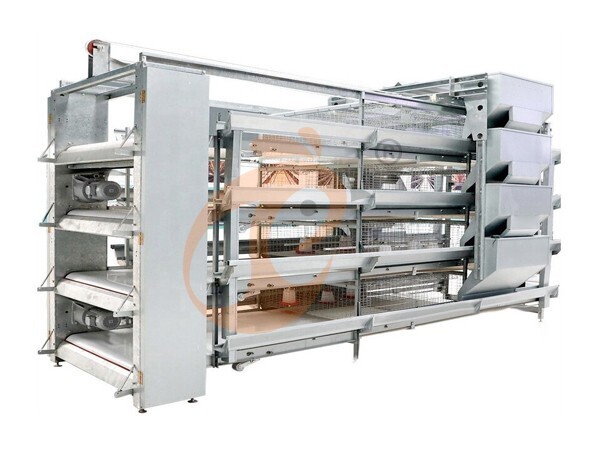
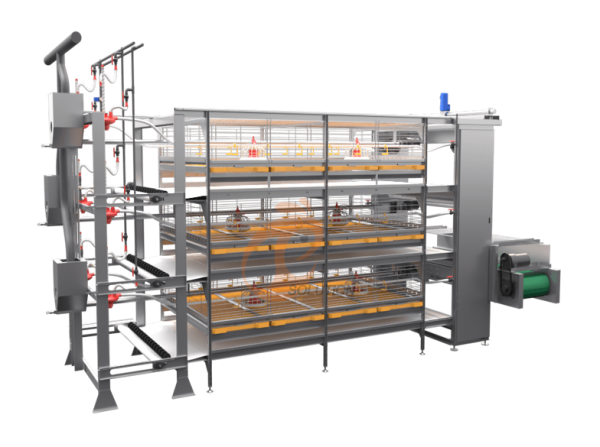
5. Our 24 hour online reception What’sApp NO. is +86 18830120193. >30,000 Broilers Semi-Automatic Harvest H Type Battery Cage1. More than 30,000 broilers a house, choose it.
2. It is designed to rearing 1 to 45 day old adult broiler ready for market.
3. Its lifespan is more than 20 years.
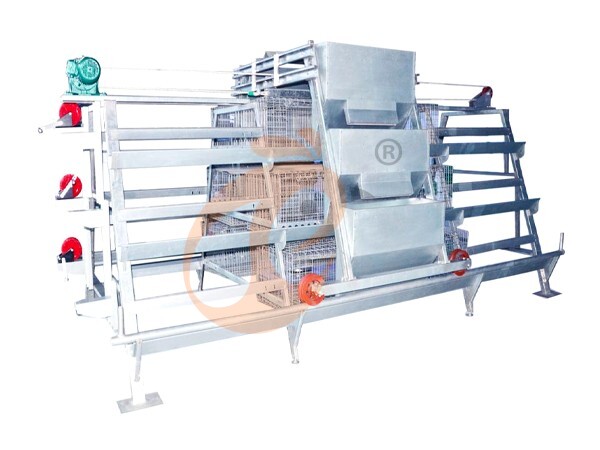
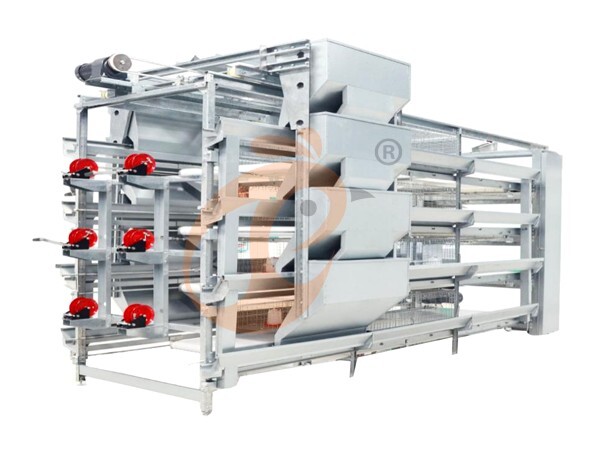
4. Our 24 hour online reception What’sApp NO. is +8618830120193, +234 8111199996. >30,000 Broilers Manual Harvest H Type Battery Cage1. More than 30,000 broilers a house, choose it.
2. It is designed to rearing 1 to 45 day old adult broiler ready for market.
3. Its lifespan is more than 20 years.
4. Its structure are Vcloud artificial intelligent fusion, electric control cabinet, automatic equipment of drinking, feeding and manure clean, manual harvesting.
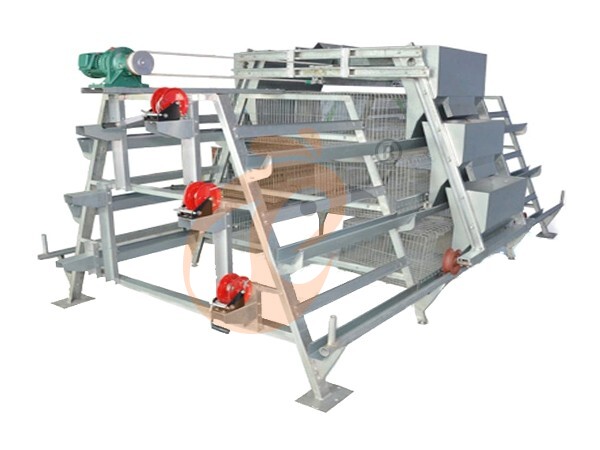
5. Our 24 hour online reception What’sApp NO. is +8618830120193, +234 8111199996. <30,000 Broilers Manual Harvest A Type Battery Cage1. Less 30,000 broilers a house, choose it.
2. It is designed to rearing 1 to 45 day old adult broiler ready for market.
3. Its lifespan is more than 20 years.
4. Its structure are Vcloud artificial intelligent fusion, electric control cabinet, automatic equipment of drinking, feeding and manure clean, manual harvesting.
5. Our 24 hour online reception What’sApp NO. is +8618830120193, +234 8111199996. HK Headquarter Offers EU-standard Poultry Farm Solutions, Manufacture Poultry Farm Equipment1. Continuous communication with the EU and the US
2. China, Nigeria, Ethiopia, Tanzania branch companies and factories
3. The products’ quality is customized for local poultry farms
4. Poultry cage and poultry farm equipment stock for sale
5. 24 online reception Whatsapp NO. : +8618830120193,contact us to get full information China Branch Offer Poultry Farm Business Plan, Manufacture Poultry Farm Equipment1. Address: Flat/RM 2416, 24/F, Runxing Building, Youyi Nan Street, Shijiazhuang City, Hebei Province, China
2. Poultry cage and poultry farm equipment factory and stock for sale
3. Customized for local poultry farms
4. Quality and design are based on Euro
5. 24 online reception Whatsapp NO. : +8618830120193 Nigeria Branch Offer Poultry Farm Business Plan, Manufacture Poultry Farm Equipment1. Address: After Sinoma Office, 200 Meters Near Danco Filling Station, Lagos/Ibadan Expressway, Lagos State, Nigeria
2. Poultry cage and poultry farm equipment factory and stock for sale
3. Customized for Nigerian poultry farms
4. Quality and design are based on Euro
5. 24 online reception Whatsapp NO. : +8618830120193 Ethiopia Branch Offer Poultry Farm Business Plan, Manufacture Poultry Farm Equipment1. Address: Gelan Gura, Akaki-kaliti Sub City, Addis Ababa, Ethiopia
2. Poultry cage and poultry farm equipment stock for sale
3. Customized for Ethiopian poultry farms
4. Quality and design are based on Euro
5. 24 online reception Whatsapp NO. : +8618830120193, contact us to get price list Tanzania Branch Offer Poultry Farm Business Plan, Manufacture Poultry Farm Equipment1. Address: No.8, Sova Road, Msufini, Mlandizi, Kibaha, Pwani, Tanzania
2. Poultry cage and poultry farm equipment factory and stock for sale
3. Customized for Tanzanian poultry farms
4. Quality and design are based on Euro
5. 24 online reception Whatsapp NO. : +8618830120193


Contact