


Blog
Layer chicken cage maintenance costs depend on cage durability, automation level, labor efficiency, spare parts, and daily operating conditions, with 6 major factors shaping long-term farm expenditure across commercial projects.
Automatic feeding systems, automatic manure removal systems, and durable cage structures can reduce repetitive labor while supporting stable commercial layer production at approximately 2.5–3.5 kg feed consumption per hen monthly.
Preventive inspections covering motors, belts, bearings, nipples, chains, and galvanized structures help reduce unexpected downtime and expensive emergency repairs across 365 operating days annually.
Integrated equipment combinations can improve workflow efficiency, simplify maintenance, and support farms operating from 10,000 to 100,000+ laying hens with centralized equipment management.
- Selecting reliable poultry equipment at the planning stage can lower total ownership costs while improving production continuity, equipment service life, and farm management efficiency over 8–15 production cycles.
Get professional poultry farm construction guidance, equipment selection solutions, and the latest price lists, whatsApp to +8618830120193, click to learn more:
Why Layer Chicken Cage Maintenance Cost Matters
For commercial layer farms, layer chicken cage maintenance cost is not simply a repair expense.
Cost also depends on labor, equipment reliability, production efficiency, and long-term service life.
A poorly maintained layer chicken cage can increase repair frequency, feed waste, manure accumulation, and labor requirements.
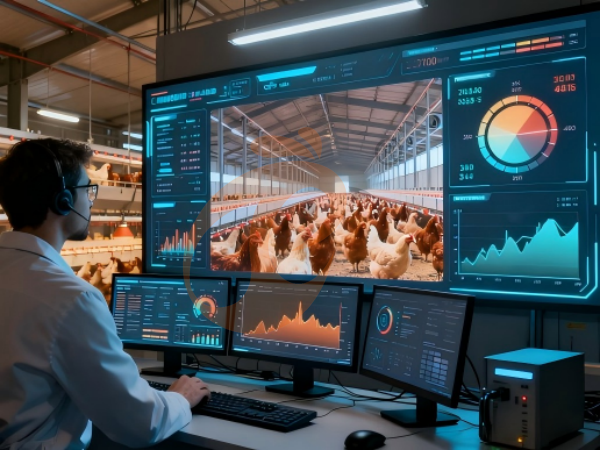
A properly engineered automatic poultry system can control operating expenses while maintaining stable production with approximately 16–18 hours of controlled daily lighting.
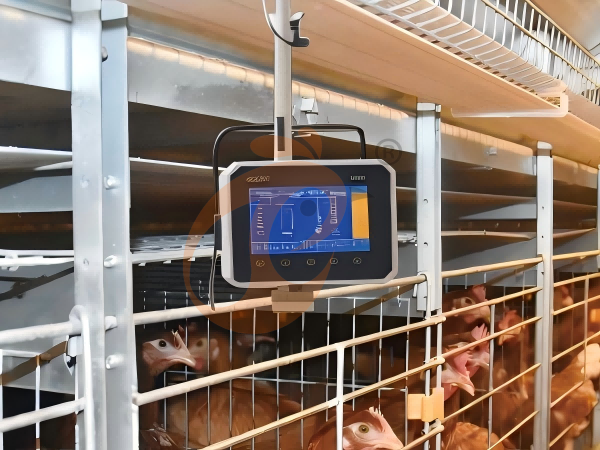
For new projects and farm upgrades, combining a durable layer chicken cage, automatic chicken feeding system, and automatic manure removal system creates a stronger foundation for long-term cost control across 24-hour operating environments.
Six Key Cost Factors
Data is for reference only.Swipe horizontally to view full table.
Engineering Points: Build For Lower Maintenance
Engineering Point 01 — Corrosion Resistance
A commercial layer chicken cage operates in humid conditions containing manure, ammonia, and cleaning chemicals.
High-quality galvanized steel can improve structural durability and reduce replacement frequency with a recommended ambient humidity range of 60–75%.
Engineering Point 02 — Simple Mechanical Design
An automatic chicken feeding system with fewer unnecessary moving parts is easier to inspect, adjust, and repair, particularly under continuous 8–12-hour daily feeding schedules.
Engineering Point 03 — Easy Access
Motors, bearings, belts, controllers, and water components should remain accessible for routine service with maintenance access aisles preferably maintained at 0.8–1.2 m.
Engineering Point 04 — Modular Components
An automatic manure removal system with modular components allows damaged parts to be replaced without dismantling the complete production line, reducing service intervention time to approximately 30–60 minutes.
Cage System Cost Comparison
Data is for reference only.Swipe horizontally to view full table.
Although an automatic layer chicken cage system may require higher initial investment, total ownership cost should be evaluated across the operating period.
Lower labor requirements and better workflow consistency can improve the economics of commercial poultry equipment with daily operating availability above 20 hours.
Tip Card: How To Reduce Daily Maintenance Expenses
Maintenance Tip Card
Every Day: Check water leakage, abnormal motor sounds, feed distribution, and manure accumulation within 2–4 inspection intervals.
Every Week: Inspect belts, bearings, drive chains, cage connections, and nipple drinkers across 1 complete equipment circuit.
Every Month: Check motor performance, electrical connections, conveyor alignment, and structural corrosion across 30-day maintenance records.
Before Each Production Cycle: Clean, disinfect, tighten fasteners, and replace worn components during a 7–10-day preparation window.
Golden Rule: Preventive maintenance costs less than emergency repair when service planning covers 12 monthly inspection periods.
A reliable layer chicken cage system becomes easier to manage when automatic feeding equipment and automatic manure removal equipment are designed as compatible components.
Maintenance Cost By Equipment Type
Data is for reference only.Swipe horizontally to view full table.
The best maintenance strategy is not simply repairing a layer chicken cage faster.
Equipment should be selected according to durability, accessibility, standardization, and service requirements before installation with a projected service period of 10–15 years.
Process Structure: A Preventive Maintenance Workflow
Step 1 → Daily Inspection
Operators inspect the layer chicken cage, feeding line, drinking system, manure system, and egg collection equipment within 15–30 minutes.
Step 2 → Problem Identification
Record unusual vibration, leakage, belt deviation, corrosion, or motor temperature using a 1–10 condition scoring scale.
Step 3 → Scheduled Maintenance
Replace worn components before failures interrupt production, preferably during planned 2–4-hour service windows.
Step 4 → Performance Testing
Run the automatic chicken feeding system and automatic manure removal system after maintenance for approximately 10–15 minutes.
Step 5 → Maintenance Record
Document replacement parts, service dates, equipment conditions, and recurring problems through a minimum 12-month maintenance history.
A standardized workflow changes maintenance from reactive repair into predictable equipment management.
Labor Cost And Automation
Data is for reference only.Swipe horizontally to view full table.
Labor remains a major recurring expense for commercial farms.
An automatic layer chicken cage system does not eliminate skilled workers but allows personnel to manage larger flock populations more efficiently.
Automatic chicken feeding systems and automatic manure removal systems can reduce repetitive tasks while improving daily workflow consistency across houses of 1,000–3,000 m².
Equipment Combination Recommendation
Recommended Commercial Layer Farm Package
Layer Cage System
→ Durable galvanized layer chicken cage structure with optimized feeding and stocking space, typically configured in 3–8 tiers.
Automatic Feeding System
→ Feed hopper, conveying line, and feed trough for consistent feed distribution, with hopper capacities commonly ranging from 0.5–2.0 tons.
Automatic Drinking System
→ Water tank, filter, pressure regulator, and nipple drinkers for stable water supply, with filtration commonly maintained at 120–150 mesh.
Manure Removal System
→ Manure belts or scraper equipment for reduced manual cleaning, with scraper travel commonly controlled at 6–12 m/min.
Automatic Egg Collection
→ Egg conveyor system for efficient egg transfer, with transfer distances commonly engineered within 50–100 m.
Environmental Control
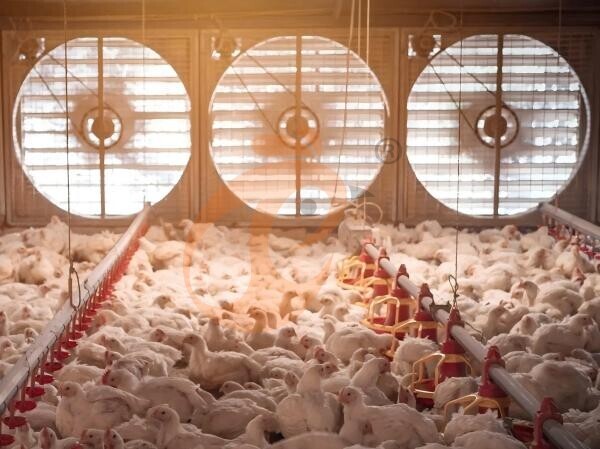
→ Ventilation fans, cooling equipment, and automatic controller for stable house conditions, with controller response commonly set within 1–3°C.
An integrated layer chicken cage solution can improve equipment compatibility, installation efficiency, maintenance convenience, and after-sales support.
Spare Parts And Replacement Costs
Data is for reference only.Swipe horizontally to view full table.
A professional supplier should provide critical spare parts and technical guidance for the layer chicken cage system.
Fast replacement of bearings, belts, motors, chains, and sensors helps reduce production downtime.
Six-Factor Cost Control Checklist
Data is for reference only.Swipe horizontally to view full table.
Before purchasing a layer chicken cage, farmers should evaluate equipment price together with installation, labor, maintenance, spare parts, energy consumption, and expected service life over a projected 10-year ownership period.
Choose Equipment That Controls Costs From Day One
Data is for reference only.Swipe horizontally to view full table.
The real cost of a layer chicken cage is not limited to the purchase price.
Total cost of ownership includes maintenance, labor, spare parts, downtime, energy consumption, and expected service life.
A durable layer chicken cage, automatic chicken feeding system, and automatic manure removal system can help commercial farms control recurring expenses while maintaining efficient production.
Reliable poultry equipment should therefore be evaluated as a complete production system rather than as individual machines.
Frequently Asked Questions
Q1: What is the biggest maintenance cost for a layer chicken cage system?
Labor, manure handling, mechanical wear, and unexpected equipment failures are common cost drivers.
A properly designed automatic layer chicken cage system can reduce repetitive labor and improve maintenance efficiency across 10,000–100,000+ birds.
Q2: How often should layer cage equipment be inspected?
Daily operating checks, weekly mechanical inspections, and monthly electrical and structural inspections provide a practical baseline.
For an automatic chicken feeding system and automatic manure removal system, belt alignment, bearings, motors, chains, and sensors deserve particular attention during 30-day maintenance cycles.
Q3: Does automatic equipment really reduce total farm costs?
Automation requires higher initial investment but can reduce labor demand and operational interruptions.
For example, farms managing 10,000 to 100,000+ layers can gain significant efficiency from integrated feeding, manure removal, and layer chicken cage systems operating above 20 hours daily.
Taiyu (HK) Group - One Of China Toppest Layer Chicken Cage Manufacturer
Layer chicken cage systems provide durable galvanized structures, automated feeding compatibility, and scalable configurations for commercial projects, supporting capacities from 10,000 to 100,000+ layers with engineering-based equipment selection.
Global Factory Direct Sales: Taiyu supplies integrated poultry equipment directly from China, covering cage systems, feeding, drinking, manure removal, egg collection, and environmental control.
Turn-key Engineering: Project support covers layout planning, equipment configuration, production coordination, installation guidance, commissioning, and technical documentation.
Commercial Project Integration: Complete poultry equipment packages can be configured according to house dimensions, flock capacity, automation requirements, climate conditions, and customer investment plans.
International Supply Capability: Factory production, standardized components, spare-parts support, and technical communication provide a practical supply structure for overseas poultry projects.
Contact Us To Received Your Customized Poultry Farm Plan
Headquarters And Branchs

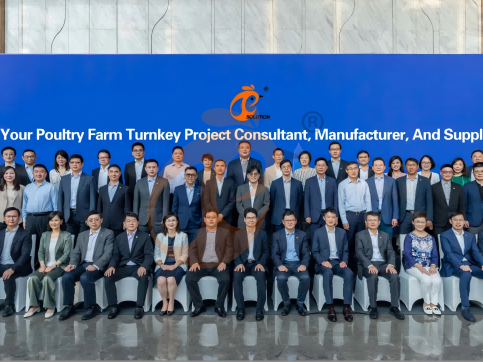
Hong Kong Headquarter Management Team
Hong Kong Headquarter Taiyu Industrial Group CO., LTD
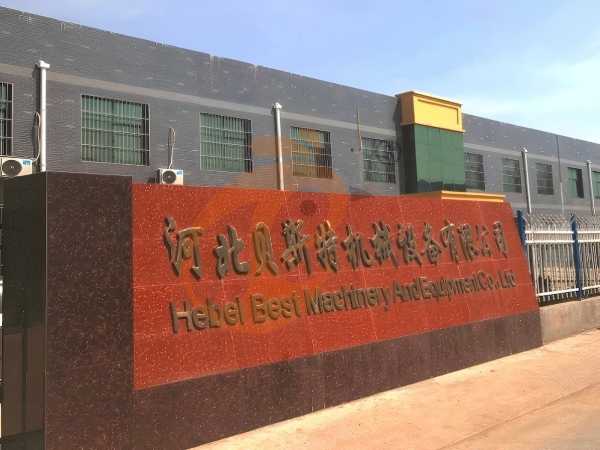
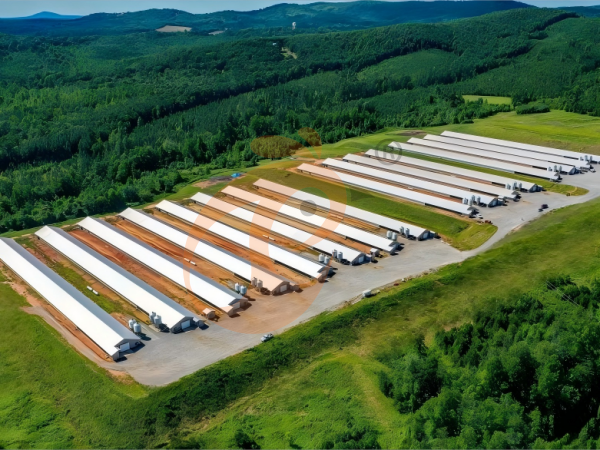
China Hebei Best Machinery And Equipment CO., LTD
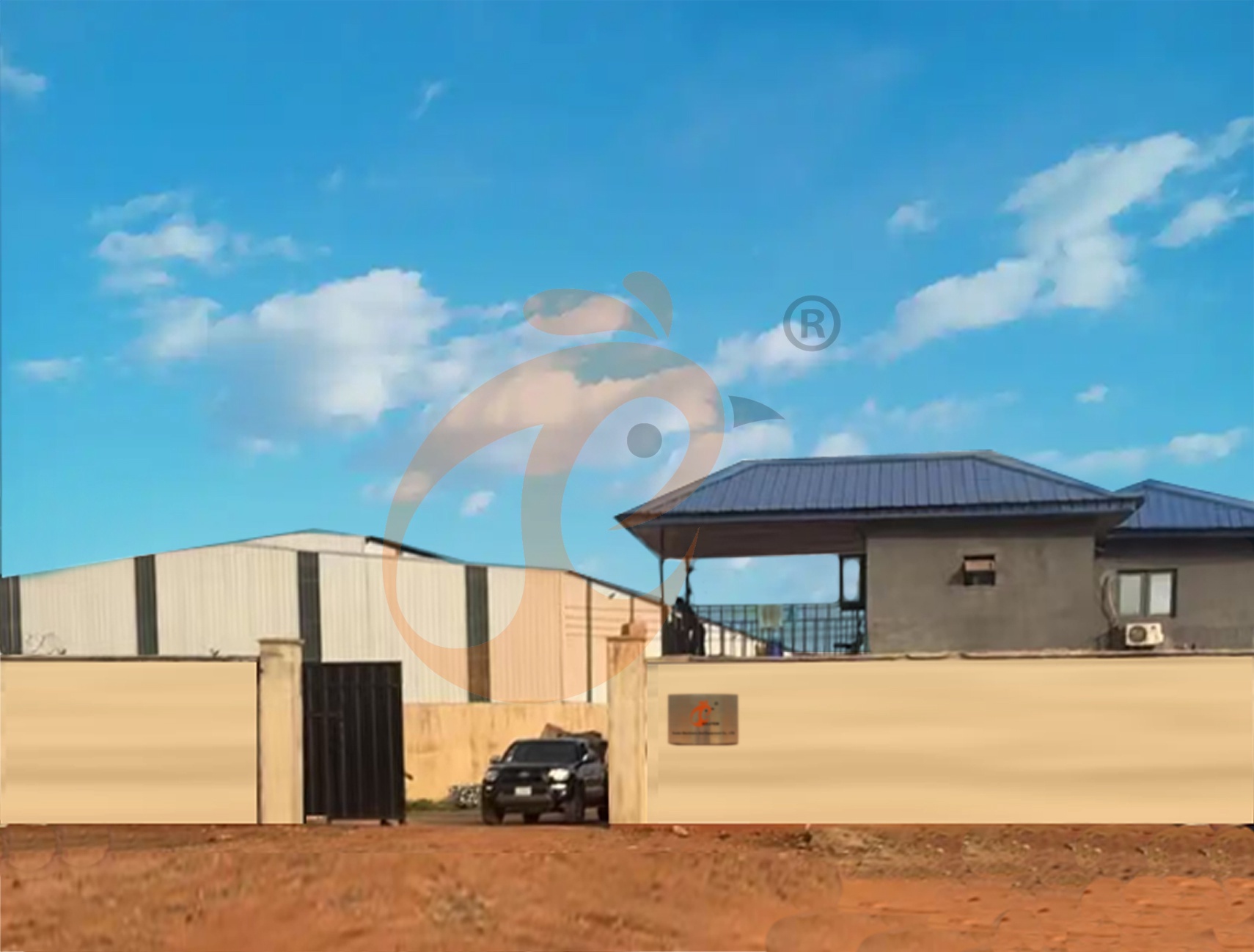
Nigeria Vanke Machinery And Equipment CO., LTD
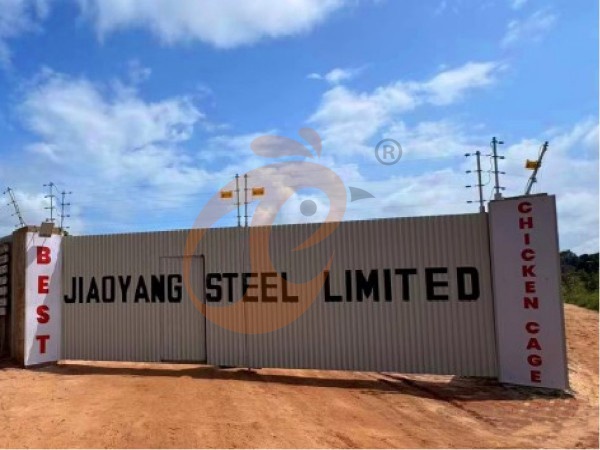
Tanzania Best Machinery And Equipment CO., LTD
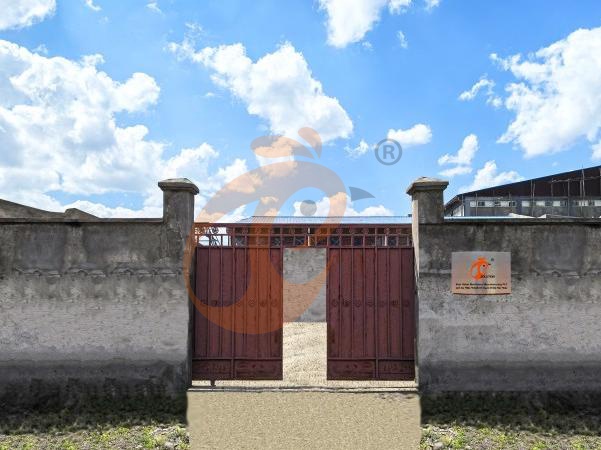
Ethiopia Best Hebei Machinery Manufacturing PLC




Reception /24 WhatsApp NO. : +8618830120193
FAQ
What Are The Top Recommendations For Egg Quality Management In Battery Cage Systems?
Keep conveyor belts clean to avoid breakage and contamination.
Egg production: 90–98%, breakage rate: 2–3%.
How To Optimize Lighting And Ventilation For Maximum Egg Production In Poultry Cages?
Combine roof exhaust and side-wall intake for ventilation, temperature 18–25℃, humidity 50–70%.
Egg production can reach 90–98%, breakage rate <3%.
How To Implement Advanced Manure Removal Systems In Layer Cage Farms?
Reduces manual labor by 50–70%, maintains house hygiene, and lowers disease risk.
- poultry farm
- chicken cage
- layer cage
- automatic layer cage
- cage
- poultry farm construction
- layer cage system
- chicken cage manufacturer
- chicken cage system
- automatic drinking system
- automatic feeding system
- poultry equipment
- manure removal system
- automatic manure removal system
- manure removal equipment
- automatic manure removal equipment
- egg collection equipment
- automatic layer cage system
- chickencage
- bestchickencage
- cage system
- cage systems
- layer chicken cage
- Nigeria
- layer farm
- chicken cage maintenance
- layer chicken cage system
- layer cage equipment
- automatic layer chicken cage
- layer chicken cage manufacturer
- automatic chicken feeding system
- chicken feeding system
- cage manufacturer
- automatic egg collection
- chicken cage solution
- poultry farm plan
- chicken feed
- Ethiopia
Message
Products recommended
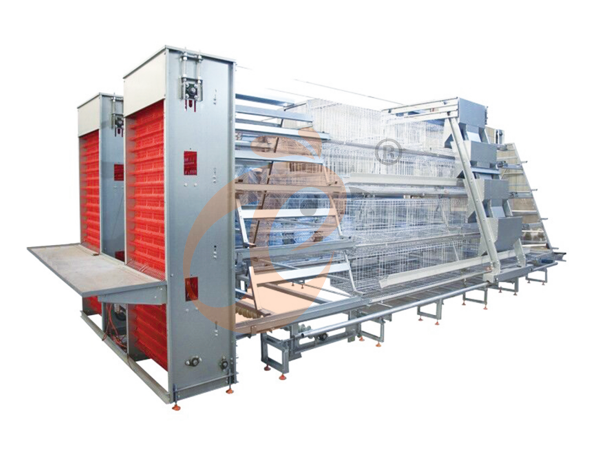
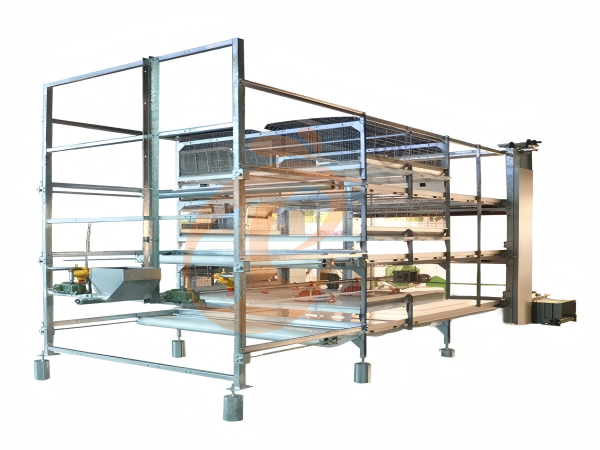
 >30,000 Pullets Automatic H Type Battery Cage1. More than 30,000 pullets a house, choose it.
2. It is designed to rearing older than 1 day old pullets to 12 to 16 weeks old chicken starting laying eggs.
3. Its lifespan is more than 25 years.
4. Its structure are Vcloud artificial intelligent fusion, electric control cabinet, automatic equipment of drinking, feeding, manure clean, manual harvesting.
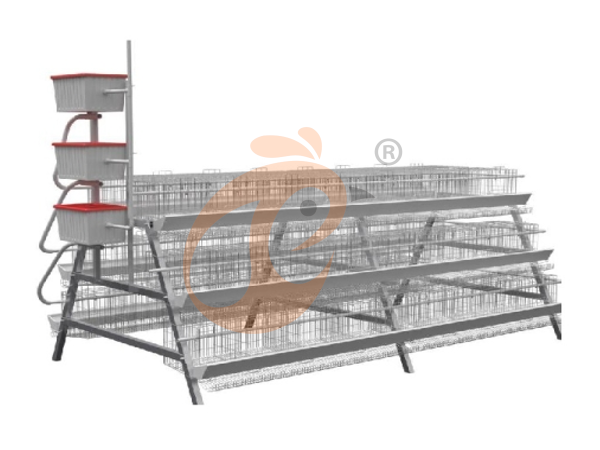
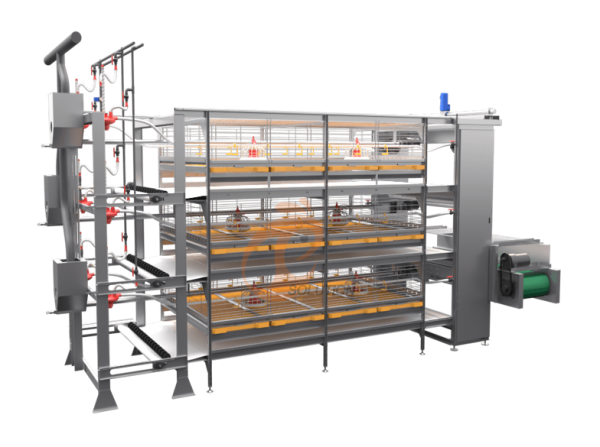
5. Our 24 hour online reception What’sApp NO. is +8618830120193 <30,000 Pullets Automatic A Type Battery Cage1. 10,000 to 30,000 pullets a house, choose it.
2. It is designed to rearing older than 1 day old pullets to 12 to 16 weeks old chicken starting laying eggs.
3. Its lifespan is more than 25 years.
4. Its structure are Vcloud artificial intelligent fusion, electric control cabinet, automatic equipment of drinking, feeding, manure clean, manual harvesting.
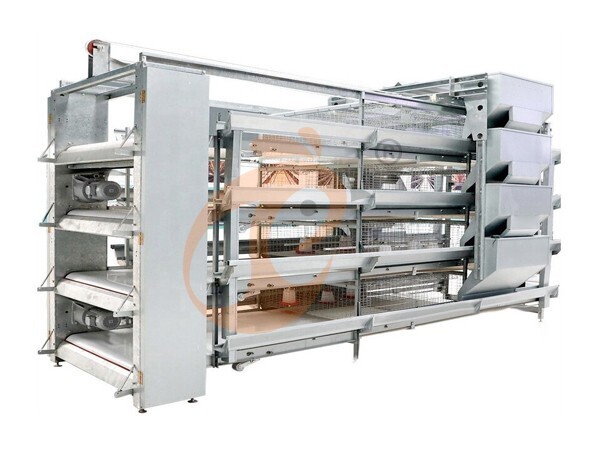
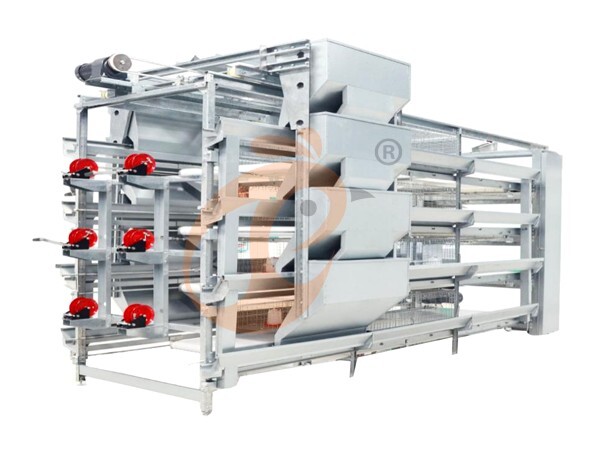
5. Our 24 hour online reception What’sApp NO. is +86 18830120193. >30,000 Broilers Semi-Automatic Harvest H Type Battery Cage1. More than 30,000 broilers a house, choose it.
2. It is designed to rearing 1 to 45 day old adult broiler ready for market.
3. Its lifespan is more than 20 years.
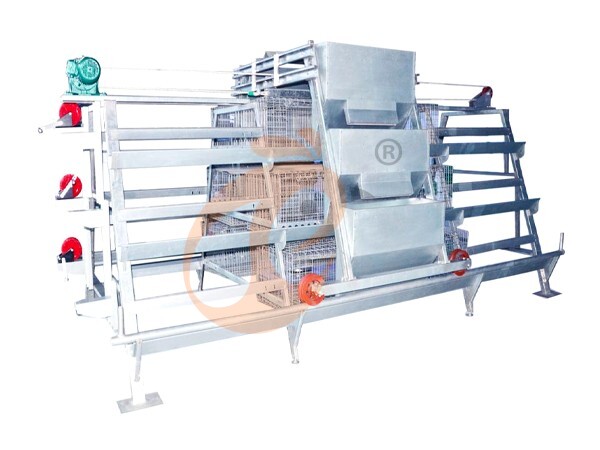
4. Our 24 hour online reception What’sApp NO. is +8618830120193, +234 8111199996. >30,000 Broilers Manual Harvest H Type Battery Cage1. More than 30,000 broilers a house, choose it.
2. It is designed to rearing 1 to 45 day old adult broiler ready for market.
3. Its lifespan is more than 20 years.
4. Its structure are Vcloud artificial intelligent fusion, electric control cabinet, automatic equipment of drinking, feeding and manure clean, manual harvesting.
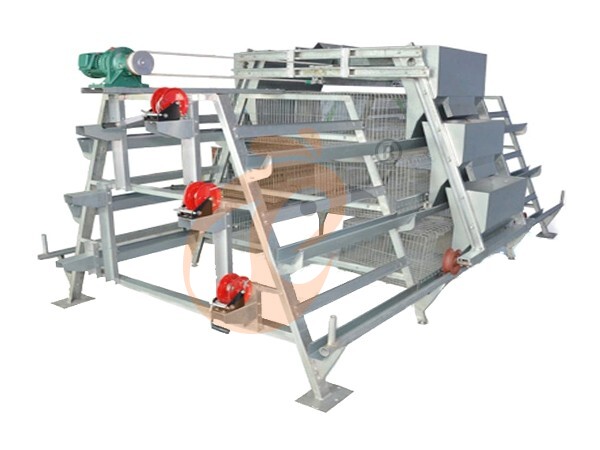
5. Our 24 hour online reception What’sApp NO. is +8618830120193, +234 8111199996. <30,000 Broilers Manual Harvest A Type Battery Cage1. Less 30,000 broilers a house, choose it.
2. It is designed to rearing 1 to 45 day old adult broiler ready for market.
3. Its lifespan is more than 20 years.
4. Its structure are Vcloud artificial intelligent fusion, electric control cabinet, automatic equipment of drinking, feeding and manure clean, manual harvesting.
5. Our 24 hour online reception What’sApp NO. is +8618830120193, +234 8111199996. HK Headquarter Offers EU-standard Poultry Farm Solutions, Manufacture Poultry Farm Equipment1. Continuous communication with the EU and the US
2. China, Nigeria, Ethiopia, Tanzania branch companies and factories
3. The products’ quality is customized for local poultry farms
4. Poultry cage and poultry farm equipment stock for sale
5. 24 online reception Whatsapp NO. : +8618830120193,contact us to get full information China Branch Offer Poultry Farm Business Plan, Manufacture Poultry Farm Equipment1. Address: Flat/RM 2416, 24/F, Runxing Building, Youyi Nan Street, Shijiazhuang City, Hebei Province, China
2. Poultry cage and poultry farm equipment factory and stock for sale
3. Customized for local poultry farms
4. Quality and design are based on Euro
5. 24 online reception Whatsapp NO. : +8618830120193 Nigeria Branch Offer Poultry Farm Business Plan, Manufacture Poultry Farm Equipment1. Address: After Sinoma Office, 200 Meters Near Danco Filling Station, Lagos/Ibadan Expressway, Lagos State, Nigeria
2. Poultry cage and poultry farm equipment factory and stock for sale
3. Customized for Nigerian poultry farms
4. Quality and design are based on Euro
5. 24 online reception Whatsapp NO. : +8618830120193 Ethiopia Branch Offer Poultry Farm Business Plan, Manufacture Poultry Farm Equipment1. Address: Gelan Gura, Akaki-kaliti Sub City, Addis Ababa, Ethiopia
2. Poultry cage and poultry farm equipment stock for sale
3. Customized for Ethiopian poultry farms
4. Quality and design are based on Euro
5. 24 online reception Whatsapp NO. : +8618830120193, contact us to get price list Tanzania Branch Offer Poultry Farm Business Plan, Manufacture Poultry Farm Equipment1. Address: No.8, Sova Road, Msufini, Mlandizi, Kibaha, Pwani, Tanzania
2. Poultry cage and poultry farm equipment factory and stock for sale
3. Customized for Tanzanian poultry farms
4. Quality and design are based on Euro
5. 24 online reception Whatsapp NO. : +8618830120193


Contact