


Blog
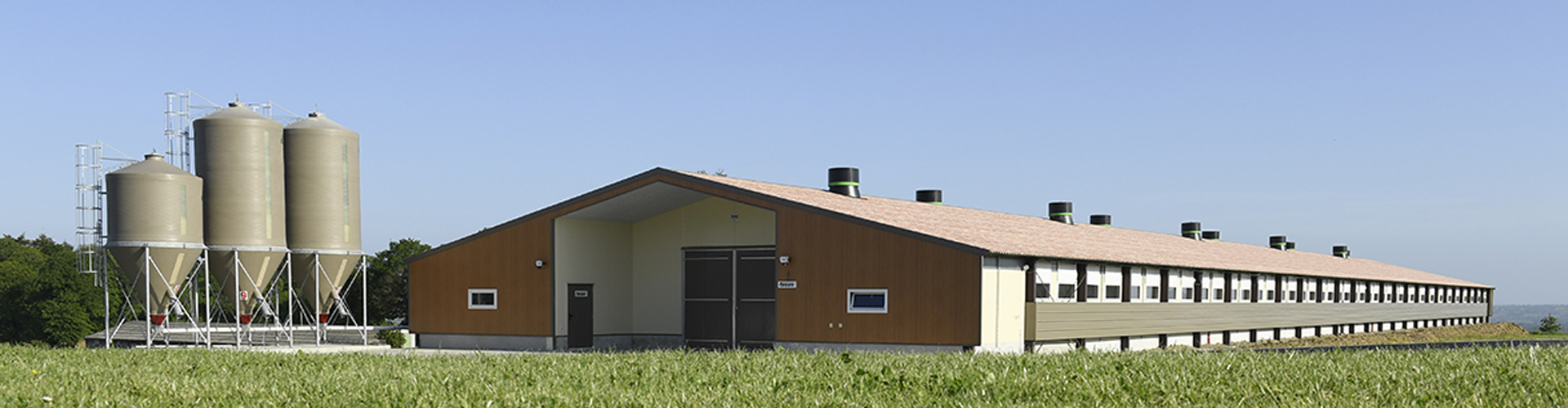
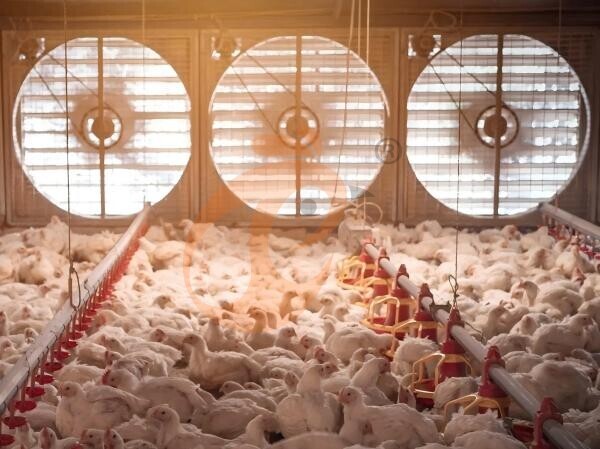
Deep litter poultry house equipment improves cleaning efficiency with integrated designs supporting healthier chicken production environments and modern farm expansion requirements.
Advanced hygiene solutions reduce contamination risks while supporting poultry houses operating with ventilation rates above 20 air changes hourly.
Automatic systems simplify feeding, watering, and daily maintenance through reliable engineering structures.
Professional poultry equipment combinations create cost-effective solutions for commercial farms and family operations.
Smart layouts, durable materials, and practical cleaning methods help achieve stable long-term farming performance.
Get professional poultry farm construction guidance, equipment selection solutions, and the latest price lists, whatsApp to +8618830120193, click to learn more:
Why Deep Litter Hygiene Management Matters
Deep litter poultry systems depend on balanced litter conditions, effective airflow, and suitable equipment integration.
Poor management can increase odor, moisture accumulation, and disease pressure inside poultry houses.
Modern farms increasingly combine cleaning methods with specialized equipment instead of relying only on manual labor.
A complete solution may include automatic feeding lines, drinking systems, ventilation products, and durable chicken housing structures.
Common Cleaning Challenges In Deep Litter Poultry Houses
Data is for reference only.Swipe horizontally to view full table.
Step One: Remove Contaminated Litter Areas
Regular inspection remains the first action for maintaining a healthy deep litter environment.
Farm workers should identify wet zones around drinkers, feeders, and high-traffic areas.
Deep litter poultry house equipment with optimized floor layouts helps simplify cleaning operations and improves daily management efficiency.
Replacing damaged bedding quickly prevents bacteria growth and supports better flock comfort.
Deep Litter Cleaning Equipment Selection Guide
Data is for reference only.Swipe horizontally to view full table.
Step Two: Maintain Proper Bedding Structure
A successful deep litter system requires bedding that remains loose, absorbent, and easy to manage.
Compacted litter blocks oxygen movement and slows natural decomposition.
Farm owners often improve performance by combining suitable bedding materials with professional poultry equipment.
Proper equipment planning reduces labor requirements and supports consistent production results.
Automatic Feeding And Watering Integration
Data is for reference only.Swipe horizontally to view full table.
Step Three: Control Moisture Through Ventilation
A clean poultry house requires continuous air exchange to remove humidity and harmful gases.
Ventilation design should match bird density, building structure, and climate conditions.
Professional ventilation equipment works together with deep litter poultry house equipment to create a balanced farming environment.
Proper airflow planning supports healthier birds and reduces cleaning frequency.
Ventilation Equipment Performance Reference
Data is for reference only.Swipe horizontally to view full table.
Step Four: Strengthen Biosecurity With Professional Equipment
Biosecurity management determines the long-term success of deep litter poultry operations.
Entrance control, equipment sanitation, and regular disinfection procedures create a safer production environment.
Many farms install dedicated sanitation equipment near housing areas to reduce external contamination.
A complete hygiene program improves operational stability and protects valuable livestock assets.
Biosecurity Equipment Configuration
Data is for reference only.Swipe horizontally to view full table.
Step Five: Improve Farm Efficiency With Smart Systems
Modern poultry farms are moving toward automated management models.
Automatic poultry feeding system solutions reduce manual feeding workload and improve feed distribution accuracy.
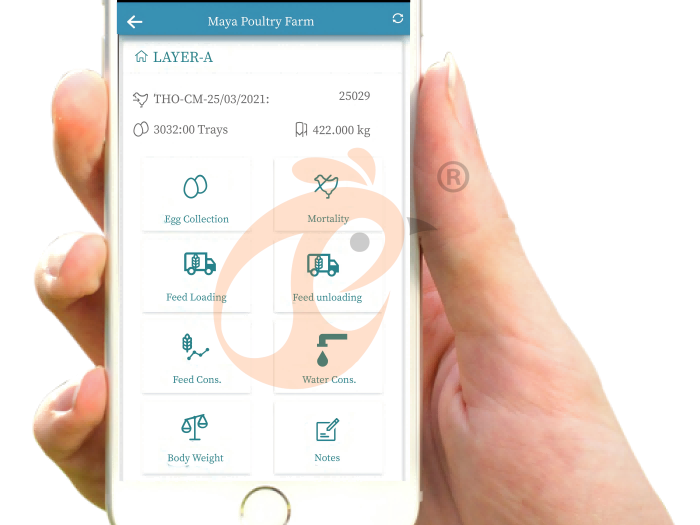
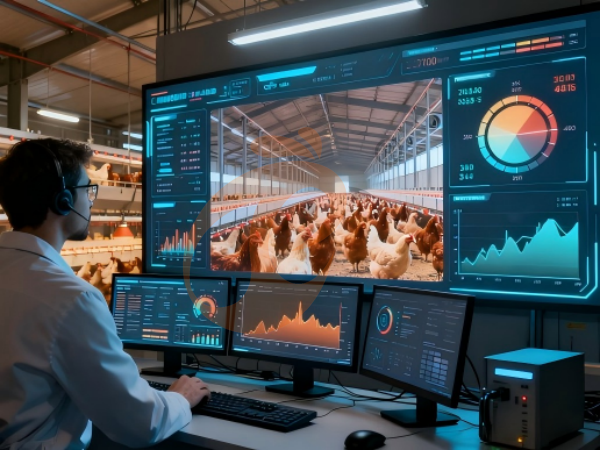
Integrated control systems allow operators to manage feeding schedules, equipment operation, and production records.
For commercial projects, equipment investment normally ranges from $15,000 to $80,000 depending on farm scale and configuration.
European union standard reference only.
Automated Poultry Equipment Comparison
Data is for reference only.Swipe horizontally to view full table.
Step Six: Complete Cleaning Between Production Cycles
End-cycle cleaning determines the next flock performance level.
A complete procedure includes equipment removal, surface washing, drying, and final inspection.
Professional farms combine cleaning procedures with reliable housing systems.
Free range chicken equipment also requires planned sanitation because outdoor environments create additional exposure risks.
Free Range And Alternative Housing Equipment
Data is for reference only.Swipe horizontally to view full table.
Professional Equipment Planning For Future Farms
Farm development requires more than cleaning knowledge.
Equipment selection should consider production goals, labor availability, climate conditions, and expansion plans.
Reliable suppliers provide complete solutions from individual machines to full poultry farm projects.
Technical design helps customers achieve efficient operation with controlled investment.
Complete Poultry Farm Solution Overview
Data is for reference only.Swipe horizontally to view full table.
Equipment Investment And Long Term Operation Value
Selecting suitable poultry equipment requires evaluation of durability, maintenance requirements, and production efficiency.
High-quality systems reduce replacement frequency and provide stable support for expanding farms.
Professional chicken cage solutions, deep litter structures, and free range equipment allow different farming models to operate with customized layouts.
Engineering-based planning creates better returns through optimized space utilization and reduced daily management pressure.
Common Management Mistakes And Solutions
Data is for reference only.Swipe horizontally to view full table.
Technical Workflow For Deep Litter Maintenance
A professional maintenance workflow follows a clear sequence.
First, inspect litter conditions and identify high-risk areas.
Second, adjust ventilation performance and check equipment operation.
Third, remove damaged bedding and sanitize affected sections.
Fourth, verify feeding and drinking equipment before restarting production.
Fifth, record maintenance information for future farm optimization.
This structured approach helps farmers maintain consistent hygiene standards throughout each production cycle.
Poultry Equipment Quality Inspection Standard
Data is for reference only.Swipe horizontally to view full table.
Future Trends In Poultry Housing Development
The poultry industry is moving toward automation, environmental control, and precision management.
Modern farms increasingly combine cage systems, deep litter solutions, and outdoor farming equipment according to market requirements.
Smart monitoring technologies help operators understand equipment status and improve production decisions.
Manufacturers with engineering capabilities can provide complete solutions from design consultation to installation support.
Global Application Of Integrated Poultry Solutions
Data is for reference only.Swipe horizontally to view full table.
Frequently Asked Questions
Q1: How often should deep litter poultry houses be cleaned?
Deep litter poultry houses should receive daily inspection and complete cleaning between flock cycles.
Removing wet sections immediately helps maintain stable conditions.
Many commercial farms schedule full sanitation after every production batch.
Q2: Which equipment helps improve deep litter poultry hygiene?
Ventilation systems, automatic feeding equipment, drinking lines, and cleaning tools work together to improve poultry house management.
A balanced equipment combination reduces manual workload and supports healthier production.
Q3: Can free range equipment be combined with deep litter systems?
Yes, free range equipment can complement indoor deep litter systems through outdoor shelters, fences, and controlled access designs.
Many farms combine both methods to improve animal welfare and production flexibility.
Taiyu (HK) Group - One Of China Biggest Deep Litter Poultry House Equipment Manufacturer
Deep litter poultry house equipment provides engineered poultry housing solutions with durable structures, optimized layouts, and integrated management compatibility for commercial farming projects
- Global factory direct sales deliver customized poultry equipment with professional manufacturing processes, quality inspection systems, and international logistics support
- Complete poultry equipment solutions cover chicken cages, feeding systems, ventilation units, drinking systems, and farm automation projects
- Turn-key engineering services include farm planning, equipment installation, technical guidance, and project commissioning for worldwide customers
- Experienced export teams support overseas poultry development through reliable production capacity, technical documentation, and after-sales assistance
Contact Us To Received Your Customized Poultry Farm Plan
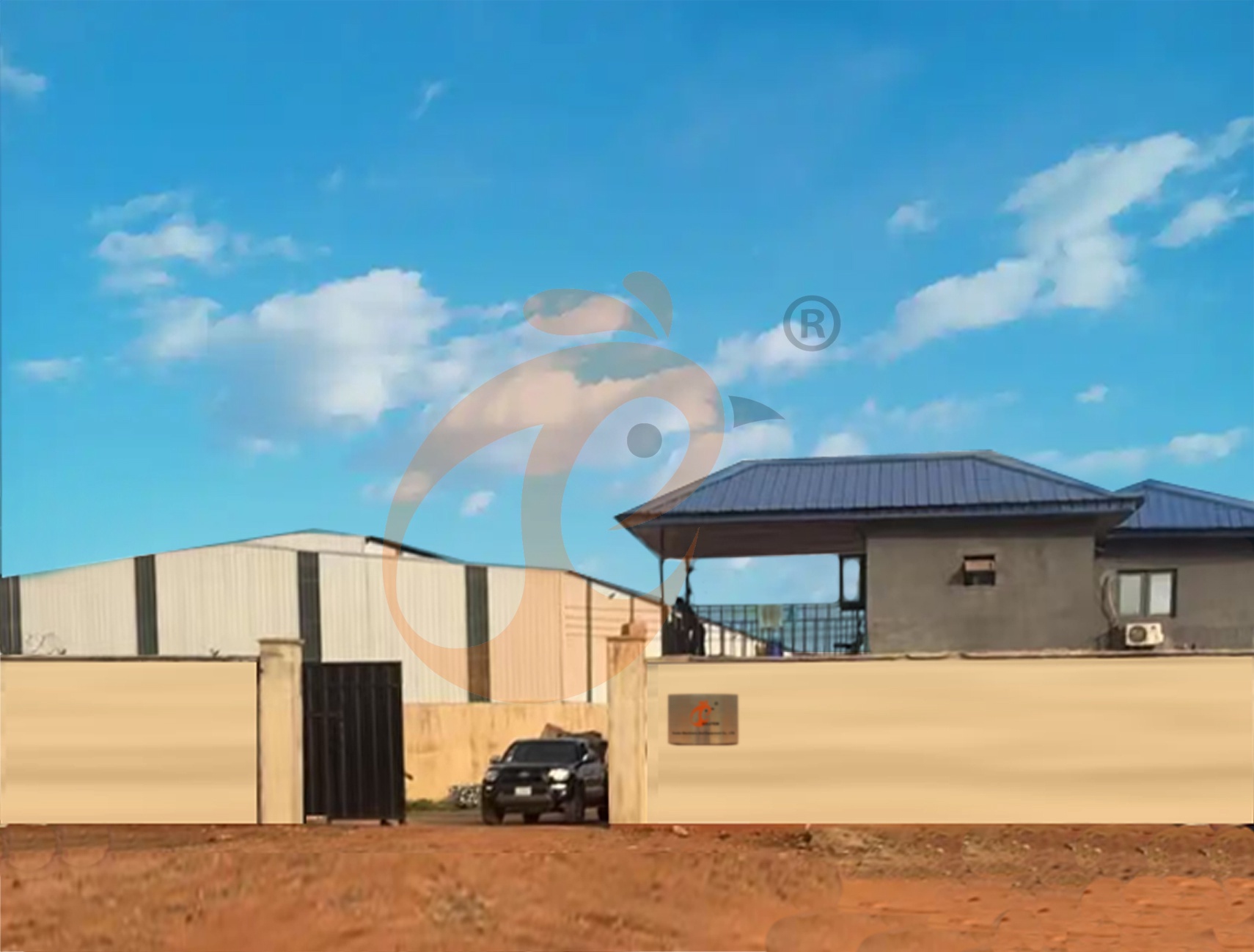
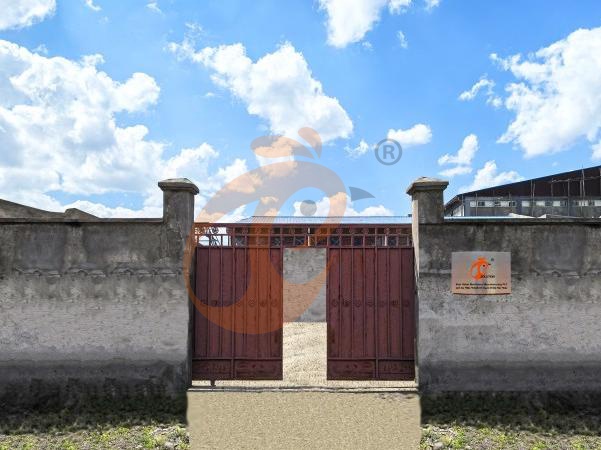
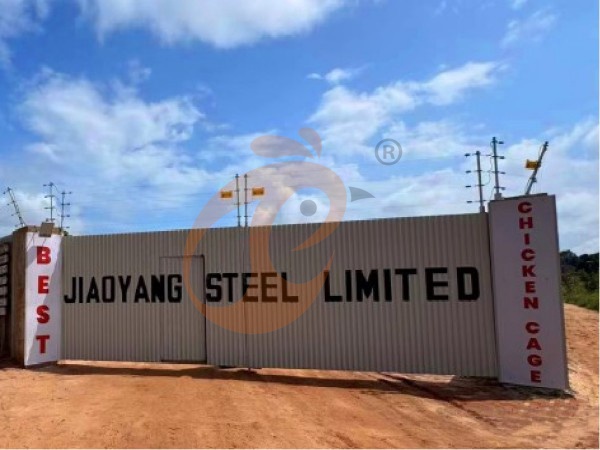
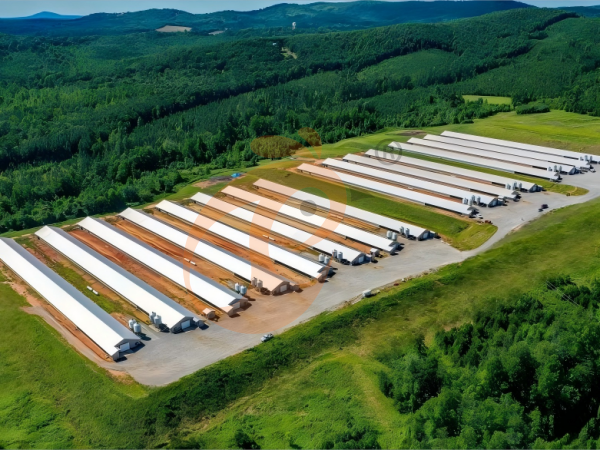
Headquarters And Branchs

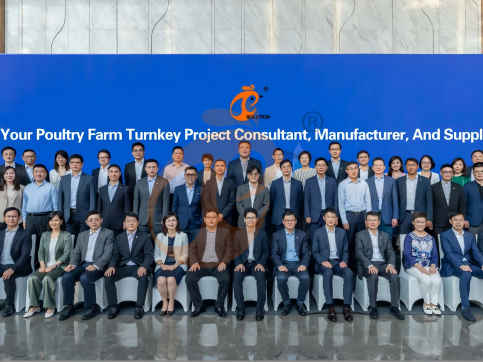
Hong Kong Headquarter Management Team
Hong Kong Headquarter Taiyu Industrial Group CO., LTD
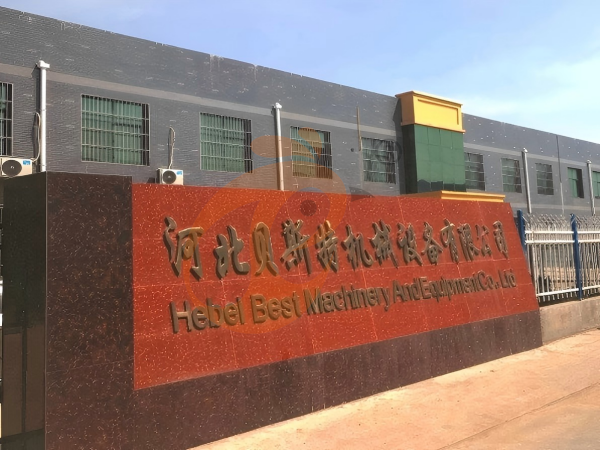
China Hebei Best Machinery And Equipment CO., LTD
Nigeria Vanke Machinery And Equipment CO., LTD
Tanzania Best Machinery And Equipment CO., LTD
Ethiopia Best Hebei Machinery Manufacturing PLC




Reception /24 WhatsApp NO. : +8618830120193
FAQ
What Are The Growth Performance Benefits In Deep Litter Poultry System?
Feed conversion ratio improves to 1.55–1.78 due to thermal comfort and reduced stress.
Market uniformity rate exceeds 85%–92% within target slaughter weight range.
What Are The Litter Turning And Management Frequency Standards In Deep Litter Poultry System?
Surface leveling is maintained every 3–5 days to prevent compaction zones.
Full litter replacement cycle occurs every 2–3 production batches depending on load intensity.
What Are The Energy Efficiency And Cost Advantages In Deep Litter Poultry System?
Construction cost savings reach 25%–40% compared with fully caged housing systems.
Operational labor demand decreases by 30%–50% through simplified floor-based management.
- poultry farm
- layer cages
- chicken cage
- poultry farms
- layer cage
- chicken house
- poultry house
- cage
- poultry farm construction
- poultry farm project
- poultry farm solution
- poultry house equipment
- poultry feeding system
- automatic drinking system
- automatic poultry feeding system
- deep litter system
- poultry equipment
- chicken cages
- chickencage
- bestchickencage
- cage system
- cage systems
- Nigeria
- modern poultry farms
- automated poultry equipment
- poultry house management
- modern poultry farm
- deep litter poultry system
- chicken cage solution
- poultry farm plan
- poultry feed
- Ethiopia
Message
Products recommended
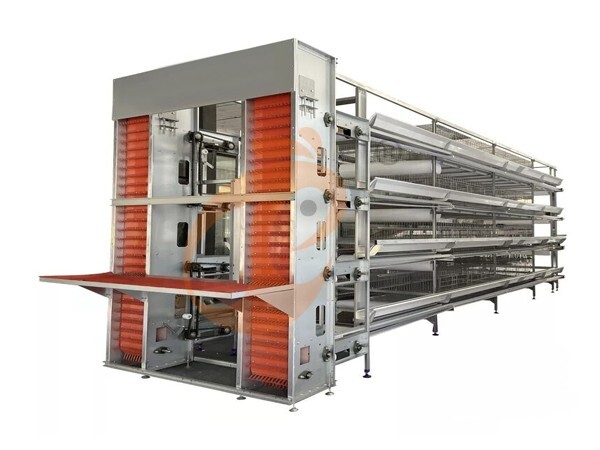
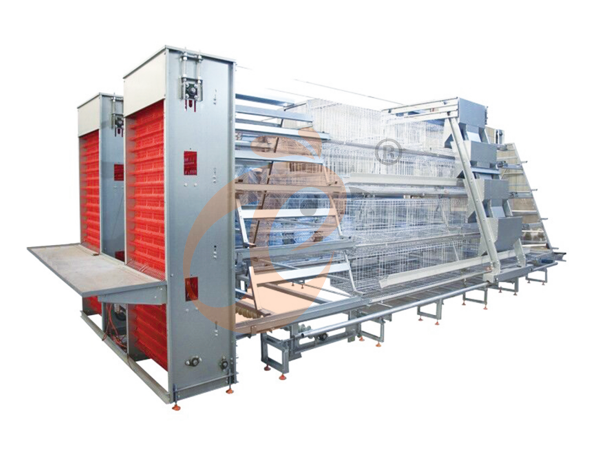
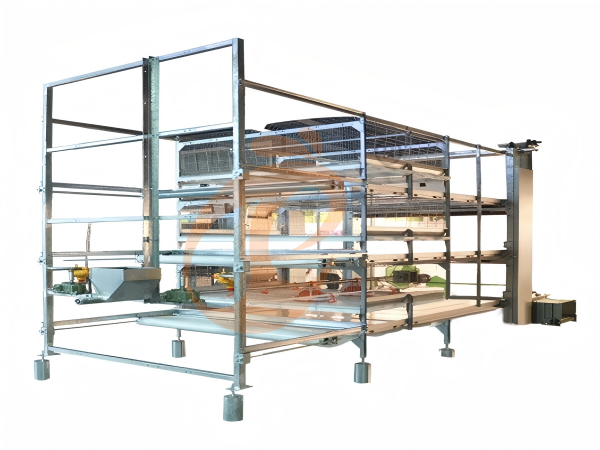
 >30,000 Pullets Automatic H Type Battery Cage1. More than 30,000 pullets a house, choose it.
2. It is designed to rearing older than 1 day old pullets to 12 to 16 weeks old chicken starting laying eggs.
3. Its lifespan is more than 25 years.
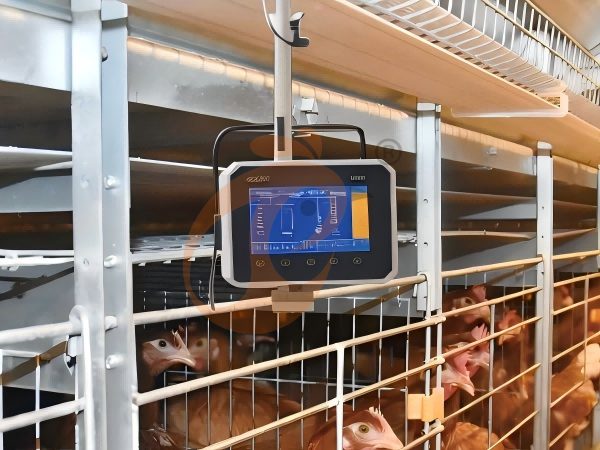
4. Its structure are Vcloud artificial intelligent fusion, electric control cabinet, automatic equipment of drinking, feeding, manure clean, manual harvesting.
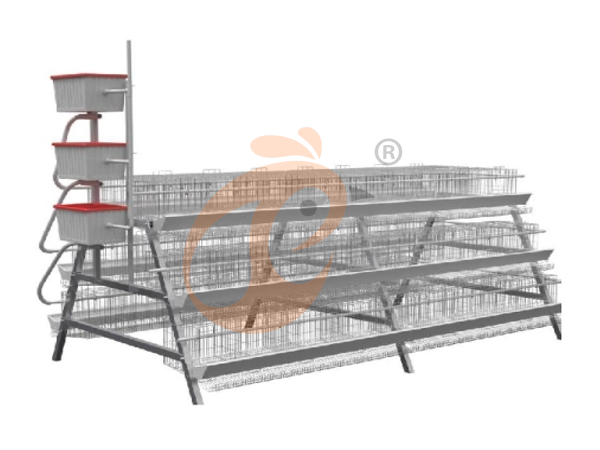
5. Our 24 hour online reception What’sApp NO. is +8618830120193 <30,000 Pullets Automatic A Type Battery Cage1. 10,000 to 30,000 pullets a house, choose it.
2. It is designed to rearing older than 1 day old pullets to 12 to 16 weeks old chicken starting laying eggs.
3. Its lifespan is more than 25 years.
4. Its structure are Vcloud artificial intelligent fusion, electric control cabinet, automatic equipment of drinking, feeding, manure clean, manual harvesting.
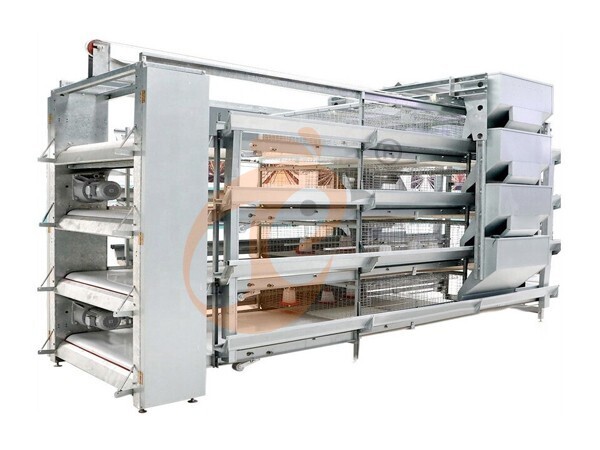
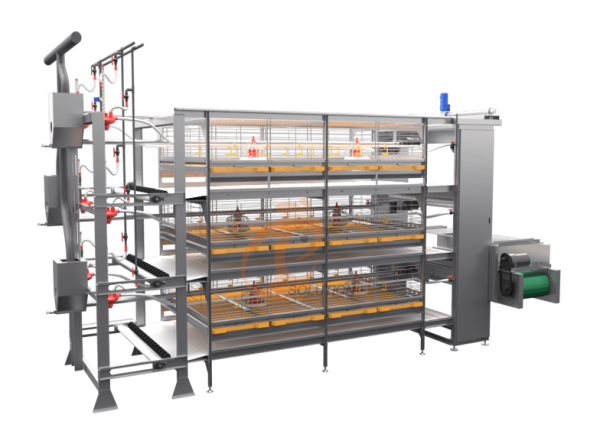
5. Our 24 hour online reception What’sApp NO. is +86 18830120193. >30,000 Broilers Semi-Automatic Harvest H Type Battery Cage1. More than 30,000 broilers a house, choose it.
2. It is designed to rearing 1 to 45 day old adult broiler ready for market.
3. Its lifespan is more than 20 years.
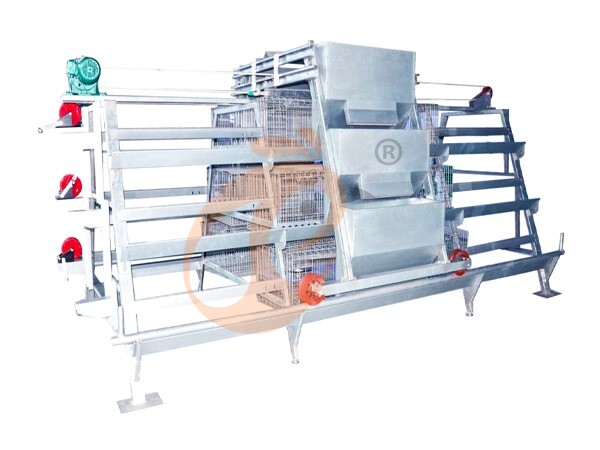
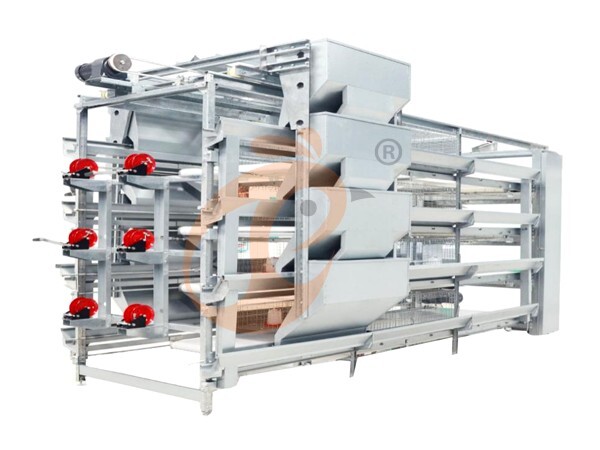
4. Our 24 hour online reception What’sApp NO. is +8618830120193, +234 8111199996. >30,000 Broilers Manual Harvest H Type Battery Cage1. More than 30,000 broilers a house, choose it.
2. It is designed to rearing 1 to 45 day old adult broiler ready for market.
3. Its lifespan is more than 20 years.
4. Its structure are Vcloud artificial intelligent fusion, electric control cabinet, automatic equipment of drinking, feeding and manure clean, manual harvesting.
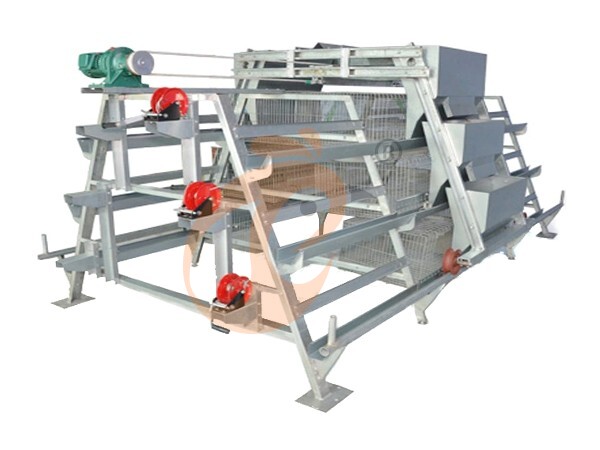
5. Our 24 hour online reception What’sApp NO. is +8618830120193, +234 8111199996. <30,000 Broilers Manual Harvest A Type Battery Cage1. Less 30,000 broilers a house, choose it.
2. It is designed to rearing 1 to 45 day old adult broiler ready for market.
3. Its lifespan is more than 20 years.
4. Its structure are Vcloud artificial intelligent fusion, electric control cabinet, automatic equipment of drinking, feeding and manure clean, manual harvesting.
5. Our 24 hour online reception What’sApp NO. is +8618830120193, +234 8111199996. HK Headquarter Offers EU-standard Poultry Farm Solutions, Manufacture Poultry Farm Equipment1. Continuous communication with the EU and the US
2. China, Nigeria, Ethiopia, Tanzania branch companies and factories
3. The products’ quality is customized for local poultry farms
4. Poultry cage and poultry farm equipment stock for sale
5. 24 online reception Whatsapp NO. : +8618830120193,contact us to get full information China Branch Offer Poultry Farm Business Plan, Manufacture Poultry Farm Equipment1. Address: Flat/RM 2416, 24/F, Runxing Building, Youyi Nan Street, Shijiazhuang City, Hebei Province, China
2. Poultry cage and poultry farm equipment factory and stock for sale
3. Customized for local poultry farms
4. Quality and design are based on Euro
5. 24 online reception Whatsapp NO. : +8618830120193 Nigeria Branch Offer Poultry Farm Business Plan, Manufacture Poultry Farm Equipment1. Address: After Sinoma Office, 200 Meters Near Danco Filling Station, Lagos/Ibadan Expressway, Lagos State, Nigeria
2. Poultry cage and poultry farm equipment factory and stock for sale
3. Customized for Nigerian poultry farms
4. Quality and design are based on Euro
5. 24 online reception Whatsapp NO. : +8618830120193 Ethiopia Branch Offer Poultry Farm Business Plan, Manufacture Poultry Farm Equipment1. Address: WR93+FQ2, Addis Ababa, Ethiopia
2. Poultry cage and poultry farm equipment stock for sale
3. Customized for Ethiopian poultry farms
4. Quality and design are based on Euro
5. 24 online reception Whatsapp NO. : +8618830120193, contact us to get price list Tanzania Branch Offer Poultry Farm Business Plan, Manufacture Poultry Farm Equipment1. Address: No.8, Sova Road, Msufini, Mlandizi, Kibaha, Pwani, Tanzania
2. Poultry cage and poultry farm equipment factory and stock for sale
3. Customized for Tanzanian poultry farms
4. Quality and design are based on Euro
5. 24 online reception Whatsapp NO. : +8618830120193


Contact
By clicking 'Allow All', you agree to the storage of cookies on your device to enhance site navigation, analyze site usage and assist with our marketing efforts.