


Blog
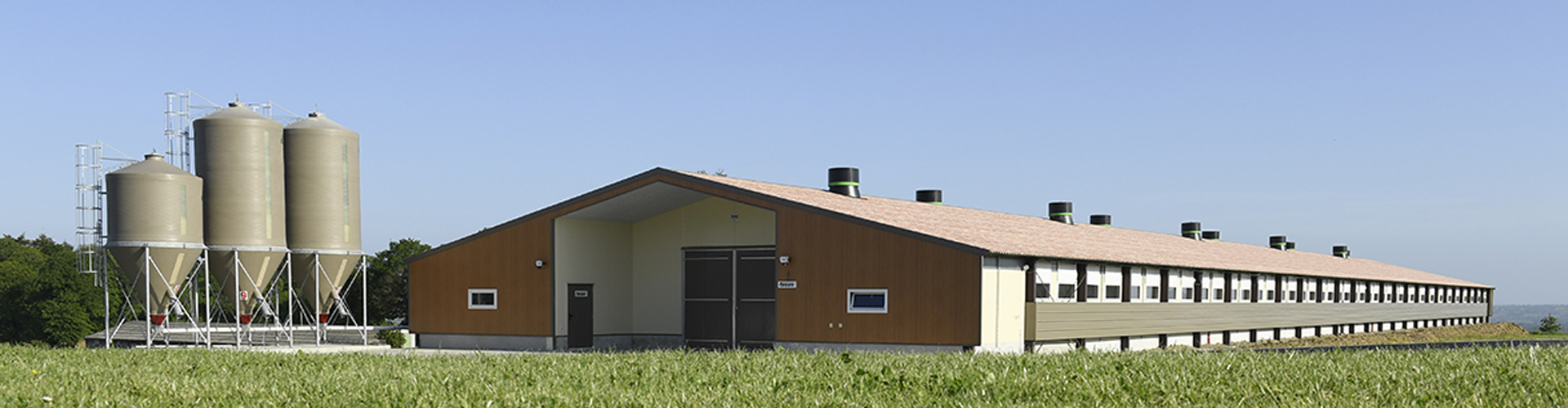
Free range poultry system cleaning provides advanced poultry equipment solutions with automated sanitation technology, supporting modern farms with cleaner facilities and efficient management within 24-hour operation cycles.
Professional chicken house cleaning equipment improves waste handling, hygiene control, and production efficiency through engineered systems designed for commercial poultry applications.
Smart poultry hygiene management combines automated cleaning technology, water sanitation solutions, and environmental monitoring for sustainable farming development.
Advanced poultry equipment systems reduce labor requirements while maintaining consistent sanitation standards across free range poultry production environments.
Reliable engineering design integrates durability, operational safety, and commercial value for farms requiring long-term hygiene improvement.
Get professional poultry farm construction guidance, equipment selection solutions, and the latest price lists, whatsApp to +8618830120193, click to learn more:
Outdoor Area Hygiene And Environmental Protection
Free range poultry systems require attention beyond the chicken house.
Outdoor areas influence bird exposure to environmental microorganisms, parasites, and external contamination sources.
Maintaining clean movement zones helps protect the natural advantages of free range production while reducing avoidable hygiene risks.
Professional poultry equipment solutions, including mobile sanitation units and environmental monitoring devices, support farms with better outdoor management capability.
Data is for reference only.Swipe horizontally to view full table.
Outdoor hygiene management requires a combination of routine inspection and suitable equipment deployment.
Pasture rotation, drainage improvement, and controlled cleaning procedures can reduce contamination pressure around poultry activity areas.
Advanced outdoor sanitation equipment provides flexible solutions for farms managing different land conditions and production scales.
Pest Control And Biosecurity Equipment
Wild birds, rodents, and insects can introduce unwanted microorganisms into poultry environments.
Therefore, biosecurity equipment should become part of a complete cleaning strategy.
Modern farms use protective barriers, monitoring devices, and controlled entry systems to reduce external contamination.
Professional poultry equipment suppliers develop integrated biosecurity solutions that combine prevention, monitoring, and operational convenience.
Data is for reference only.Swipe horizontally to view full table.
Equipment-based biosecurity creates a stronger protection network and supports safer poultry production.
A well-designed system helps farms maintain cleaner facilities while improving disease prevention performance.
Intelligent Hygiene Management Trends For Future Poultry Farms
The poultry industry is moving toward smarter and more connected farm systems.
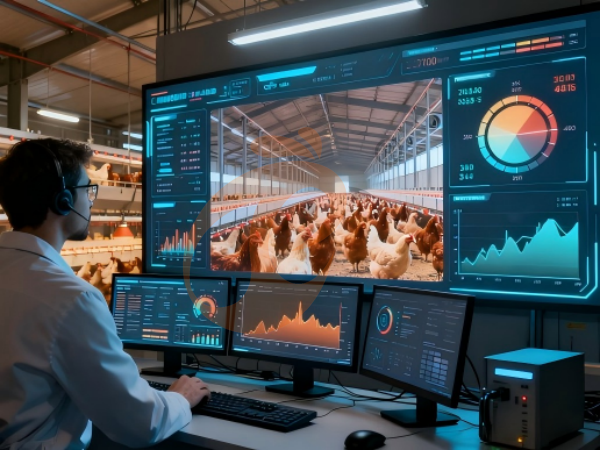
Sensors, automation technology, and data management platforms are becoming important tools for improving cleaning efficiency.
Future poultry equipment will not only perform cleaning tasks but also analyze environmental conditions and provide maintenance recommendations.
Data is for reference only.Swipe horizontally to view full table.
The combination of intelligent technology and professional poultry machinery creates opportunities for farms to achieve higher efficiency while maintaining strict hygiene standards.
Smart management platforms allow operators to identify equipment conditions, optimize cleaning schedules, and improve long-term facility performance.
Integrated Cleaning Solutions For Commercial Poultry Projects
Modern poultry farms require coordinated systems rather than independent machines.
A complete cleaning solution combines waste management, washing systems, water sanitation, environmental monitoring, and biosecurity equipment into one operational structure.
Turn-key poultry equipment projects help customers simplify installation planning and improve system compatibility.
Data is for reference only.Swipe horizontally to view full table.
Engineering-based poultry solutions provide practical advantages for farms expanding production capacity.
Professional manufacturers analyze building layout, bird quantity, climate conditions, and operational targets before recommending suitable equipment combinations.
Case Study: Smart Cleaning Upgrade In A Free Range Poultry Farm
A medium-sized free range poultry farm upgraded its traditional cleaning process by installing automatic waste removal equipment, smart monitoring devices, and centralized sanitation controls.
Before modernization, workers spent significant time checking waste levels and cleaning drinking equipment manually.
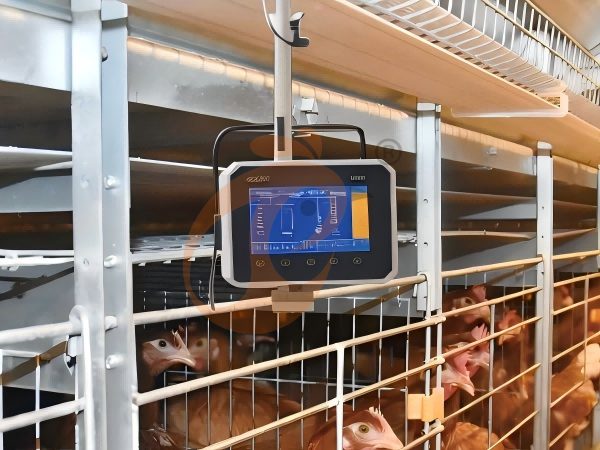
After installing integrated systems, farm managers gained better control over daily hygiene operations and equipment status.
Data is for reference only.Swipe horizontally to view full table.
This example demonstrates how equipment modernization can transform hygiene management from a labor-intensive activity into a controlled production system.
Automated poultry equipment improves operational visibility and creates a more predictable management environment.
Step Six: Routine Monitoring And Hygiene Records
A successful cleaning system depends on consistency.
Regular monitoring helps identify problems before they become serious.
Farm hygiene records should include cleaning activities, equipment inspections, water system maintenance, pest control checks, and disease observations.
Data is for reference only.Swipe horizontally to view full table.
Reliable record management supports continuous improvement and helps farms maintain stable production standards.
Professional poultry equipment systems can integrate monitoring functions to simplify data collection and improve management efficiency.
Selecting Reliable Poultry Equipment For Better Hygiene Management
Free range poultry production requires integrated hygiene systems that combine scientific methods with reliable equipment technology.
The six hygiene management steps include waste removal, facility cleaning, water sanitation, outdoor control, pest prevention, and continuous monitoring.
Each process becomes more efficient when supported by professionally engineered poultry equipment.
Modern chicken house cleaning equipment helps farms reduce operational pressure, improve sanitation consistency, and create safer production environments.
Taiyu provides technical solutions designed for commercial poultry projects, supporting customers with equipment manufacturing, engineering cooperation, and complete system development.
Frequently Asked Questions
Q1: What makes automatic manure removal systems suitable for free range poultry farms?
Automatic manure removal systems provide continuous waste management and reduce manual cleaning requirements.
A properly designed system can operate with scheduled cycles and support stable sanitation performance in different poultry house layouts.
Q2: How does chicken house cleaning equipment improve farm efficiency?
Chicken house cleaning equipment improves efficiency by standardizing cleaning procedures and reducing unnecessary labor operations.
Modern systems can combine washing, waste removal, and monitoring functions into coordinated farm management processes.
Q3: Why should poultry farms invest in integrated hygiene equipment?
Integrated hygiene equipment creates a complete sanitation structure rather than solving individual cleaning problems.
Professional systems improve operational stability, equipment coordination, and long-term farm management value.
Taiyu (HK) Group - One Of China Largest Automatic Manure Removal System Supplier
Automatic manure removal system delivers advanced poultry waste management equipment with engineered structures, reliable performance, and scalable solutions for modern commercial farms.
Global factory direct supply provides international customers with professional poultry equipment manufacturing, technical support, and project cooperation.
Turn-key engineering services integrate system design, equipment production, installation assistance, and operational guidance for complete poultry facilities.
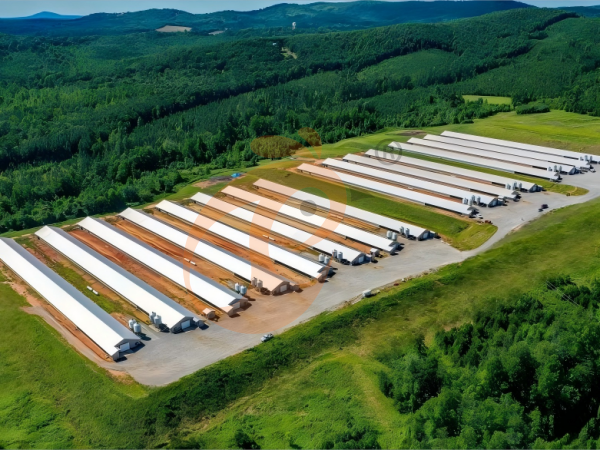
Poultry equipment solutions cover free range farms, industrial poultry houses, and agricultural projects requiring customized technical configurations.
Engineering teams develop project-based solutions according to farm capacity, production goals, and facility management requirements.
Contact Us To Received Your Customized Poultry Farm Plan
Headquarters And Branchs

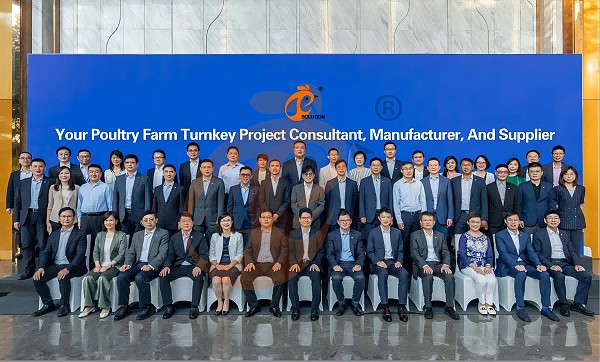
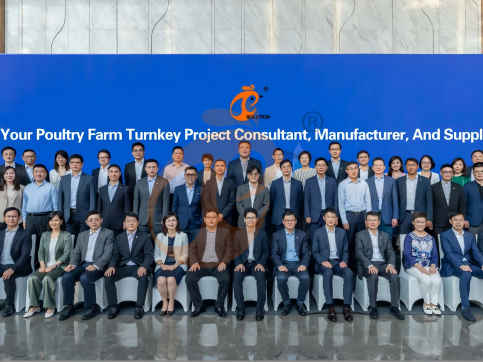
Hong Kong Headquarter Management Team
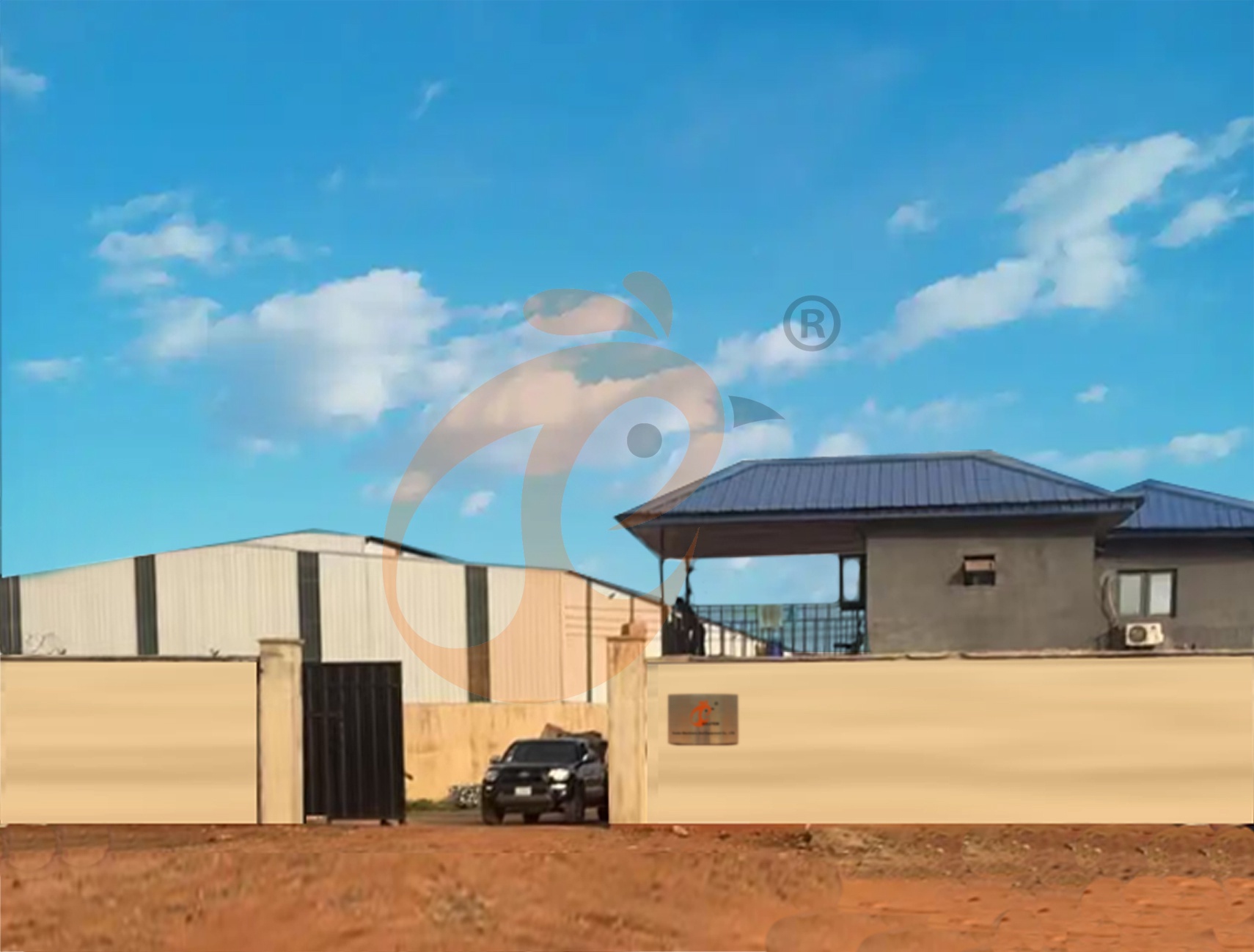
Hong Kong Headquarter Taiyu Industrial Group CO., LTD
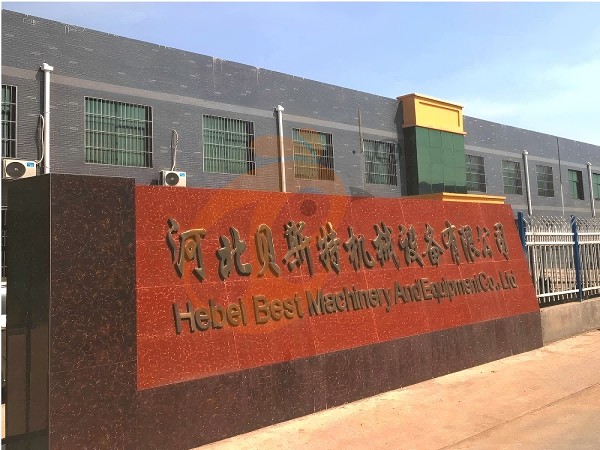
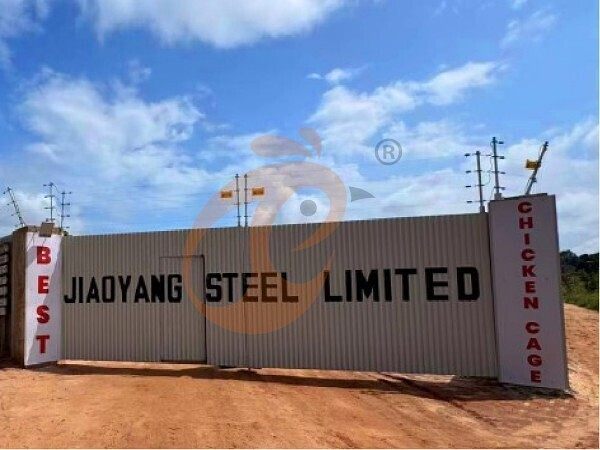
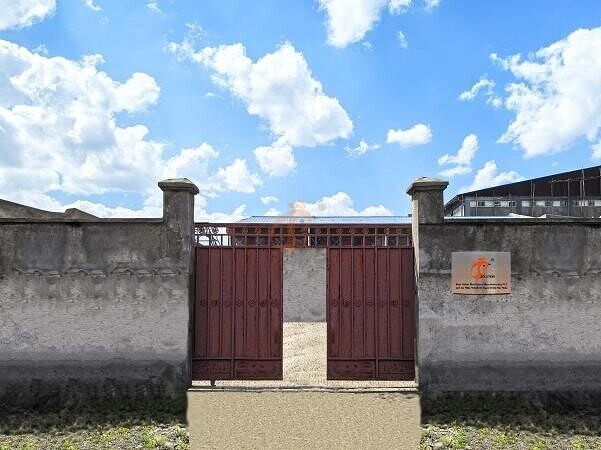
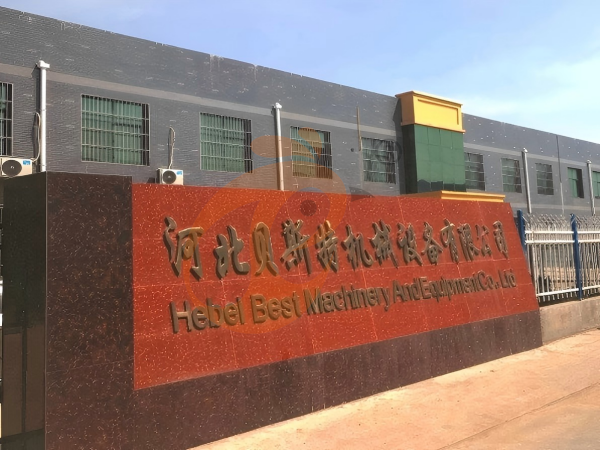
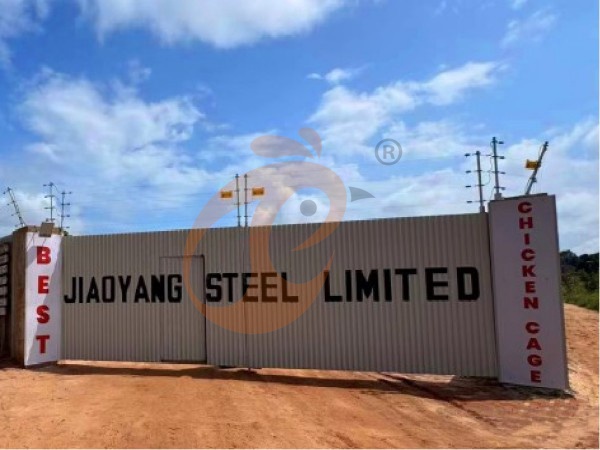
China Hebei Best Machinery And Equipment CO., LTD
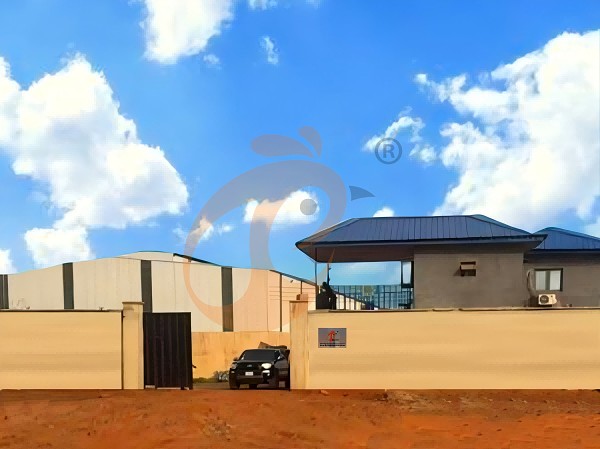
Nigeria Vanke Machinery And Equipment CO., LTD
Tanzania Best Machinery And Equipment CO., LTD
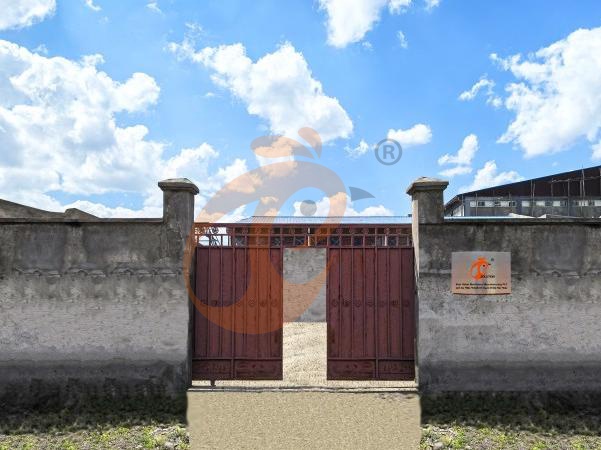
Ethiopia Best Hebei Machinery Manufacturing PLC
Reception /24 WhatsApp NO. : +8618830120193
FAQ
How Does Free Range System Affect Feed Consumption?
Energy expenditure increases daily intake variation by 15%–22% across seasons.
Feed conversion efficiency ranges from 1.9–2.3 depending on grazing intensity.
What Are The Housing Transition Management Standards In Free Range Poultry System?
Indoor-outdoor transition time is controlled within 10–15 minutes per flock movement cycle.
Lighting guidance systems operate at 5–8 lux to direct flock movement behavior.
What Are The Seasonal Adaptation Strategies In Free Range Poultry System?
Summer shade coverage is increased to 60%–80% of grazing area for heat stress reduction.
Rainfall drainage capacity handles 25–40 mm per hour precipitation levels for land usability.
- poultry farm
- poultry farms
- chicken house
- poultry house
- cage
- poultry farm construction
- poultry house layout
- poultry drinking system
- poultry equipment
- manure scraper
- manure removal system
- automatic manure removal system
- chickencage
- bestchickencage
- Nigeria
- modern poultry farms
- free range poultry farms
- poultry farming
- poultry equipment supplier
- automated poultry equipment
- modern chicken house
- poultry equipment manufacturer
- chicken house equipment
- automatic manure removal system supplier
- modern poultry farm
- automatic manure scraper
- manure scraper system
- automatic manure scraper system
- chicken house cleaning
- manure removal system supplier
- poultry farm plan
- poultry equipment suppliers
- Ethiopia
Message
Products recommended
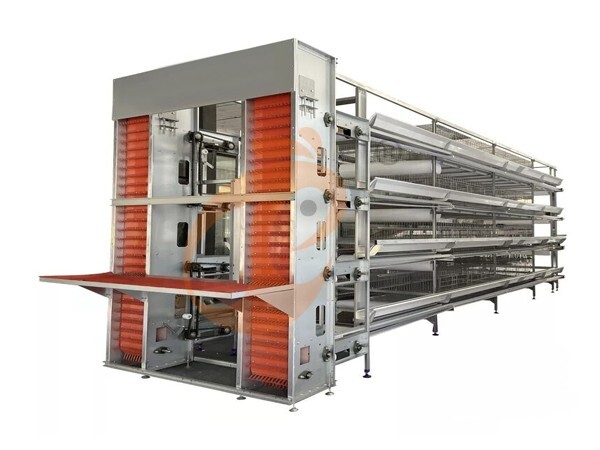
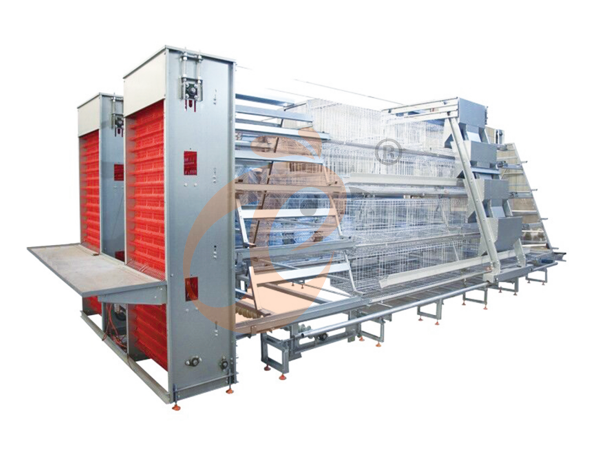
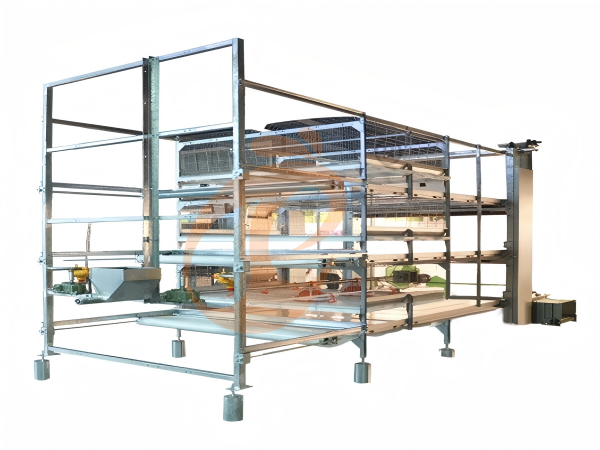
 >30,000 Pullets Automatic H Type Battery Cage1. More than 30,000 pullets a house, choose it.
2. It is designed to rearing older than 1 day old pullets to 12 to 16 weeks old chicken starting laying eggs.
3. Its lifespan is more than 25 years.
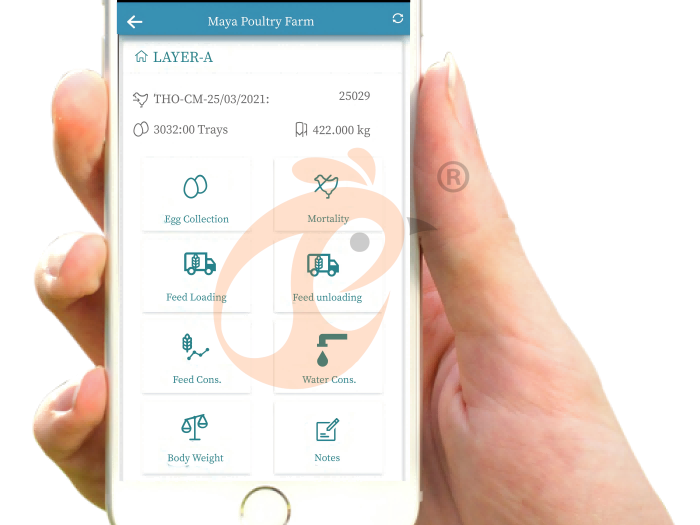
4. Its structure are Vcloud artificial intelligent fusion, electric control cabinet, automatic equipment of drinking, feeding, manure clean, manual harvesting.
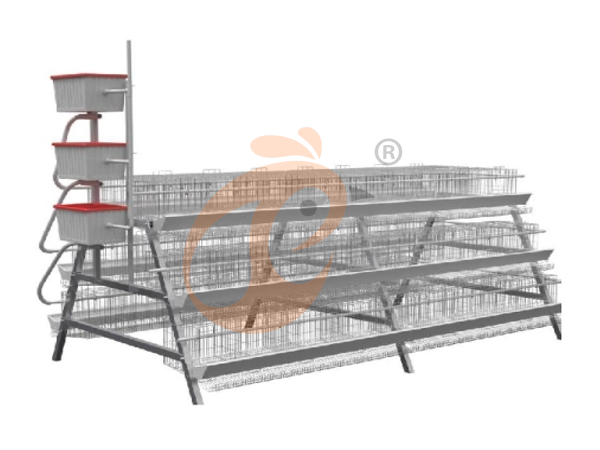
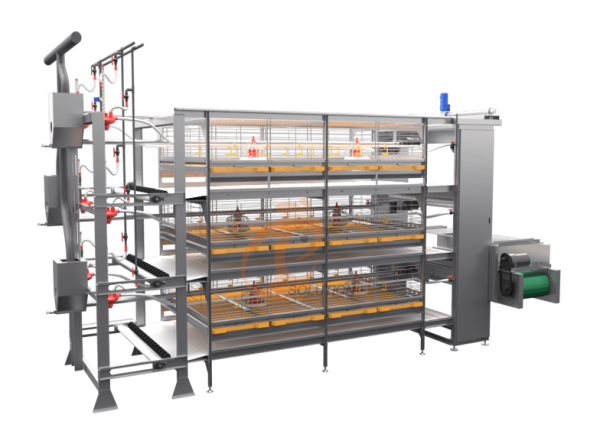
5. Our 24 hour online reception What’sApp NO. is +8618830120193 <30,000 Pullets Automatic A Type Battery Cage1. 10,000 to 30,000 pullets a house, choose it.
2. It is designed to rearing older than 1 day old pullets to 12 to 16 weeks old chicken starting laying eggs.
3. Its lifespan is more than 25 years.
4. Its structure are Vcloud artificial intelligent fusion, electric control cabinet, automatic equipment of drinking, feeding, manure clean, manual harvesting.
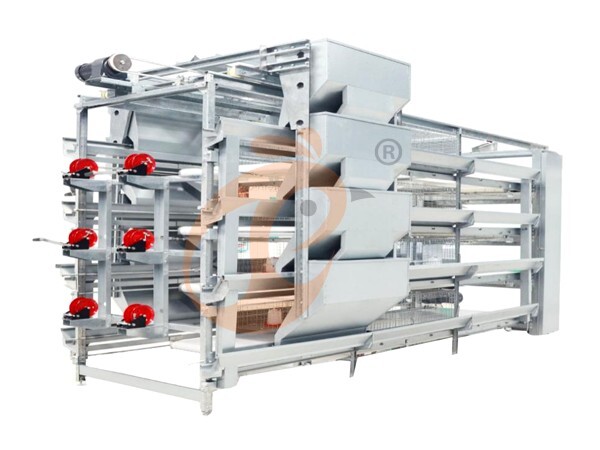
5. Our 24 hour online reception What’sApp NO. is +86 18830120193. >30,000 Broilers Semi-Automatic Harvest H Type Battery Cage1. More than 30,000 broilers a house, choose it.
2. It is designed to rearing 1 to 45 day old adult broiler ready for market.
3. Its lifespan is more than 20 years.
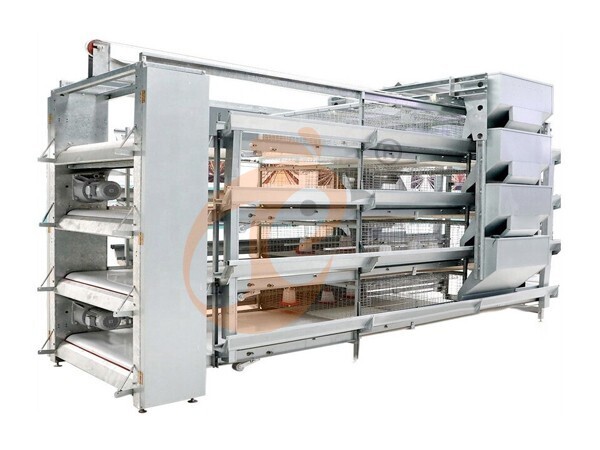
4. Our 24 hour online reception What’sApp NO. is +8618830120193, +234 8111199996. >30,000 Broilers Manual Harvest H Type Battery Cage1. More than 30,000 broilers a house, choose it.
2. It is designed to rearing 1 to 45 day old adult broiler ready for market.
3. Its lifespan is more than 20 years.
4. Its structure are Vcloud artificial intelligent fusion, electric control cabinet, automatic equipment of drinking, feeding and manure clean, manual harvesting.
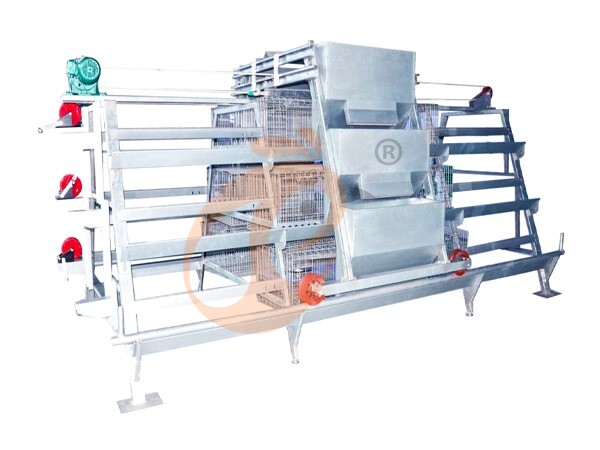
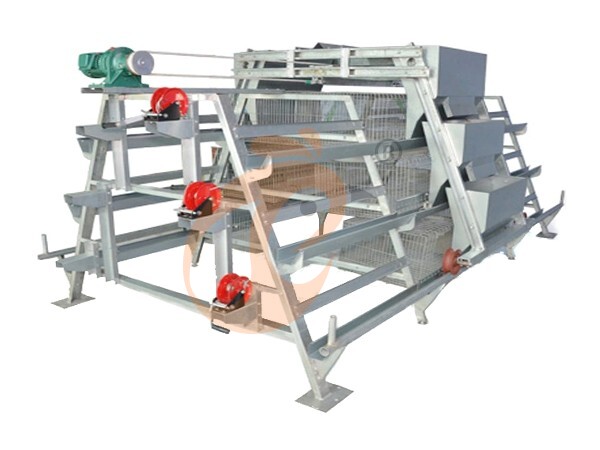
5. Our 24 hour online reception What’sApp NO. is +8618830120193, +234 8111199996. <30,000 Broilers Manual Harvest A Type Battery Cage1. Less 30,000 broilers a house, choose it.
2. It is designed to rearing 1 to 45 day old adult broiler ready for market.
3. Its lifespan is more than 20 years.
4. Its structure are Vcloud artificial intelligent fusion, electric control cabinet, automatic equipment of drinking, feeding and manure clean, manual harvesting.
5. Our 24 hour online reception What’sApp NO. is +8618830120193, +234 8111199996. HK Headquarter Offers EU-standard Poultry Farm Solutions, Manufacture Poultry Farm Equipment1. Continuous communication with the EU and the US
2. China, Nigeria, Ethiopia, Tanzania branch companies and factories
3. The products’ quality is customized for local poultry farms
4. Poultry cage and poultry farm equipment stock for sale
5. 24 online reception Whatsapp NO. : +8618830120193,contact us to get full information China Branch Offer Poultry Farm Business Plan, Manufacture Poultry Farm Equipment1. Address: Flat/RM 2416, 24/F, Runxing Building, Youyi Nan Street, Shijiazhuang City, Hebei Province, China
2. Poultry cage and poultry farm equipment factory and stock for sale
3. Customized for local poultry farms
4. Quality and design are based on Euro
5. 24 online reception Whatsapp NO. : +8618830120193 Nigeria Branch Offer Poultry Farm Business Plan, Manufacture Poultry Farm Equipment1. Address: After Sinoma Office, 200 Meters Near Danco Filling Station, Lagos/Ibadan Expressway, Lagos State, Nigeria
2. Poultry cage and poultry farm equipment factory and stock for sale
3. Customized for Nigerian poultry farms
4. Quality and design are based on Euro
5. 24 online reception Whatsapp NO. : +8618830120193 Ethiopia Branch Offer Poultry Farm Business Plan, Manufacture Poultry Farm Equipment1. Address: WR93+FQ2, Addis Ababa, Ethiopia
2. Poultry cage and poultry farm equipment stock for sale
3. Customized for Ethiopian poultry farms
4. Quality and design are based on Euro
5. 24 online reception Whatsapp NO. : +8618830120193, contact us to get price list Tanzania Branch Offer Poultry Farm Business Plan, Manufacture Poultry Farm Equipment1. Address: No.8, Sova Road, Msufini, Mlandizi, Kibaha, Pwani, Tanzania
2. Poultry cage and poultry farm equipment factory and stock for sale
3. Customized for Tanzanian poultry farms
4. Quality and design are based on Euro
5. 24 online reception Whatsapp NO. : +8618830120193


Contact
By clicking 'Allow All', you agree to the storage of cookies on your device to enhance site navigation, analyze site usage and assist with our marketing efforts.