


Blog
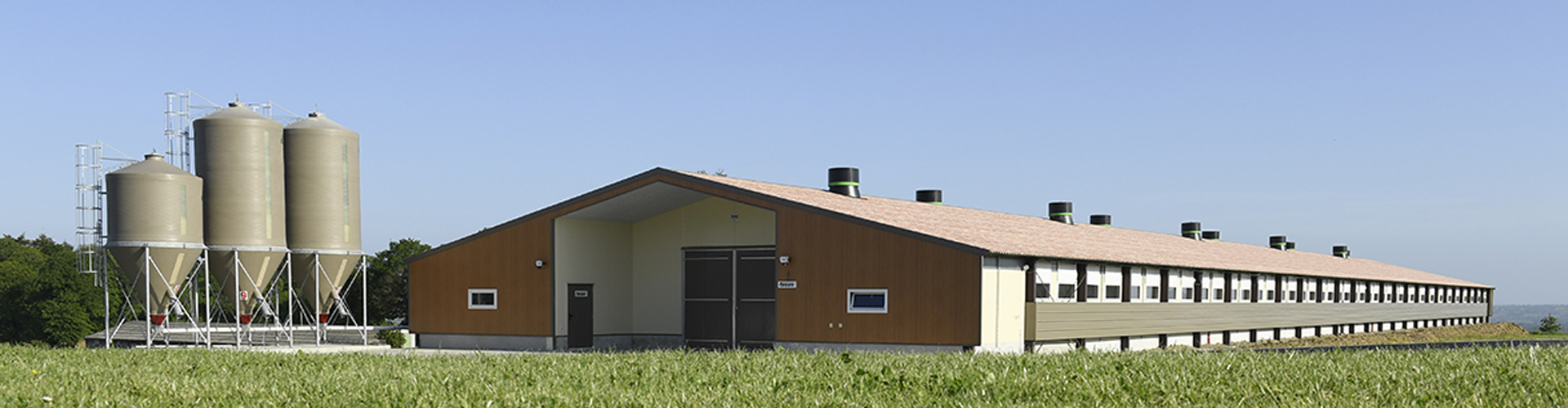
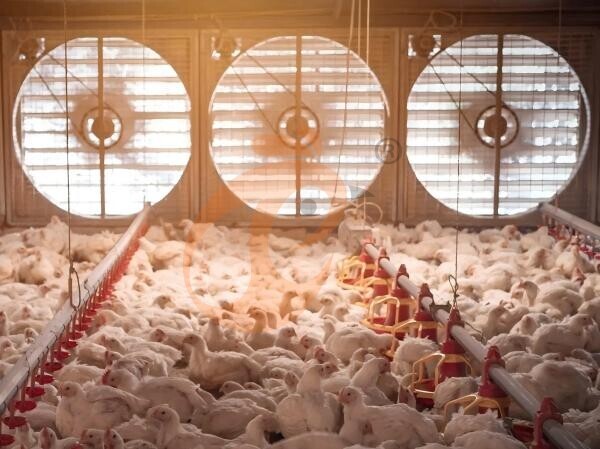
Deep litter poultry farming systems deliver floor-based production models using absorbent bedding materials deep integration housing ventilation design constraints.
Cost structures depend on housing engineering, feed conversion efficiency, labor allocation, and veterinary programs mortality control vaccination scheduling feed pricing volatility.
Financial planning requires separation of fixed assets and operational expenditures across production cycles capital expenditure tracking depreciation lifecycle assessment framework.
Commercial benchmarking supports decision making for stocking density, equipment selection, and energy consumption control risk reduction production scaling environmental efficiency metrics.
Budget optimization strategies improve profitability margins through systematic resource allocation and performance monitoring cash flow stability investment return evaluation cycles.
Get professional poultry farm construction guidance, equipment selection solutions, and the latest price lists, whatsApp to +8618830120193, click to learn more:
System Layout And Stocking Parameters
Deep litter systems rely on controlled density and stable environmental conditions to maintain productivity.
Data is for reference only.Swipe horizontally to view full table.
Stocking intensity directly influences feed conversion efficiency, litter condition, and ventilation demand, forming a core part of deep litter poultry farming cost analysis.
Housing Construction Cost Structure
Infrastructure investment varies based on materials and insulation quality European union standard reference only.
Data is for reference only.Swipe horizontally to view full table.
Higher initial investment reduces long-term maintenance expenditure and improves environmental stability under broiler poultry house investment cost planning models.
Bedding Material Cost And Performance
Litter quality is central to moisture control and ammonia reduction.
Data is for reference only.Swipe horizontally to view full table.
Selection affects respiratory stability, cleaning cycles, and manure handling efficiency within poultry farm budgeting strategies.
Feed Economics And Growth Efficiency
Feed remains the largest operational cost component in poultry production.
Data is for reference only.Swipe horizontally to view full table.
Feed efficiency design strongly determines profitability structure under deep litter poultry farming cost analysis frameworks.
Labor Cost And Productivity Metrics
Operational efficiency depends on automation level and workforce distribution.
Data is for reference only.Swipe horizontally to view full table.
Higher mechanization reduces per-unit labor expense significantly in commercial poultry farming systems.
Health Management And Loss Control
Disease prevention costs are essential for survival rate optimization.
Data is for reference only.Swipe horizontally to view full table.
Preventive programs significantly reduce mortality risk and stabilize output across production cycles.
Equipment Investment And Depreciation
Mechanical systems define efficiency in large-scale farms.
Data is for reference only.Swipe horizontally to view full table.
Equipment lifecycle planning is essential for stable poultry farm budgeting strategies.
Utilities And Environmental Operating Costs
Energy and water usage influence recurring expenses.
Electricity consumption ranges between 0.18–0.35 kWh per bird per cycle depending on ventilation intensity.
Water usage typically varies from 6.5 to 9.8 liters per bird per cycle under standard management conditions.
Temperature control systems account for nearly 35% of total utility costs in controlled environments.
Efficient insulation can reduce energy demand by up to 22% annually.
Budget Optimization Strategies
Cost efficiency depends on integrated management across all production layers.
Maintain optimal stocking density between 10–12 birds per m² to balance growth and ventilation demand.
Select bedding materials based on absorption efficiency and replacement cycle rather than lowest purchase price.
Target feed conversion ratio below 1.75 through staged nutrition programs.
Increase automation in feeding and ventilation systems to reduce labor dependency.
Implement structured vaccination schedules to reduce mortality below 3%.
Extend equipment lifespan through preventive maintenance cycles every 90 days.
Improve insulation to reduce energy consumption during peak temperature seasons.
Frequently Asked Questions
Q1: What is main cost driver in deep litter systems?
Feed cost dominates total expenditure, often exceeding 60% when FCR rises above 1.8 in commercial cycles.
Q2: How does stocking density affect system efficiency?
Density between 10–12 birds/m² balances growth rate and ventilation load, while higher levels increase mortality risk above 3.5%.
Q3: Which bedding material is most cost stable?
Rice hulls offer lower initial cost at 95 USD/ton, while coconut coir extends replacement interval up to 40 days.
Taiyu (HK) Group - One Of China Largest Deep Litter System Manufacturer
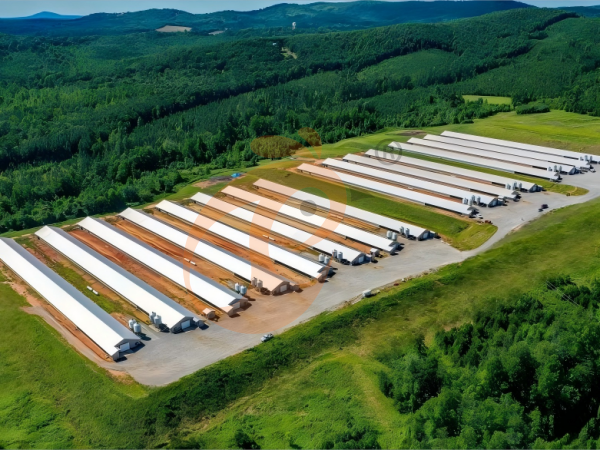
Deep litter poultry farming systems designed for 10,000–50,000 bird commercial capacity with integrated ventilation, feeding, and manure control modules for intensive production environments.
Global factory direct supply model covering poultry equipment manufacturing, standardized component production, and modular system integration for large-scale farms.
Turn-key engineering solutions include farm design, equipment installation, system calibration, and operator training for full-cycle poultry production projects.
Industrial customization capability supports climate-adaptive housing structures, automated feeding lines, and long-life corrosion-resistant material configurations.
Technical support framework provides lifecycle maintenance planning, system optimization consulting, and production efficiency improvement for commercial poultry enterprises.
Contact Us To Received Your Customized Poultry Farm Plan
Headquarters And Branchs

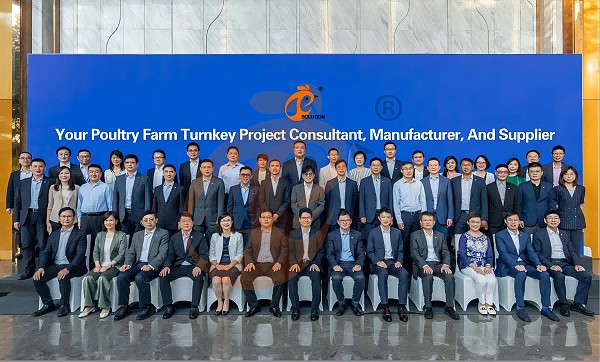
Hong Kong Headquarter Management Team
Hong Kong Headquarter Taiyu Industrial Group CO., LTD
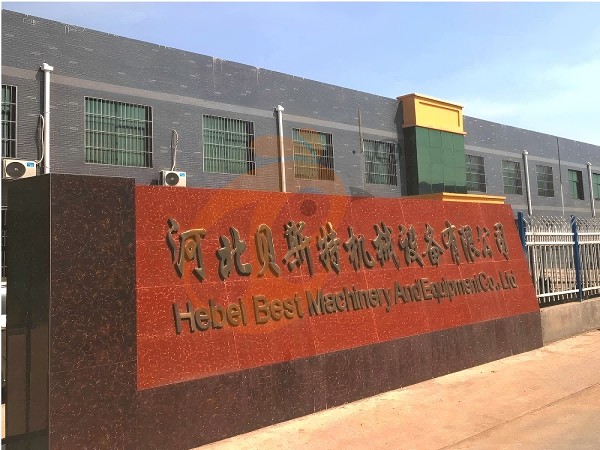
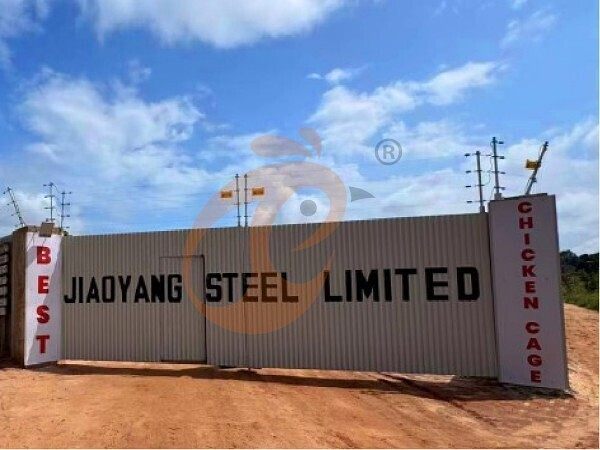
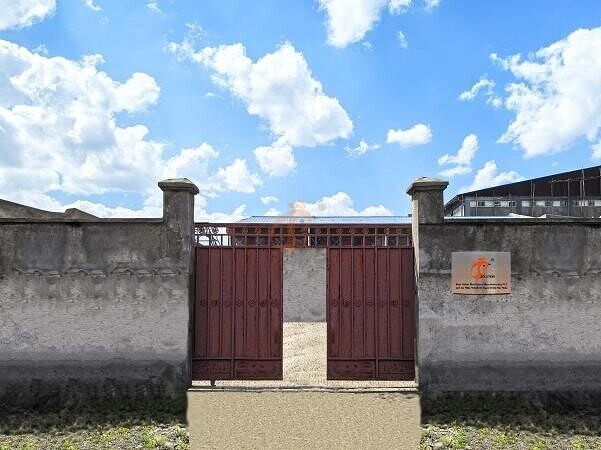
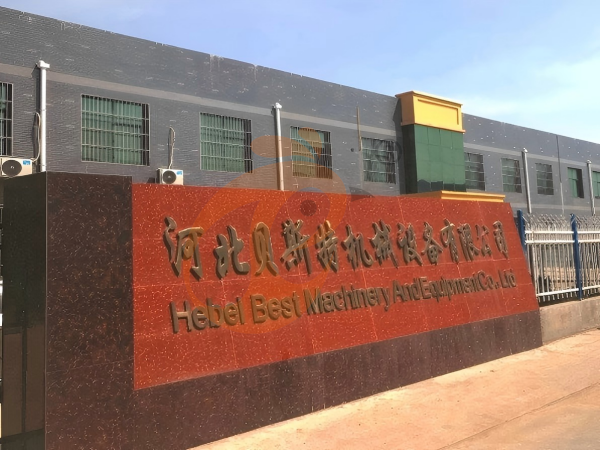
China Hebei Best Machinery And Equipment CO., LTD
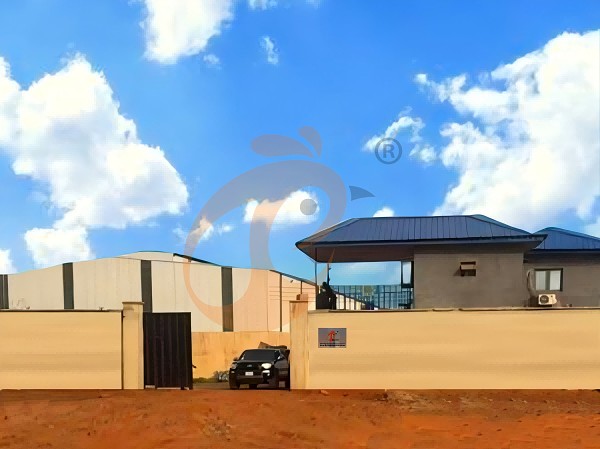
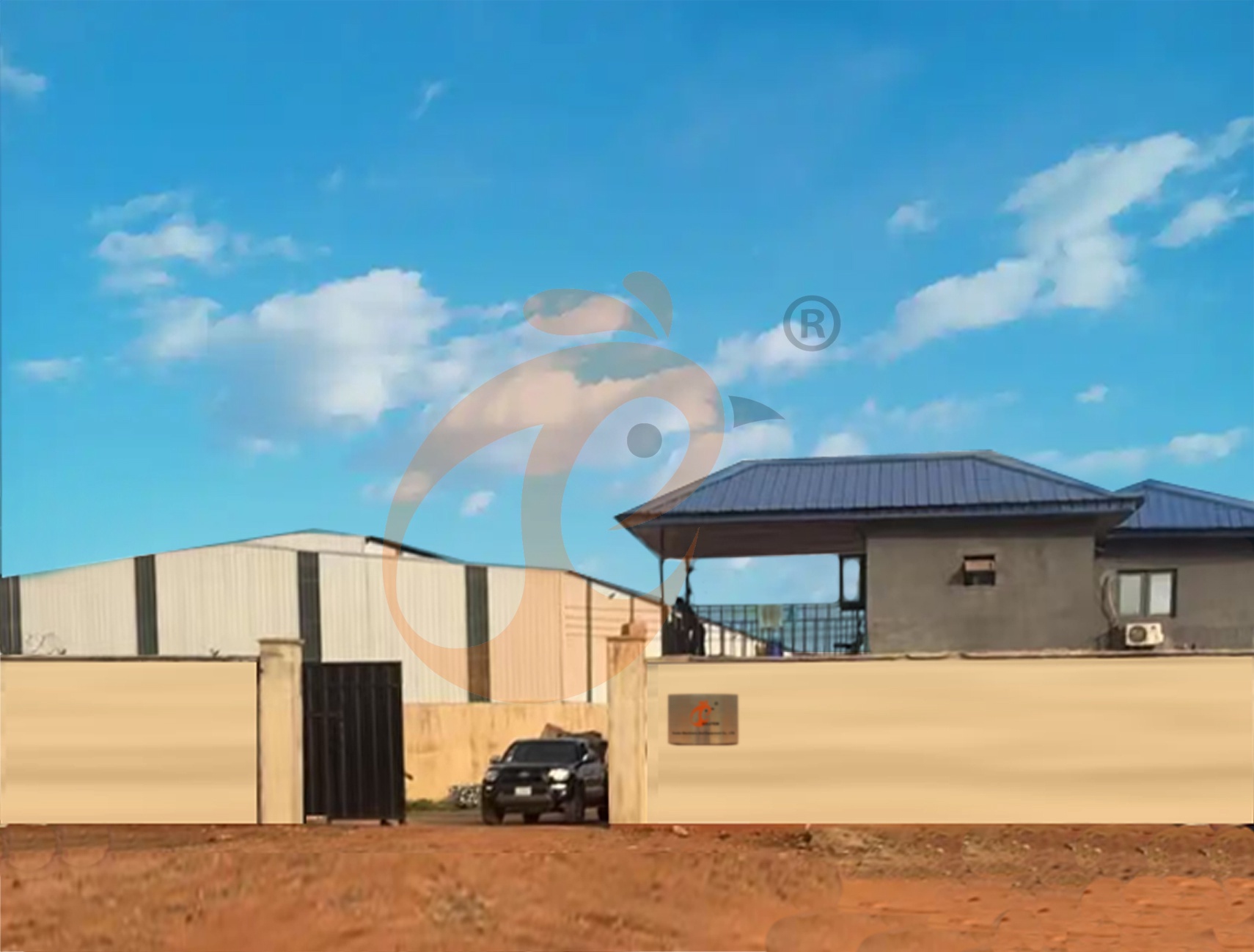
Nigeria Vanke Machinery And Equipment CO., LTD
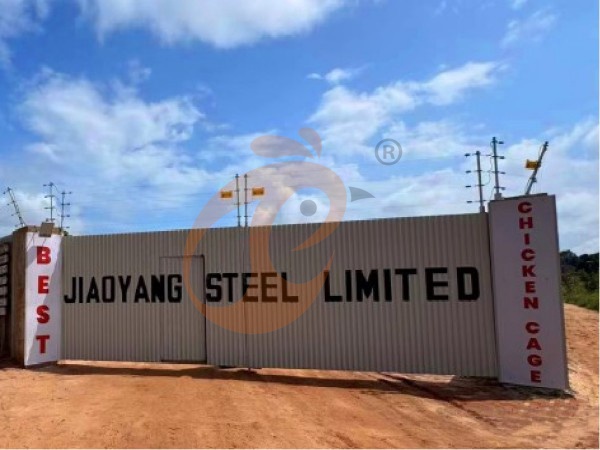
Tanzania Best Machinery And Equipment CO., LTD
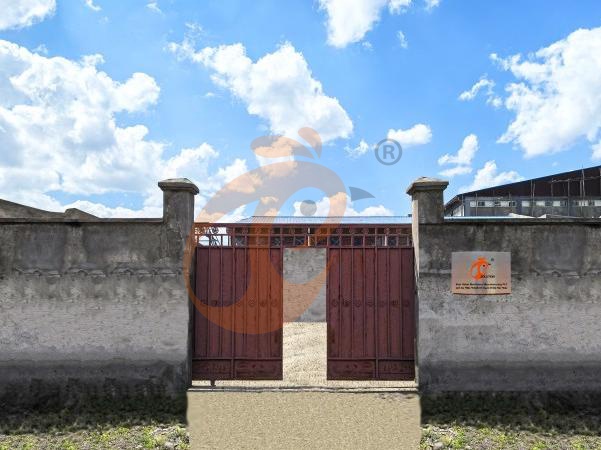
Ethiopia Best Hebei Machinery Manufacturing PLC
Reception /24 WhatsApp NO. : +8618830120193
FAQ
What Are The Growth Performance Benefits In Deep Litter Poultry System?
Feed conversion ratio improves to 1.55–1.78 due to thermal comfort and reduced stress.
Market uniformity rate exceeds 85%–92% within target slaughter weight range.
What Are The Litter Turning And Management Frequency Standards In Deep Litter Poultry System?
Surface leveling is maintained every 3–5 days to prevent compaction zones.
Full litter replacement cycle occurs every 2–3 production batches depending on load intensity.
What Are The Energy Efficiency And Cost Advantages In Deep Litter Poultry System?
Construction cost savings reach 25%–40% compared with fully caged housing systems.
Operational labor demand decreases by 30%–50% through simplified floor-based management.
Message
Products recommended
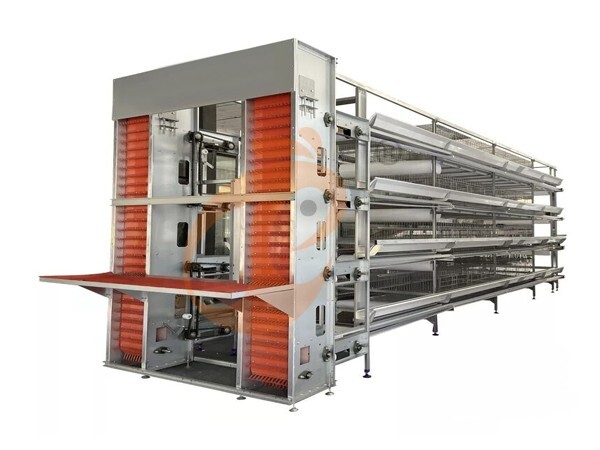
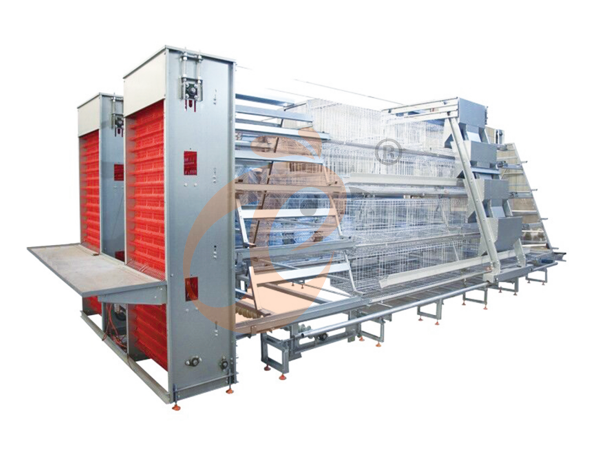
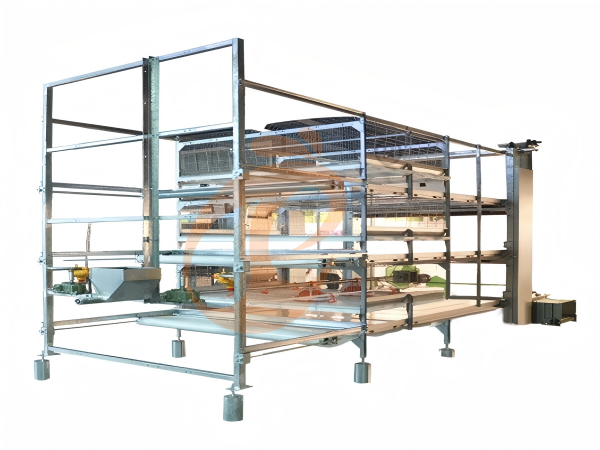
 >30,000 Pullets Automatic H Type Battery Cage1. More than 30,000 pullets a house, choose it.
2. It is designed to rearing older than 1 day old pullets to 12 to 16 weeks old chicken starting laying eggs.
3. Its lifespan is more than 25 years.
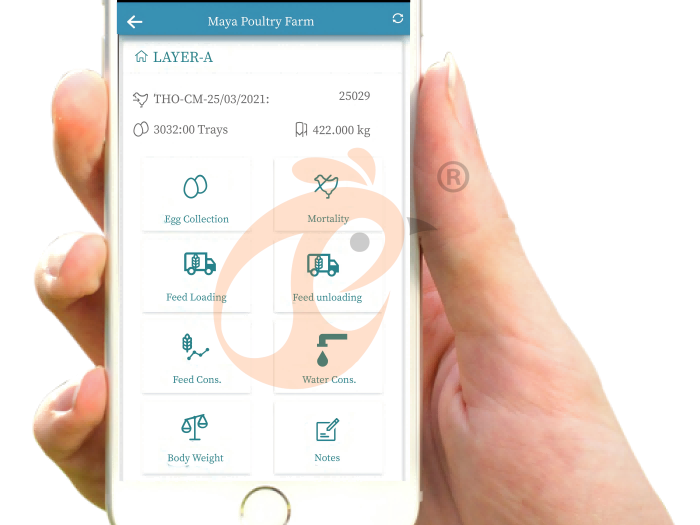
4. Its structure are Vcloud artificial intelligent fusion, electric control cabinet, automatic equipment of drinking, feeding, manure clean, manual harvesting.
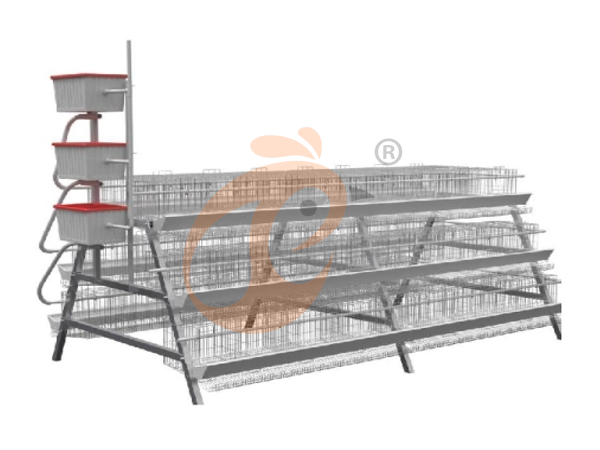
5. Our 24 hour online reception What’sApp NO. is +8618830120193 <30,000 Pullets Automatic A Type Battery Cage1. 10,000 to 30,000 pullets a house, choose it.
2. It is designed to rearing older than 1 day old pullets to 12 to 16 weeks old chicken starting laying eggs.
3. Its lifespan is more than 25 years.
4. Its structure are Vcloud artificial intelligent fusion, electric control cabinet, automatic equipment of drinking, feeding, manure clean, manual harvesting.
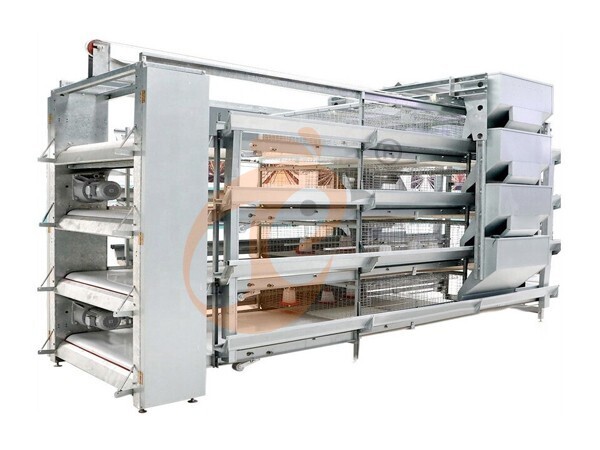
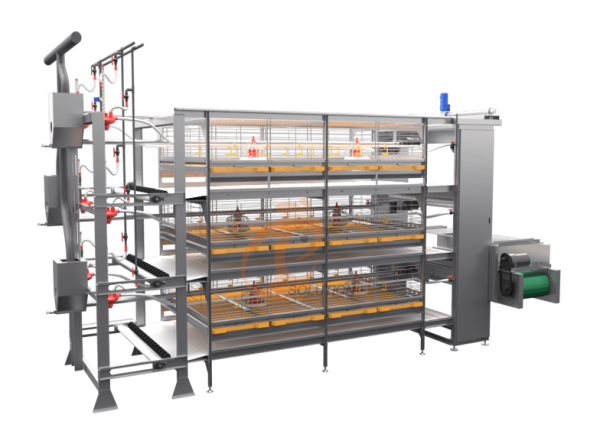
5. Our 24 hour online reception What’sApp NO. is +86 18830120193. >30,000 Broilers Semi-Automatic Harvest H Type Battery Cage1. More than 30,000 broilers a house, choose it.
2. It is designed to rearing 1 to 45 day old adult broiler ready for market.
3. Its lifespan is more than 20 years.
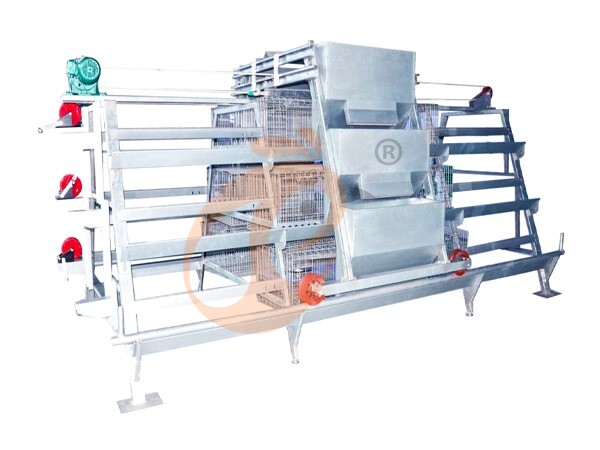
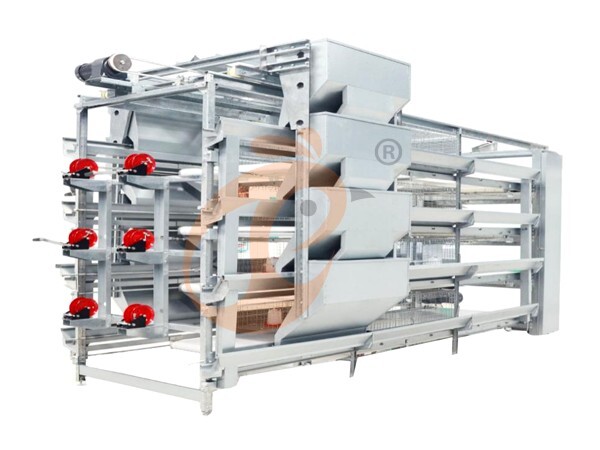
4. Our 24 hour online reception What’sApp NO. is +8618830120193, +234 8111199996. >30,000 Broilers Manual Harvest H Type Battery Cage1. More than 30,000 broilers a house, choose it.
2. It is designed to rearing 1 to 45 day old adult broiler ready for market.
3. Its lifespan is more than 20 years.
4. Its structure are Vcloud artificial intelligent fusion, electric control cabinet, automatic equipment of drinking, feeding and manure clean, manual harvesting.
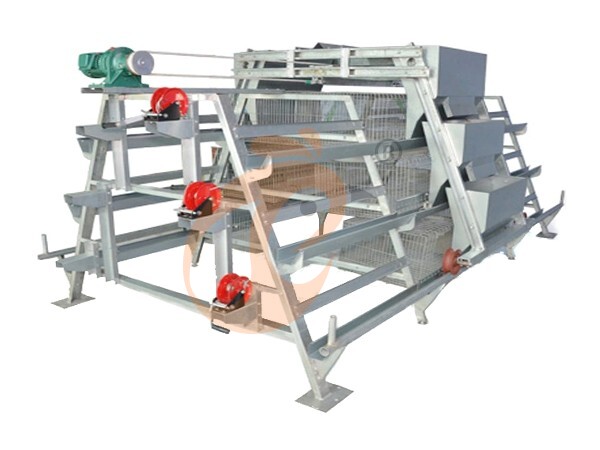
5. Our 24 hour online reception What’sApp NO. is +8618830120193, +234 8111199996. <30,000 Broilers Manual Harvest A Type Battery Cage1. Less 30,000 broilers a house, choose it.
2. It is designed to rearing 1 to 45 day old adult broiler ready for market.
3. Its lifespan is more than 20 years.
4. Its structure are Vcloud artificial intelligent fusion, electric control cabinet, automatic equipment of drinking, feeding and manure clean, manual harvesting.
5. Our 24 hour online reception What’sApp NO. is +8618830120193, +234 8111199996. HK Headquarter Offers EU-standard Poultry Farm Solutions, Manufacture Poultry Farm Equipment1. Continuous communication with the EU and the US
2. China, Nigeria, Ethiopia, Tanzania branch companies and factories
3. The products’ quality is customized for local poultry farms
4. Poultry cage and poultry farm equipment stock for sale
5. 24 online reception Whatsapp NO. : +8618830120193,contact us to get full information China Branch Offer Poultry Farm Business Plan, Manufacture Poultry Farm Equipment1. Address: Flat/RM 2416, 24/F, Runxing Building, Youyi Nan Street, Shijiazhuang City, Hebei Province, China
2. Poultry cage and poultry farm equipment factory and stock for sale
3. Customized for local poultry farms
4. Quality and design are based on Euro
5. 24 online reception Whatsapp NO. : +8618830120193 Nigeria Branch Offer Poultry Farm Business Plan, Manufacture Poultry Farm Equipment1. Address: After Sinoma Office, 200 Meters Near Danco Filling Station, Lagos/Ibadan Expressway, Lagos State, Nigeria
2. Poultry cage and poultry farm equipment factory and stock for sale
3. Customized for Nigerian poultry farms
4. Quality and design are based on Euro
5. 24 online reception Whatsapp NO. : +8618830120193 Ethiopia Branch Offer Poultry Farm Business Plan, Manufacture Poultry Farm Equipment1. Address: Gelan Gura, Akaki-kaliti Sub City, Addis Ababa, Ethiopia
2. Poultry cage and poultry farm equipment stock for sale
3. Customized for Ethiopian poultry farms
4. Quality and design are based on Euro
5. 24 online reception Whatsapp NO. : +8618830120193, contact us to get price list Tanzania Branch Offer Poultry Farm Business Plan, Manufacture Poultry Farm Equipment1. Address: No.8, Sova Road, Msufini, Mlandizi, Kibaha, Pwani, Tanzania
2. Poultry cage and poultry farm equipment factory and stock for sale
3. Customized for Tanzanian poultry farms
4. Quality and design are based on Euro
5. 24 online reception Whatsapp NO. : +8618830120193


Contact