


Blog
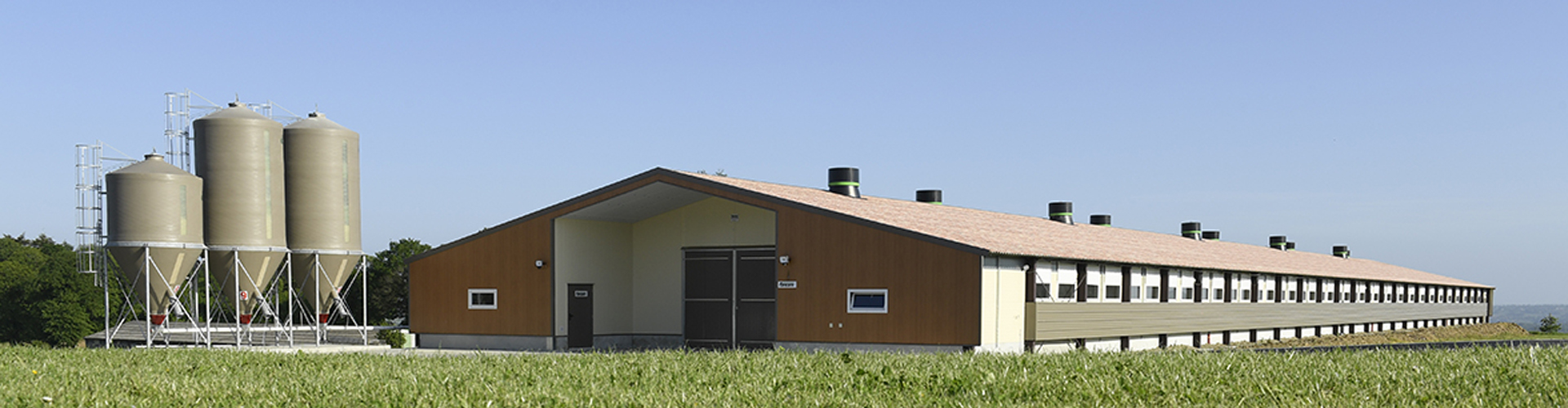
Modern poultry farming depends on controlled cage environments to maintain stable egg production efficiency.
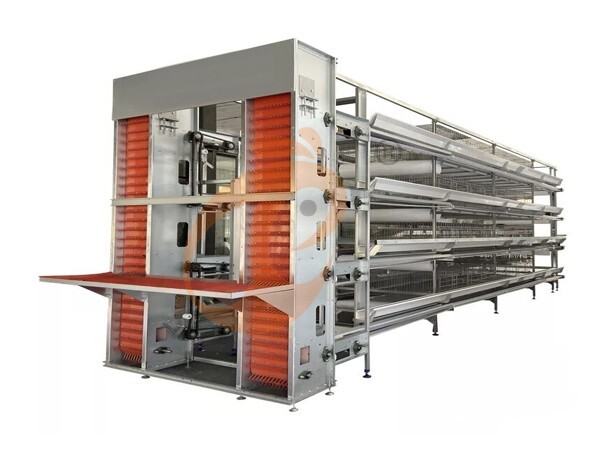
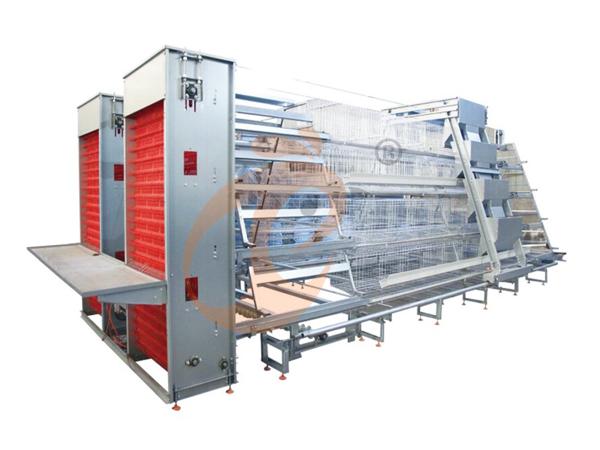
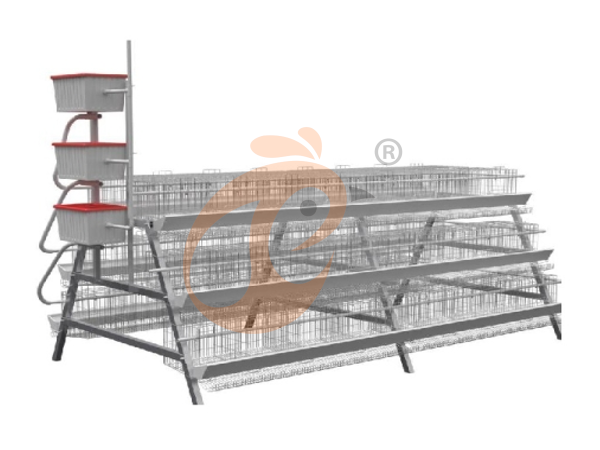
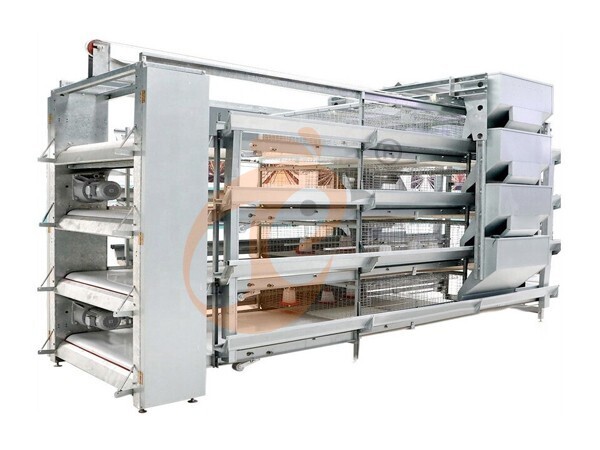
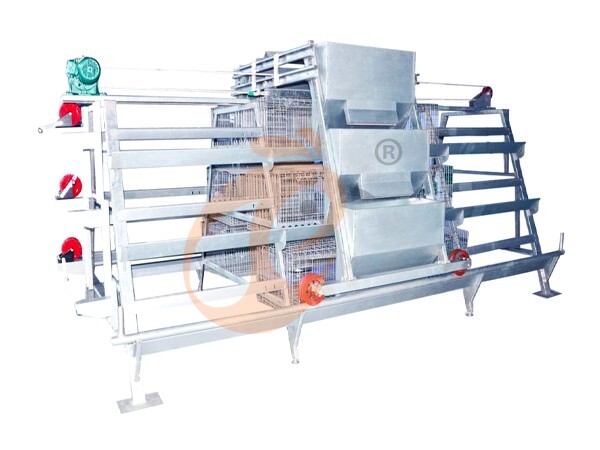
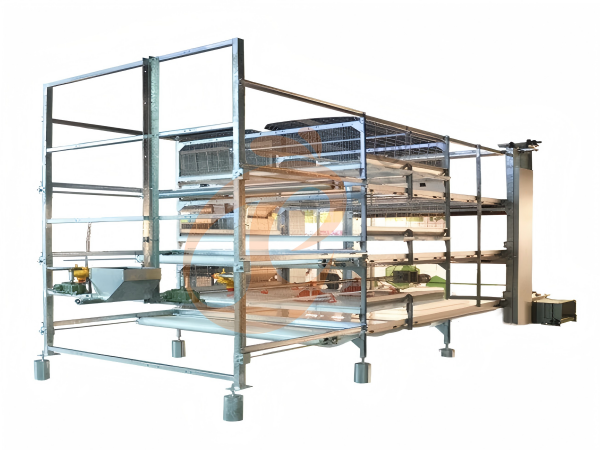
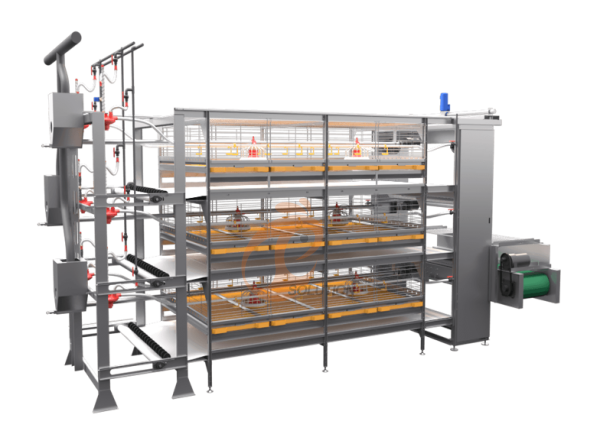
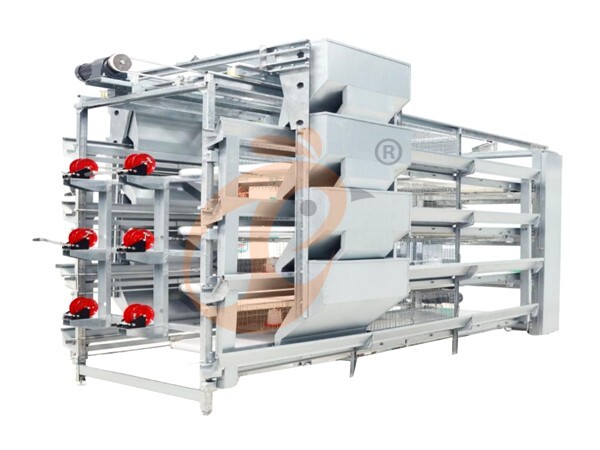
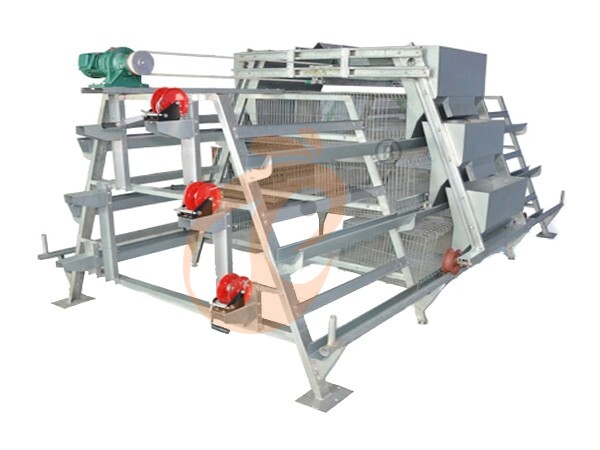
A type poultry cage systems combine structural engineering, feeding automation, and environmental regulation into one integrated production unit.
Daily management ensures balanced nutrition delivery, stable airflow distribution, and consistent egg collection cycles across multi-tier layouts.
Scientific operation reduces mortality risk while improving feed conversion efficiency under high-density housing conditions.
Controlled management supports predictable output performance across commercial poultry production cycles.
Get professional poultry farm construction guidance, equipment selection solutions, and the latest price lists, whatsApp to +8618830120193, click to learn more:
Pre Operational System Inspection Structural Validation
Data is for reference only.Swipe horizontally to view full table.
Structural validation ensures mechanical safety before daily operation begins.
Cage alignment inspection prevents stress concentration on modular units.
Bird distribution balance reduces overcrowding pressure across production zones.
Feed Distribution Scheduling Energy Regulation Control
Data is for reference only.Swipe horizontally to view full table.
Feed timing consistency regulates metabolic rhythm across flock units.
Controlled conveyor speed ensures uniform nutrient access in all cage layers.
Stable feeding cycles reduce production fluctuations during laying phases.
Drinking Water Regulation System Performance Monitoring
Data is for reference only.Swipe horizontally to view full table.
Water delivery consistency directly affects feed intake efficiency.
Pressure stability prevents localized dehydration in dense cage rows.
Uniform hydration supports stable egg production performance.
Thermal Environment Stabilization Climate Balance Control
Data is for reference only.Swipe horizontally to view full table.
Temperature stability supports physiological balance in laying hens.
Air velocity regulation improves oxygen exchange efficiency across tiers.
Thermal uniformity reduces heat stress in high-density systems.
Egg Collection System Conveyor Synchronization Control
Data is for reference only.Swipe horizontally to view full table.
Collection efficiency determines final egg market value.
Conveyor synchronization reduces mechanical impact on egg shells.
Short cycle intervals minimize egg exposure time.
Mortality Recording And Waste Handling Biosecurity Control
Data is for reference only.Swipe horizontally to view full table.
Mortality tracking identifies early flock health deviation patterns.
Removal timing improves sanitation efficiency in cage environments.
Data logging supports veterinary decision making processes.
Air Quality And Ventilation Control Gas Balance Regulation
Data is for reference only.Swipe horizontally to view full table.
Gas concentration control protects respiratory health stability.
Ventilation balance prevents ammonia accumulation in lower tiers.
Air exchange efficiency enhances production consistency.
Advanced Structural Load Distribution And Cage Performance Balance
Modern A type poultry cage installations rely on precise structural load balancing to maintain long-term durability under continuous production pressure.
Independent support beams are engineered to handle 3.6 kN per vertical frame section without deformation during full stocking cycles.
Side panel reinforcement thickness is typically 1.25 mm galvanized steel ensuring corrosion resistance in high humidity environments.
Vibration amplitude during conveyor operation remains below 0.8 mm to prevent egg micro-crack formation.
This mechanical stability framework ensures consistent performance across extended commercial production timelines.
Scientific Explanation Of Cage System Operation
A type cage systems operate through synchronized environmental and mechanical control loops.
Feed, water, and airflow systems interact to maintain biological stability inside confined production zones.
Small deviations in temperature or ammonia concentration can influence feed intake behavior significantly.
Uniform bird distribution ensures consistent stress levels across production cycles.
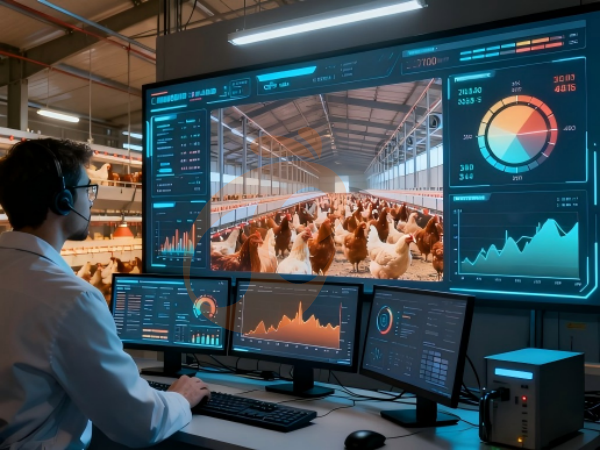
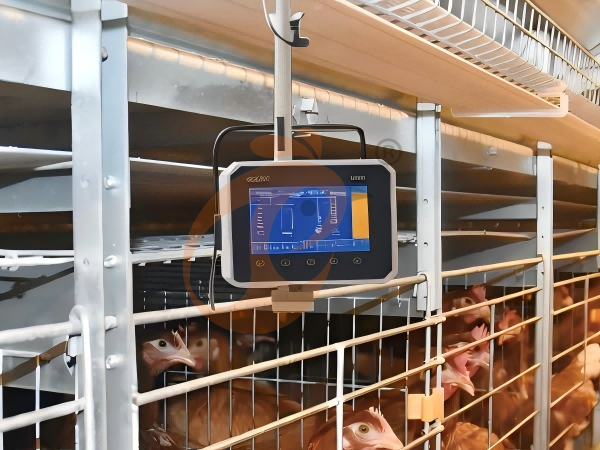
Automation reduces manual dependency while increasing precision control over daily operations.
Step By Step Daily Management Workflow
System inspection ensures mechanical readiness before activation
Feeding system calibration stabilizes nutrient distribution timing
Water pressure balancing maintains hydration consistency
Ventilation adjustment controls gas concentration levels
Egg conveyor monitoring reduces breakage losses
Health recording tracks mortality and abnormal behavior patterns
Waste handling maintains hygiene and biosecurity standards
Each step contributes to overall production stability and system efficiency.
Frequently Asked Questions
Q1: What is the most critical factor in A type cage daily management?
Ventilation stability and feed timing are most critical factors.
Ammonia levels above 12 ppm can reduce production efficiency significantly.
Q2: How many times should feeding be scheduled per day?
Typically 4 to 5 cycles per day ensure stable metabolic rhythm.
Each cycle supports consistent feed intake distribution.
Q3: Why is cage inspection important before operation?
Inspection prevents mechanical failure and uneven load stress.
It ensures safe operation for up to 200 birds per set configuration.
Taiyu (HK) Group - One Of China Largest Poultry Equipment Manufacturer
A type poultry cage systems applied in commercial farms with 2200 x 2400 mm structural modules supporting up to 200 birds per set.
Engineering supply covers global factory direct poultry equipment including automated feeding ventilation and egg collection systems.
Turn key poultry farm engineering integrates design manufacturing installation and commissioning for large scale poultry projects.
Equipment export network supports standardized cage systems across multi climate agricultural environments.
Technical project delivery focuses on stable production efficiency and long term operational reliability.
Contact Us To Received Your Customized Poultry Farm Plan
Headquarters And Branchs
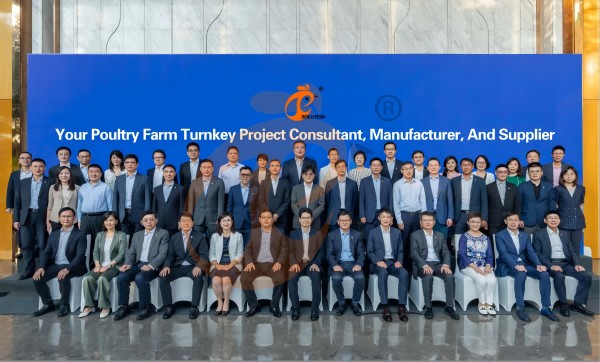
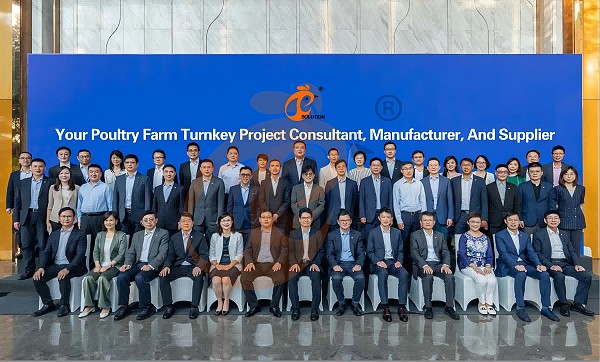
Hong Kong Headquarter Management Team
Hong Kong Headquarter Taiyu Industrial Group CO., LTD
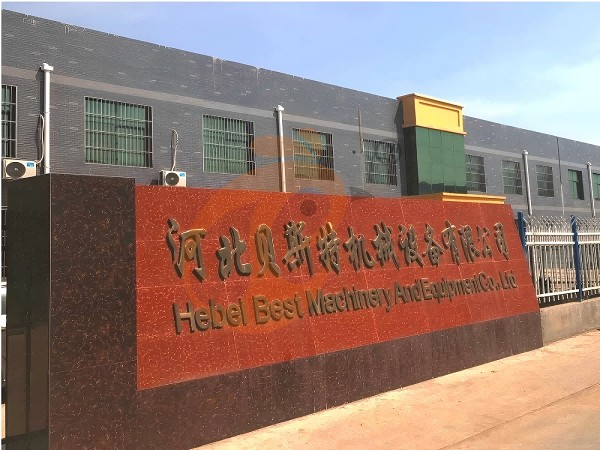
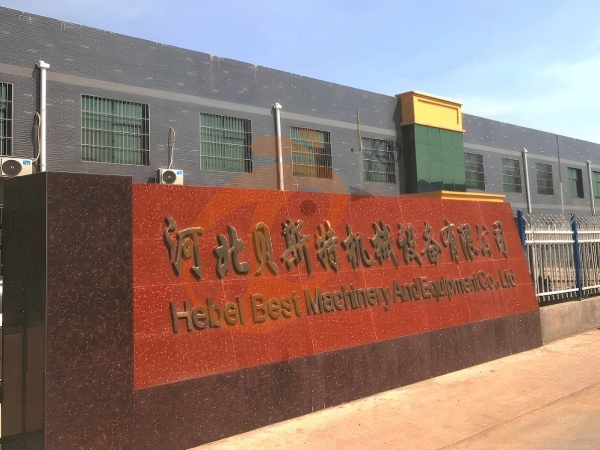
China Hebei Best Machinery And Equipment CO., LTD
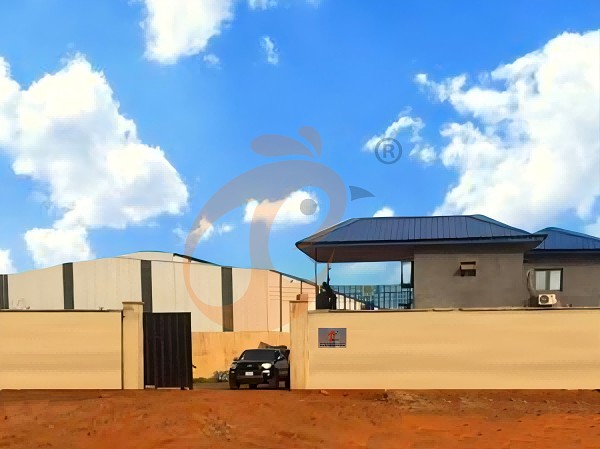
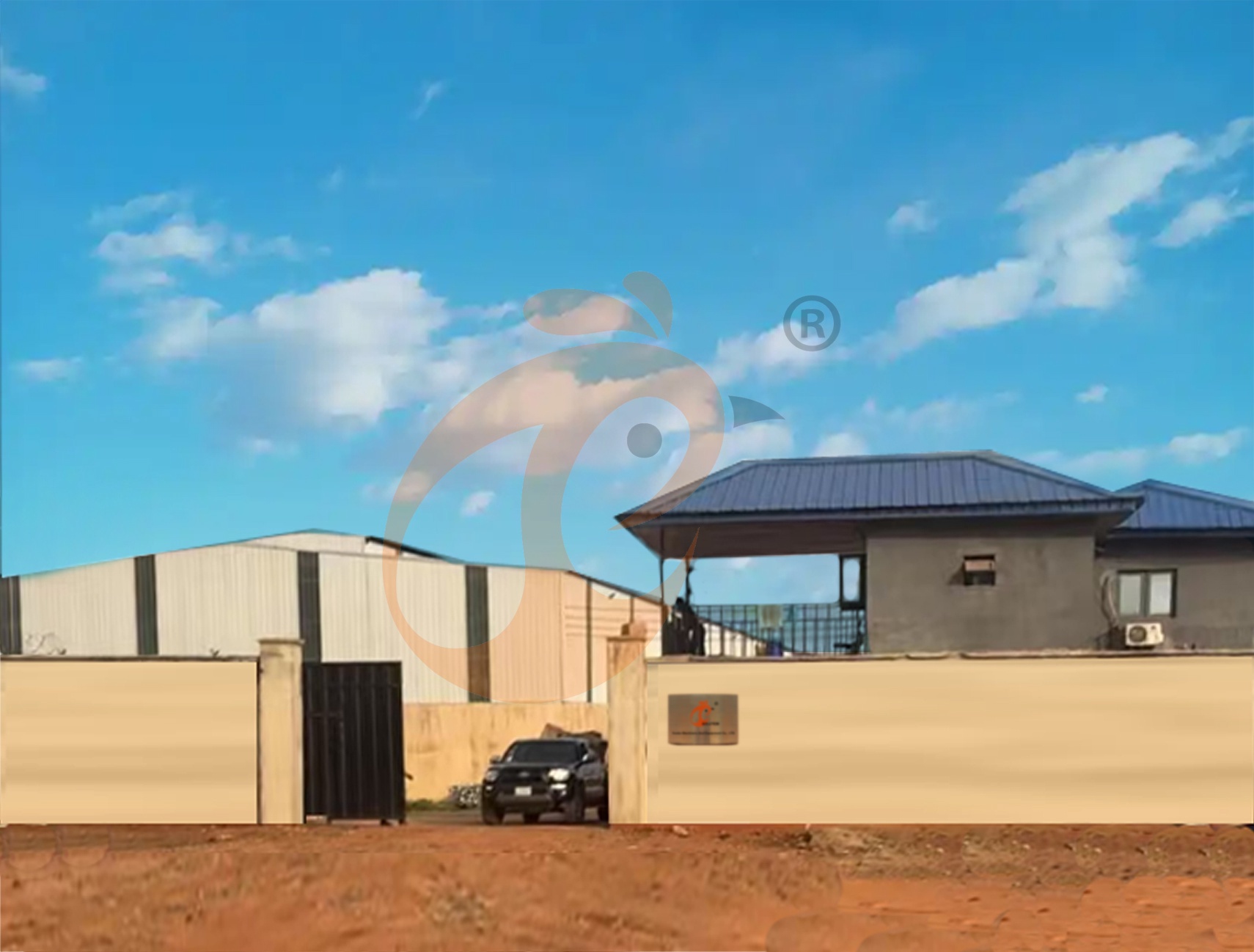
Nigeria Vanke Machinery And Equipment CO., LTD
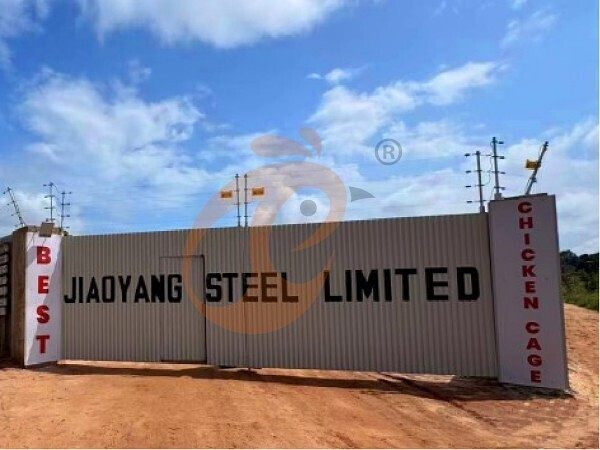
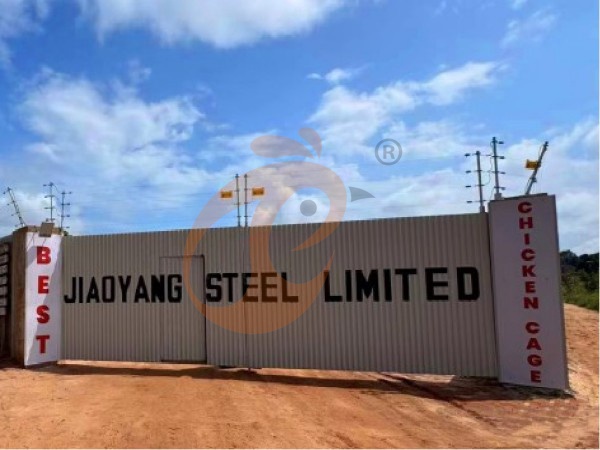
Tanzania Best Machinery And Equipment CO., LTD
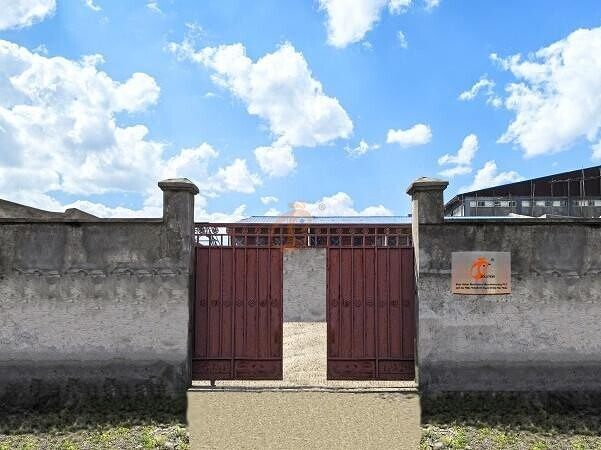
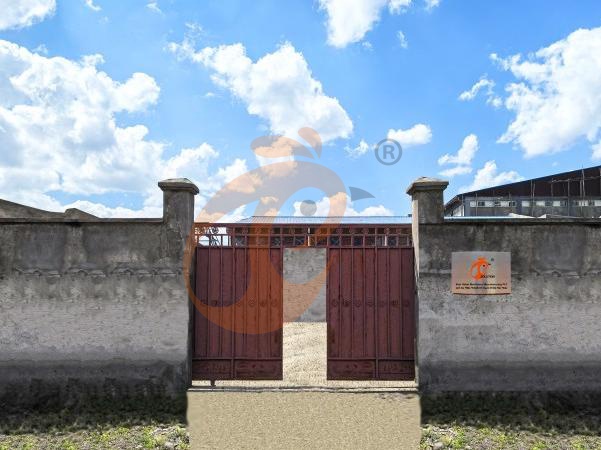
Ethiopia Best Hebei Machinery Manufacturing PLC
Reception /24 WhatsApp NO. : +8618830120193
FAQ
How To Increase Stocking Density Without Reducing Egg Production In A-Type Layer Cage?
Provide 418-500 cm² per bird
Ensure good ventilation
Egg production rate: 90–96%
What Are The Recommended Egg Conveyor Speeds For A-Type Layer Cage Farms?
Reduces egg collision and breakage
Egg breakage rate <1%
Daily egg yield: 900–960 eggs/1,000 birds
Egg production rate: 90–96%
How To Implement Lighting Control In A-Type Poultry Cage Farms?
Even illumination reduces stress
Egg production rate: 90–96%
FCR: 1.9–2.2
Egg breakage rate <1%
- poultry farm
- chicken cage
- poultry cage
- cage
- poultry farm construction
- poultry cage system
- poultry cage installation
- poultry equipment
- egg collection system
- chickencage
- a type poultry cage
- bestchickencage
- cage system
- cage layer
- cage systems
- layer chicken cage
- Nigeria
- poultry farming
- poultry equipment manufacturer
- poultry cage systems
- modern poultry farm
- egg collection system conveyor
- modern poultry farming
- poultry farm plan
- Ethiopia
Message
Products recommended
 >30,000 Pullets Automatic H Type Battery Cage1. More than 30,000 pullets a house, choose it.
2. It is designed to rearing older than 1 day old pullets to 12 to 16 weeks old chicken starting laying eggs.
3. Its lifespan is more than 25 years.
4. Its structure are Vcloud artificial intelligent fusion, electric control cabinet, automatic equipment of drinking, feeding, manure clean, manual harvesting.
5. Our 24 hour online reception What’sApp NO. is +8618830120193 <30,000 Pullets Automatic A Type Battery Cage1. 10,000 to 30,000 pullets a house, choose it.
2. It is designed to rearing older than 1 day old pullets to 12 to 16 weeks old chicken starting laying eggs.
3. Its lifespan is more than 25 years.
4. Its structure are Vcloud artificial intelligent fusion, electric control cabinet, automatic equipment of drinking, feeding, manure clean, manual harvesting.
5. Our 24 hour online reception What’sApp NO. is +86 18830120193. >30,000 Broilers Semi-Automatic Harvest H Type Battery Cage1. More than 30,000 broilers a house, choose it.
2. It is designed to rearing 1 to 45 day old adult broiler ready for market.
3. Its lifespan is more than 20 years.
4. Our 24 hour online reception What’sApp NO. is +8618830120193, +234 8111199996. >30,000 Broilers Manual Harvest H Type Battery Cage1. More than 30,000 broilers a house, choose it.
2. It is designed to rearing 1 to 45 day old adult broiler ready for market.
3. Its lifespan is more than 20 years.
4. Its structure are Vcloud artificial intelligent fusion, electric control cabinet, automatic equipment of drinking, feeding and manure clean, manual harvesting.
5. Our 24 hour online reception What’sApp NO. is +8618830120193, +234 8111199996. <30,000 Broilers Manual Harvest A Type Battery Cage1. Less 30,000 broilers a house, choose it.
2. It is designed to rearing 1 to 45 day old adult broiler ready for market.
3. Its lifespan is more than 20 years.
4. Its structure are Vcloud artificial intelligent fusion, electric control cabinet, automatic equipment of drinking, feeding and manure clean, manual harvesting.
5. Our 24 hour online reception What’sApp NO. is +8618830120193, +234 8111199996. HK Headquarter Offers EU-standard Poultry Farm Solutions, Manufacture Poultry Farm Equipment1. Continuous communication with the EU and the US
2. China, Nigeria, Ethiopia, Tanzania branch companies and factories
3. The products’ quality is customized for local poultry farms
4. Poultry cage and poultry farm equipment stock for sale
5. 24 online reception Whatsapp NO. : +8618830120193,contact us to get full information China Branch Offer Poultry Farm Business Plan, Manufacture Poultry Farm Equipment1. Address: Flat/RM 2416, 24/F, Runxing Building, Youyi Nan Street, Shijiazhuang City, Hebei Province, China
2. Poultry cage and poultry farm equipment factory and stock for sale
3. Customized for local poultry farms
4. Quality and design are based on Euro
5. 24 online reception Whatsapp NO. : +8618830120193 Nigeria Branch Offer Poultry Farm Business Plan, Manufacture Poultry Farm Equipment1. Address: After Sinoma Office, 200 Meters Near Danco Filling Station, Lagos/Ibadan Expressway, Lagos State, Nigeria
2. Poultry cage and poultry farm equipment factory and stock for sale
3. Customized for Nigerian poultry farms
4. Quality and design are based on Euro
5. 24 online reception Whatsapp NO. : +8618830120193 Ethiopia Branch Offer Poultry Farm Business Plan, Manufacture Poultry Farm Equipment1. Address: Gelan Gura, Akaki-kaliti Sub City, Addis Ababa, Ethiopia
2. Poultry cage and poultry farm equipment stock for sale
3. Customized for Ethiopian poultry farms
4. Quality and design are based on Euro
5. 24 online reception Whatsapp NO. : +8618830120193, contact us to get price list Tanzania Branch Offer Poultry Farm Business Plan, Manufacture Poultry Farm Equipment1. Address: No.8, Sova Road, Msufini, Mlandizi, Kibaha, Pwani, Tanzania
2. Poultry cage and poultry farm equipment factory and stock for sale
3. Customized for Tanzanian poultry farms
4. Quality and design are based on Euro
5. 24 online reception Whatsapp NO. : +8618830120193


Contact