


Blog
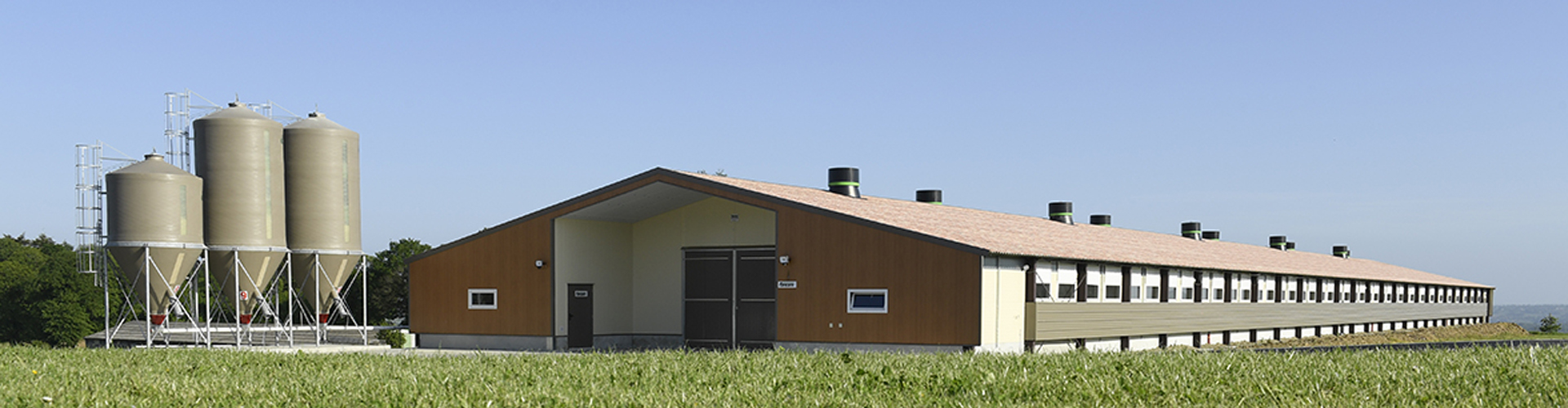
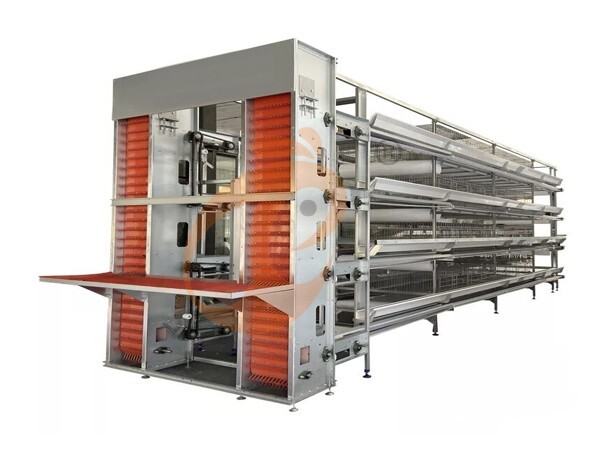
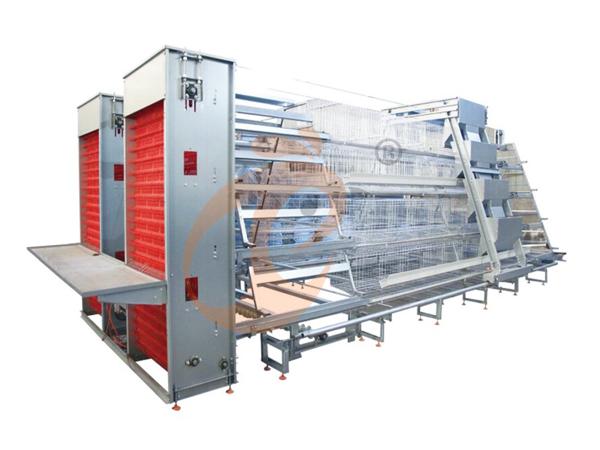
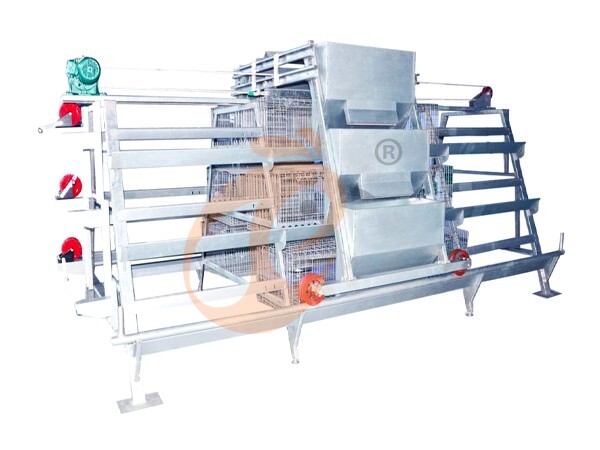
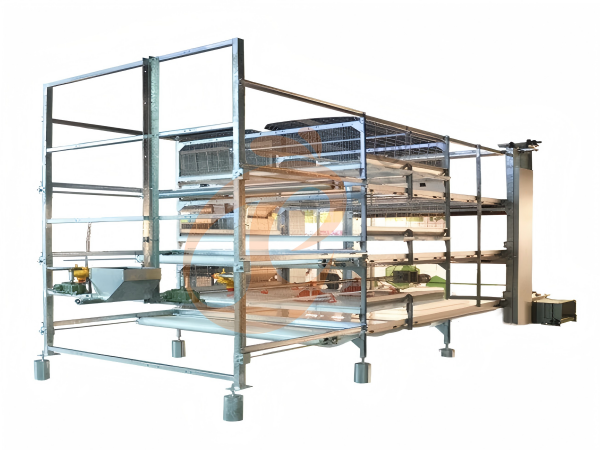
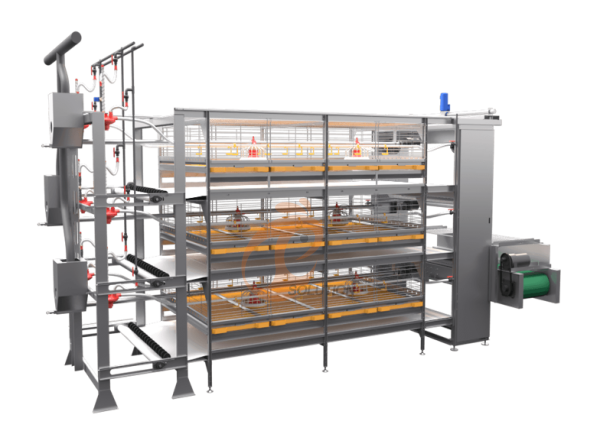
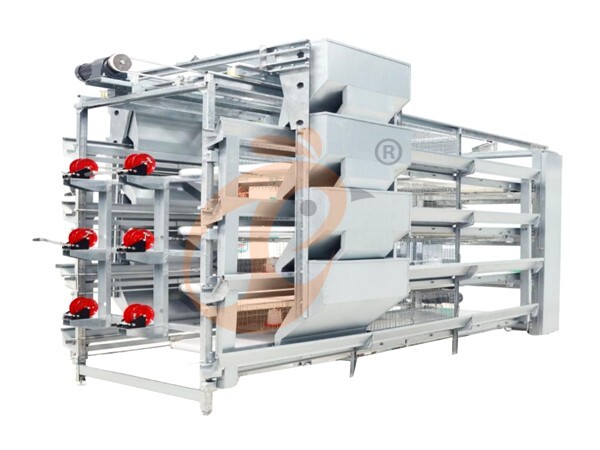
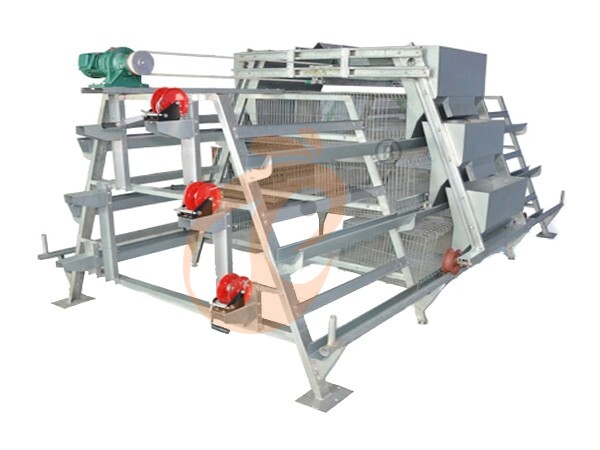
H type chicken battery cage system supports intensive egg production with automated feeding, drinking, manure removal, and environmental regulation ensuring stable commercial output.
Daily maintenance improves mechanical reliability, prevents system blockage, and stabilizes production performance across multi-tier poultry housing structures.
Automatic poultry cage equipment enhances operational efficiency through synchronized control of ventilation, feeding, and egg collection processes.
Layer chicken farming system requires continuous inspection to maintain flock health, reduce disease risk, and optimize production cycles.
Structured maintenance routines ensure long-term equipment durability and stable farm productivity under high-density conditions.
Get professional poultry farm construction guidance, equipment selection solutions, and the latest price lists, whatsApp to +8618830120193, click to learn more:
System Structure And Engineering Layout
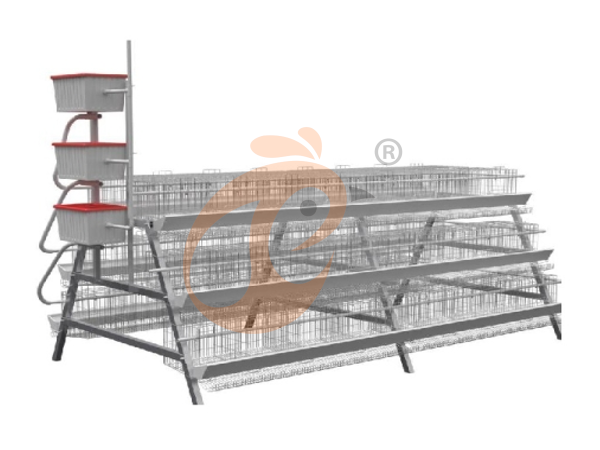
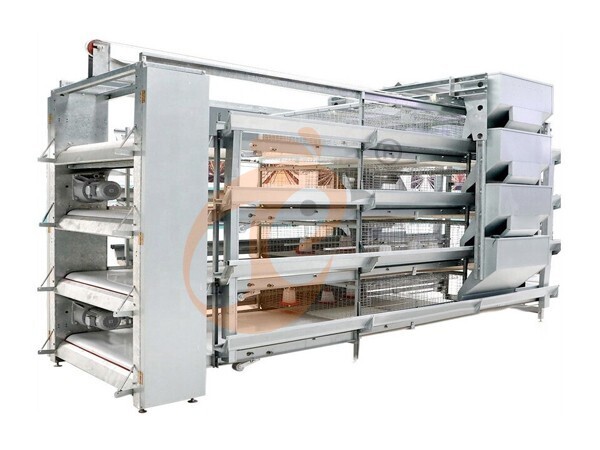
H-type cage systems adopt vertical stacking architecture supported by steel frames and synchronized automation lines.
Each tier functions as an independent production zone integrated with centralized control systems.
Data is for reference only.Swipe horizontally to view full table.
Feeding System Operational Control
Feed consistency directly affects egg production uniformity and flock metabolic balance.
Layer chicken farming system efficiency depends on precise mechanical distribution and stable cycle timing.
Data is for reference only.Swipe horizontally to view full table.
Water Supply Stability Management
Water quality and pressure stability directly influence egg production consistency and bird hydration health.
Pipe cleaning and filtration control reduce microbial contamination risks.
Data is for reference only.Swipe horizontally to view full table.
Manure Belt Efficiency Control
Manure removal systems regulate ammonia concentration and maintain air quality inside poultry houses.
Stable belt synchronization reduces corrosion and improves structural lifespan.
Data is for reference only.Swipe horizontally to view full table.
Ventilation And Climate Regulation
Airflow balance ensures stable temperature distribution and gas dilution across multi-tier environments.
Proper ventilation prevents heat accumulation and humidity imbalance.
Data is for reference only.Swipe horizontally to view full table.
Egg Collection System Precision Handling
Egg conveyor systems ensure smooth transport and reduce breakage during collection cycles.
Mechanical alignment stability improves product integrity and reduces loss rate.
Data is for reference only.Swipe horizontally to view full table.
Lighting System Precision Control
Lighting regulation in H-type cage environments influences laying rhythm, feed intake behavior, and stress stability.
Uniform illumination ensures consistent stimulation across vertical cage tiers and reduces behavioral disorder risk.
Commercial poultry lighting systems typically operate within 2700–3000K color temperature range, supporting stable circadian rhythm regulation and reducing feather pecking behavior.
Dimmable LED systems with 48V DC architecture improve energy efficiency and electrical safety in humid farm environments.
Controlled photoperiod scheduling enhances egg production consistency and stabilizes reproductive cycles under intensive farming conditions.
Biosecurity And Sanitation Control
Disinfection protocols maintain microbial balance and prevent pathogen transmission in high-density poultry environments.
Chemical Control Layer
Peracetic acid applied at 0.25% concentration ensures stable surface sanitation performance.
Exposure duration maintained at 12 minutes for consistent pathogen neutralization effect.
Access Control Layer
Entry disinfection depth maintained at 5 cm footbath level for contamination reduction.
Re-entry waiting time set at 25 minutes after sanitation completion cycle.
Environmental Protection Layer
Aerosol efficiency maintained at 92% during spraying operation.
Droplet size controlled between 85–105 microns for uniform coverage distribution.
Troubleshooting And System Stability Response
Mechanical or environmental disruptions require immediate response to avoid production losses.
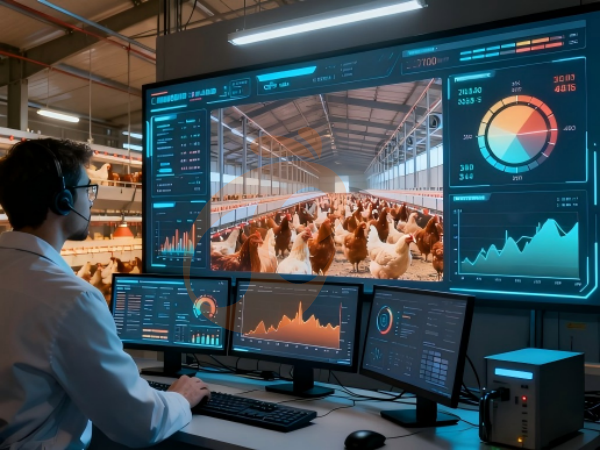
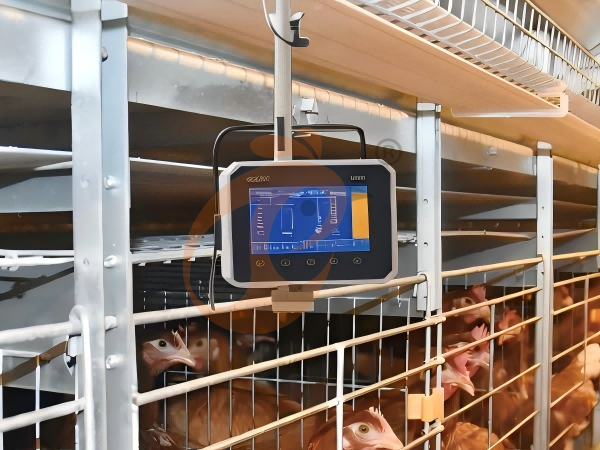
Sensor monitoring helps detect airflow imbalance, feed blockage, and motor overheating conditions early.
Rapid replacement of worn components ensures system continuity and reduces downtime risk.
Data is for reference only.Swipe horizontally to view full table.
Frequently Asked Questions
Q1: How often should H type chicken battery cage system be inspected?
Inspection should be performed twice daily to ensure feed flow stability and ventilation balance under continuous operation.
Q2: What causes egg breakage in automatic poultry cage equipment?
Improper conveyor speed above 0.45 m/s or incorrect alignment angle leads to increased impact damage.
Q3: How is water quality maintained in layer chicken farming system?
Daily flushing and dissolved solids control near 210 ppm ensure stable drinking conditions.
Taiyu (HK) Group - One Of China Largest H Type Chicken Battery Cage Manufacturer
H type chicken battery cage system is applied in commercial poultry projects requiring integrated automation for feeding, drinking, manure removal, and egg collection.
Global factory direct production supports standardized poultry engineering solutions for international farm construction.
Poultry equipment includes cage structure systems, environmental control units, and automated management modules.
Turn-key project service covers design, installation, commissioning, and technical training for farm operators.
Export manufacturing capability ensures compliance with global poultry farming standards and large-scale deployment requirements.
Contact Us To Received Your Customized Poultry Farm Plan
Headquarters And Branchs
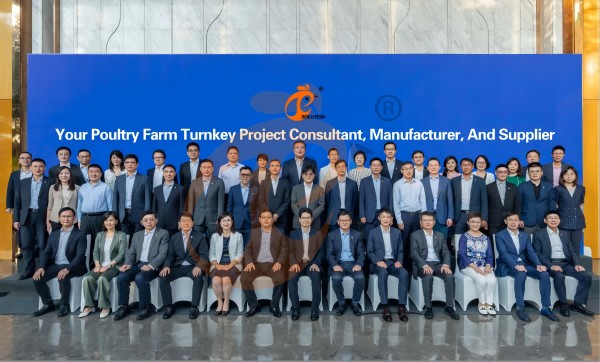
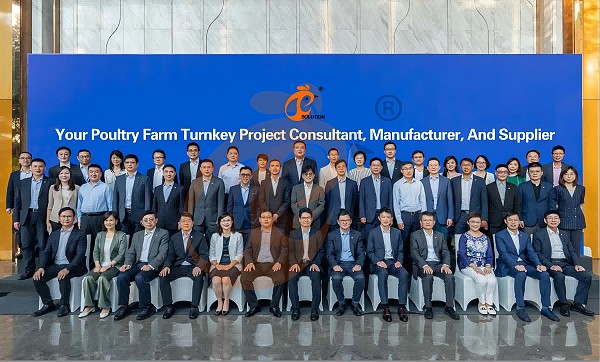
Hong Kong Headquarter Management Team
Hong Kong Headquarter Taiyu Industrial Group CO., LTD
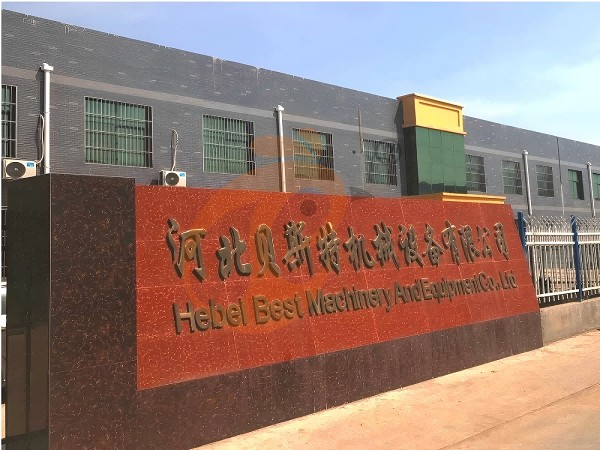
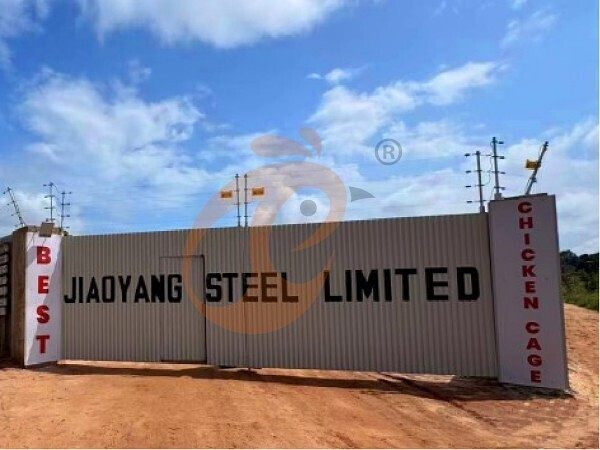
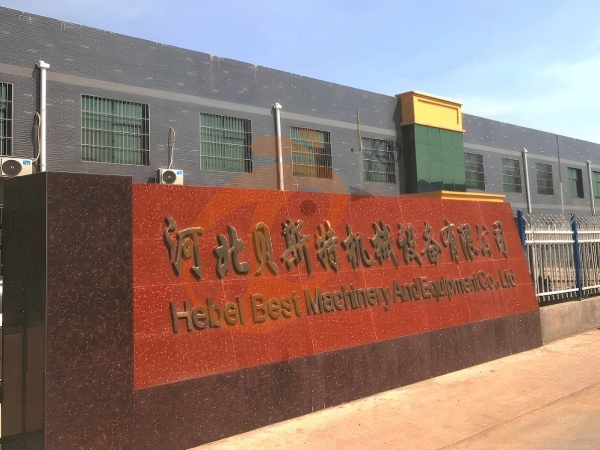
China Hebei Best Machinery And Equipment CO., LTD
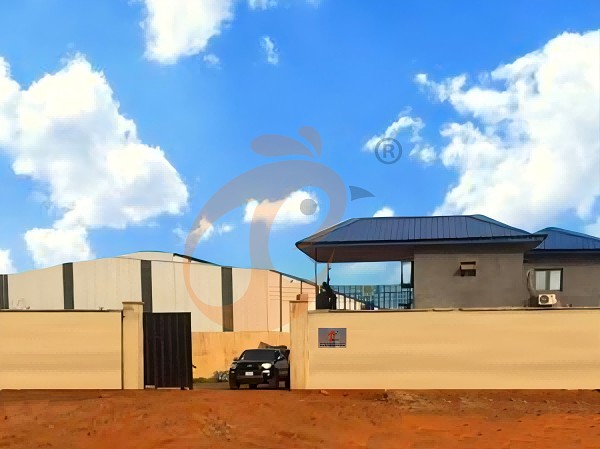
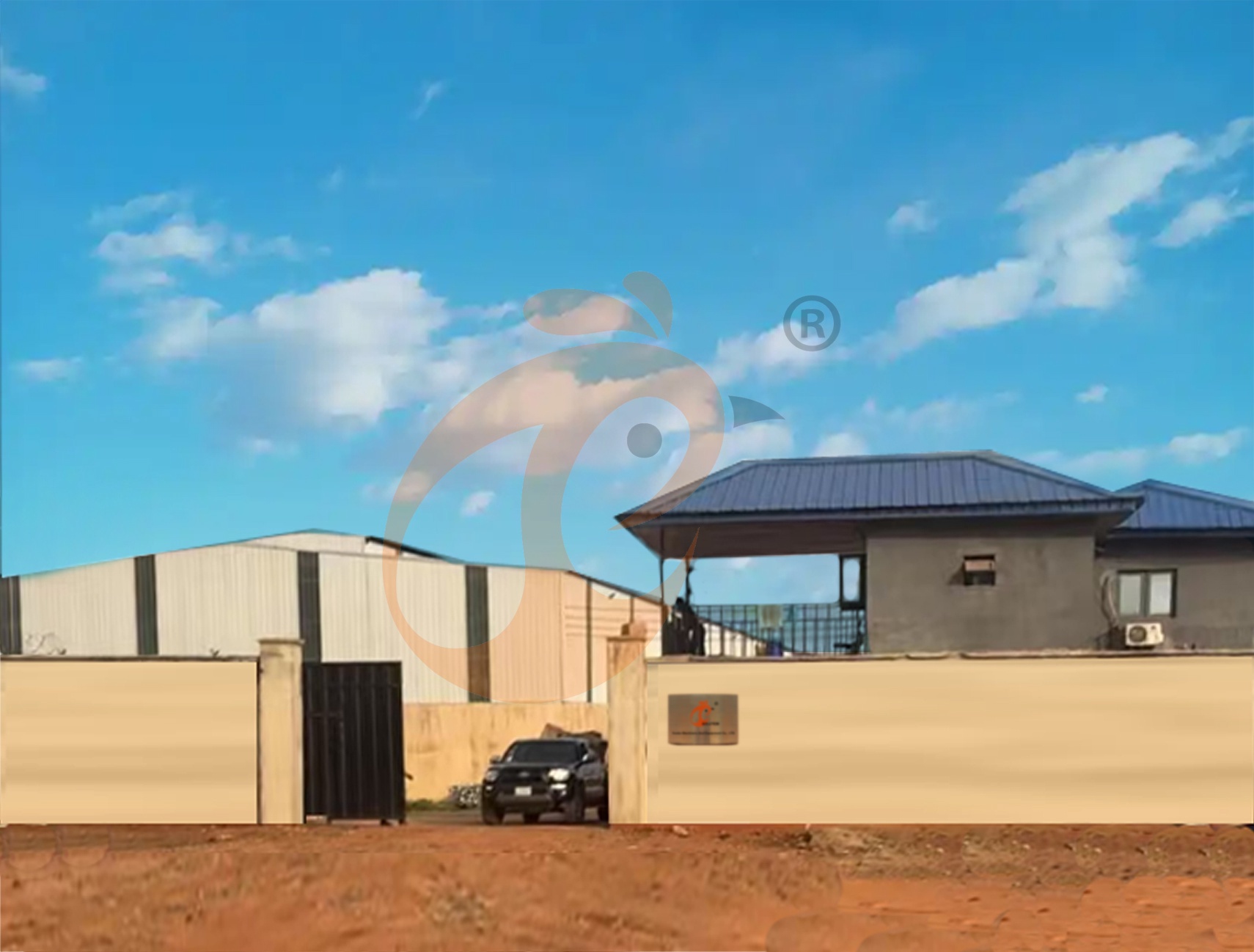
Nigeria Vanke Machinery And Equipment CO., LTD
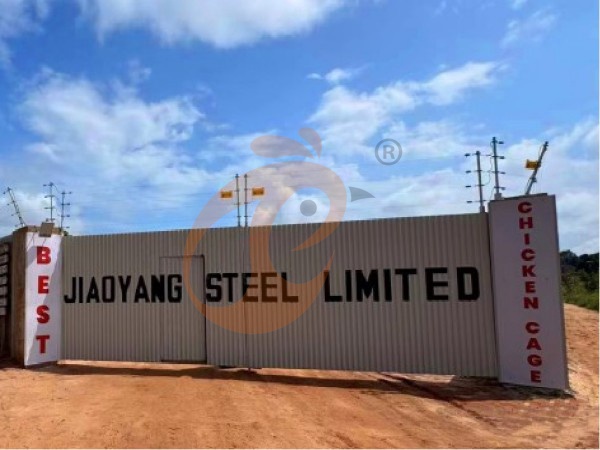
Tanzania Best Machinery And Equipment CO., LTD
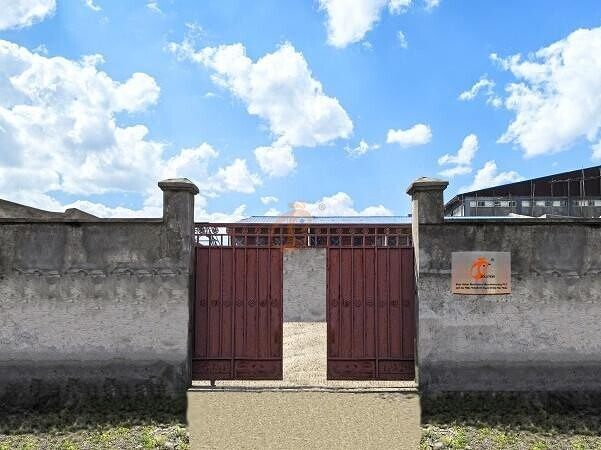
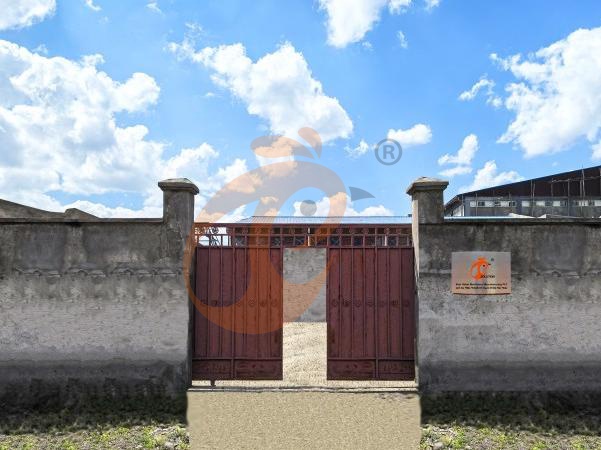
Ethiopia Best Hebei Machinery Manufacturing PLC
Reception /24 WhatsApp NO. : +8618830120193
FAQ
How To Monitor Egg Quality In H-Type Layer Cage System?
Check shell thickness and weight
Egg production rate: 90-98%
Egg breakage rate <1%
Labor savings: 70-90%
What Are The Best Materials For H-Type Poultry Cage Construction?
Anti-corrosion coating for durability
Equipment lifespan: more than 25 years
Easy to clean and maintain
Egg production rate: 90-98%
How To Improve Air Quality In H-Type Chicken Cage Houses?
Install air filtration systems
Control temperature and humidity at 20–25°C
Mortality rate <3%
Egg production rate: 90-98%
- battery cage
- battery cage system
- poultry farm
- chicken battery cage
- chicken farm
- poultry house
- poultry cage
- cage
- poultry farm construction
- chicken battery cage system
- poultry cage equipment
- battery cage system manufacturer
- automatic poultry cage
- poultry lighting system
- poultry equipment
- manure removal system
- egg collection system
- chickencage
- chicken battery
- bestchickencage
- cage system
- h type
- cage systems
- Nigeria
- chicken farming system
- layer chicken farm
- poultry farming
- layer chicken farming system
- poultry farm plan
- Ethiopia
Message
Products recommended
 >30,000 Pullets Automatic H Type Battery Cage1. More than 30,000 pullets a house, choose it.
2. It is designed to rearing older than 1 day old pullets to 12 to 16 weeks old chicken starting laying eggs.
3. Its lifespan is more than 25 years.
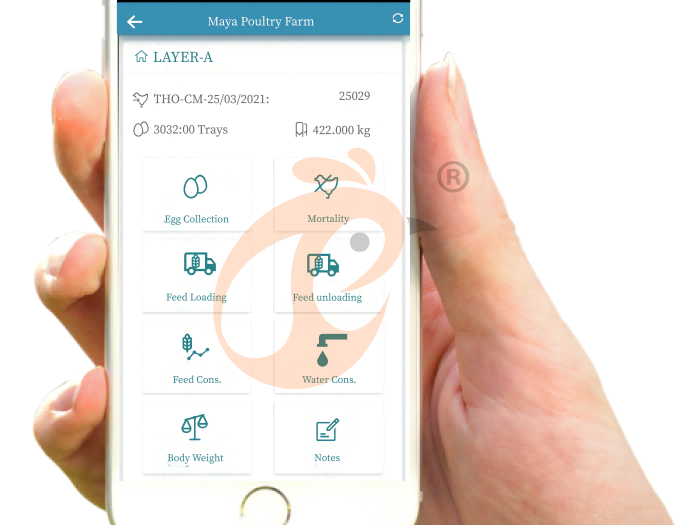
4. Its structure are Vcloud artificial intelligent fusion, electric control cabinet, automatic equipment of drinking, feeding, manure clean, manual harvesting.
5. Our 24 hour online reception What’sApp NO. is +8618830120193 <30,000 Pullets Automatic A Type Battery Cage1. 10,000 to 30,000 pullets a house, choose it.
2. It is designed to rearing older than 1 day old pullets to 12 to 16 weeks old chicken starting laying eggs.
3. Its lifespan is more than 25 years.
4. Its structure are Vcloud artificial intelligent fusion, electric control cabinet, automatic equipment of drinking, feeding, manure clean, manual harvesting.
5. Our 24 hour online reception What’sApp NO. is +86 18830120193. >30,000 Broilers Semi-Automatic Harvest H Type Battery Cage1. More than 30,000 broilers a house, choose it.
2. It is designed to rearing 1 to 45 day old adult broiler ready for market.
3. Its lifespan is more than 20 years.
4. Our 24 hour online reception What’sApp NO. is +8618830120193, +234 8111199996. >30,000 Broilers Manual Harvest H Type Battery Cage1. More than 30,000 broilers a house, choose it.
2. It is designed to rearing 1 to 45 day old adult broiler ready for market.
3. Its lifespan is more than 20 years.
4. Its structure are Vcloud artificial intelligent fusion, electric control cabinet, automatic equipment of drinking, feeding and manure clean, manual harvesting.
5. Our 24 hour online reception What’sApp NO. is +8618830120193, +234 8111199996. <30,000 Broilers Manual Harvest A Type Battery Cage1. Less 30,000 broilers a house, choose it.
2. It is designed to rearing 1 to 45 day old adult broiler ready for market.
3. Its lifespan is more than 20 years.
4. Its structure are Vcloud artificial intelligent fusion, electric control cabinet, automatic equipment of drinking, feeding and manure clean, manual harvesting.
5. Our 24 hour online reception What’sApp NO. is +8618830120193, +234 8111199996. HK Headquarter Offers EU-standard Poultry Farm Solutions, Manufacture Poultry Farm Equipment1. Continuous communication with the EU and the US
2. China, Nigeria, Ethiopia, Tanzania branch companies and factories
3. The products’ quality is customized for local poultry farms
4. Poultry cage and poultry farm equipment stock for sale
5. 24 online reception Whatsapp NO. : +8618830120193,contact us to get full information China Branch Offer Poultry Farm Business Plan, Manufacture Poultry Farm Equipment1. Address: Flat/RM 2416, 24/F, Runxing Building, Youyi Nan Street, Shijiazhuang City, Hebei Province, China
2. Poultry cage and poultry farm equipment factory and stock for sale
3. Customized for local poultry farms
4. Quality and design are based on Euro
5. 24 online reception Whatsapp NO. : +8618830120193 Nigeria Branch Offer Poultry Farm Business Plan, Manufacture Poultry Farm Equipment1. Address: After Sinoma Office, 200 Meters Near Danco Filling Station, Lagos/Ibadan Expressway, Lagos State, Nigeria
2. Poultry cage and poultry farm equipment factory and stock for sale
3. Customized for Nigerian poultry farms
4. Quality and design are based on Euro
5. 24 online reception Whatsapp NO. : +8618830120193 Ethiopia Branch Offer Poultry Farm Business Plan, Manufacture Poultry Farm Equipment1. Address: Gelan Gura, Akaki-kaliti Sub City, Addis Ababa, Ethiopia
2. Poultry cage and poultry farm equipment stock for sale
3. Customized for Ethiopian poultry farms
4. Quality and design are based on Euro
5. 24 online reception Whatsapp NO. : +8618830120193, contact us to get price list Tanzania Branch Offer Poultry Farm Business Plan, Manufacture Poultry Farm Equipment1. Address: No.8, Sova Road, Msufini, Mlandizi, Kibaha, Pwani, Tanzania
2. Poultry cage and poultry farm equipment factory and stock for sale
3. Customized for Tanzanian poultry farms
4. Quality and design are based on Euro
5. 24 online reception Whatsapp NO. : +8618830120193


Contact