


Blog
- Deep litter system planning combines broiler housing design, litter preparation, ventilation, feeding, drinking, and automation within one practical production framework.
Proper equipment selection supports stable flock conditions, efficient labor allocation, and measurable operating performance across different house capacities and climates.
Automatic poultry feeding system and poultry house ventilation system integration improves feed distribution, air movement, moisture control, and daily management efficiency.
Six practical production steps connect equipment specifications with broiler growth requirements, helping commercial farms build more consistent operating procedures from placement through finishing.
- Professional broiler farming equipment provides scalable configurations, centralized control, and engineering support for modern farms targeting reliable production with approximately 8–12 weeks of equipment planning flexibility.
Get professional poultry farm construction guidance, equipment selection solutions, and the latest price lists, whatsApp to +8618830120193, click to learn more:
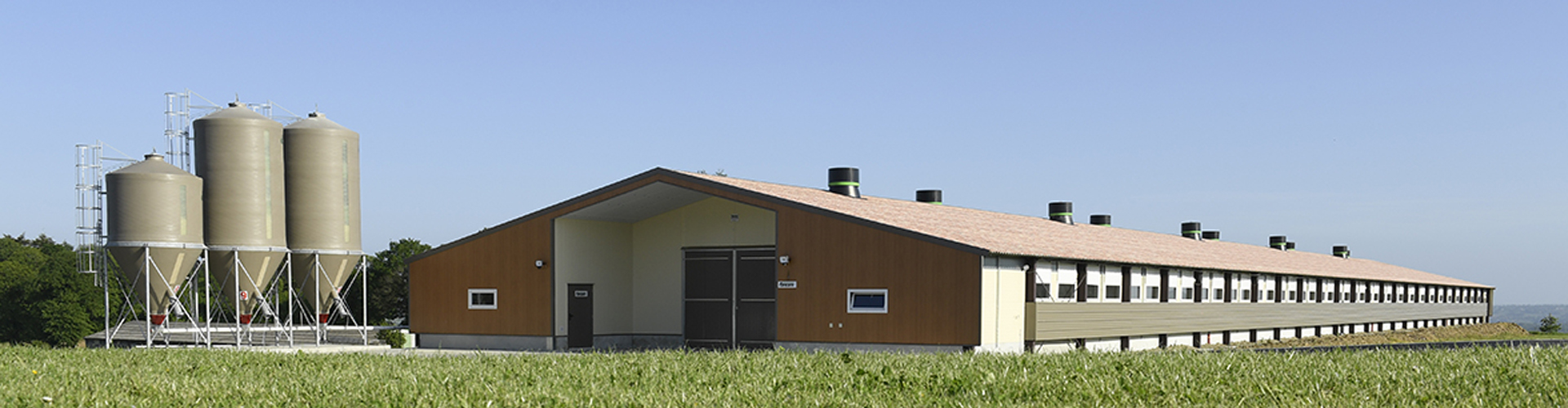
Start With The Right House: Your Equipment Determines The Result
Raising broilers on a deep litter system is not simply a matter of putting chickens on bedding and supplying feed.
Production performance depends on how effectively the house manages temperature, ventilation, feeding, drinking, lighting, and manure, with broilers commonly
requiring approximately 20–24 hours of initial daily light exposure during placement management.
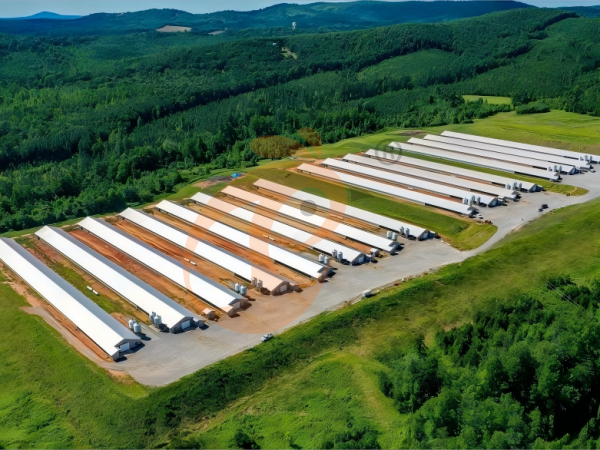
A professionally designed broiler house creates a controlled production environment.
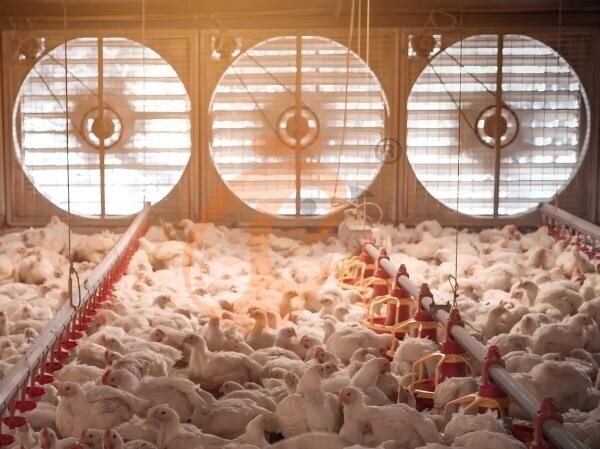
Automatic feeding lines, nipple drinking systems, tunnel fans, cooling pads, heating equipment, sensors, and environmental controllers can operate as one
integrated system.
A commercial poultry house can also incorporate independent control zones, allowing operators to adjust equipment according to different house sections and
seasonal operating requirements.
Prepare The Deep Litter Correctly
Data is for reference only.Swipe horizontally to view full table.
Clean, dry litter should be distributed evenly before placement.
A 5–15 cm bedding layer provides a practical starting range, while floor construction should incorporate a 1–2% slope where appropriate for cleaning and drainage.
Litter should be inspected around feeding and drinking zones every day.
Since drinker leakage can create localized moisture accumulation, a properly adjusted pressure regulator and correctly installed nipple line are important equipment details rather than optional accessories.
Build A Brooding Environment Chicks Can Trust
Think of the first seven days as an investment period.
Before chicks arrive, activate the heating system and verify sensors, controllers, water lines, and feeders.
Brooding temperature is commonly around 30–35°C at the beginning, while heating capacity should also account for approximately 24-hour preheating before chick placement.
A practical sequence is
Preheat → Check Equipment → Introduce Chicks → Monitor Behavior → Adjust The Environment.
The key is not simply reaching a temperature reading; uniform conditions at bird level are equally important, with sensor placement commonly maintained approximately 20–30 cm above the floor during brooding.
Modern environmental controllers can coordinate heaters and ventilation equipment while maintaining records, making adjustments more systematic than manual
switching.
Keep Feed And Water Available
Data is for reference only.Swipe horizontally to view full table.
Feed and water systems should be designed according to house length, bird population, and production target.
An automatic poultry feeding system can distribute feed along the entire house, while nipple systems maintain continuous water access and reduce repeated manual handling.
A professional equipment package also makes future expansion easier.
When the silo, auger, feeding line, water regulator, and drinking lines are designed together, a single operator can supervise substantially more production equipment during routine operation.
Manage Litter, Manure, And Humidity As One System
Data is for reference only.Swipe horizontally to view full table.
Moisture management should be treated as a continuous process rather than an occasional cleaning task.
Ventilation becomes particularly important because excessive litter moisture encourages ammonia formation, while maintaining approximately 8–12 air exchanges per hour can support controlled moisture removal during selected operating conditions.
For equipment suppliers, system integration creates measurable value.
Fans, inlets, cooling pads, sensors, and controllers must be matched to building dimensions rather than selected independently, with approximately 10–15% engineering capacity allowance often considered during project design.
Use Lighting And Automation To Improve Daily Management
Data is for reference only.Swipe horizontally to view full table.
Automation should reduce repetitive work without reducing management control.
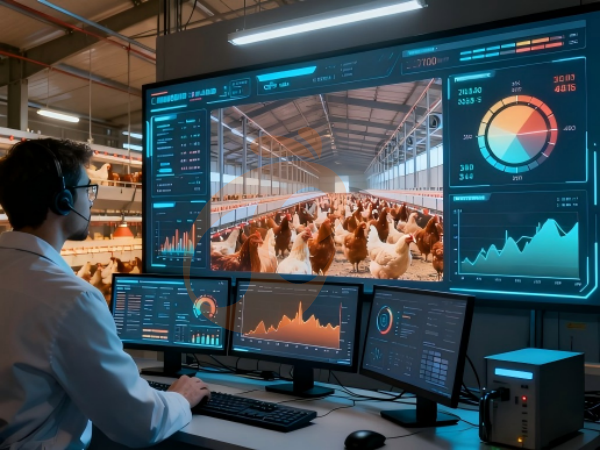
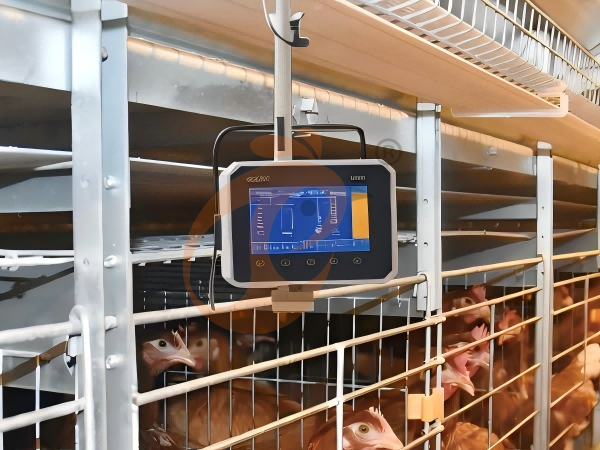
Environmental controllers can process information from multiple sensors and activate fans, heaters, or alarms according to programmed conditions, with many commercial systems supporting 24-hour continuous monitoring.
For commercial farms, integrated control becomes increasingly valuable as the number of houses grows.
One centralized system can provide operators with a clearer picture of environmental and equipment performance across multiple production areas, while remote data access can shorten inspection intervals to approximately 15–30 minutes when required.
A Daily Inspection Routine That Actually Works
Morning Check
Check bird activity, feed availability, water operation, sensor readings, and litter appearance.
A systematic inspection can be completed by moving through predefined zones, with approximately 10–15 minutes allocated for each standard house inspection depending on building length.
Midday Check
Pay particular attention to ventilation, cooling, bird distribution, and heat-stress behavior.
During hot weather, tunnel ventilation can be combined with evaporative cooling, while equipment alarms should remain active throughout the operating period.
Evening Check
Review equipment operation, feed inventory, water consumption, alarms, and environmental records.
Controllers that retain historical data can help operators compare current conditions with previous operating periods, with daily records commonly reviewed across 7–14 production days.
Equipment Selection: Compare The Whole System
Data is for reference only.Swipe horizontally to view full table.
The cheapest component is not necessarily the lowest-cost solution.
A commercial project should evaluate equipment compatibility, installation requirements, energy consumption, maintenance access, replacement parts, and control integration, with electrical load calculations completed before final equipment selection.
A professional poultry-equipment manufacturer can calculate the complete system according to house dimensions, climate, flock capacity, and target production weight instead of simply supplying individual machines.
How Equipment Can Reduce Labor Pressure
Data is for reference only.Swipe horizontally to view full table.
Labor is a major operating consideration in commercial poultry production.
Automatic feeding, drinking, ventilation, and environmental control allow workers to supervise multiple production processes instead of manually repeating basic tasks, while one operator can coordinate several automated lines through a centralized controller.
The business value is therefore not limited to labor reduction.
Equipment standardization also creates repeatable operating procedures across houses and production cycles, supporting project expansion without redesigning
every basic operating process.
Six Steps, One Integrated Production Strategy
Data is for reference only.Swipe horizontally to view full table.
The six steps are interconnected.
Feeding affects bird distribution, drinking equipment affects litter moisture, ventilation affects humidity and ammonia, and climate control determines how effectively the entire house responds to changing conditions.
A properly engineered broiler house therefore combines mechanical equipment with environmental management rather than treating each system as a separate purchase, with project commissioning commonly completed through staged testing before stocking.
Build A Broiler House Designed For The Next Flock
A successful deep-litter broiler operation starts with one principle: birds, house environment, and equipment must work together.
Professional systems can be configured around house dimensions, bird capacity, local climate, and production targets instead of forcing every farm into one fixed layout, with project service life commonly planned around 10–15 years for major house infrastructure.
When farmers combine appropriate litter management with automatic feeding, nipple drinking, ventilation, cooling, heating, lighting, and environmental control, daily management becomes more measurable and repeatable.
Commercial planning should also include spare-part availability, commissioning procedures, operator training, and preventive maintenance intervals of approximately 3–6 months.
If you are planning a new broiler house or upgrading an existing farm, choose equipment as an integrated project: feed silo + automatic feeding + nipple drinking + tunnel ventilation + cooling + heating + lighting + climate controller + alarm system.
European union standard reference only.
Frequently Asked Questions
Q1: How deep should litter be for a broiler deep litter system?
A practical starting range is 5–15 cm, depending on floor structure, bedding material, climate, and moisture management.
Drinker areas require particular inspection because water leakage can quickly change local litter conditions.
Q2: What equipment is essential for an automated broiler house?
Core equipment normally includes automatic feeding, nipple drinking, ventilation fans, cooling pads, heating, lighting, environmental control, and alarm systems.
Project sizing should follow flock capacity, with individual houses commonly designed for several thousand to tens of thousands of birds.
Q3: Why integrate poultry equipment instead of buying individual machines?
Integrated equipment allows feeding, drinking, ventilation, cooling, heating, and control systems to operate according to one engineering plan.
Such coordination simplifies commissioning, maintenance, troubleshooting, and future expansion while reducing incompatibility between independently selected components.
Taiyu (HK) Group - One Of China Toppest Deep Litter System Manufacturer
Deep litter system provides a floor-raised broiler production solution integrating litter management, automatic feeding, nipple drinking, ventilation, cooling, heating, lighting, and environmental control.
Global factory direct sales connects international poultry projects with factory-engineered equipment, technical drawings, component matching, production scheduling, and installation support.
Poultry equipment covers feeding, drinking, ventilation, cooling, heating, control, and electrical systems, enabling coordinated specifications for commercial broiler houses.
Turn-key engineering supports project planning from house layout and equipment selection through manufacturing, delivery, commissioning, operator training, and after-sales service.
International project delivery supports farm developments across different capacities and climates through standardized components, engineering documentation, production inspection, and technical coordination.
Contact Us To Received Your Customized Poultry Farm Plan
Headquarters And Branchs
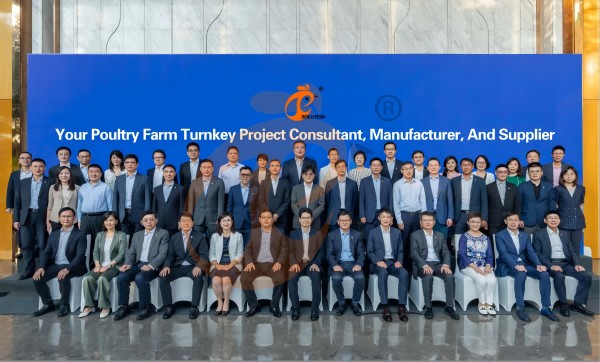
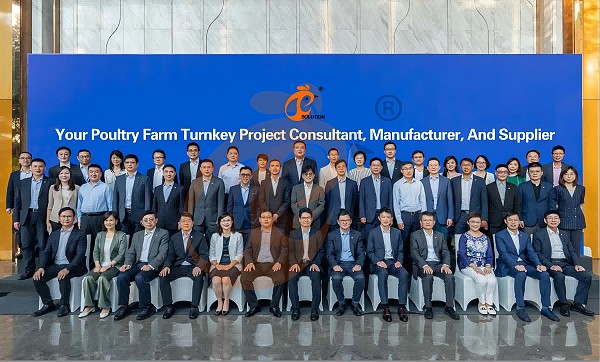
Hong Kong Headquarter Management Team
Hong Kong Headquarter Taiyu Industrial Group CO., LTD
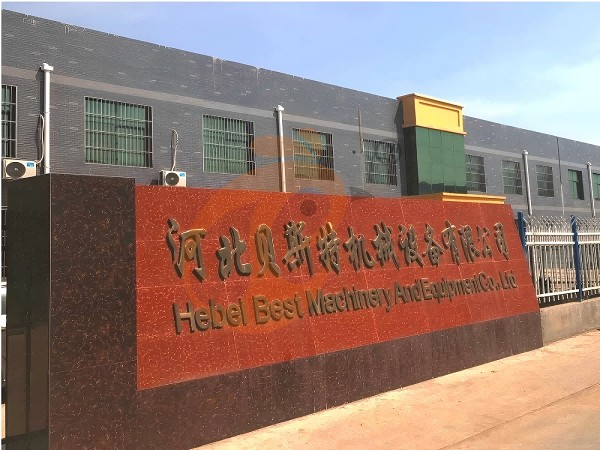
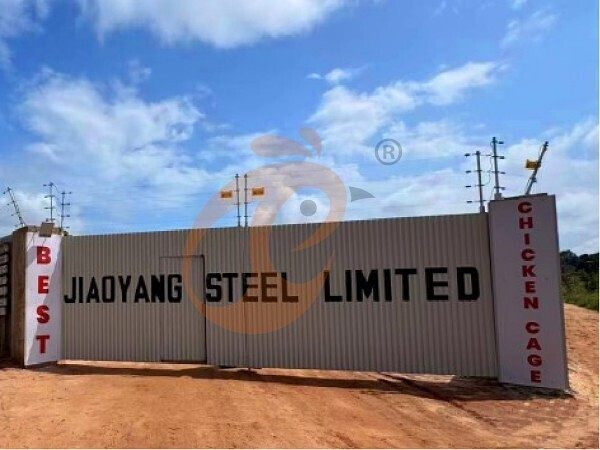
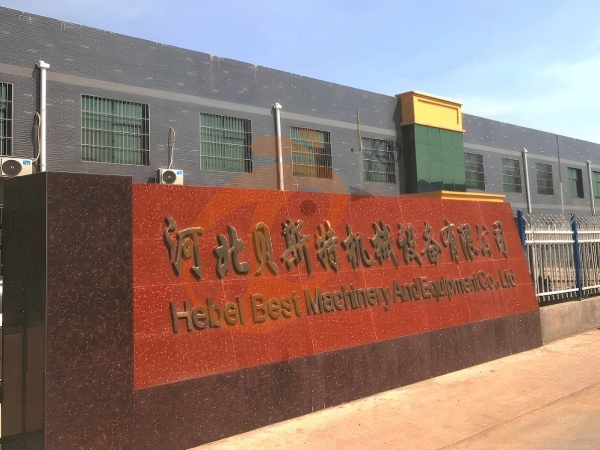
China Hebei Best Machinery And Equipment CO., LTD
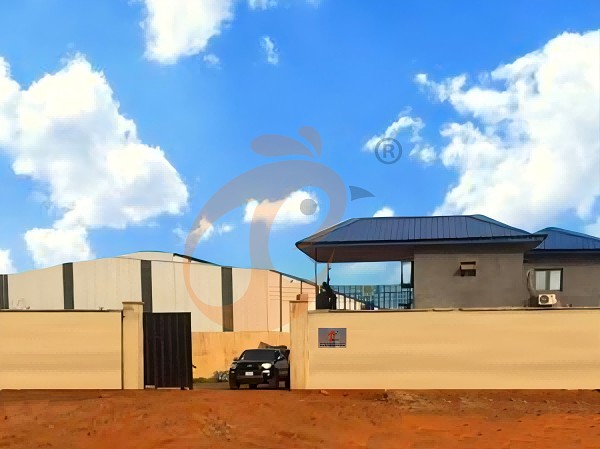
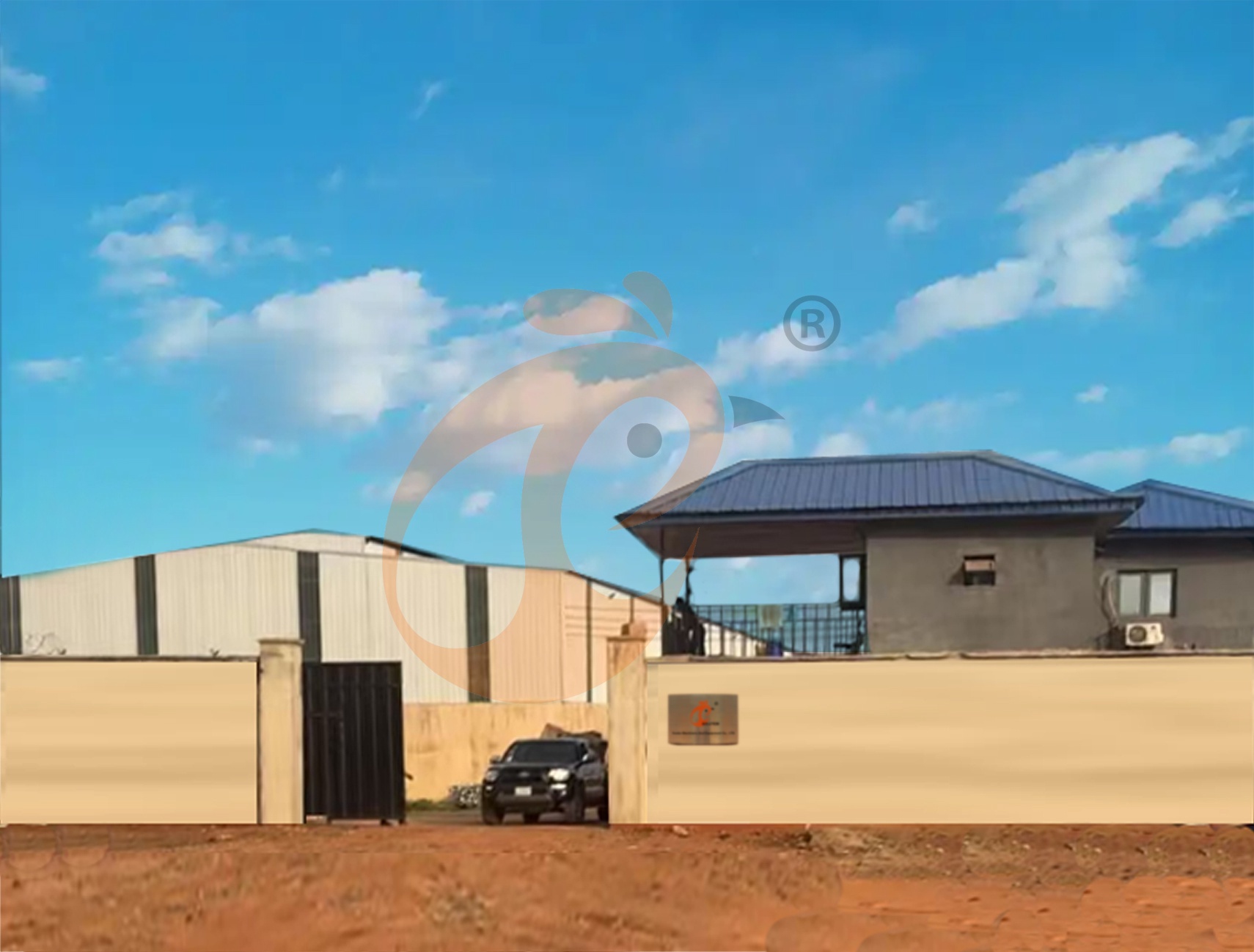
Nigeria Vanke Machinery And Equipment CO., LTD
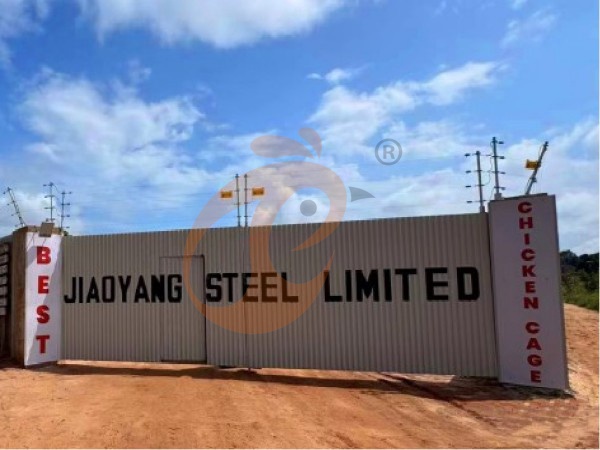
Tanzania Best Machinery And Equipment CO., LTD
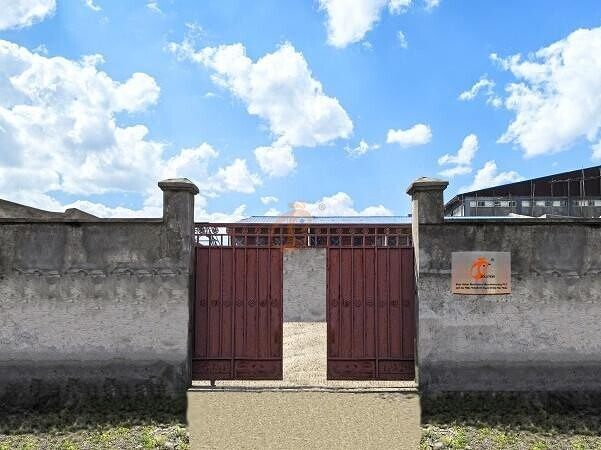
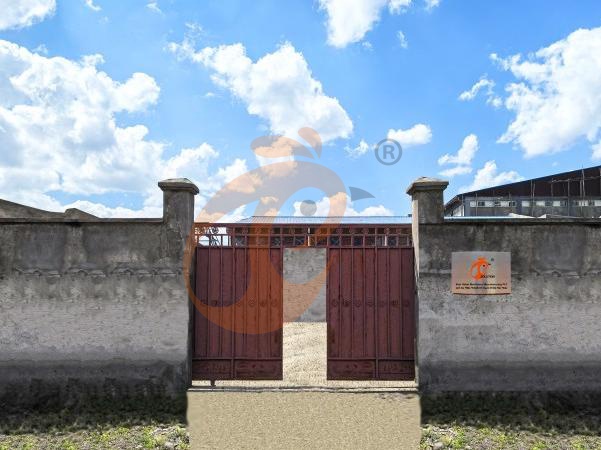
Ethiopia Best Hebei Machinery Manufacturing PLC
Reception /24 WhatsApp NO. : +8618830120193
FAQ
What Are The Growth Performance Benefits In Deep Litter Poultry System?
Feed conversion ratio improves to 1.55–1.78 due to thermal comfort and reduced stress.
Market uniformity rate exceeds 85%–92% within target slaughter weight range.
What Are The Litter Turning And Management Frequency Standards In Deep Litter Poultry System?
Surface leveling is maintained every 3–5 days to prevent compaction zones.
Full litter replacement cycle occurs every 2–3 production batches depending on load intensity.
What Are The Energy Efficiency And Cost Advantages In Deep Litter Poultry System?
Construction cost savings reach 25%–40% compared with fully caged housing systems.
Operational labor demand decreases by 30%–50% through simplified floor-based management.
- poultry farm
- poultry house
- cage
- poultry farm construction
- poultry house ventilation
- poultry feeding system
- poultry house ventilation system
- automatic poultry feeding system
- deep litter system
- broiler deep litter system
- poultry equipment
- chickencage
- bestchickencage
- Nigeria
- deep litter system manufacturer
- hen farm
- broiler farm
- broiler house design
- broiler farming equipment
- poultry farm plan
- LED poultry lamp
- poultry feed
- feed silo
- Ethiopia
Message
Products recommended
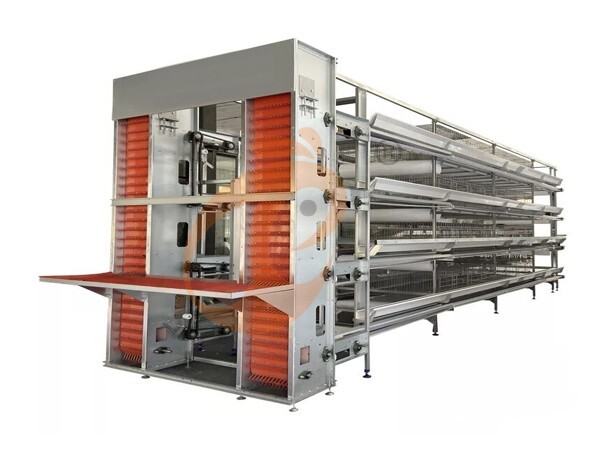
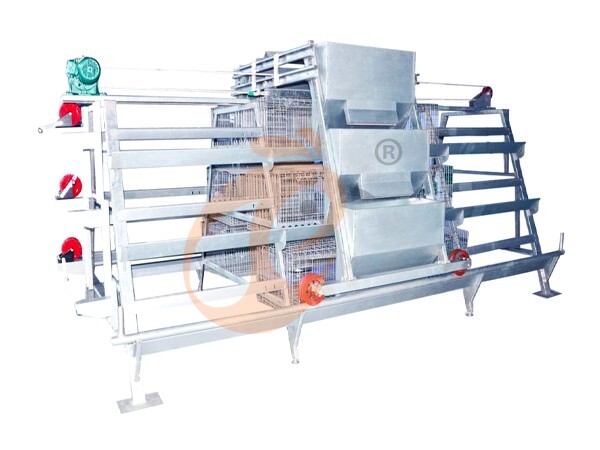
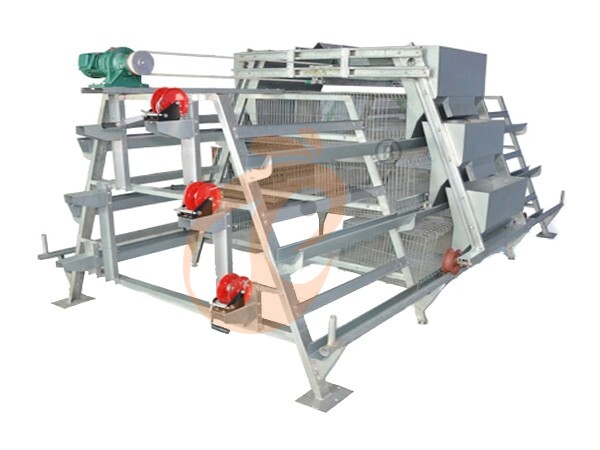
 >30,000 Pullets Automatic H Type Battery Cage1. More than 30,000 pullets a house, choose it.
2. It is designed to rearing older than 1 day old pullets to 12 to 16 weeks old chicken starting laying eggs.
3. Its lifespan is more than 25 years.
4. Its structure are Vcloud artificial intelligent fusion, electric control cabinet, automatic equipment of drinking, feeding, manure clean, manual harvesting.
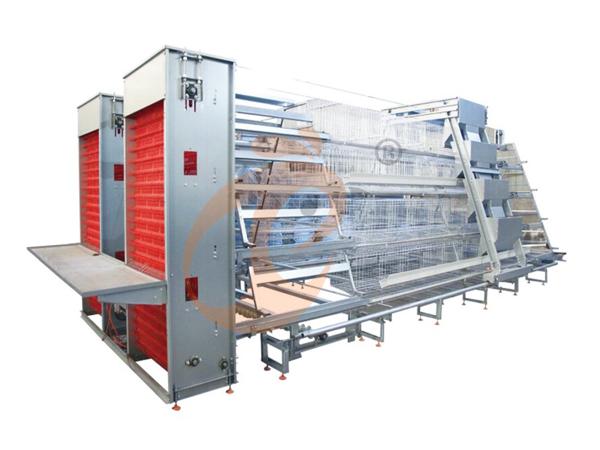
5. Our 24 hour online reception What’sApp NO. is +8618830120193 <30,000 Pullets Automatic A Type Battery Cage1. 10,000 to 30,000 pullets a house, choose it.
2. It is designed to rearing older than 1 day old pullets to 12 to 16 weeks old chicken starting laying eggs.
3. Its lifespan is more than 25 years.
4. Its structure are Vcloud artificial intelligent fusion, electric control cabinet, automatic equipment of drinking, feeding, manure clean, manual harvesting.
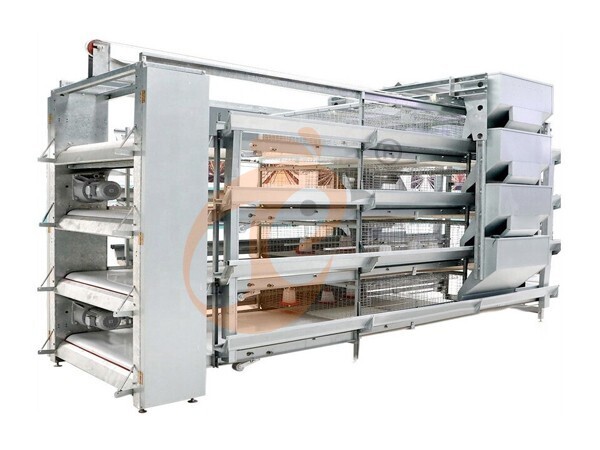
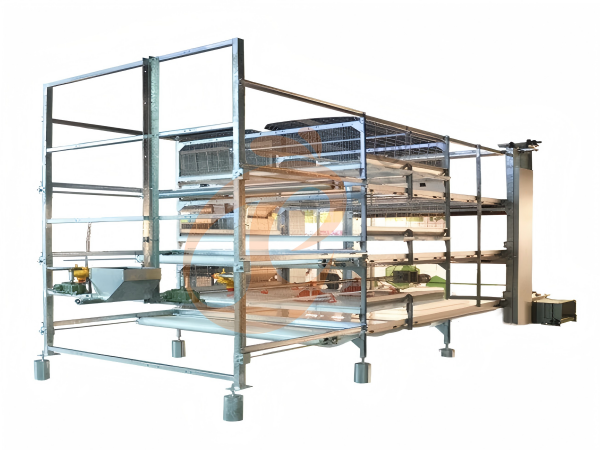
5. Our 24 hour online reception What’sApp NO. is +86 18830120193. >30,000 Broilers Semi-Automatic Harvest H Type Battery Cage1. More than 30,000 broilers a house, choose it.
2. It is designed to rearing 1 to 45 day old adult broiler ready for market.
3. Its lifespan is more than 20 years.
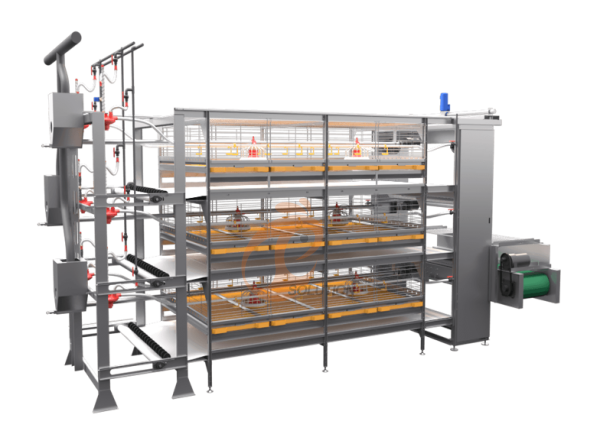
4. Our 24 hour online reception What’sApp NO. is +8618830120193, +234 8111199996. >30,000 Broilers Manual Harvest H Type Battery Cage1. More than 30,000 broilers a house, choose it.
2. It is designed to rearing 1 to 45 day old adult broiler ready for market.
3. Its lifespan is more than 20 years.
4. Its structure are Vcloud artificial intelligent fusion, electric control cabinet, automatic equipment of drinking, feeding and manure clean, manual harvesting.
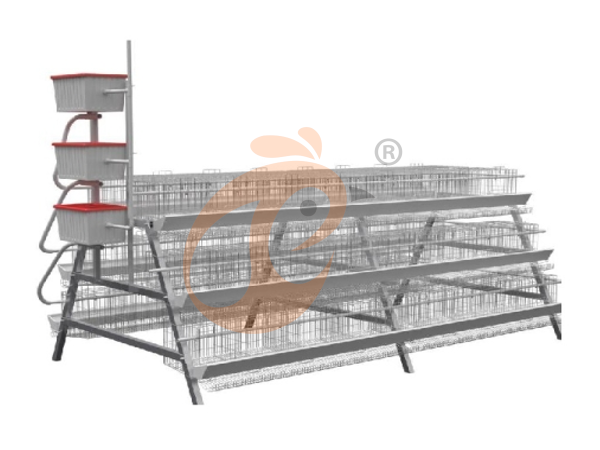
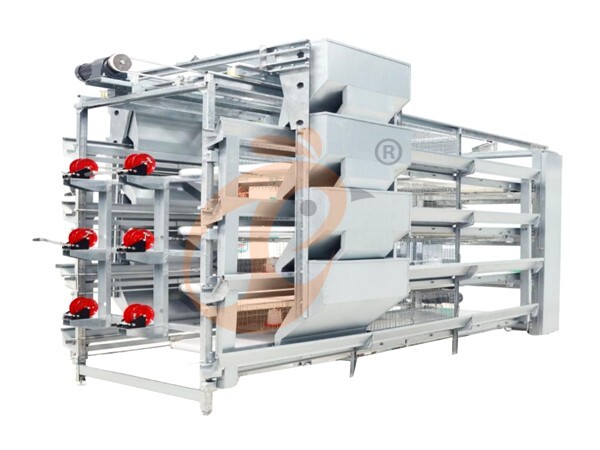
5. Our 24 hour online reception What’sApp NO. is +8618830120193, +234 8111199996. <30,000 Broilers Manual Harvest A Type Battery Cage1. Less 30,000 broilers a house, choose it.
2. It is designed to rearing 1 to 45 day old adult broiler ready for market.
3. Its lifespan is more than 20 years.
4. Its structure are Vcloud artificial intelligent fusion, electric control cabinet, automatic equipment of drinking, feeding and manure clean, manual harvesting.
5. Our 24 hour online reception What’sApp NO. is +8618830120193, +234 8111199996. HK Headquarter Offers EU-standard Poultry Farm Solutions, Manufacture Poultry Farm Equipment1. Continuous communication with the EU and the US
2. China, Nigeria, Ethiopia, Tanzania branch companies and factories
3. The products’ quality is customized for local poultry farms
4. Poultry cage and poultry farm equipment stock for sale
5. 24 online reception Whatsapp NO. : +8618830120193,contact us to get full information China Branch Offer Poultry Farm Business Plan, Manufacture Poultry Farm Equipment1. Address: Flat/RM 2416, 24/F, Runxing Building, Youyi Nan Street, Shijiazhuang City, Hebei Province, China
2. Poultry cage and poultry farm equipment factory and stock for sale
3. Customized for local poultry farms
4. Quality and design are based on Euro
5. 24 online reception Whatsapp NO. : +8618830120193 Nigeria Branch Offer Poultry Farm Business Plan, Manufacture Poultry Farm Equipment1. Address: After Sinoma Office, 200 Meters Near Danco Filling Station, Lagos/Ibadan Expressway, Lagos State, Nigeria
2. Poultry cage and poultry farm equipment factory and stock for sale
3. Customized for Nigerian poultry farms
4. Quality and design are based on Euro
5. 24 online reception Whatsapp NO. : +8618830120193 Ethiopia Branch Offer Poultry Farm Business Plan, Manufacture Poultry Farm Equipment1. Address: Gelan Gura, Akaki-kaliti Sub City, Addis Ababa, Ethiopia
2. Poultry cage and poultry farm equipment stock for sale
3. Customized for Ethiopian poultry farms
4. Quality and design are based on Euro
5. 24 online reception Whatsapp NO. : +8618830120193, contact us to get price list Tanzania Branch Offer Poultry Farm Business Plan, Manufacture Poultry Farm Equipment1. Address: No.8, Sova Road, Msufini, Mlandizi, Kibaha, Pwani, Tanzania
2. Poultry cage and poultry farm equipment factory and stock for sale
3. Customized for Tanzanian poultry farms
4. Quality and design are based on Euro
5. 24 online reception Whatsapp NO. : +8618830120193


Contact